What would you like to read?Search books, authors, genres, shelves, users...
Search books, authors, genres, shelves, users...Search books, authors, genres, shelves, users...

What would you like to read?Search books, authors, genres, shelves, users...
Search books, authors, genres, shelves, users...Search books, authors, genres, shelves, users...
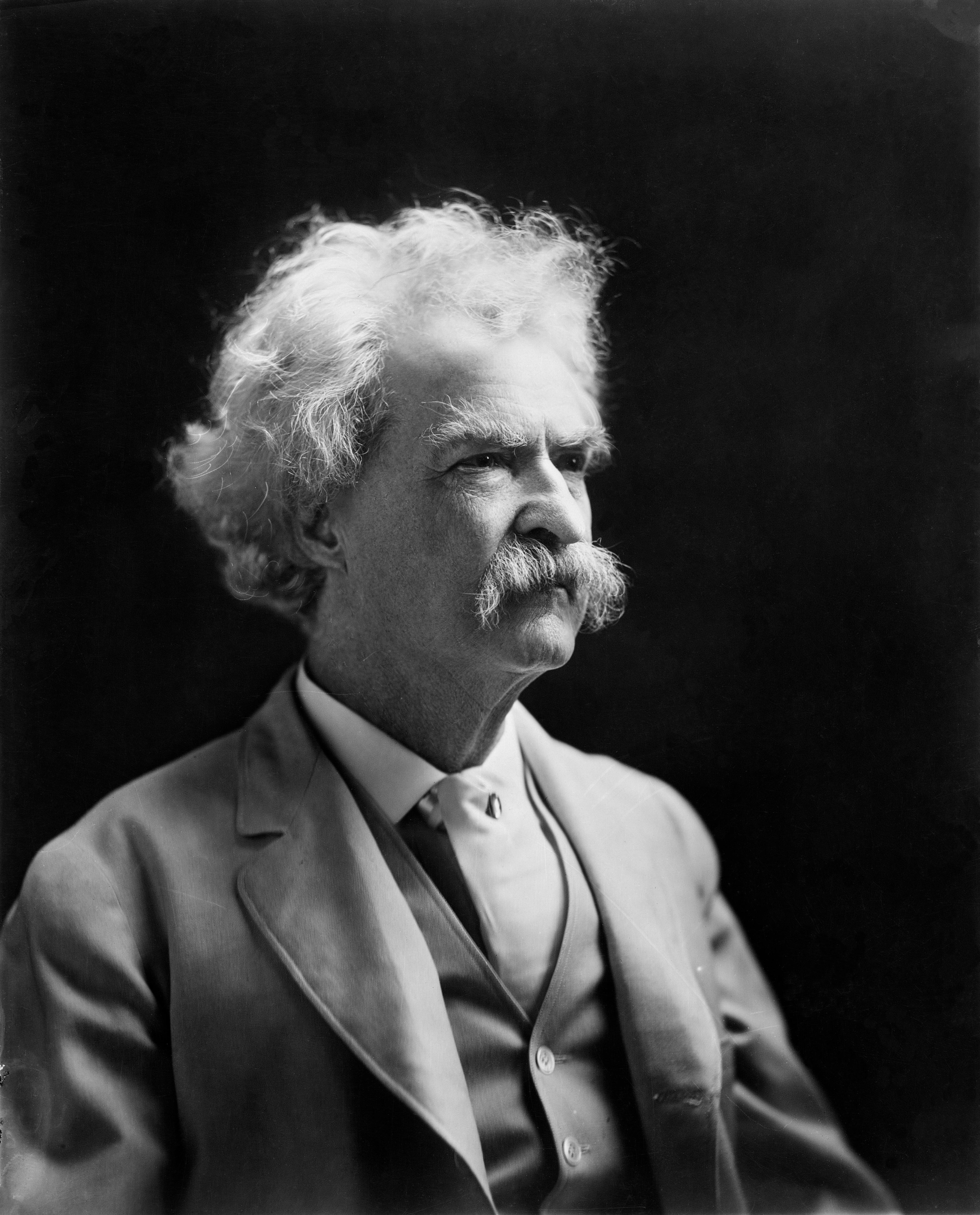
1835-1910
Samuel Langhorne Clemens (November 30, 1835 – April 21, 1910), known by the pen name Mark Twain, was an American writer, humorist, and essayist. He was praised as the "greatest humorist the United Sta...

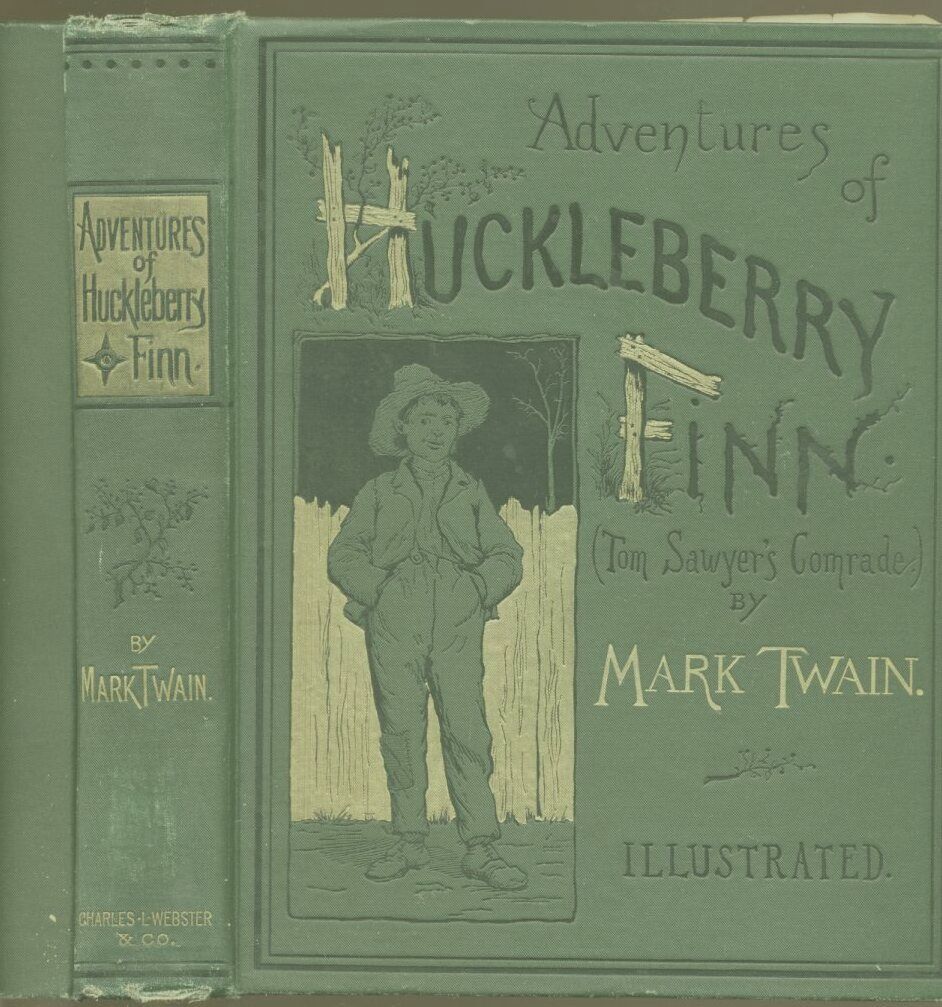
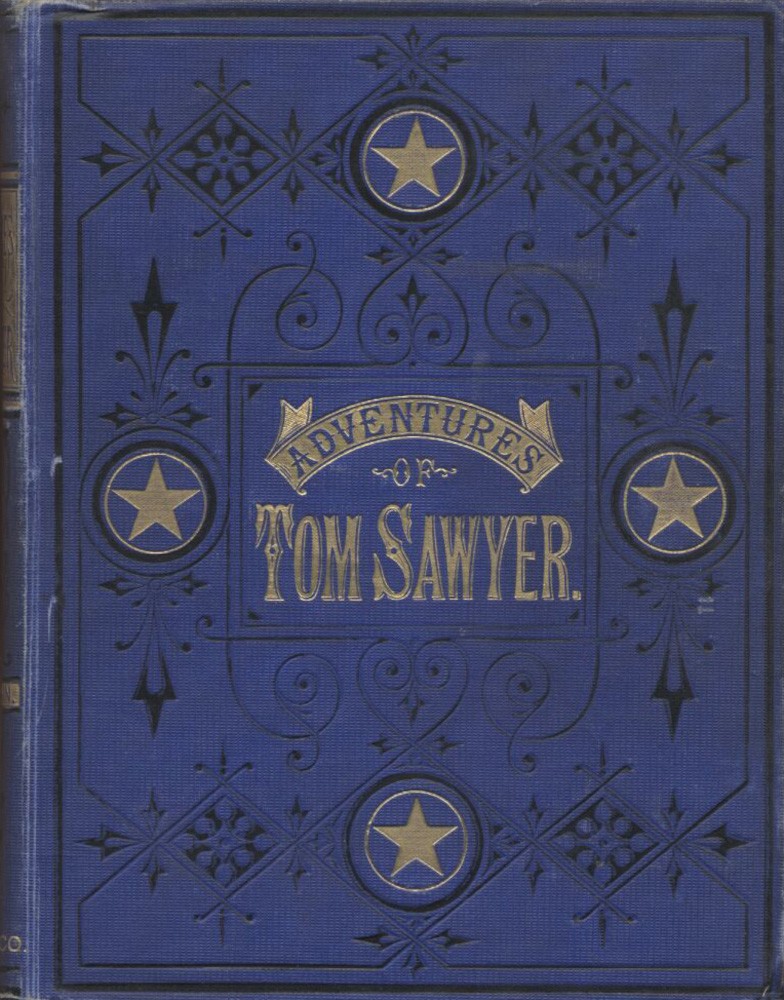

1962
Mark Twain
Mark Twain
Mark Twain
1895
Mark Twain
1901
Mark Twain
Mark Twain
1897
Mark Twain
Mark Twain
1875
Mark Twain
1918
Mark Twain
Mark Twain
Mark Twain
Mark Twain
1896
Mark Twain
1882
Mark Twain
Mark Twain
Mark Twain
1902
Mark Twain
Mark Twain
Mark Twain
Mark Twain
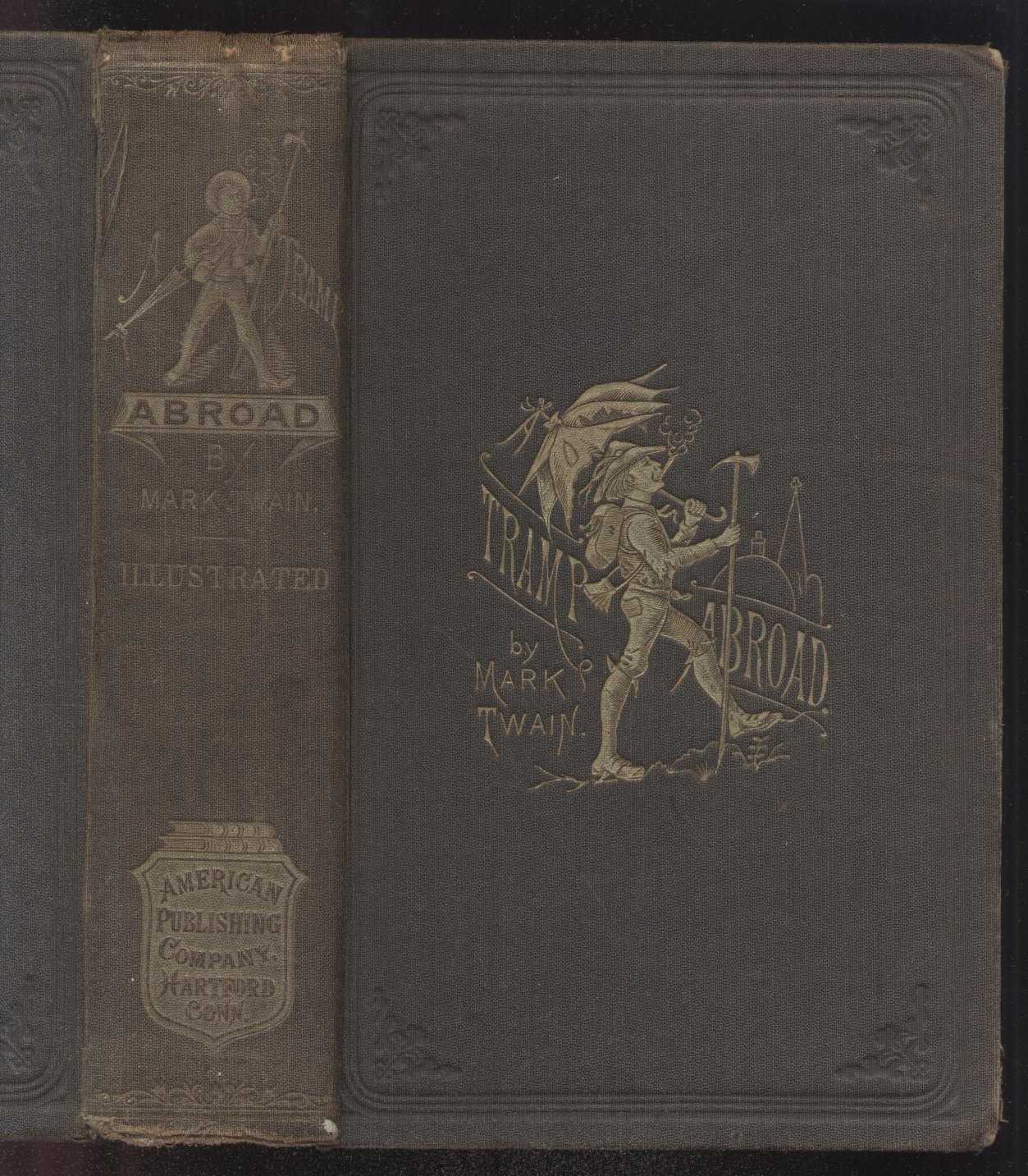
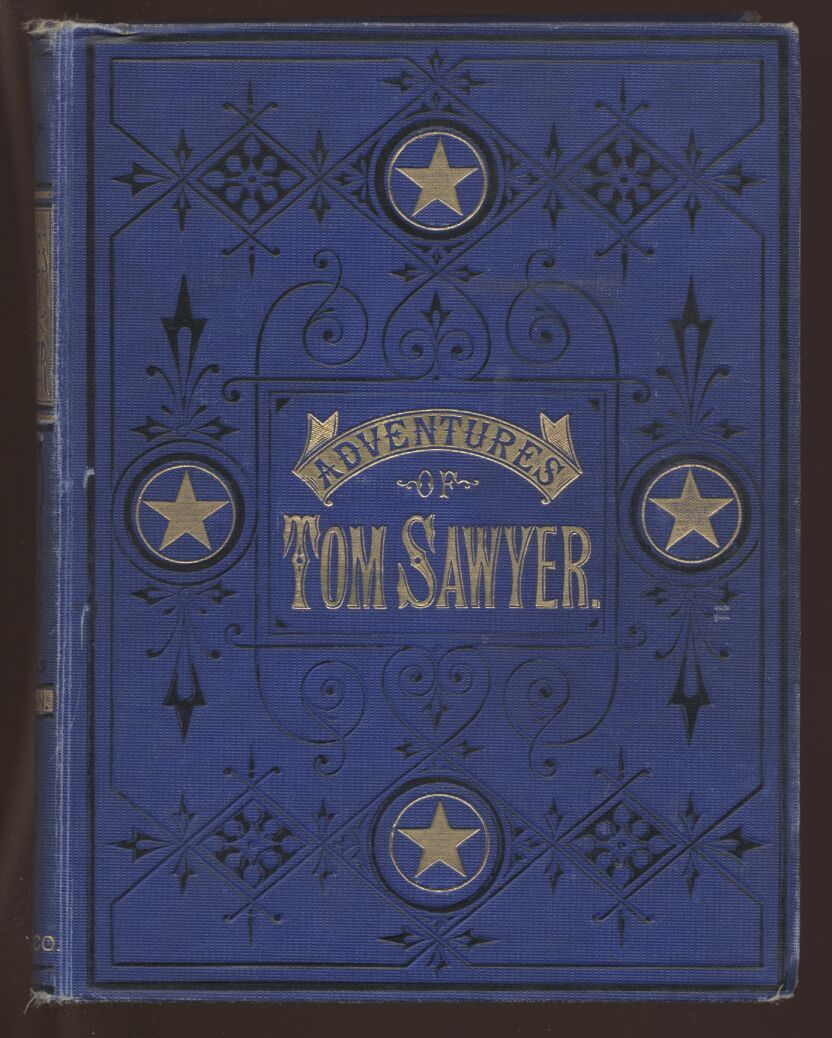
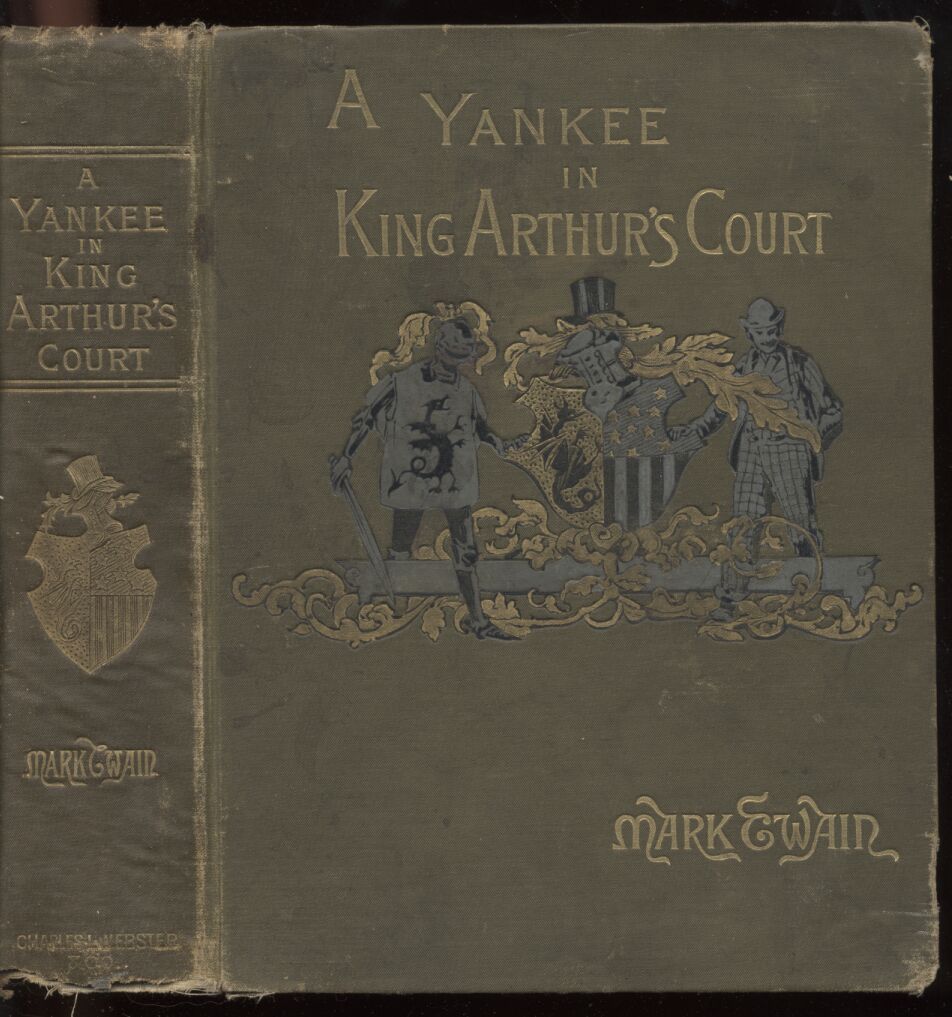
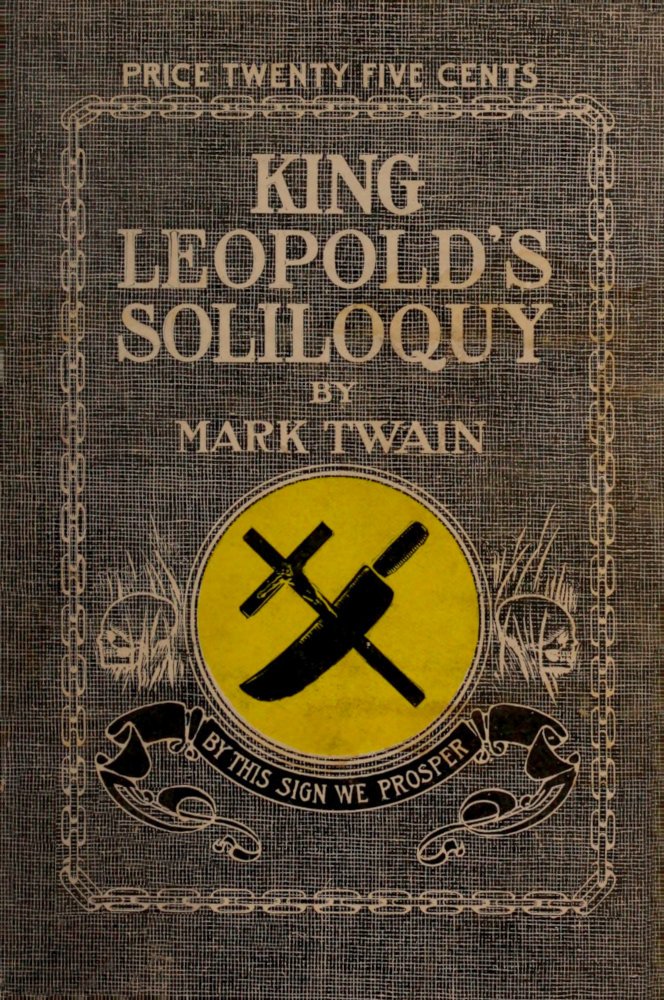
1919
Mark Twain
Mark Twain
1893
Mark Twain
1882
Mark Twain
1876
Mark Twain
1871
Mark Twain
1877
Mark Twain
1870
Mark Twain
Mark Twain
Mark Twain
Mark Twain
Mark Twain
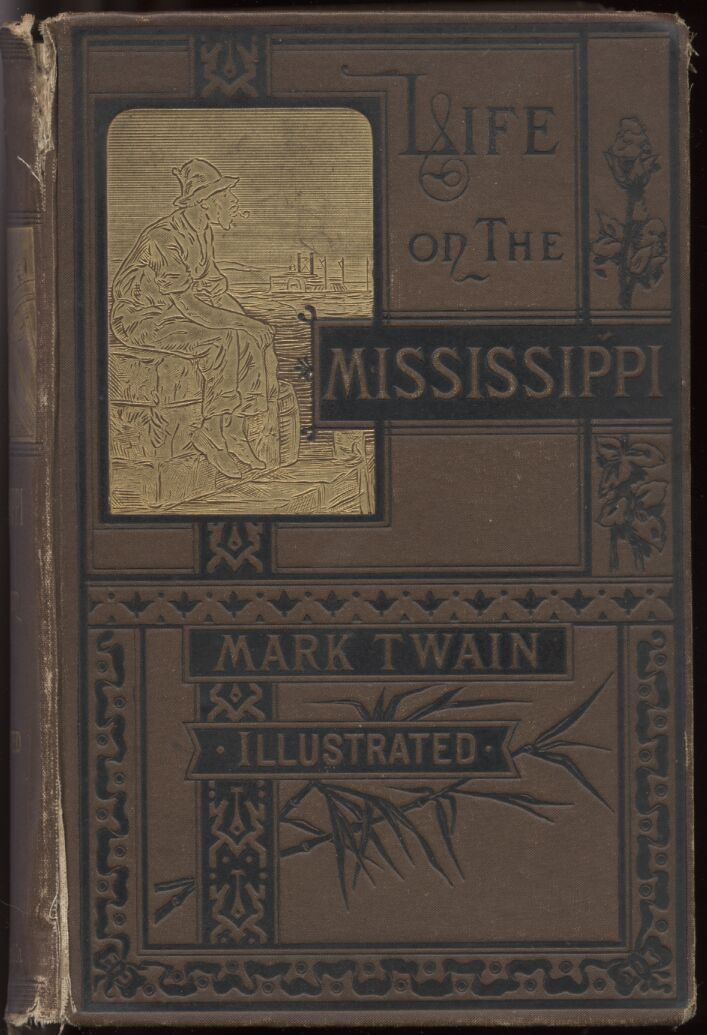
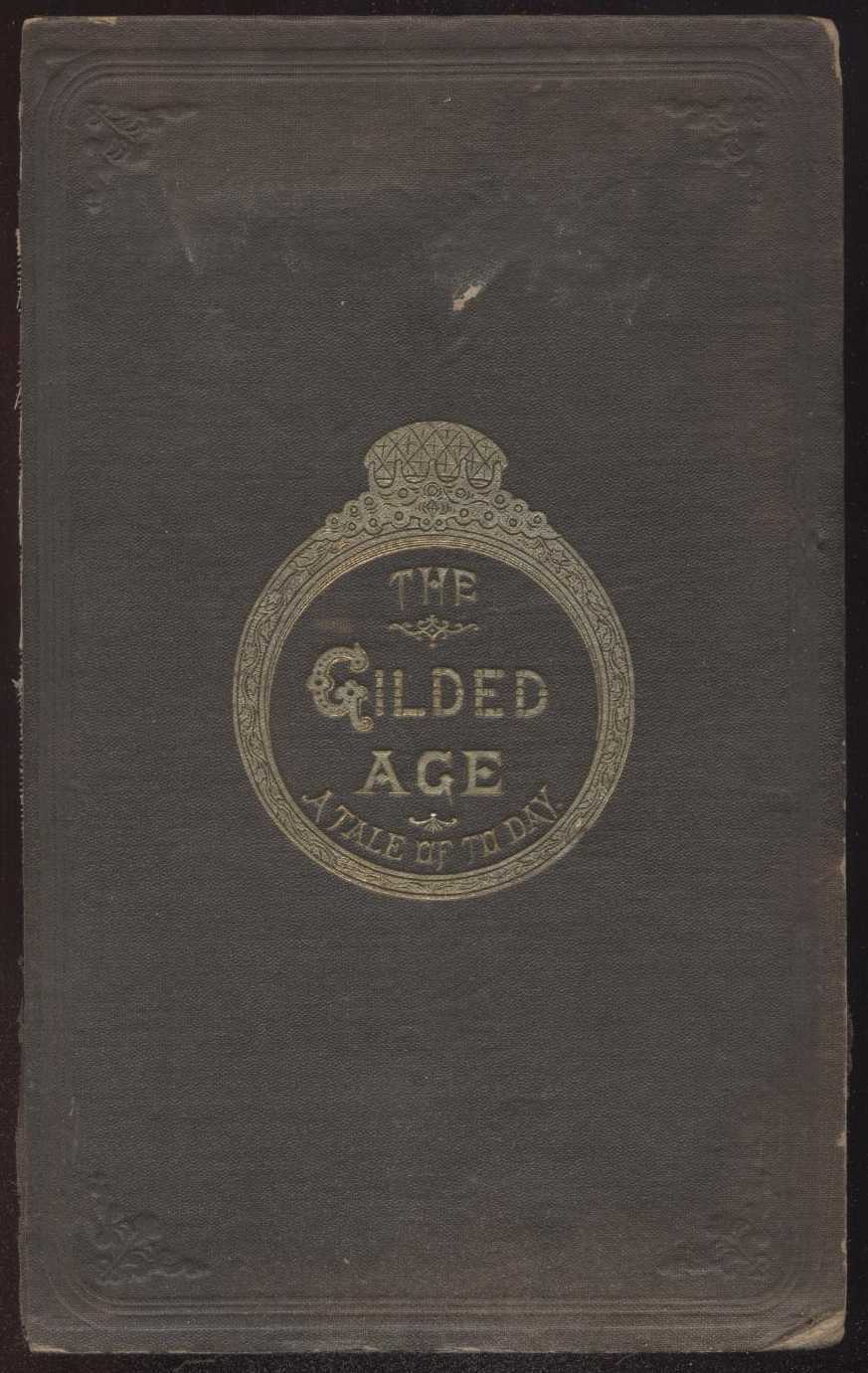
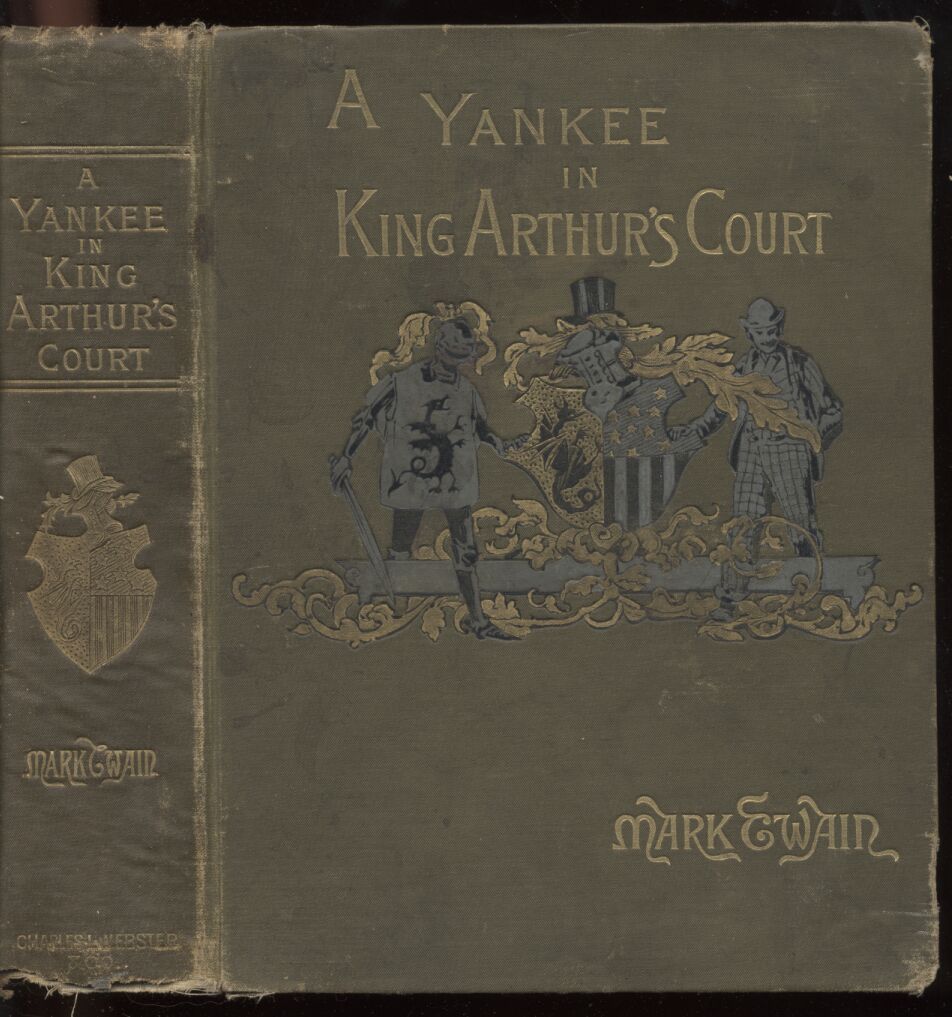
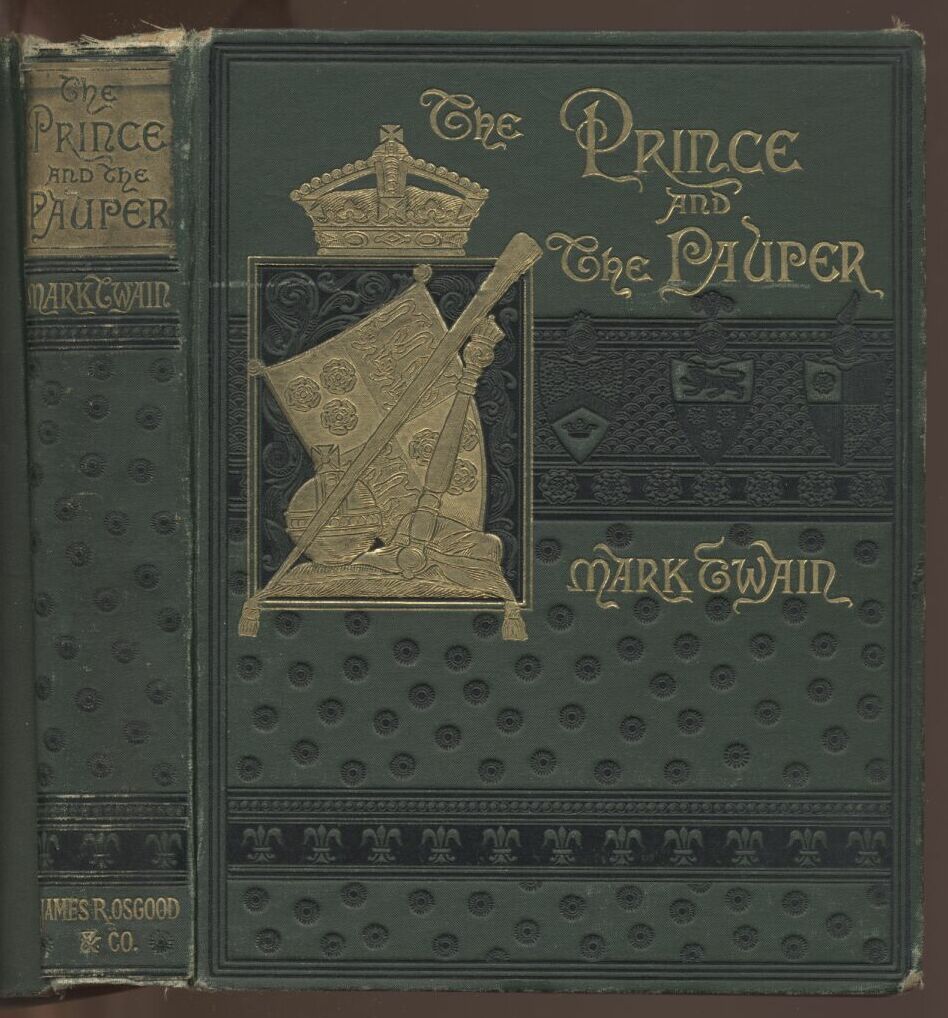
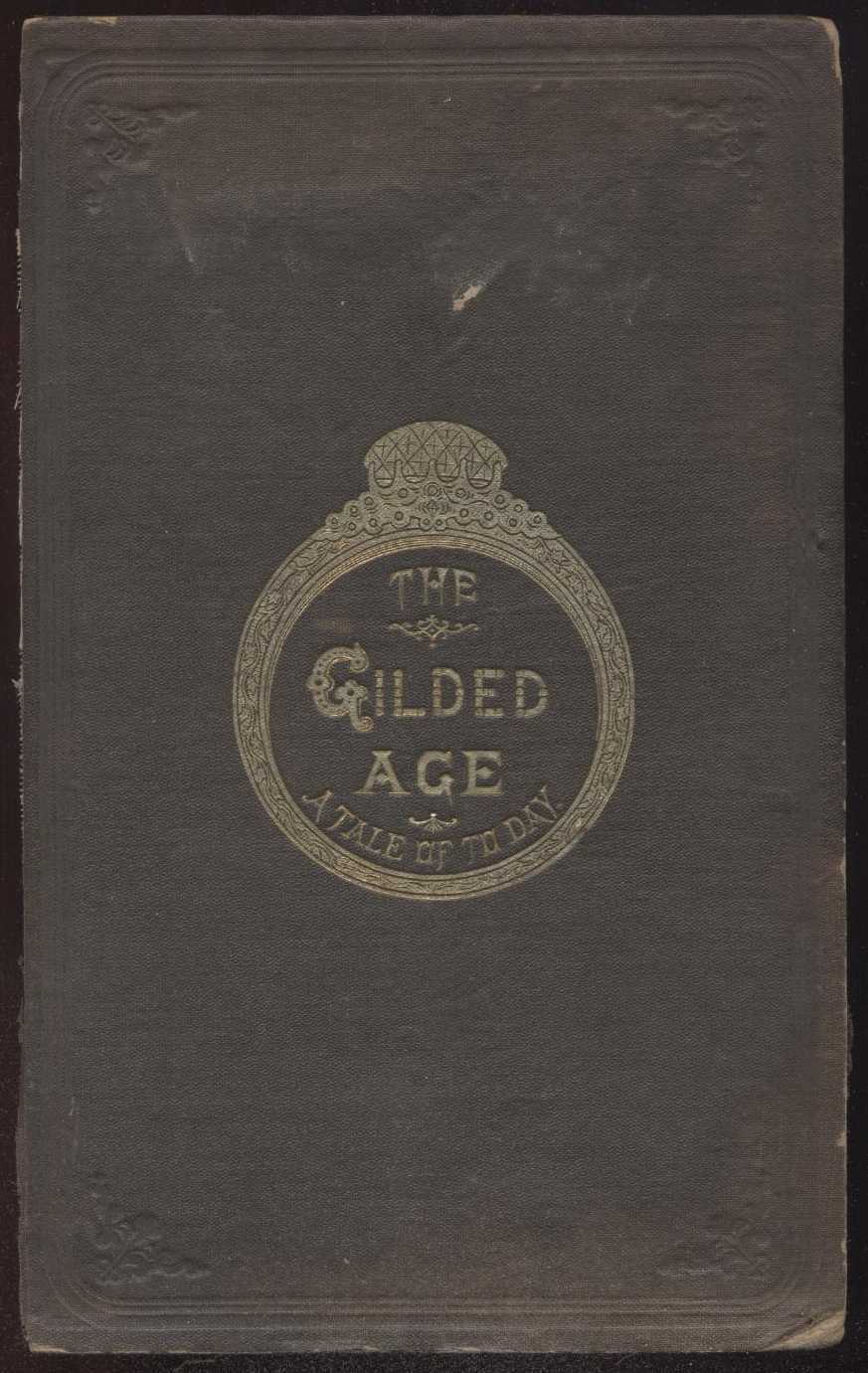
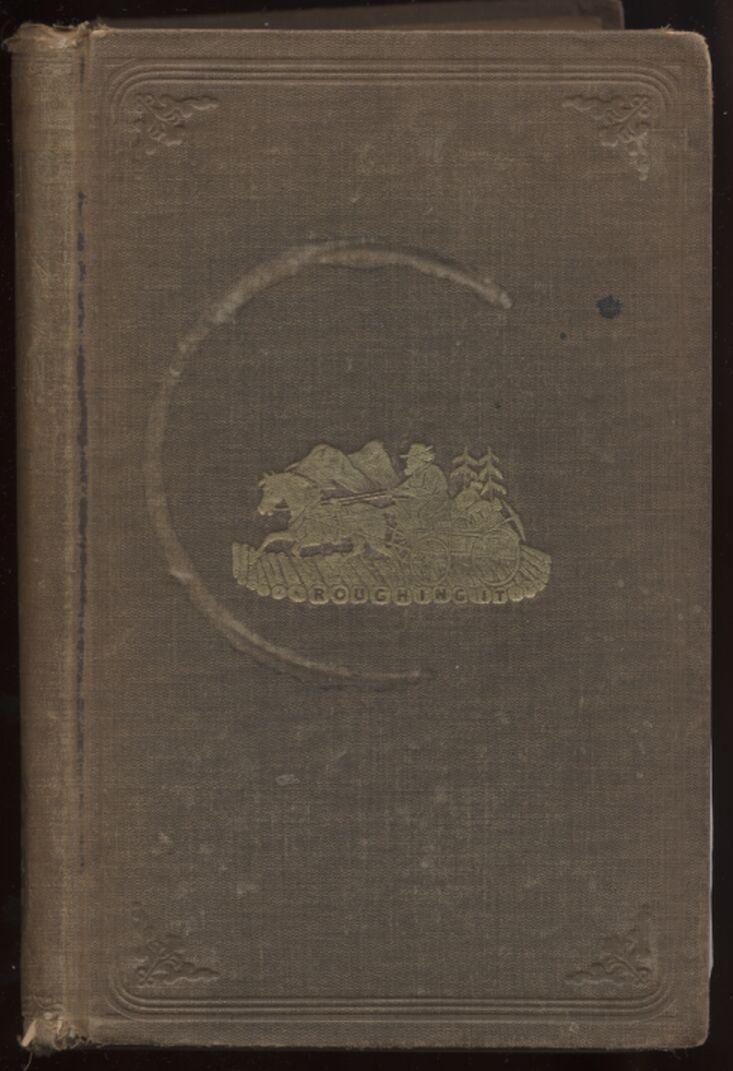
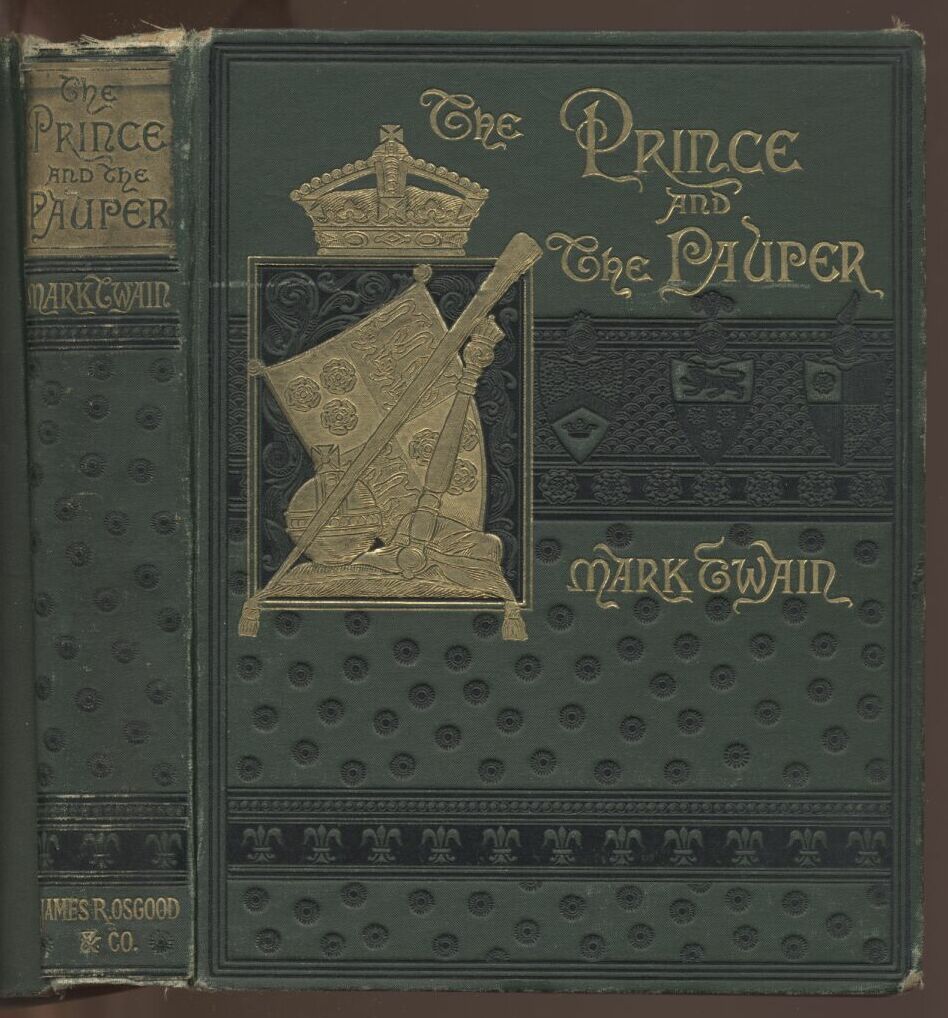
Mark Twain
1907
Mark Twain
1983
Mark Twain
1884
Mark Twain
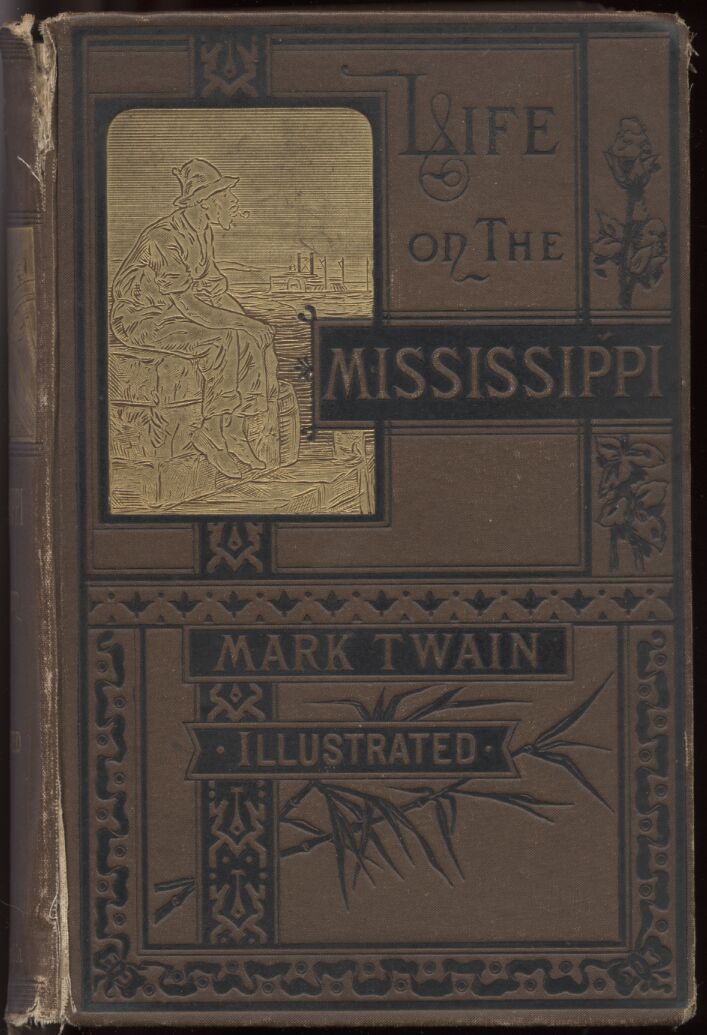
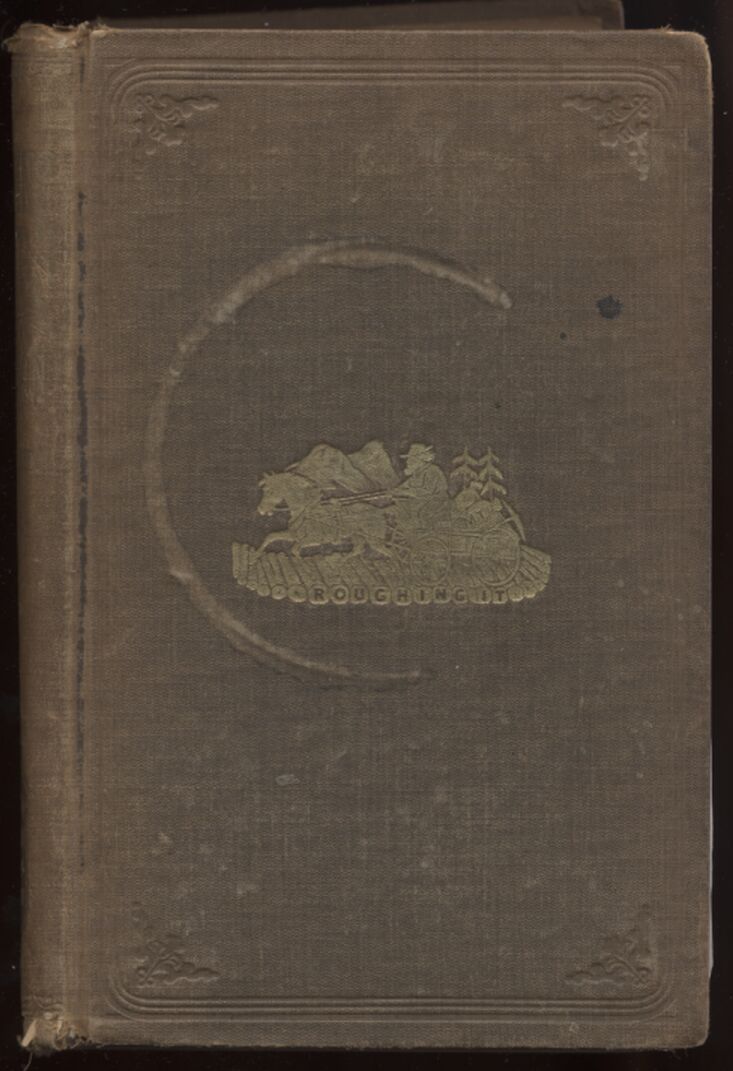
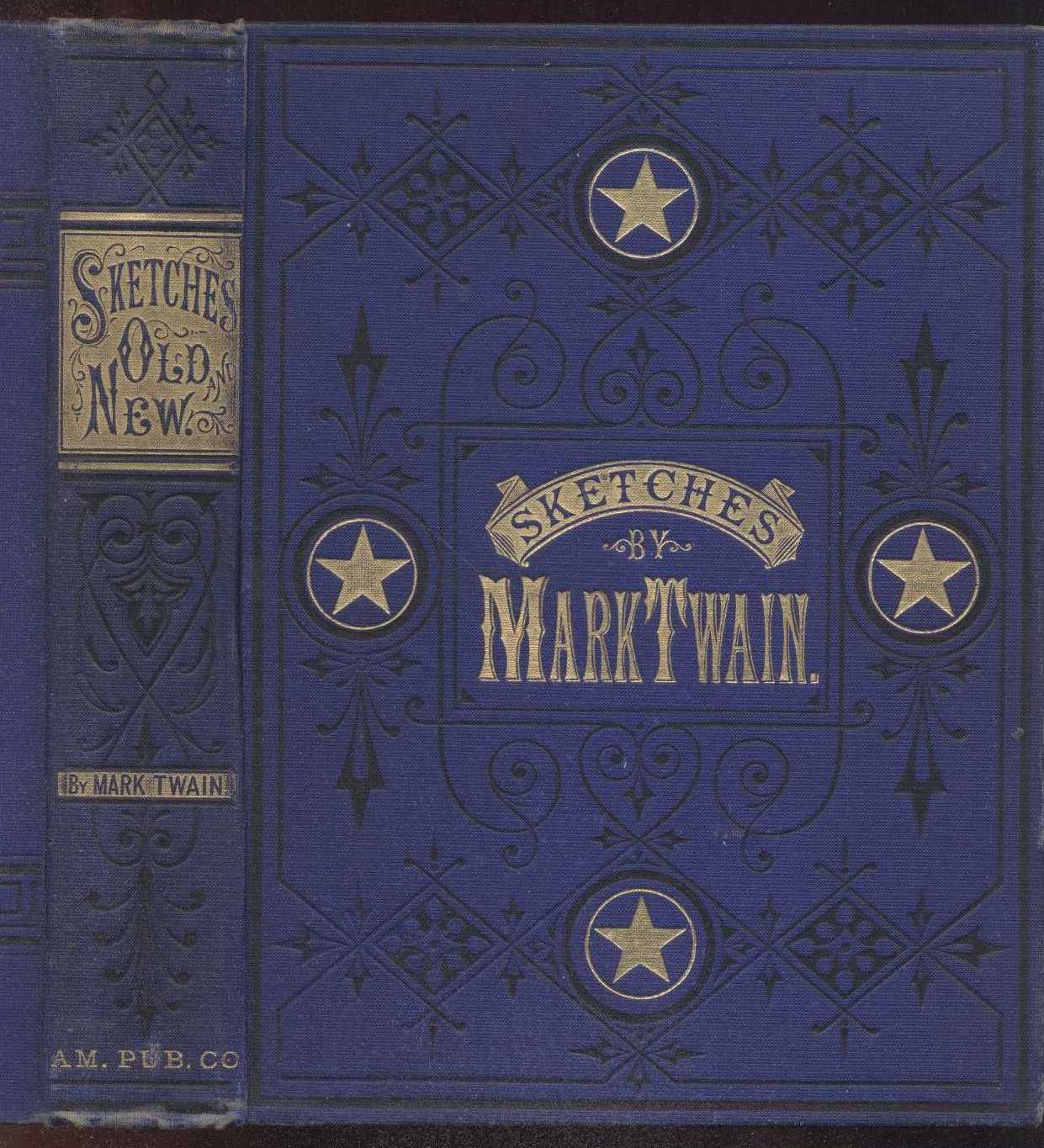
Mark Twain
1981
Mark Twain
1881
Mark Twain
1896
Mark Twain

1876
Mark Twain
Mark Twain

1865
Mark Twain
1869
Mark Twain
1883
Mark Twain
1899
Mark Twain
1901
Mark Twain
1880
Mark Twain
1917
Mark Twain
1917
A collection of essays and philosophical dialogues written in the late 19th century. The essays explore profound inquiries into human nature, morality, and the influences that shape our thoughts and behaviors. The opening dialogue focuses on a conversation between an Old Man and a Young Man, wherein they debate whether human beings are merely machines driven by external influences, leading to a discussion about personal merit and the essence of free will. The beginning of this work sets the stage for Twain’s exploration of existential questions and the concept of man as a machine. The Old Man argues that individuals do not create their thoughts or actions independently; instead, they are influenced and shaped by their experiences and environment, likening humanity's state to that of a complex engine rather than free-thinking beings. He discusses the origins of opinions and virtues, suggesting that every impulse—whether for noble or selfish reasons—is ultimately aimed at appeasing one's inner self. This establishes a provocative premise that invites readers to reflect on the essence of their own motives and the nature of human existence.
Mark Twain
Herman Melville
Willa Cather
Holman Day
William J. Long
Charles Brockden Brown
Joel Chandler Harris
Irvin S. Cobb
Edward Eggleston