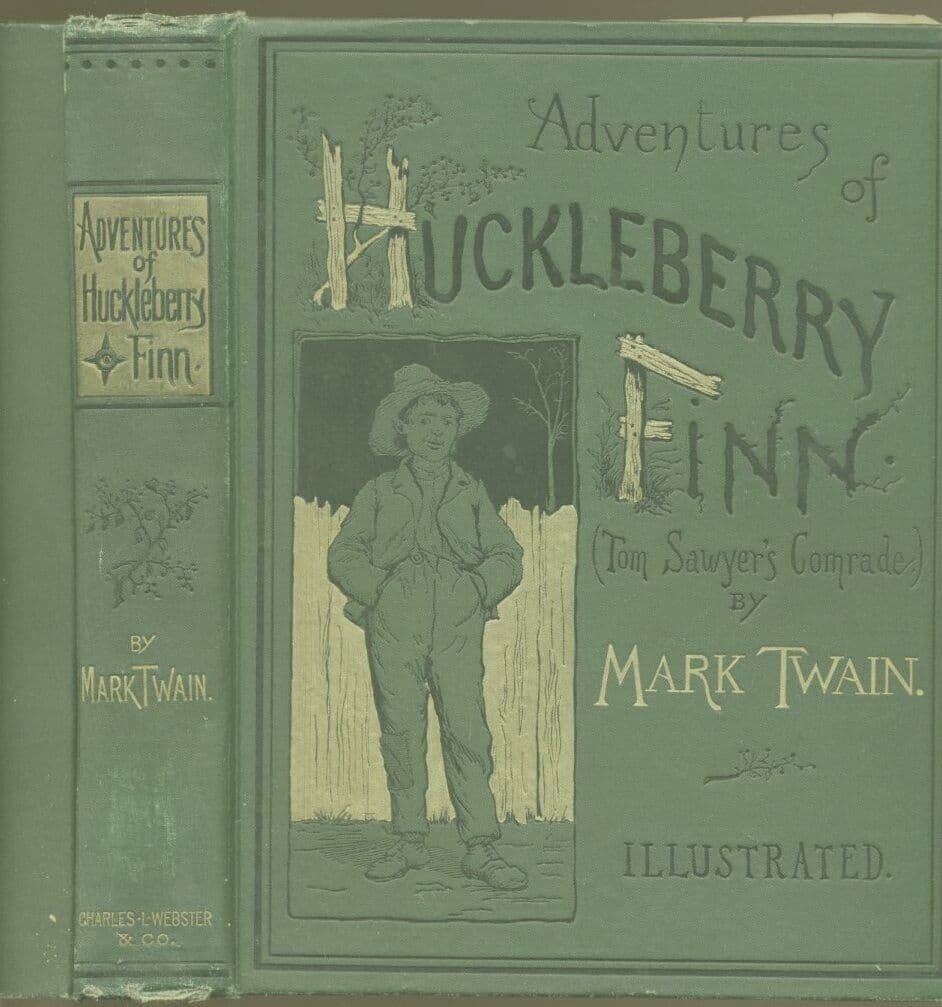
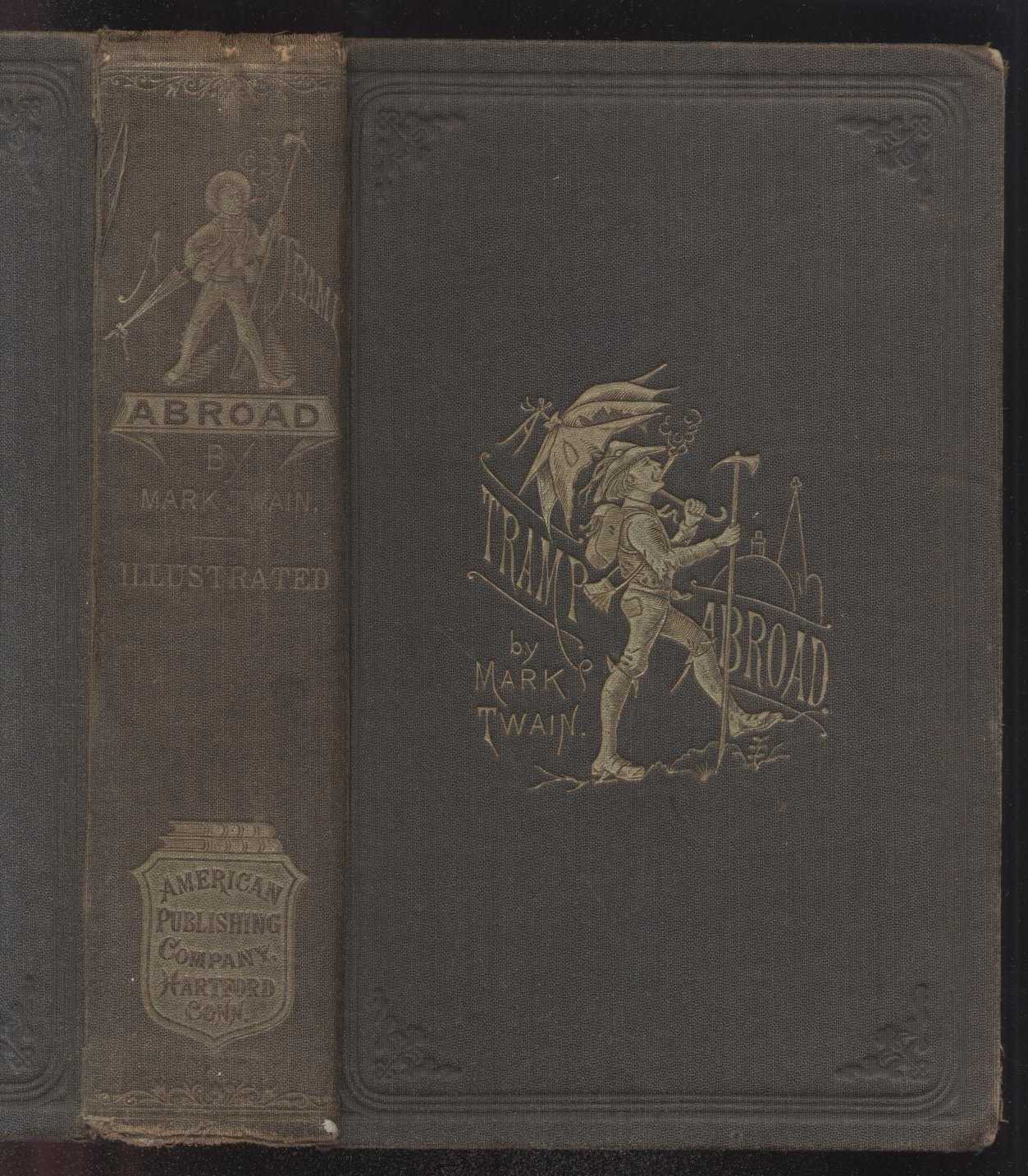
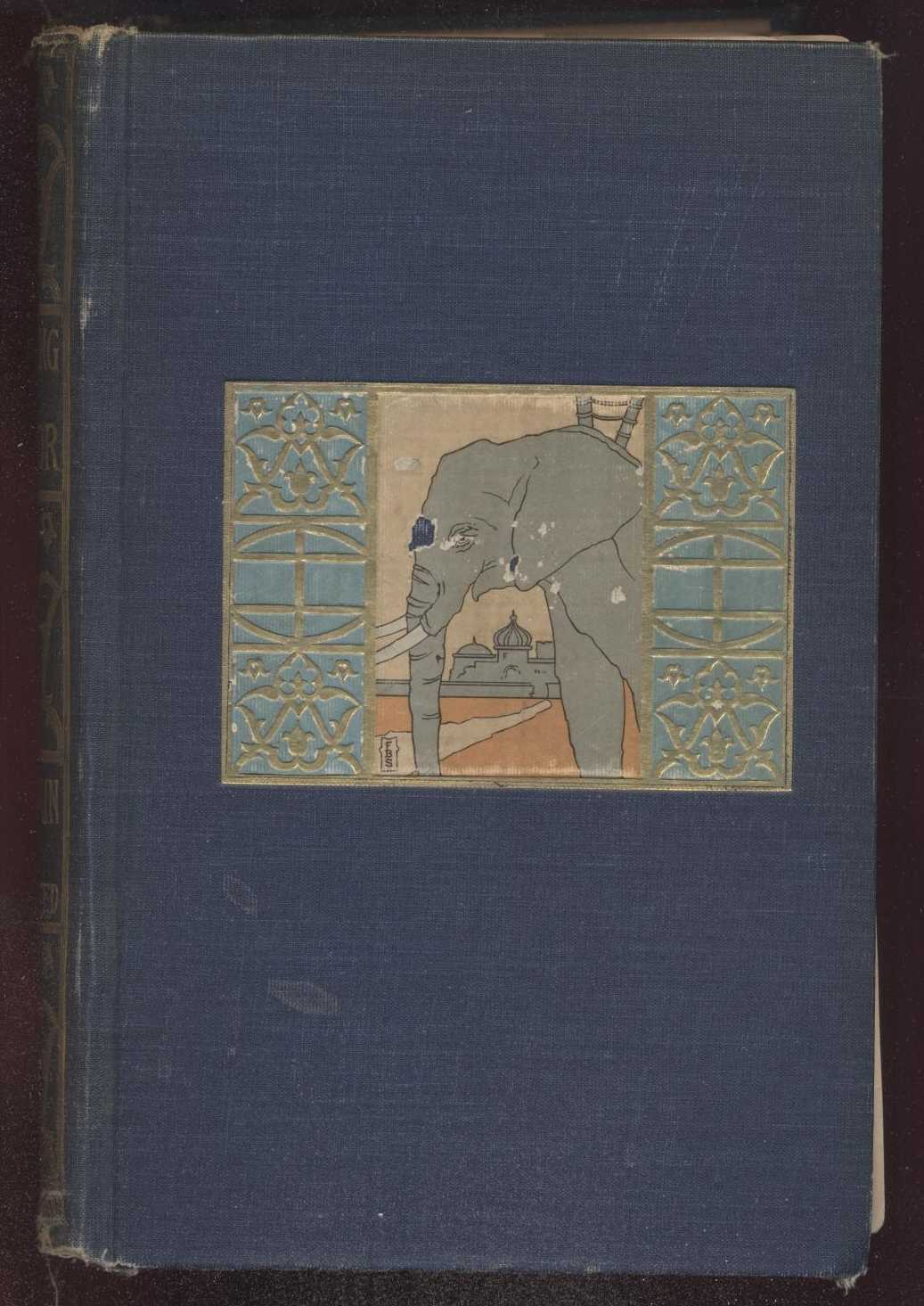
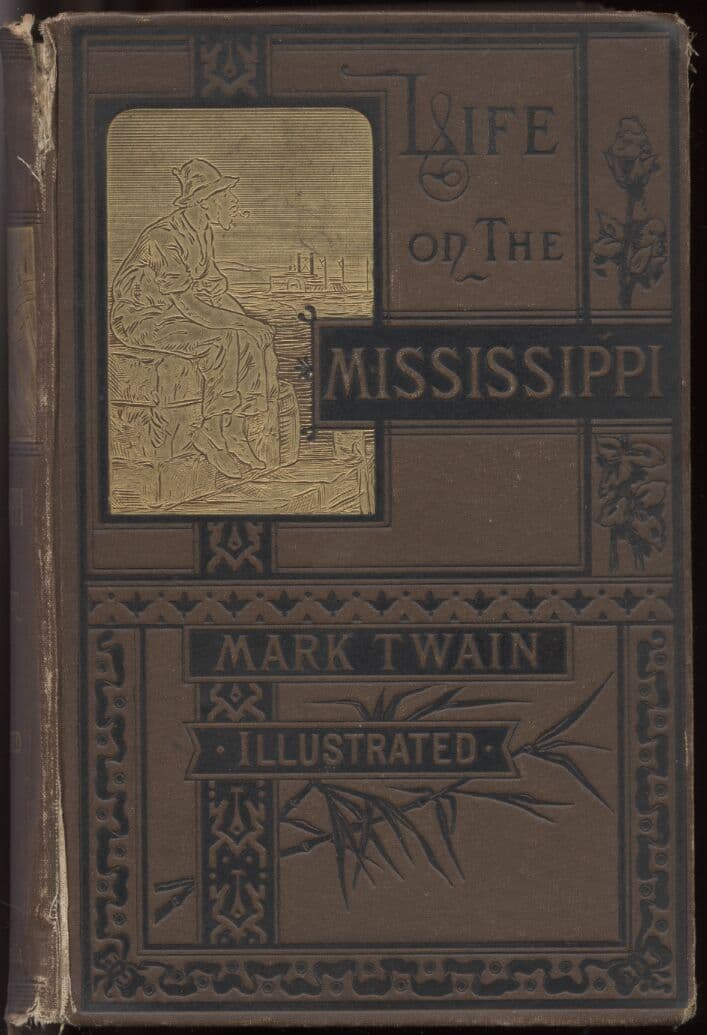
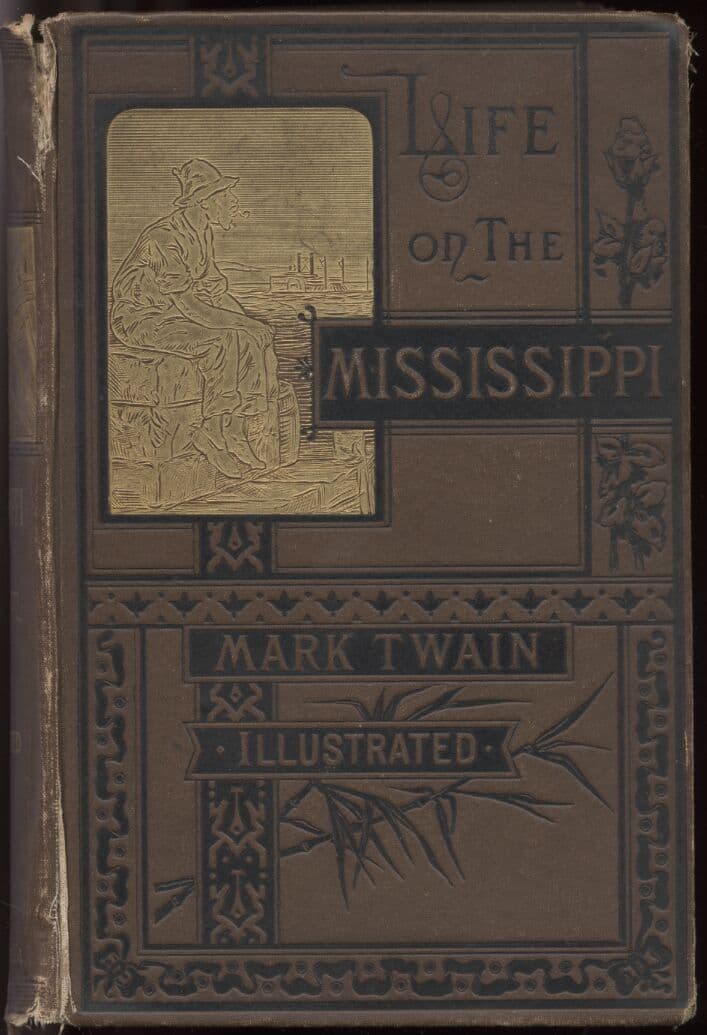
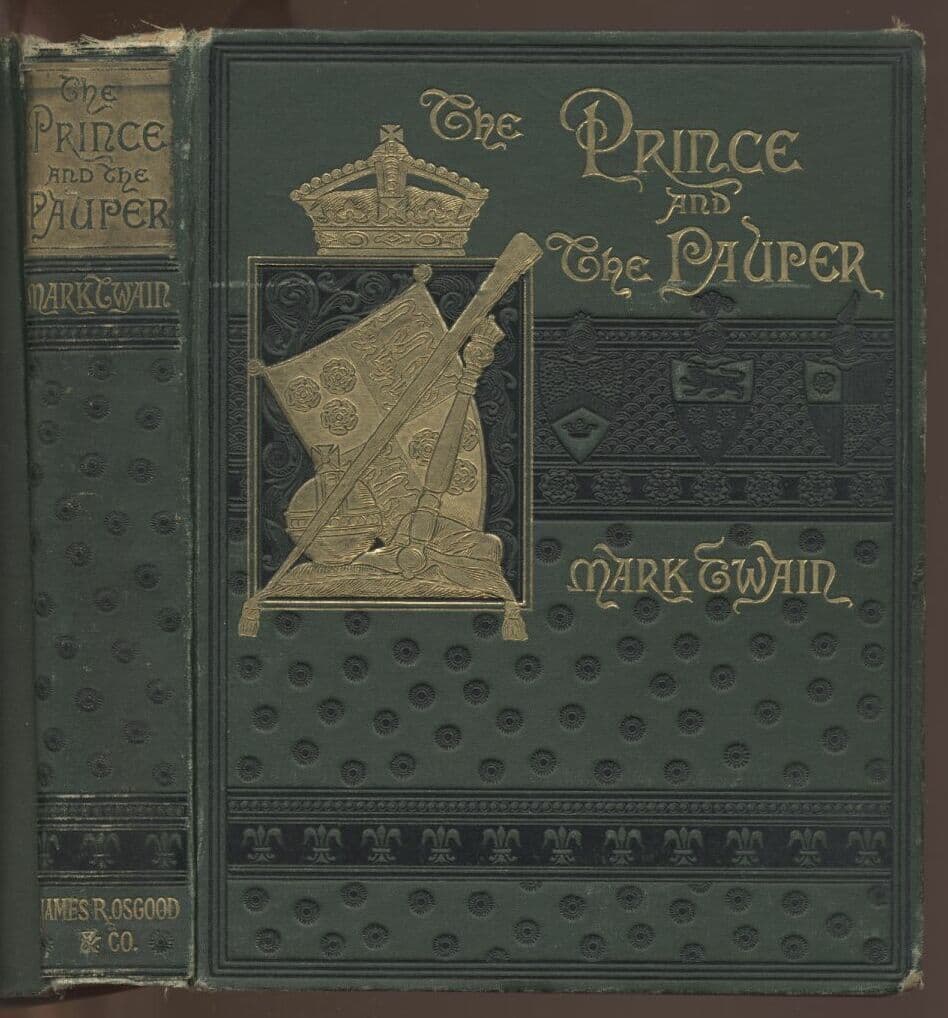
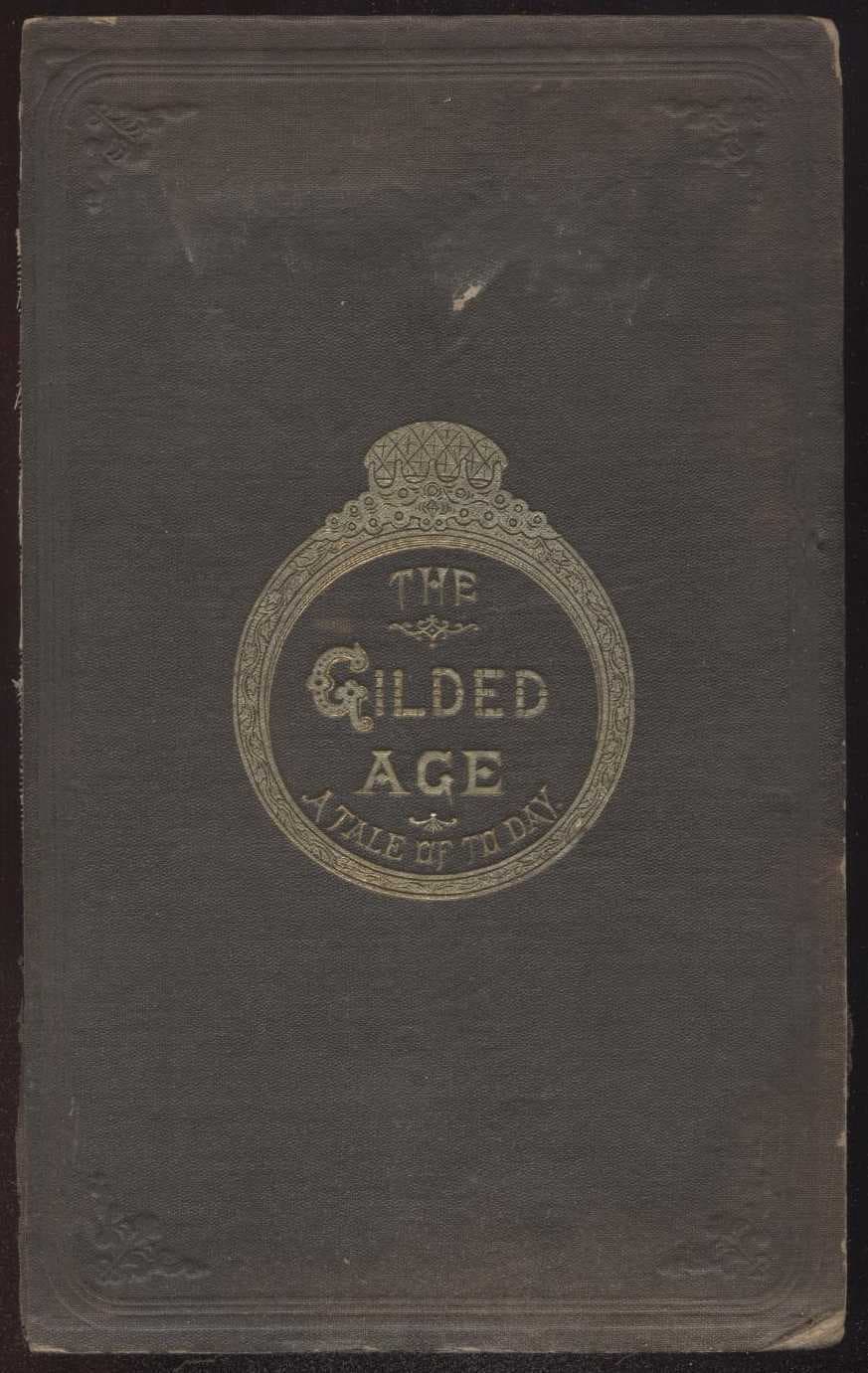
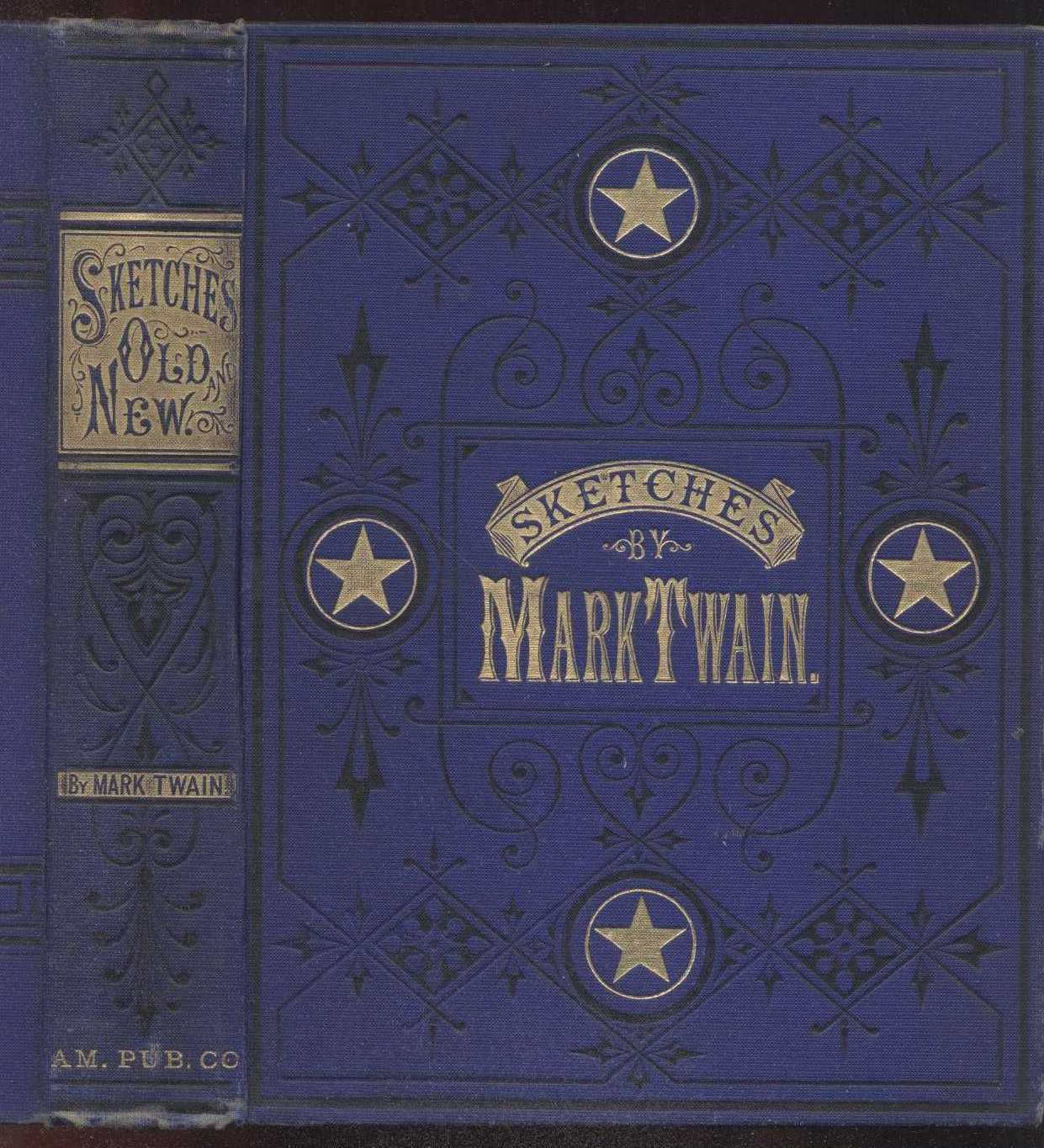
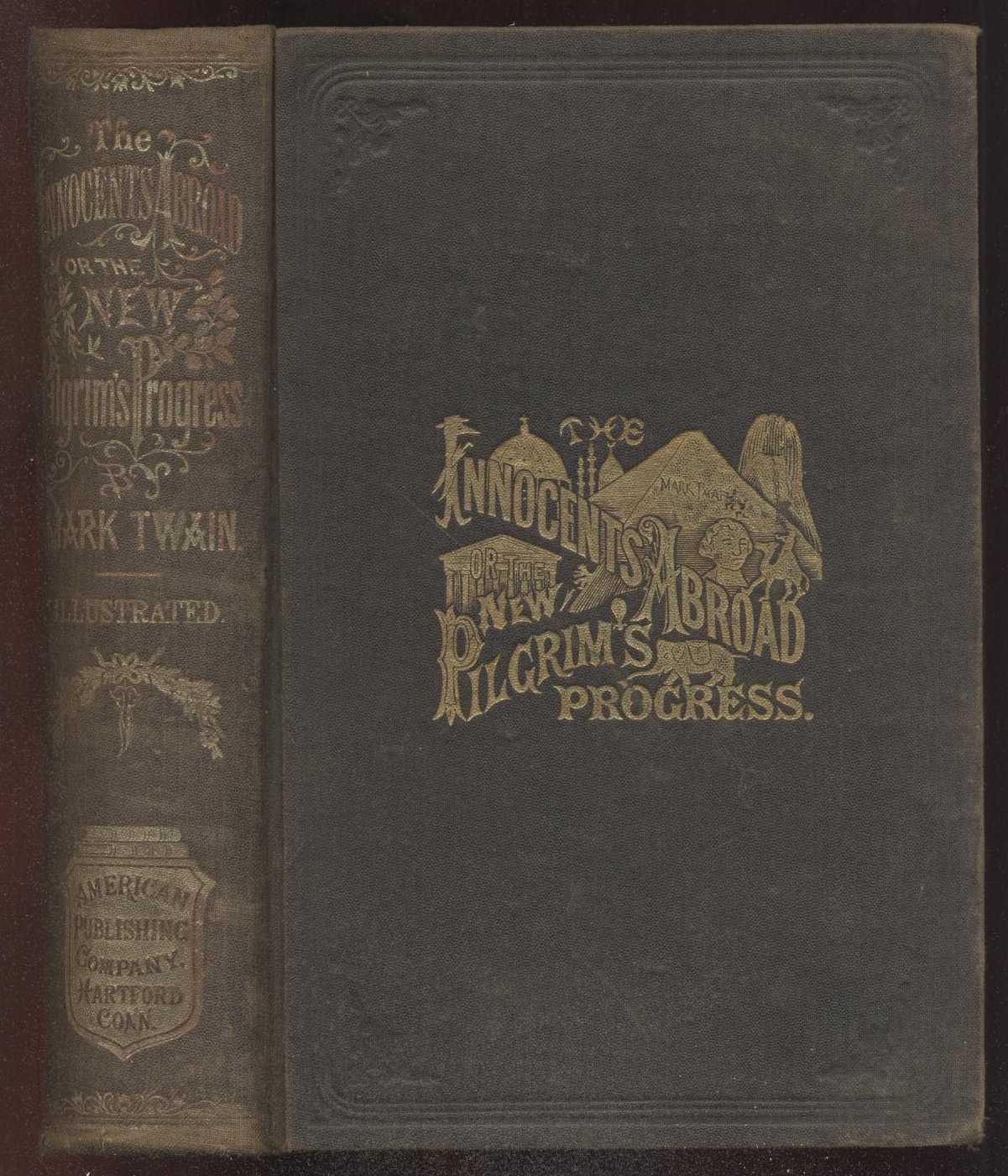
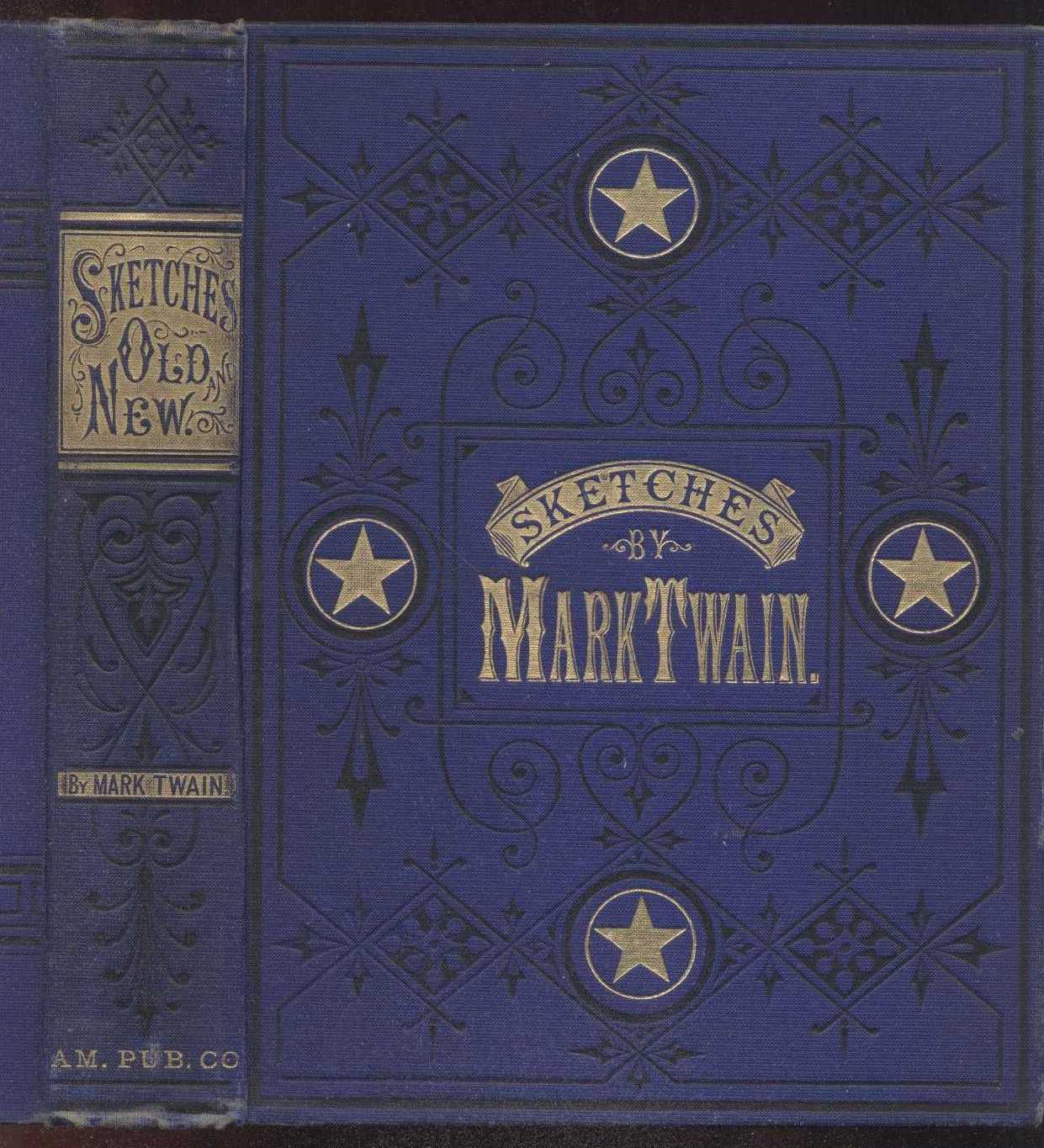
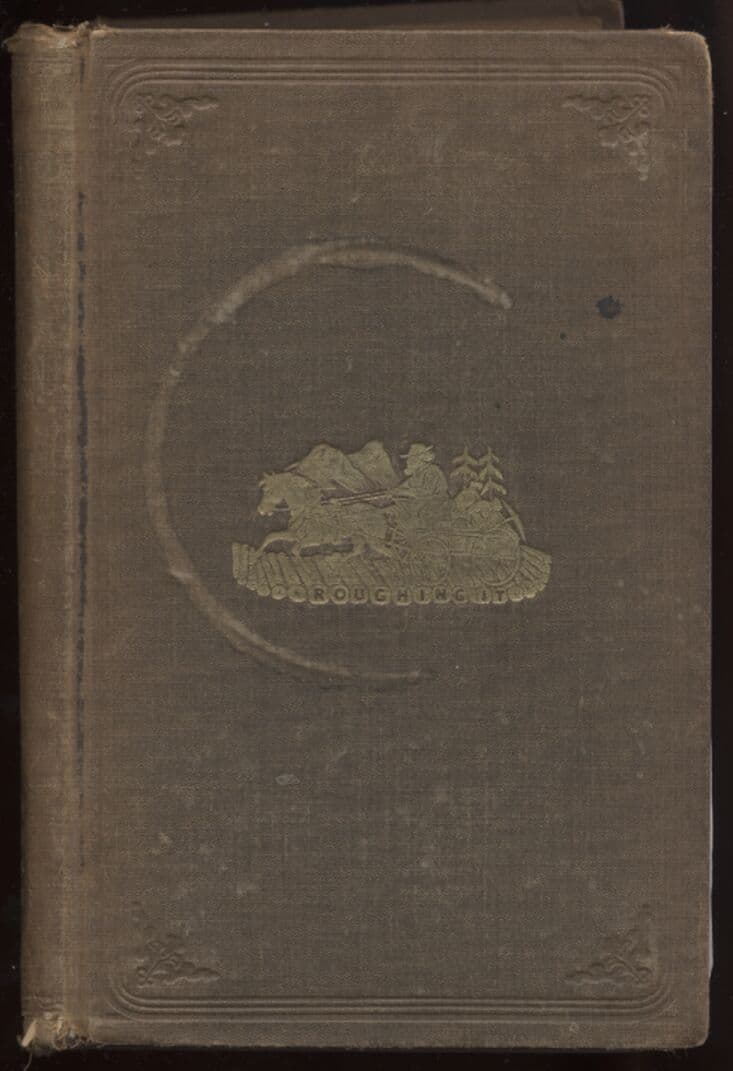
Alonzo Fitz, and Other Stories
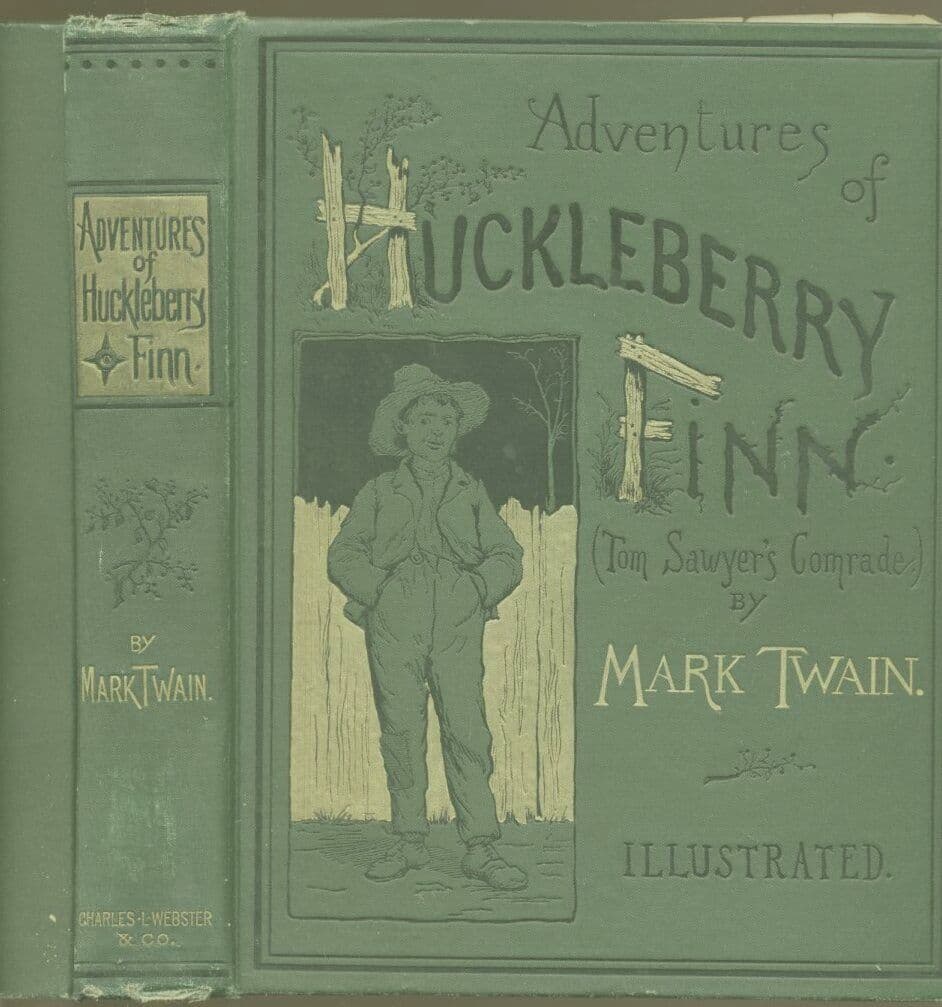
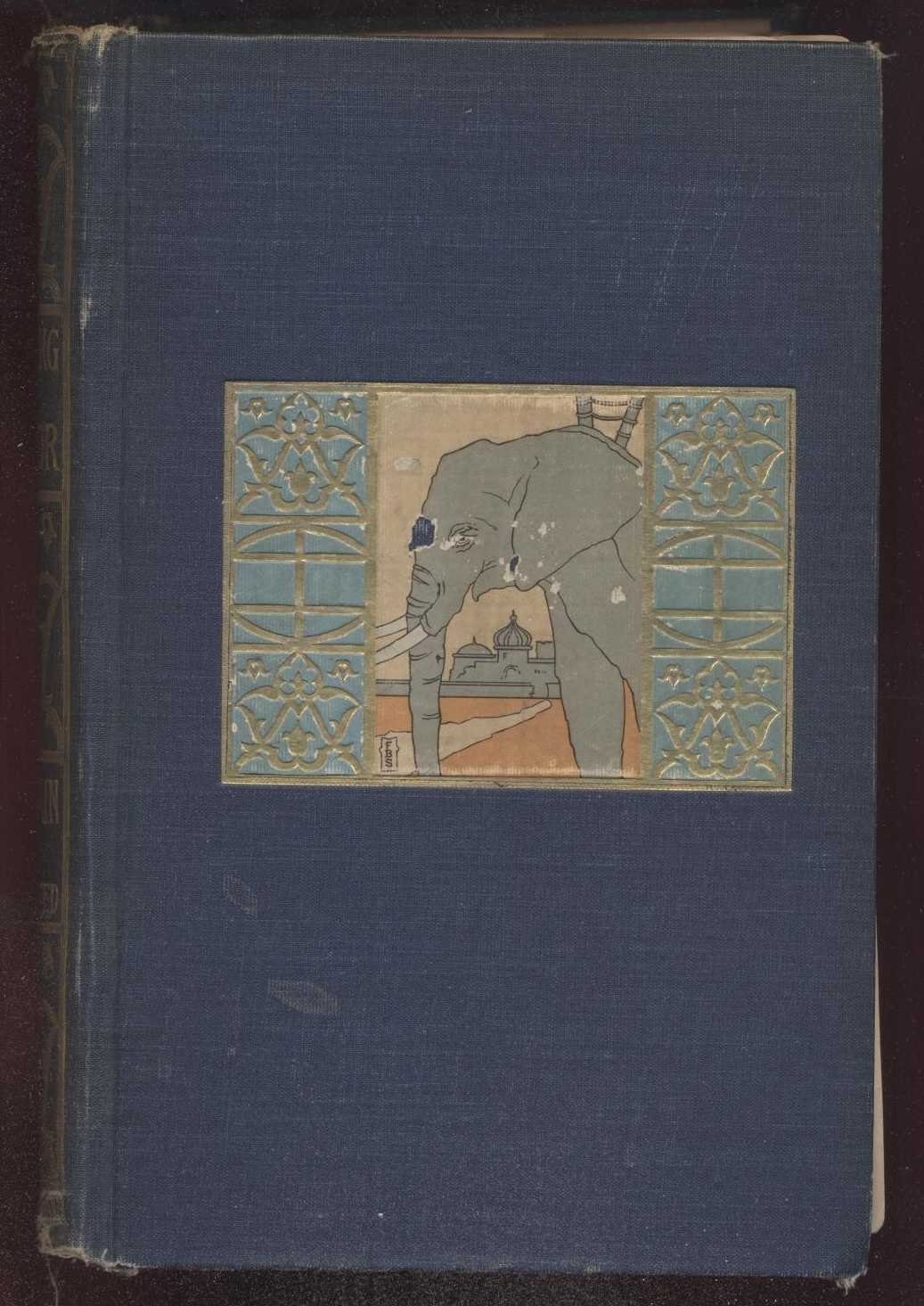
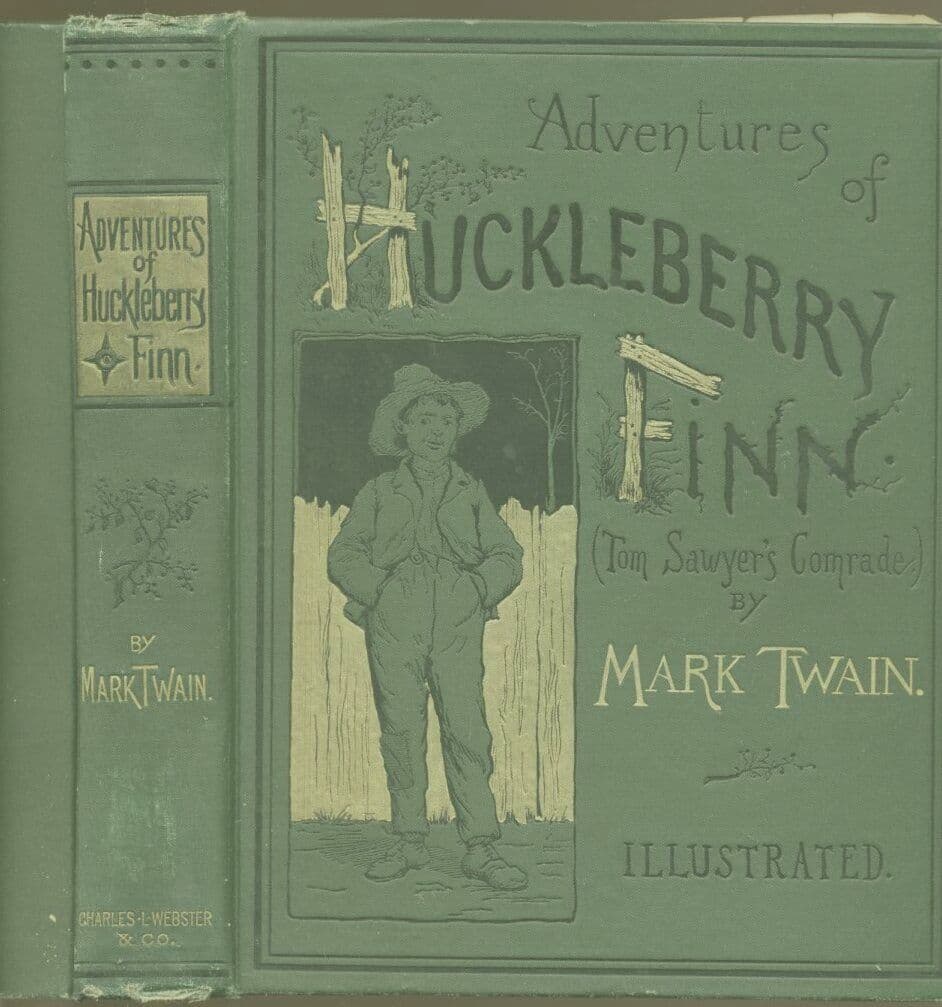
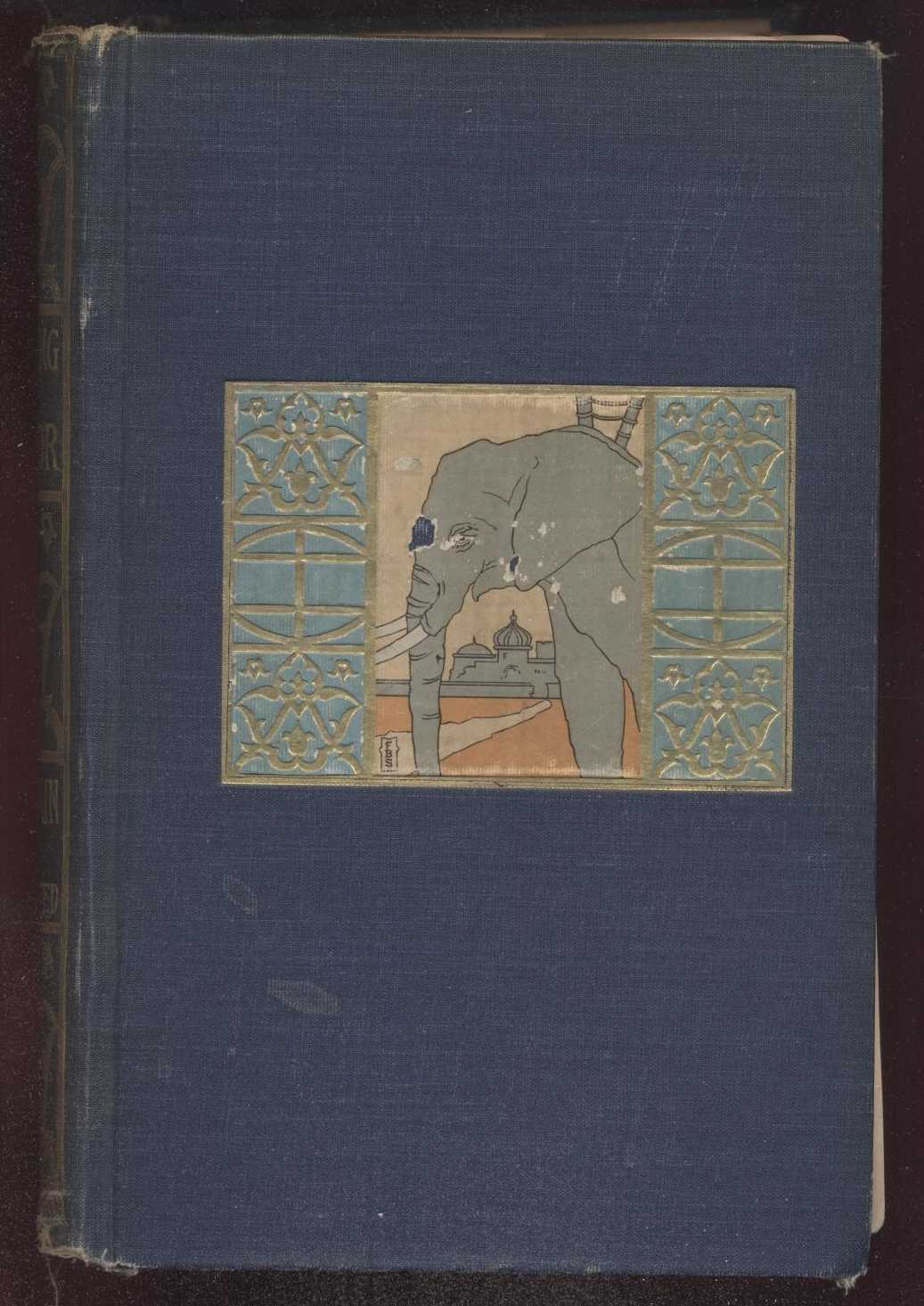
Alonzo Fitz, and Other Stories is a collection of humorous short stories by Mark Twain, published in the late 19th century. The book features whimsical tales, starting with 'The Loves of Alonzo Fitz Clarence and Rosannah Ethelton,' which explores themes of love, loneliness, and societal expectations through comedic misunderstandings. Twain's sharp social critique and vivid storytelling highlight the absurdities of life and human folly, making this work notable for its blend of humor and insightful commentary on 19th-century American social customs.
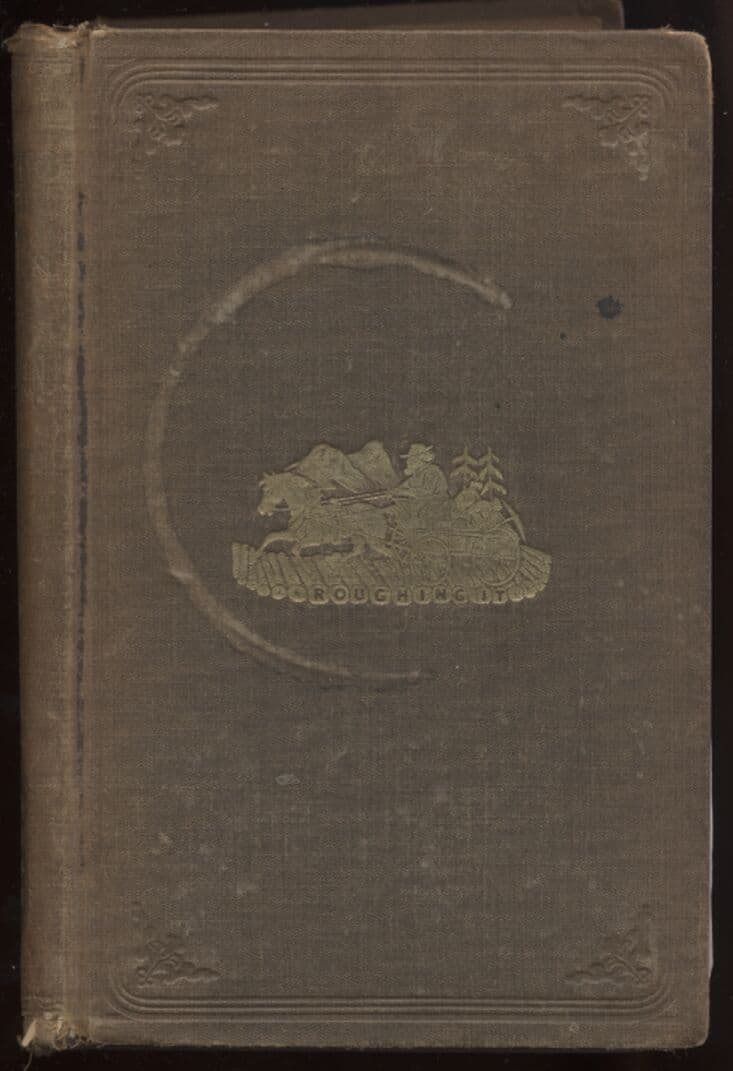
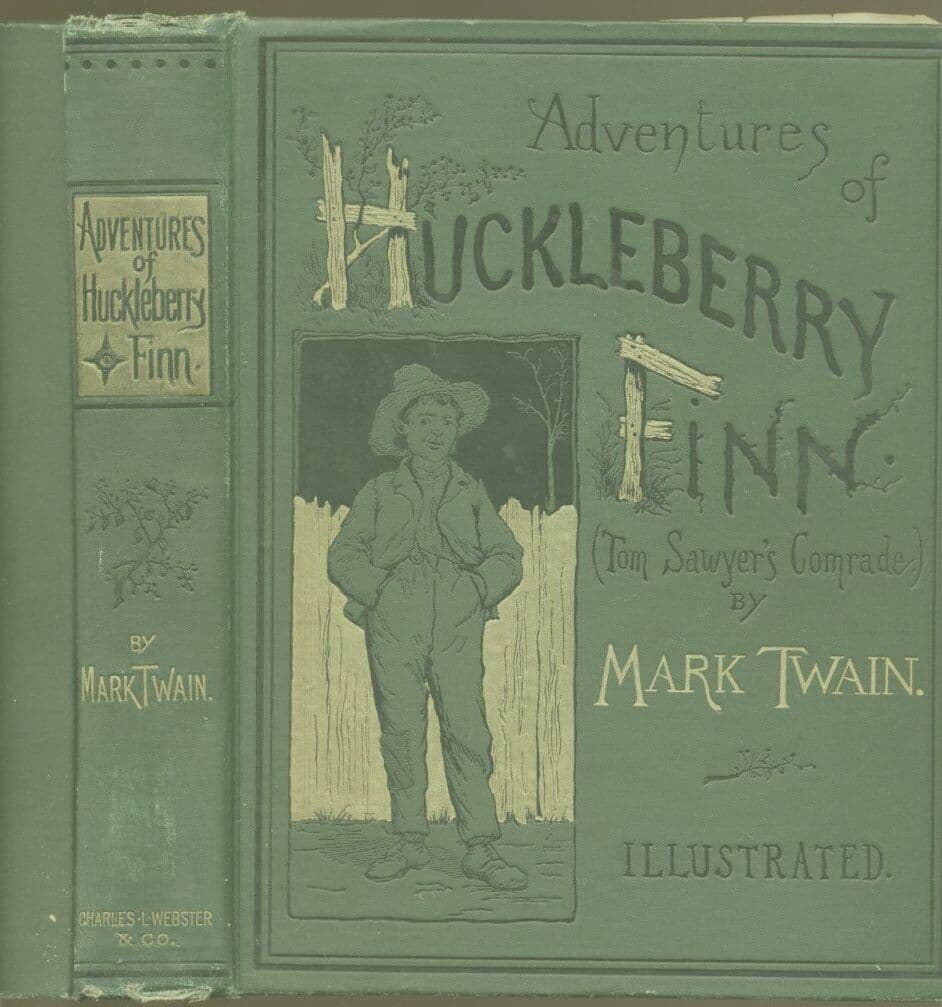
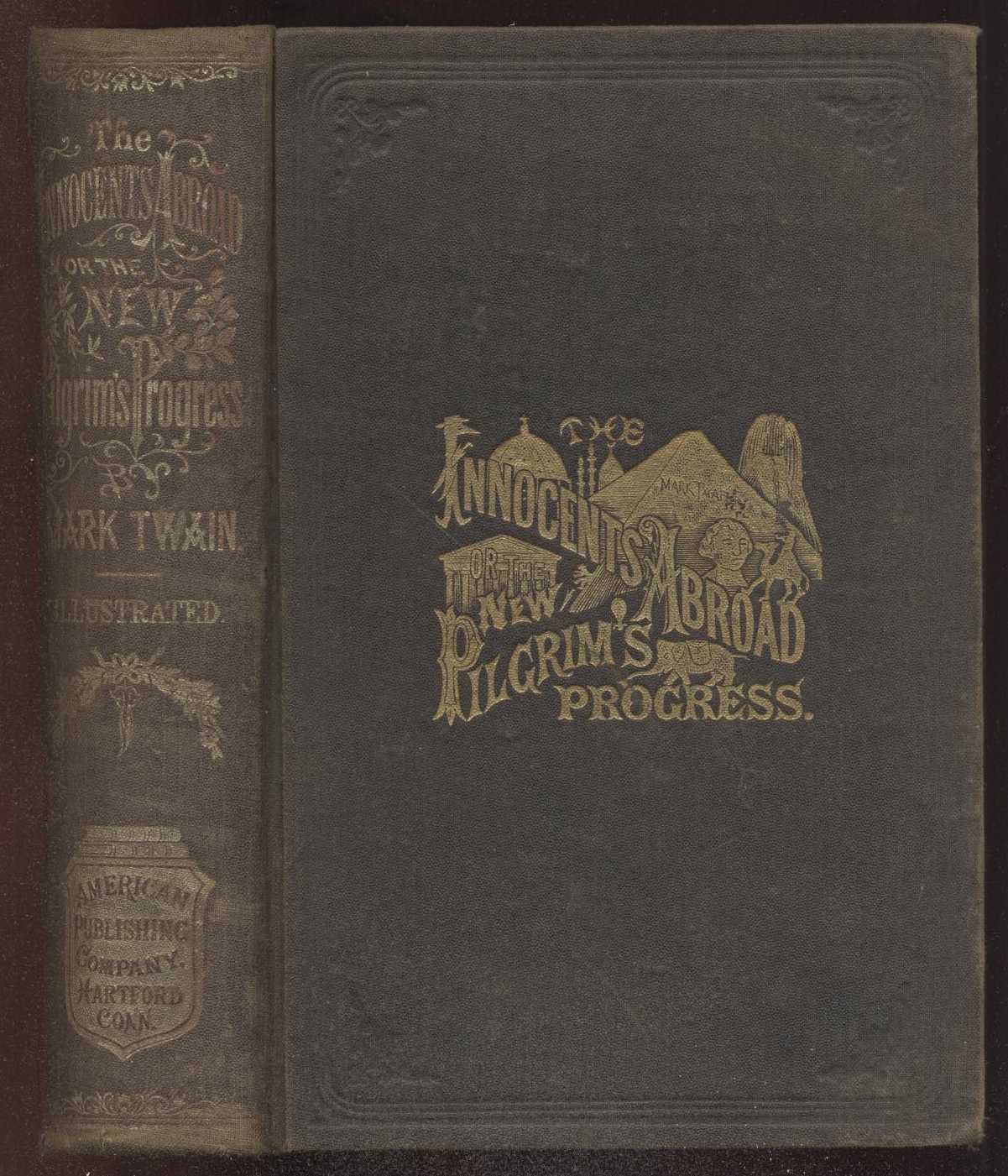
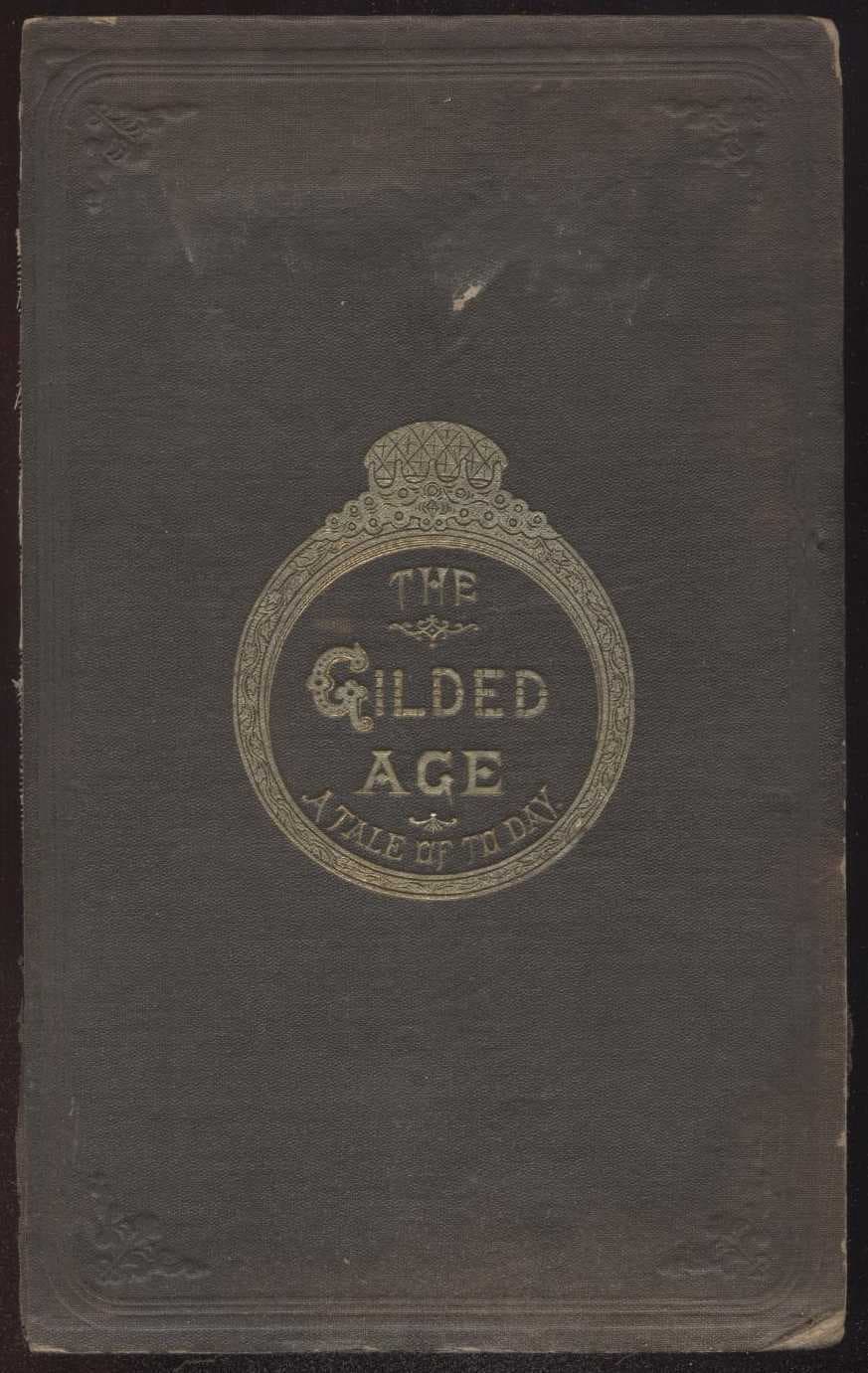
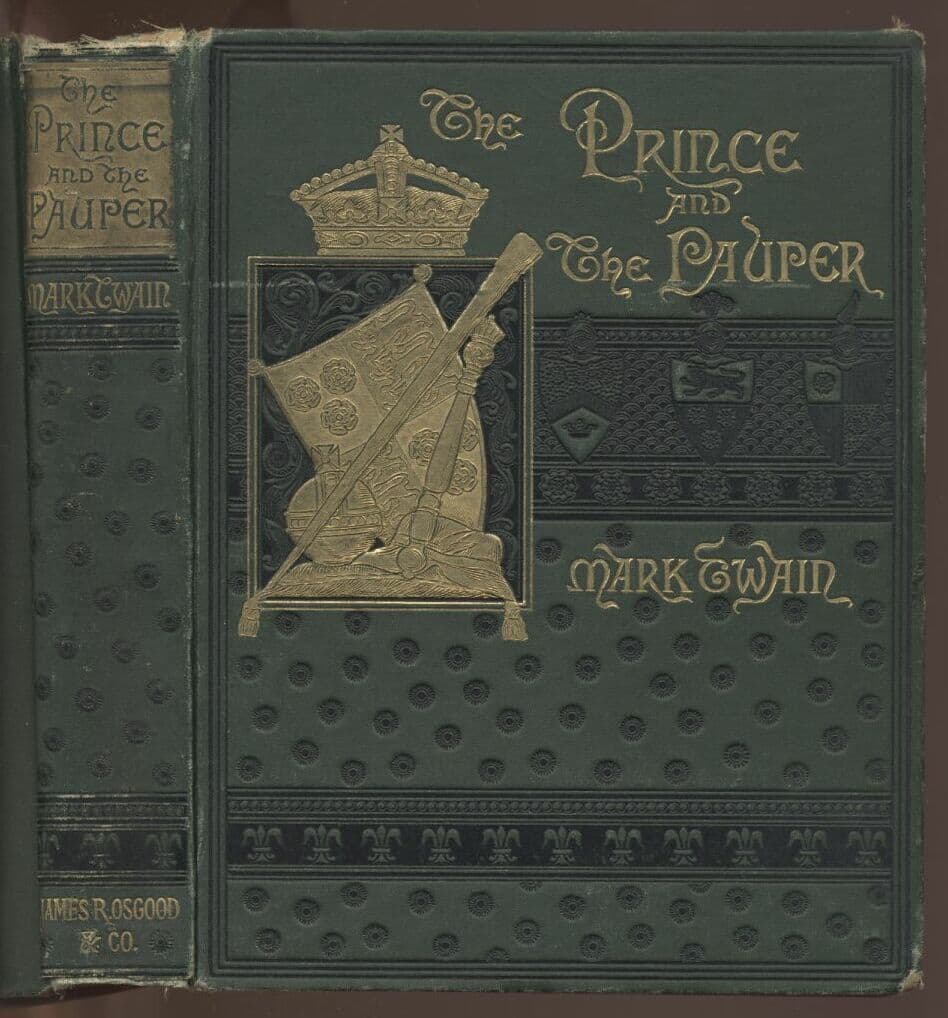
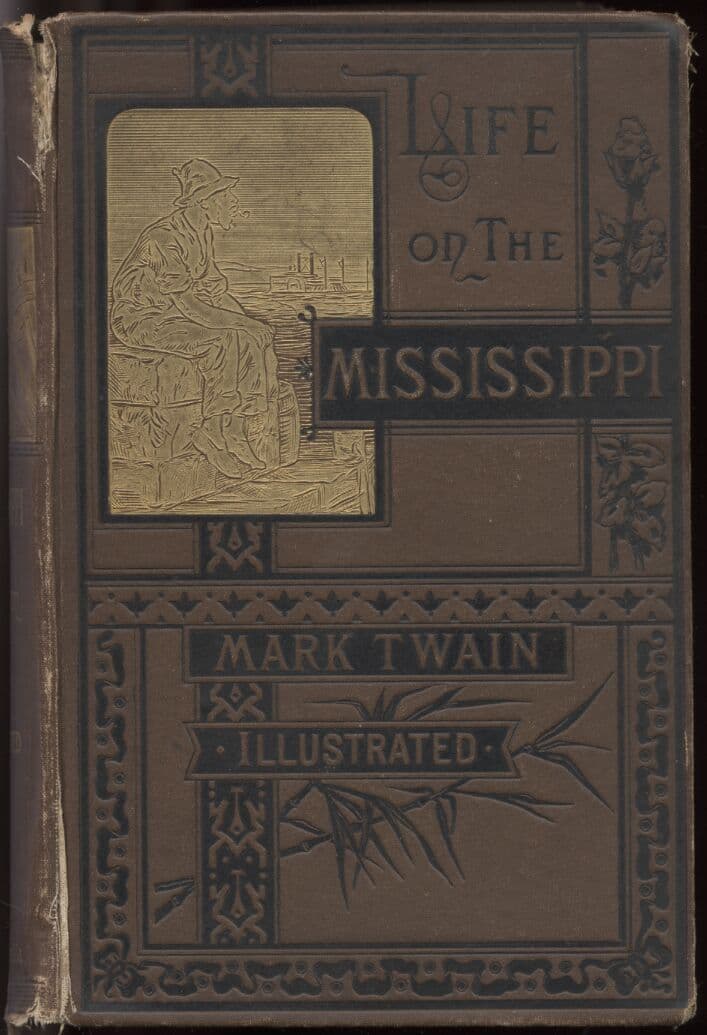
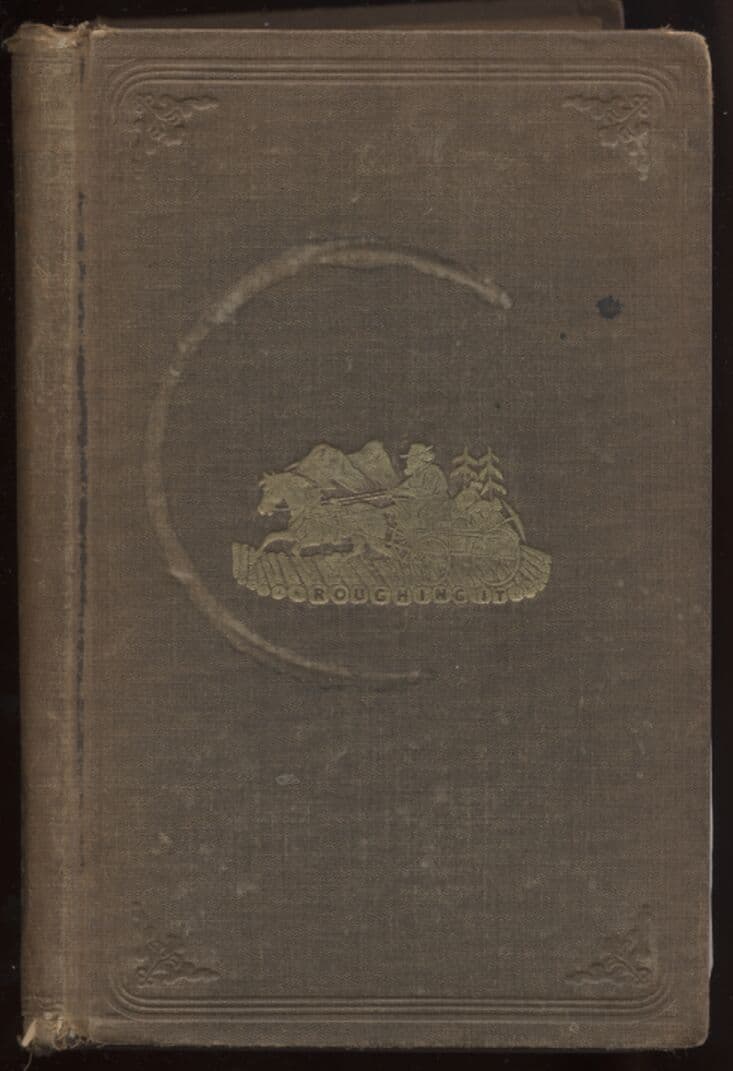
Editions
X-Ray
“Liberty and equality are enemies: the more freedom men enjoy, the freer they are to reap the results of their natural or environmental superiorities; hence inequality multiplies under governments favoring freedom of enterprise and support of property rights. Equality is an unstable equilibrium, which any difference in heredity, health, intelligence, or character will soon end. Most revolutions find that they can check inequality only by limiting liberty, as in authoritarian lands.””
— Mark Twain
“Drunkenness was endemic, as an escape from cold mists and rains, brutalizing poverty, family warfare, political strains, philosophical despair; Pitt and Fox, otherwise so different, agreed in favoring this anesthesia. Taverns were allowed to remain open through Saturday night till 11 A.M. Sunday,47 for Saturday was pay day, and time had to be allowed the “pub” to get its prime cut of the weekly wage. The middle classes drank more moderately; the upper classes drank heavily, but had learned to carry their liquor steadily, like a leaking tub.””
— Mark Twain
“It was at that battle that Goethe, present on the staff of the Duke of Saxe-Weimar, made (we are told) a famous remark: “From today and from this place begins a new epoch in the history of the world.””
— Mark Twain
“On August 26 the Assembly responded by conferring French citizenship upon Joseph Priestley, Jeremy Bentham, William Wilberforce, Anacharsis Cloots, Johann Pestalozzi, Thaddeus Kosciusko, Friedrich Schiller, George Washington, Thomas Paine, James Madison, and Alexander Hamilton.””
— Mark Twain
Link to this book
Add a free, dofollow link to Lex on your blog, forum, syllabus, or reading list.

<a href="https://lex-books.com/book/alonzo-fitz-and-other-stories-f1d98682-788e-44b4-8c00-dd9a64100061"><img src="https://lex-books.com/badges/read-on-lex.svg" alt="Read Alonzo Fitz, and Other Stories by Mark Twain free on Lex" width="160" height="40"></a>[](https://lex-books.com/book/alonzo-fitz-and-other-stories-f1d98682-788e-44b4-8c00-dd9a64100061)[url=https://lex-books.com/book/alonzo-fitz-and-other-stories-f1d98682-788e-44b4-8c00-dd9a64100061][img]https://lex-books.com/badges/read-on-lex.svg[/img][/url]Read Alonzo Fitz, and Other Stories by Mark Twain free on Lex: https://lex-books.com/book/alonzo-fitz-and-other-stories-f1d98682-788e-44b4-8c00-dd9a64100061Cite this book
Reading this edition for a paper or guide? Copy a citation.
Twain, Mark. Alonzo Fitz, and Other Stories. Lex, lex-books.com/book/alonzo-fitz-and-other-stories-f1d98682-788e-44b4-8c00-dd9a64100061.Twain, M. (n.d.). Alonzo Fitz, and Other Stories. Lex. https://lex-books.com/book/alonzo-fitz-and-other-stories-f1d98682-788e-44b4-8c00-dd9a64100061Twain, Mark. Alonzo Fitz, and Other Stories. Lex. https://lex-books.com/book/alonzo-fitz-and-other-stories-f1d98682-788e-44b4-8c00-dd9a64100061.