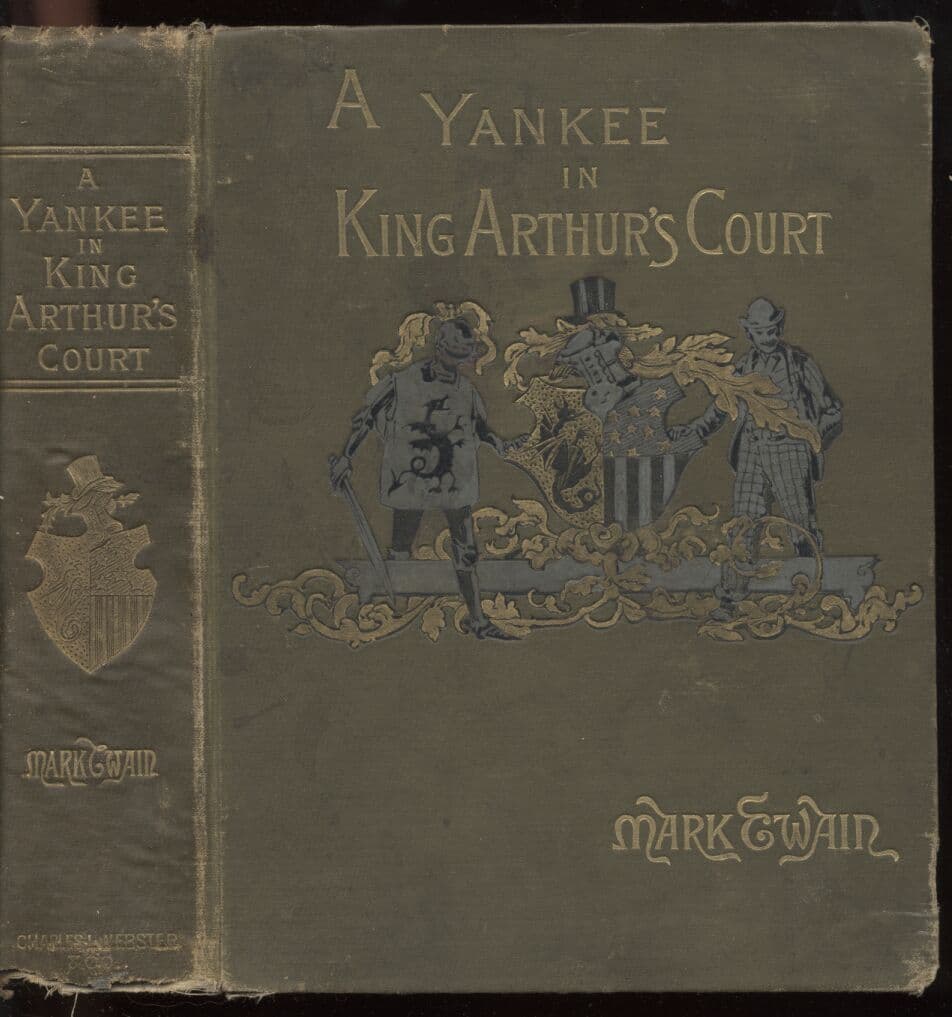
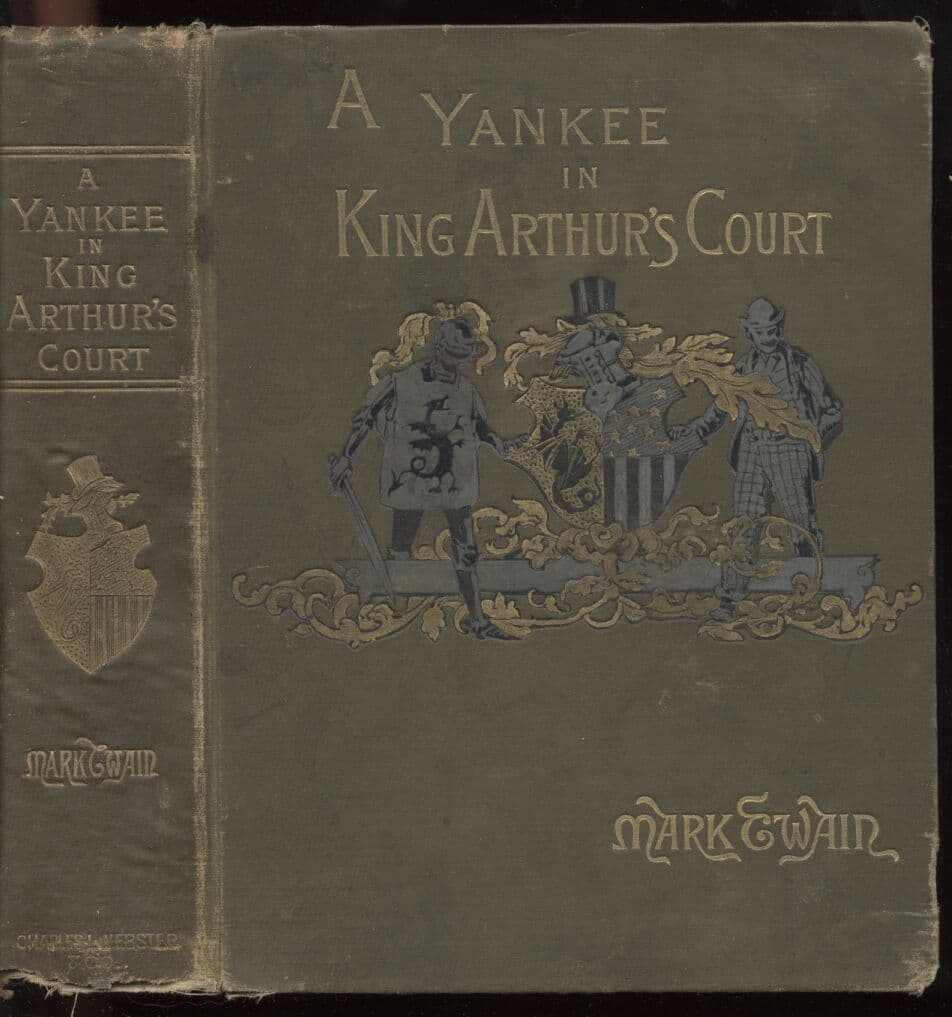
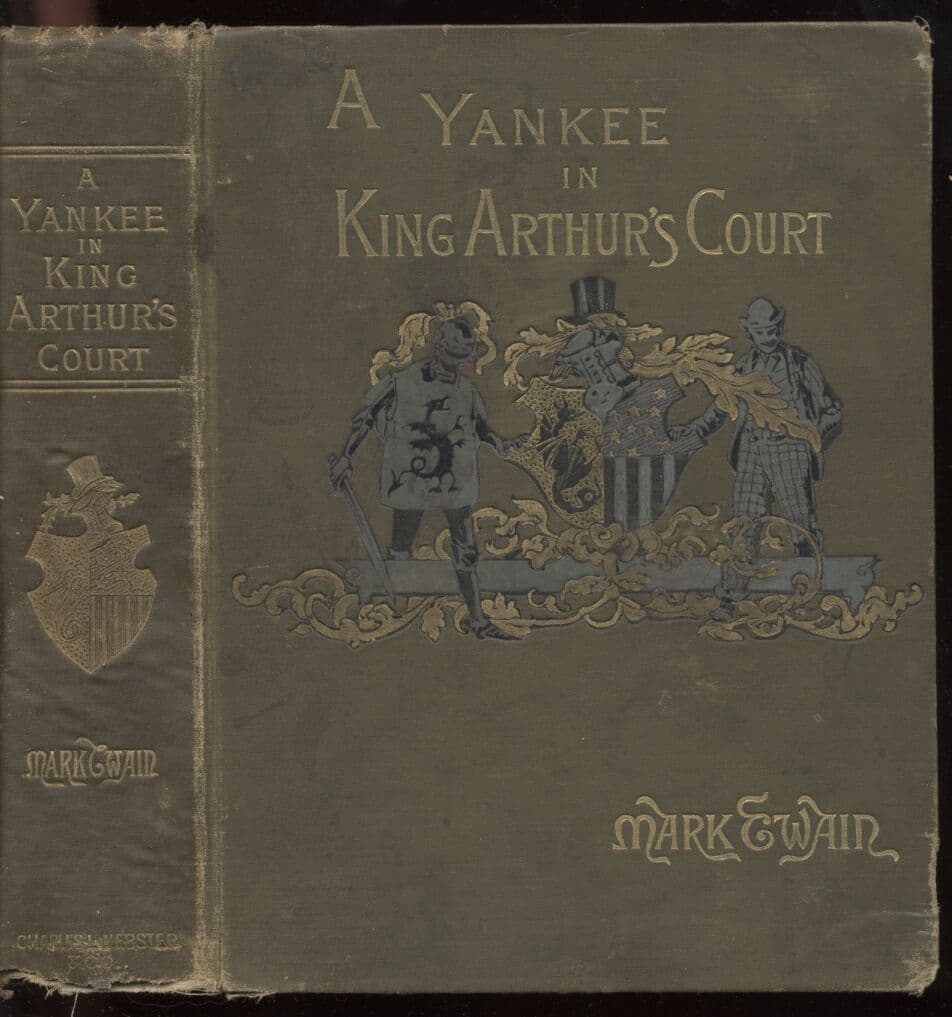
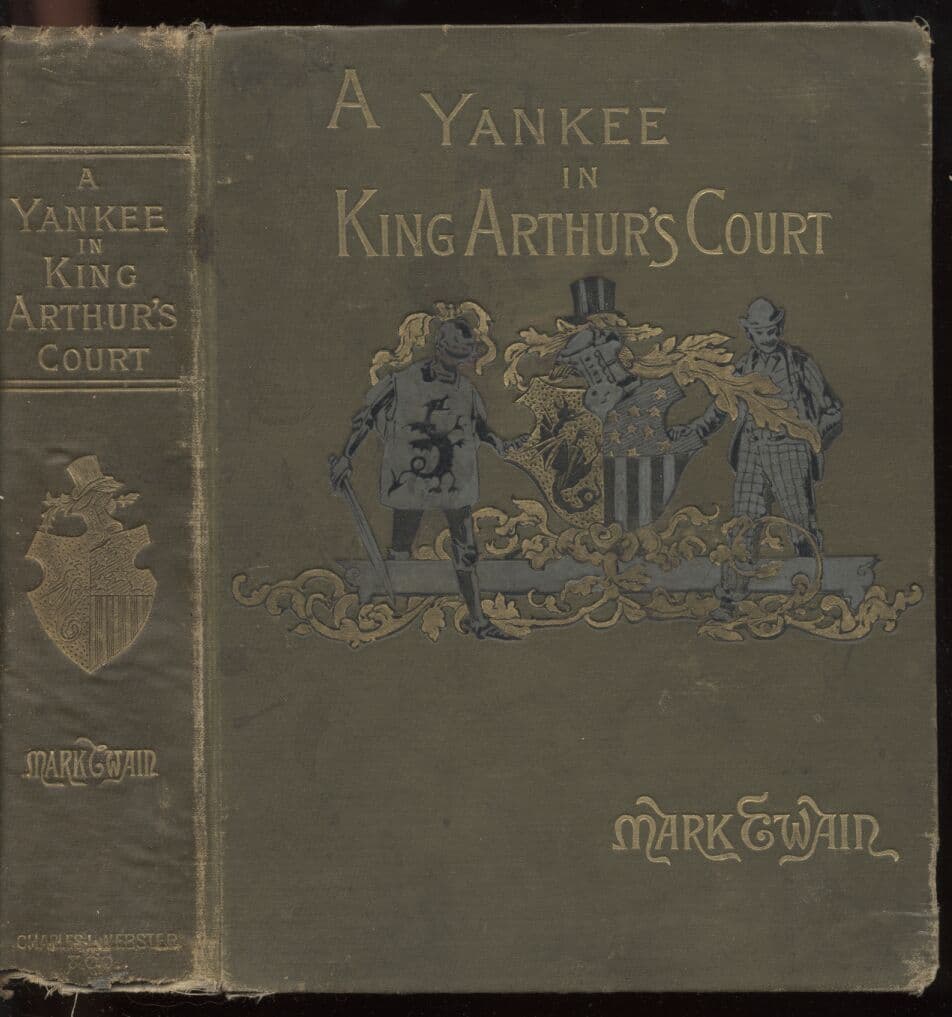
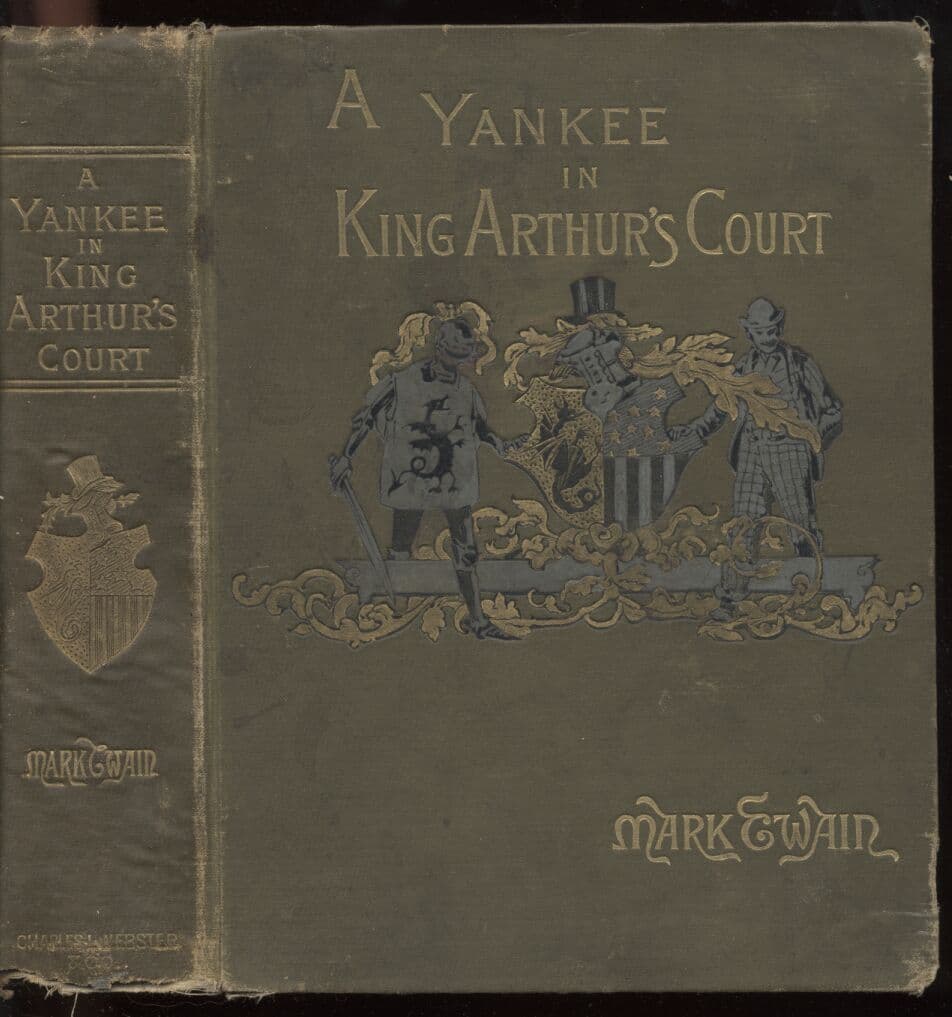
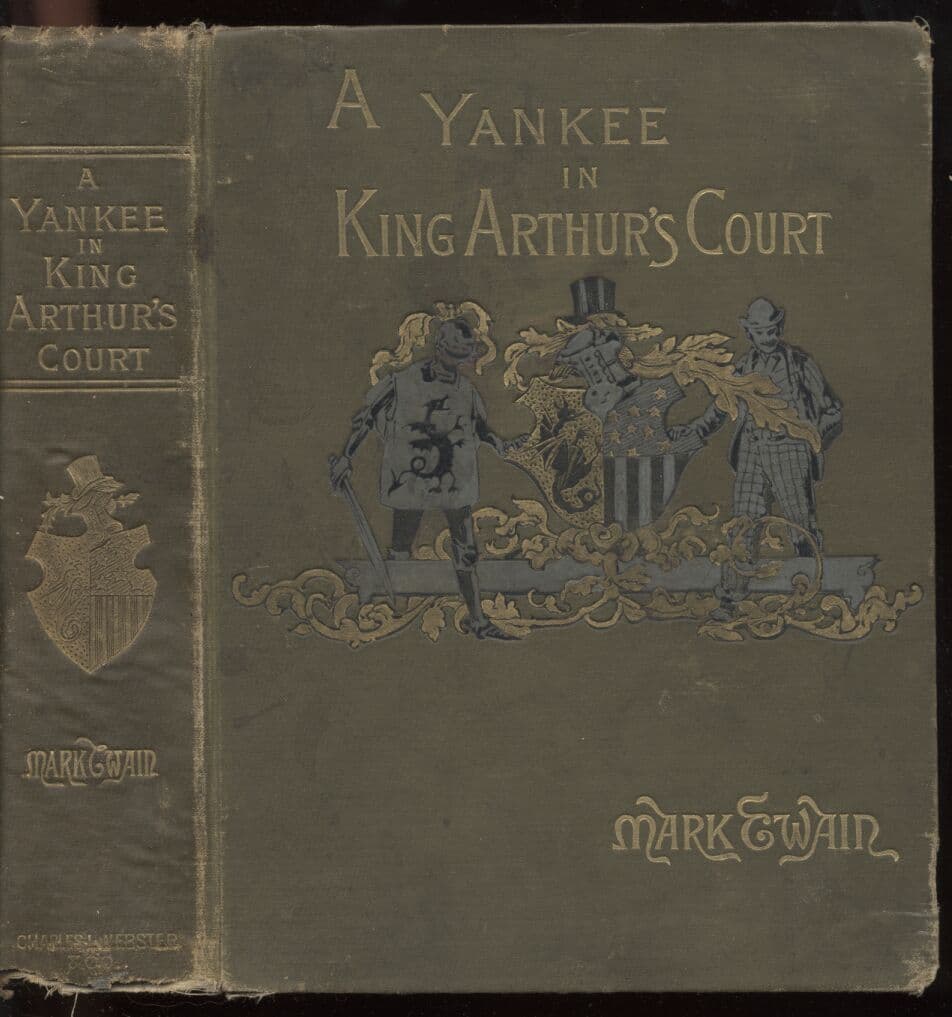
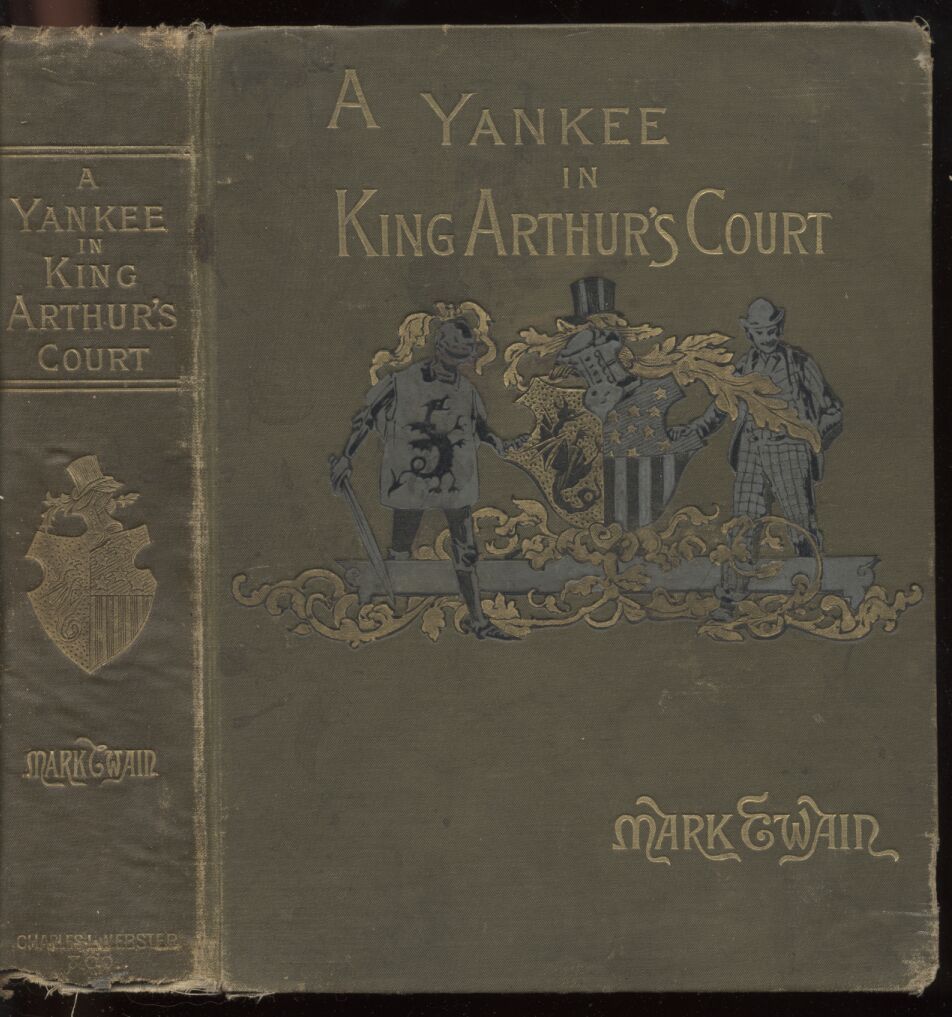
A Connecticut Yankee in King Arthur's Court, Part 4.
1983
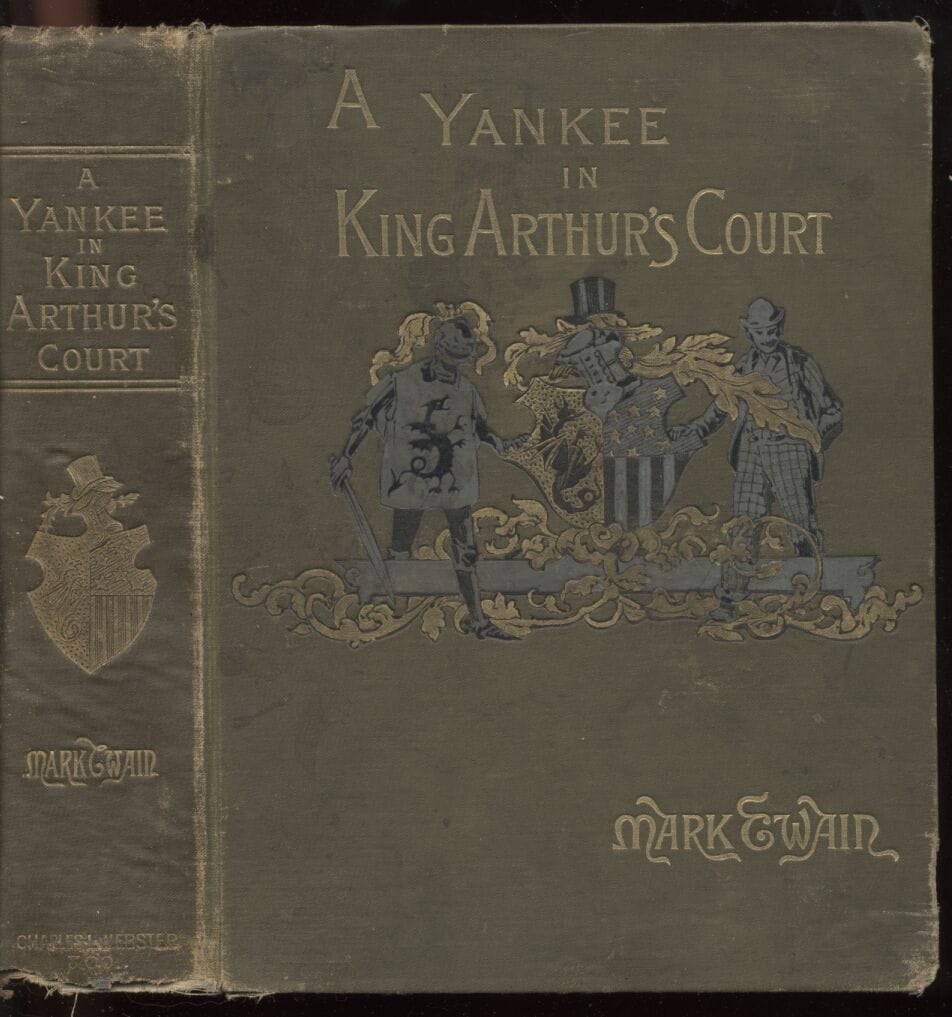
A Connecticut Yankee in King Arthur's Court, Part 4.
1983
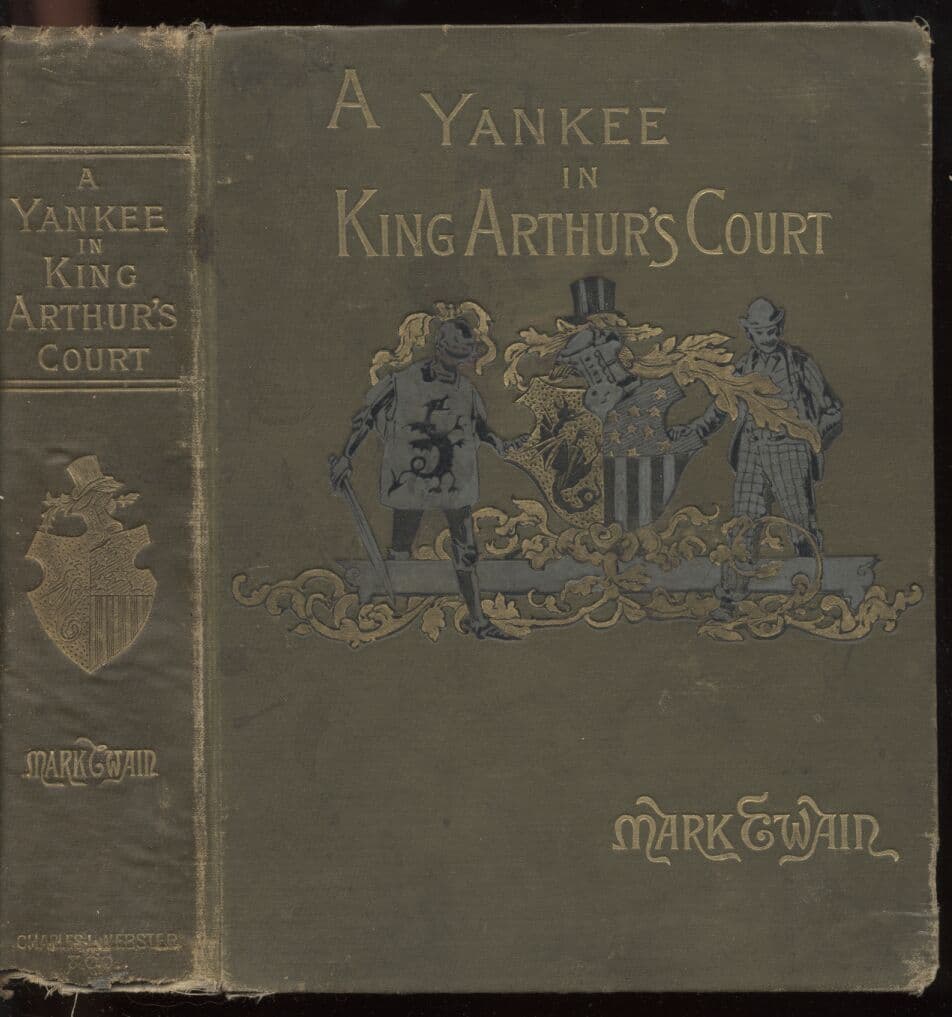
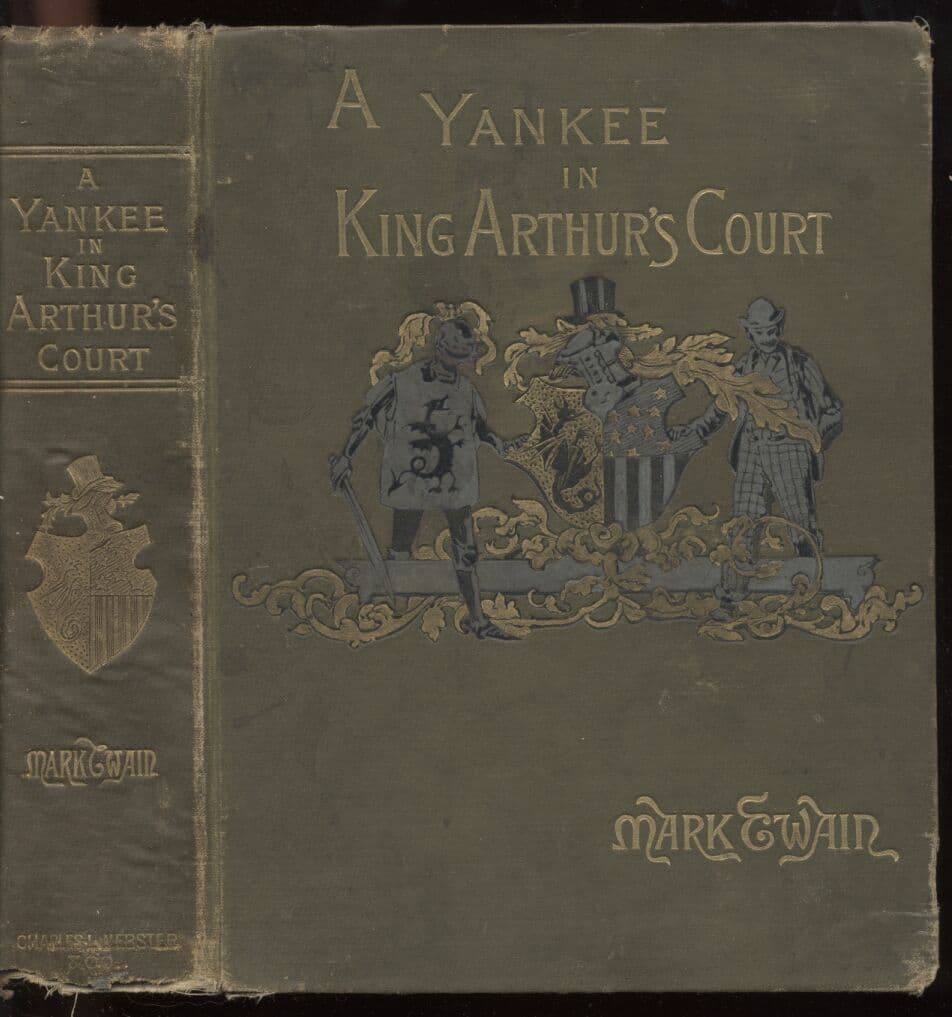
Hank Morgan has seen behind the curtain. At a royal banquet thick with drunken nobles and hollow chivalry, he watches the medieval world reveal its true face: a old woman curses the queen, and suddenly the fantasy collapses into something far darker. Hank maneuvers to save her from execution, only to find himself thrown into a dungeon where the real punishment begins. There, in the damp dark, he confronts the grinding horror of medieval justice: prisoners chained in agony, the innocent condemned, suffering meted out as entertainment for lords. This is the part where Twain strips away the romance. The gleaming armor tarnishes. The noble court shows its teeth. Hank's American pragmatism and faith in progress collide with a system built on brutality and superstition. Part 4 is where the satire turns savage, where the jokes curdle into something more unsettling: a clear-eyed reckoning with how civilizations bury their cruelties in myth.
Editions
Link to this book
Add a free, dofollow link to Lex on your blog, forum, syllabus, or reading list.

<a href="https://lex-books.com/book/a-connecticut-yankee-in-king-arthur-s-court-part-4-539eff57-1b07-4996-9729-5b6885461256"><img src="https://lex-books.com/badges/read-on-lex.svg" alt="Read A Connecticut Yankee in King Arthur's Court, Part 4. by Mark Twain free on Lex" width="160" height="40"></a>[](https://lex-books.com/book/a-connecticut-yankee-in-king-arthur-s-court-part-4-539eff57-1b07-4996-9729-5b6885461256)[url=https://lex-books.com/book/a-connecticut-yankee-in-king-arthur-s-court-part-4-539eff57-1b07-4996-9729-5b6885461256][img]https://lex-books.com/badges/read-on-lex.svg[/img][/url]Read A Connecticut Yankee in King Arthur's Court, Part 4. by Mark Twain free on Lex: https://lex-books.com/book/a-connecticut-yankee-in-king-arthur-s-court-part-4-539eff57-1b07-4996-9729-5b6885461256Cite this book
Reading this edition for a paper or guide? Copy a citation.
Twain, Mark. A Connecticut Yankee in King Arthur's Court, Part 4.. Lex, lex-books.com/book/a-connecticut-yankee-in-king-arthur-s-court-part-4-539eff57-1b07-4996-9729-5b6885461256.Twain, M. (1983). A Connecticut Yankee in King Arthur's Court, Part 4.. Lex. https://lex-books.com/book/a-connecticut-yankee-in-king-arthur-s-court-part-4-539eff57-1b07-4996-9729-5b6885461256Twain, Mark. A Connecticut Yankee in King Arthur's Court, Part 4.. Lex. https://lex-books.com/book/a-connecticut-yankee-in-king-arthur-s-court-part-4-539eff57-1b07-4996-9729-5b6885461256.