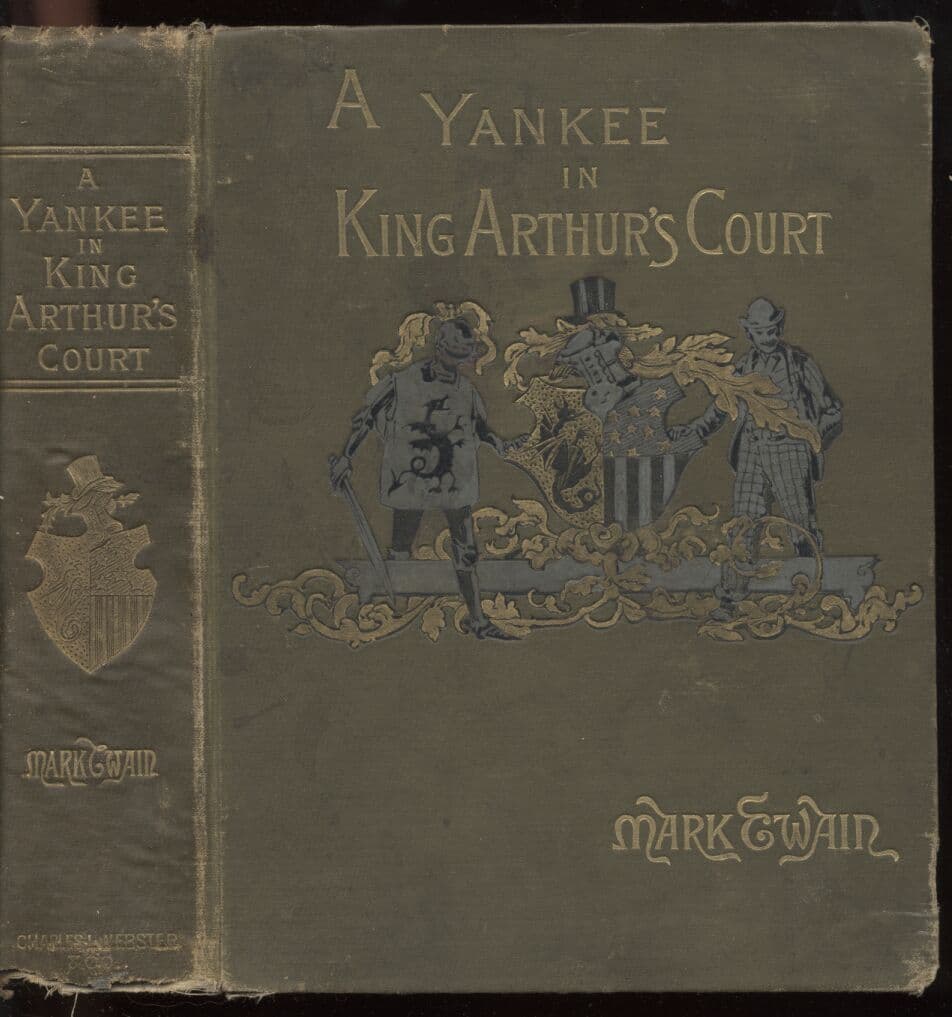
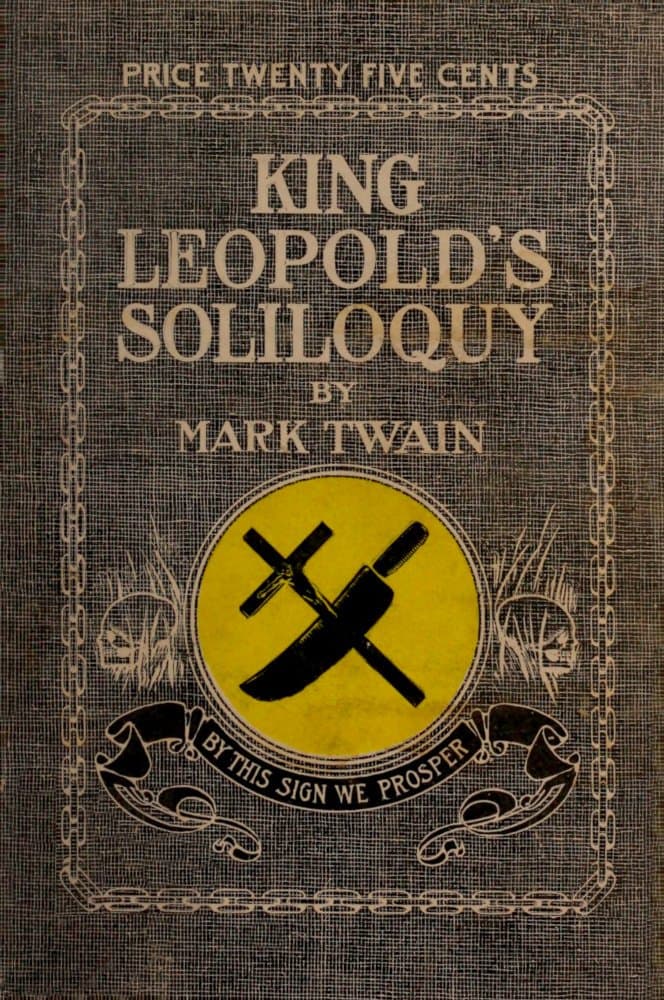
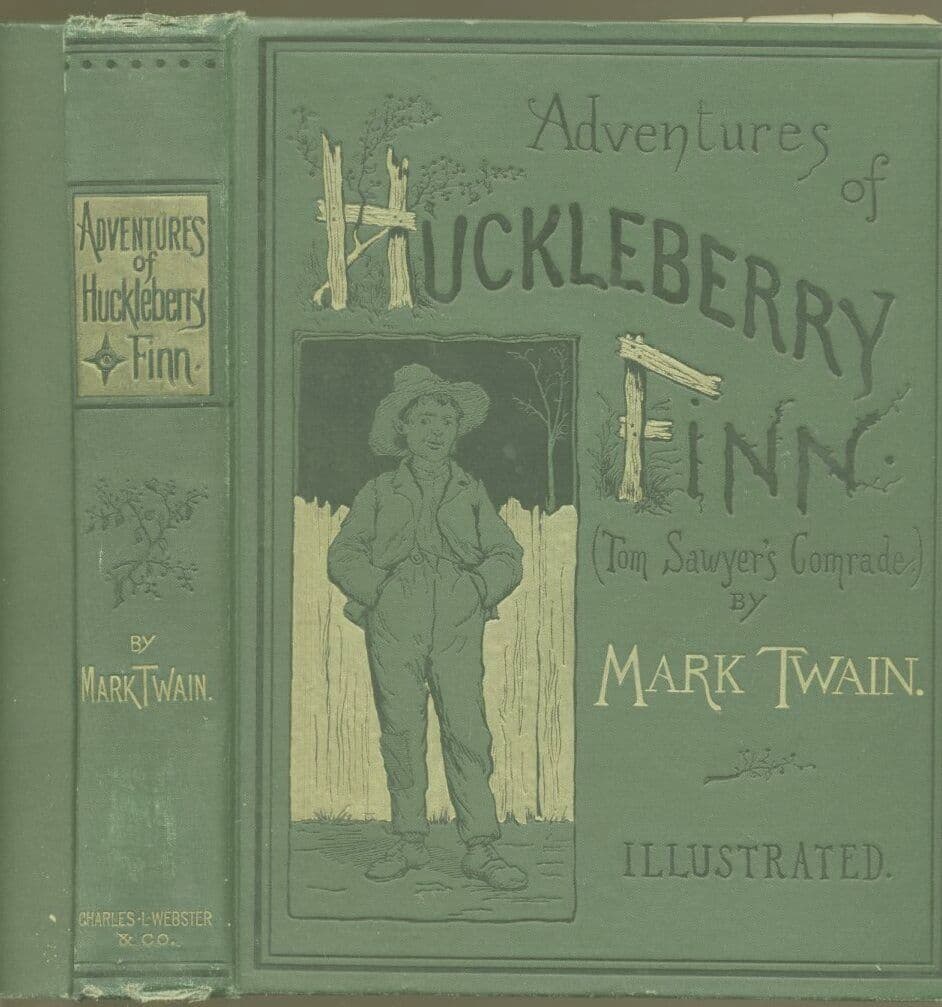
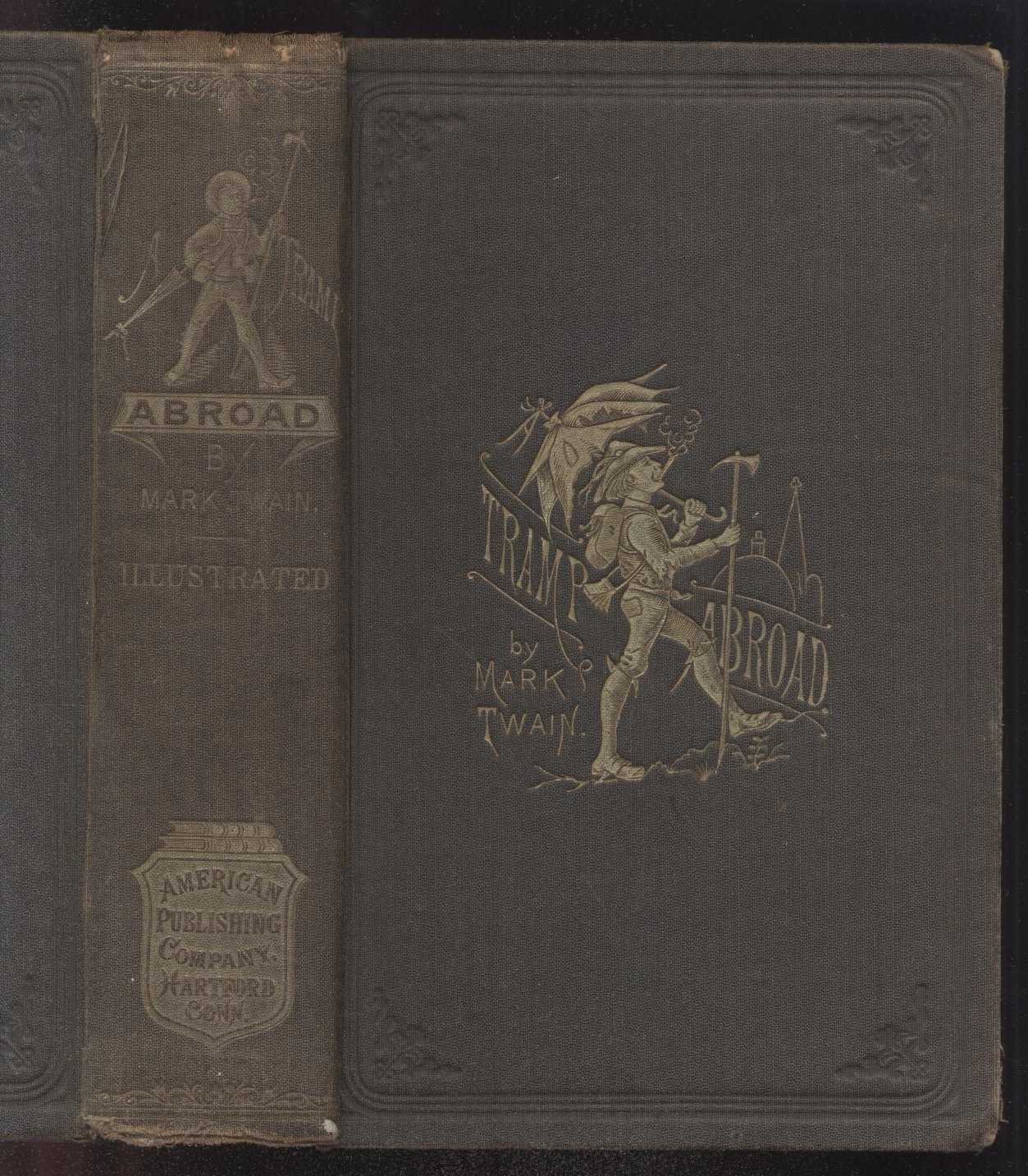
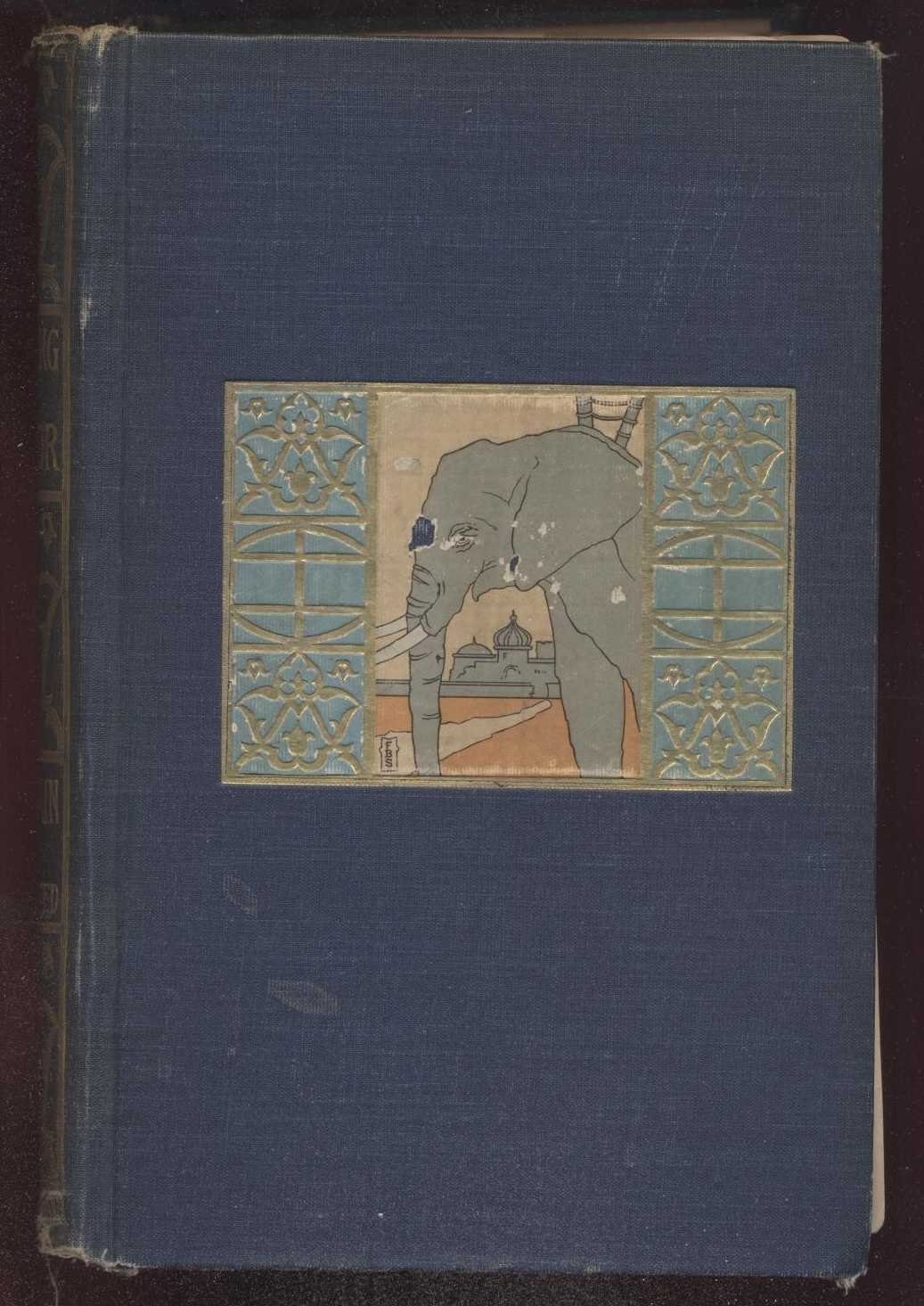
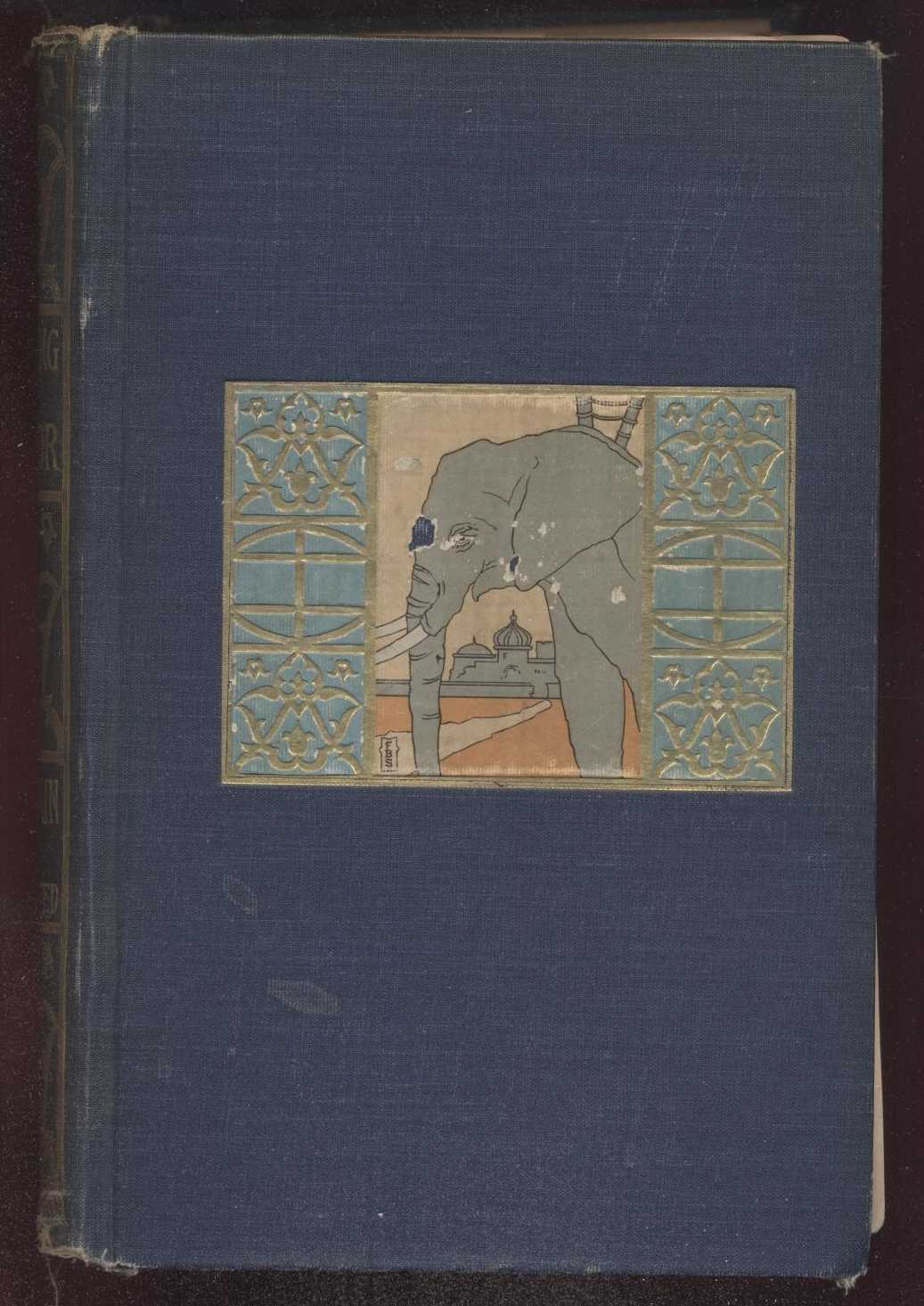
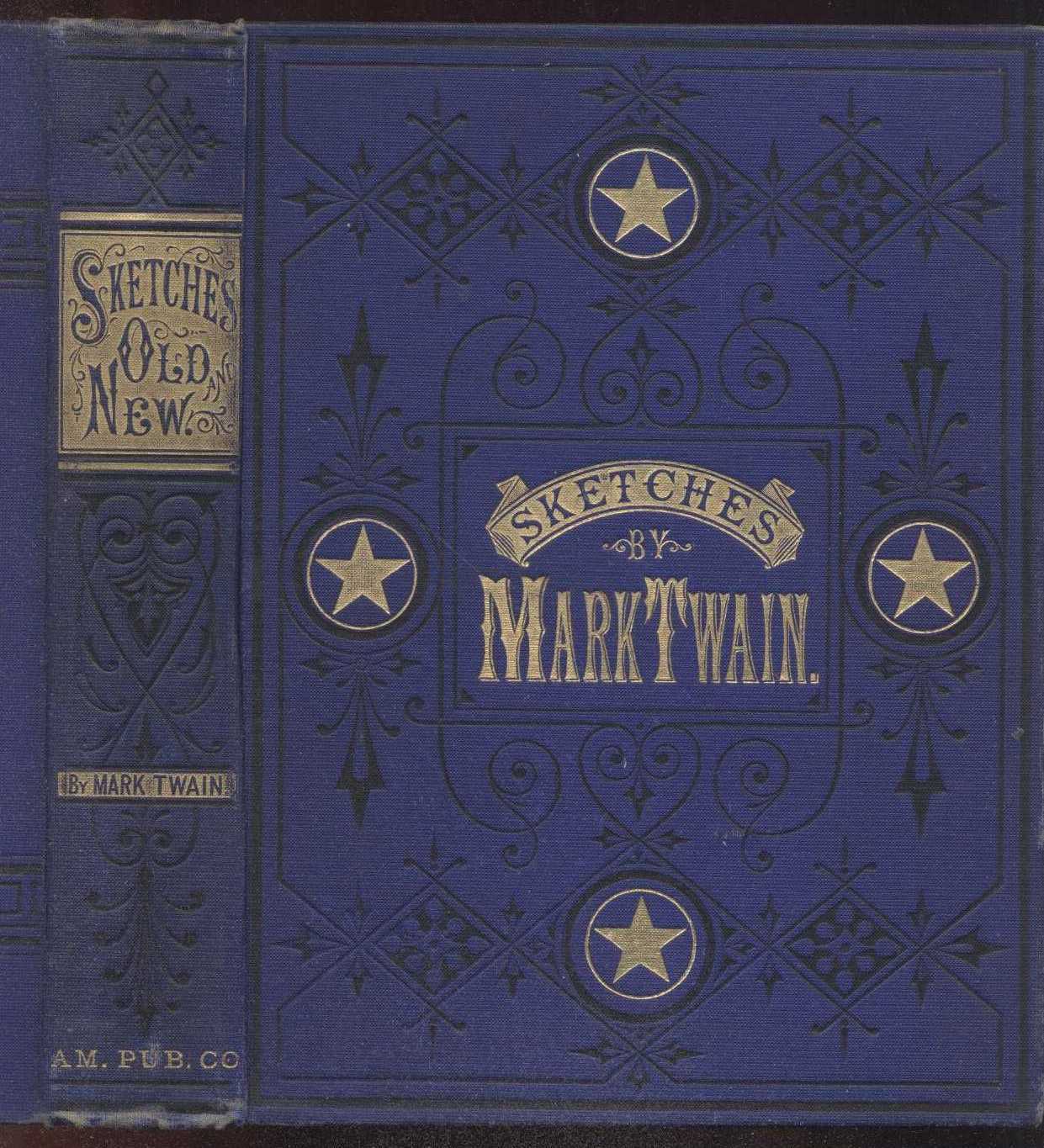
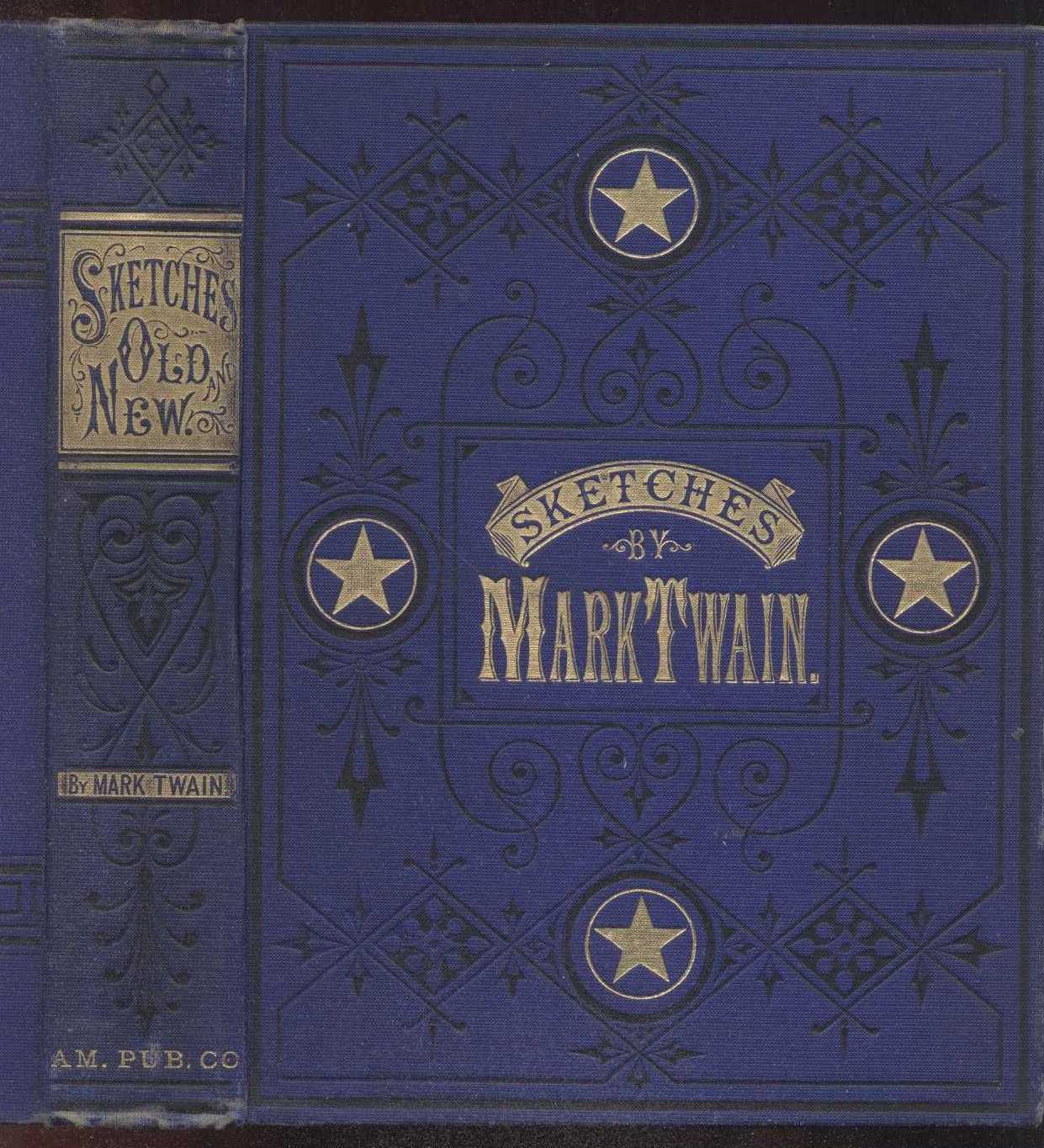
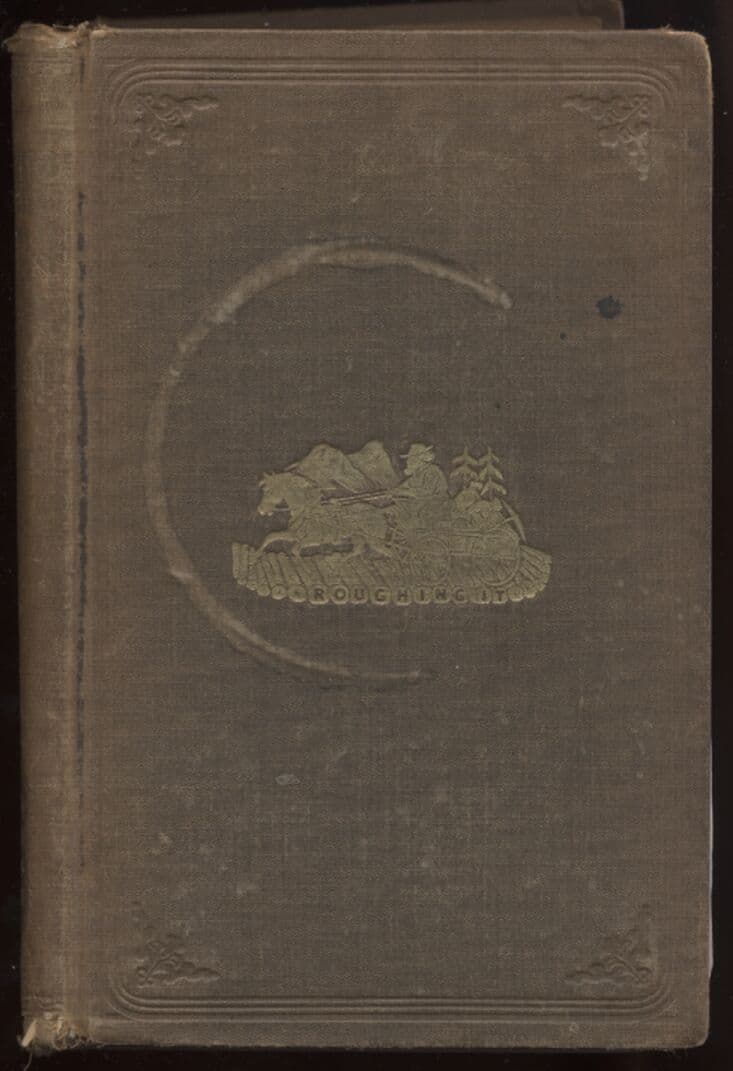
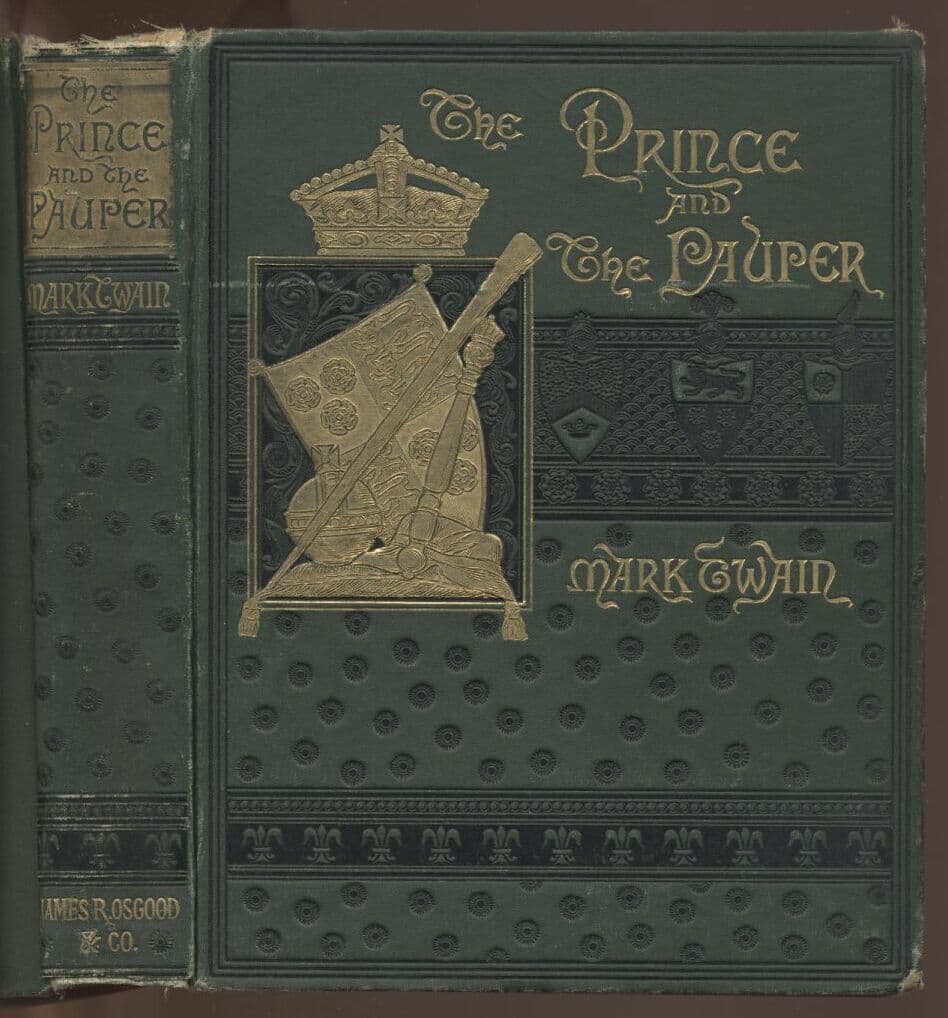
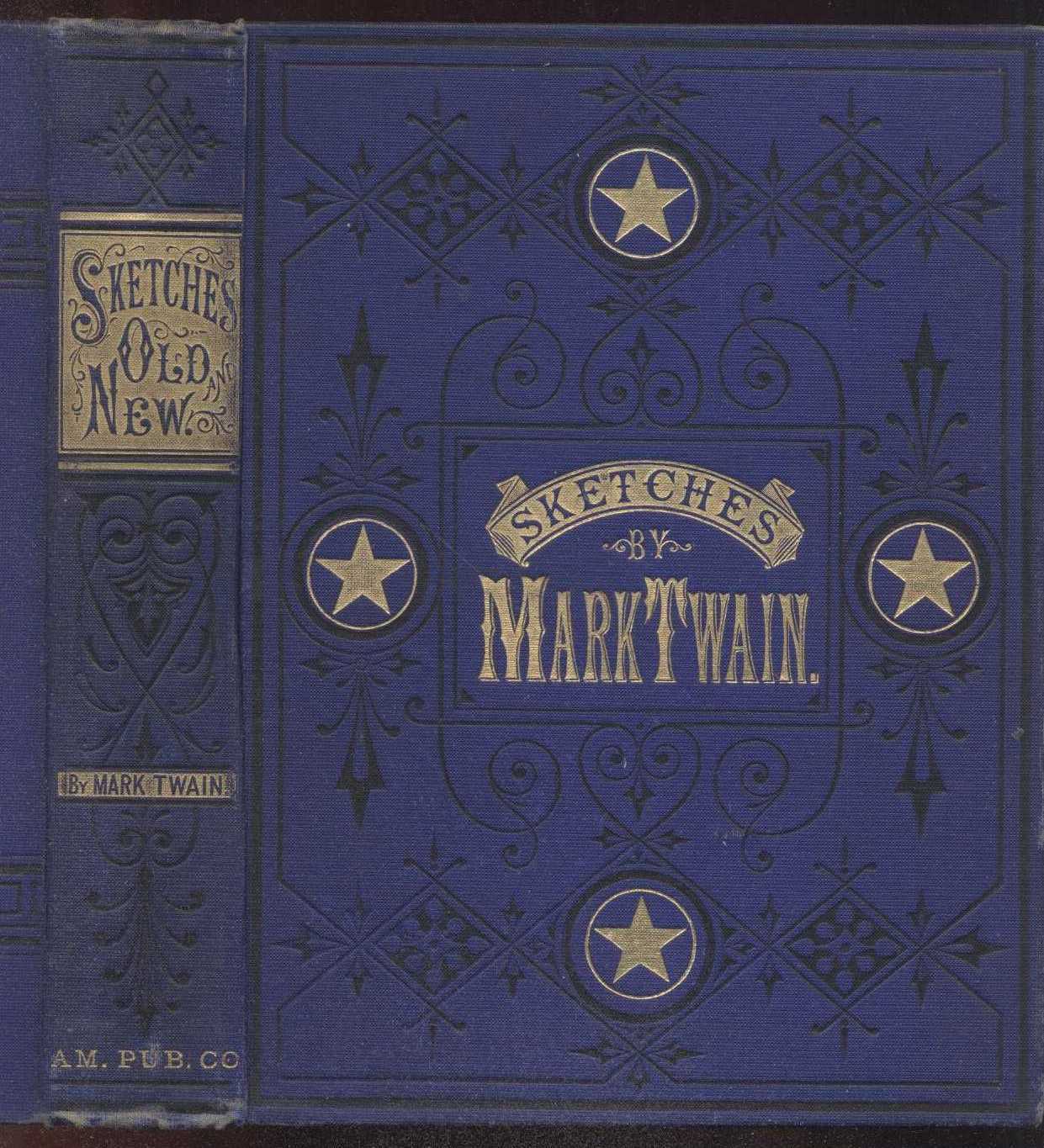
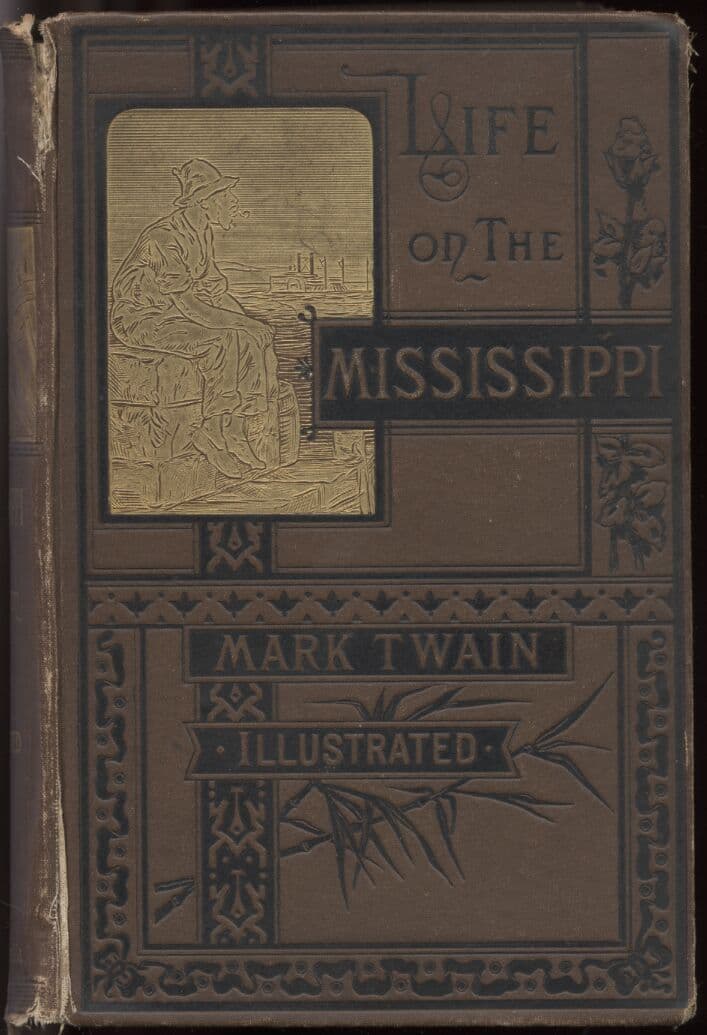
The £1,000,000 bank-note, and other new stories
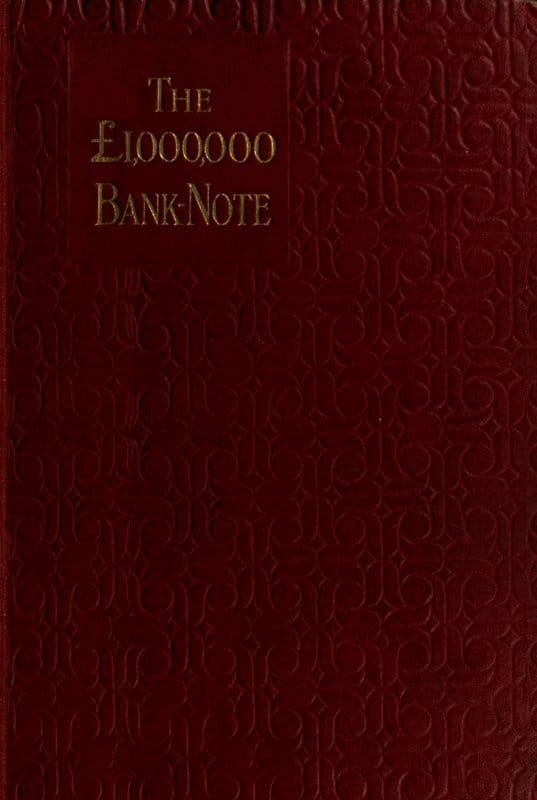
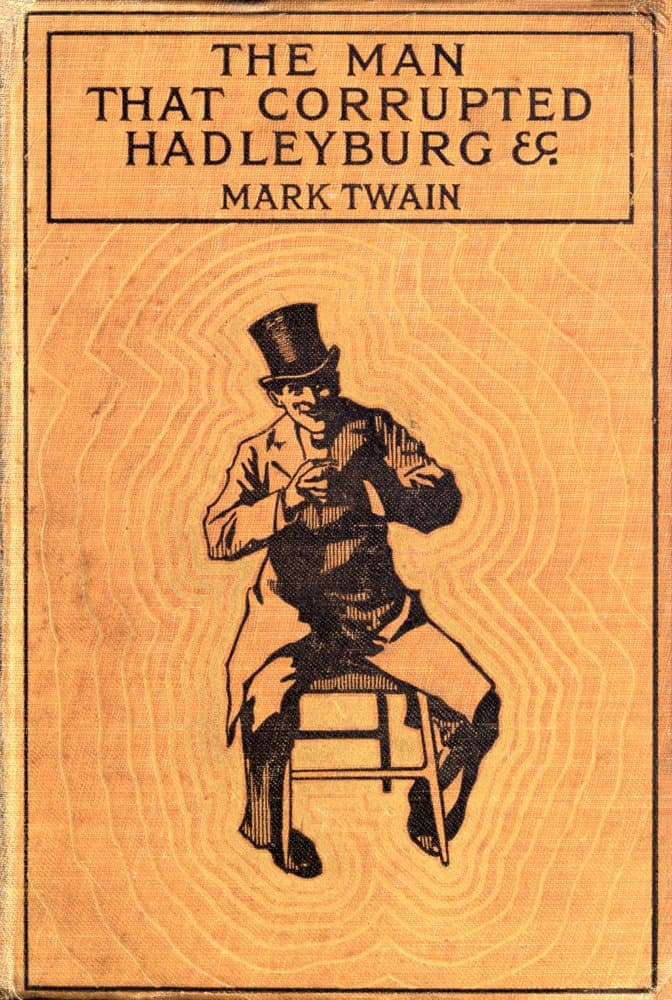
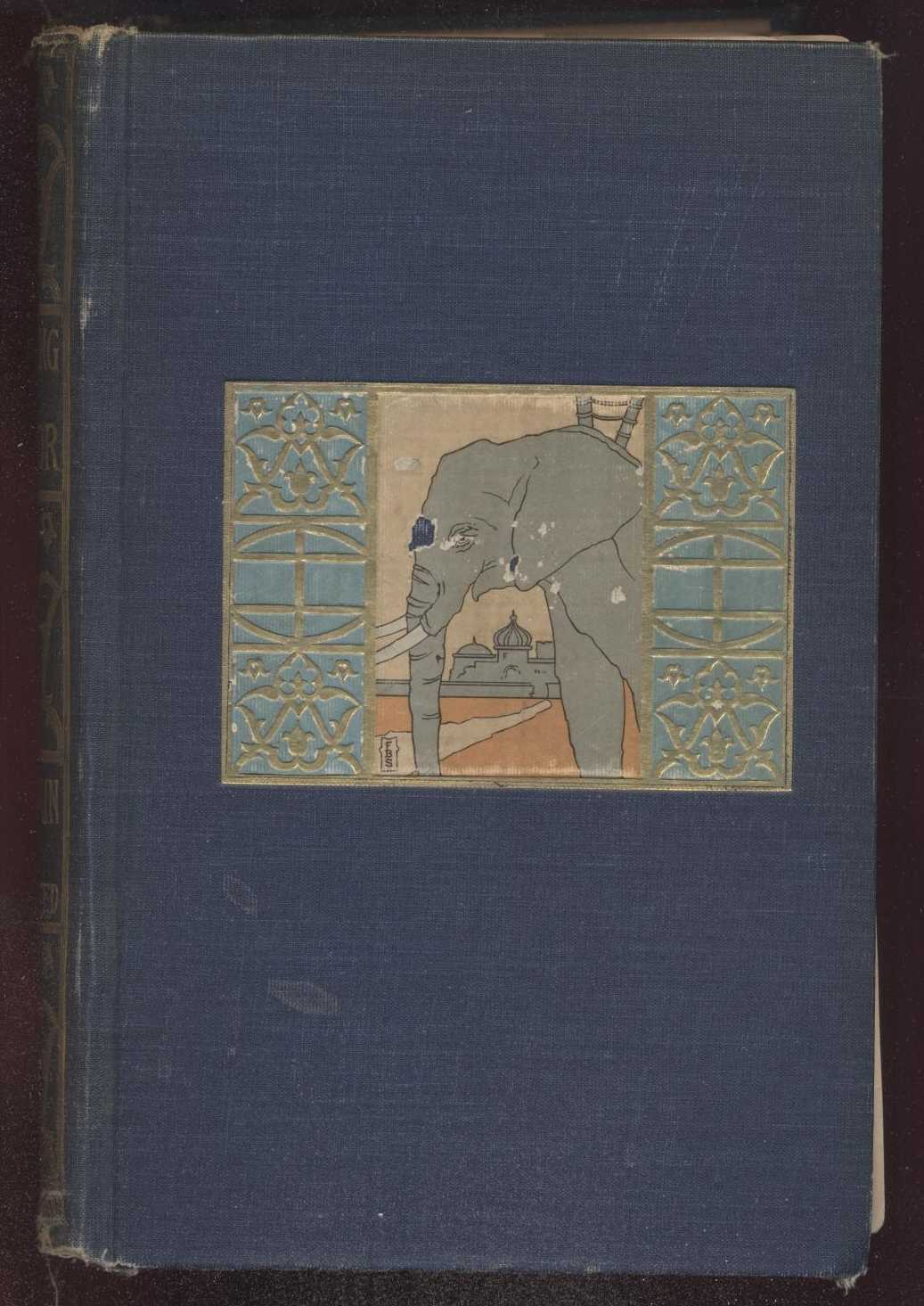
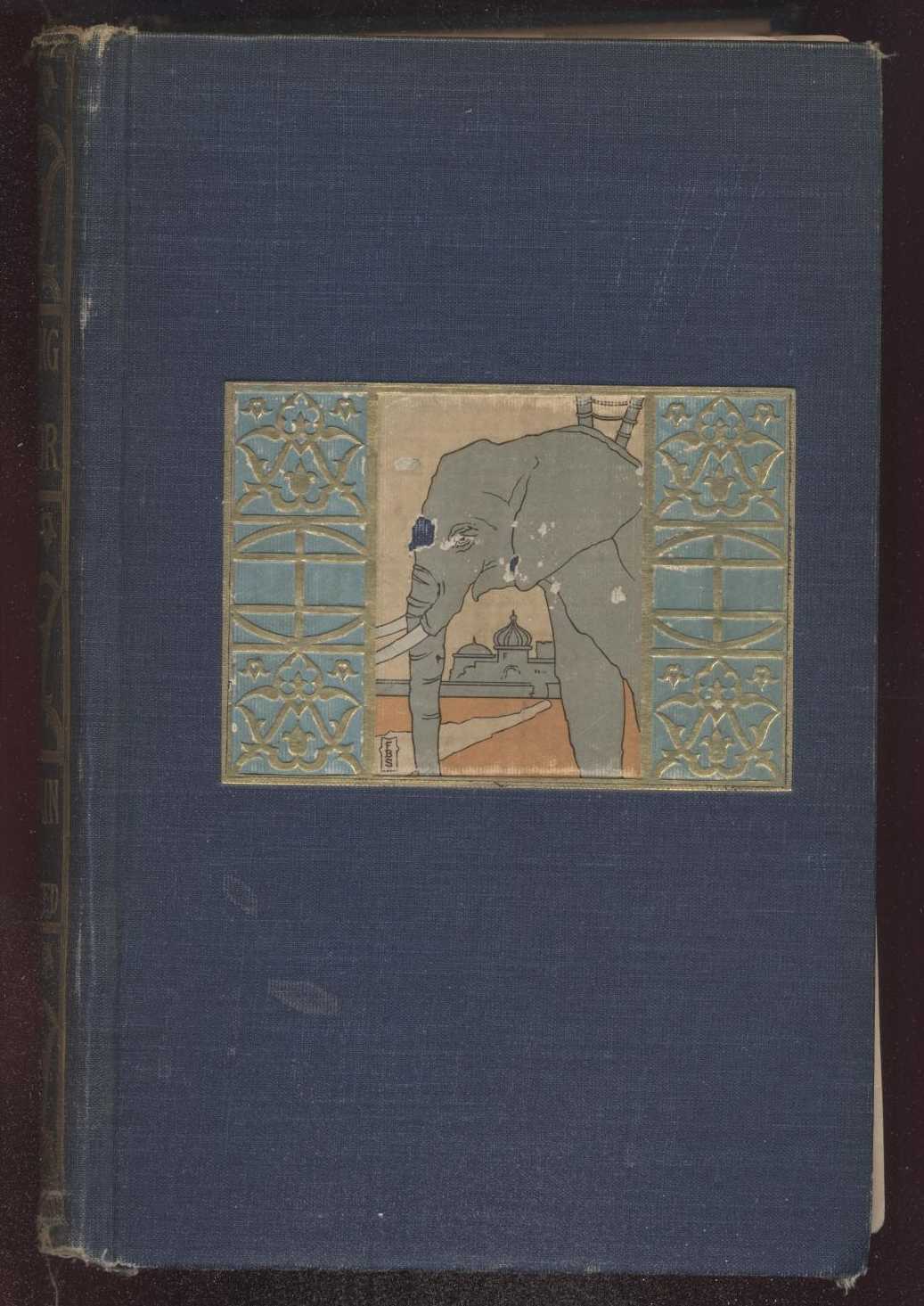
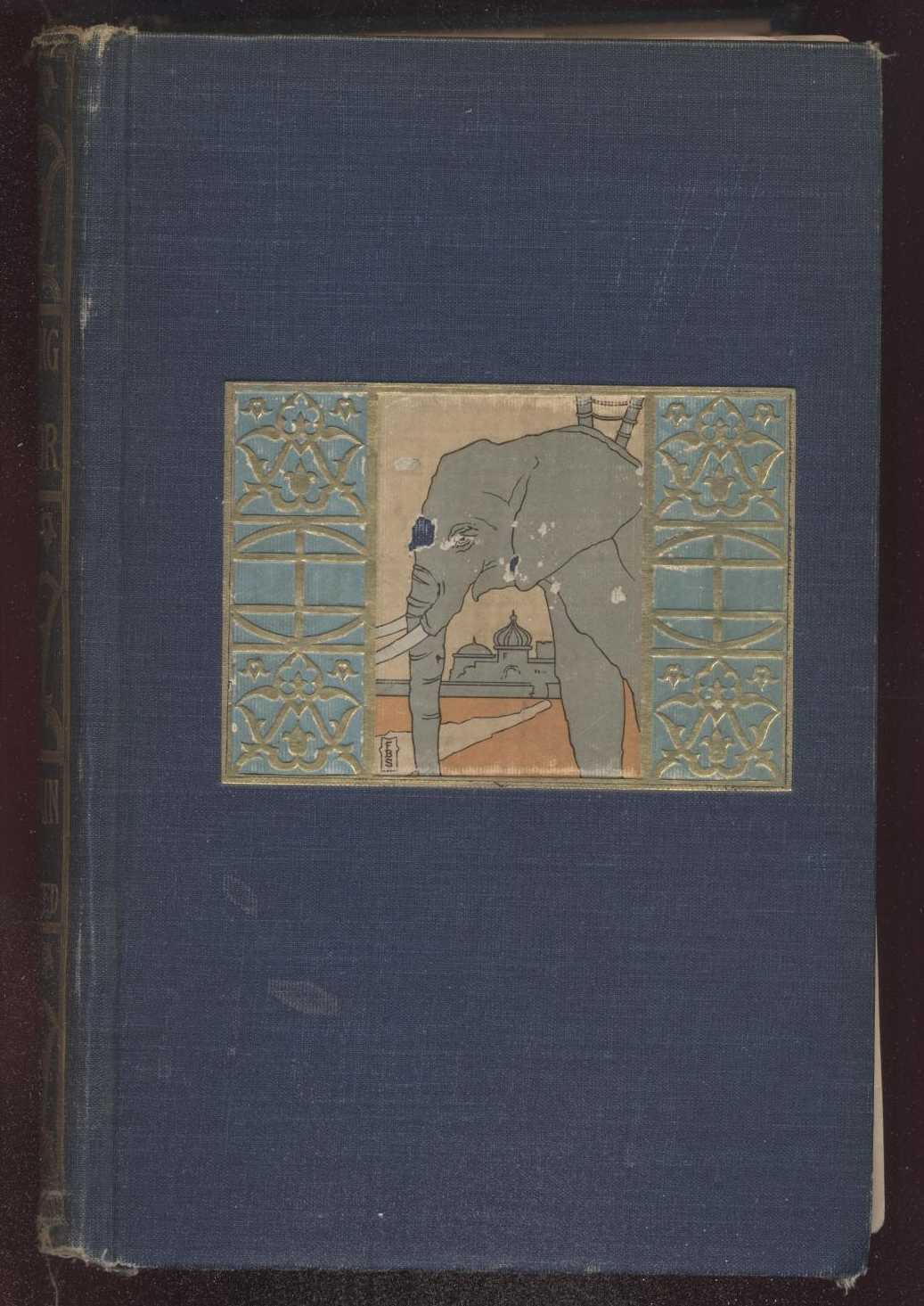
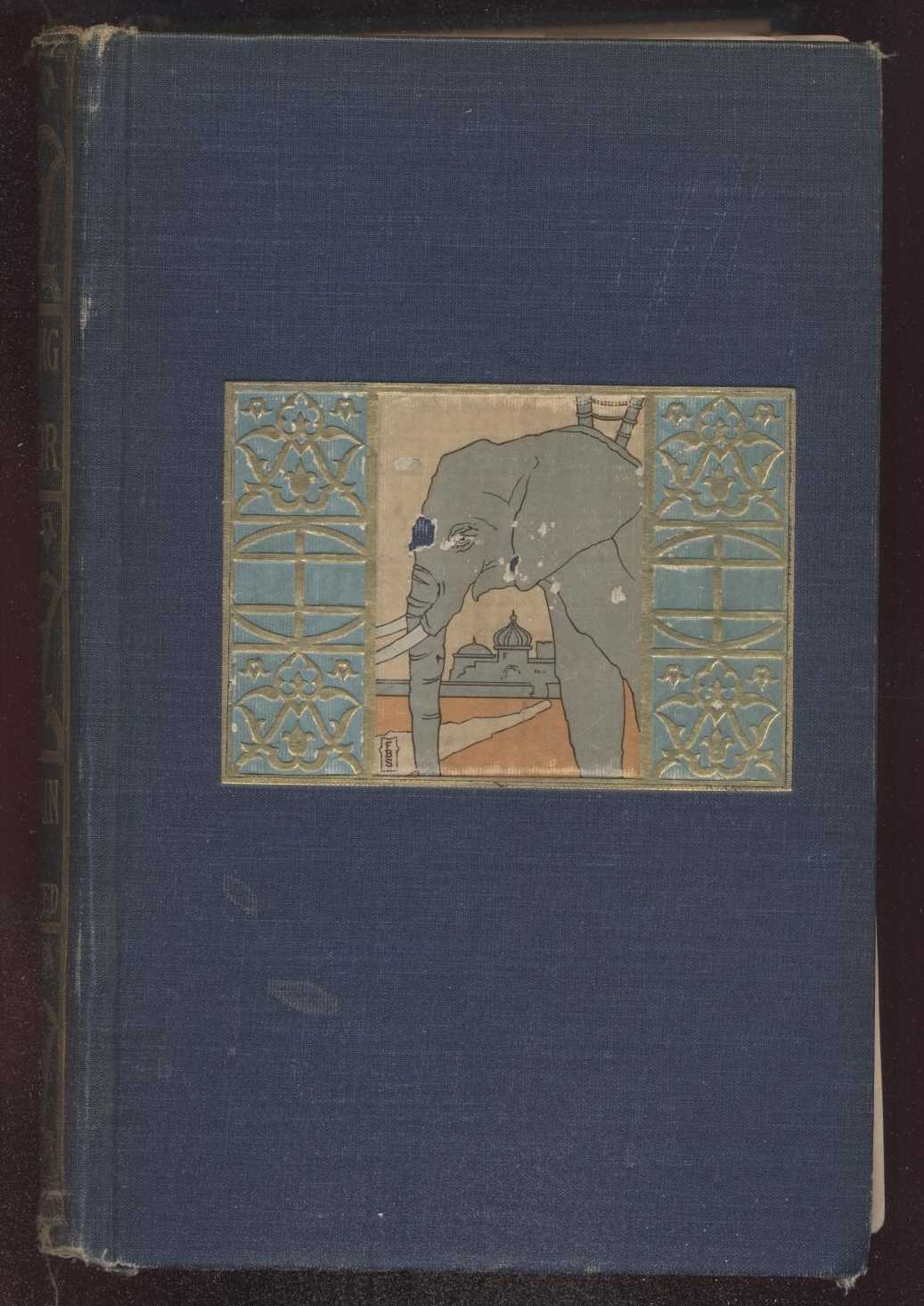
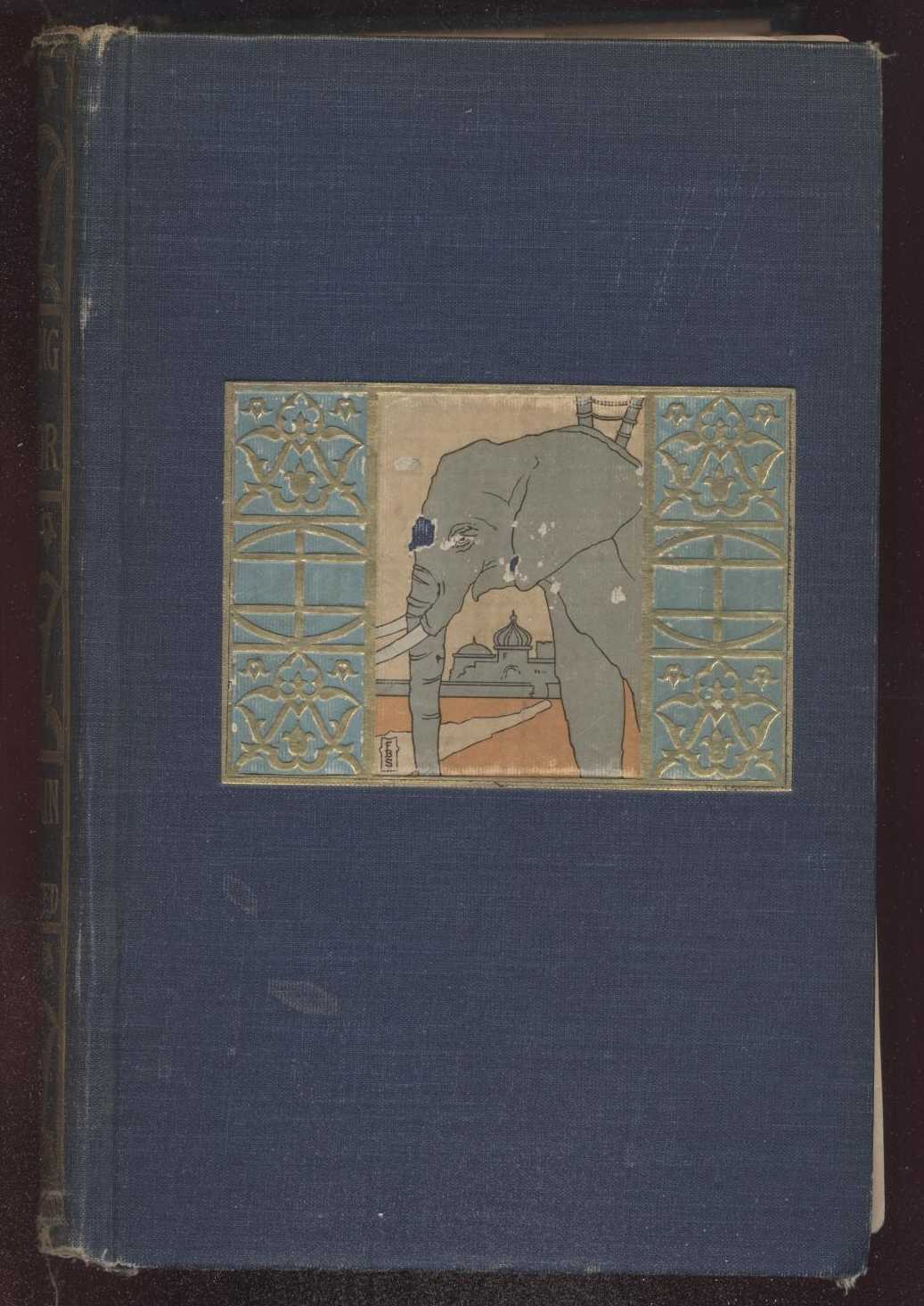
When a penniless American clerk in London receives a one-million-pound bank-note from two eccentric brothers as a bet, he must navigate high society without spending it. What follows is Mark Twain at his most gleefully satirical: a man with impossible wealth and nothing else, scrambling to maintain the illusion while the entire city bends over backwards to accommodate him. The comedy hinges on the absurd gap between perception and reality, between having a fortune and being able to access a single farthing of it. Twain skewers Victorian London's obsession with wealth and status through a protagonist who is simultaneously lying to everyone and telling them the truth they refuse to hear. This 1893 collection, including stories like "The Stolen White Elephant" and "The Man That Corrupted Hadleyburg," captures Twain at a fascinating crossroads. Written during the darkest period of his personal life, the title story radiates a last burst of optimistic mischief before his later, cynicism-tinged works. It remains a sparkling examination of how money shapes human judgment, and how difficult it is to be honest in a world that rewards performance.
Editions

Link to this book
Add a free, dofollow link to Lex on your blog, forum, syllabus, or reading list.

<a href="https://lex-books.com/book/the-1-000-000-bank-note-and-other-new-stories-a0979ecb-be57-40bf-bebb-c6d3da6af911"><img src="https://lex-books.com/badges/read-on-lex.svg" alt="Read The £1,000,000 bank-note, and other new stories by Mark Twain free on Lex" width="160" height="40"></a>[](https://lex-books.com/book/the-1-000-000-bank-note-and-other-new-stories-a0979ecb-be57-40bf-bebb-c6d3da6af911)[url=https://lex-books.com/book/the-1-000-000-bank-note-and-other-new-stories-a0979ecb-be57-40bf-bebb-c6d3da6af911][img]https://lex-books.com/badges/read-on-lex.svg[/img][/url]Read The £1,000,000 bank-note, and other new stories by Mark Twain free on Lex: https://lex-books.com/book/the-1-000-000-bank-note-and-other-new-stories-a0979ecb-be57-40bf-bebb-c6d3da6af911Cite this book
Reading this edition for a paper or guide? Copy a citation.
Twain, Mark. The £1,000,000 bank-note, and other new stories. Lex, lex-books.com/book/the-1-000-000-bank-note-and-other-new-stories-a0979ecb-be57-40bf-bebb-c6d3da6af911.Twain, M. (n.d.). The £1,000,000 bank-note, and other new stories. Lex. https://lex-books.com/book/the-1-000-000-bank-note-and-other-new-stories-a0979ecb-be57-40bf-bebb-c6d3da6af911Twain, Mark. The £1,000,000 bank-note, and other new stories. Lex. https://lex-books.com/book/the-1-000-000-bank-note-and-other-new-stories-a0979ecb-be57-40bf-bebb-c6d3da6af911.