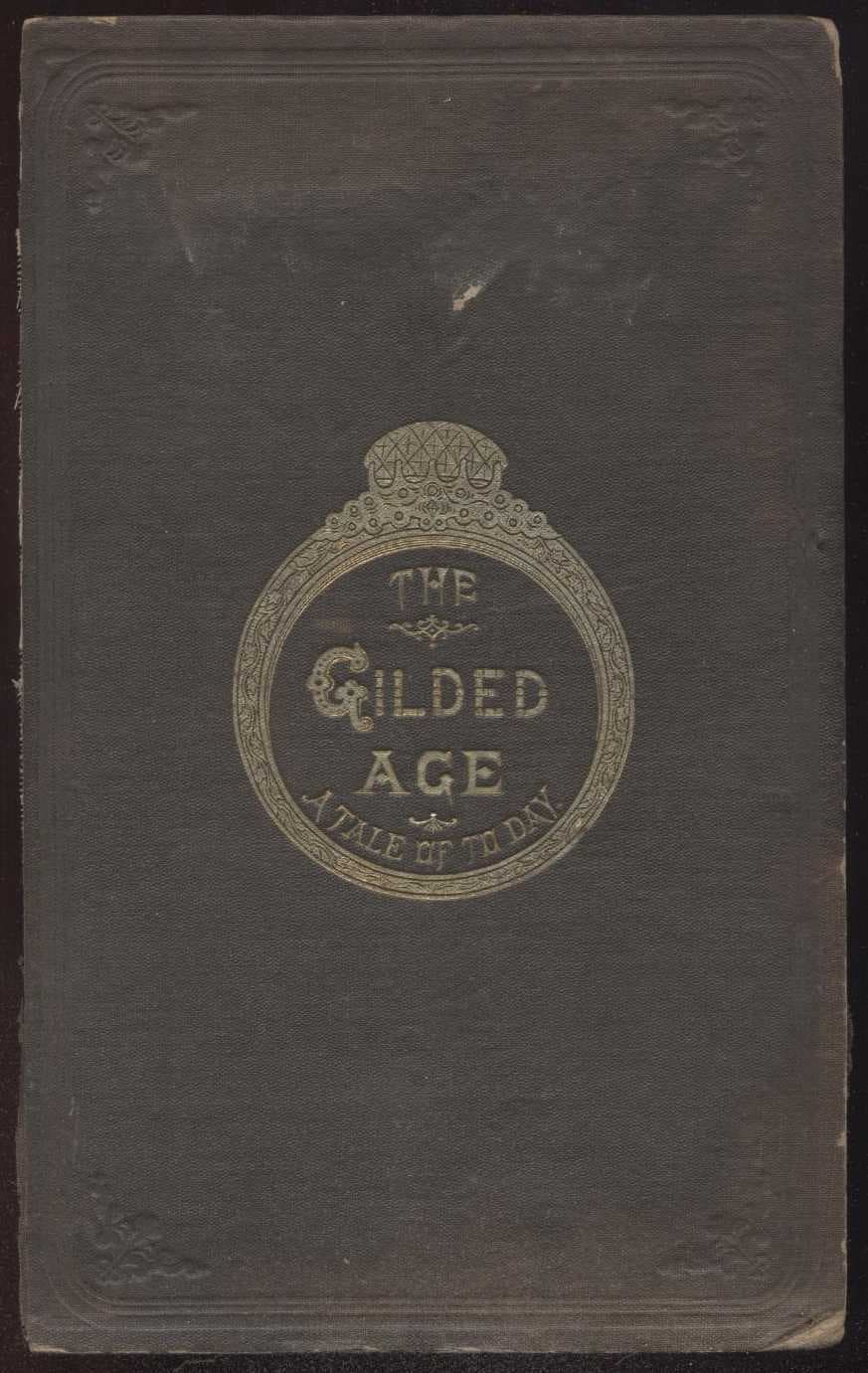
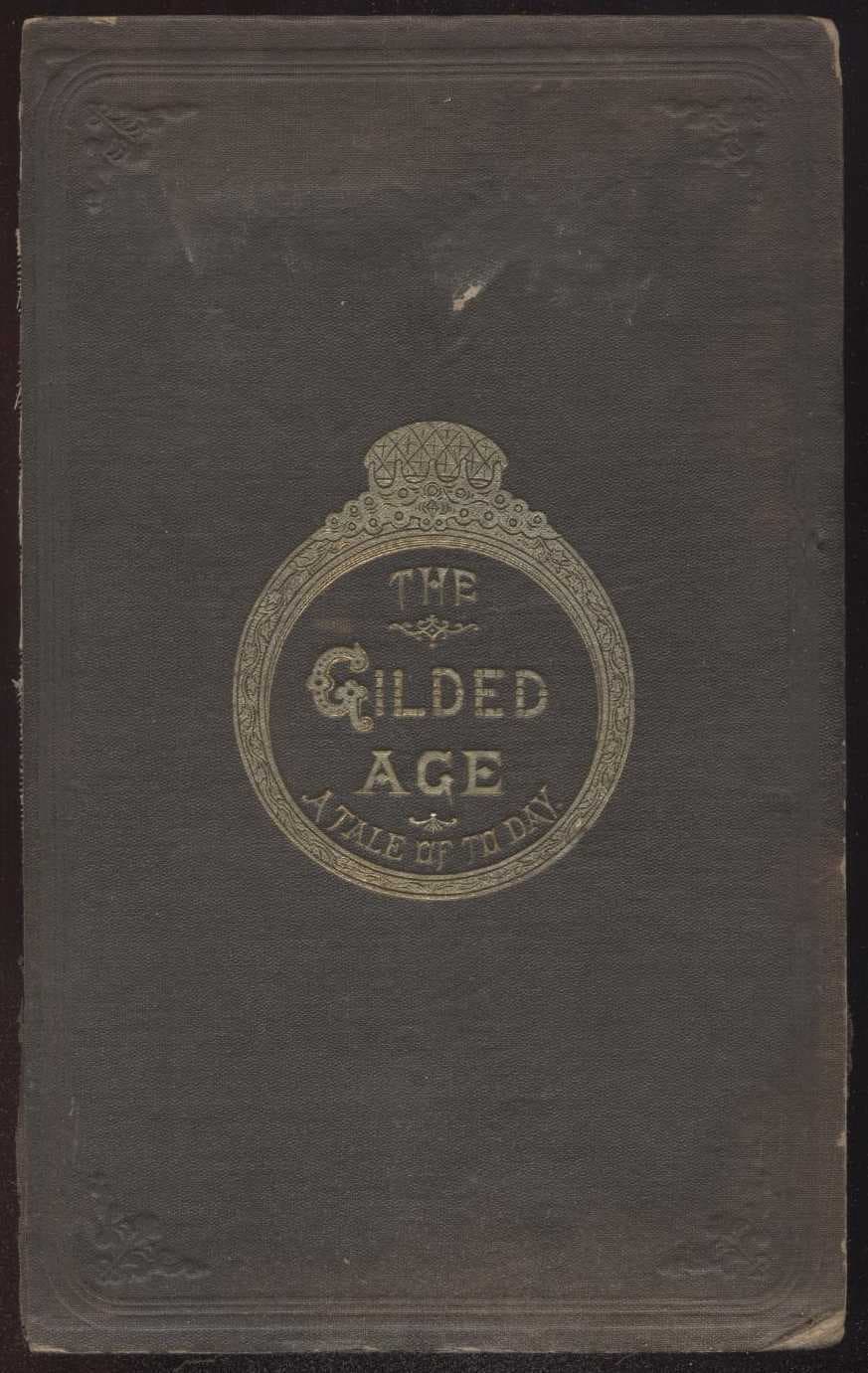
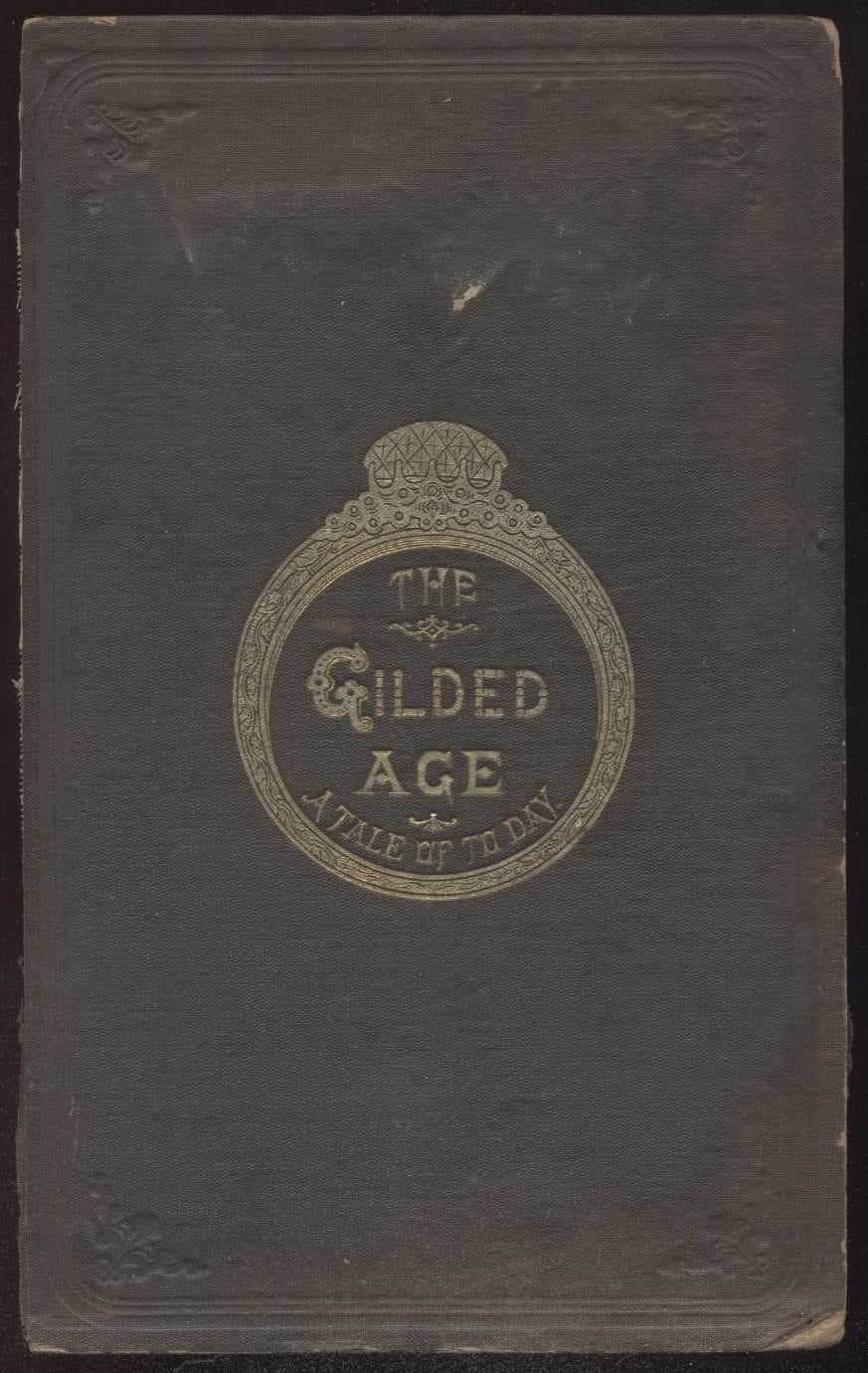
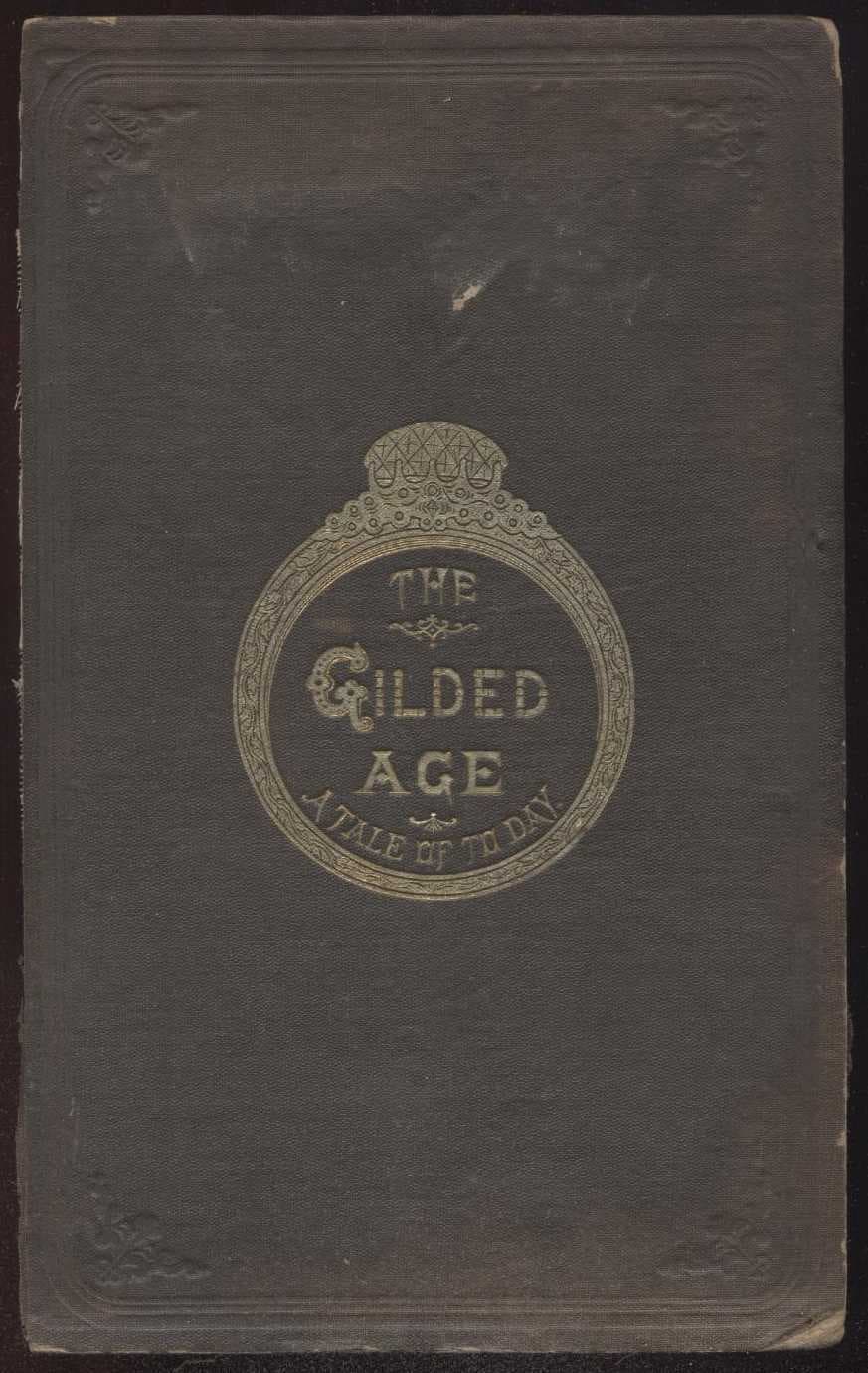
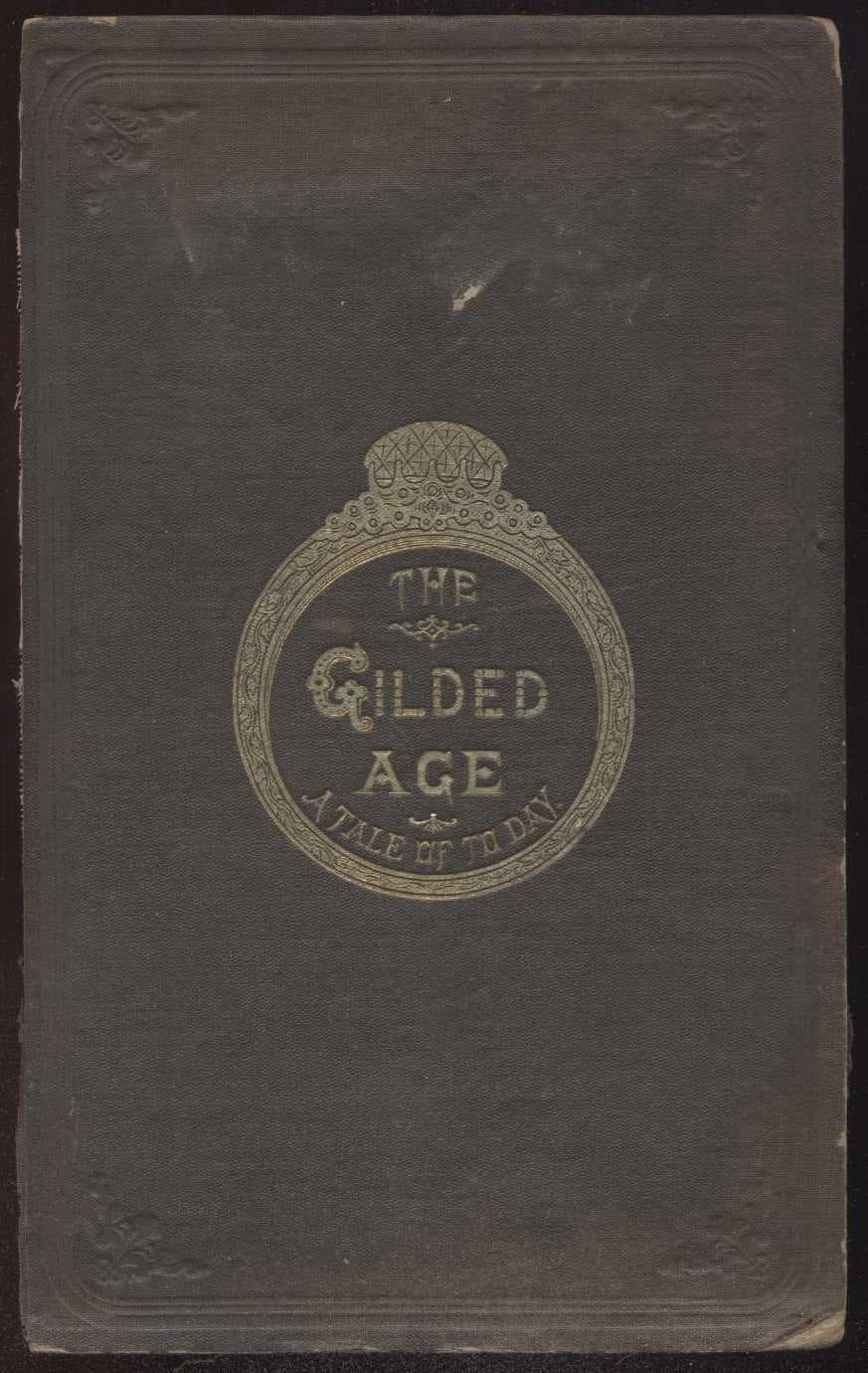
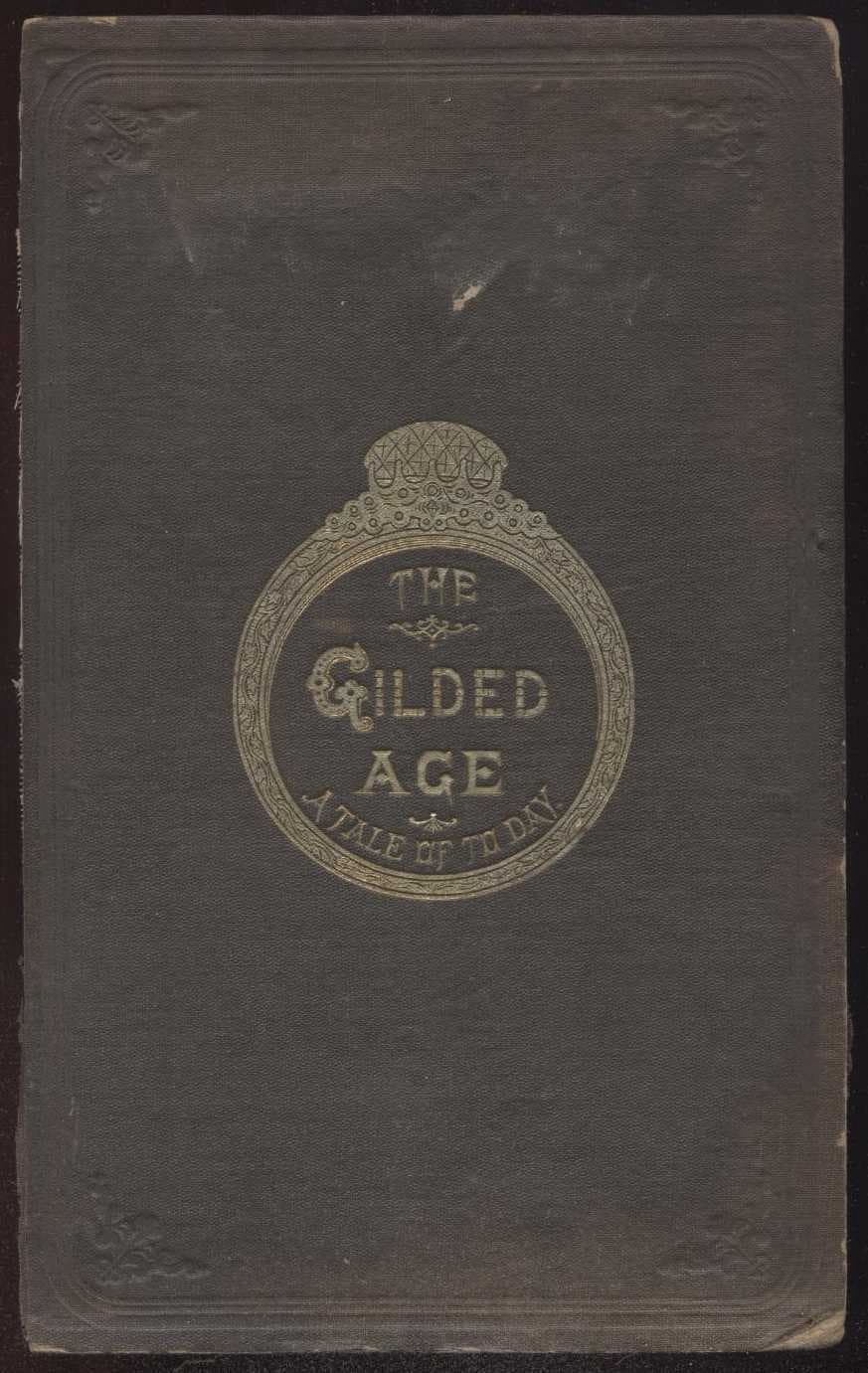
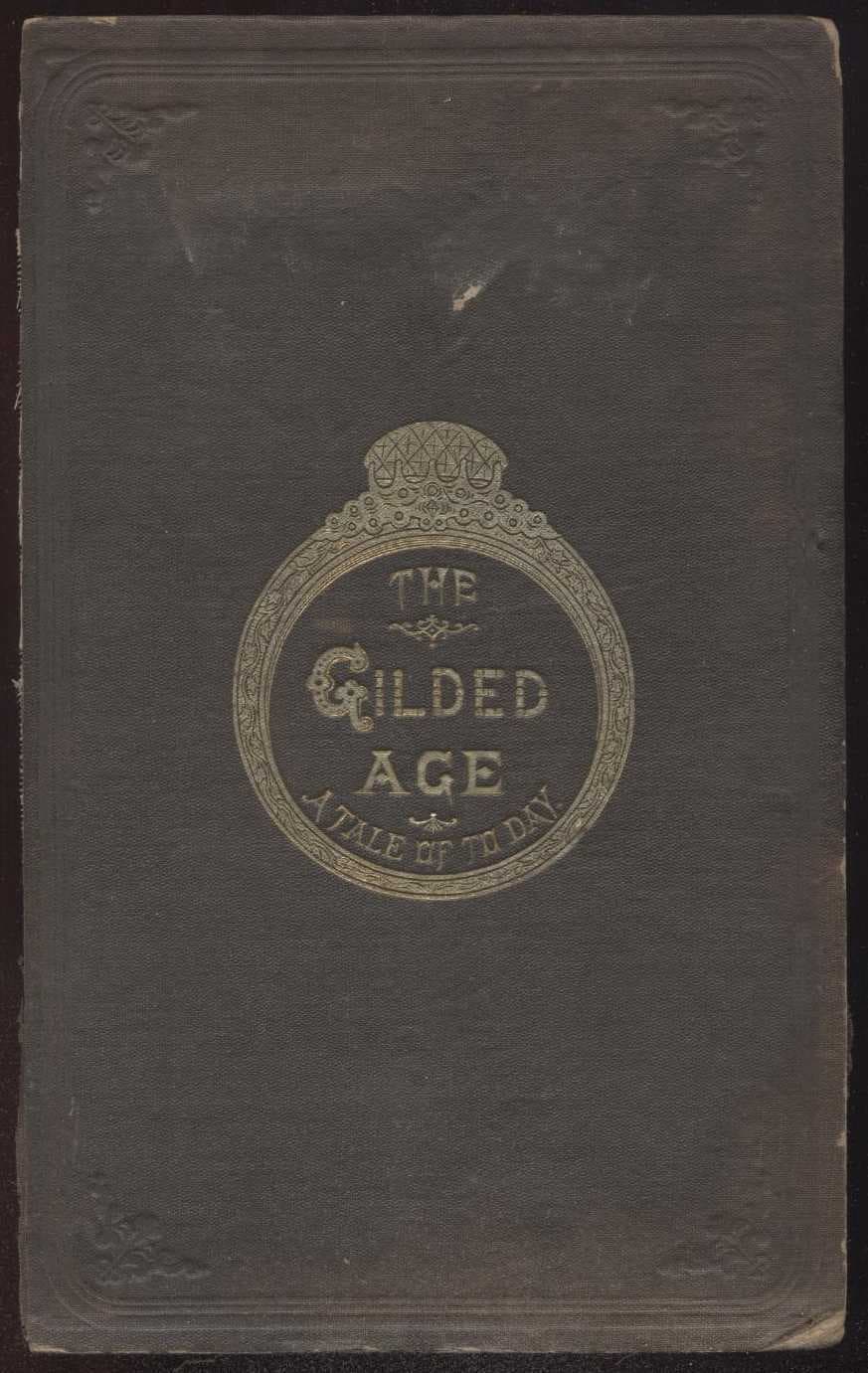
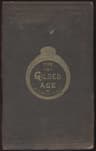
The Gilded Age, Part 4.
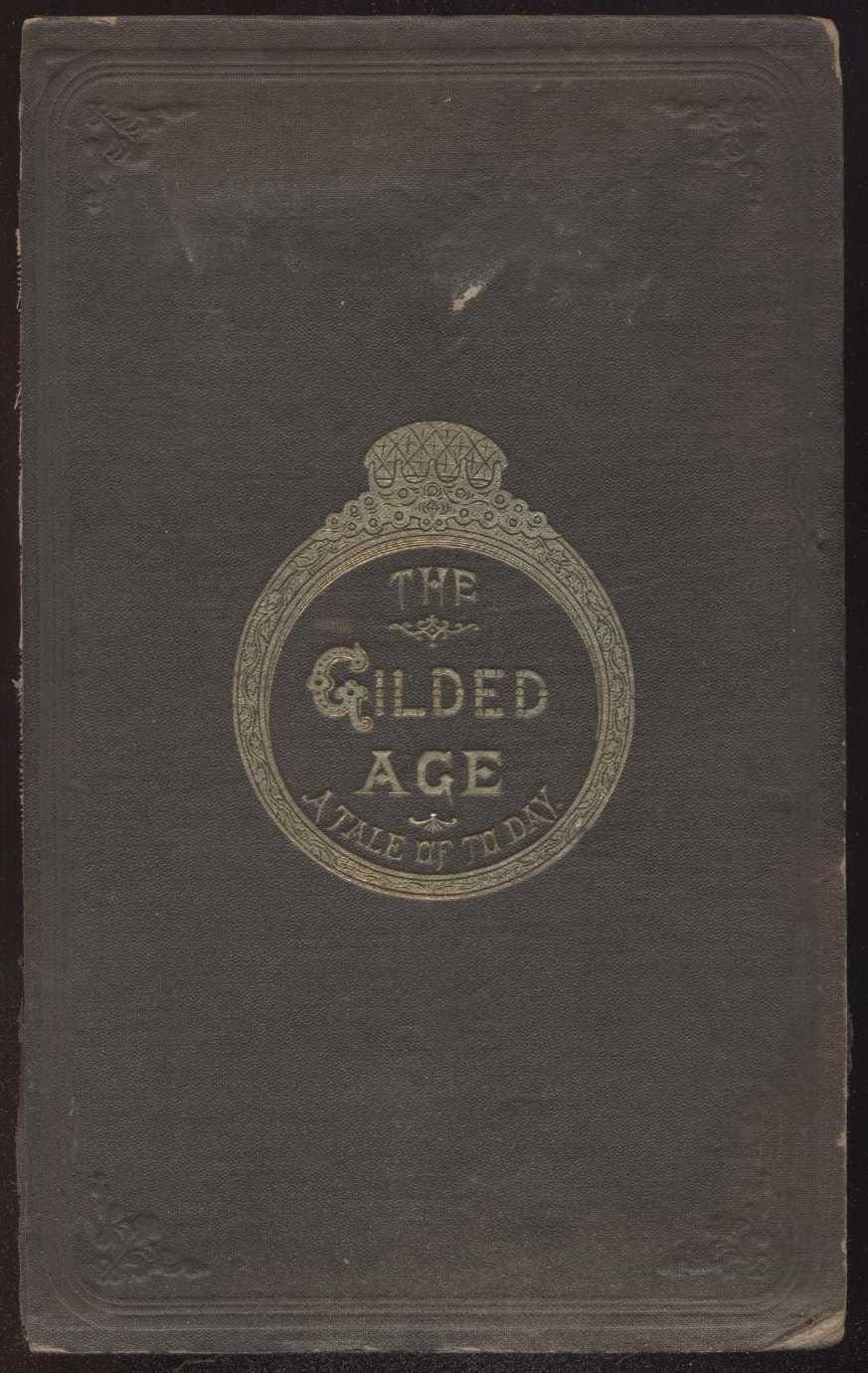
A savage, laughing satire of post-Civil War America, where everyone is scheming to get rich and nobody seems to produce a single useful thing. Mark Twain and Charles Dudley Warner target an era of breathtaking greed, where railroad bubbles burst and politicians are bought wholesale, yet the dream of instant wealth never dies. The incomparable Colonel Sellers returns, his optimism indestructible despite an unbroken string of bankruptcies, accompanied by the drifting Harry Brierly as they navigate a world of failed companies, corrupt legislators, and women watching the male madness with weary eyes. The Columbus River Slack-Water Navigation Company crumbles in typical Gilded Age fashion, but don't worry - Colonel Sellers already has seventeen other schemes lined up. This is the book that named the era: glittering on the outside, rotten underneath. For anyone who thinks American get-rich-quick culture is a modern invention.
Editions
Link to this book
Add a free, dofollow link to Lex on your blog, forum, syllabus, or reading list.

<a href="https://lex-books.com/book/the-gilded-age-part-4-466d50be-2a85-42ab-b1f6-638cd4ca66e7"><img src="https://lex-books.com/badges/read-on-lex.svg" alt="Read The Gilded Age, Part 4. by Mark Twain free on Lex" width="160" height="40"></a>[](https://lex-books.com/book/the-gilded-age-part-4-466d50be-2a85-42ab-b1f6-638cd4ca66e7)[url=https://lex-books.com/book/the-gilded-age-part-4-466d50be-2a85-42ab-b1f6-638cd4ca66e7][img]https://lex-books.com/badges/read-on-lex.svg[/img][/url]Read The Gilded Age, Part 4. by Mark Twain free on Lex: https://lex-books.com/book/the-gilded-age-part-4-466d50be-2a85-42ab-b1f6-638cd4ca66e7Cite this book
Reading this edition for a paper or guide? Copy a citation.
Twain, Mark. The Gilded Age, Part 4.. Lex, lex-books.com/book/the-gilded-age-part-4-466d50be-2a85-42ab-b1f6-638cd4ca66e7.Twain, M. (n.d.). The Gilded Age, Part 4.. Lex. https://lex-books.com/book/the-gilded-age-part-4-466d50be-2a85-42ab-b1f6-638cd4ca66e7Twain, Mark. The Gilded Age, Part 4.. Lex. https://lex-books.com/book/the-gilded-age-part-4-466d50be-2a85-42ab-b1f6-638cd4ca66e7.