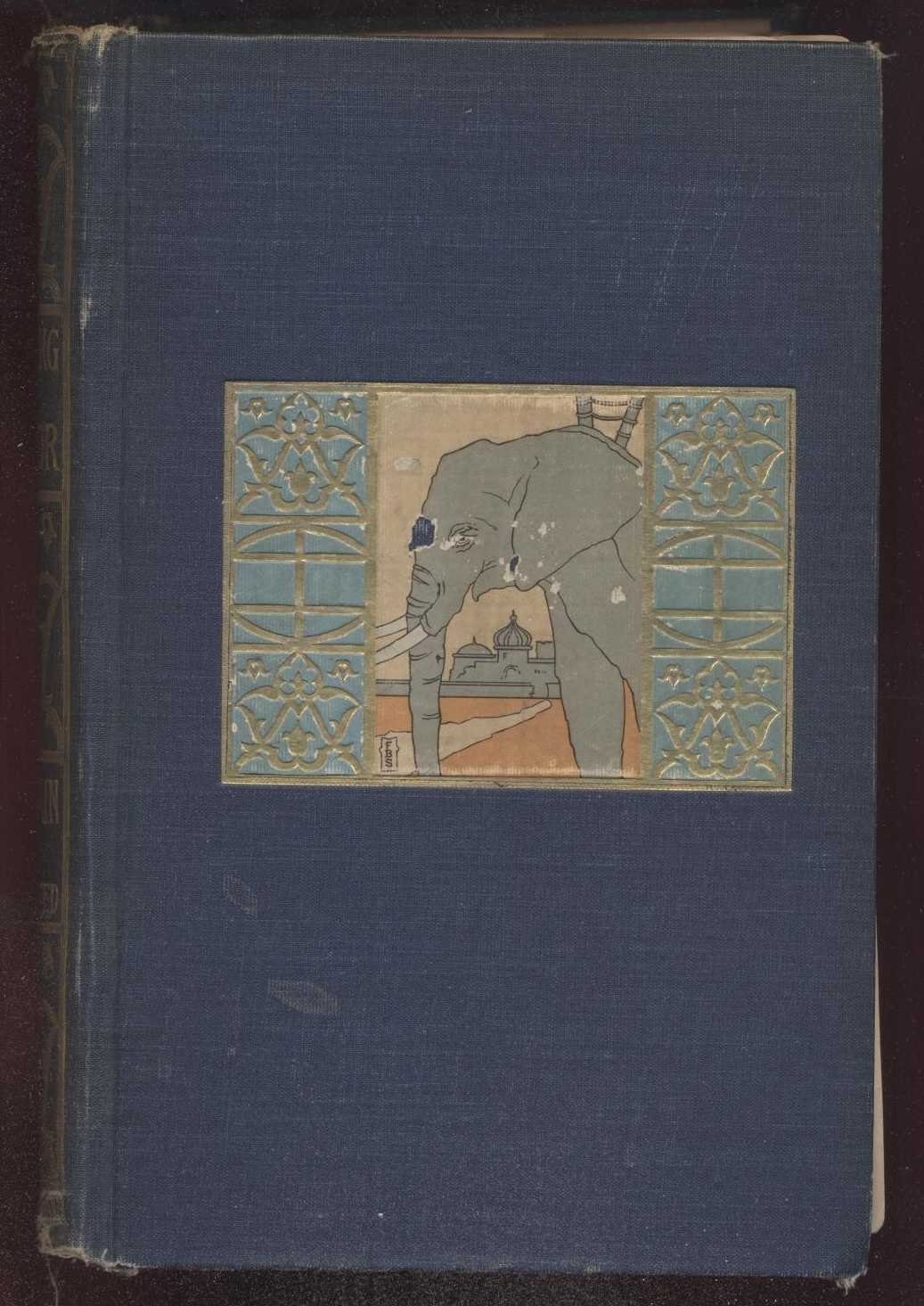
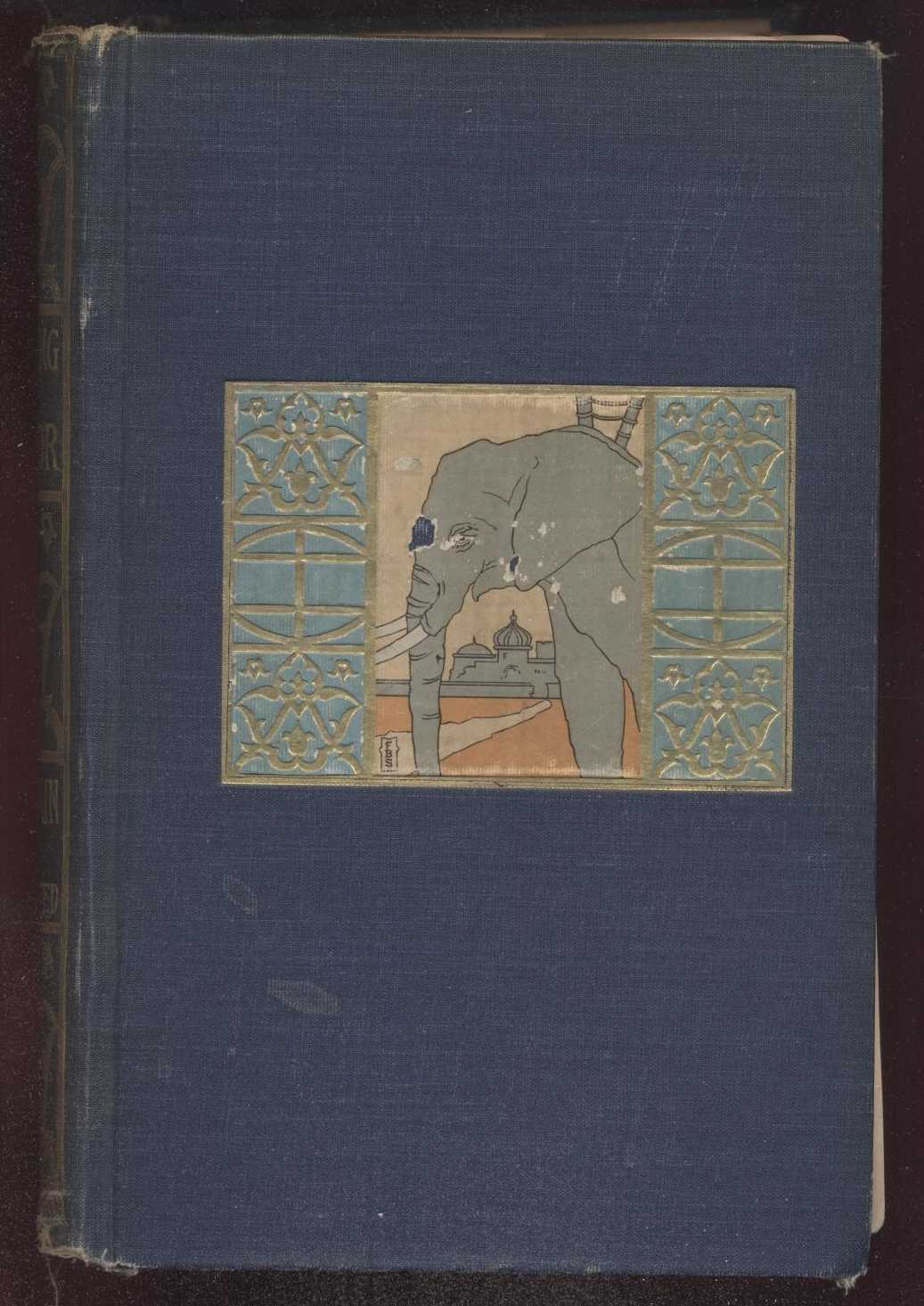
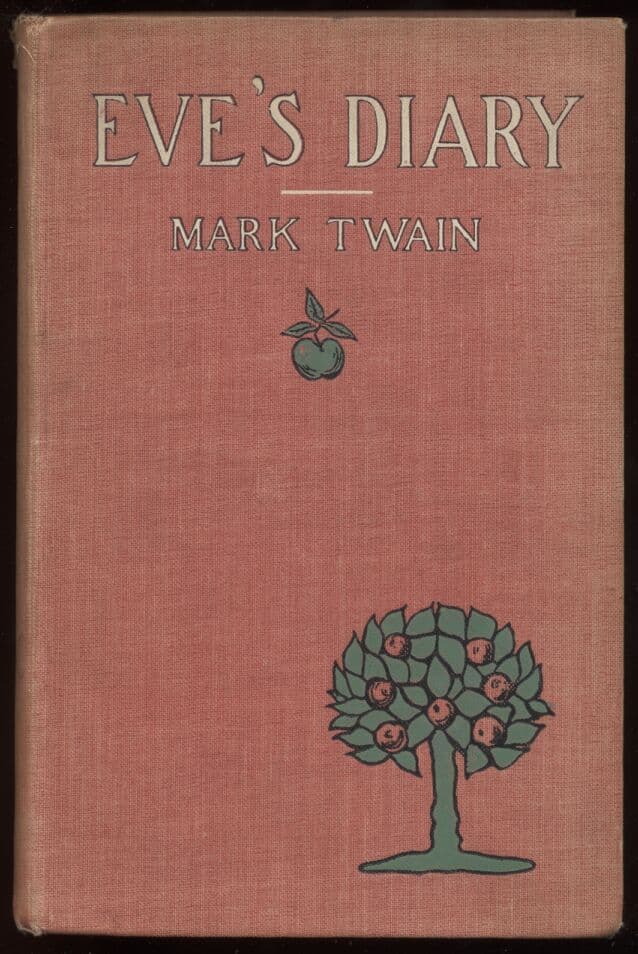
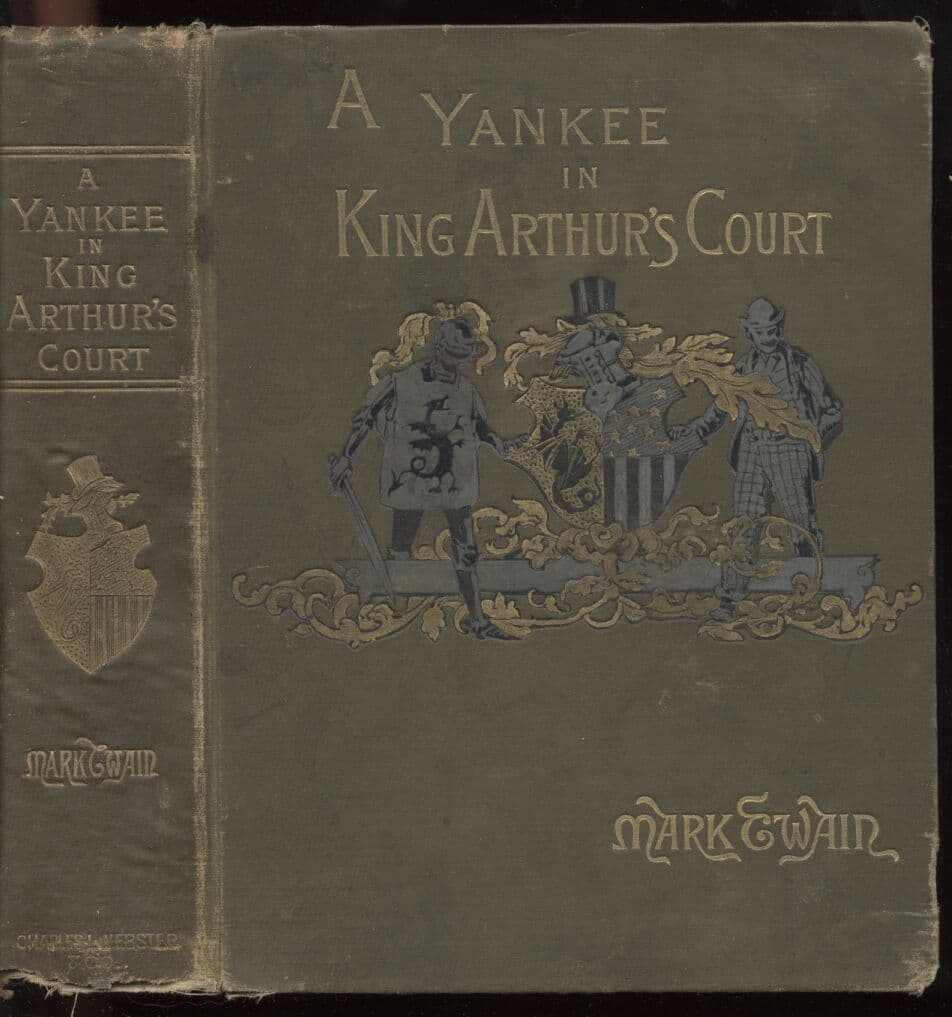
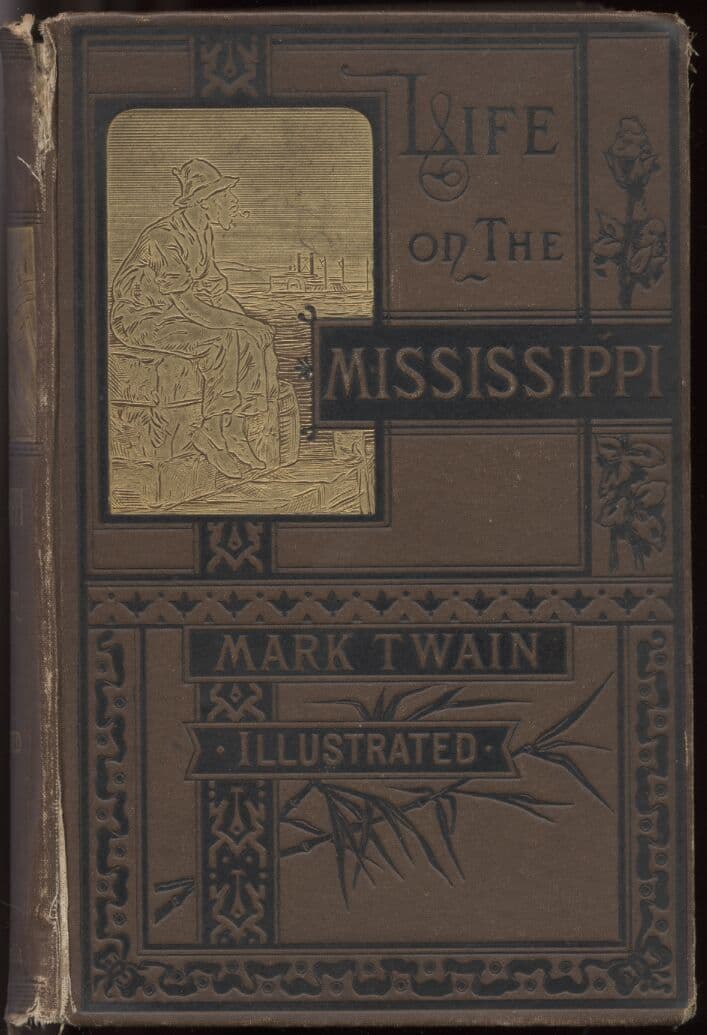
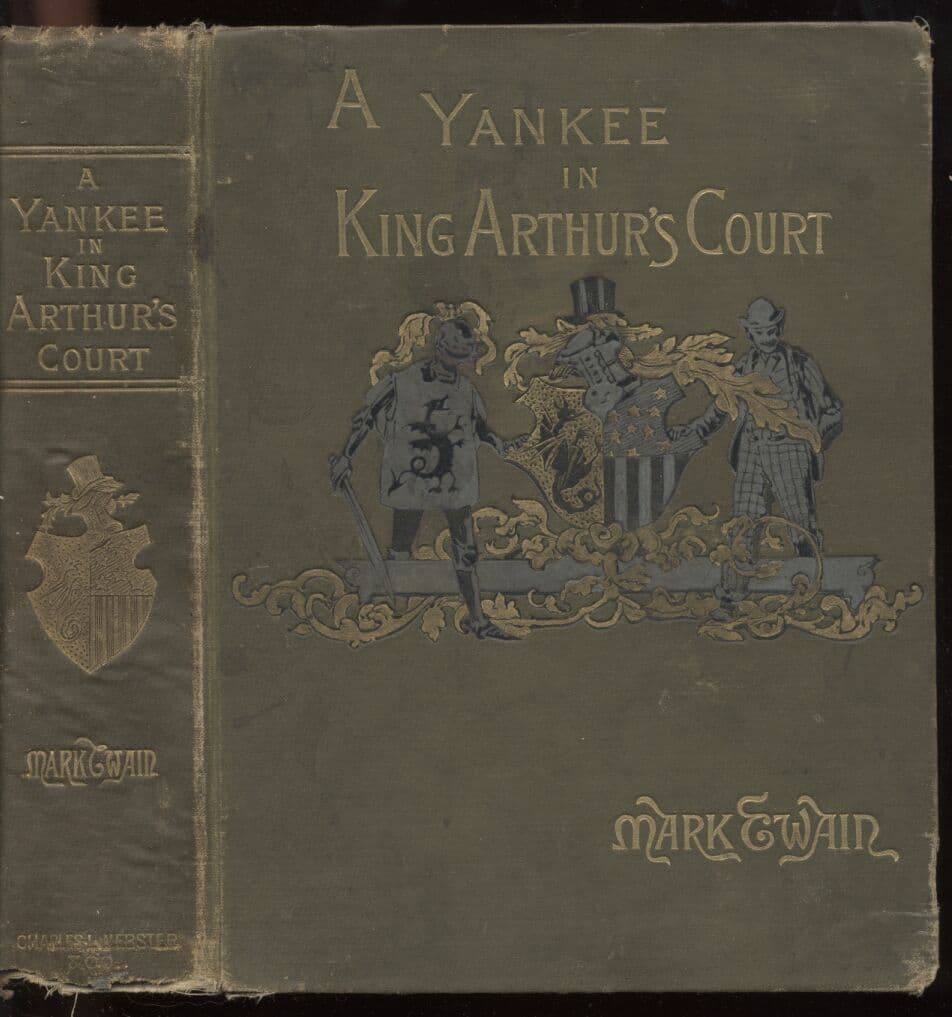
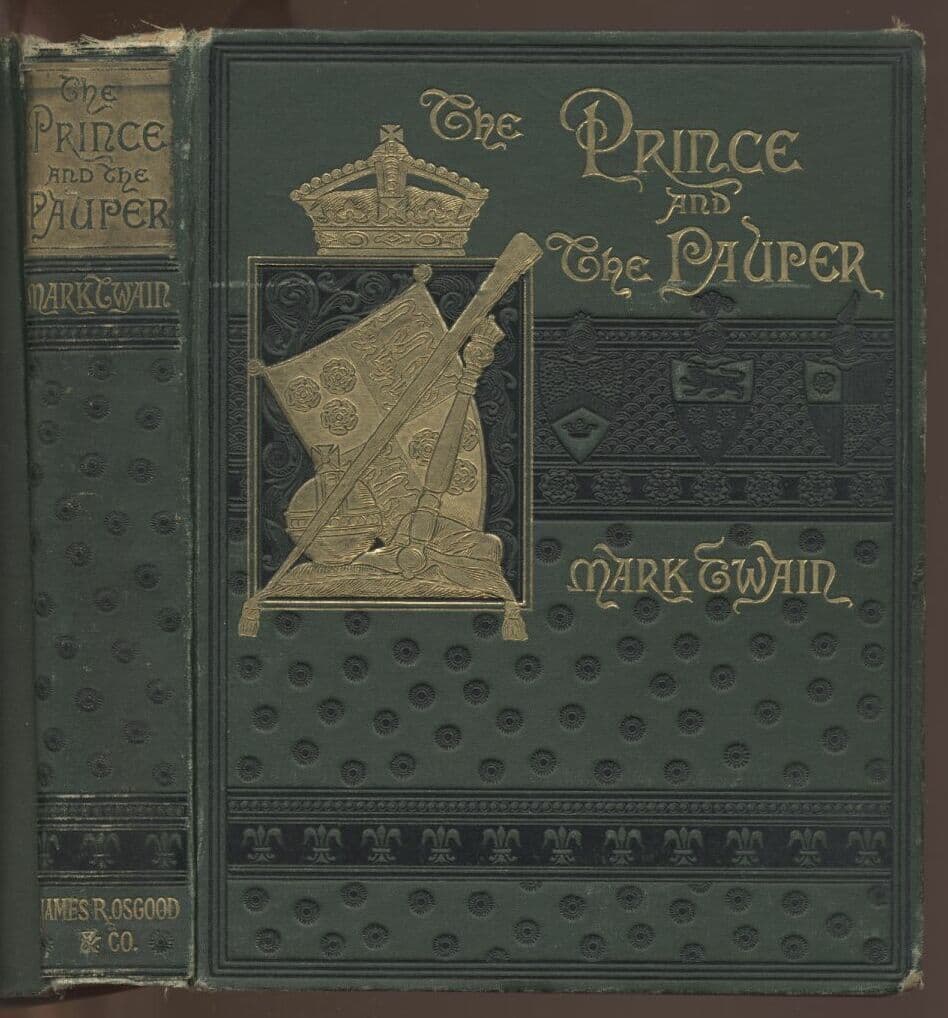
Chapters from My Autobiography

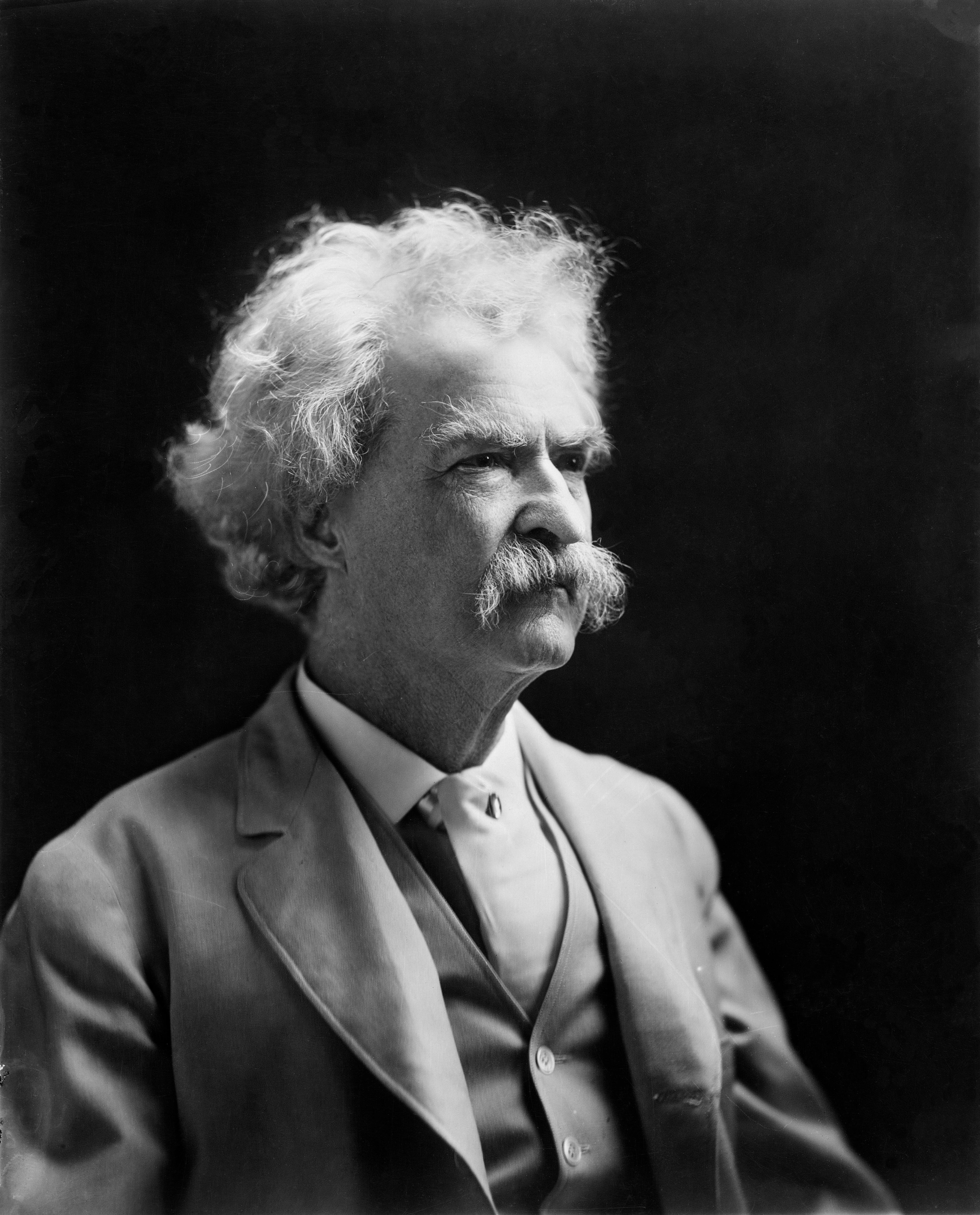
Mark Twain spent his final years composing an autobiography unlike any other. He deliberately refused to write it in chronological order, arguing that memory doesn't work that way and that life itself is a mosaic of moments that illuminate each other when placed in conversation across time. The result is a book that feels startlingly alive: Twain wandering through his ancestors' history, recounting his first humiliating attempts at published writing in New York, revisiting the Mississippi River banks of his Hannibal childhood, and reminiscing about encounters with fellow literary giants. He wrote not to perform but to speak directly to future readers, unguarded and unsanitized. The book crackles with his legendary humor, but beneath the wit lies something more vulnerable: a great American voice reflecting on fame, failure, the slip of time, and what it means to leave a record behind. This is Twain without the stage persona, and the difference is revelatory.
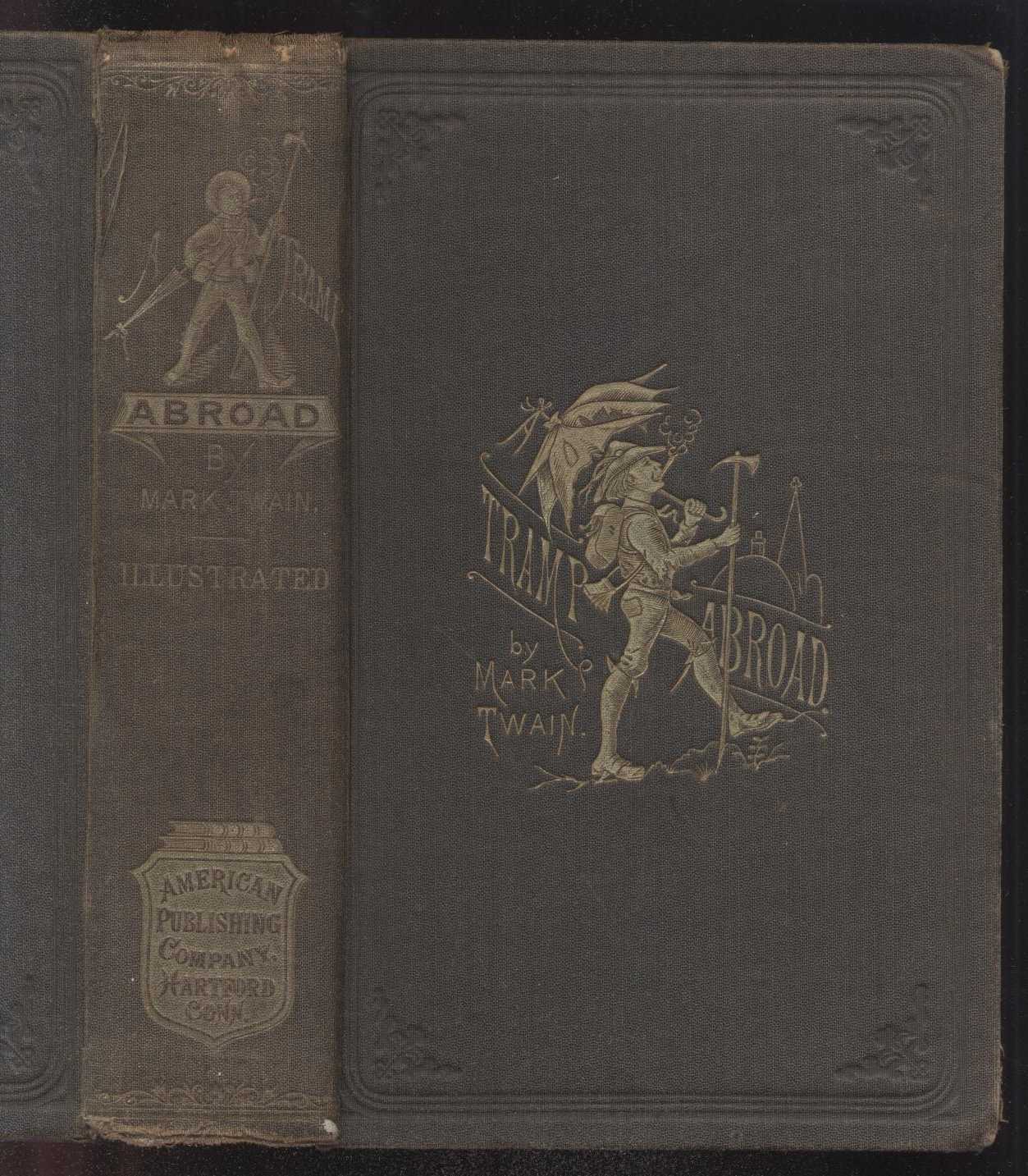
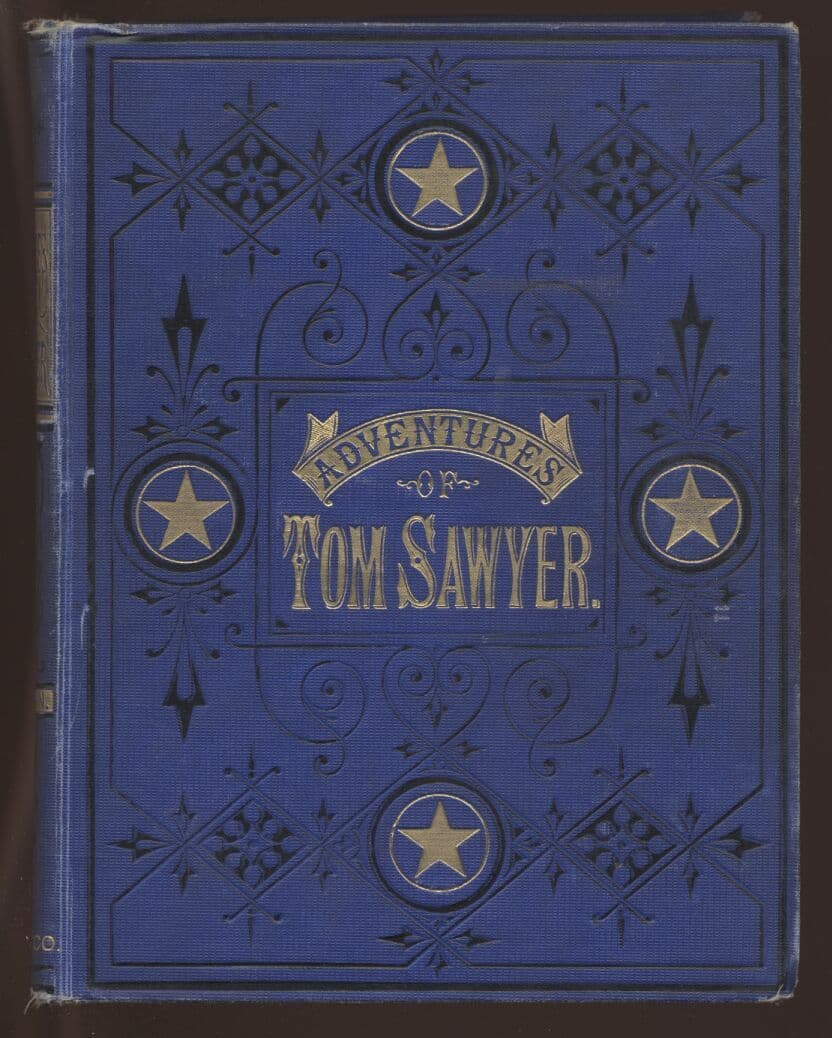
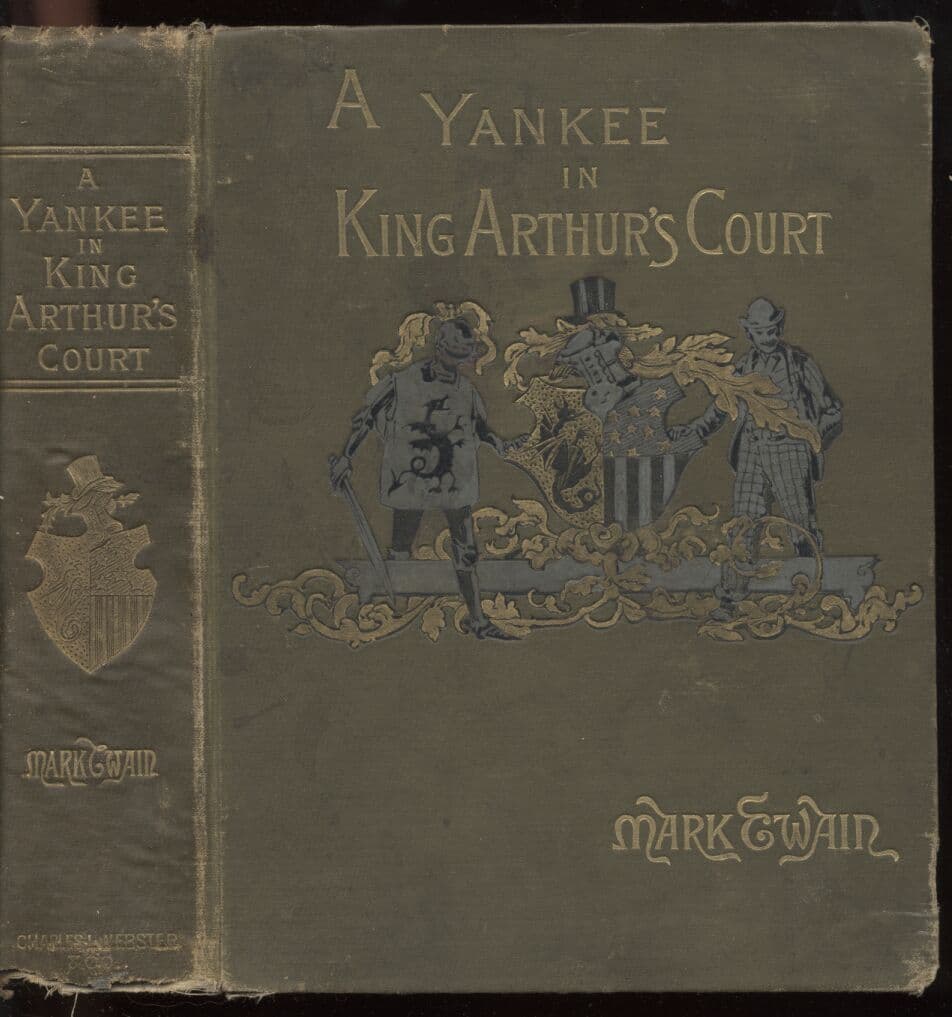
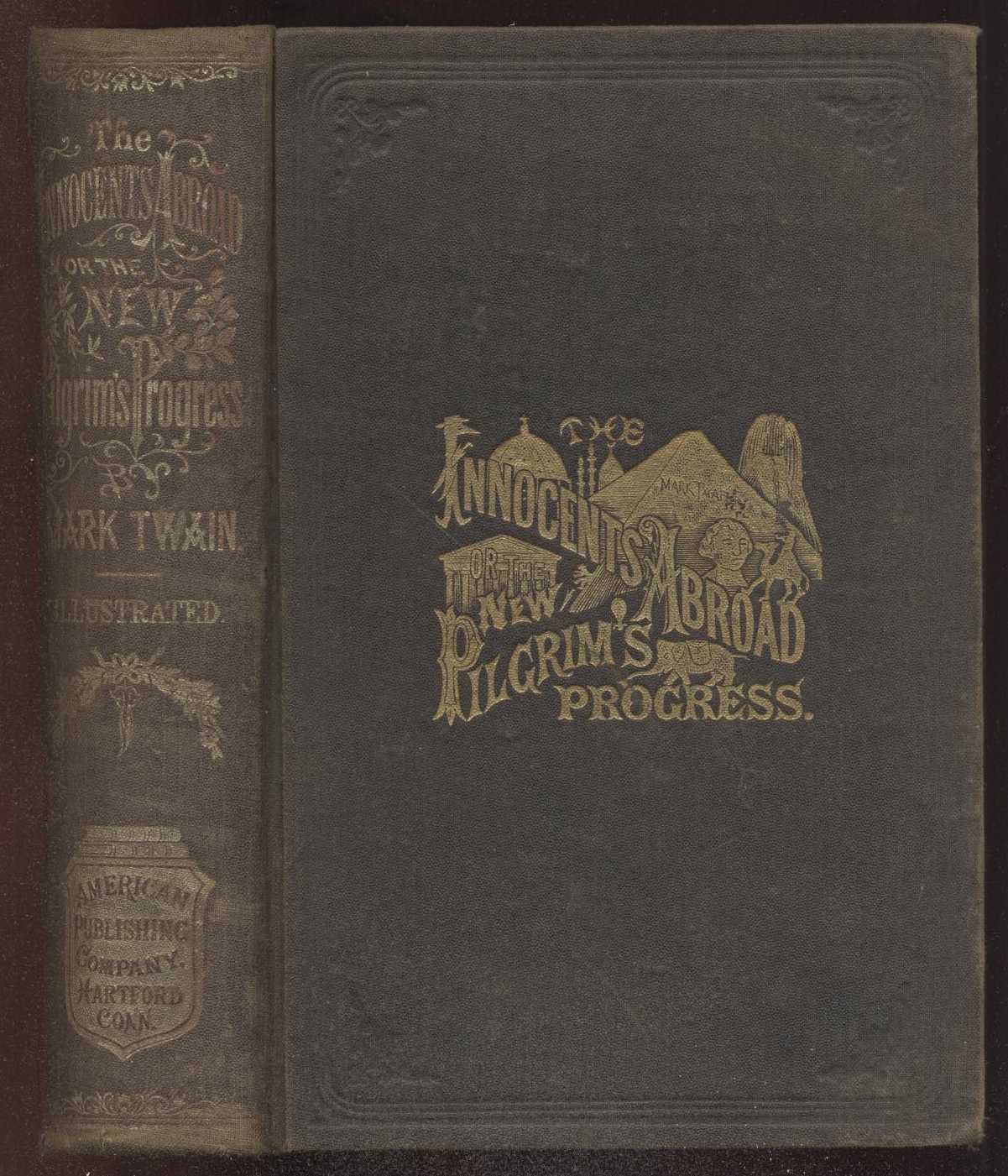
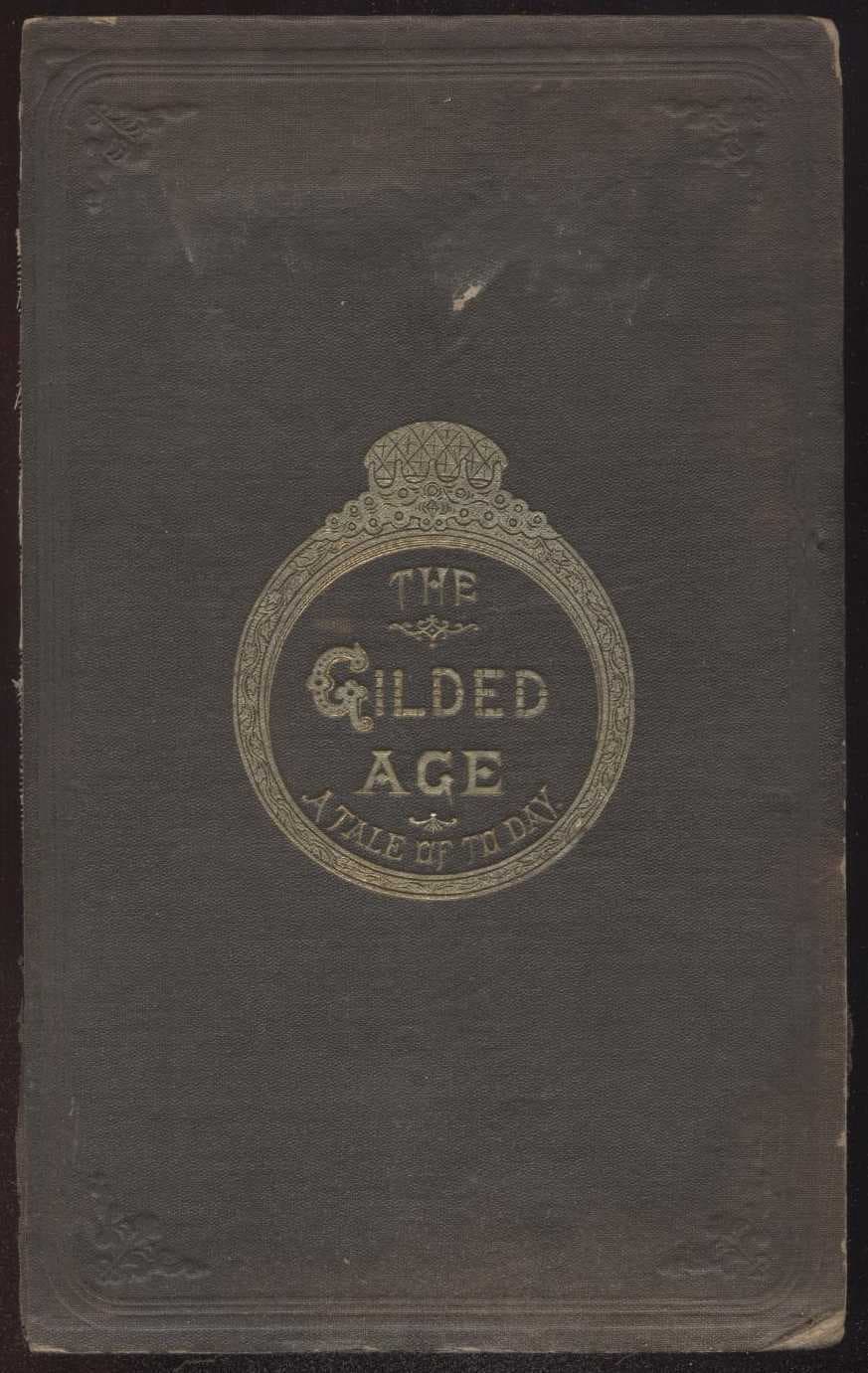
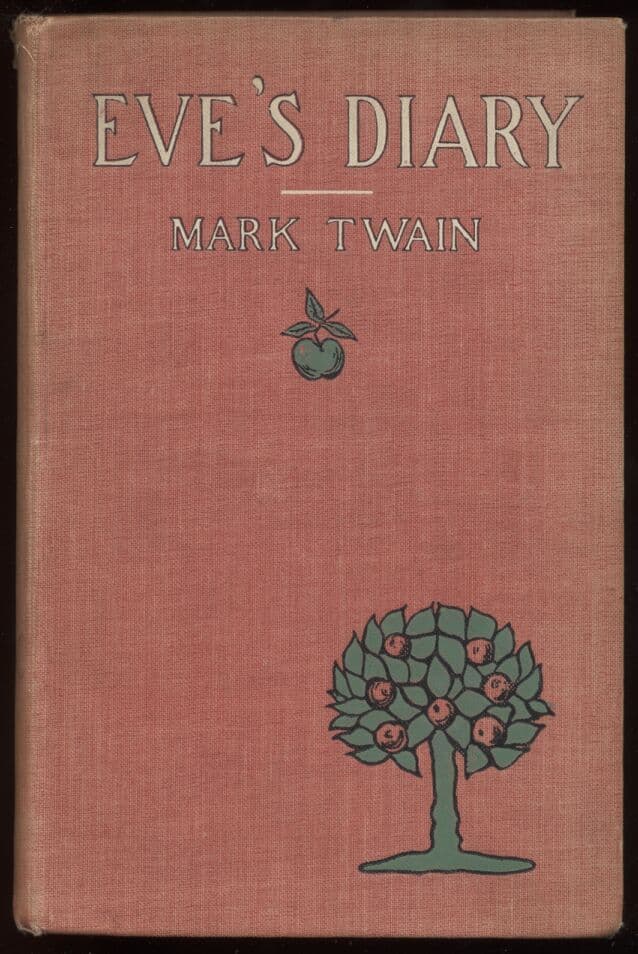
Editions

X-Ray
“There is no such thing as a new idea. It is impossible. We simply take a lot of old ideas and put them into a sort of mental kaleidoscope. We give them a turn and they make new and curious combinations. We keep on turning and making new combinations indefinitely; but they are the same old pieces of colored glass that have been in use through all the ages.””
— Mark Twain
“The frankest and freest and privatest product of the human mind and heart is a love letter...””
— Mark Twain
Link to this book
Add a free, dofollow link to Lex on your blog, forum, syllabus, or reading list.

<a href="https://lex-books.com/book/chapters-from-my-autobiography-7041b238-692d-4287-8c70-71ee6d78bc1d"><img src="https://lex-books.com/badges/read-on-lex.svg" alt="Read Chapters from My Autobiography by Mark Twain free on Lex" width="160" height="40"></a>[](https://lex-books.com/book/chapters-from-my-autobiography-7041b238-692d-4287-8c70-71ee6d78bc1d)[url=https://lex-books.com/book/chapters-from-my-autobiography-7041b238-692d-4287-8c70-71ee6d78bc1d][img]https://lex-books.com/badges/read-on-lex.svg[/img][/url]Read Chapters from My Autobiography by Mark Twain free on Lex: https://lex-books.com/book/chapters-from-my-autobiography-7041b238-692d-4287-8c70-71ee6d78bc1dCite this book
Reading this edition for a paper or guide? Copy a citation.
Twain, Mark. Chapters from My Autobiography. Lex, lex-books.com/book/chapters-from-my-autobiography-7041b238-692d-4287-8c70-71ee6d78bc1d.Twain, M. (n.d.). Chapters from My Autobiography. Lex. https://lex-books.com/book/chapters-from-my-autobiography-7041b238-692d-4287-8c70-71ee6d78bc1dTwain, Mark. Chapters from My Autobiography. Lex. https://lex-books.com/book/chapters-from-my-autobiography-7041b238-692d-4287-8c70-71ee6d78bc1d.