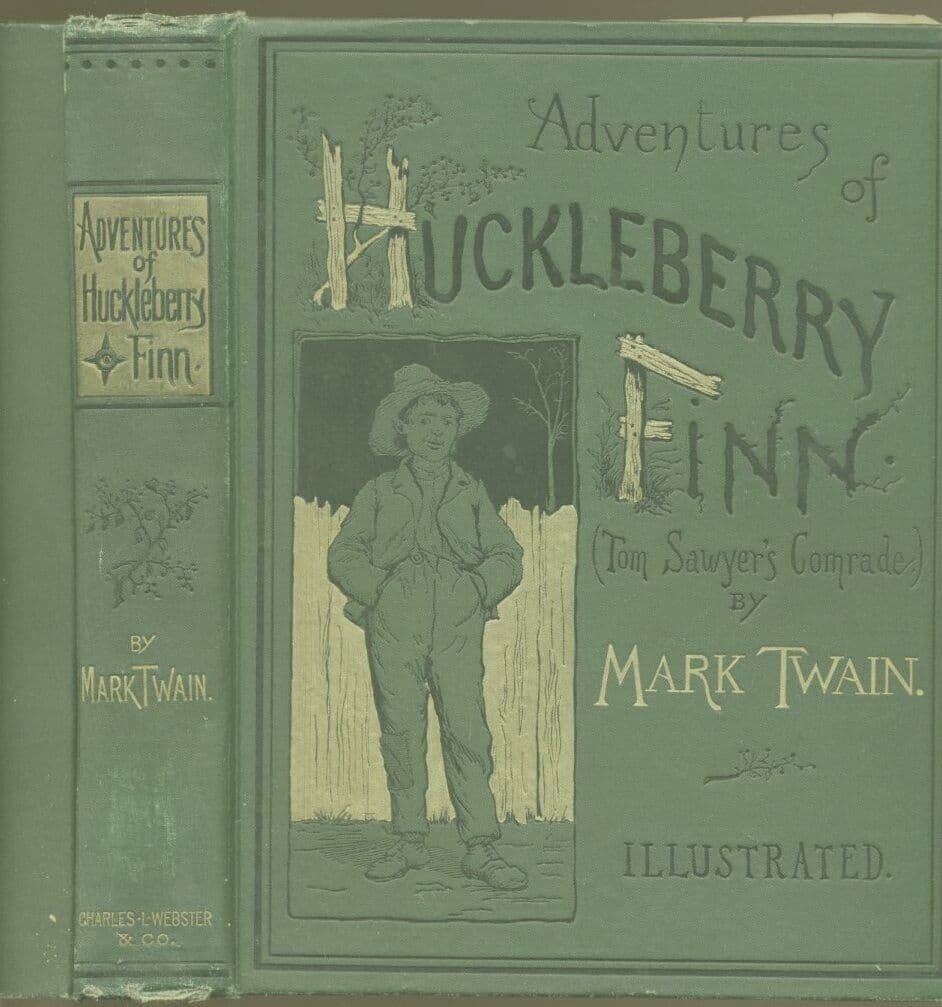
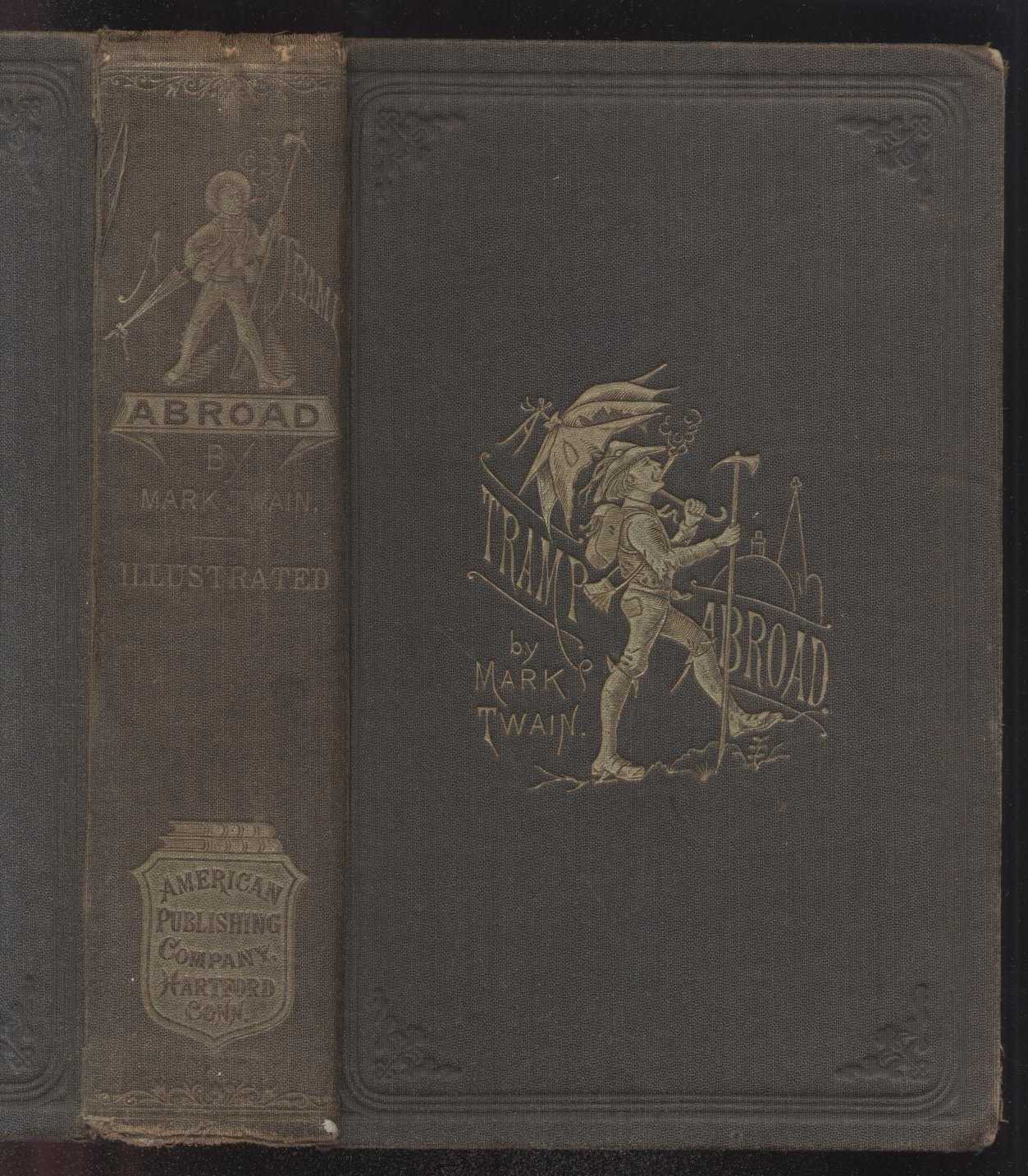
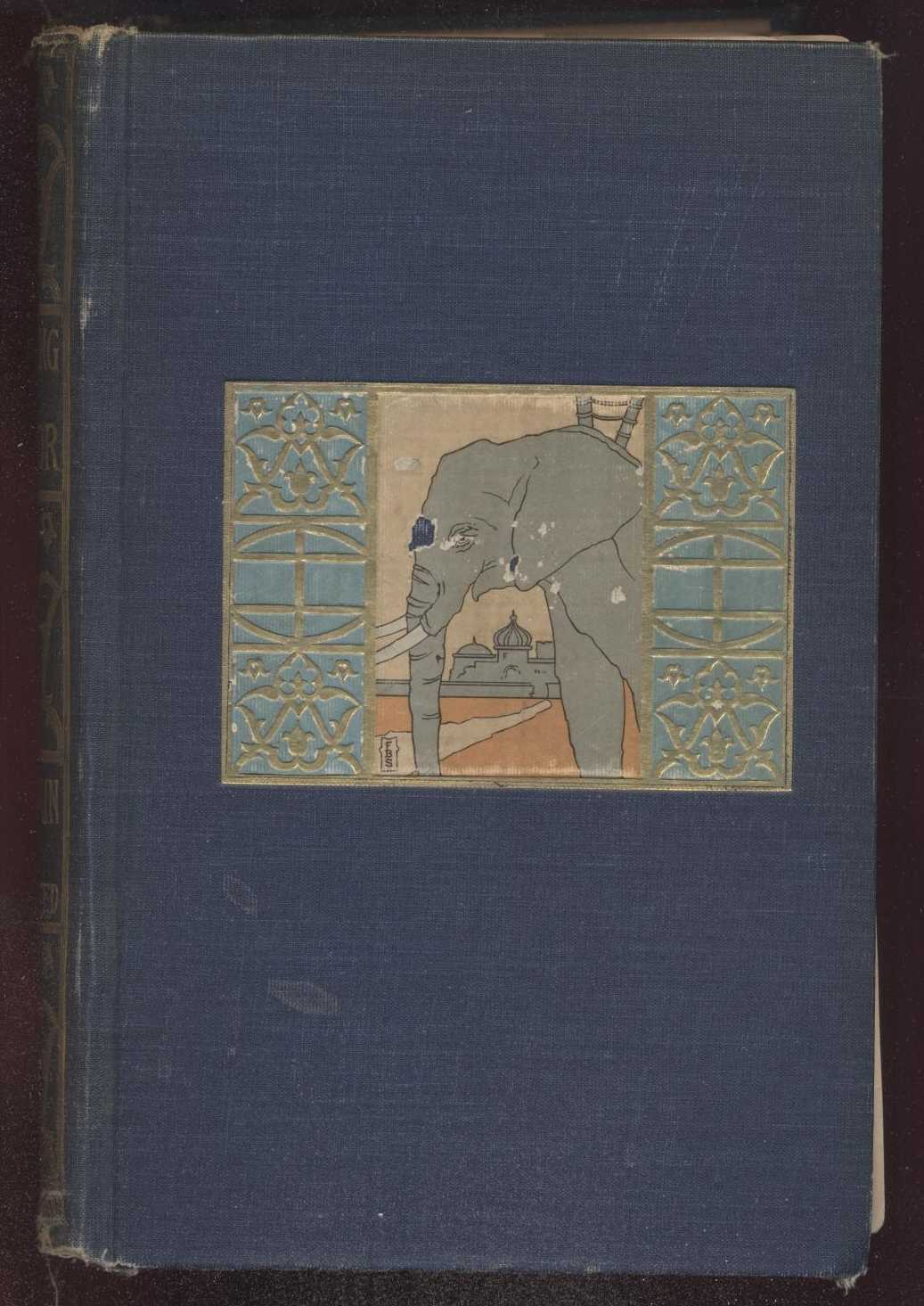
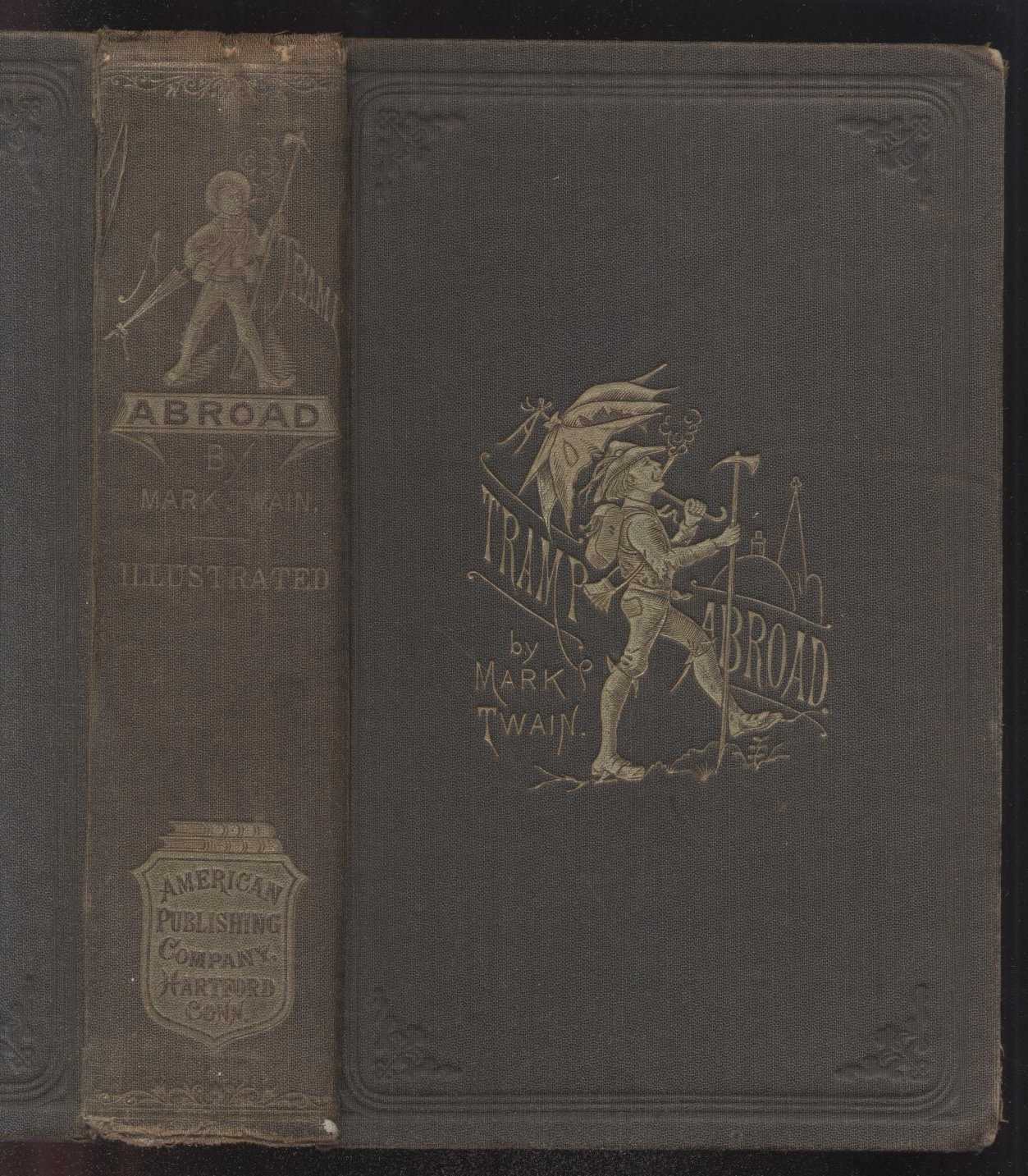
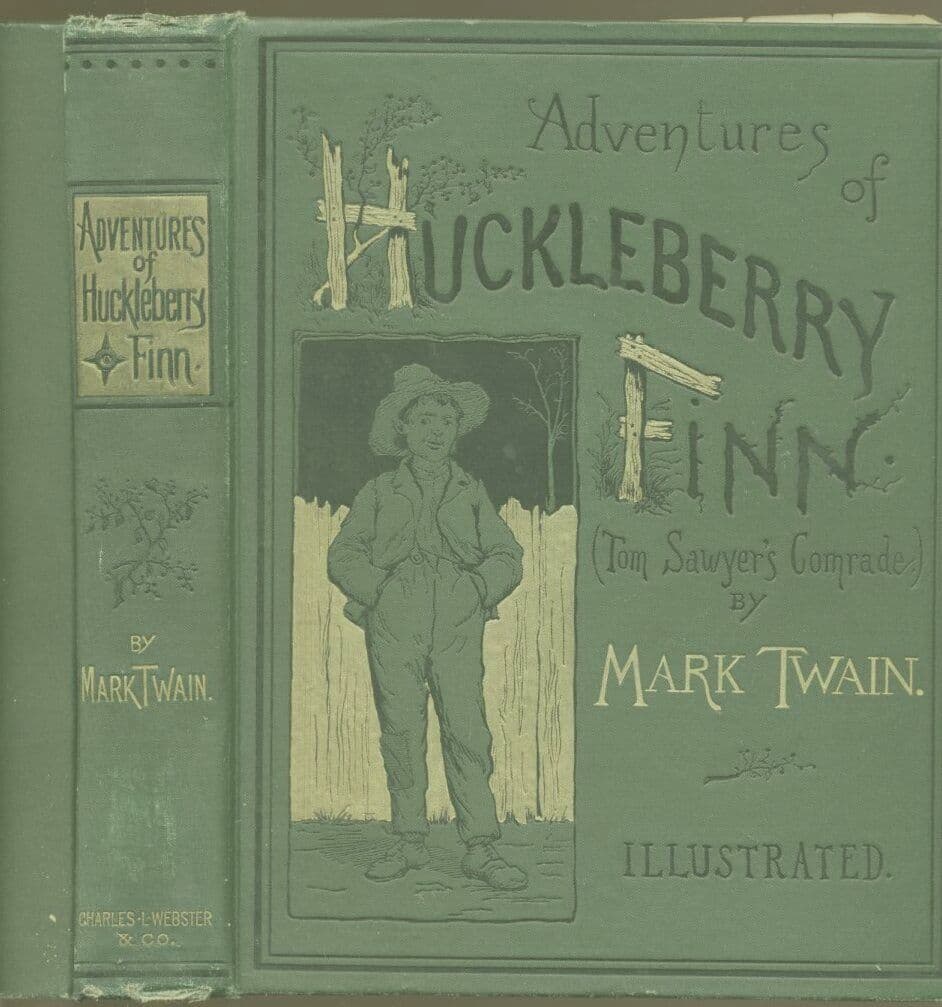
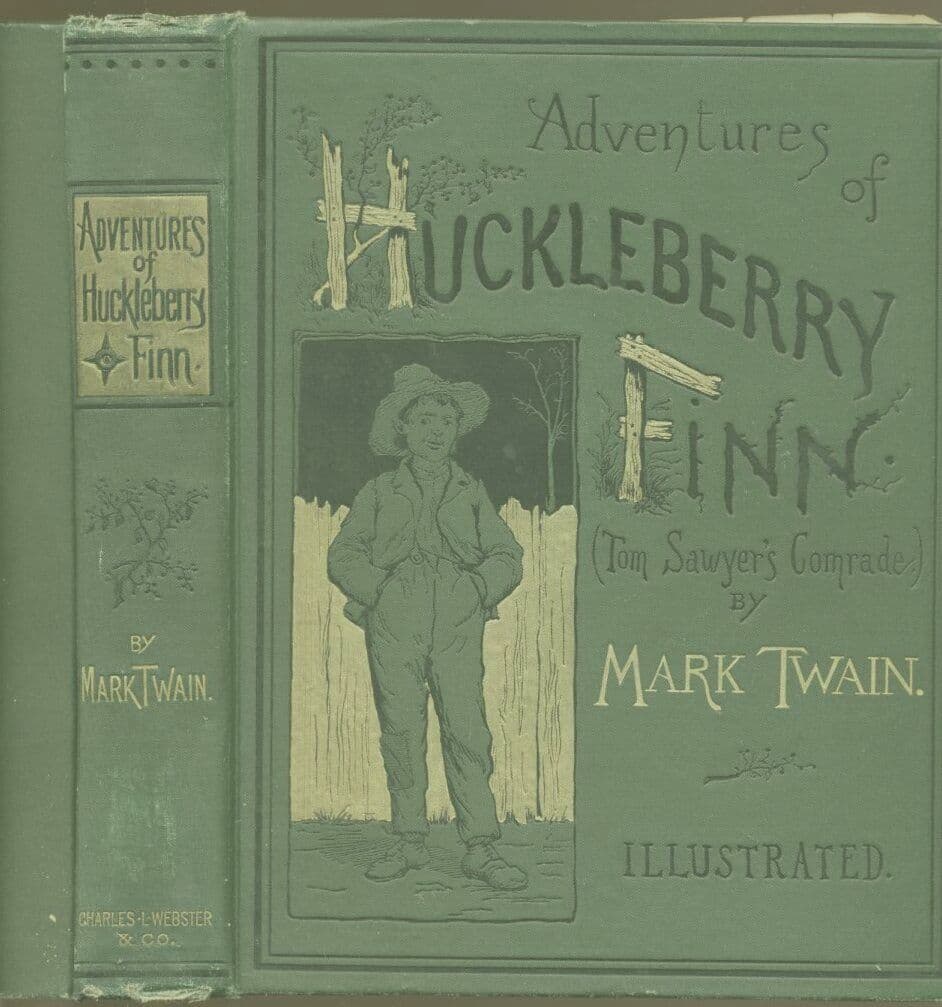
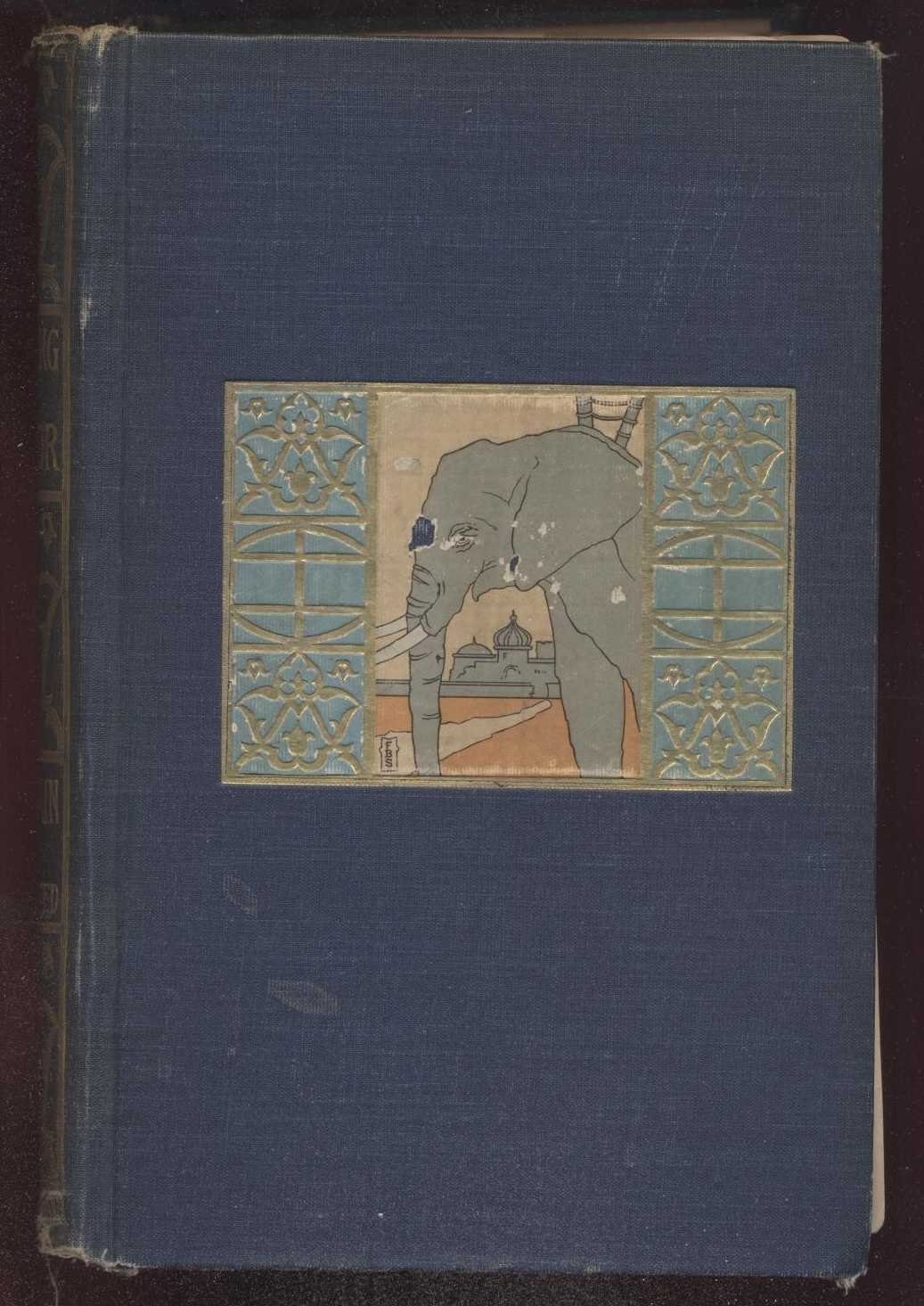
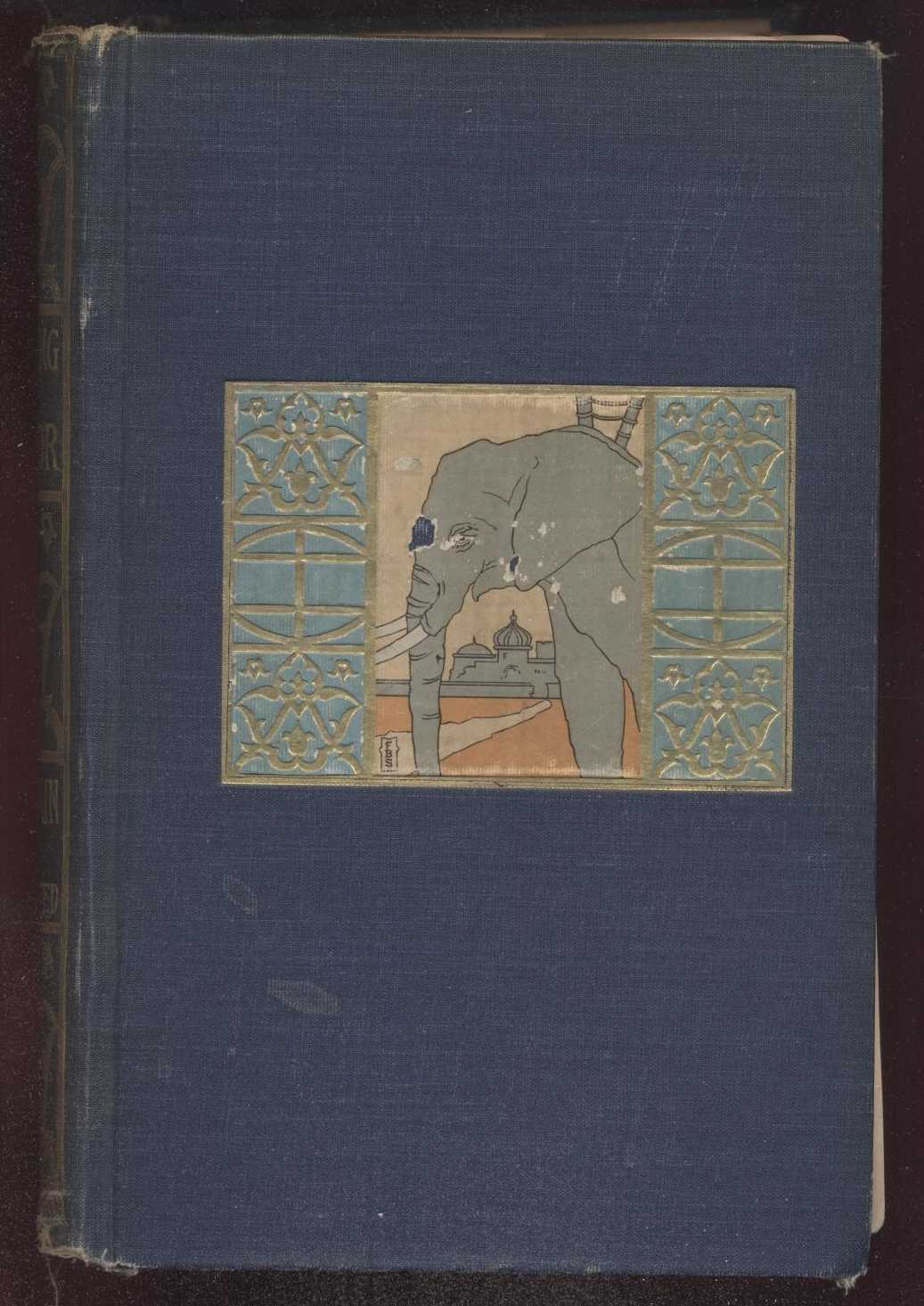
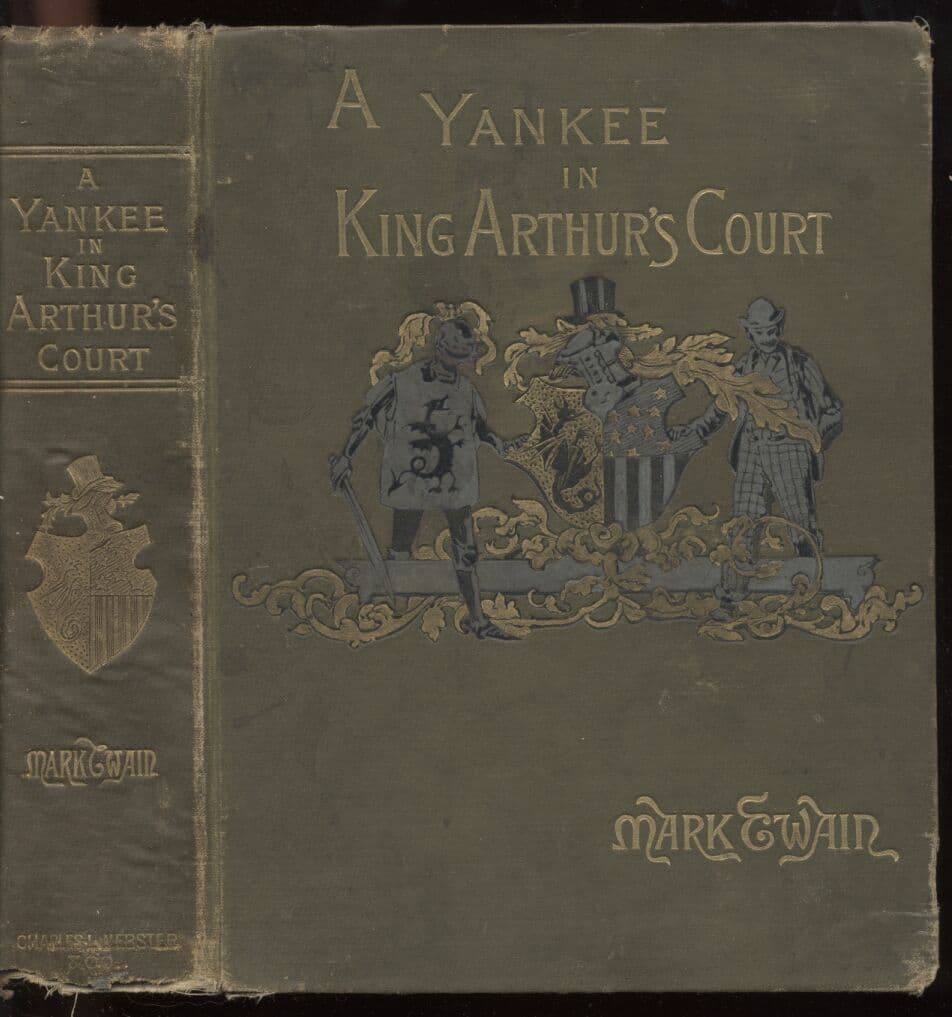
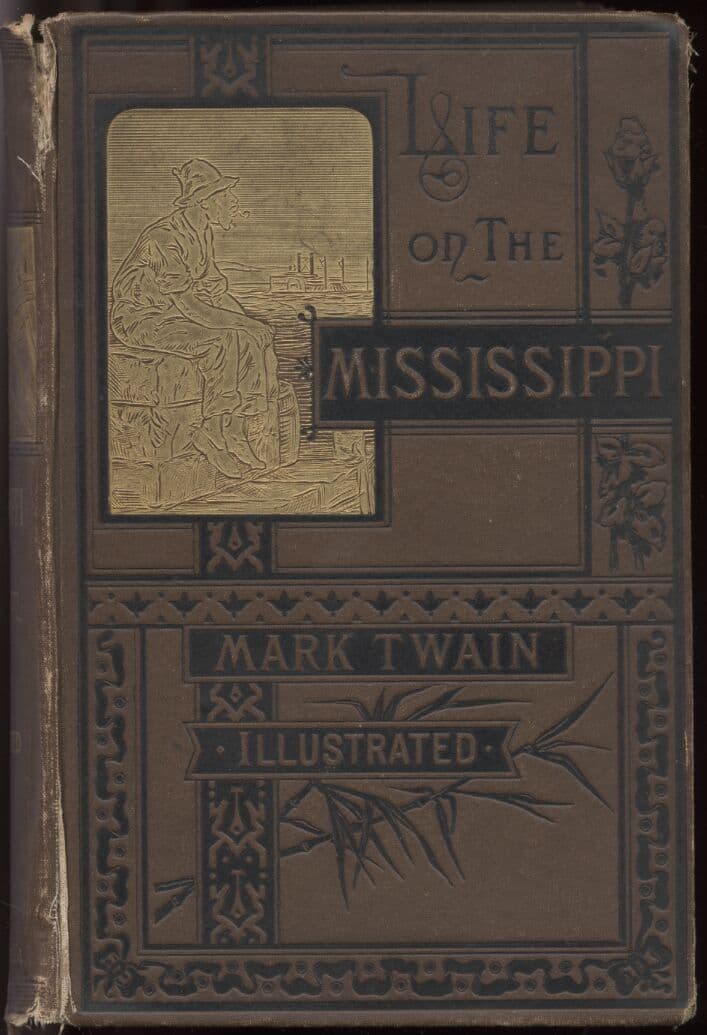
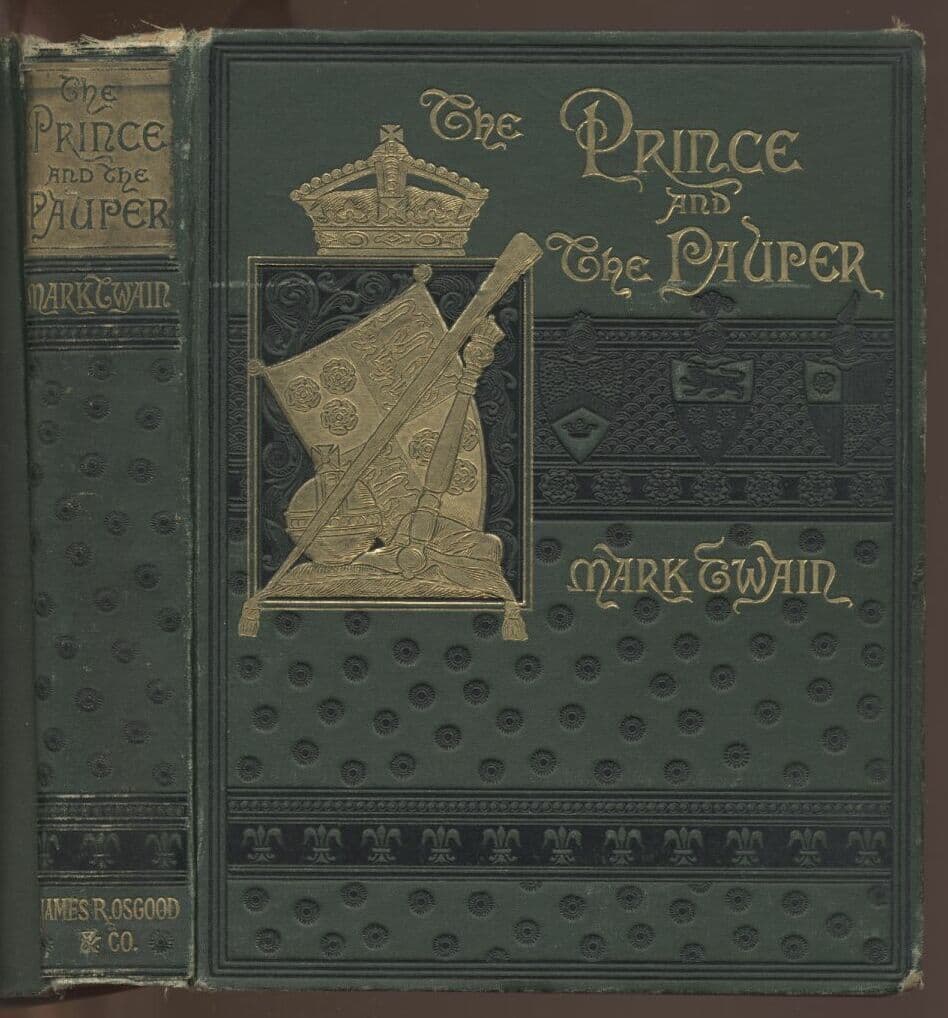
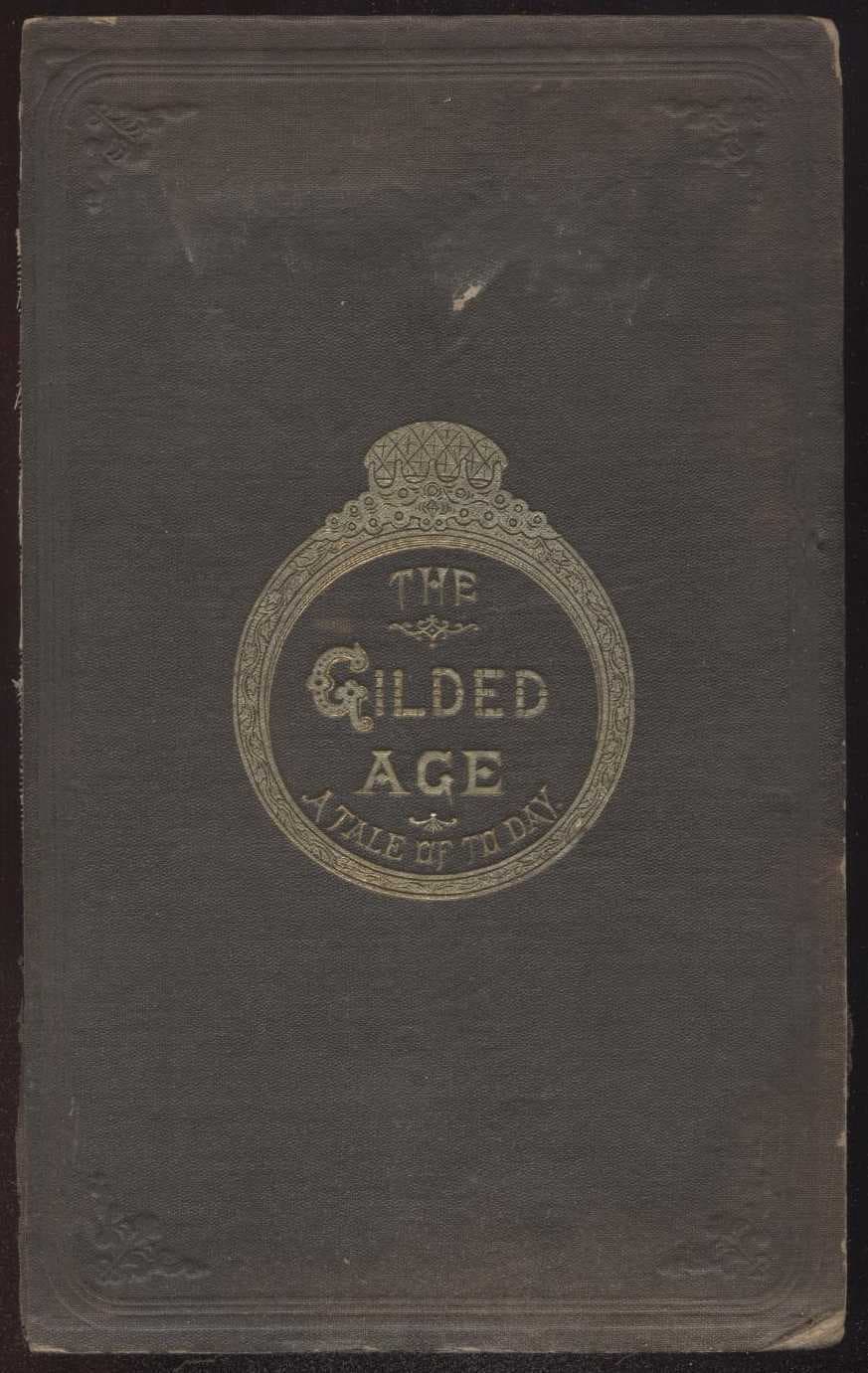
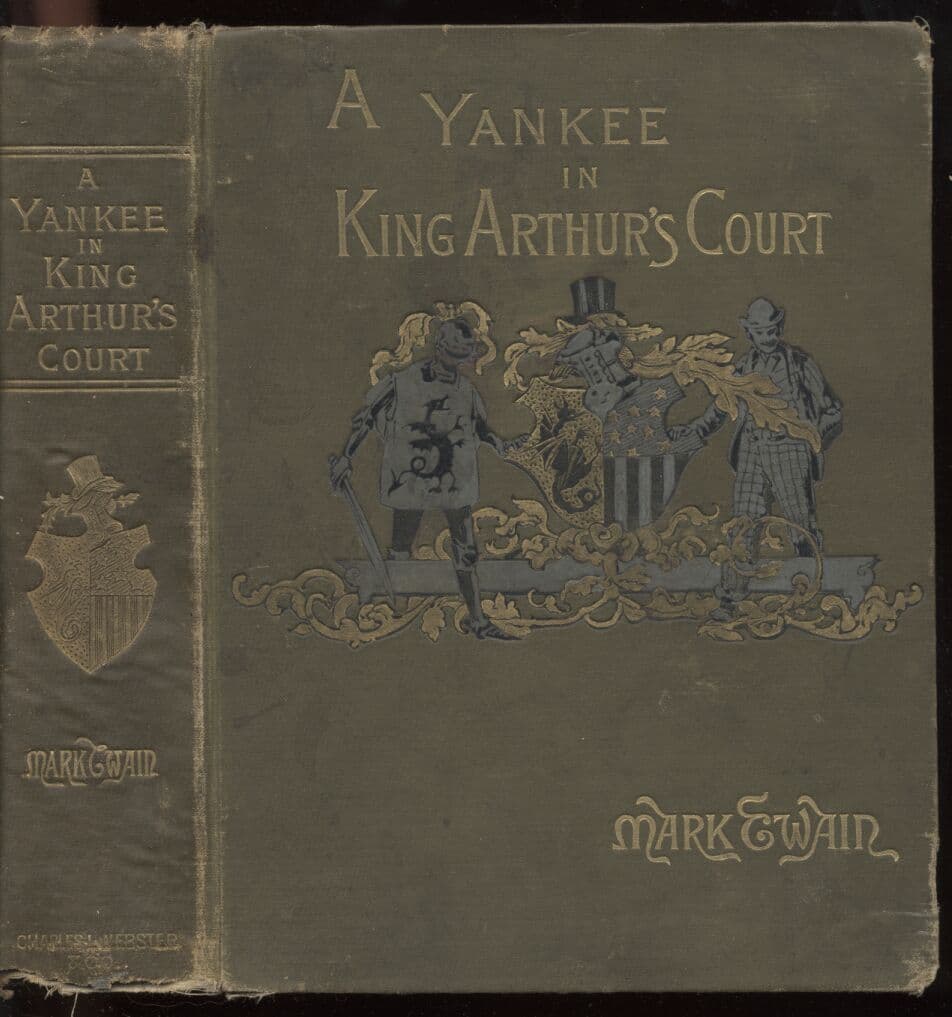
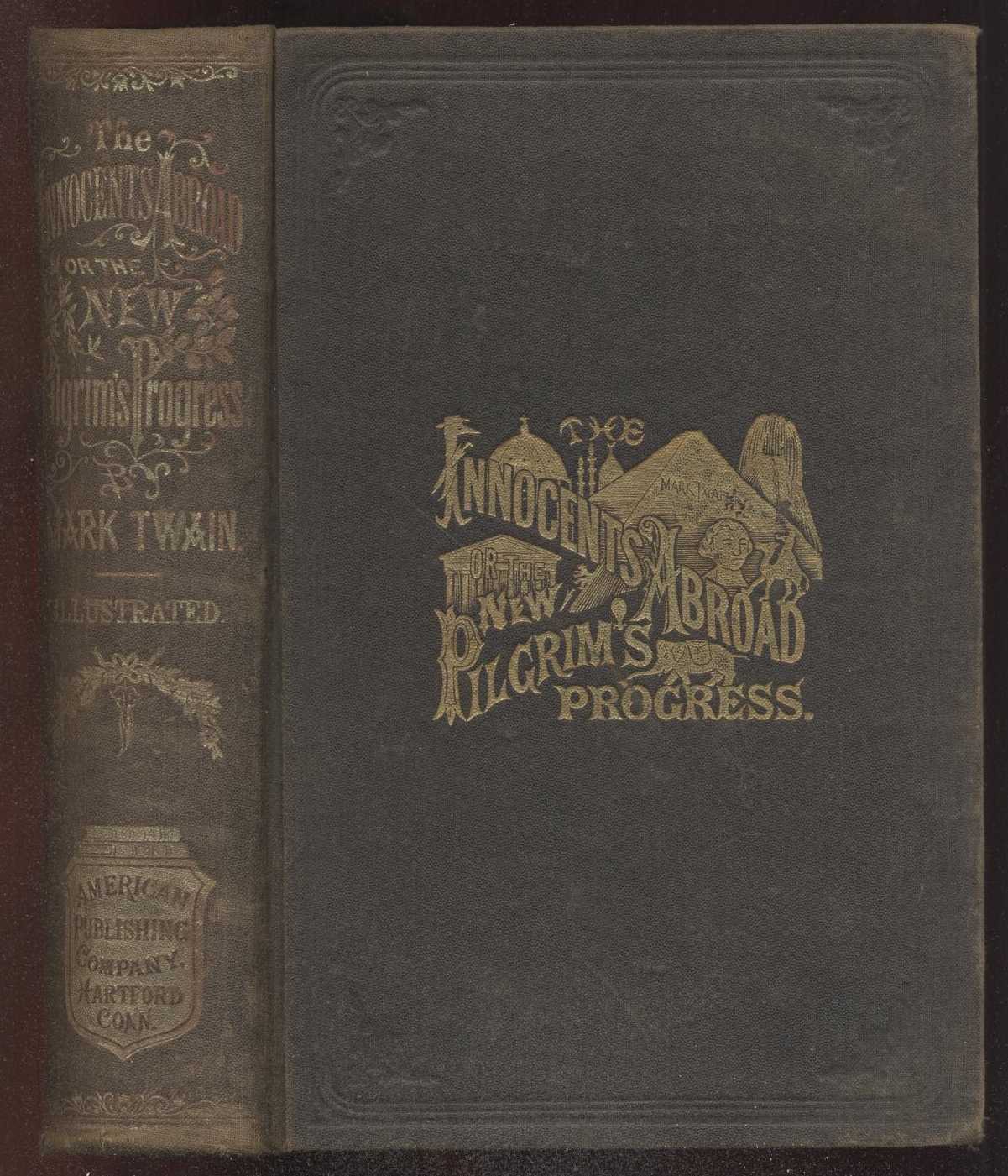
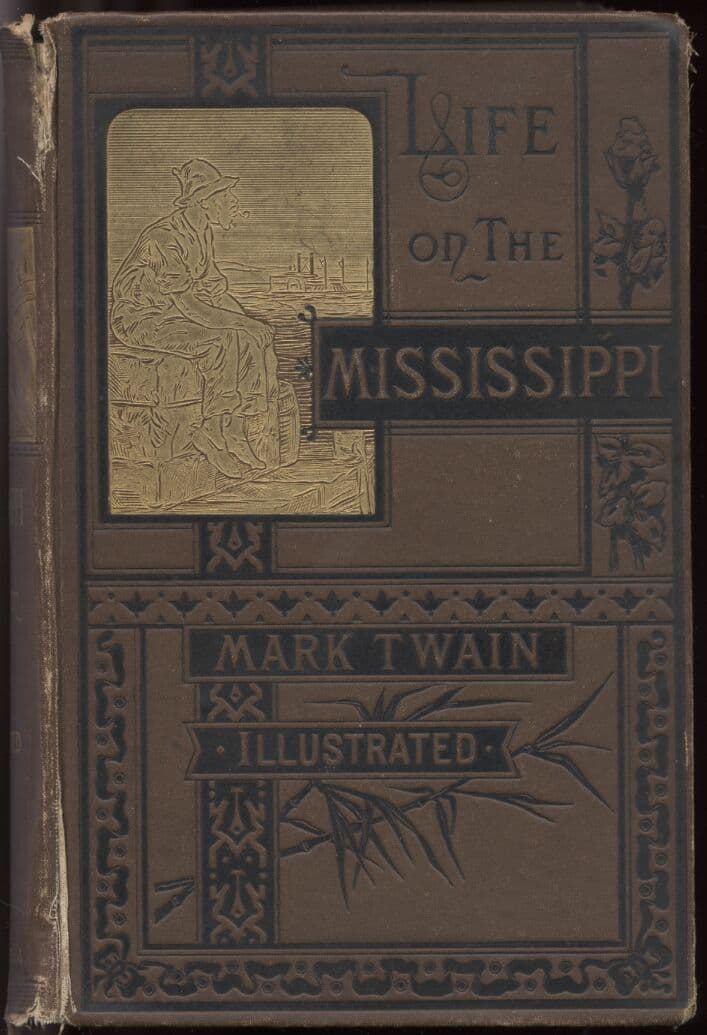
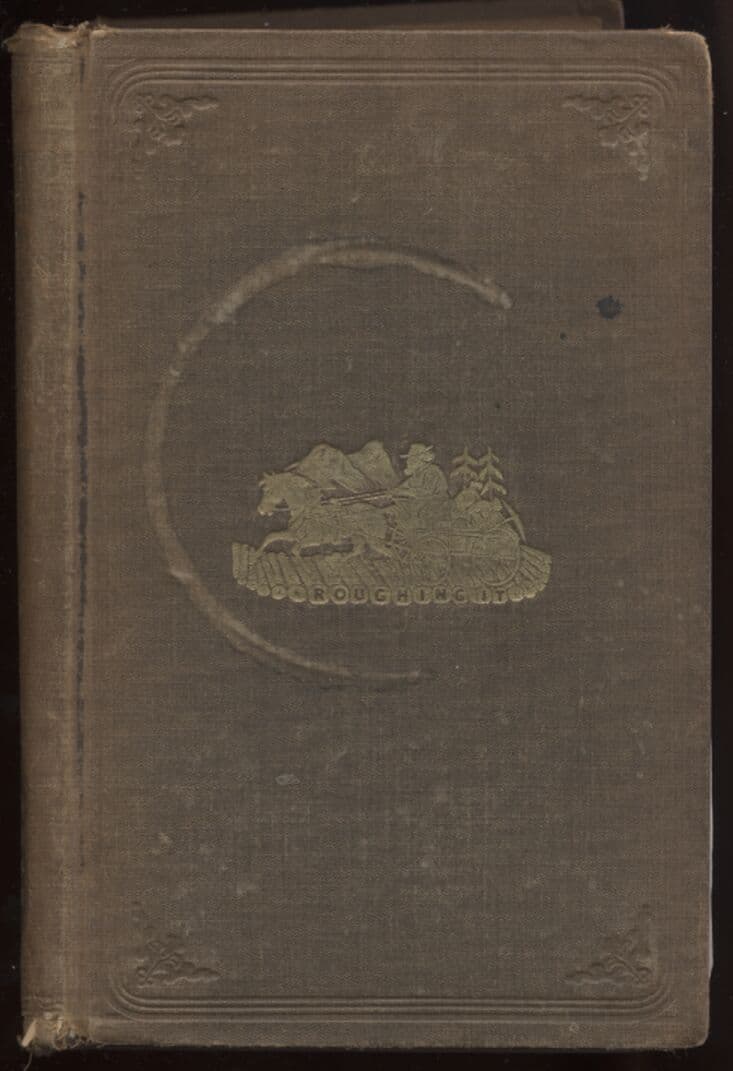
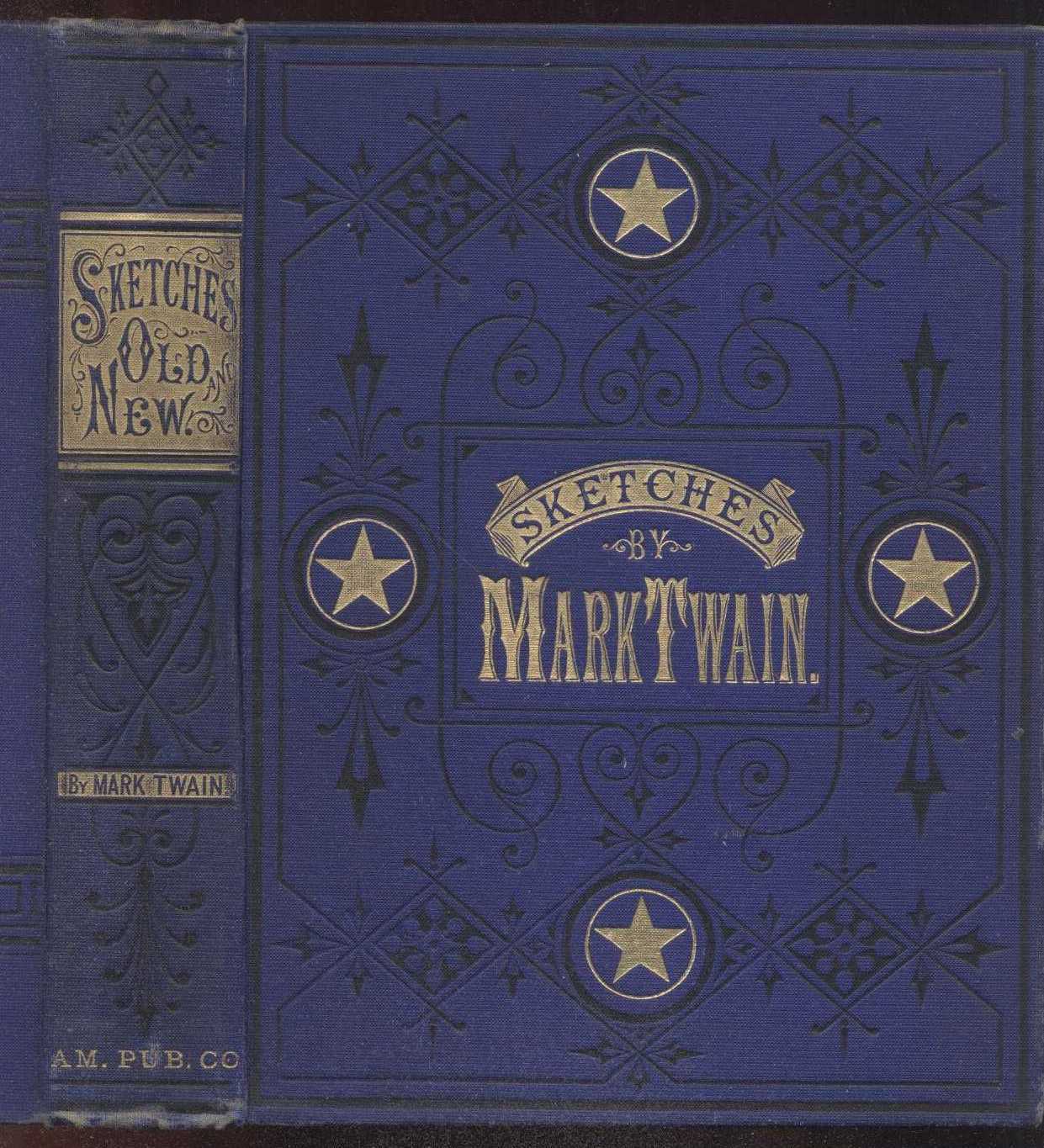
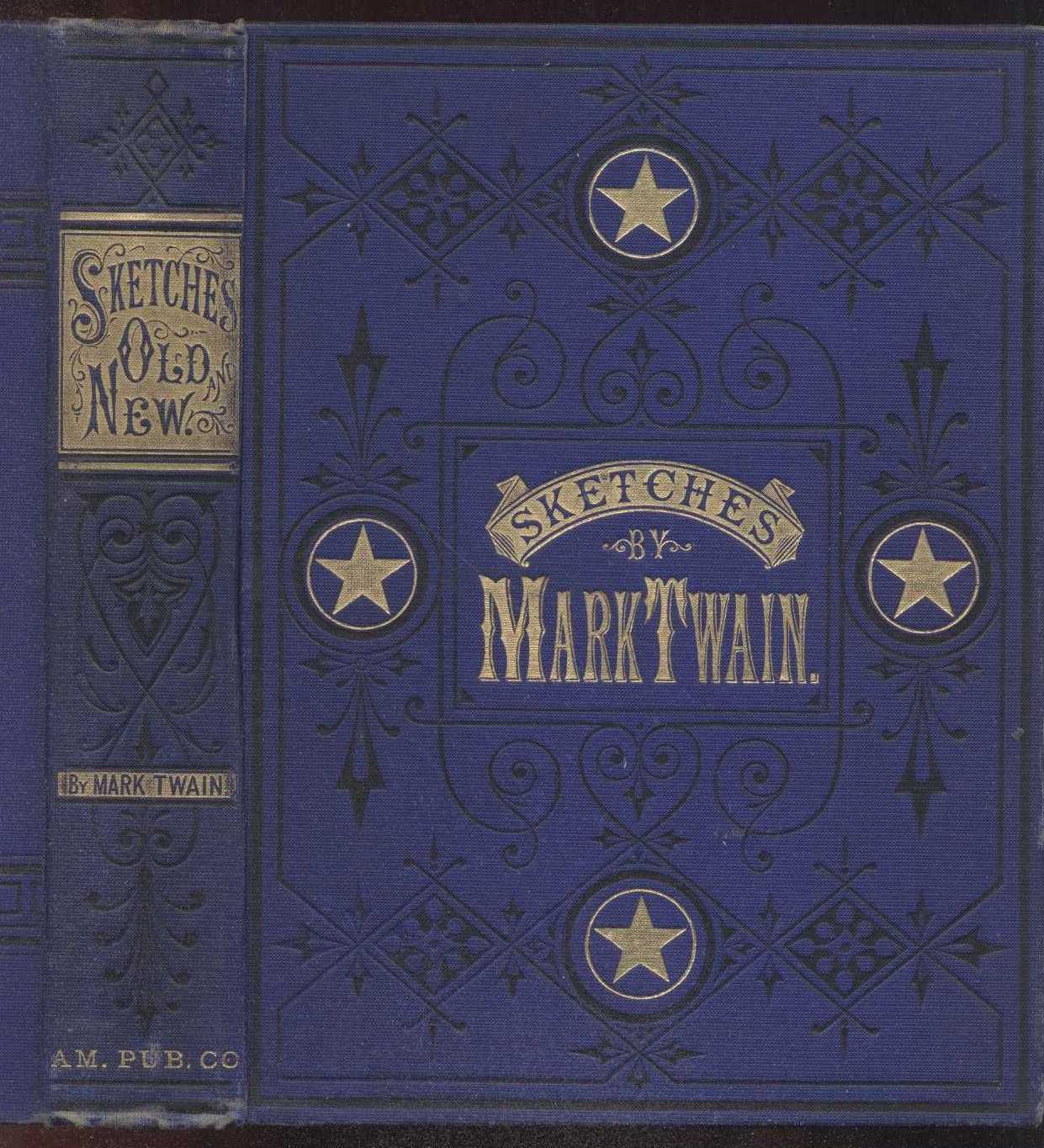
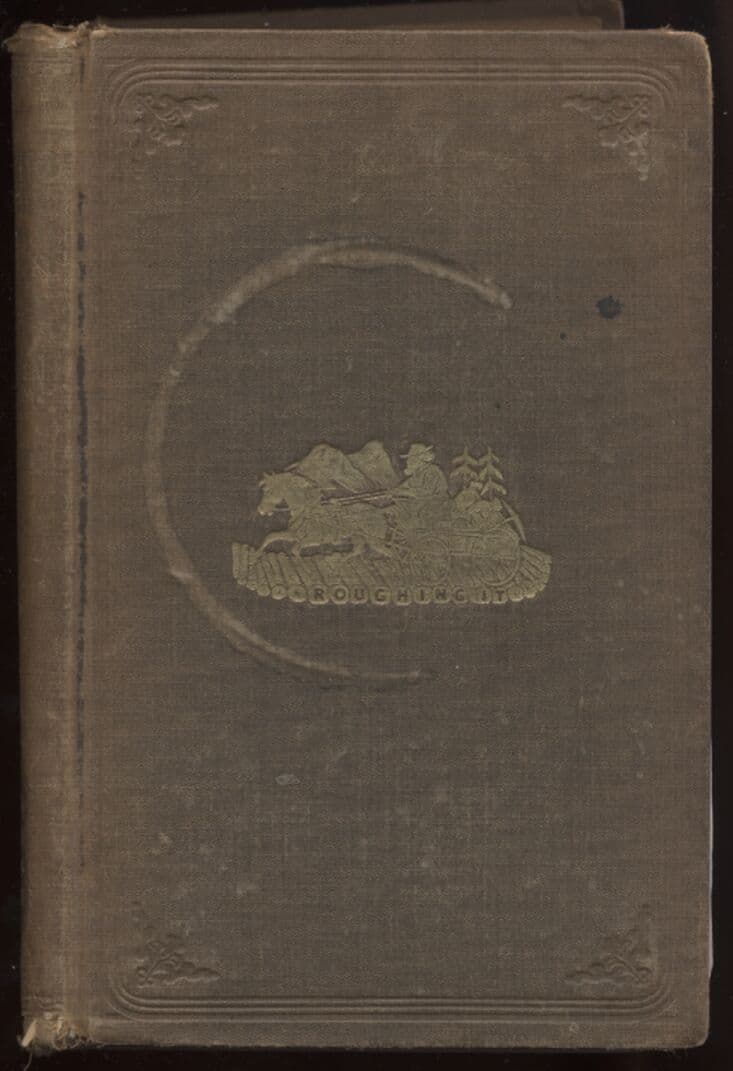
Mark Twain's Letters — Volume 2 (1867-1875)
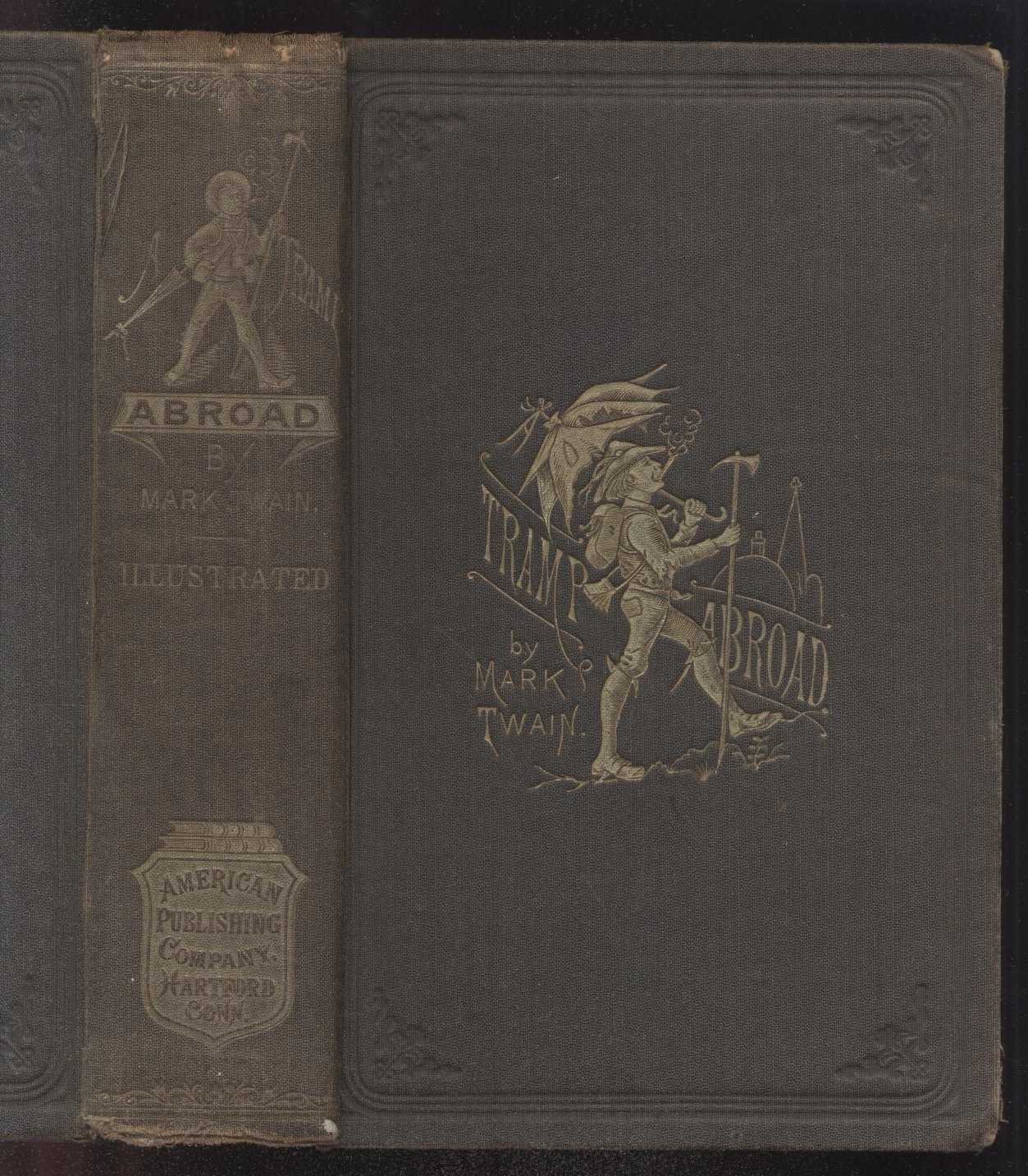
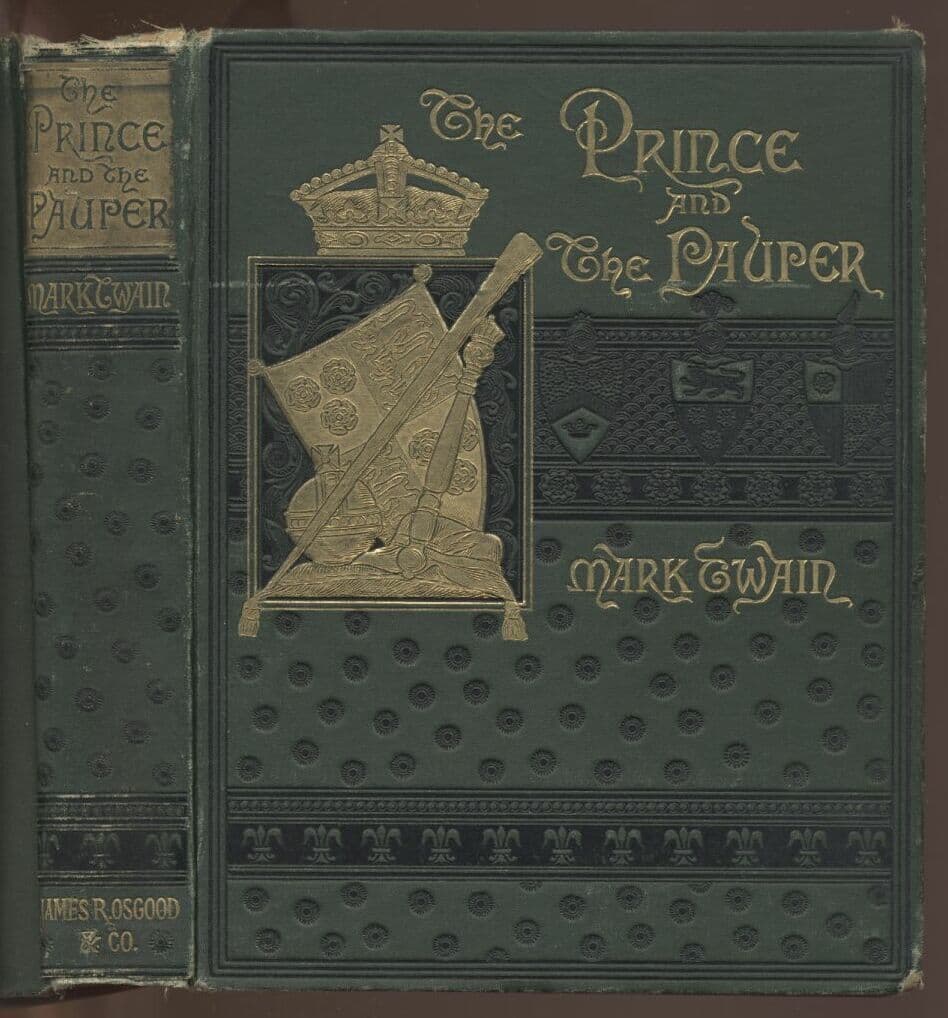
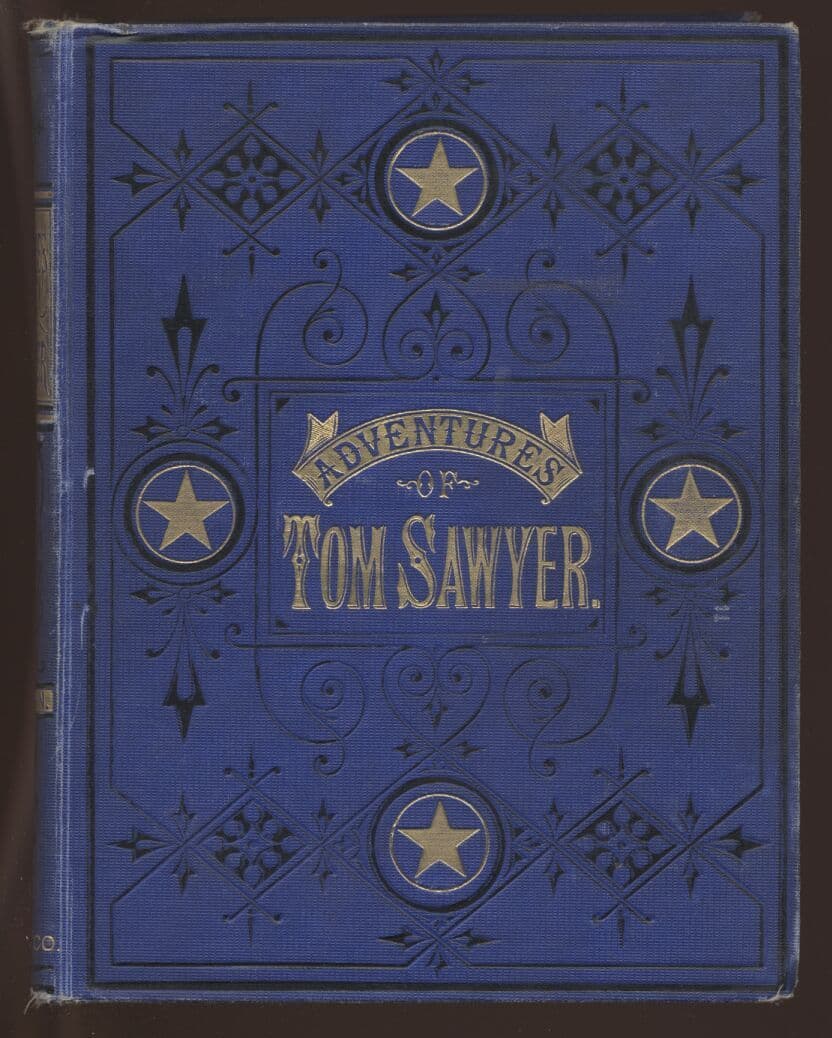
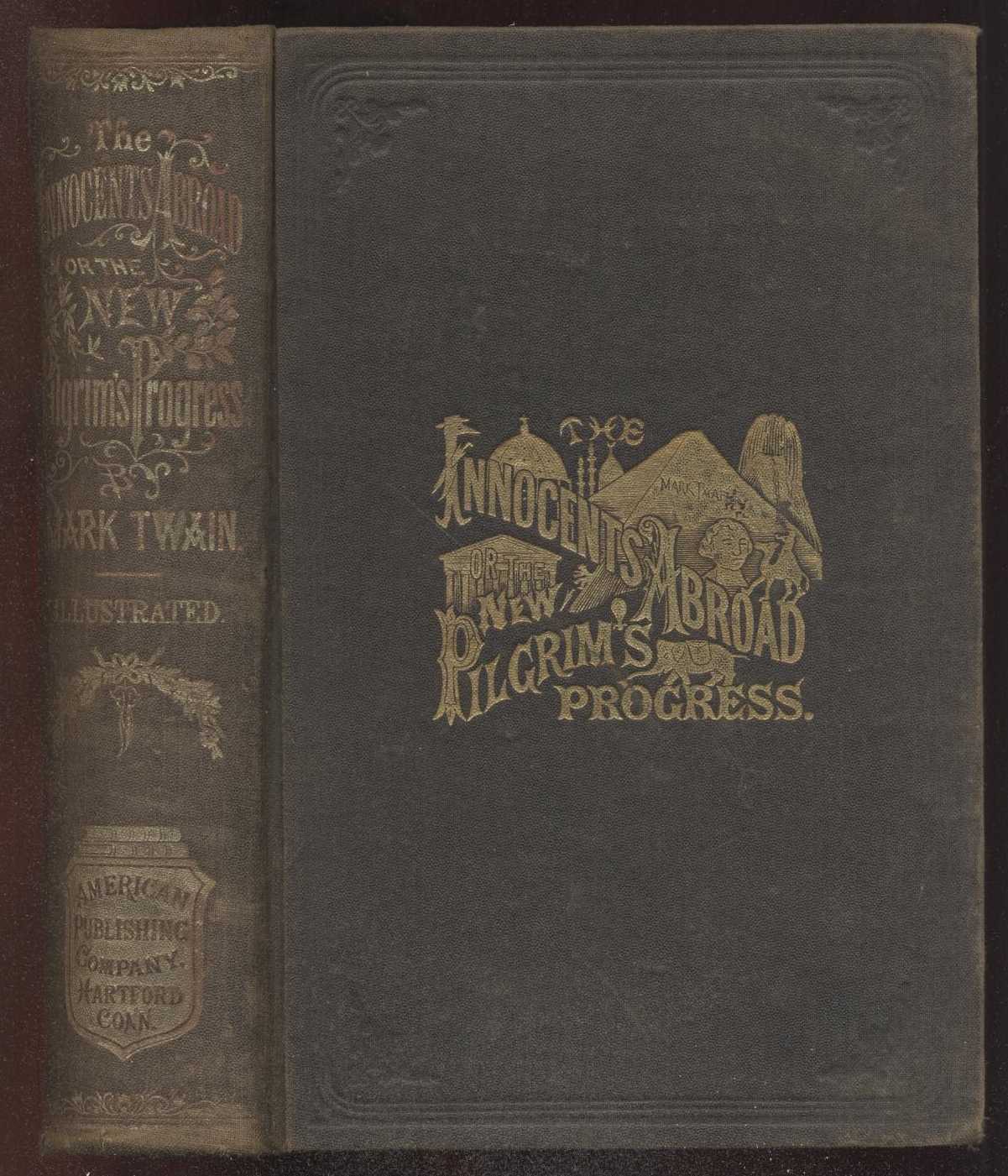
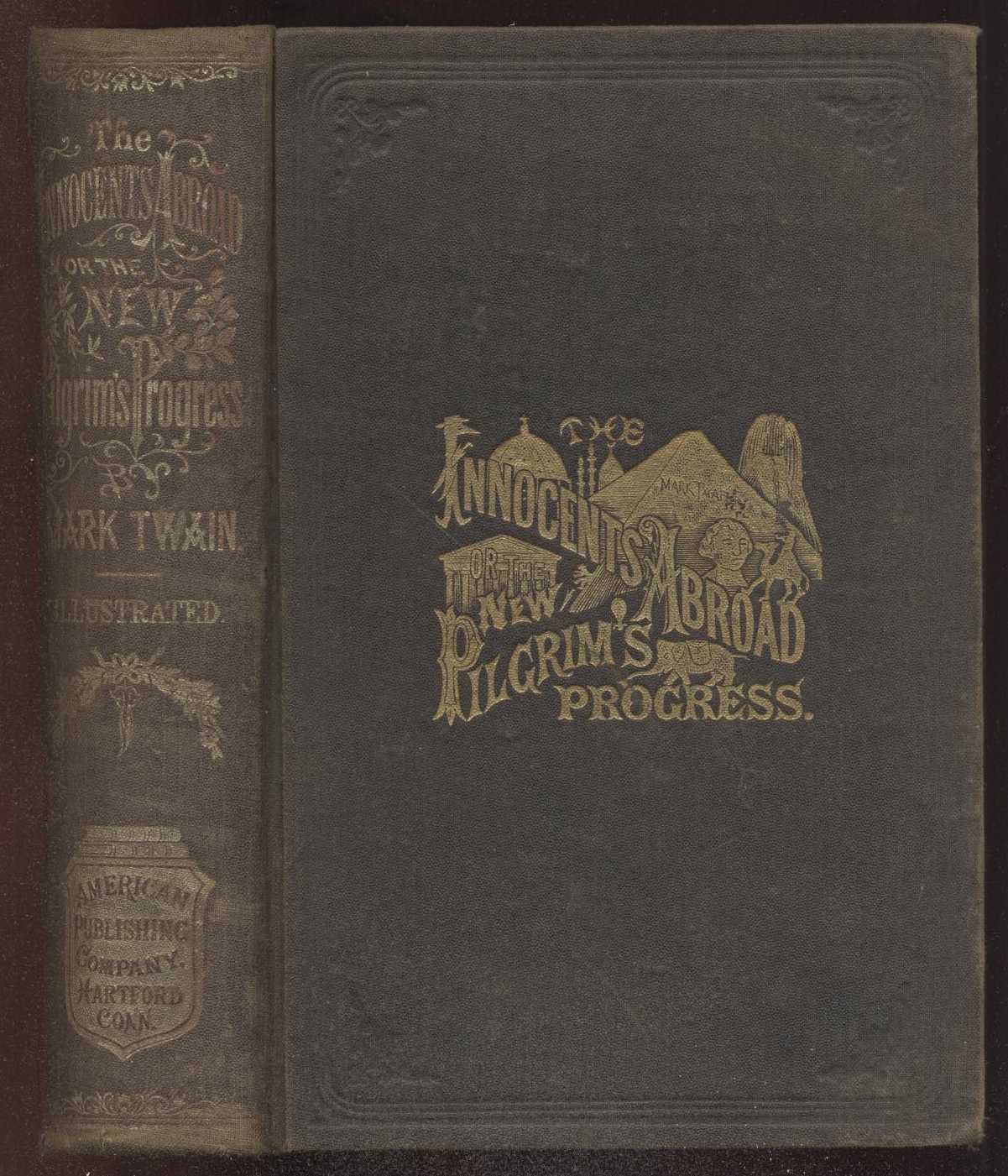
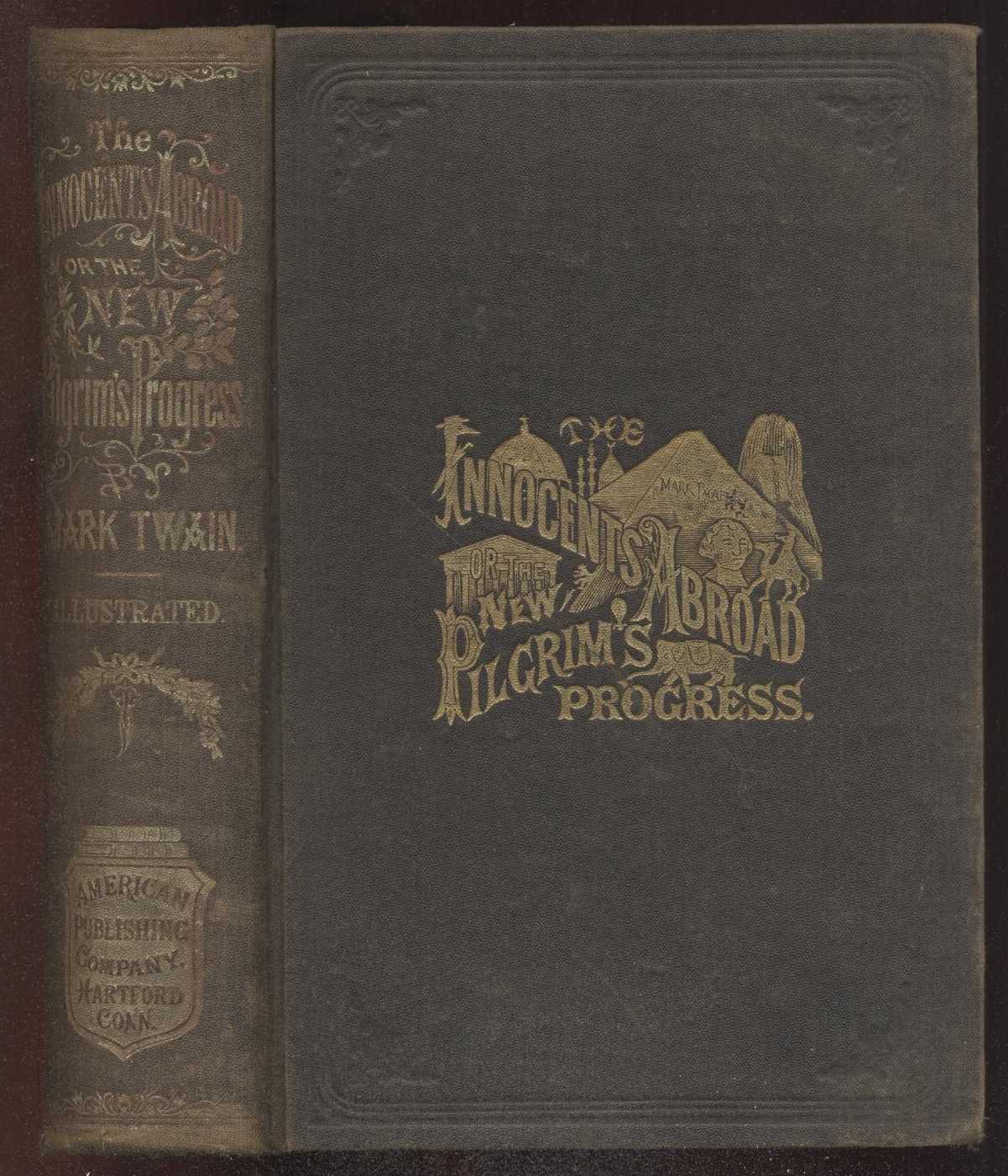
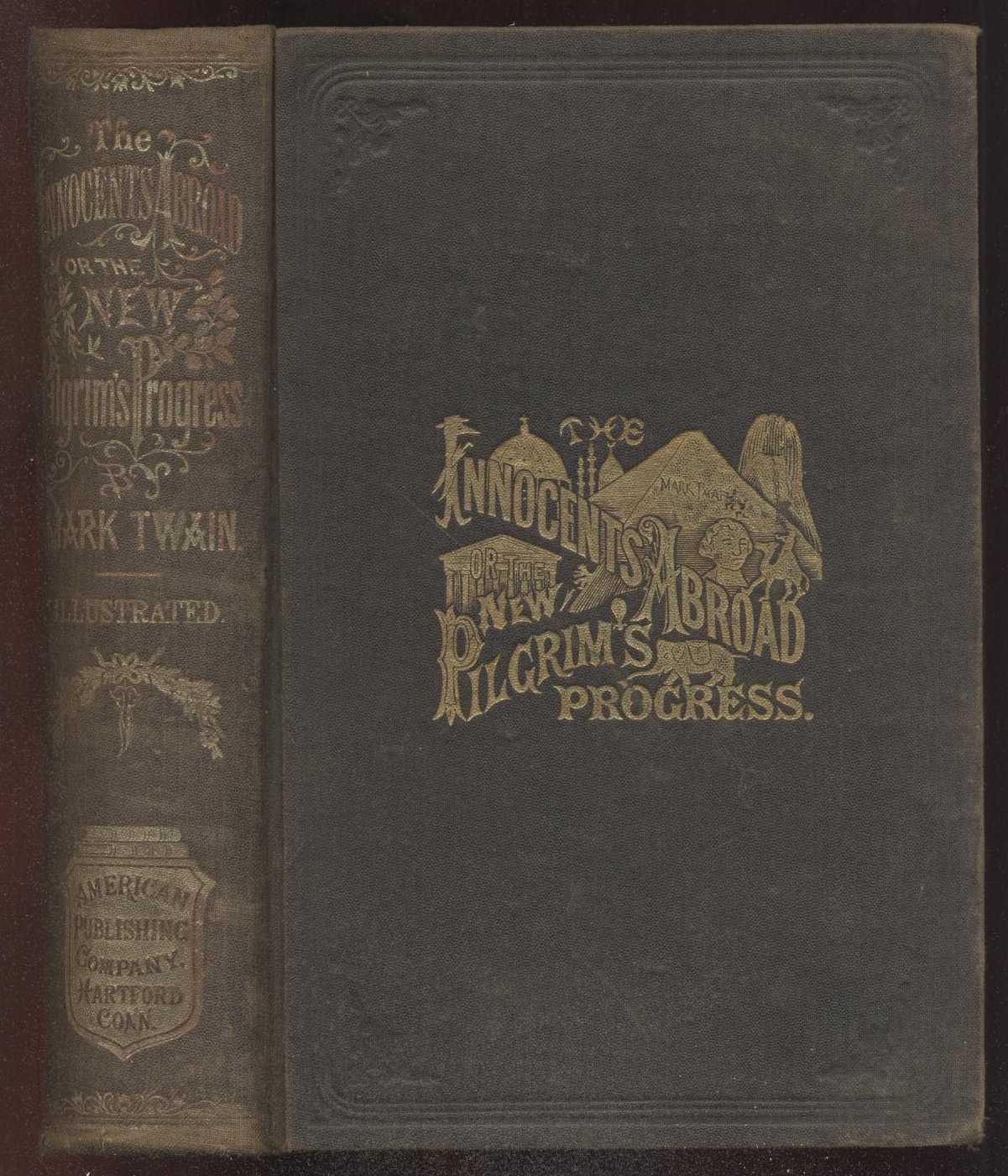
This volume captures Mark Twain in the years he transformed from regional humorist to national sensation. Spanning 1867 to 1875, these letters document the making of America's most beloved writer: the exhausting lecture tours that nearly broke him, the publication of "The Innocents Abroad" that made his name, and his courtship and marriage to Olivia Langdon. We see Twain negotiating with publishers, mocking fellow journalists, and pouring his real anxieties onto the page far from the public eye. The correspondence reveals the man behind the humor , sometimes petty, often anxious, occasionally cruel, but always electrifyingly alive. These are not the polished essays but the raw, unfiltered thoughts of someone learning to be famous. For anyone who has ever laughed at Twain, these letters explain how he became that way.
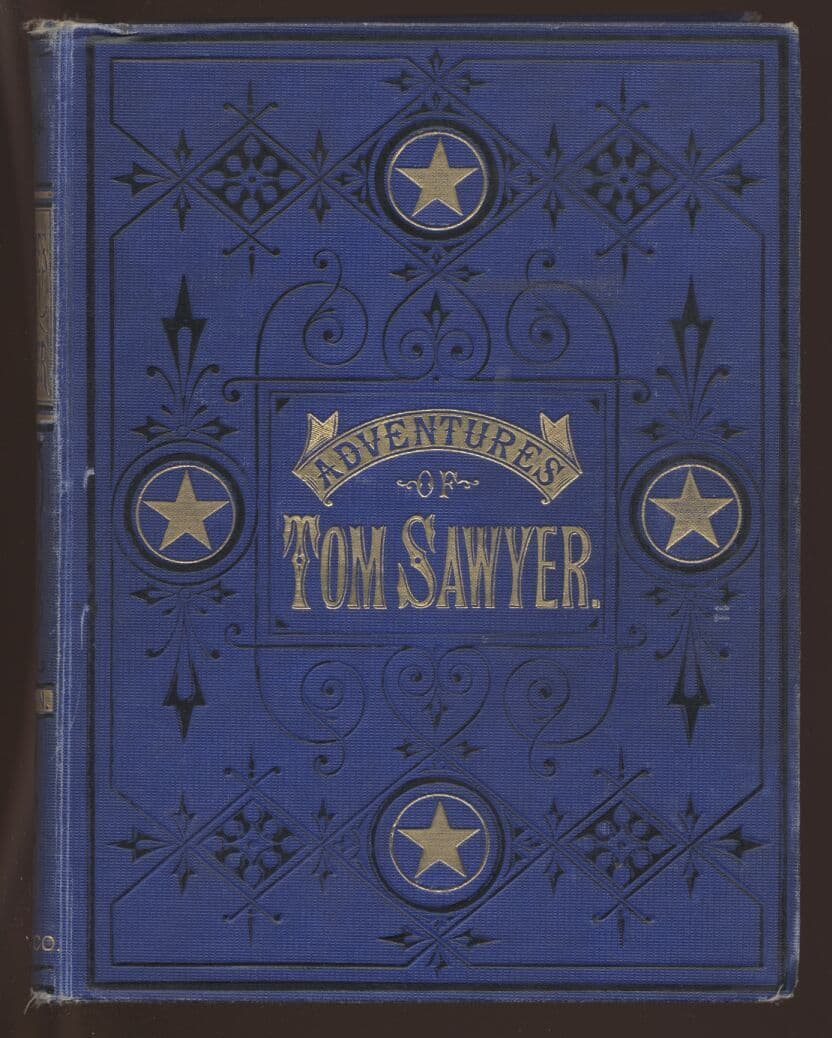
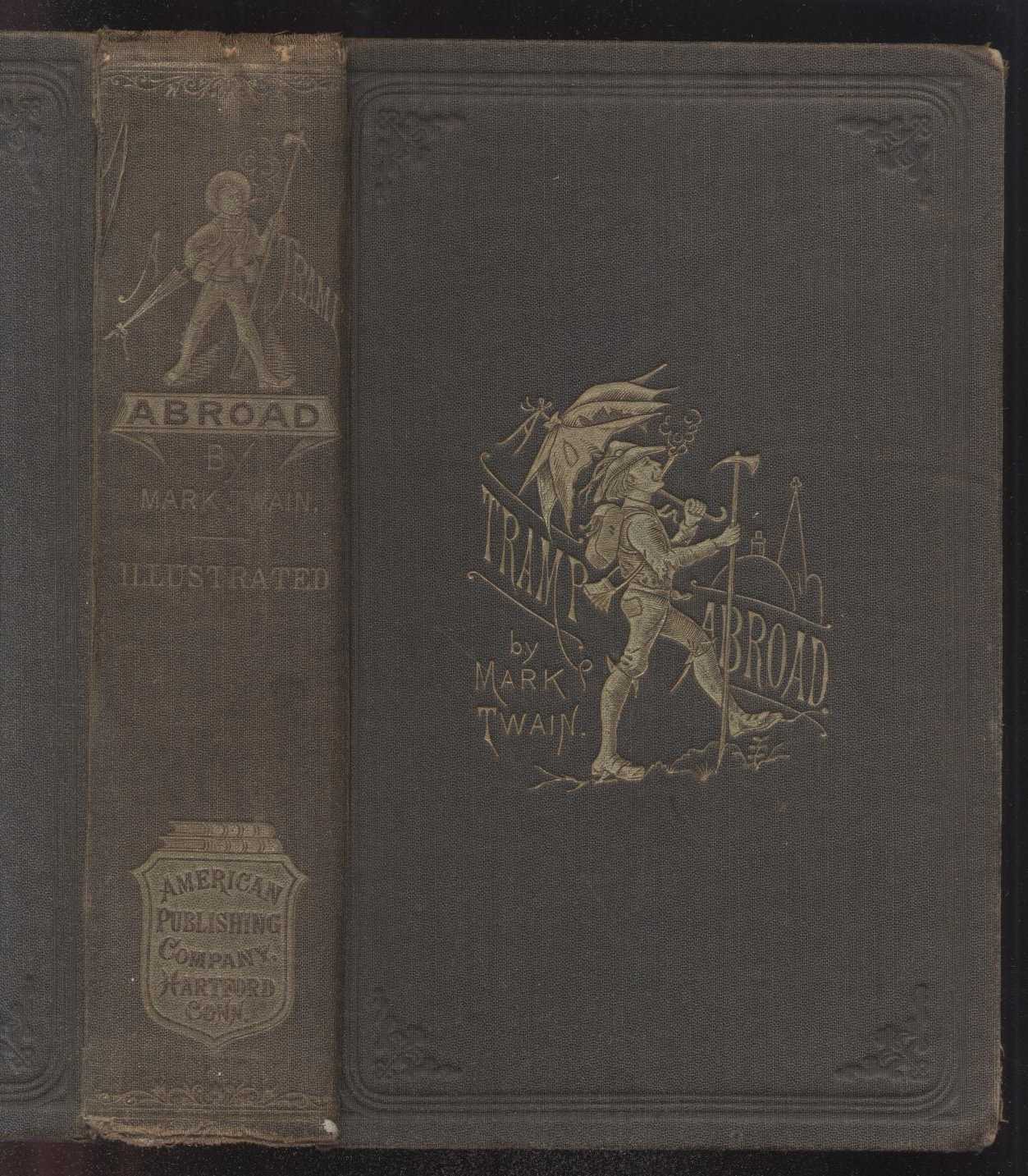
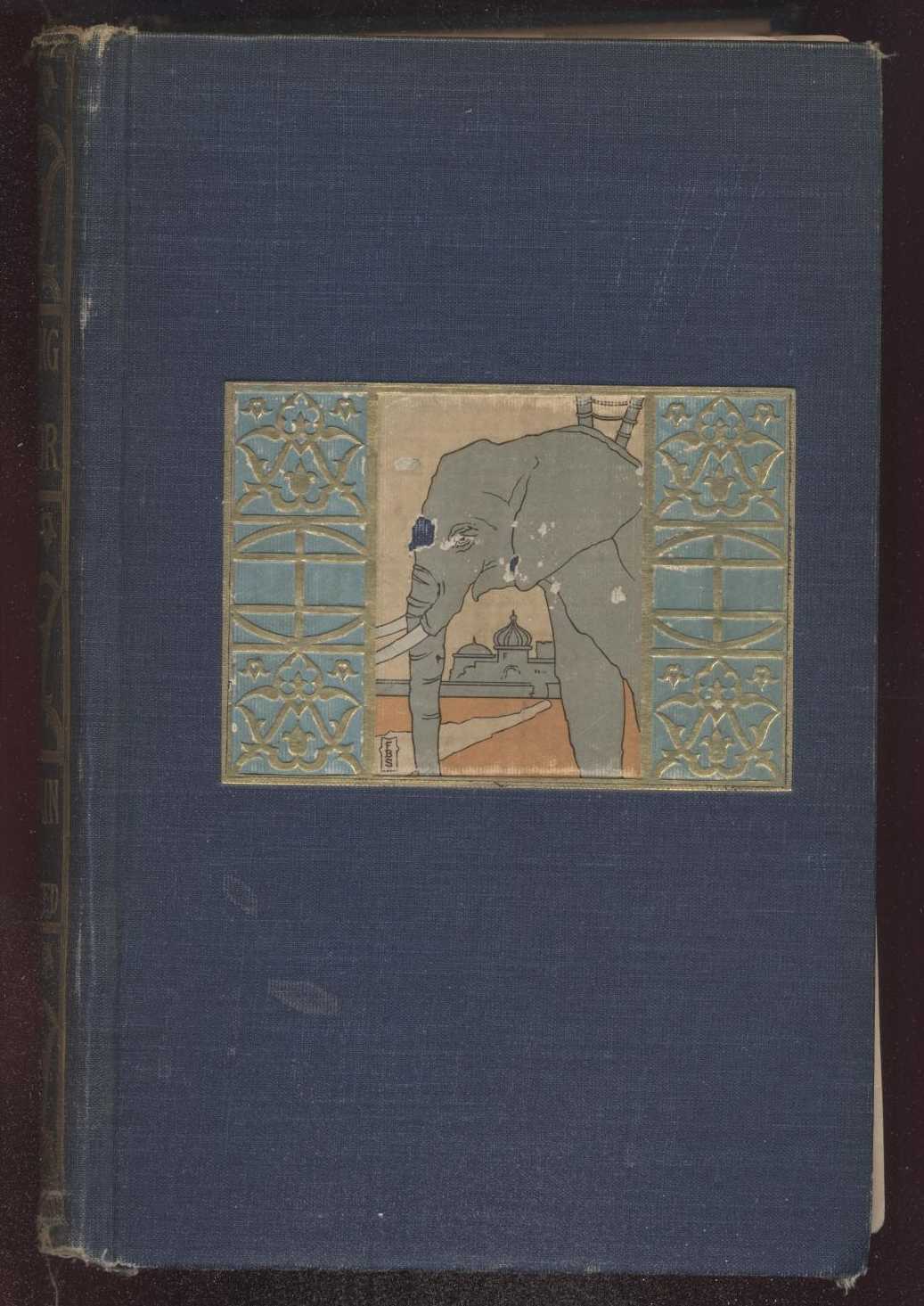
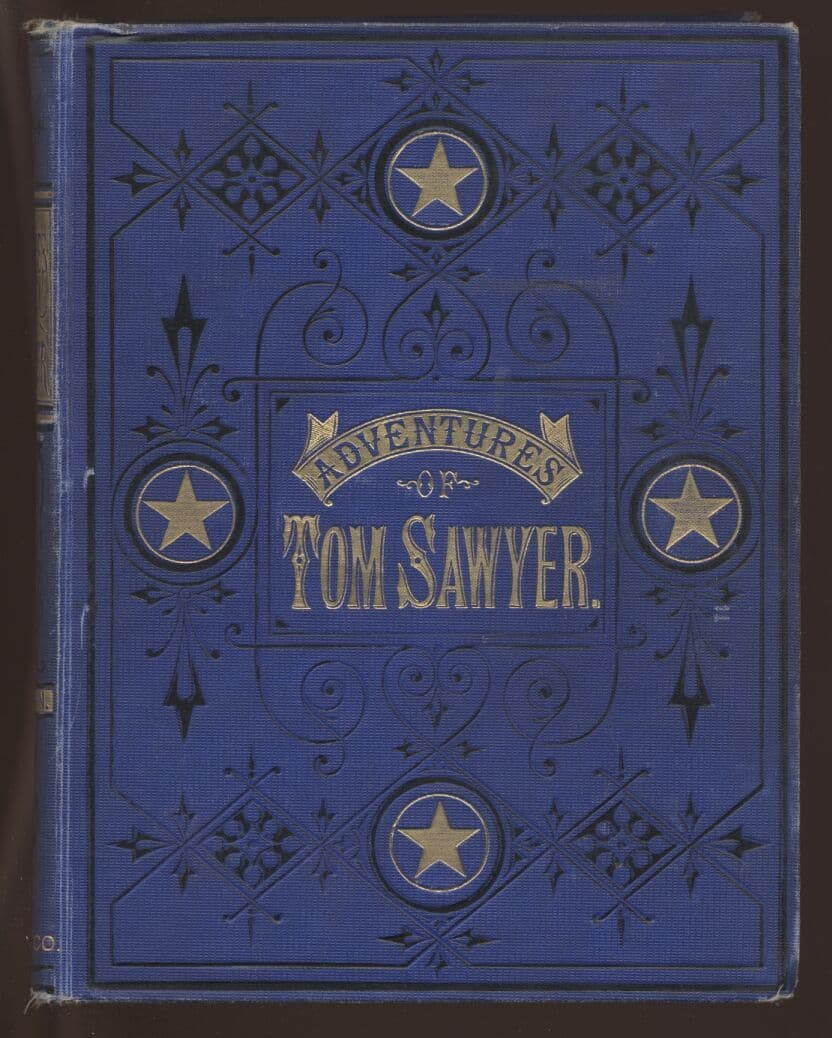
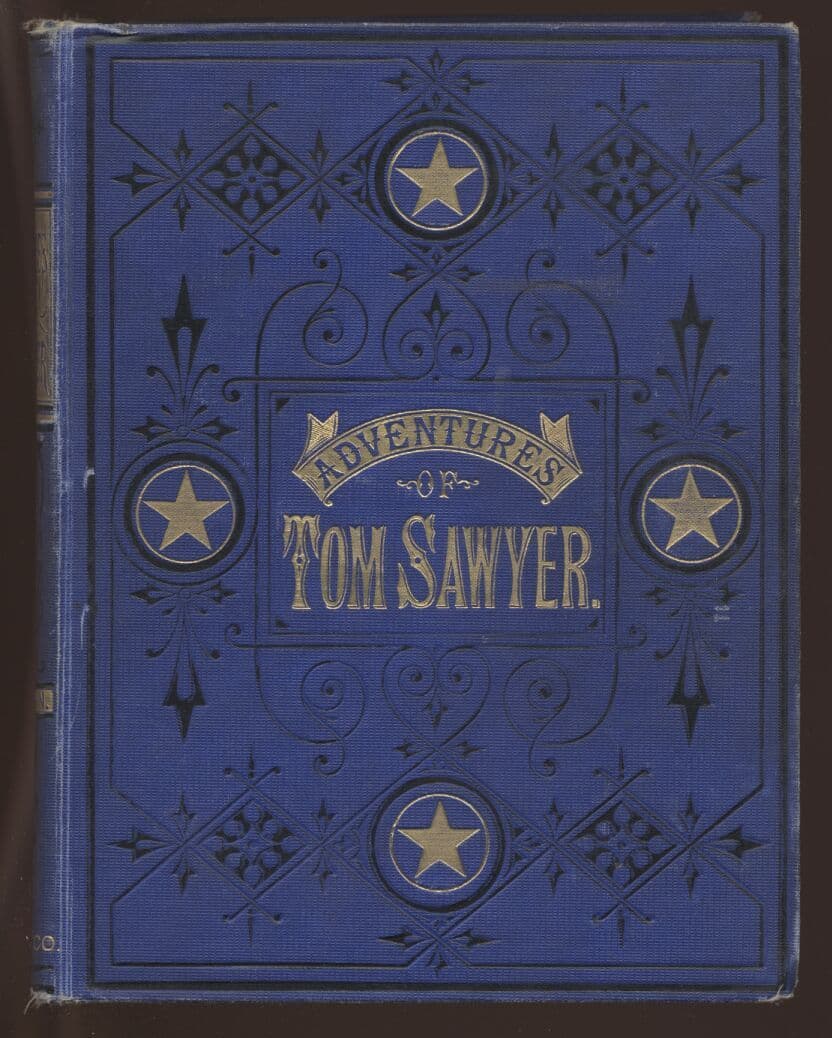
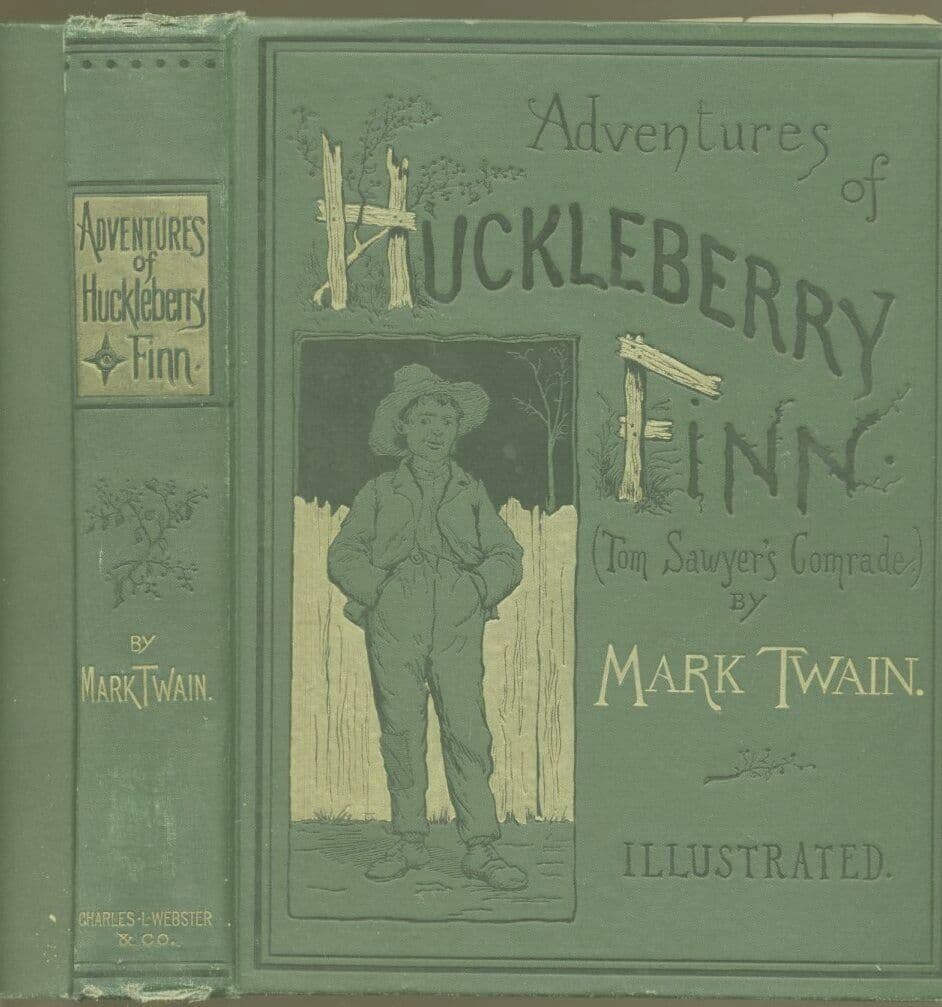
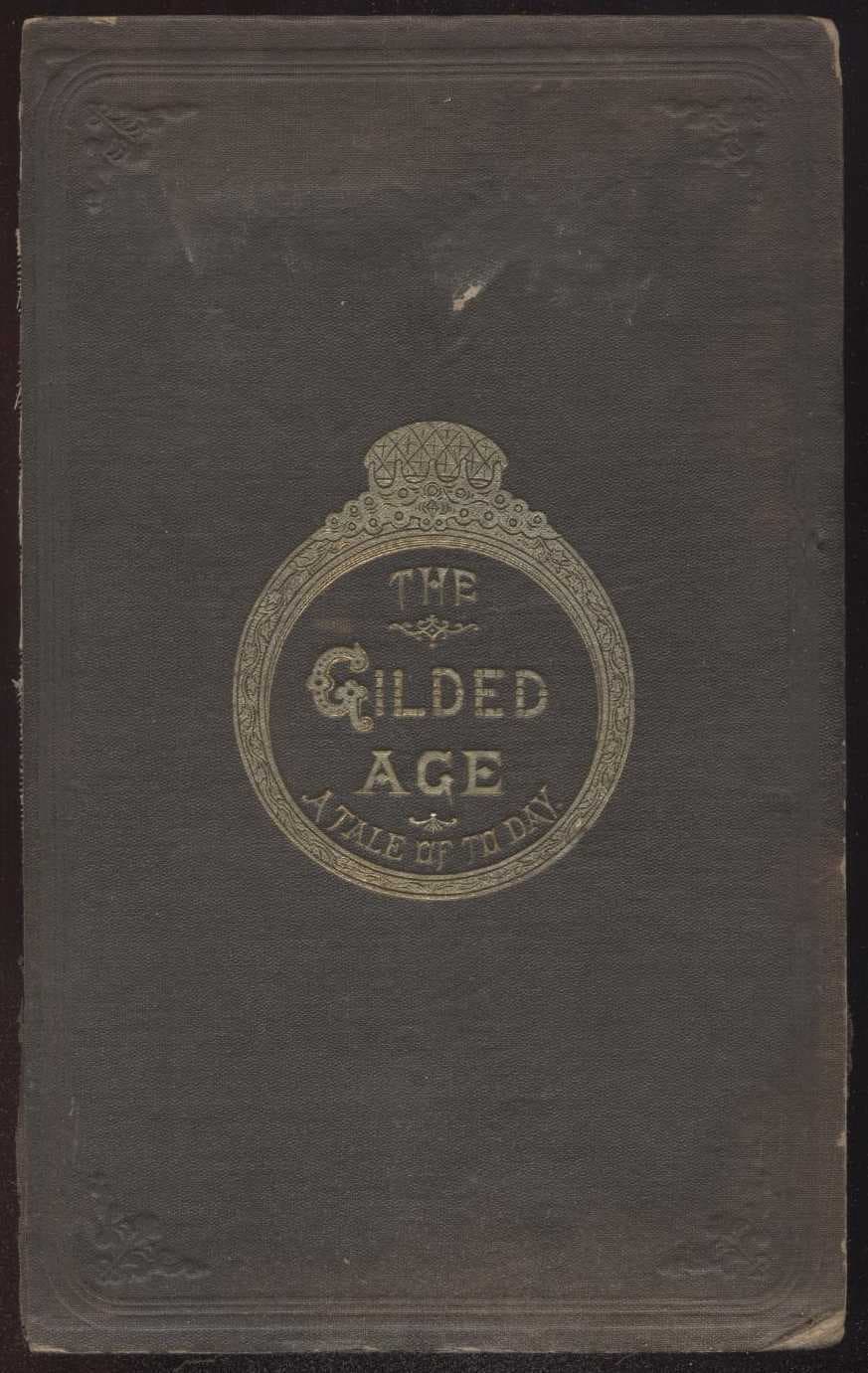
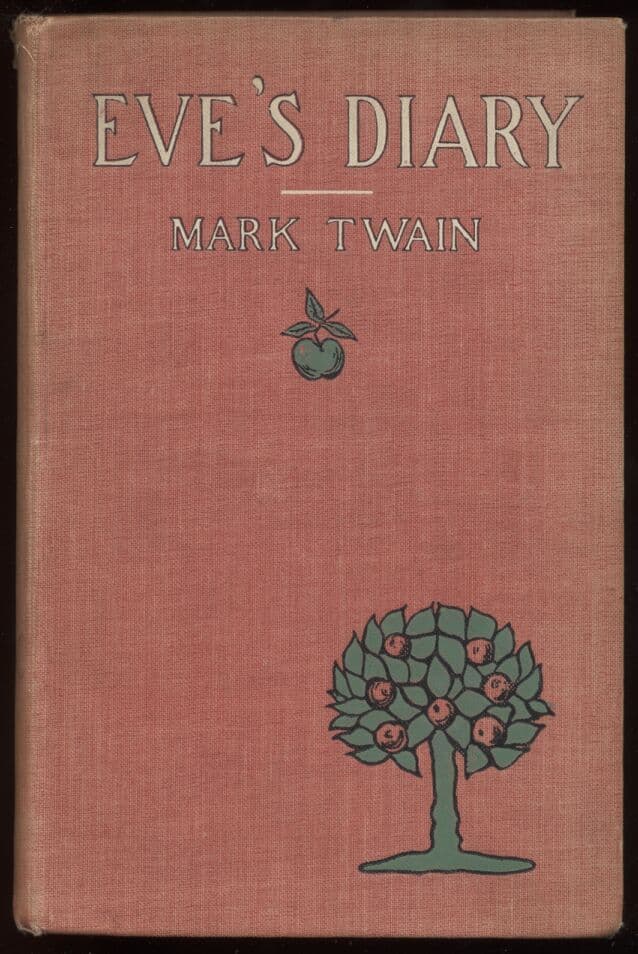
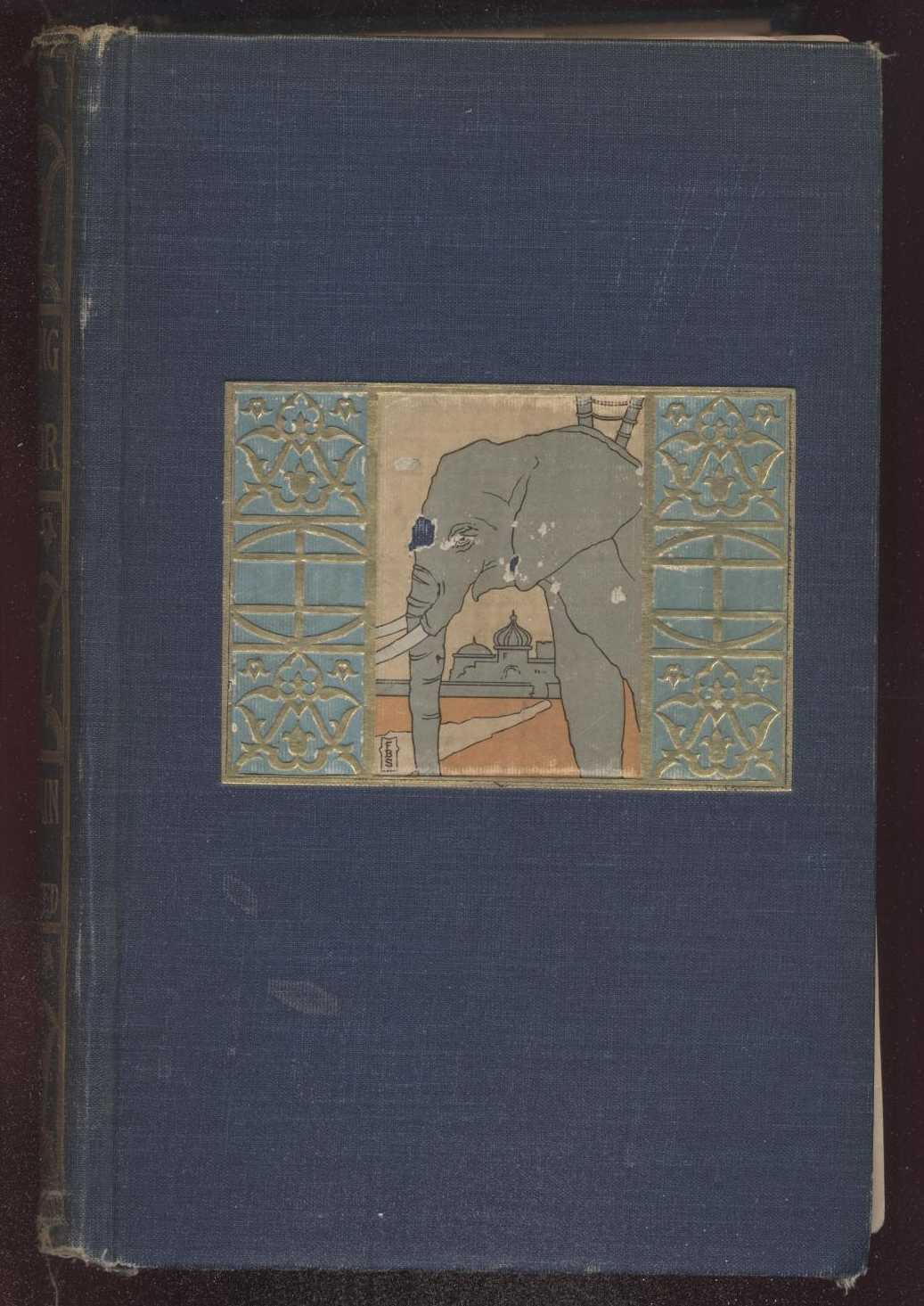
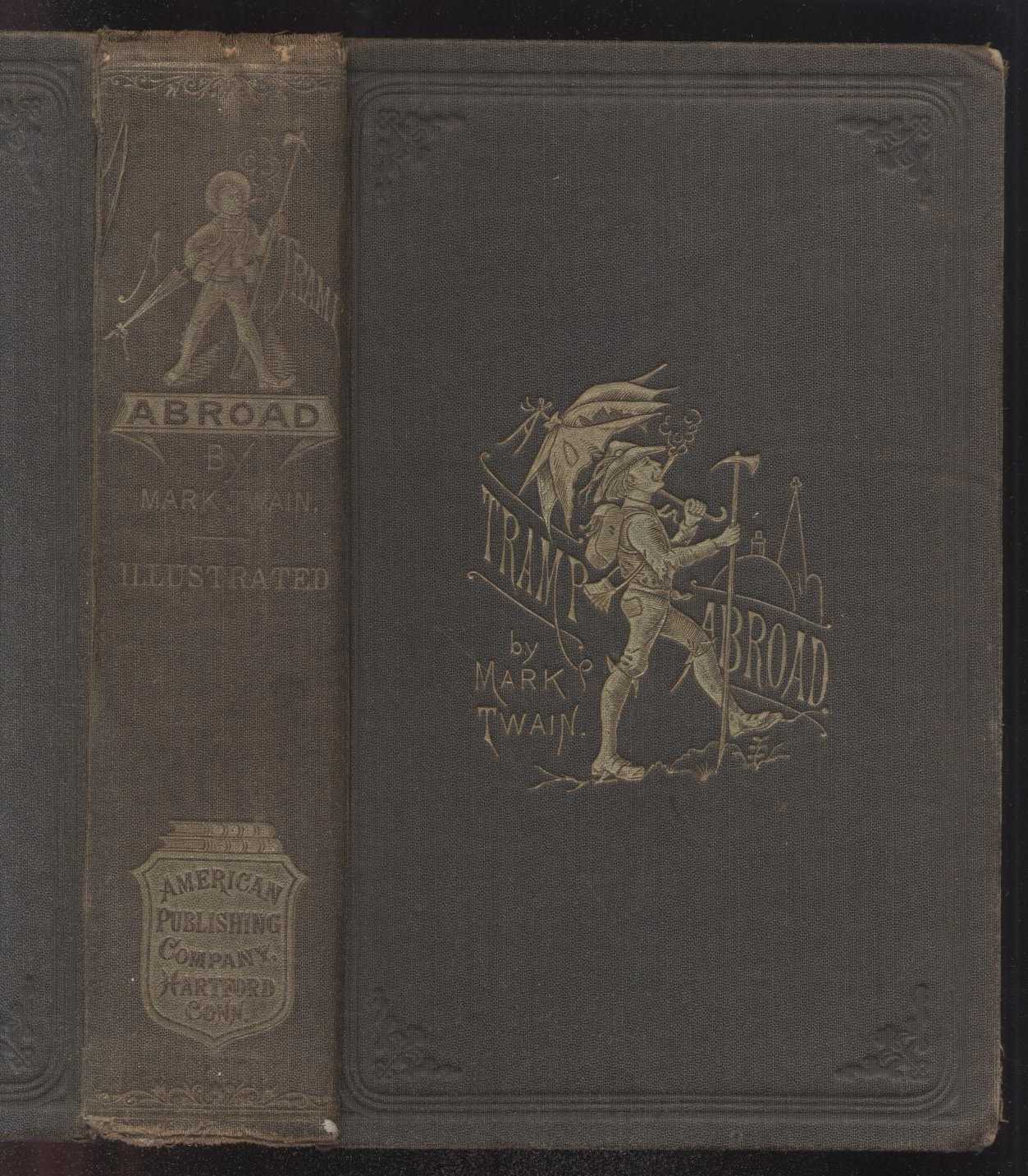
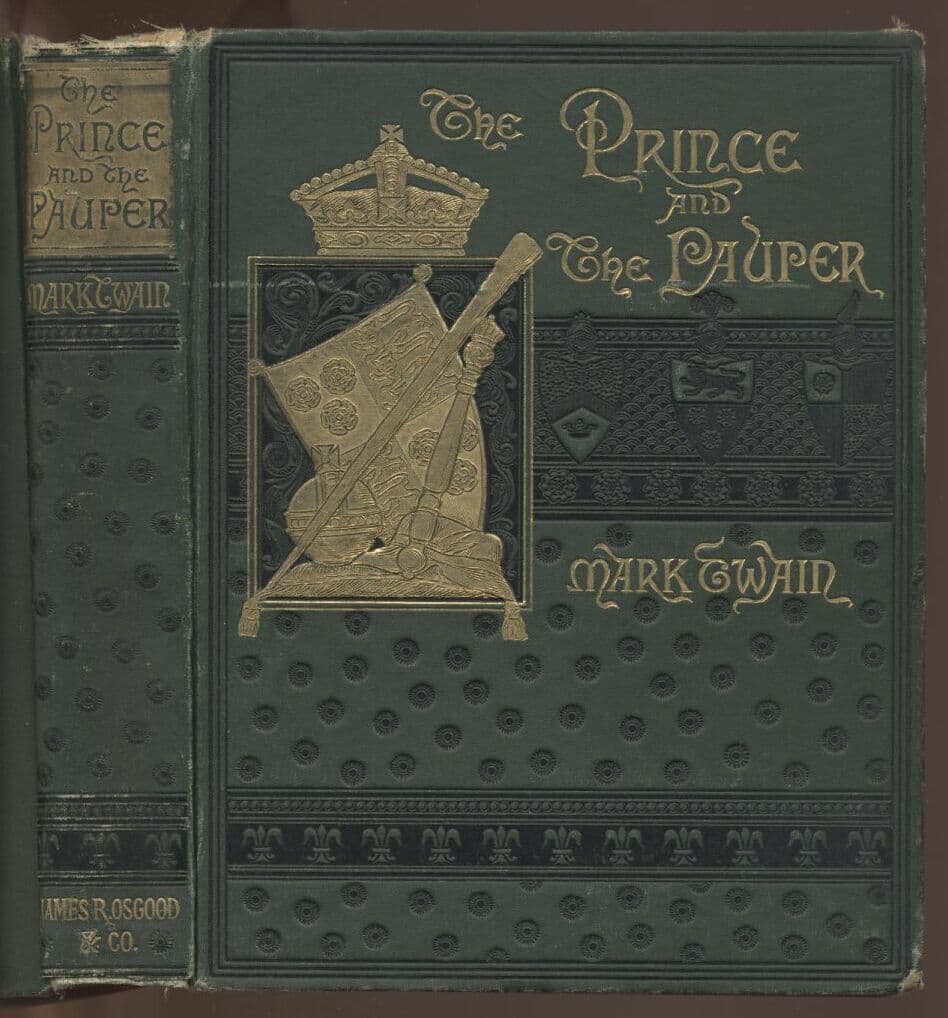
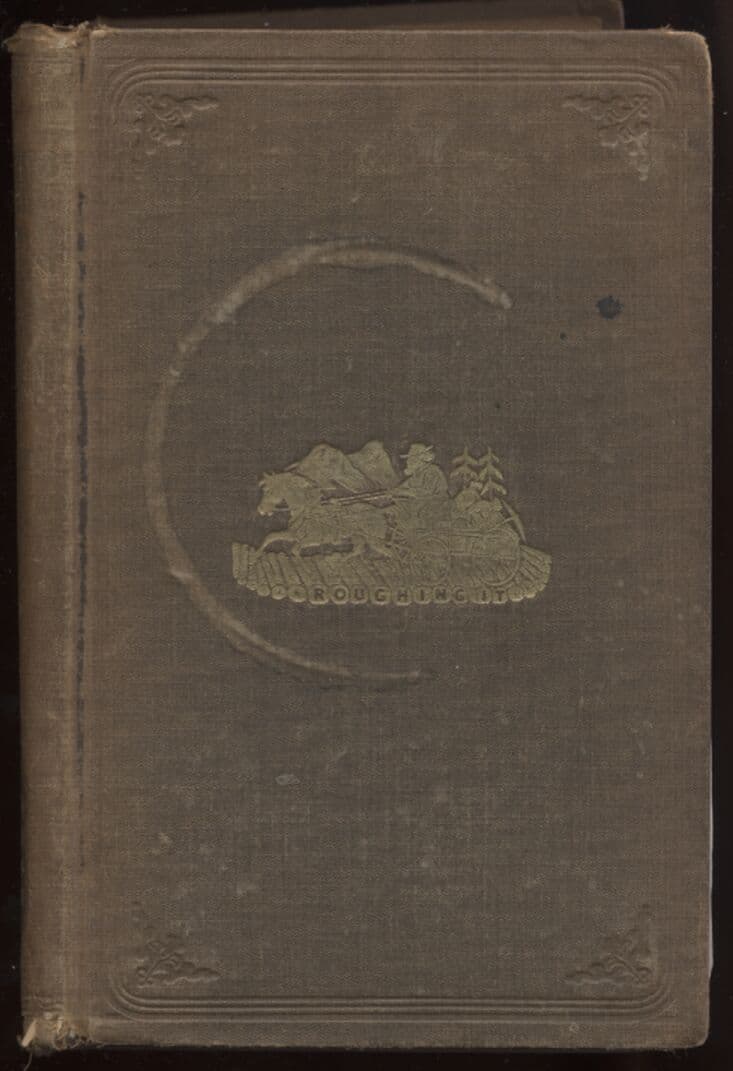
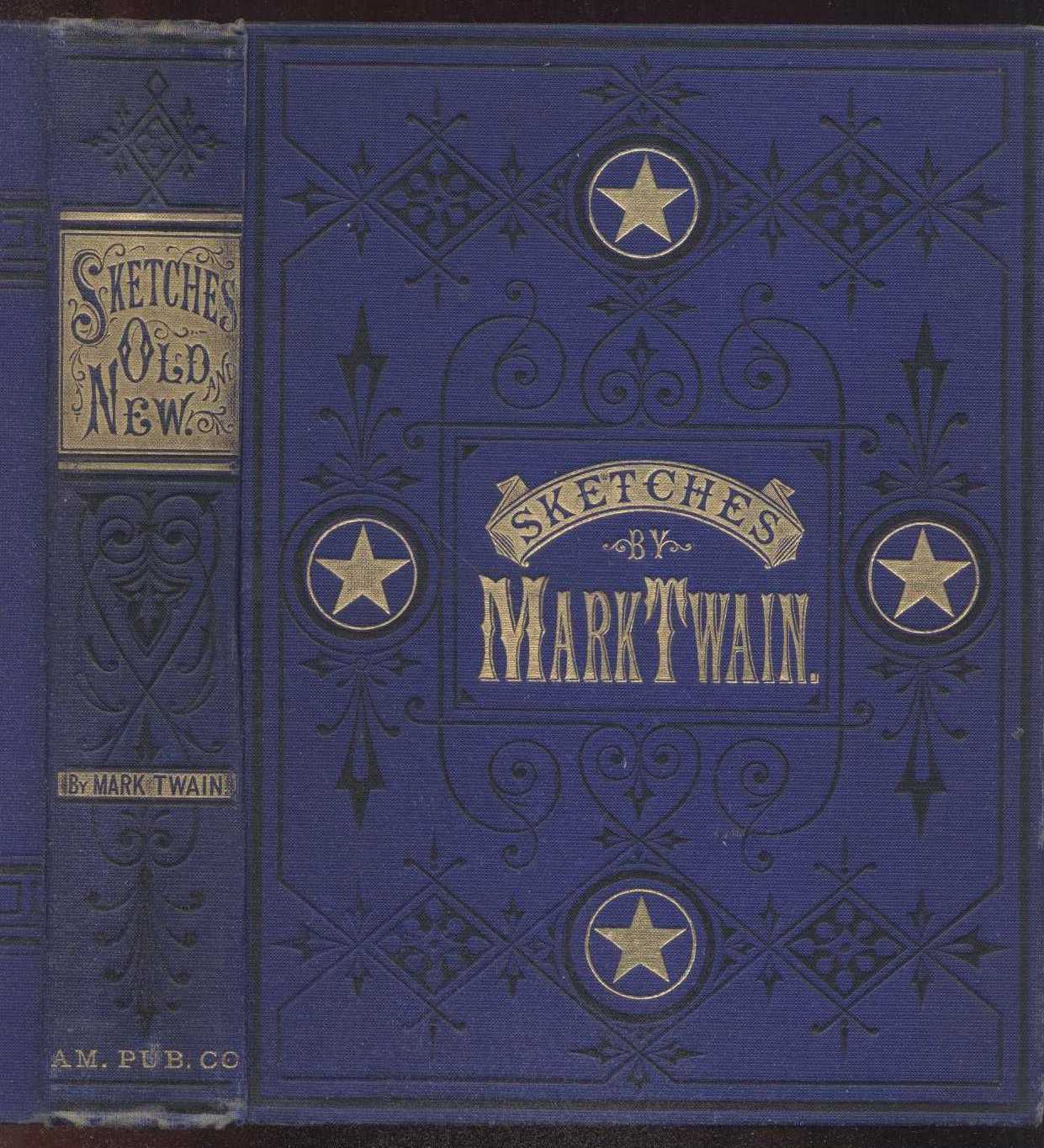
Editions
X-Ray
“Man is the Reasoning Animal. Such is the claim. I think it is open to dispute. Indeed, my experiments have proven to me that he is the Unreasoning Animal... In truth, man is incurably foolish. Simple things which other animals easily learn, he is incapable of learning. Among my experiments was this. In an hour I taught a cat and a dog to be friends. I put them in a cage. In another hour I taught them to be friends with a rabbit. In the course of two days I was able to add a fox, a goose, a squirrel and some doves. Finally a monkey. They lived together in peace; even affectionately.Next, in another cage I confined an Irish Catholic from Tipperary, and as soon as he seemed tame I added a Scotch Presbyterian from Aberdeen. Next a Turk from Constantinople; a Greek Christian from Crete; an Armenian; a Methodist from the wilds of Arkansas; a Buddhist from China; a Brahman from Benares. Finally, a Salvation Army Colonel from Wapping. Then I stayed away for two whole days. When I came back to note results, the cage of Higher Animals was all right, but in the other there was but a chaos of gory odds and ends of turbans and fezzes and plaids and bones and flesh--not a specimen left alive. These Reasoning Animals had disagreed on a theological detail and carried the matter to a Higher Court.””
— Mark Twain
“The difference between a Miracle and a Fact is exactly the difference between a mermaid and a seal.””
— Mark Twain
“Only one thing is impossible for God: To find any sense in any copyright law on the planet.””
— Mark Twain
“I have been studying the traits and dispositions of the "lower animals" (so called) and contrasting them with the traits and dispositions of man. I find the result humiliating to me.””
— Mark Twain
“Now what I contend is that my body is my own, at least I have always so regarded it. If I do harm through my experimenting with it, it is I who suffer, not the state.””
— Mark Twain
“You have heretofore found out, by my teachings, that man is a fool; you are now aware that woman is a damned fool.””
— Mark Twain
“Man is a marvelous curiosity. When he is at his very very best he is a sort of low grade nickel-plated angel; at is worst he is unspeakable, unimaginable; and first and last and all the time he is a sarcasm. Yet he blandly and in all sincerity calls himself the "noblest work of God.””
— Mark Twain
“Now there you have a sample of man’s “reasoning powers,” as he calls them. He observes certain facts. For instance, that in all his life he never sees the day that he can satisfy one woman; also, that no woman ever sees the day that she can’t overwork, and defeat, and put out of commission any ten masculine plants that can be put to bed to her. He puts those strikingly suggestive and luminous facts together, and from them draws this astonishing conclusion: The Creator intended the woman to be restricted to one man.””
— Mark Twain
“Solomon, who was one of the Deity's favorites, had a copulation cabinet composed of seven hundred wives and three hundred concubines. To save his life he could not have kept two of these young creatures satisfactorily refreshed, even if he had fifteen experts to help him. Necessarily almost the entire thousand had to go hungry for years and years on a stretch. Conceive of a man hardhearted enough to look daily upon all that suffering and not be moved to mitigate it.””
— Mark Twain
Link to this book
Add a free, dofollow link to Lex on your blog, forum, syllabus, or reading list.

<a href="https://lex-books.com/book/mark-twain-s-letters-volume-2-1867-1875-75ea9845-cb0e-4594-88d5-d62aa5a19b8f"><img src="https://lex-books.com/badges/read-on-lex.svg" alt="Read Mark Twain's Letters — Volume 2 (1867-1875) by Mark Twain free on Lex" width="160" height="40"></a>[](https://lex-books.com/book/mark-twain-s-letters-volume-2-1867-1875-75ea9845-cb0e-4594-88d5-d62aa5a19b8f)[url=https://lex-books.com/book/mark-twain-s-letters-volume-2-1867-1875-75ea9845-cb0e-4594-88d5-d62aa5a19b8f][img]https://lex-books.com/badges/read-on-lex.svg[/img][/url]Read Mark Twain's Letters — Volume 2 (1867-1875) by Mark Twain free on Lex: https://lex-books.com/book/mark-twain-s-letters-volume-2-1867-1875-75ea9845-cb0e-4594-88d5-d62aa5a19b8fCite this book
Reading this edition for a paper or guide? Copy a citation.
Twain, Mark. Mark Twain's Letters — Volume 2 (1867-1875). Lex, lex-books.com/book/mark-twain-s-letters-volume-2-1867-1875-75ea9845-cb0e-4594-88d5-d62aa5a19b8f.Twain, M. (n.d.). Mark Twain's Letters — Volume 2 (1867-1875). Lex. https://lex-books.com/book/mark-twain-s-letters-volume-2-1867-1875-75ea9845-cb0e-4594-88d5-d62aa5a19b8fTwain, Mark. Mark Twain's Letters — Volume 2 (1867-1875). Lex. https://lex-books.com/book/mark-twain-s-letters-volume-2-1867-1875-75ea9845-cb0e-4594-88d5-d62aa5a19b8f.