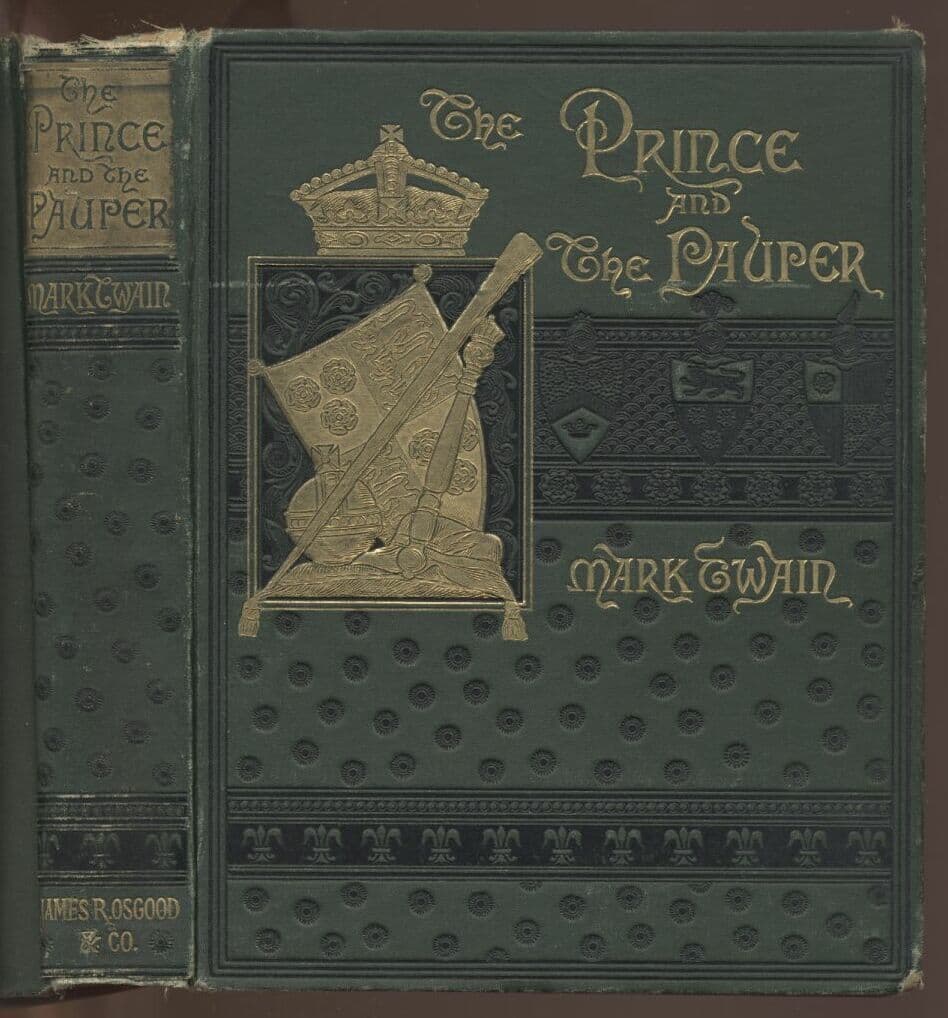
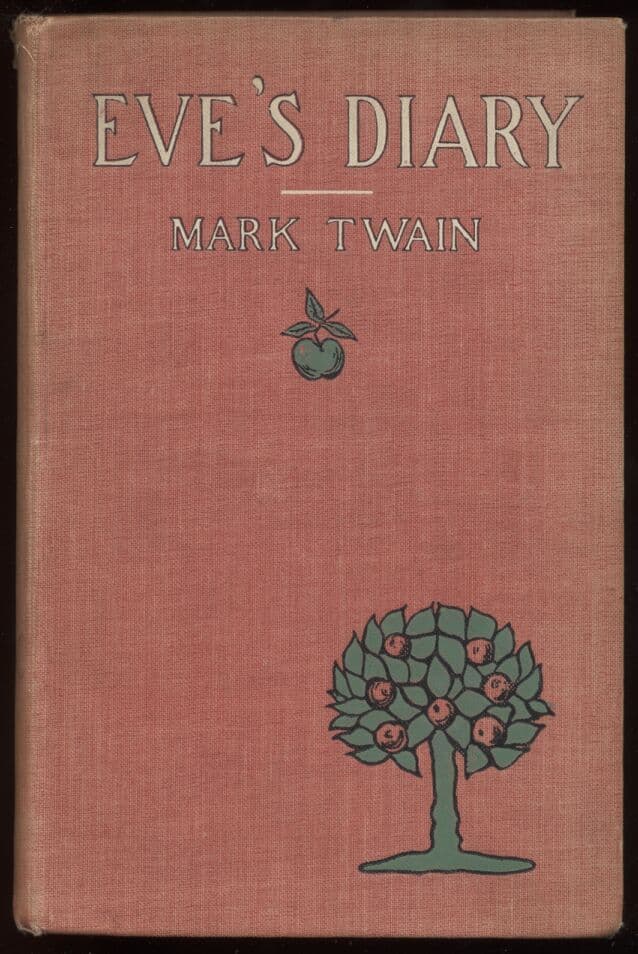
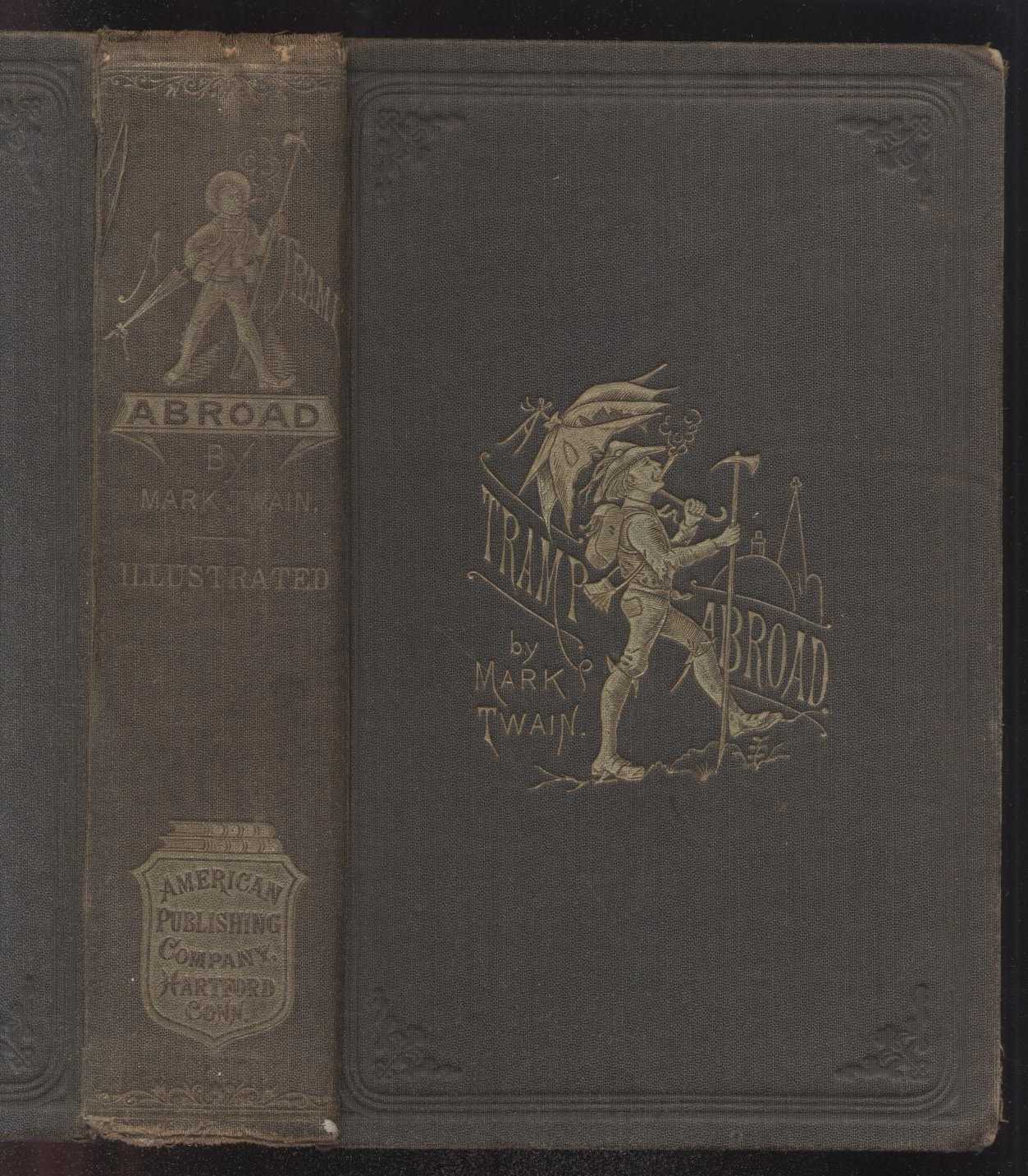
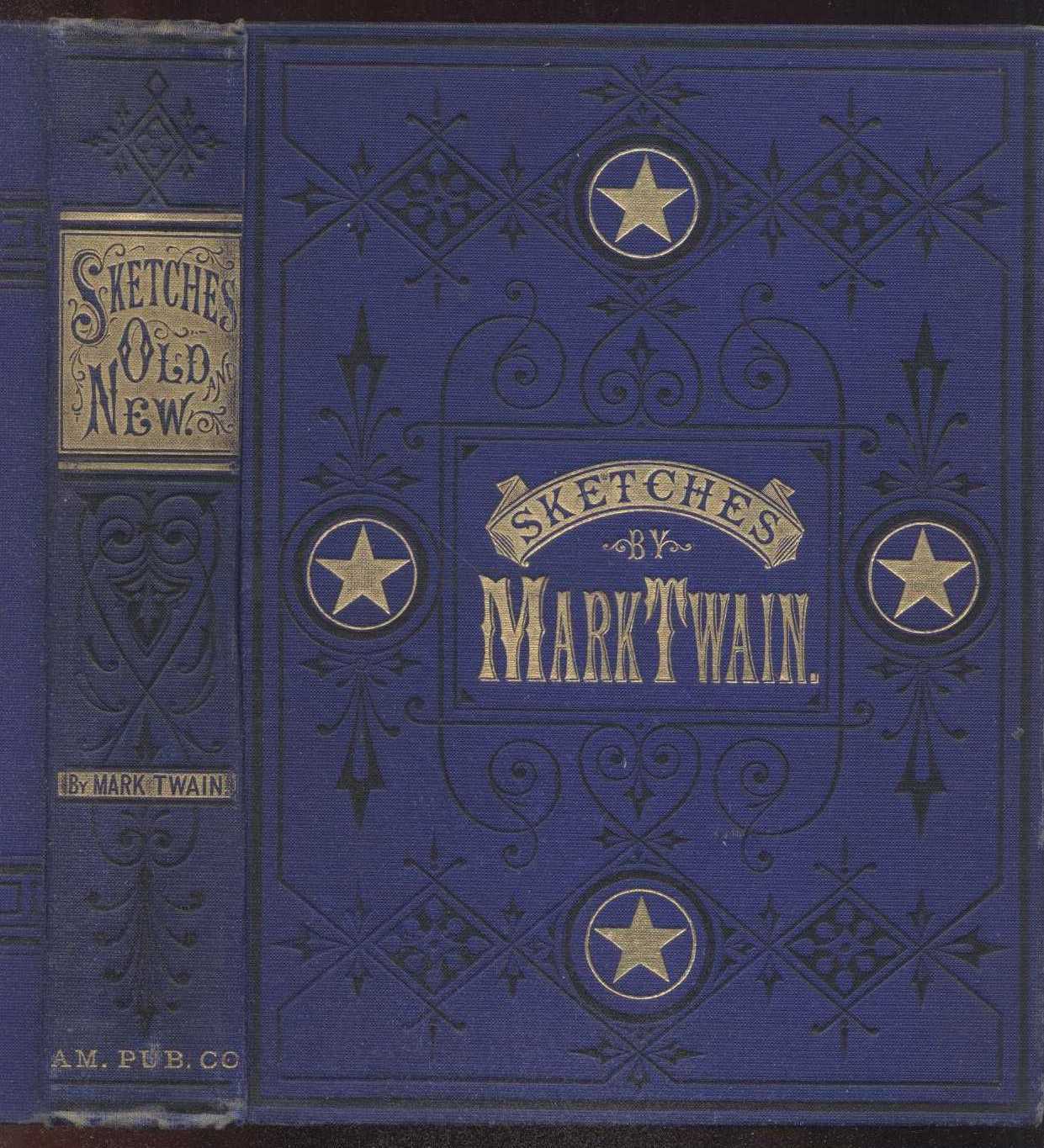
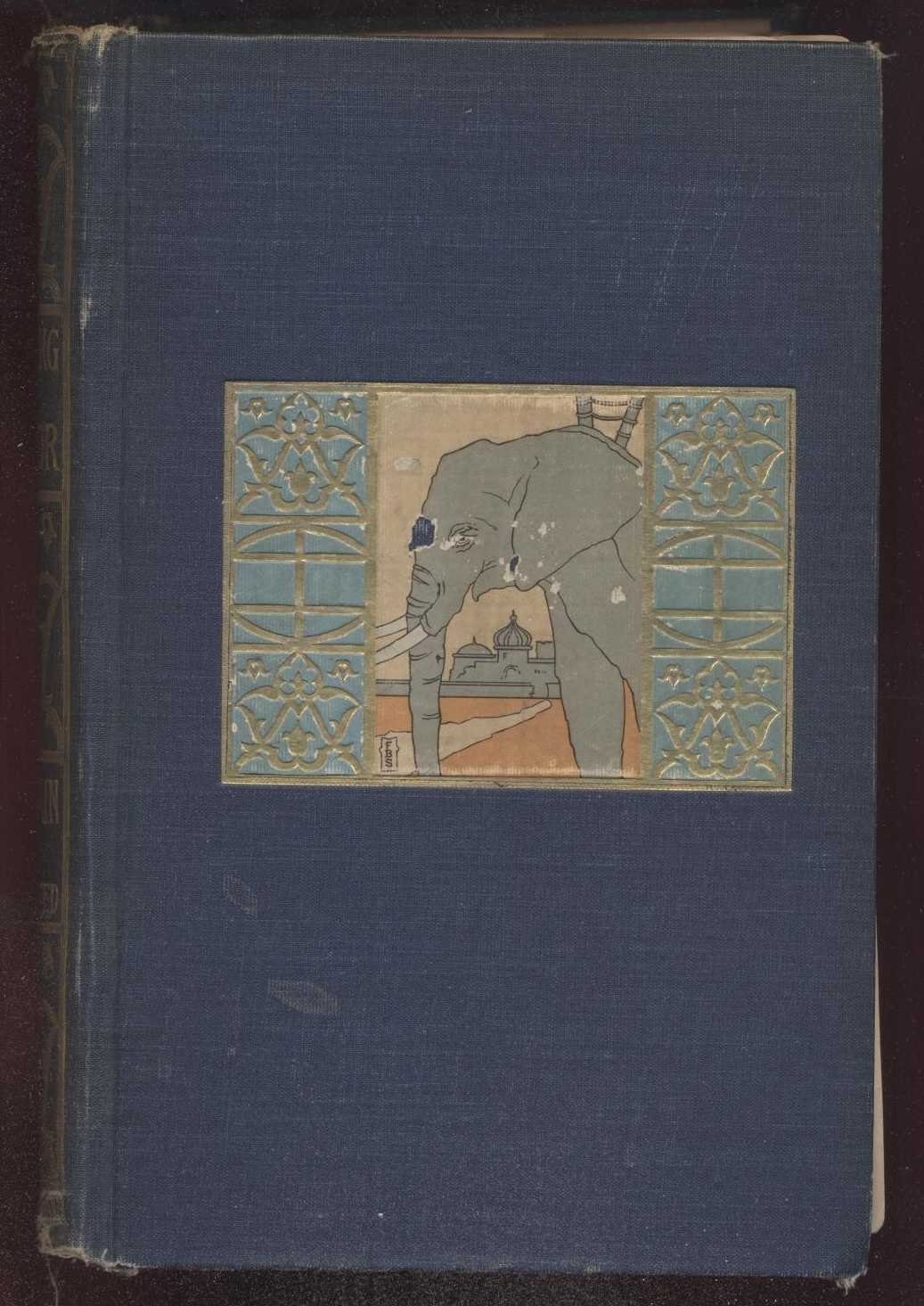
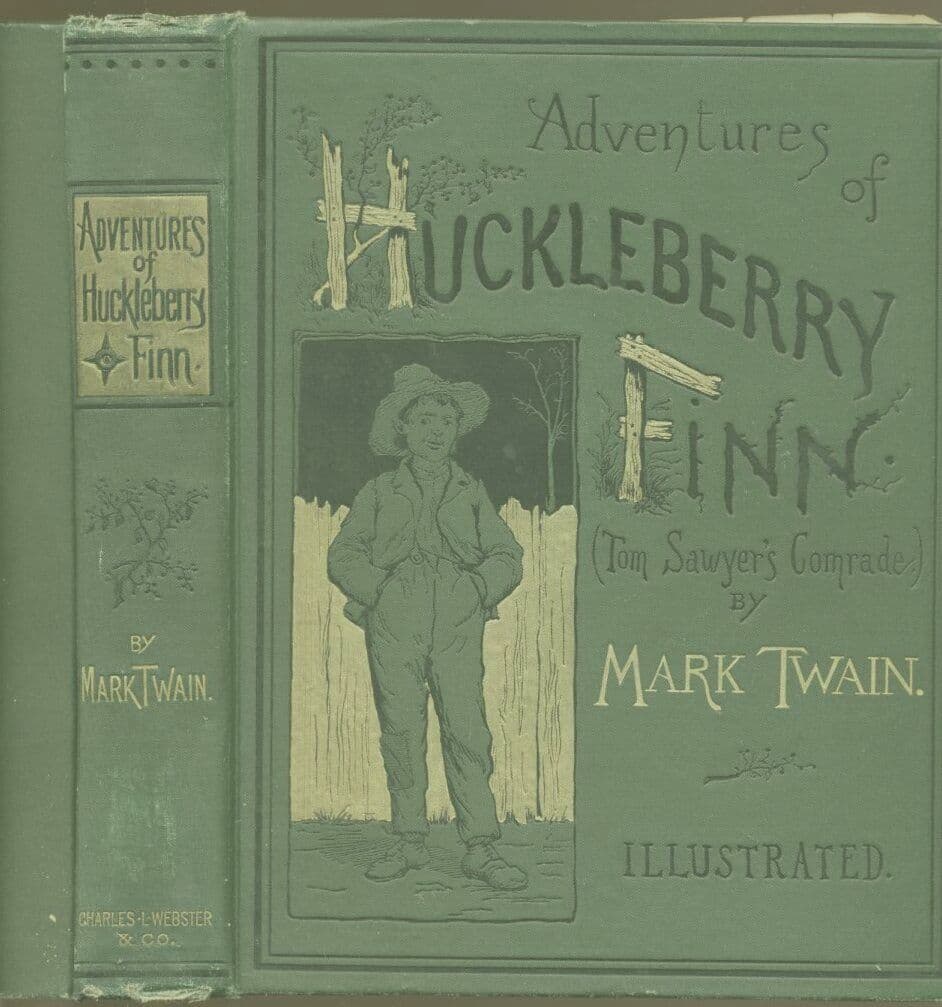
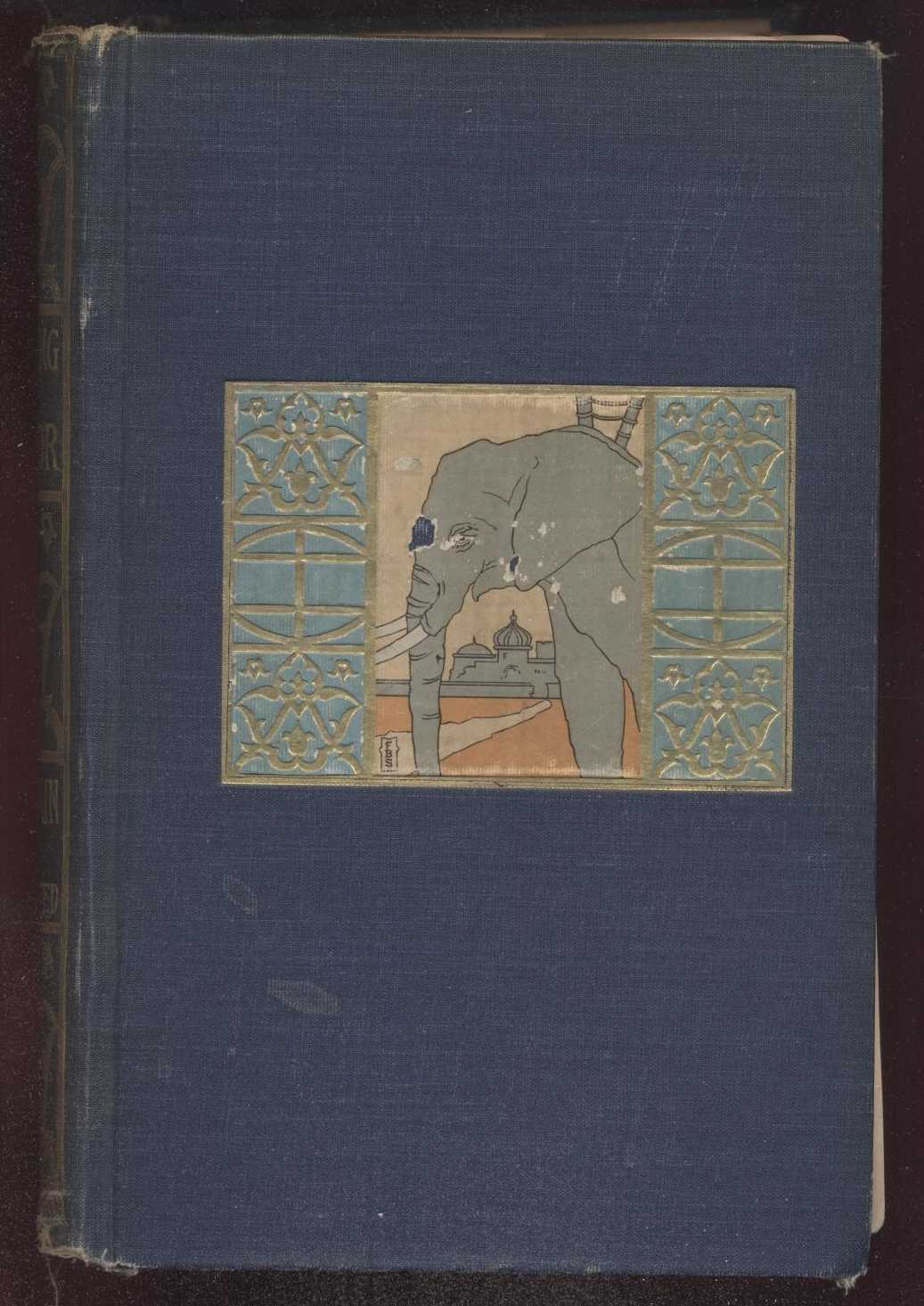
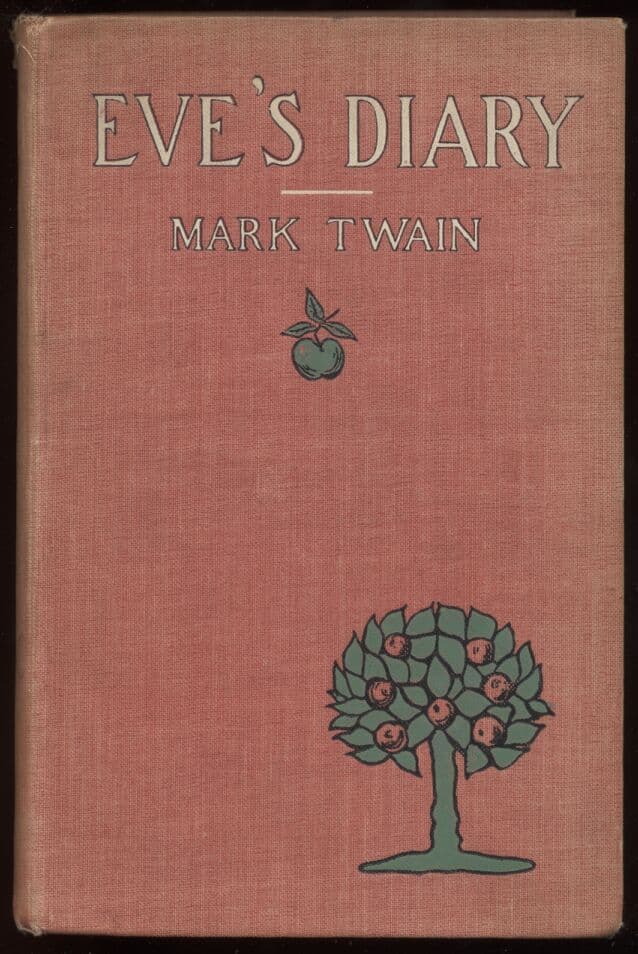
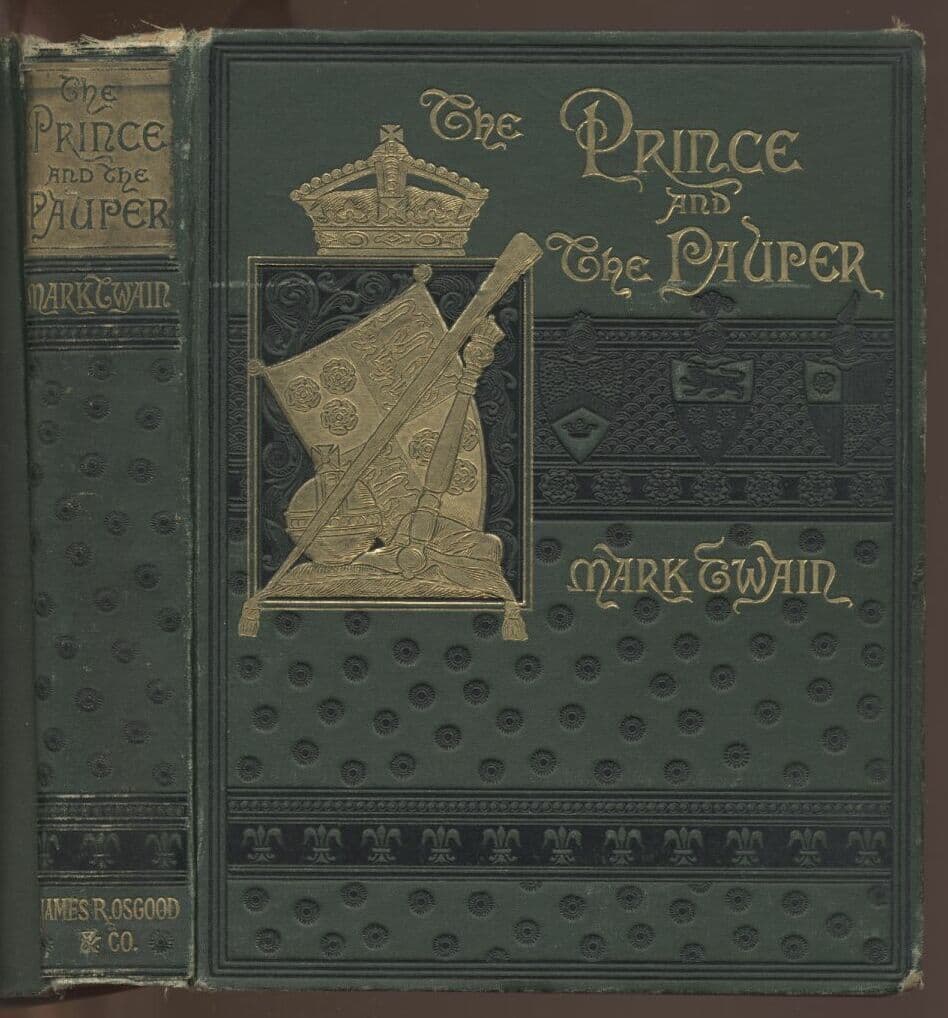
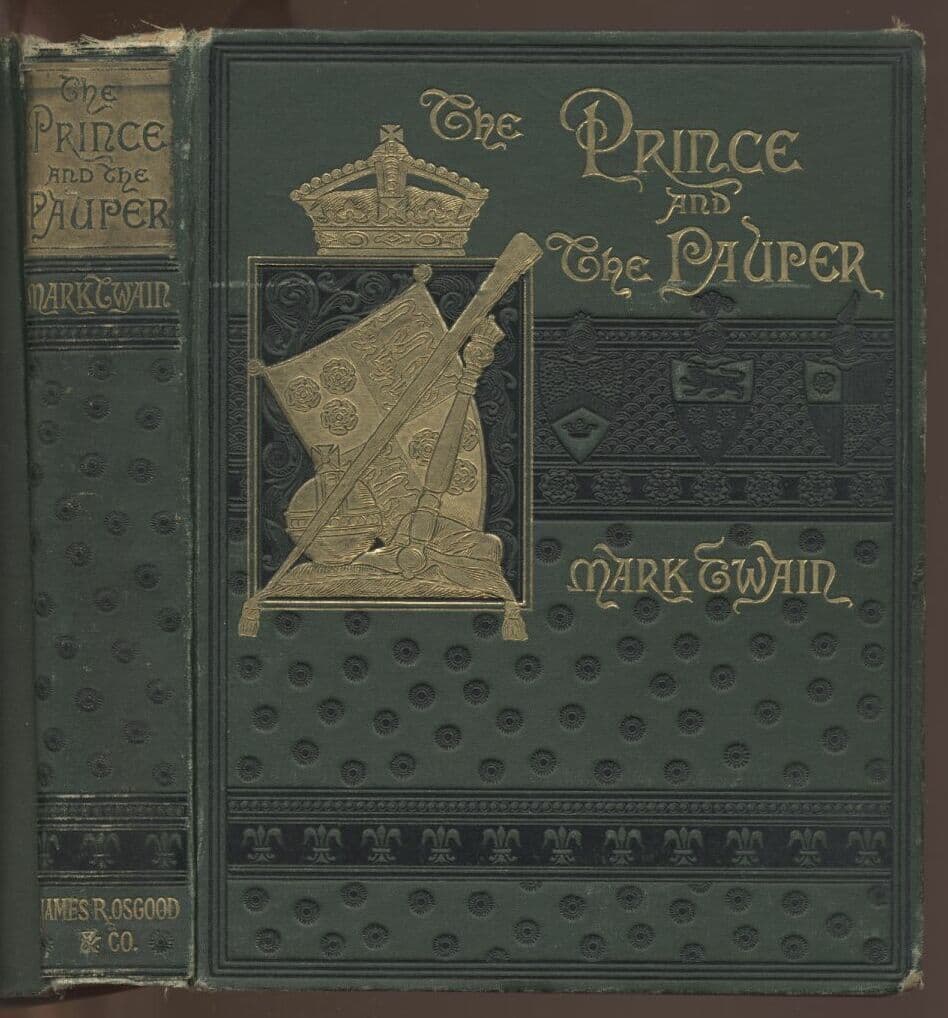
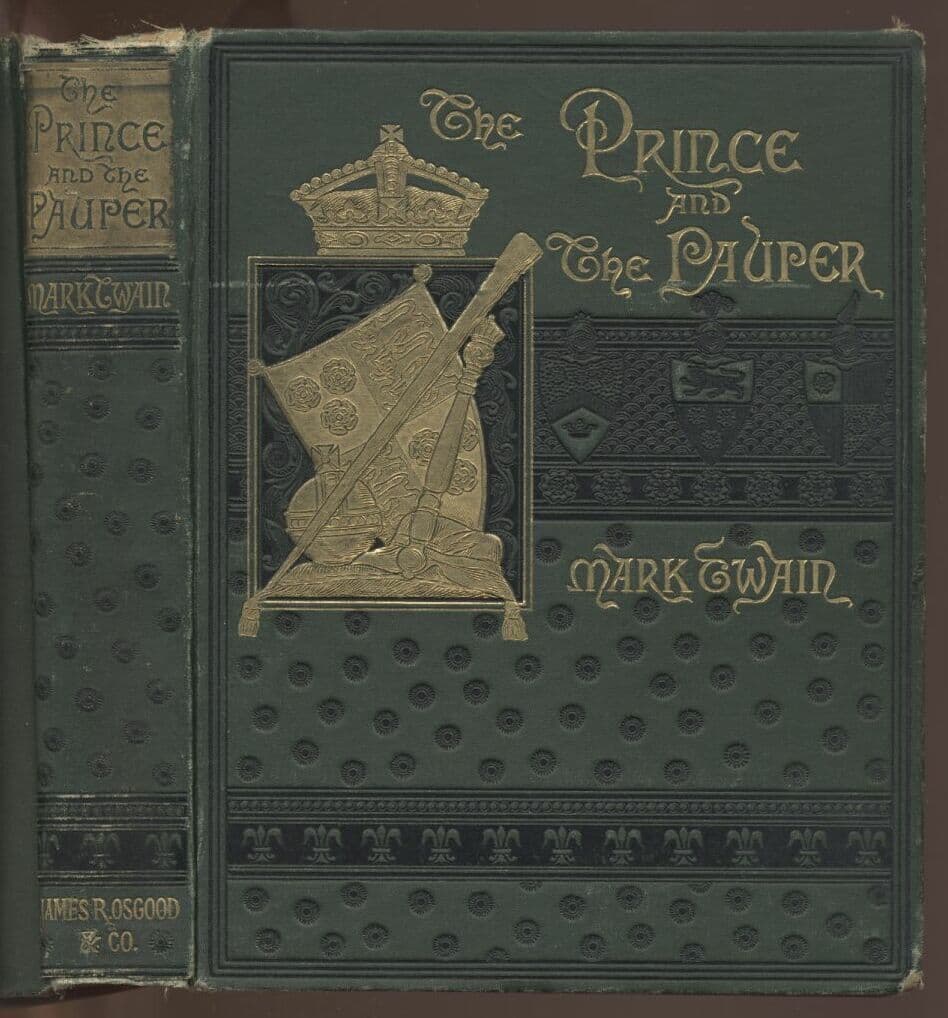
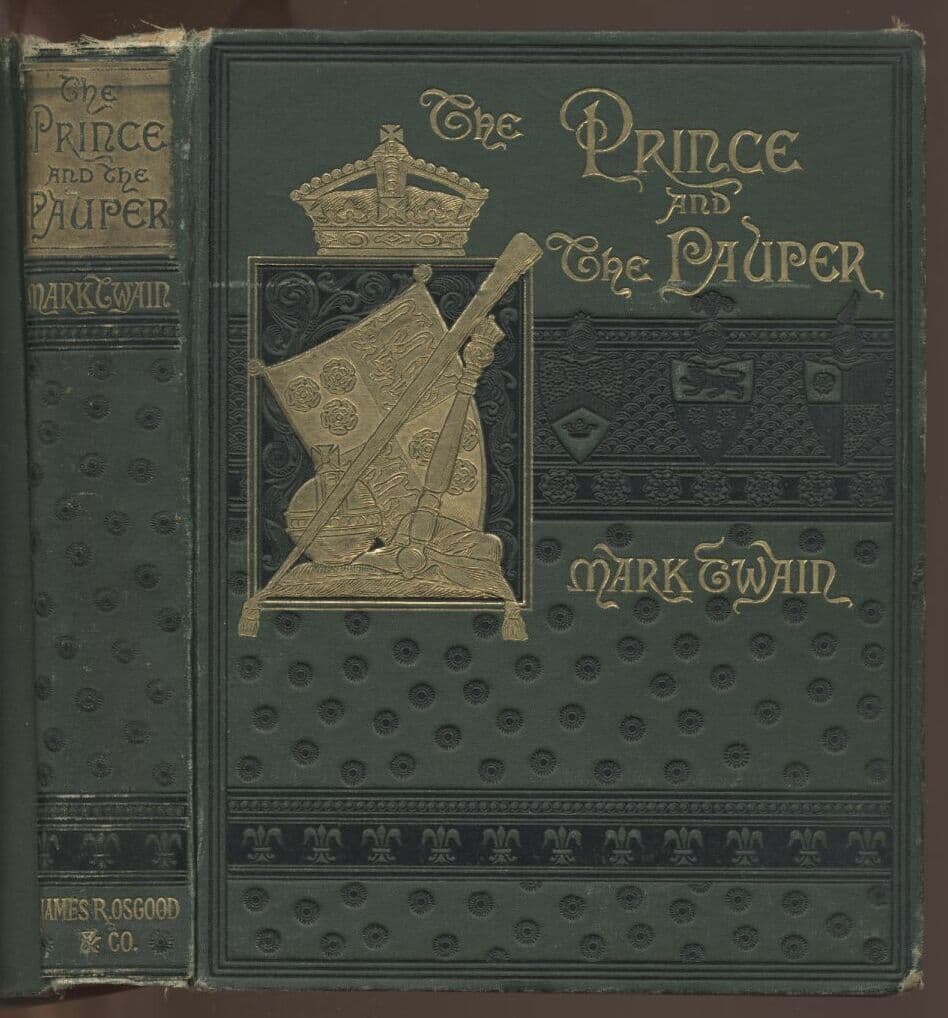
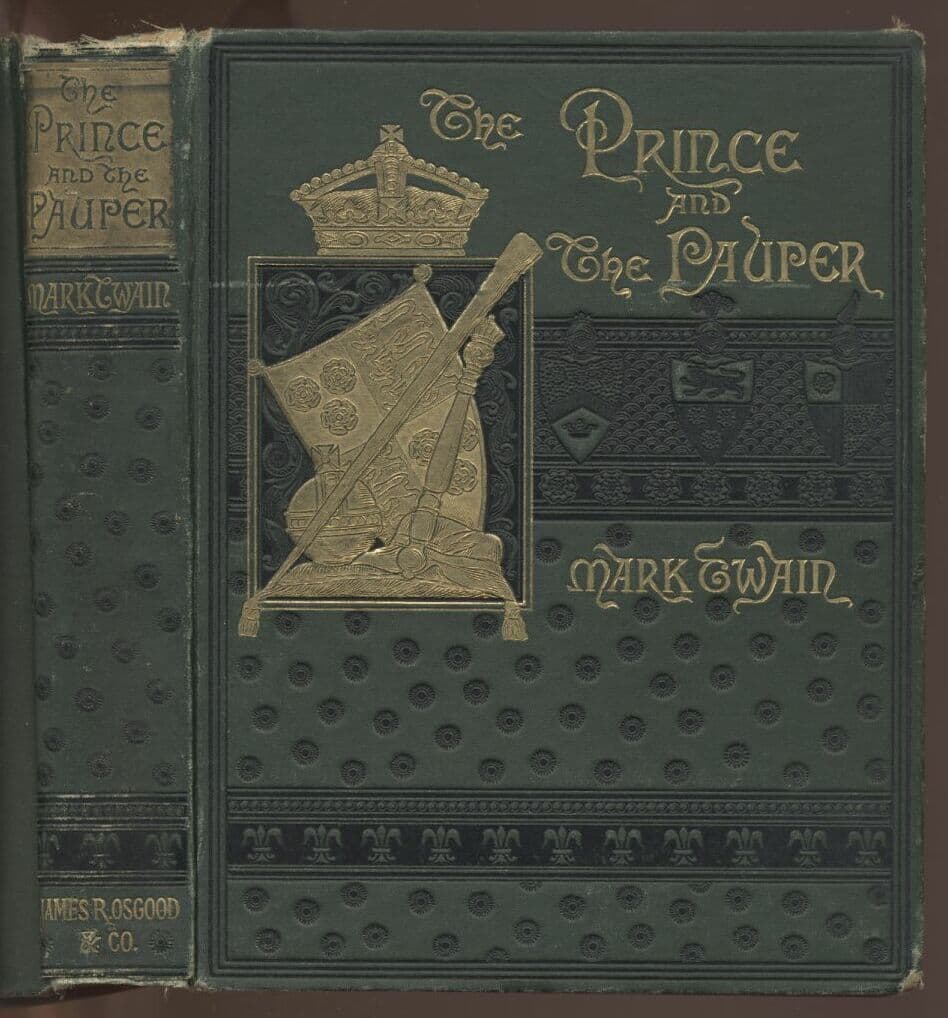
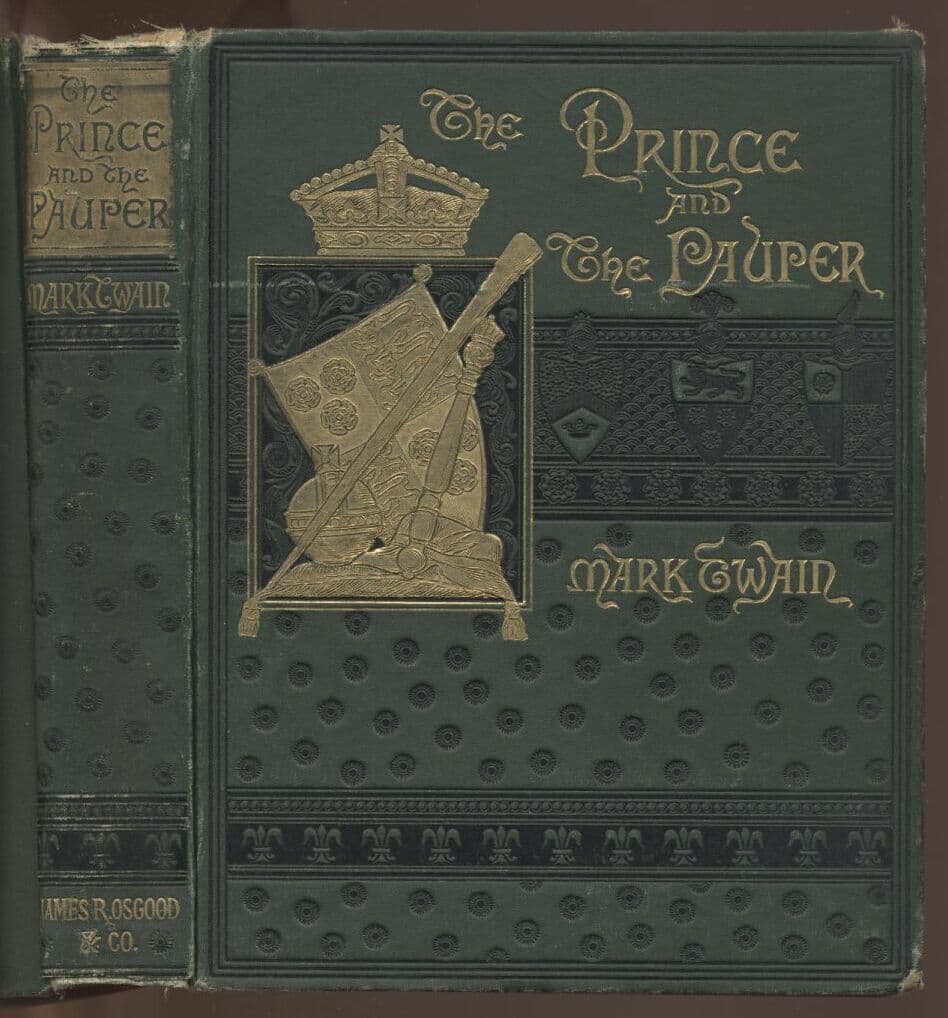
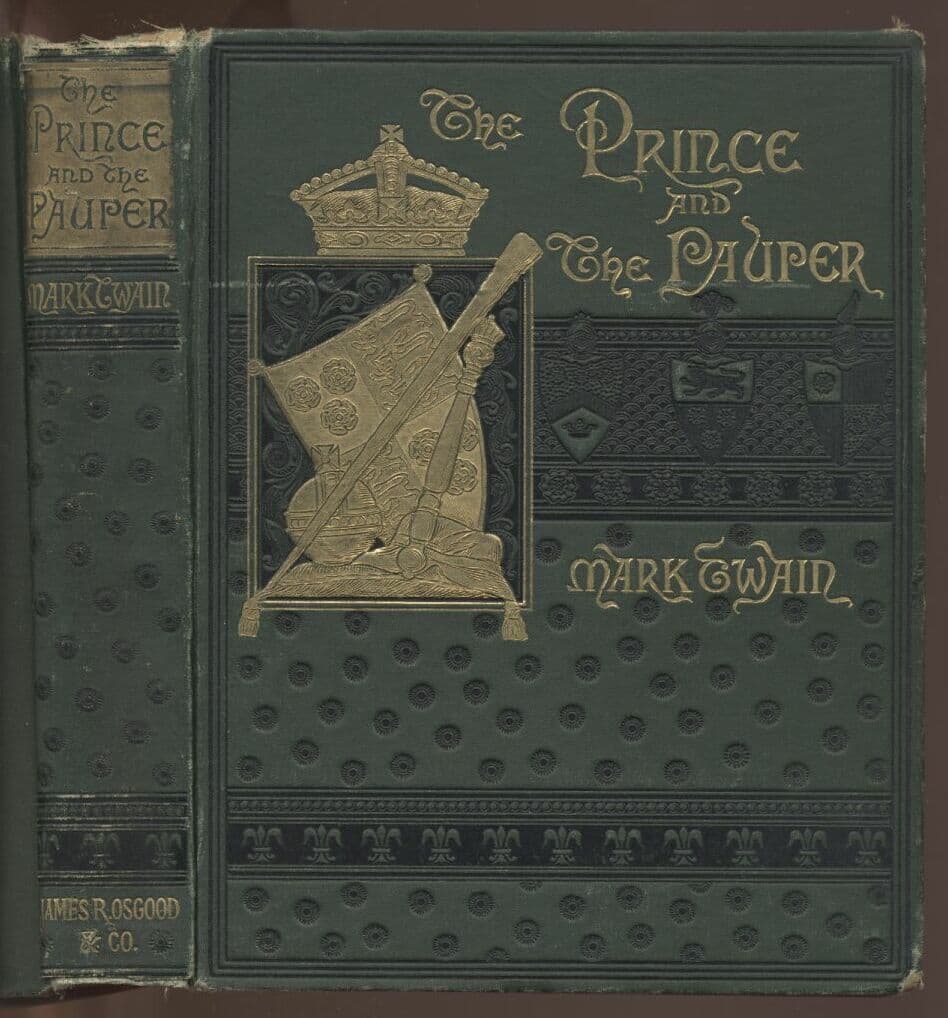
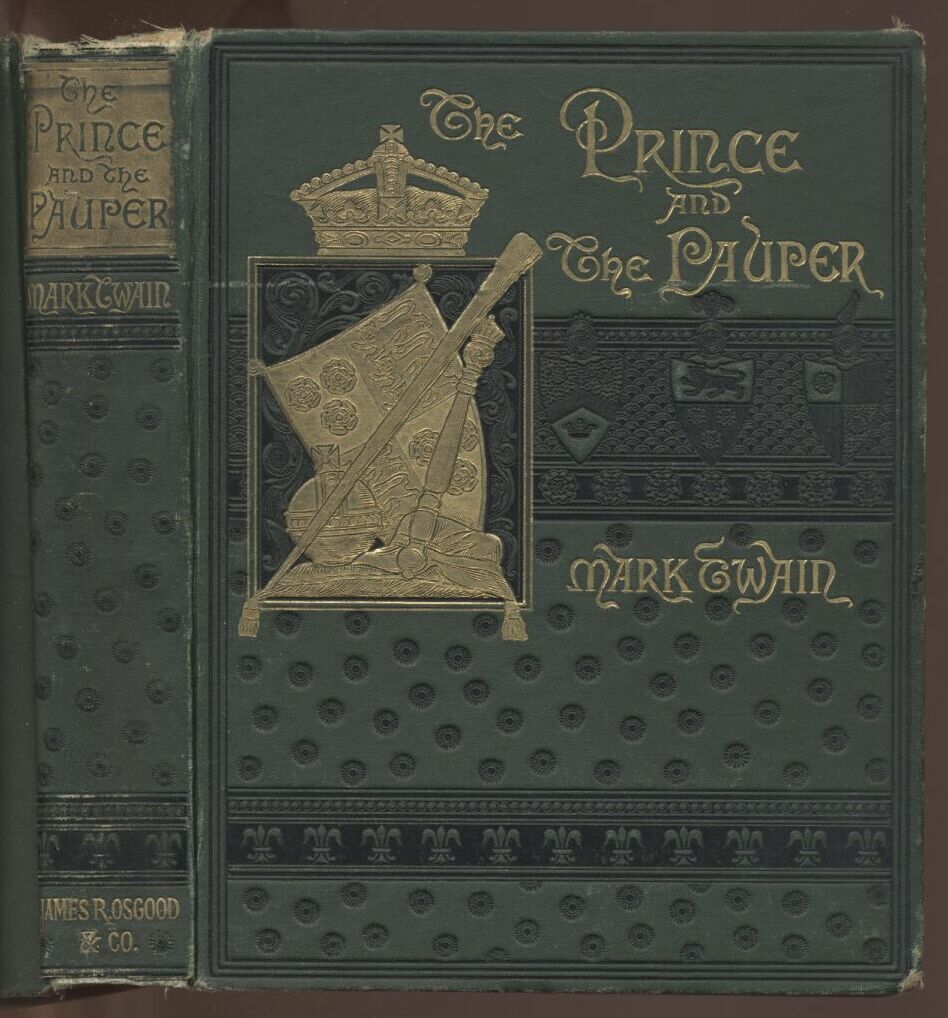
The Prince and the Pauper, Part 2.
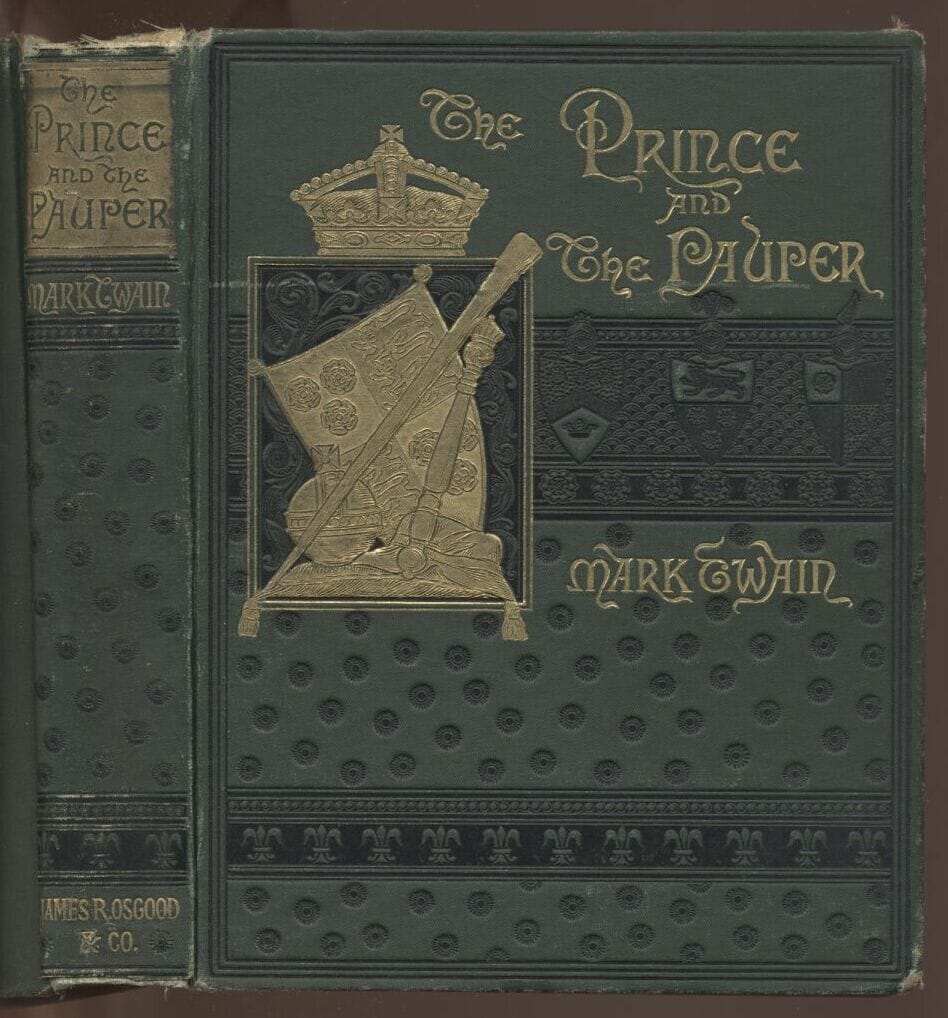
The Prince and the Pauper, Part 2 is a historical novel by Mark Twain, published in the late 19th century. It follows Tom Canty, a poor boy who swaps places with Prince Edward VI of England, exploring themes of identity, social class, and the nature of royalty. As Tom navigates the complexities of court life, he grapples with the responsibilities of his new identity while critiquing the rigid social hierarchies of his time. This portion of the story highlights the absurdities of power and privilege through Tom's comedic and poignant experiences.
Editions

X-Ray
“London, on a certain autumn day in the second quarter of the sixteenth century, a boy was born to a poor family of the name of Canty, who did not want him. On the same day another English child was born to a rich family of the name of Tudor, who did want him. All England wanted him too. England had so longed for him, and hoped for him, and prayed God for him, that, now that he was really come, the people went nearly mad for joy. Mere acquaintances hugged and kissed each other and cried. Everybody took a holiday, and high and low, rich””
— Mark Twain
“Cuando sea rey, no solo tendrán pan y albergue, sino enseñanza con libros, porque la barriga llena vale poco cuando mueren de hambre la mente y el corazón. Guardaré esto muy bien en mi memoria: que la lección de este día no se pierda y por ello sufra mi pueblo; porque el aprender suaviza el corazón y presta gentileza y caridad””
— Mark Twain
Link to this book
Add a free, dofollow link to Lex on your blog, forum, syllabus, or reading list.

<a href="https://lex-books.com/book/the-prince-and-the-pauper-part-2-765ffcc1-318a-4f42-8484-650293251fc3"><img src="https://lex-books.com/badges/read-on-lex.svg" alt="Read The Prince and the Pauper, Part 2. by Mark Twain free on Lex" width="160" height="40"></a>[](https://lex-books.com/book/the-prince-and-the-pauper-part-2-765ffcc1-318a-4f42-8484-650293251fc3)[url=https://lex-books.com/book/the-prince-and-the-pauper-part-2-765ffcc1-318a-4f42-8484-650293251fc3][img]https://lex-books.com/badges/read-on-lex.svg[/img][/url]Read The Prince and the Pauper, Part 2. by Mark Twain free on Lex: https://lex-books.com/book/the-prince-and-the-pauper-part-2-765ffcc1-318a-4f42-8484-650293251fc3Cite this book
Reading this edition for a paper or guide? Copy a citation.
Twain, Mark. The Prince and the Pauper, Part 2.. Lex, lex-books.com/book/the-prince-and-the-pauper-part-2-765ffcc1-318a-4f42-8484-650293251fc3.Twain, M. (n.d.). The Prince and the Pauper, Part 2.. Lex. https://lex-books.com/book/the-prince-and-the-pauper-part-2-765ffcc1-318a-4f42-8484-650293251fc3Twain, Mark. The Prince and the Pauper, Part 2.. Lex. https://lex-books.com/book/the-prince-and-the-pauper-part-2-765ffcc1-318a-4f42-8484-650293251fc3.