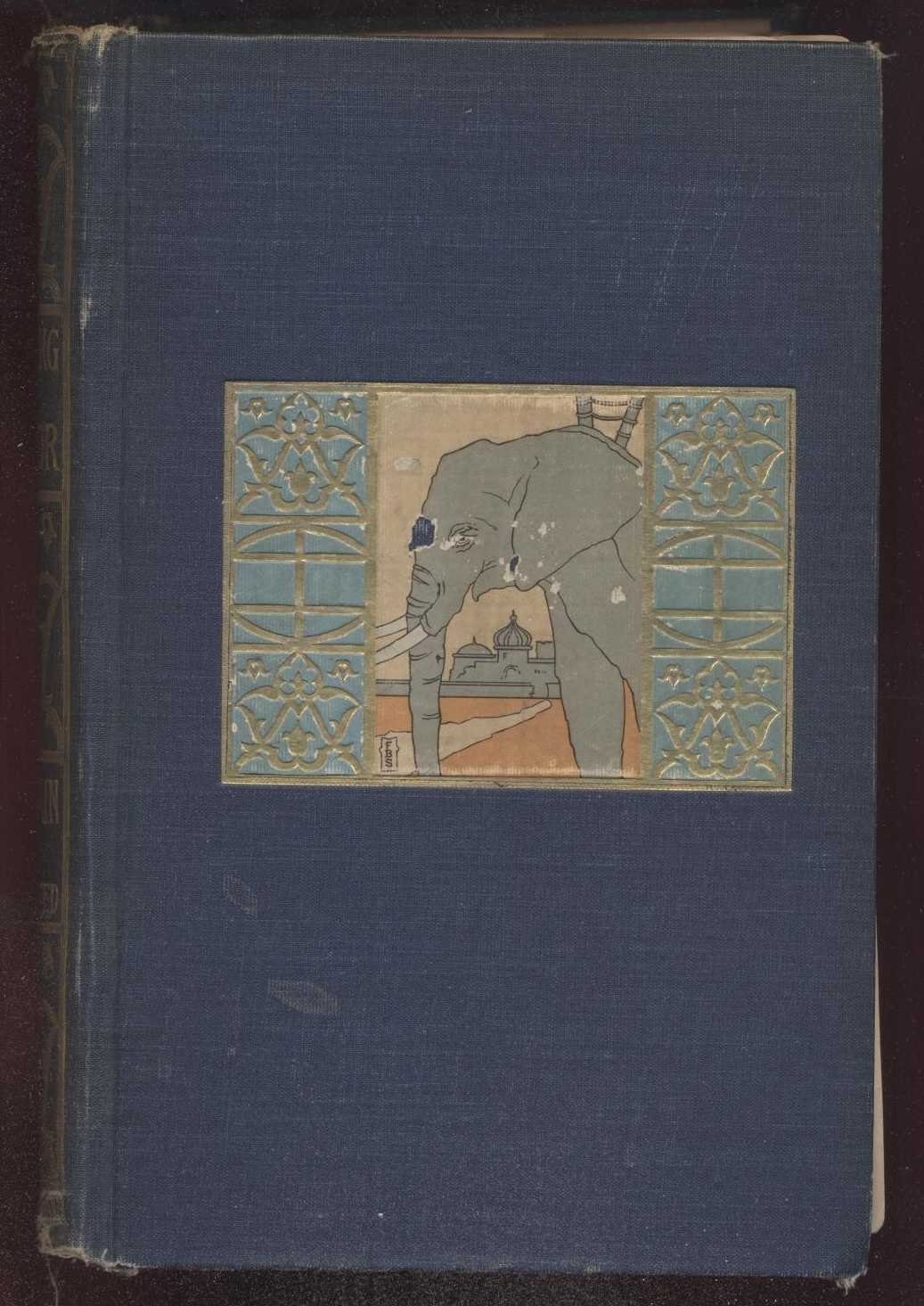
Following the Equator: A Journey Around the World. Part 7
1897
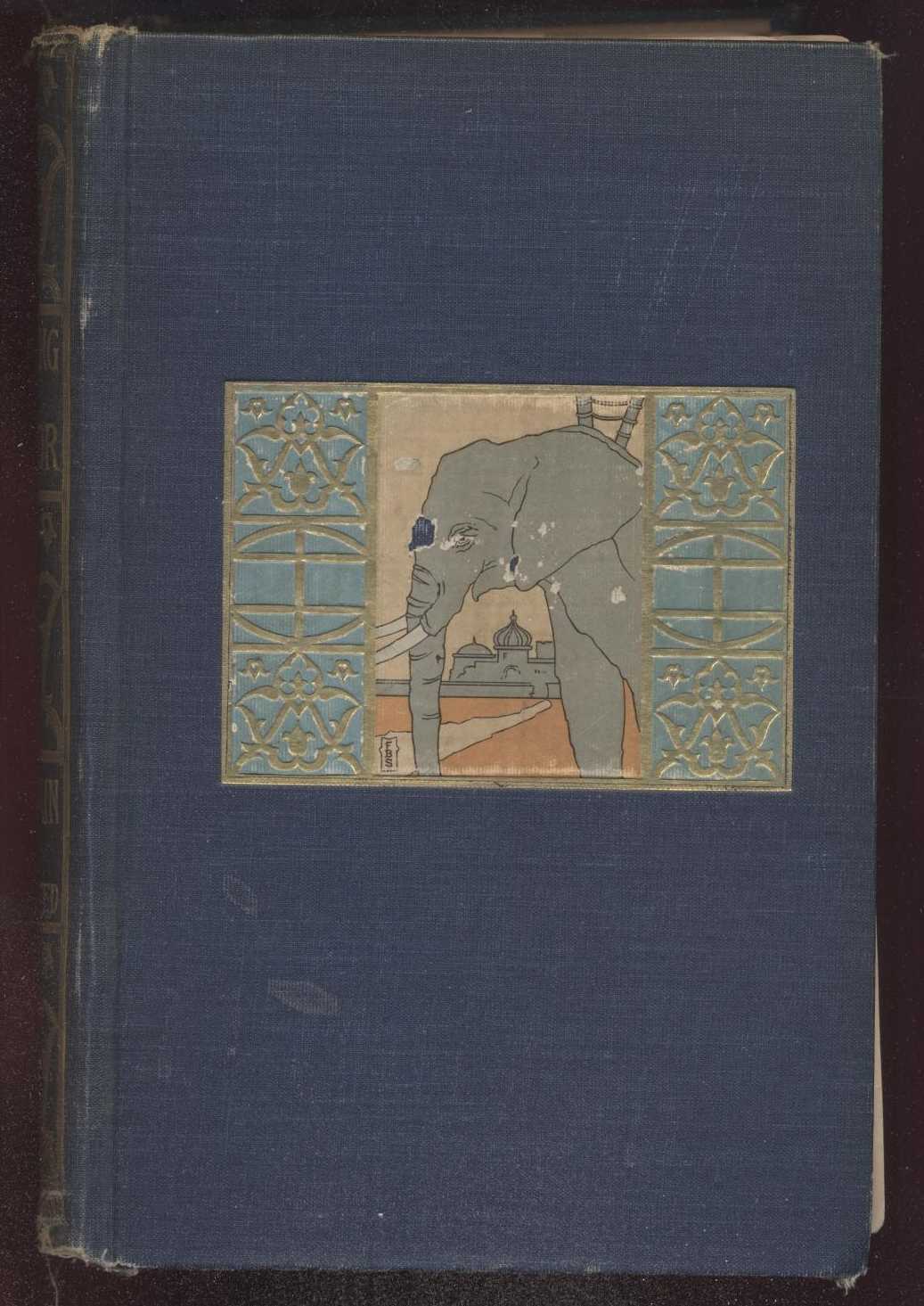
Following the Equator: A Journey Around the World. Part 7
1897
Mark Twain turns his corrosive wit onto the machinery of education in this sharpest chapter of his global travelogue. The setup is deceptively simple: a letter arrives from a young Indian man who has mastered English, cleared his examinations, and discovered that no one needs what he's learned. Twain builds from this premise into a withering examination of what schools actually teach, and why. He catalogs hilariously disastrous exam answers, dissects the rigid curricula imposed on colonies, and quietly dismantles the idea that passing tests equals preparation for life. Yet beneath the satire lies genuine fury at the gap between what education promises and what it delivers. Twain critiques American schools with the same laser he trains on British India, suggesting the disease is systemic, not local. The result is both funny and uncomfortable: a reminder that the chasm between academic credentials and meaningful work is not a modern invention.
Editions
X-Ray
“Truth is stranger than fiction, but it is because Fiction is obliged to stick to possibilities; Truth isn't.””
— Mark Twain
“There are many humorous things in the world; among them, the white man's notion that he is less savage than the other savages.””
— Mark Twain
“In the first place God made idiots. This was for practice. Then he made school boards.””
— Mark Twain
“Be good and you will be lonesome.””
— Mark Twain
“He had had much experience of physicians, and said 'the only way to keep your health is to eat what you don't want, drink what you don't like, and do what you'd druther not'.””
— Mark Twain
“The joy of killing! the joy of seeing killing done - these are traits of the human race at large.””
— Mark Twain
“Names are not always what they seem.””
— Mark Twain
“Truth is the most valuable thing we have. Let us economize it.””
— Mark Twain
“I find that, as a rule, when a thing is a wonder to us it is not because of what we see in it, but because of what others have seen in it. We get almost all our wonders at second hand.””
— Mark Twain
Link to this book
Add a free, dofollow link to Lex on your blog, forum, syllabus, or reading list.

<a href="https://lex-books.com/book/following-the-equator-a-journey-around-the-world-part-7-4409a190-21dd-4663-b093-e8b521f9db63"><img src="https://lex-books.com/badges/read-on-lex.svg" alt="Read Following the Equator: A Journey Around the World. Part 7 by Mark Twain free on Lex" width="160" height="40"></a>[](https://lex-books.com/book/following-the-equator-a-journey-around-the-world-part-7-4409a190-21dd-4663-b093-e8b521f9db63)[url=https://lex-books.com/book/following-the-equator-a-journey-around-the-world-part-7-4409a190-21dd-4663-b093-e8b521f9db63][img]https://lex-books.com/badges/read-on-lex.svg[/img][/url]Read Following the Equator: A Journey Around the World. Part 7 by Mark Twain free on Lex: https://lex-books.com/book/following-the-equator-a-journey-around-the-world-part-7-4409a190-21dd-4663-b093-e8b521f9db63Cite this book
Reading this edition for a paper or guide? Copy a citation.
Twain, Mark. Following the Equator: A Journey Around the World. Part 7. Lex, lex-books.com/book/following-the-equator-a-journey-around-the-world-part-7-4409a190-21dd-4663-b093-e8b521f9db63.Twain, M. (1897). Following the Equator: A Journey Around the World. Part 7. Lex. https://lex-books.com/book/following-the-equator-a-journey-around-the-world-part-7-4409a190-21dd-4663-b093-e8b521f9db63Twain, Mark. Following the Equator: A Journey Around the World. Part 7. Lex. https://lex-books.com/book/following-the-equator-a-journey-around-the-world-part-7-4409a190-21dd-4663-b093-e8b521f9db63.