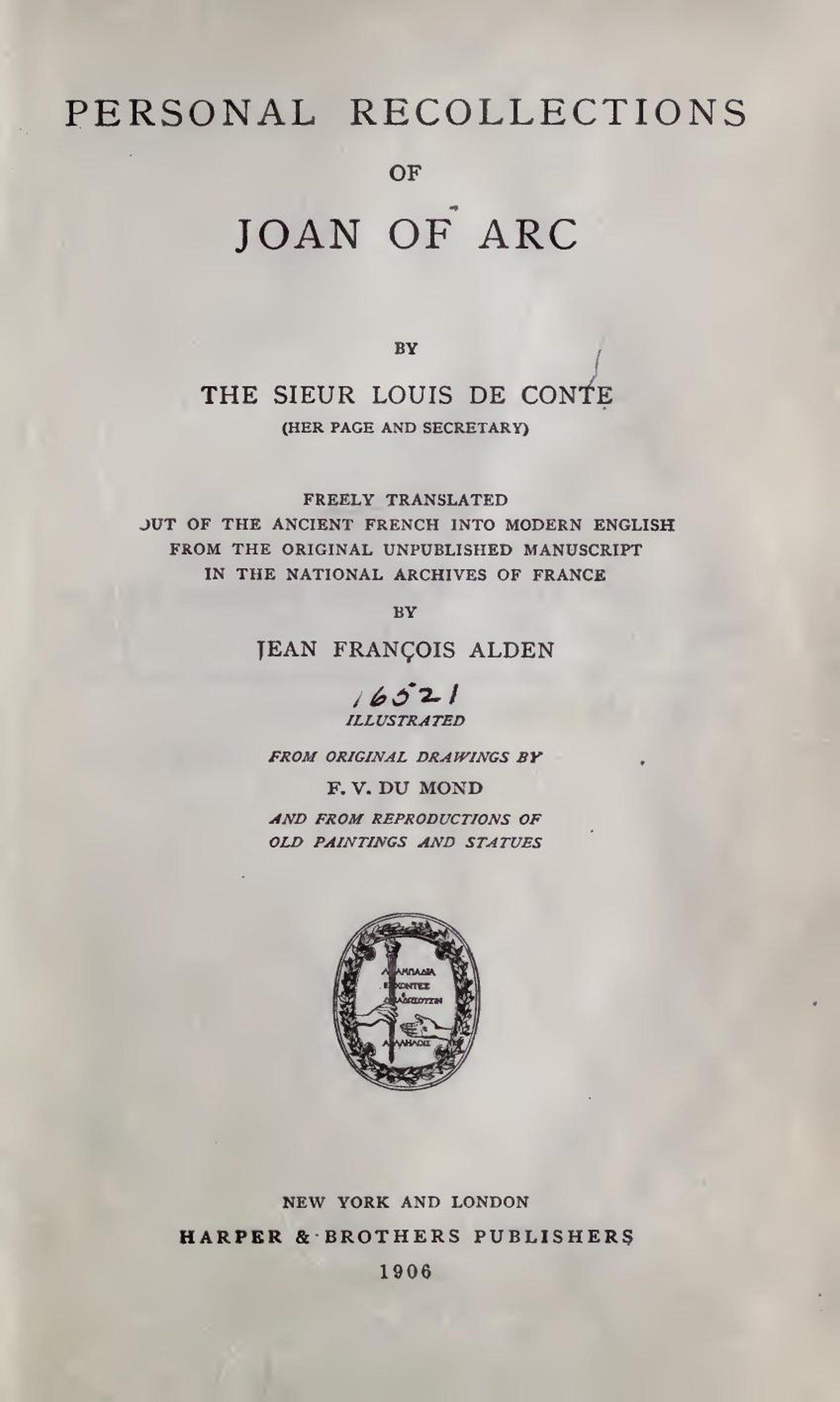
Personal Recollections of Joan of Arc — Volume 1
1896
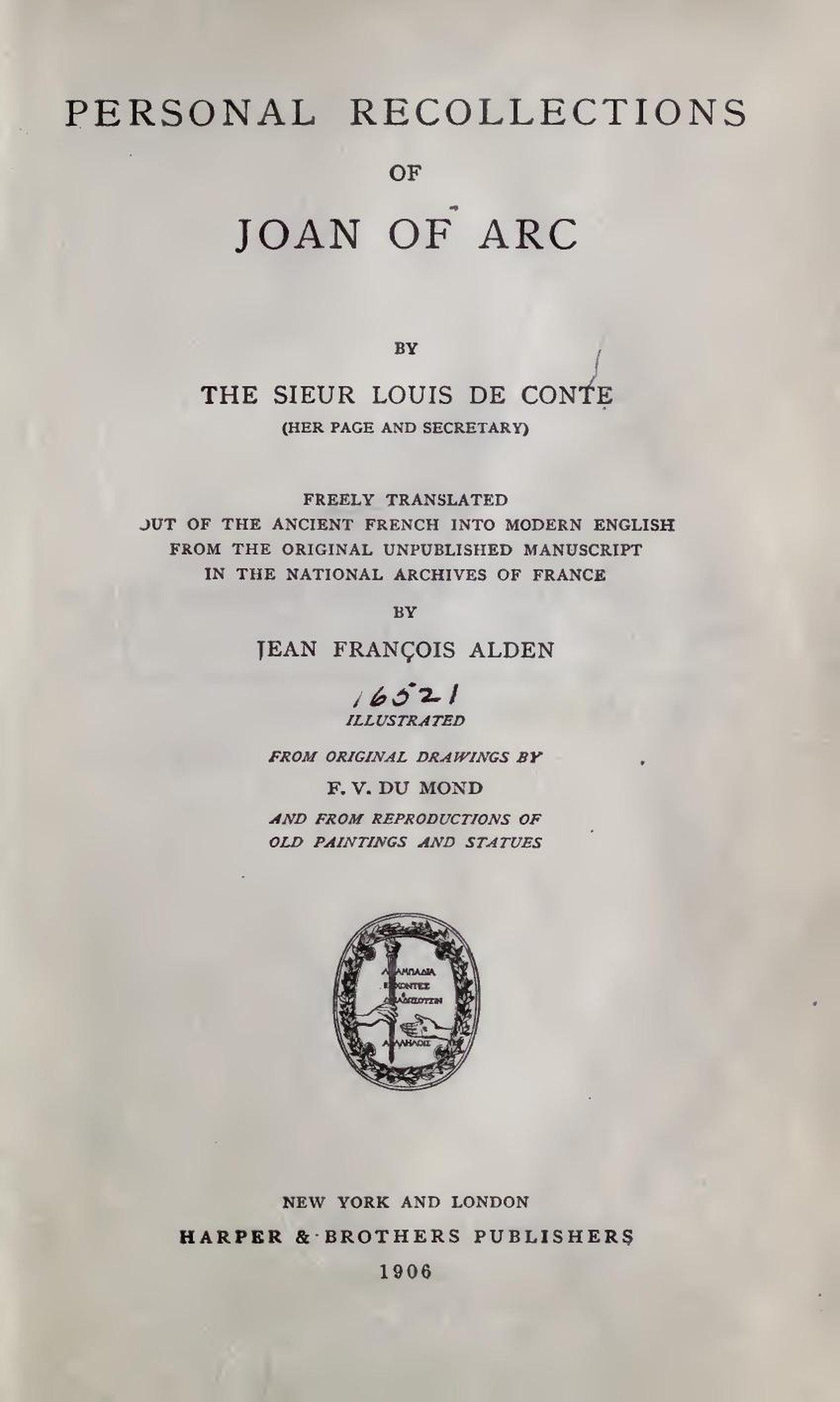
Mark Twain called this his finest work, the book he spent twelve years researching and two years writing, the one that gave him more pleasure than anything else he ever created. That alone should give you pause. What made the creator of Huck Finn and Tom Sawyer fall so utterly devoted to a fifteenth-century French peasant girl? The novel presents itself as the memoirs of Louis de Conte, Joan's page and secretary, and it uses this intimate perspective to transform history into something visceral and immediate. We meet Joan in her village of Domremy as a child, brave, compassionate, already strange in her absolute certainty, watching the English forces ravage her world. We see the visions that drove her, the voices that insisted she was meant to save France. Twain writes about her with something approaching reverence, depicting a young woman who would rally armies, who would march into battle at seventeen, who would change the course of the Hundred Years' War. This first volume covers her formative years and the weight of destiny settling upon her shoulders as France faces its darkest hour. It is for readers who want historical fiction that takes its subject seriously, who want to understand how faith and conviction can move the world.
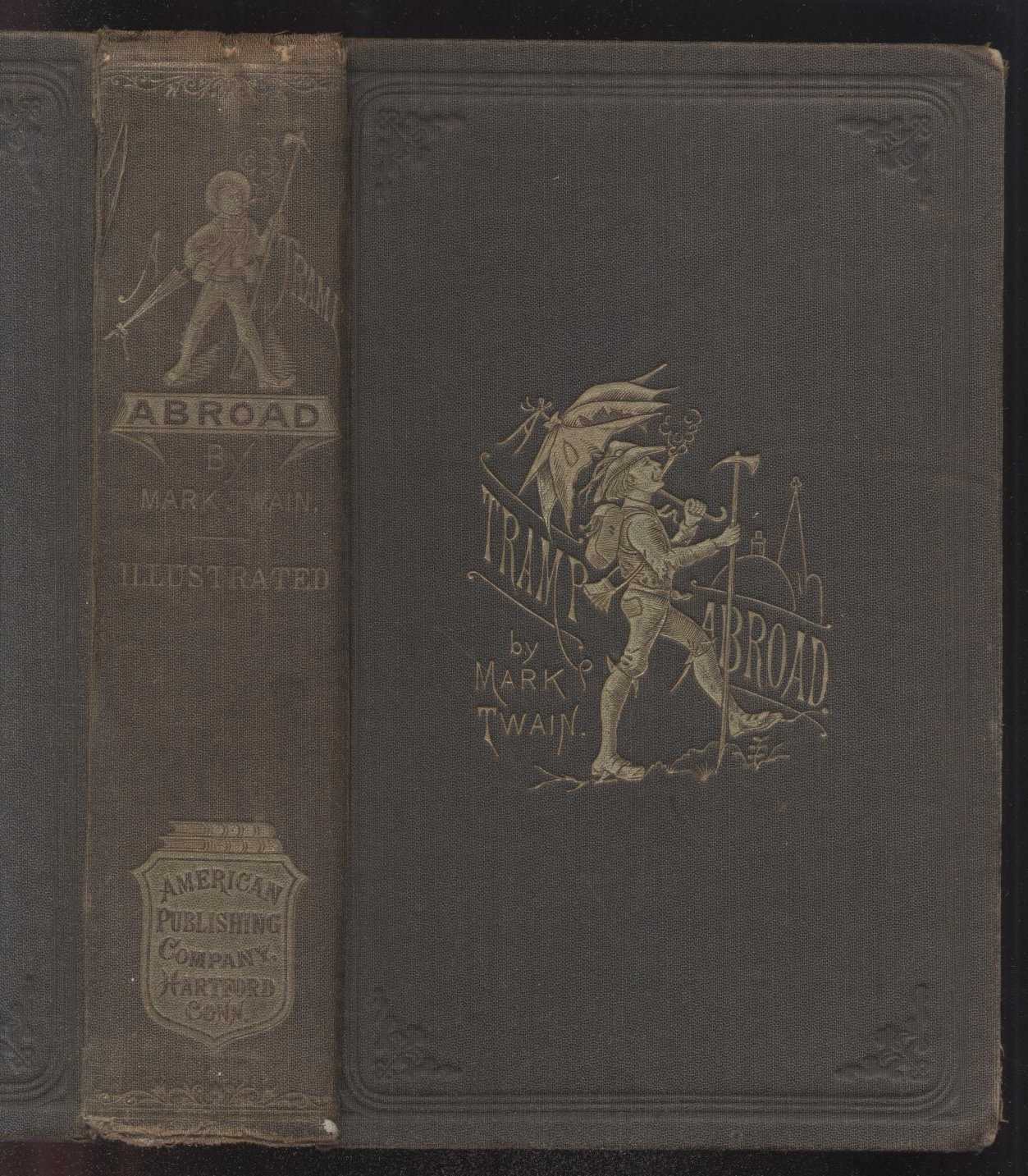
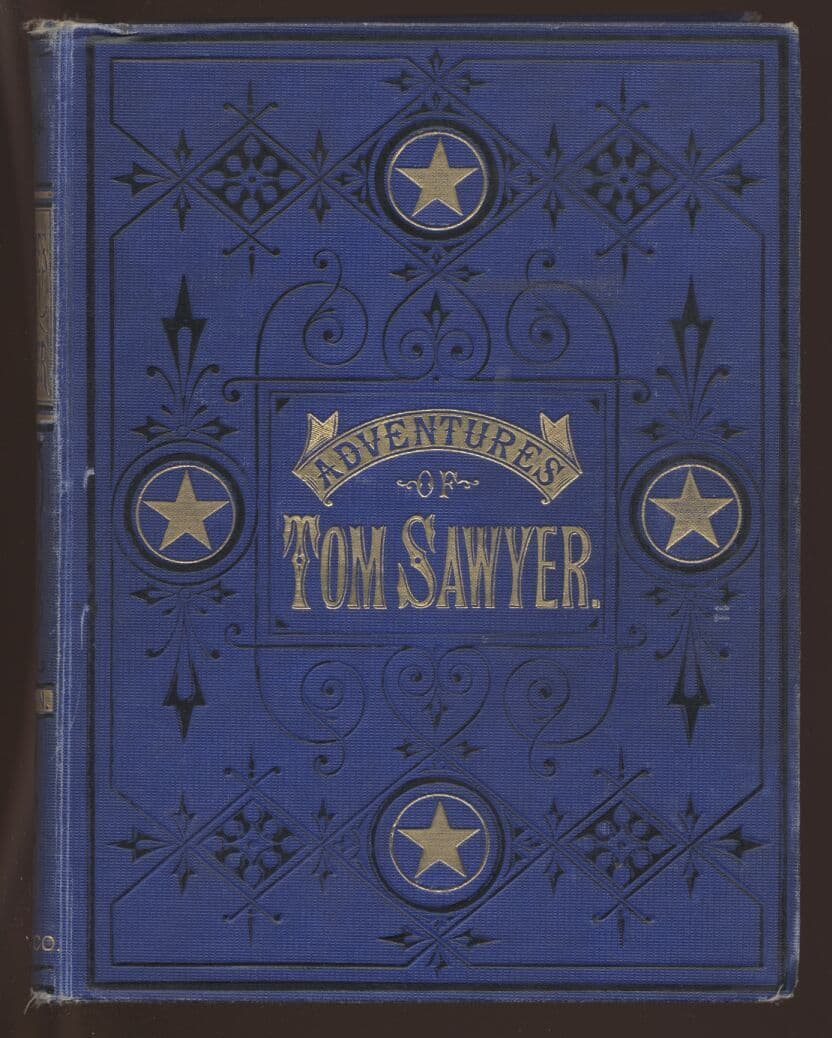
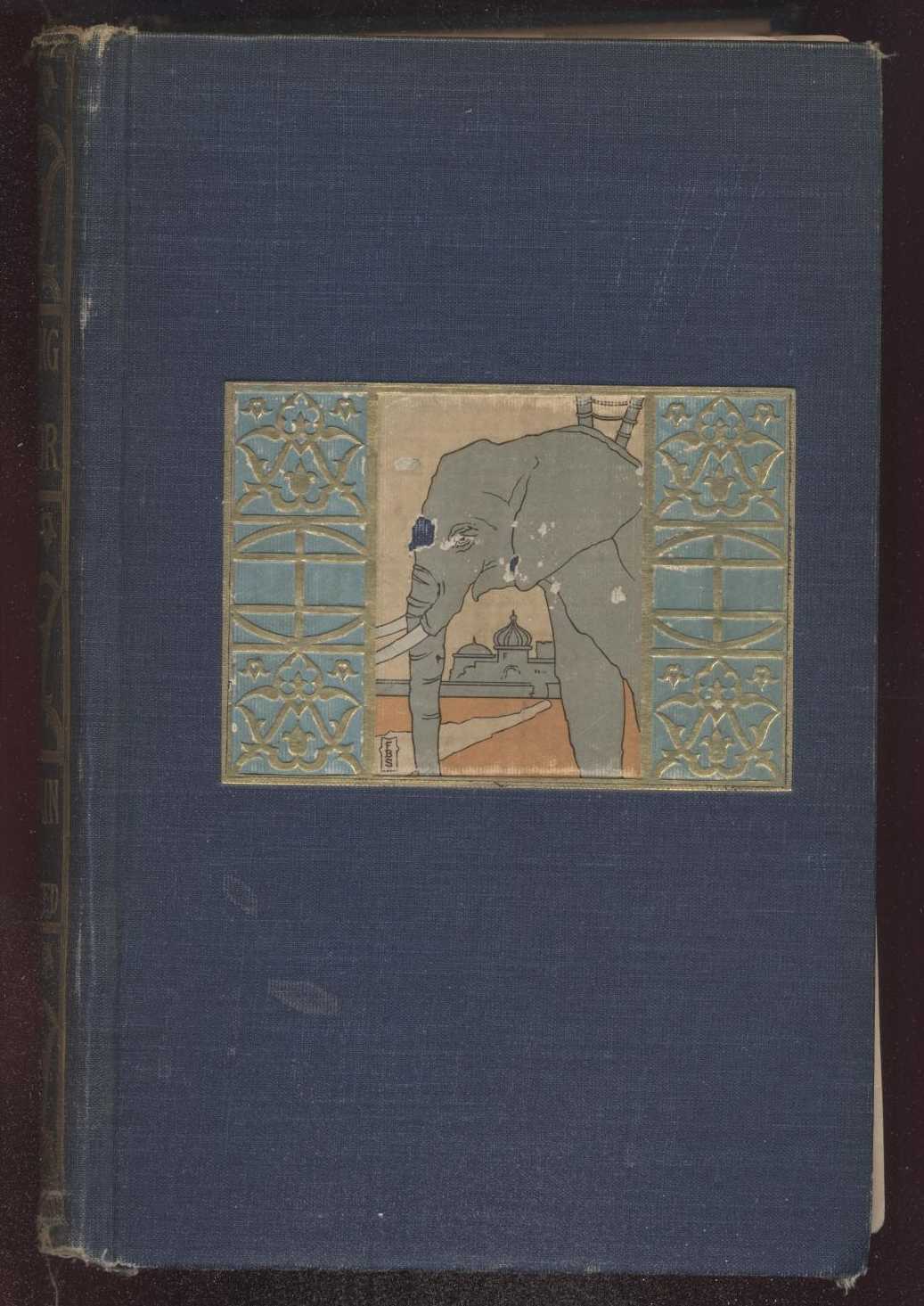
Editions
X-Ray
“The common eye sees only the outside of things, and judges by that, but the seeing eye pierces through and reads the heart and the soul, finding there capacities which the outside didn't indicate or promise, and which the other kind of eye couldn't detect.””
— Mark Twain
“To believe yourself brave is to be brave; it is the one only essential thing.””
— Mark Twain
“Ah, that shows you the power of music, that magician of magician, who lifts his wand and says his mysterious word and all things real pass away and the phantoms of your mind walk before you clothed in flesh.””
— Mark Twain
“I like Joan of Arc best of all my books; and it is the best; I know it perfectly well.””
— Mark Twain
“The boys were amazed that I could make such a poem as that out of my own head, and so was I, of course, it being as much a surprise to me as it could be to anybody, for I did not know that it was in me. If any had asked me a single day before if it was in me, I should have told them frankly no, it was not.That is the way with us; we may go on half of our life not knowing such a thing is in us, when in reality it was there all the time, and all we needed was something to turn up that would call for it.””
— Mark Twain
“When we reflect that her century was the brutalest, the wickedest, the rottenest in history since the darkest ages, we are lost in wonder at the miracle of such a product from such a soil. The contrast between her and her century is the contrast between day and night. She was truthful when lying was the common speech of men; she was honest when honesty was become a lost virtue; she was a keeper of promises when the keeping of a promise was expected of no one; she gave her great mind to great thoughts and great purposes when other great minds wasted themselves upon pretty fancies or upon poor ambitions; she was modest, and fine, and delicate when to be loud and coarse might be said to be universal; she was full of pity when a merciless cruelty was the rule; she was steadfast when stability was unknown, and honorable in an age which had forgotten what honor was; she was a rock of convictions in a time when men believed in nothing and scoffed at all things; she was unfailingly true to an age that was false to the core; she maintained her personal dignity unimpaired in an age of fawnings and servilities; she was of a dauntless courage when hope and courage had perished in the hearts of her nation; she was spotlessly pure in mind and body when society in the highest places was foul in both”
— Mark Twain
“Consider this unique and imposing distinction. Since the writing of human history began, Joan of Arc is the only person, of either sex, who has ever held supreme command of the military forces of a nation at the age of seventeen.””
— Mark Twain
“We are so strangely made; the memories that could make us happy pass away; it is the memories that break our hearts that abide.””
— Mark Twain
“It had borne the burden, it had earned the honor””
— Mark Twain
Link to this book
Add a free, dofollow link to Lex on your blog, forum, syllabus, or reading list.

<a href="https://lex-books.com/book/personal-recollections-of-joan-of-arc-volume-1-03b01f8a-4e2d-4ff4-92ca-ebea7ed52746"><img src="https://lex-books.com/badges/read-on-lex.svg" alt="Read Personal Recollections of Joan of Arc — Volume 1 by Mark Twain free on Lex" width="160" height="40"></a>[](https://lex-books.com/book/personal-recollections-of-joan-of-arc-volume-1-03b01f8a-4e2d-4ff4-92ca-ebea7ed52746)[url=https://lex-books.com/book/personal-recollections-of-joan-of-arc-volume-1-03b01f8a-4e2d-4ff4-92ca-ebea7ed52746][img]https://lex-books.com/badges/read-on-lex.svg[/img][/url]Read Personal Recollections of Joan of Arc — Volume 1 by Mark Twain free on Lex: https://lex-books.com/book/personal-recollections-of-joan-of-arc-volume-1-03b01f8a-4e2d-4ff4-92ca-ebea7ed52746Cite this book
Reading this edition for a paper or guide? Copy a citation.
Twain, Mark. Personal Recollections of Joan of Arc — Volume 1. Lex, lex-books.com/book/personal-recollections-of-joan-of-arc-volume-1-03b01f8a-4e2d-4ff4-92ca-ebea7ed52746.Twain, M. (1896). Personal Recollections of Joan of Arc — Volume 1. Lex. https://lex-books.com/book/personal-recollections-of-joan-of-arc-volume-1-03b01f8a-4e2d-4ff4-92ca-ebea7ed52746Twain, Mark. Personal Recollections of Joan of Arc — Volume 1. Lex. https://lex-books.com/book/personal-recollections-of-joan-of-arc-volume-1-03b01f8a-4e2d-4ff4-92ca-ebea7ed52746.