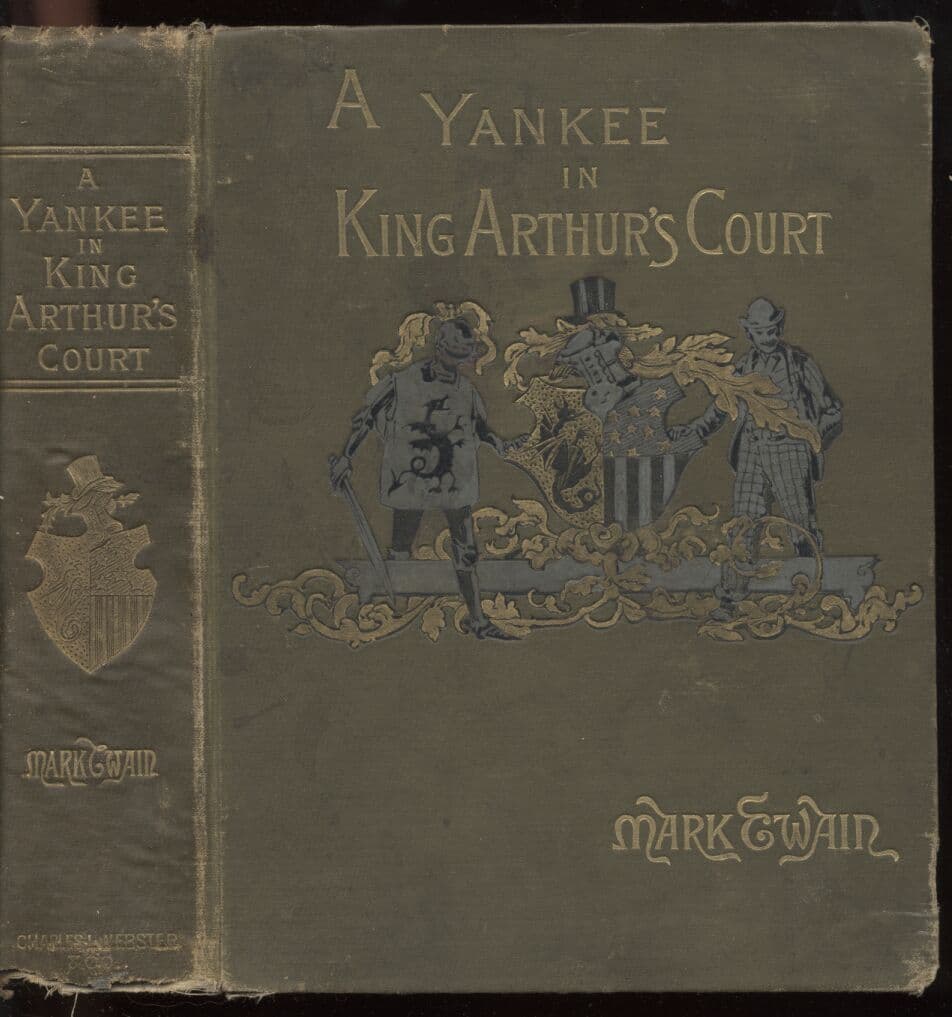
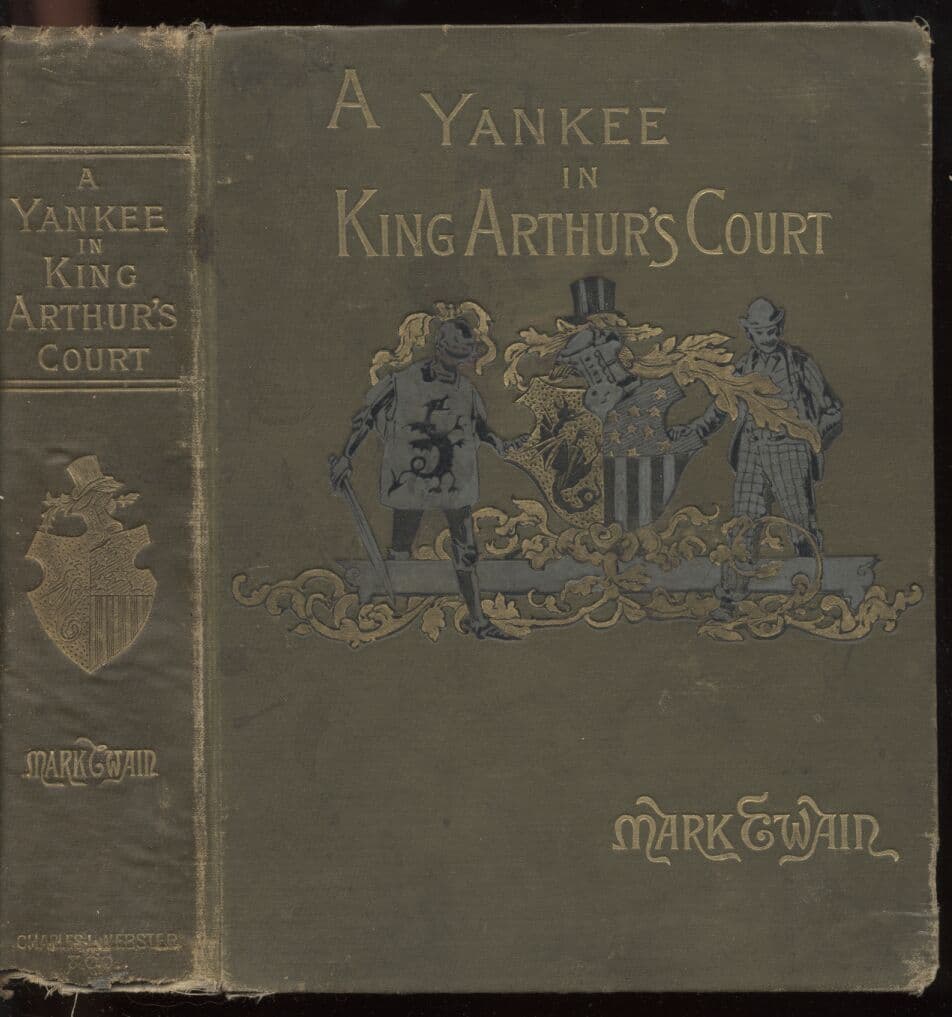
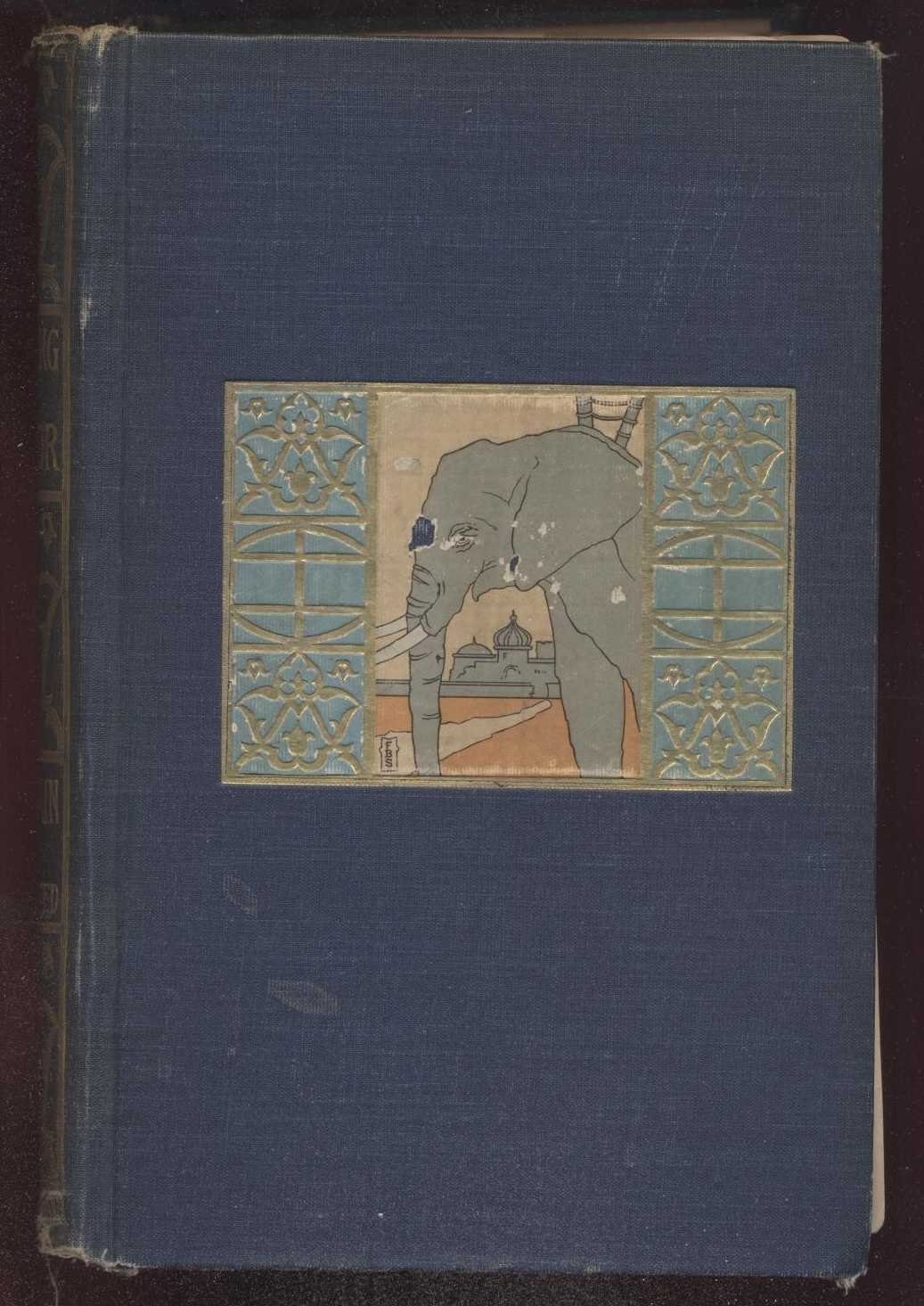
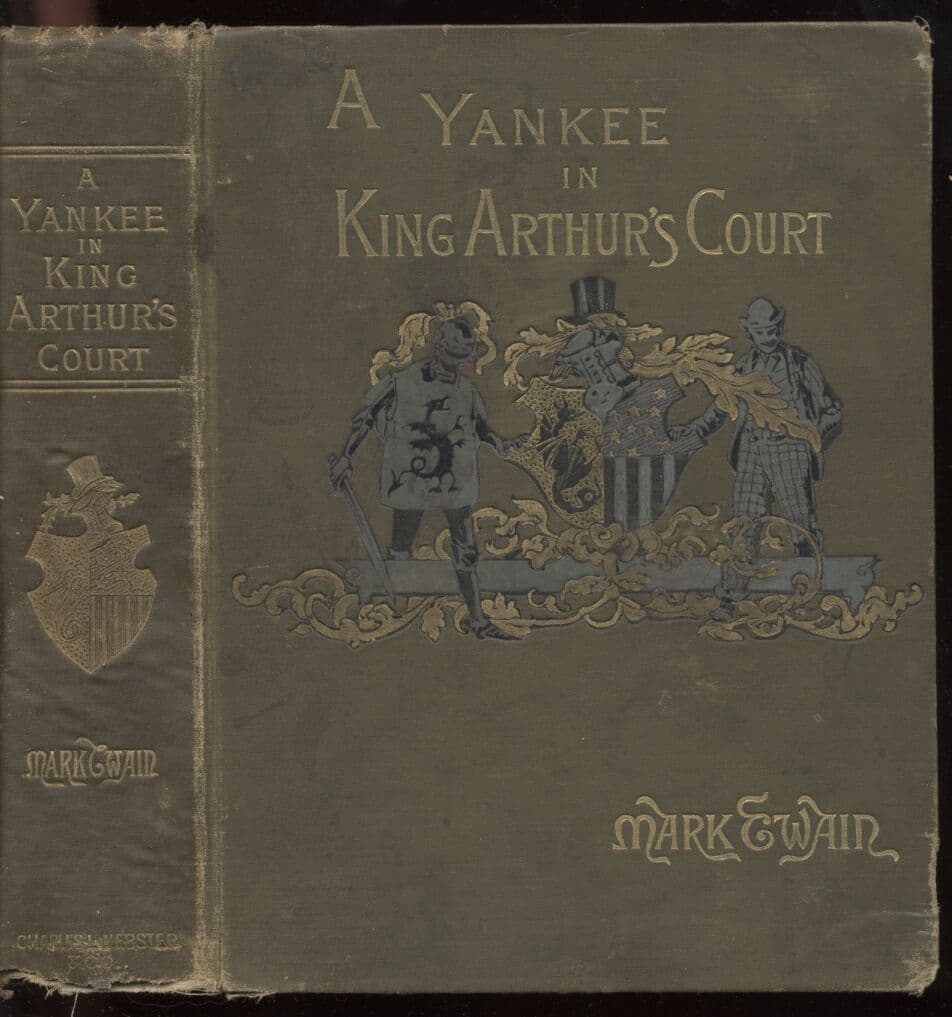
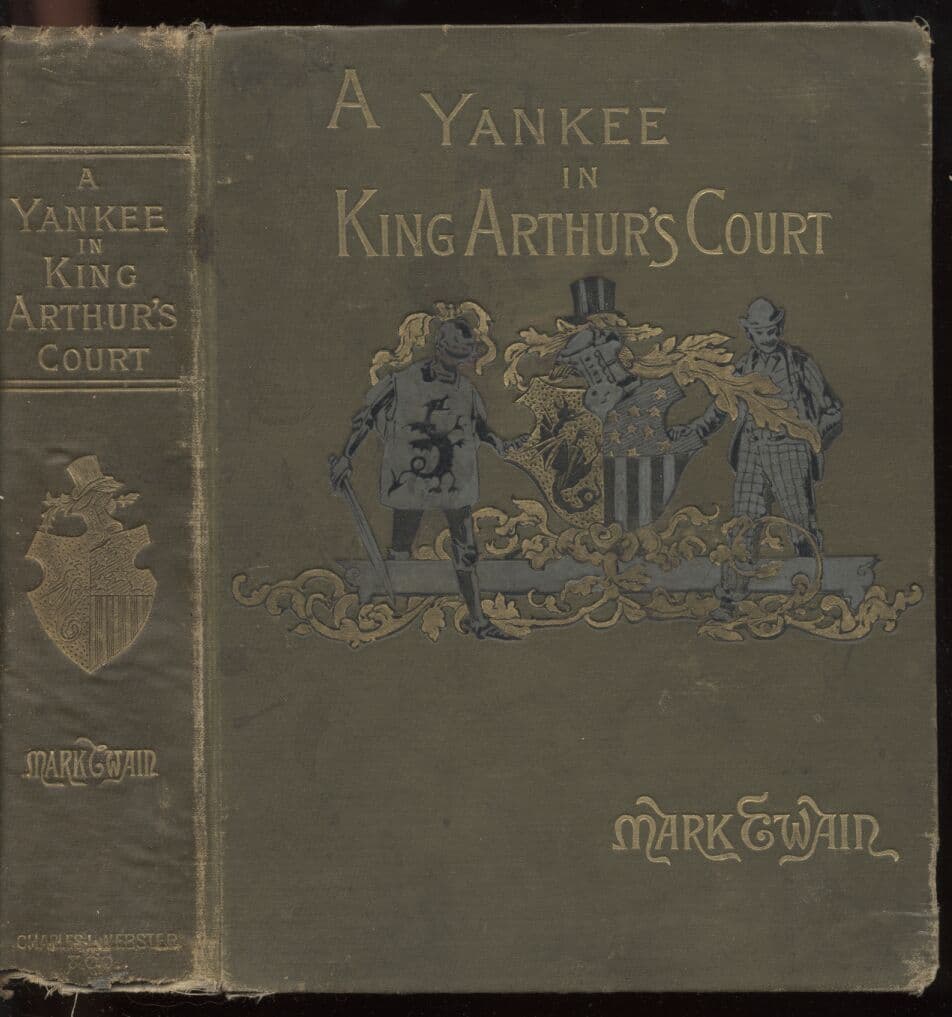
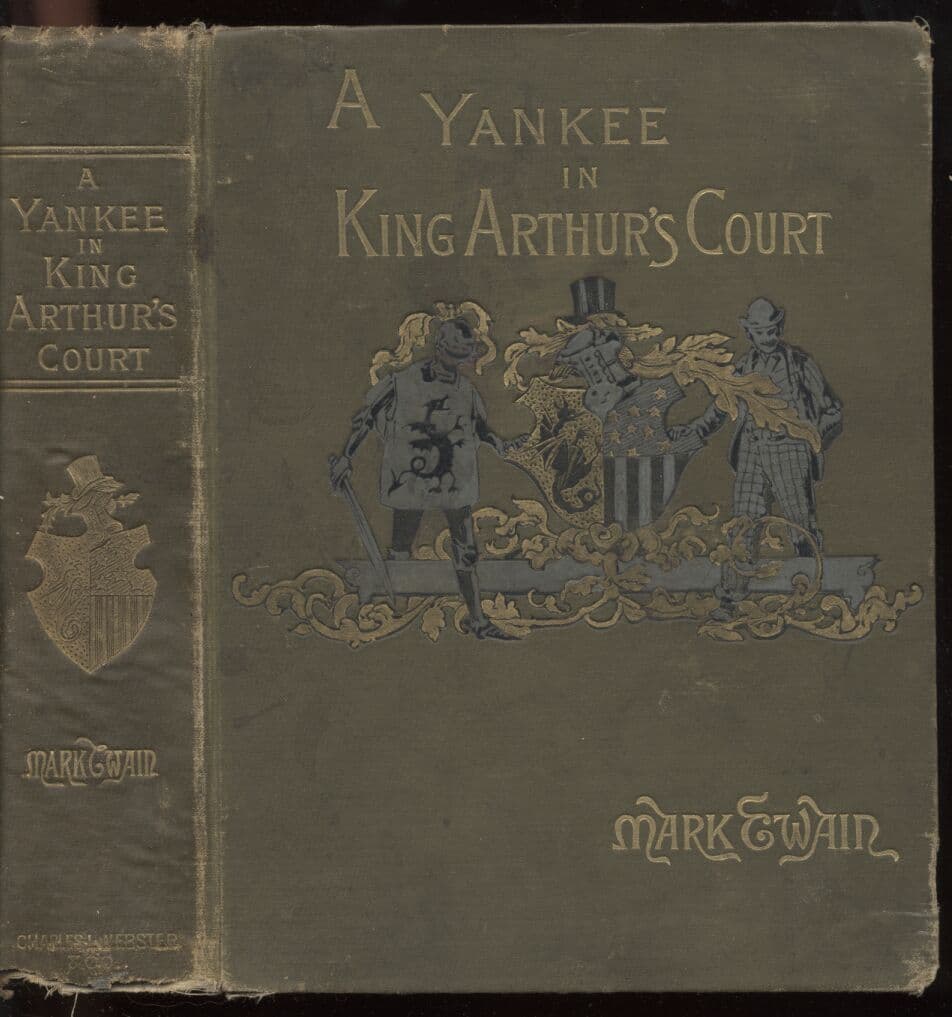
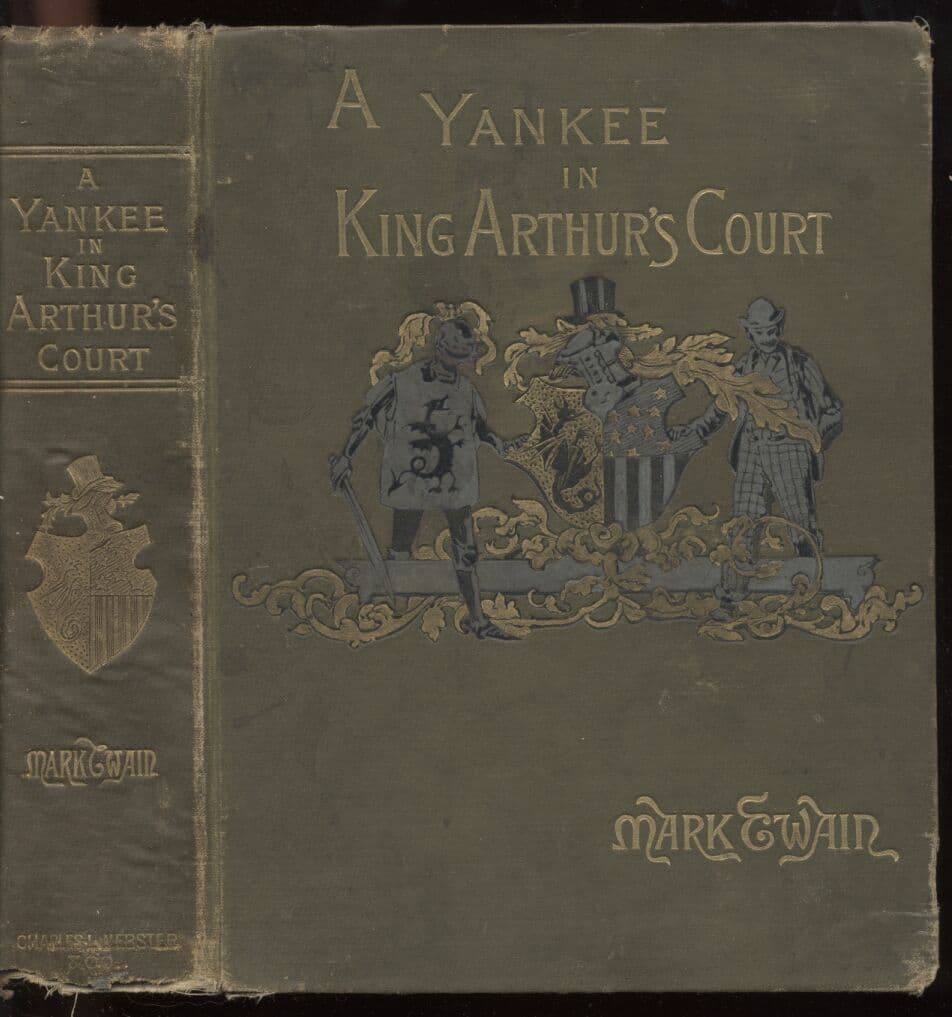
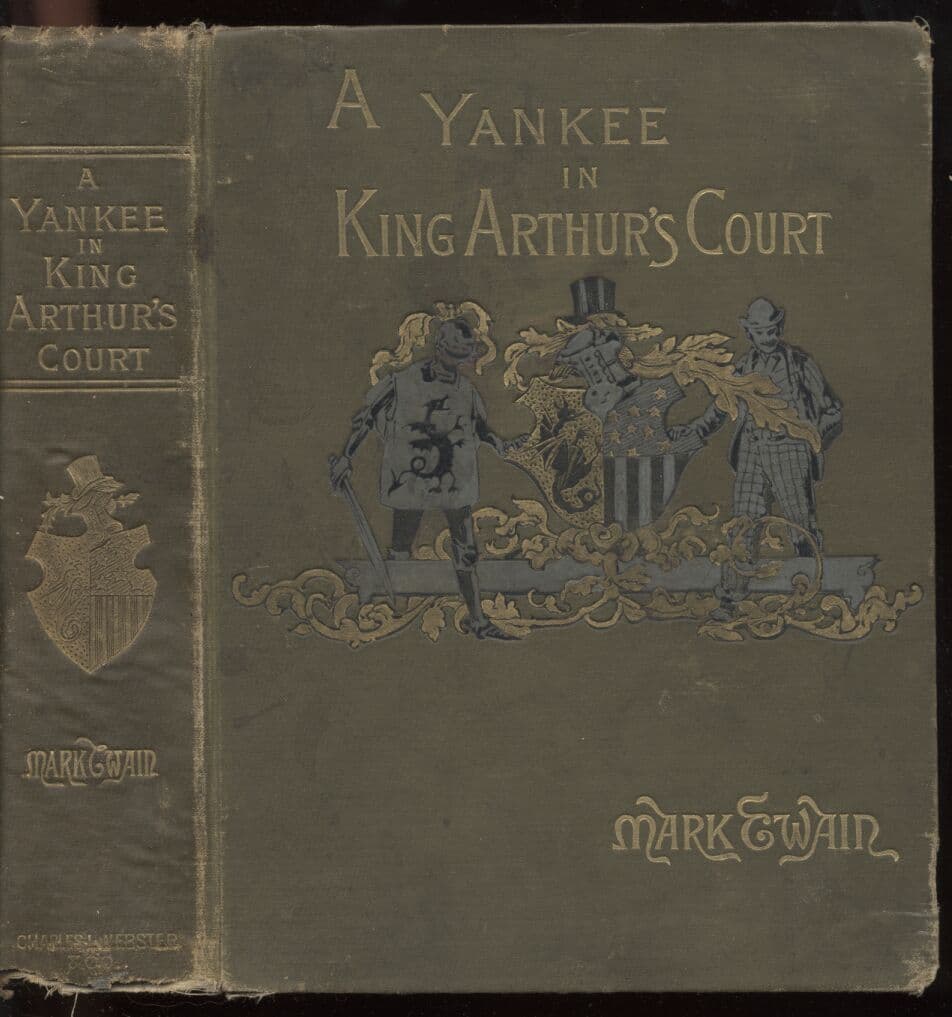
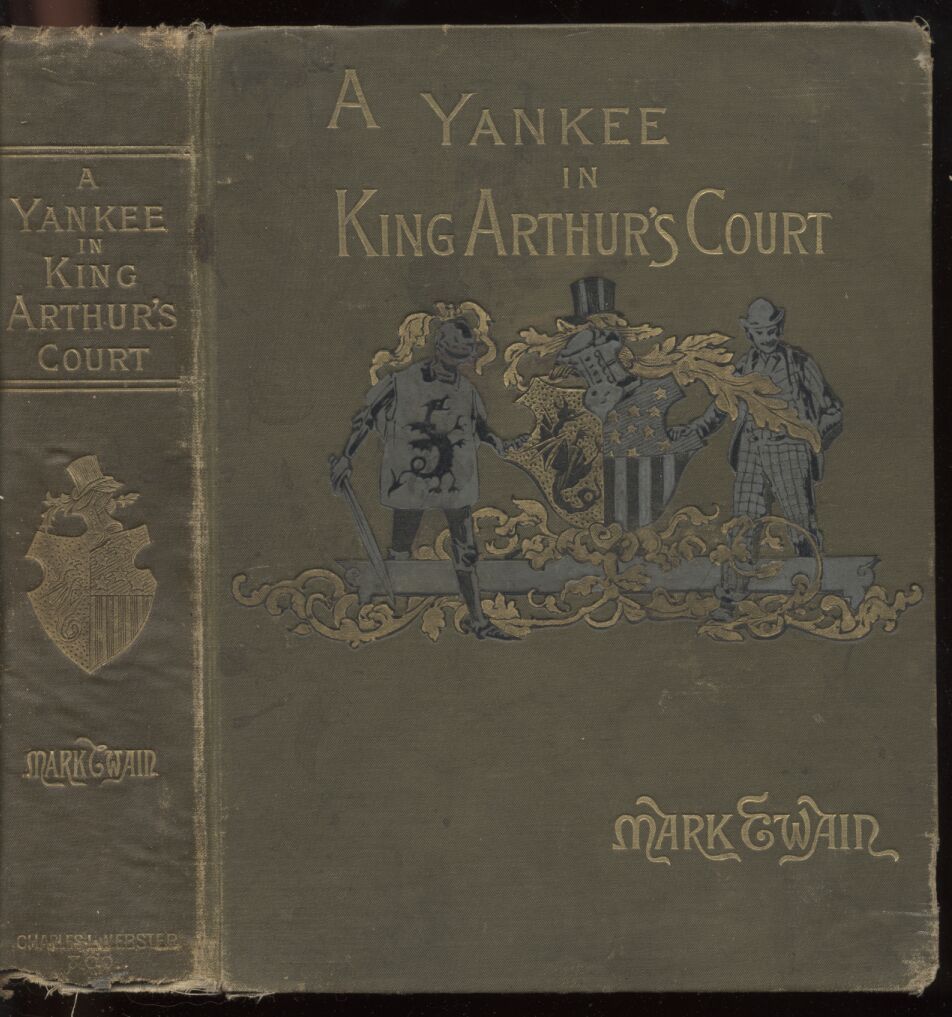
A Connecticut Yankee in King Arthur's Court, Part 2.
1947
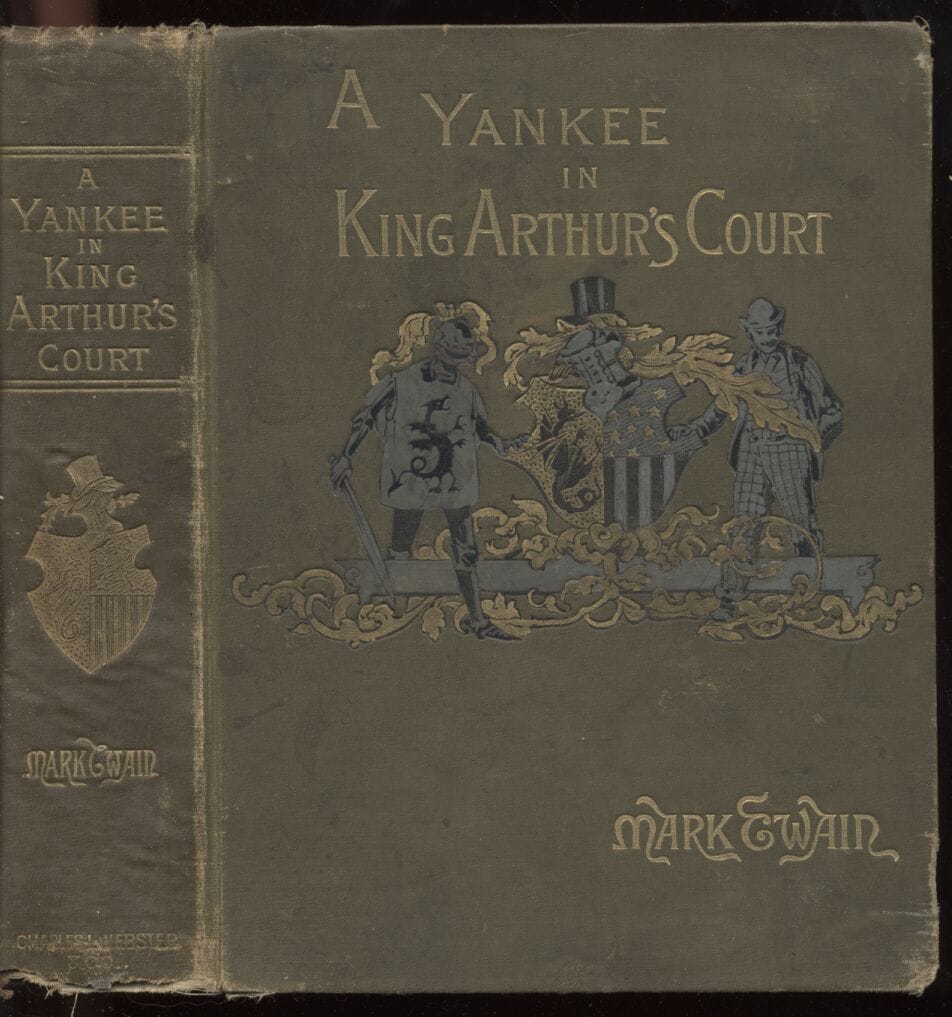
A Connecticut Yankee in King Arthur's Court, Part 2.
1947
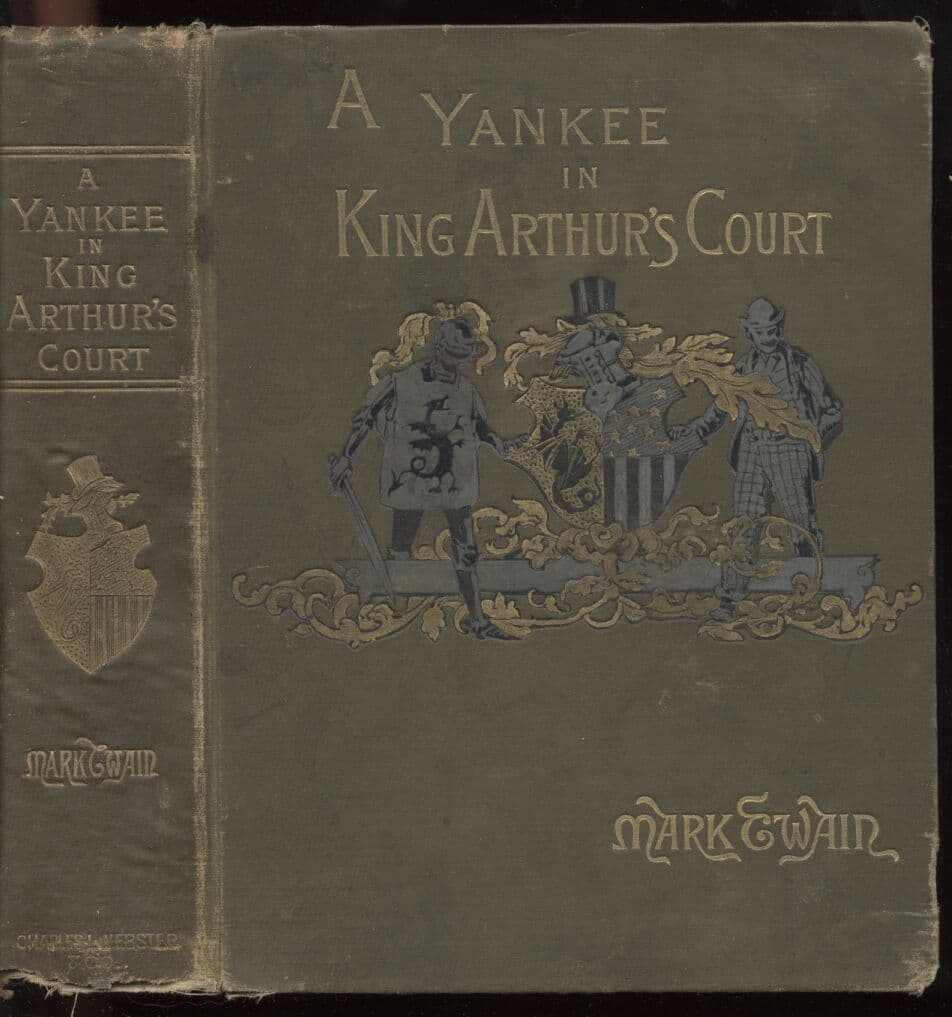
Part 2 finds Hank Morgan fully installed as Camelot's resident wizard, his reputation secured by the ultimate trick: predicting and delivering an eclipse. The Yankee who arrived as a prisoner now commands the king's ear and holds Merlin in his dungeon. What follows is an audacious experiment in backwards engineering civilization. Hank builds a patent office, opens schools, introduces modern industry, and attempts to transform feudal England into something resembling his beloved Connecticut. He sees himself as a liberator, dragging a superstitious people toward progress. But Twain is too sharp to let this become simple triumphalism. The real obstacle isn't medieval technology; it's the Church, the entrenched hierarchy, a population trained to worship their own oppression. The comedy is sharp, but beneath it lies something darker. Hank's Connecticut practicality begins to look less like salvation and more like another form of certainty. This is the heart of Twain's satire: the belief that progress is inevitable, that modernity equals improvement, that the engineer knows what's best for everyone.
Editions
Link to this book
Add a free, dofollow link to Lex on your blog, forum, syllabus, or reading list.

<a href="https://lex-books.com/book/a-connecticut-yankee-in-king-arthur-s-court-part-2-7ea81cfb-4963-42ee-a87f-3ed6336908f3"><img src="https://lex-books.com/badges/read-on-lex.svg" alt="Read A Connecticut Yankee in King Arthur's Court, Part 2. by Mark Twain free on Lex" width="160" height="40"></a>[](https://lex-books.com/book/a-connecticut-yankee-in-king-arthur-s-court-part-2-7ea81cfb-4963-42ee-a87f-3ed6336908f3)[url=https://lex-books.com/book/a-connecticut-yankee-in-king-arthur-s-court-part-2-7ea81cfb-4963-42ee-a87f-3ed6336908f3][img]https://lex-books.com/badges/read-on-lex.svg[/img][/url]Read A Connecticut Yankee in King Arthur's Court, Part 2. by Mark Twain free on Lex: https://lex-books.com/book/a-connecticut-yankee-in-king-arthur-s-court-part-2-7ea81cfb-4963-42ee-a87f-3ed6336908f3Cite this book
Reading this edition for a paper or guide? Copy a citation.
Twain, Mark. A Connecticut Yankee in King Arthur's Court, Part 2.. Lex, lex-books.com/book/a-connecticut-yankee-in-king-arthur-s-court-part-2-7ea81cfb-4963-42ee-a87f-3ed6336908f3.Twain, M. (1947). A Connecticut Yankee in King Arthur's Court, Part 2.. Lex. https://lex-books.com/book/a-connecticut-yankee-in-king-arthur-s-court-part-2-7ea81cfb-4963-42ee-a87f-3ed6336908f3Twain, Mark. A Connecticut Yankee in King Arthur's Court, Part 2.. Lex. https://lex-books.com/book/a-connecticut-yankee-in-king-arthur-s-court-part-2-7ea81cfb-4963-42ee-a87f-3ed6336908f3.