The Stolen White Elephant
1882
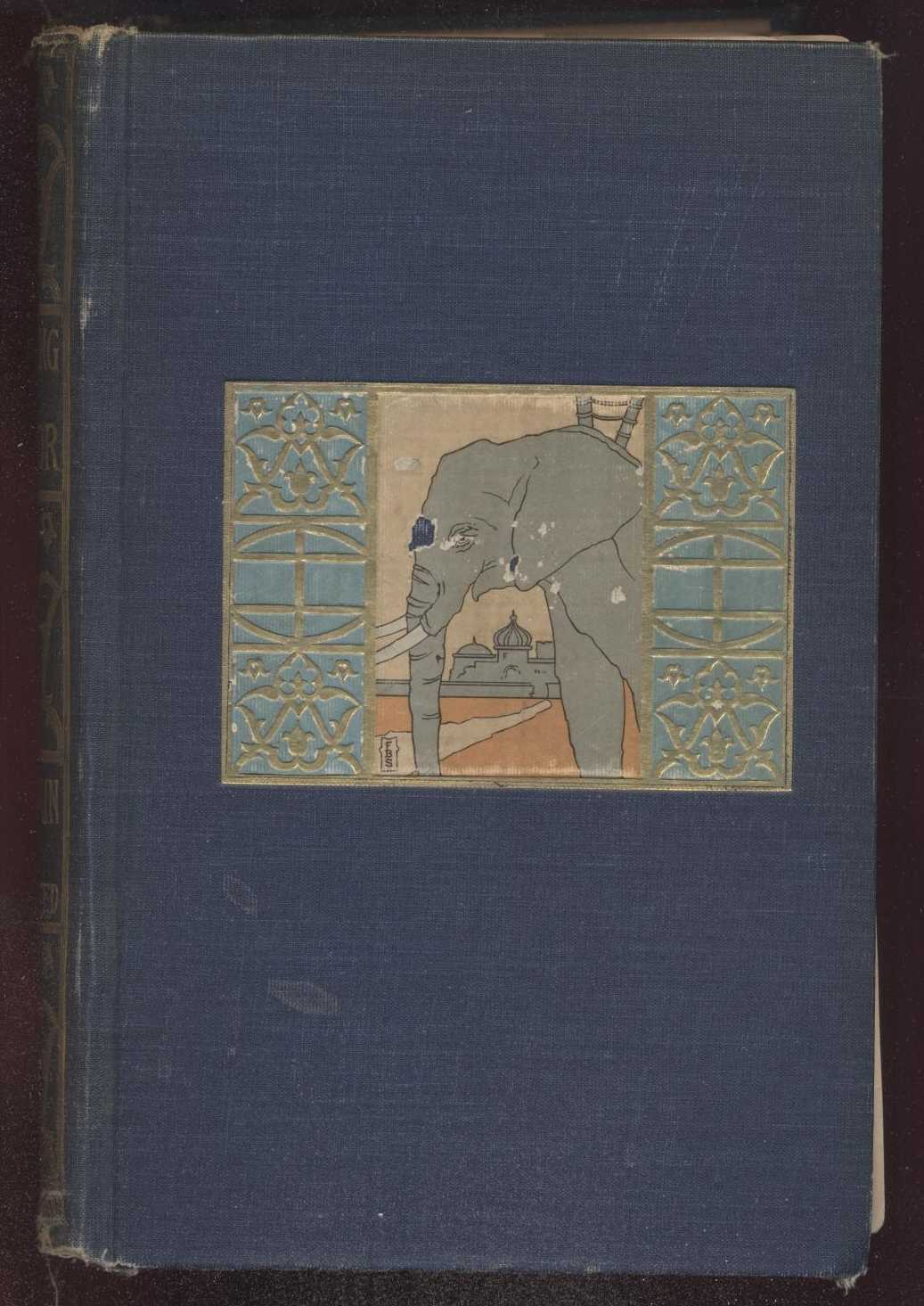
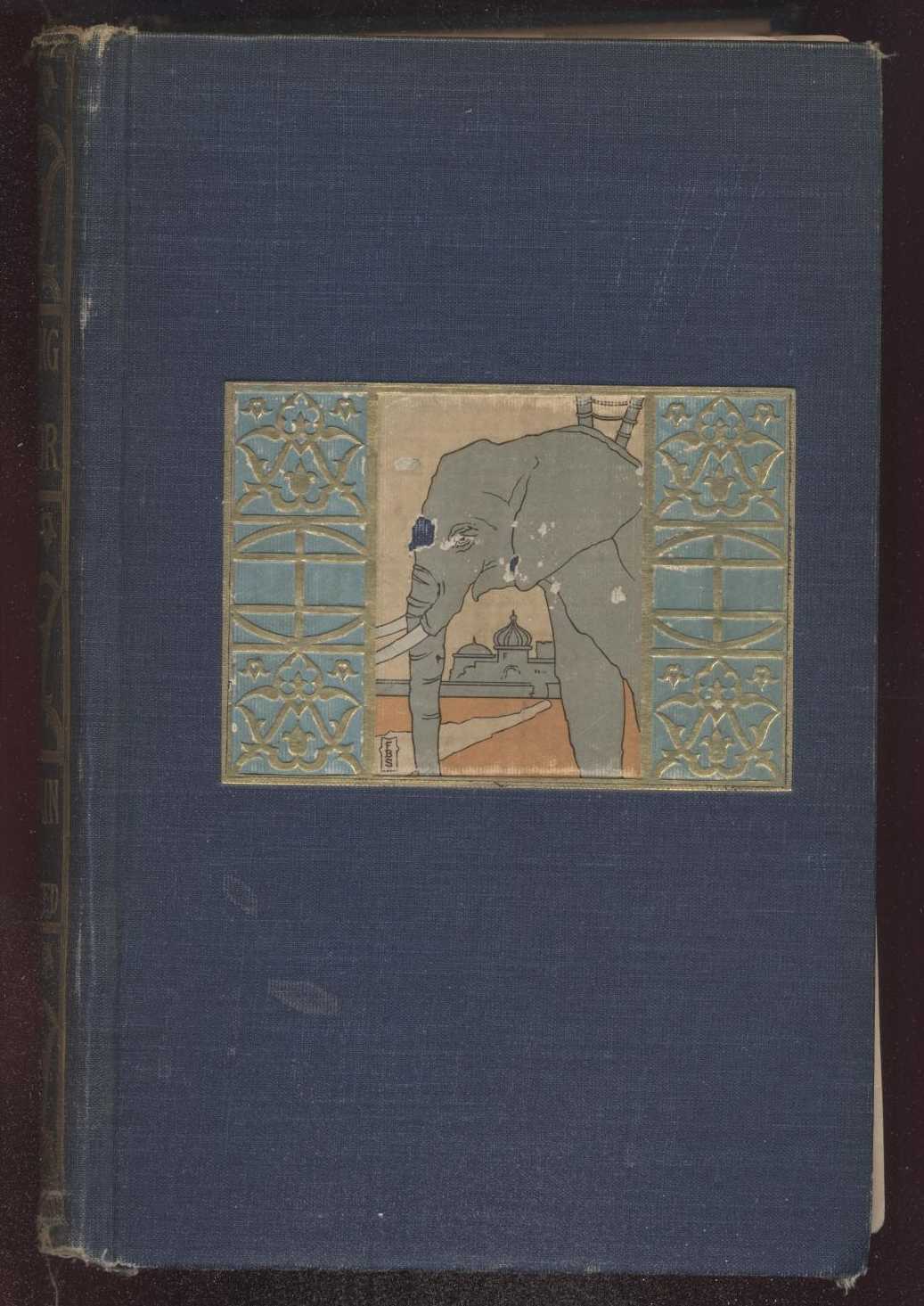
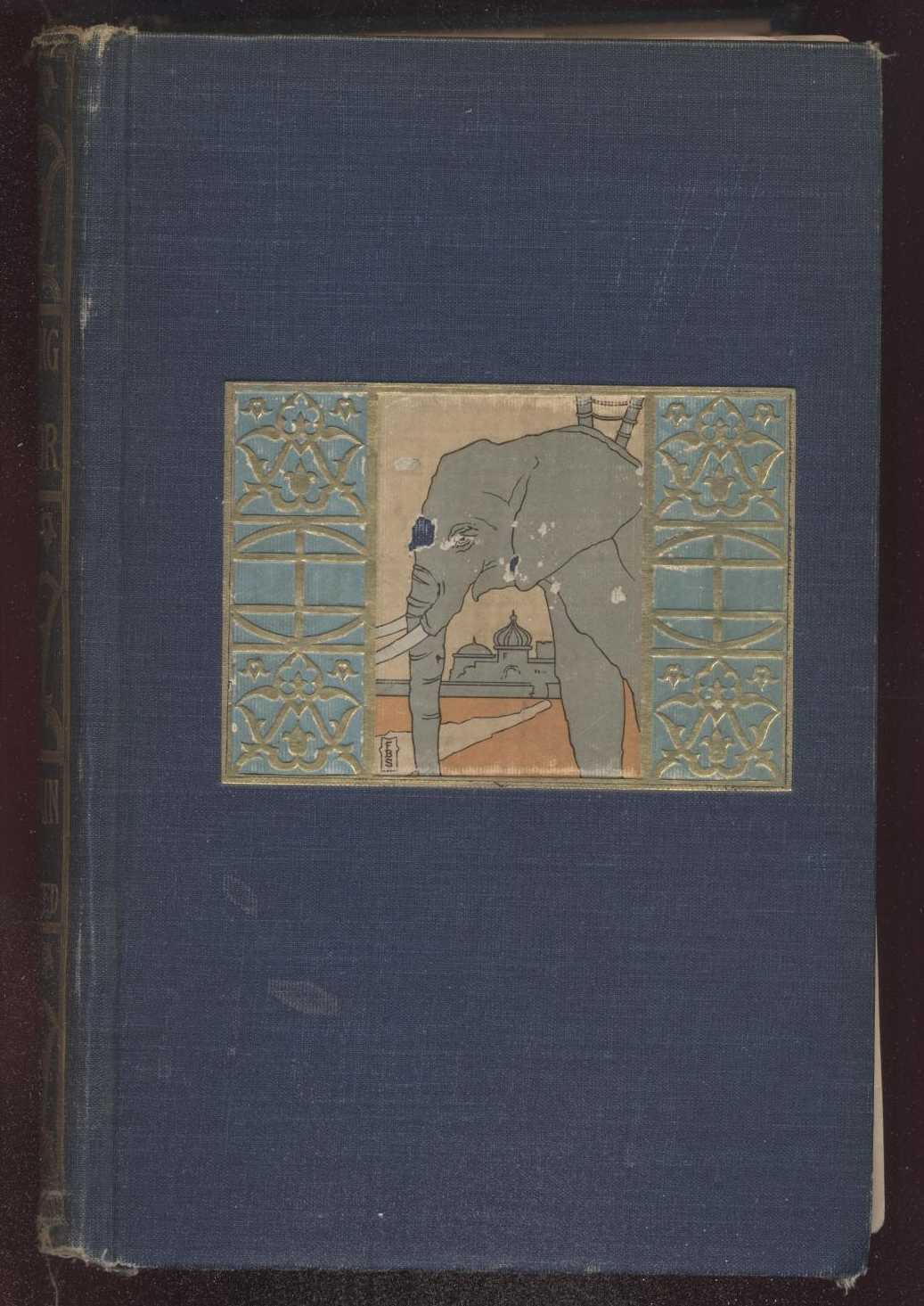
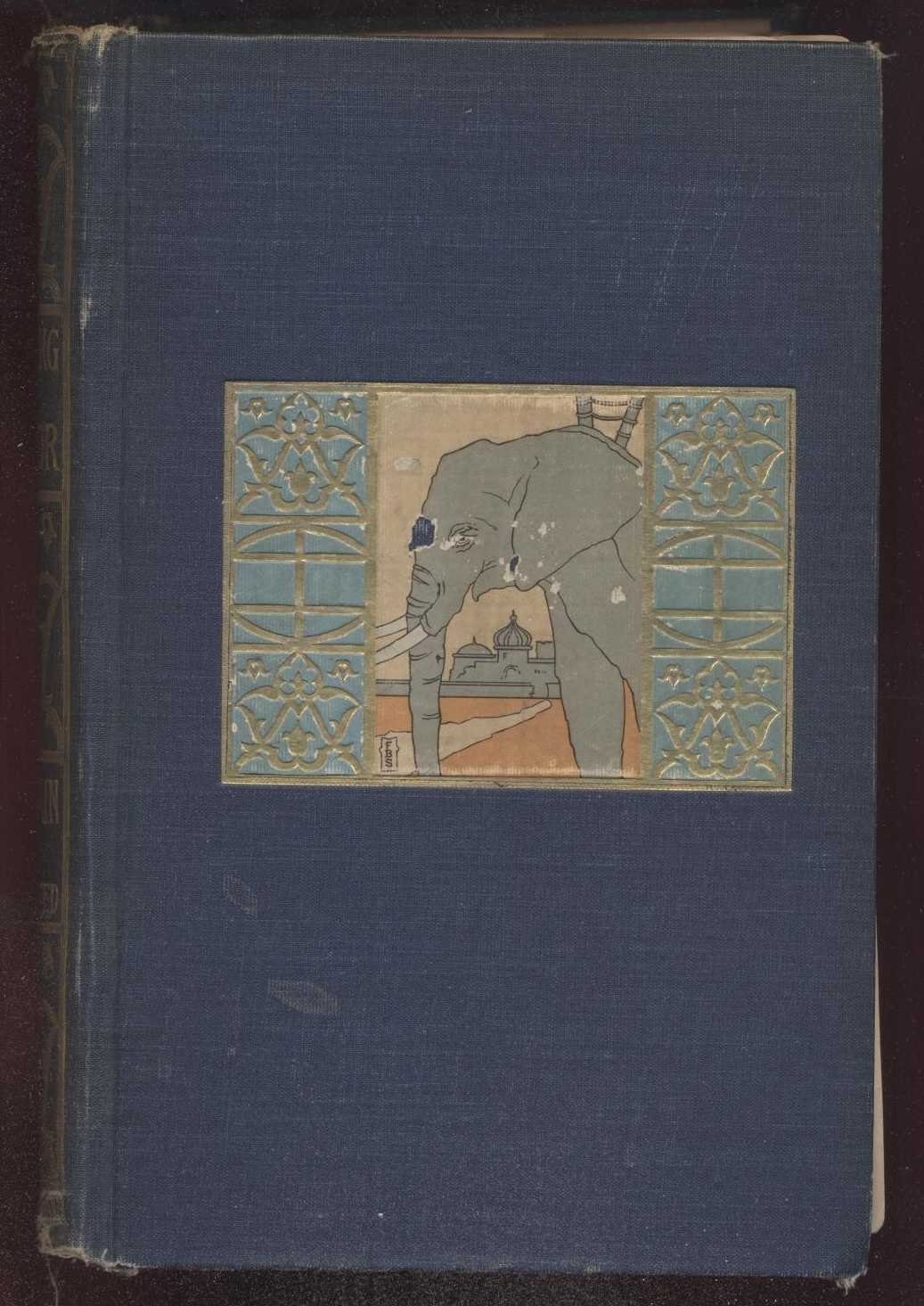
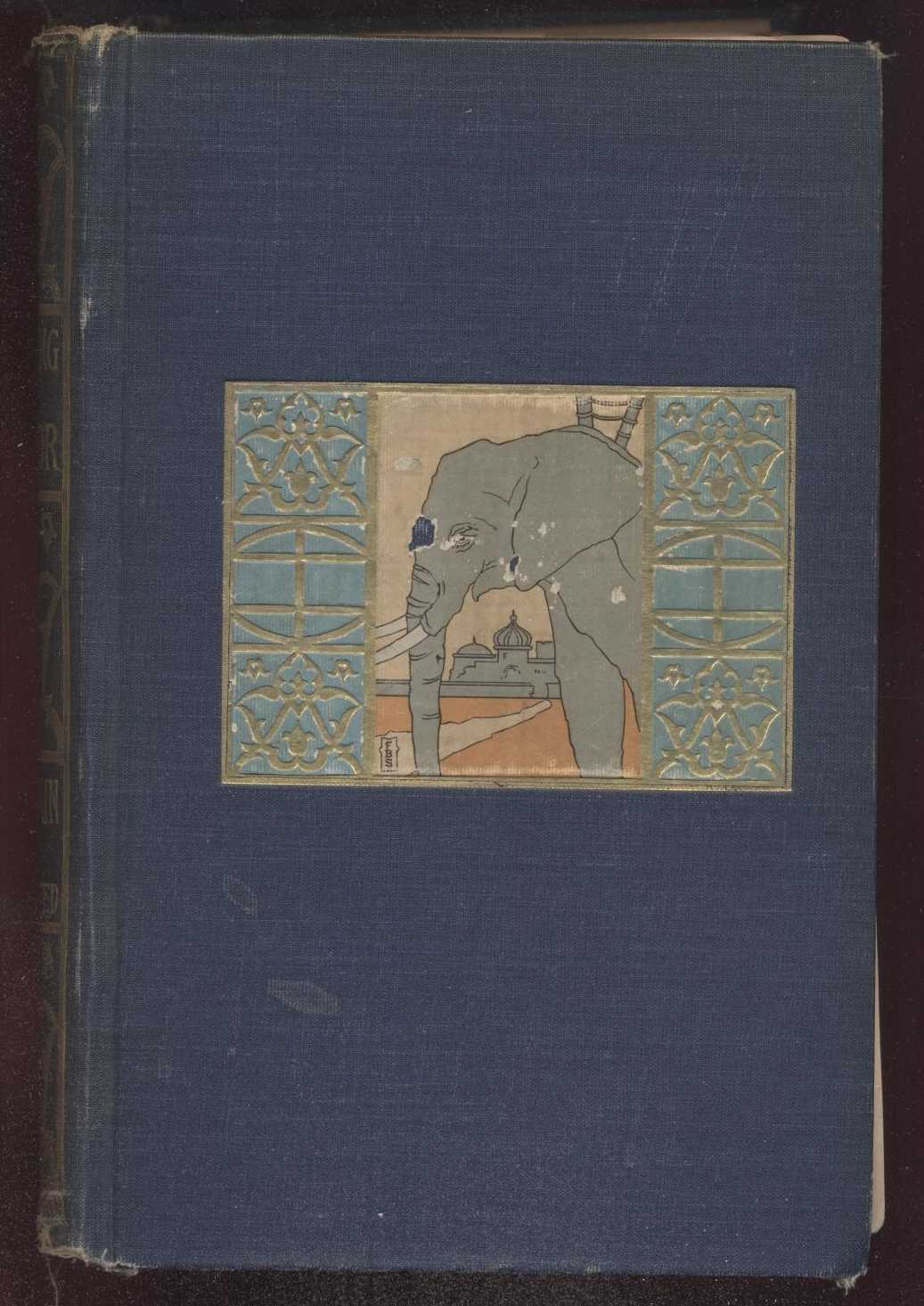
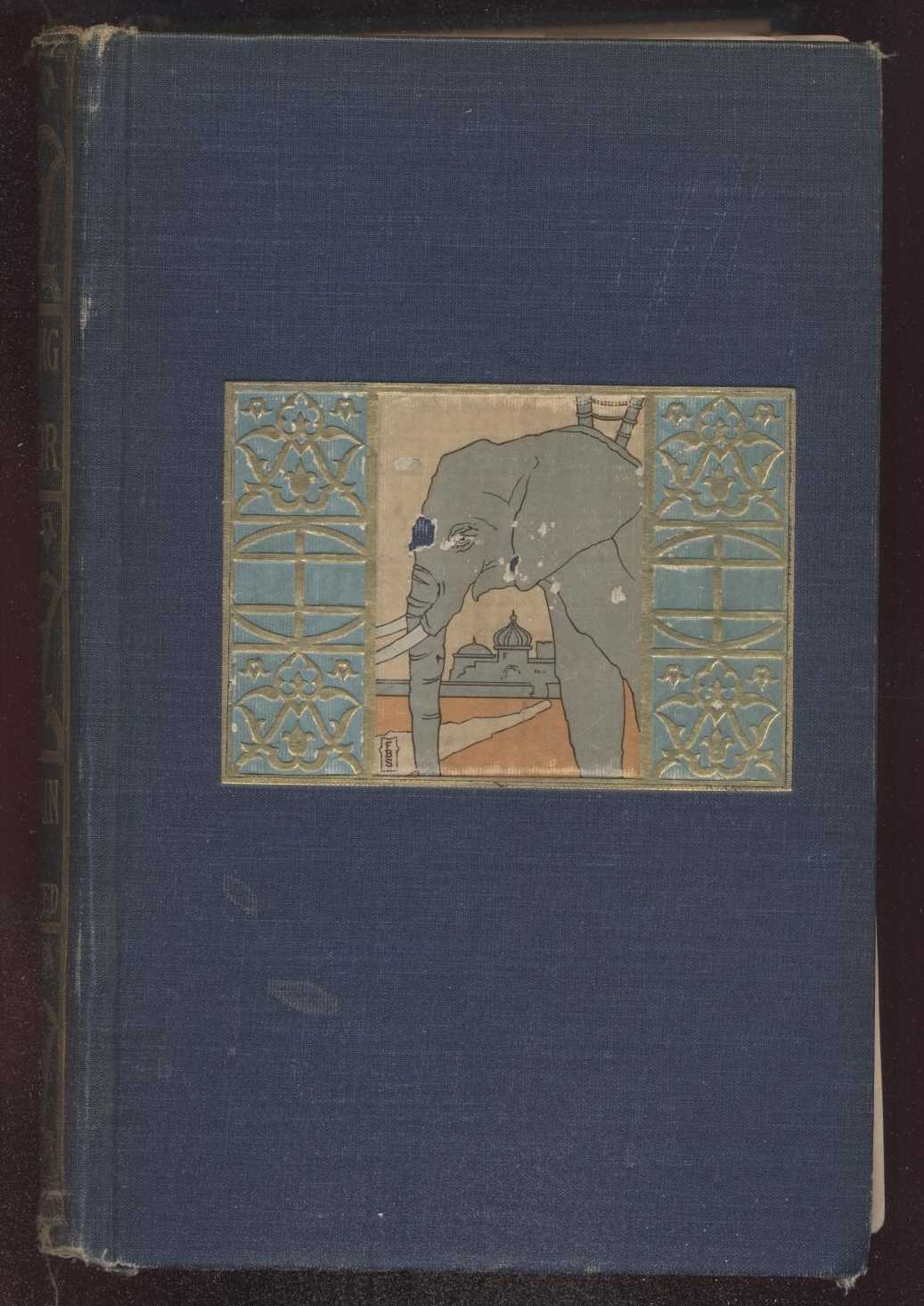
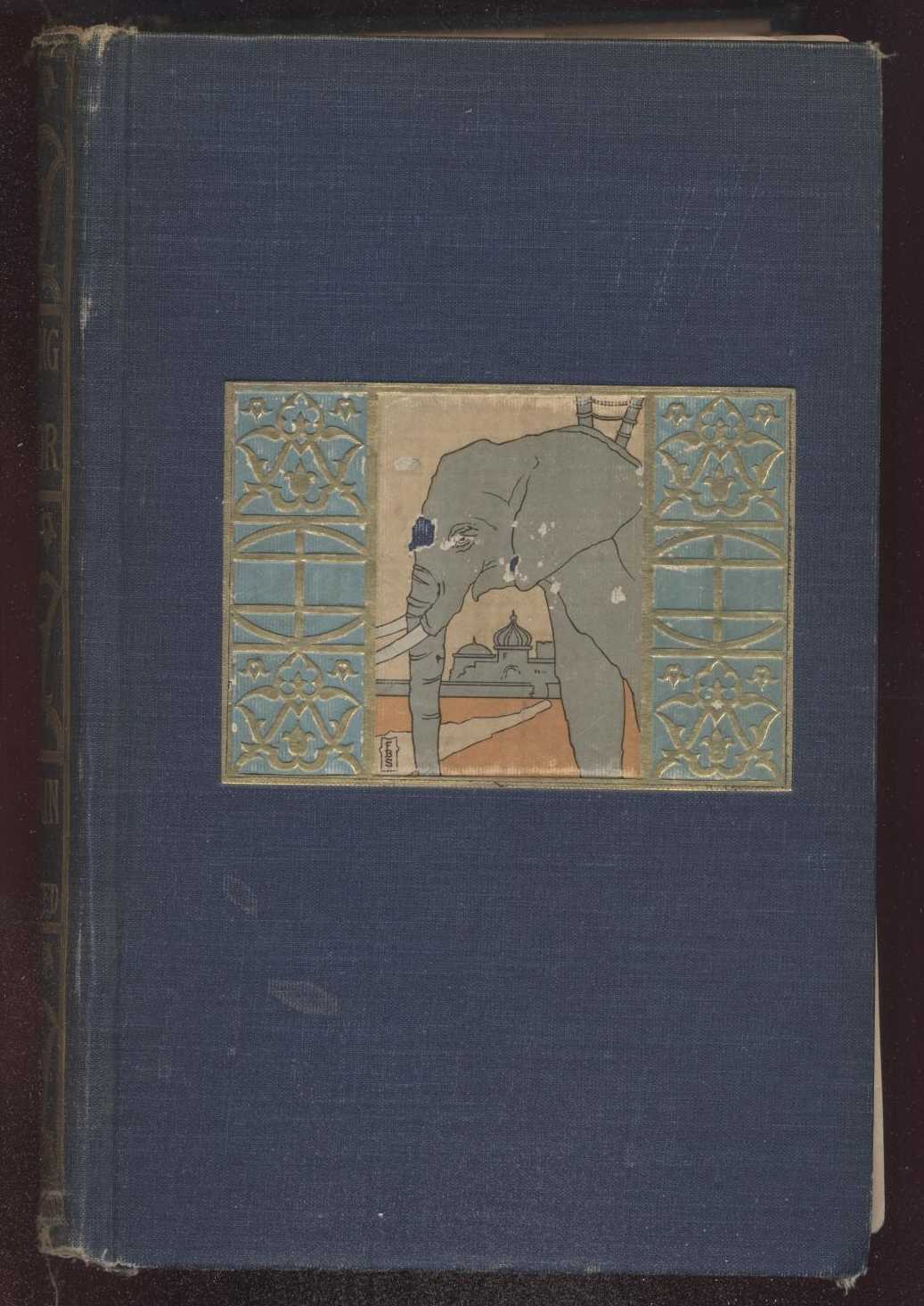
Mark Twain transforms the solemn machinery of detective fiction into an outrageously funny farce in this 1882 gem. When a sacred white elephant en route from Siam to Queen Victoria disappears in New Jersey, the local police marshal their finest minds for the case. What follows is a catastrophic parade of logical disasters as Inspector Blunt and his team pursue leads with terrifying confidence and zero competence. The elephant, meanwhile, develops an insatiable hunger that levels buildings and terrorizes neighborhoods while the detectives argue about methodology. Twain's brilliant gambit is to apply the rigid structure of Sherlock Holmes-style deduction to the most absurd possible subject, then watch the whole apparatus collapse under its own pomposity. The story builds to a catastrophic conclusion that exposes the emptiness behind procedural certainty. Like all Twain's best satire, the humor disguises a pointed critique of institutions that take themselves far too seriously. The prose crackles with deadpan absurdity, each disaster delivered with the calm certainty of an official report.
Editions

X-Ray
“Here the narrator bursts into explosion after explosion of thunderous horse-laughter, repeating that nub from time to time through his gaspings and shriekings and suffocatings.””
— Mark Twain
“To the rear, sir”
— Mark Twain
“But the teller of the comic story does not slur the nub; he shouts it at you”
— Mark Twain
“Artemus Ward used that trick a good deal; then when the belated audience presently caught the joke he would look up with innocent surprise, as if wondering what they had found to laugh at. Dan Setchell used it before””
— Mark Twain
“If I got it the right length precisely, I could spring the finishing ejaculation with effect enough to make some impressible girl deliver a startled little yelp and jump out of her seat --and that was what I was after.””
— Mark Twain
“There are several kinds of stories, but only one difficult kind”
— Mark Twain
“The humorous story depends for its effect upon the manner of the telling; the comic story and the witty story upon the matter.”
— Mark Twain
Link to this book
Add a free, dofollow link to Lex on your blog, forum, syllabus, or reading list.

<a href="https://lex-books.com/book/the-stolen-white-elephant-2dc5e569-1588-40a6-934e-5aad76aebeb4"><img src="https://lex-books.com/badges/read-on-lex.svg" alt="Read The Stolen White Elephant by Mark Twain free on Lex" width="160" height="40"></a>[](https://lex-books.com/book/the-stolen-white-elephant-2dc5e569-1588-40a6-934e-5aad76aebeb4)[url=https://lex-books.com/book/the-stolen-white-elephant-2dc5e569-1588-40a6-934e-5aad76aebeb4][img]https://lex-books.com/badges/read-on-lex.svg[/img][/url]Read The Stolen White Elephant by Mark Twain free on Lex: https://lex-books.com/book/the-stolen-white-elephant-2dc5e569-1588-40a6-934e-5aad76aebeb4Cite this book
Reading this edition for a paper or guide? Copy a citation.
Twain, Mark. The Stolen White Elephant. Lex, lex-books.com/book/the-stolen-white-elephant-2dc5e569-1588-40a6-934e-5aad76aebeb4.Twain, M. (1882). The Stolen White Elephant. Lex. https://lex-books.com/book/the-stolen-white-elephant-2dc5e569-1588-40a6-934e-5aad76aebeb4Twain, Mark. The Stolen White Elephant. Lex. https://lex-books.com/book/the-stolen-white-elephant-2dc5e569-1588-40a6-934e-5aad76aebeb4.