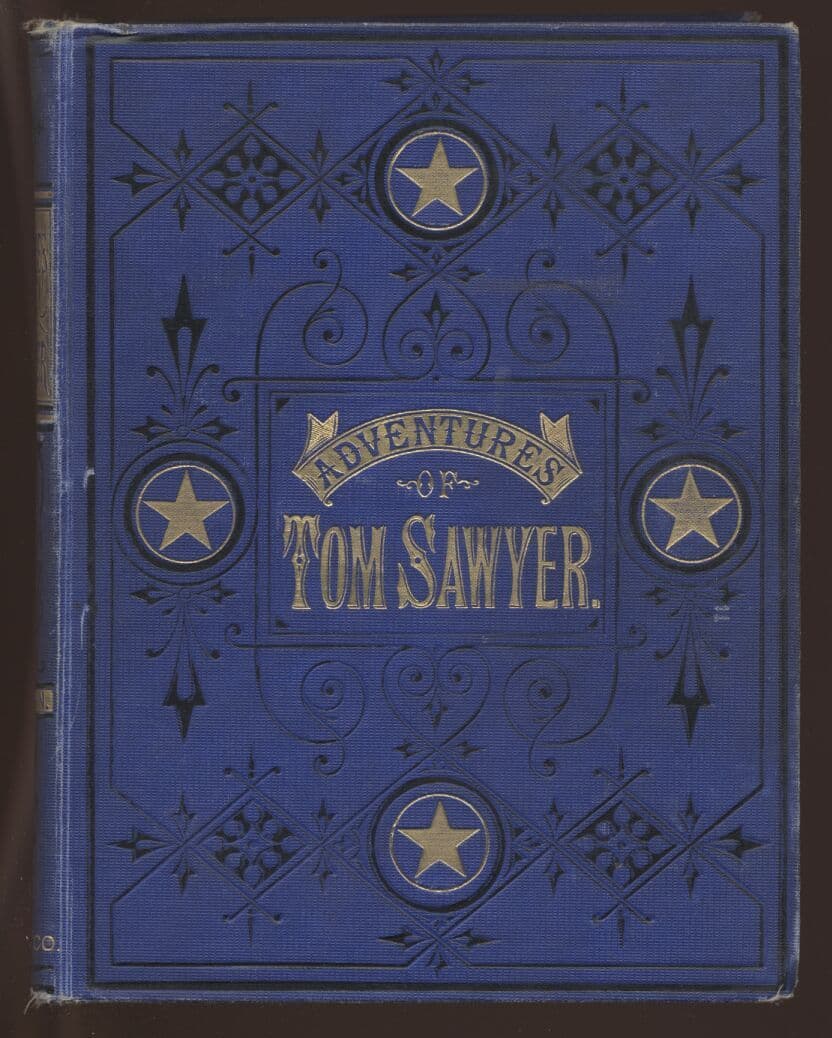
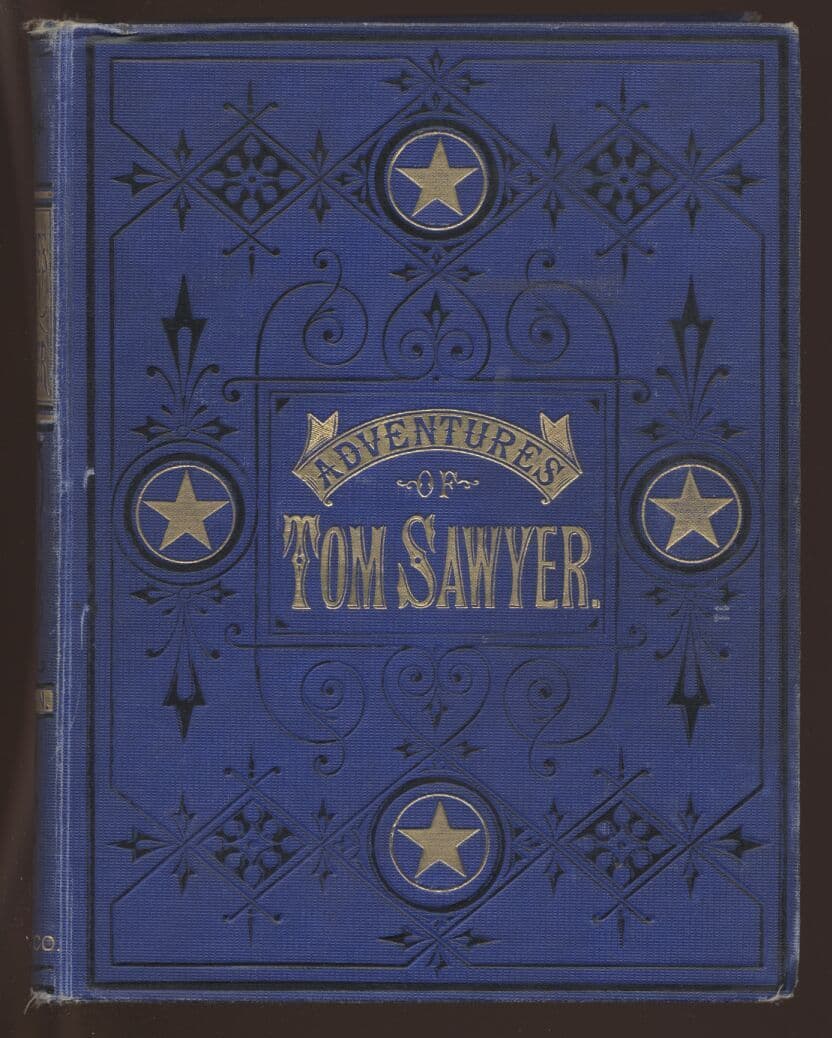
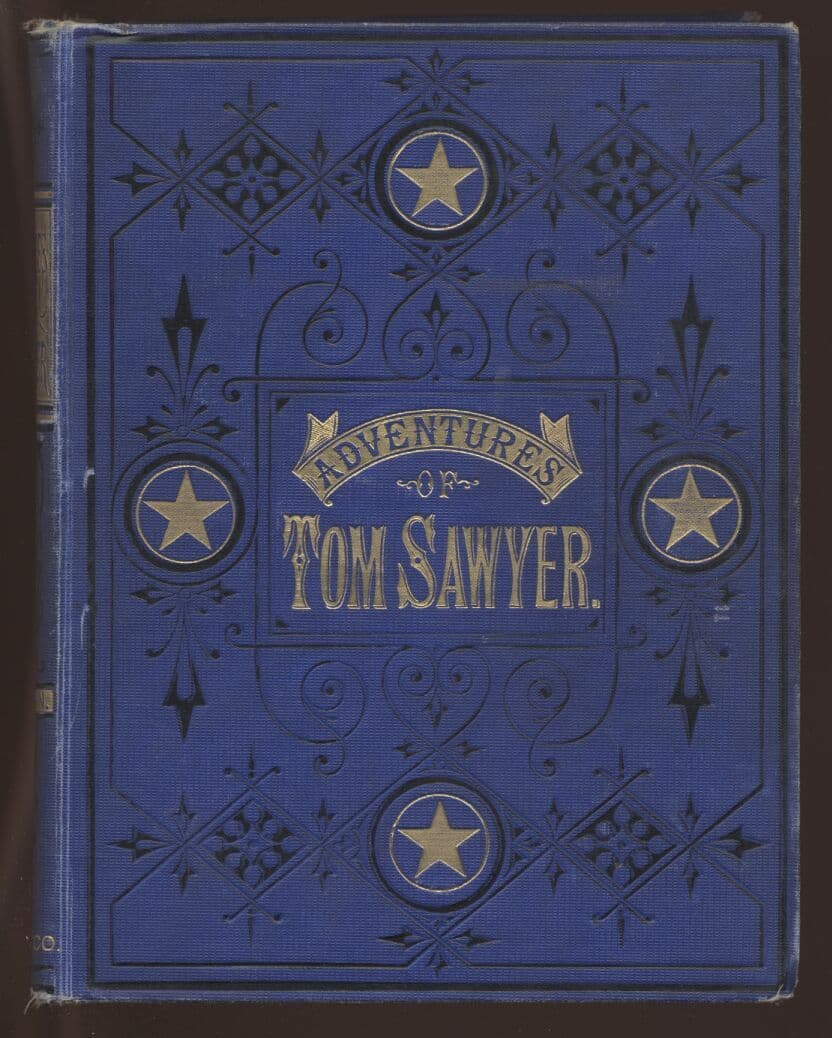
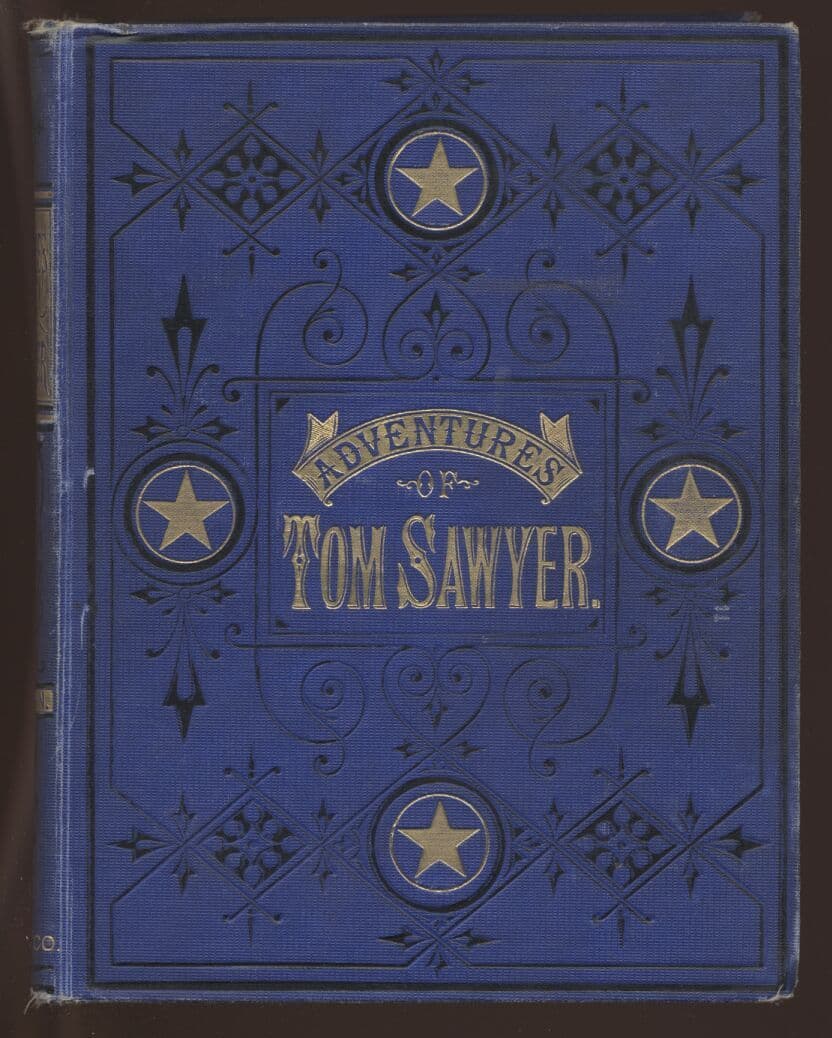
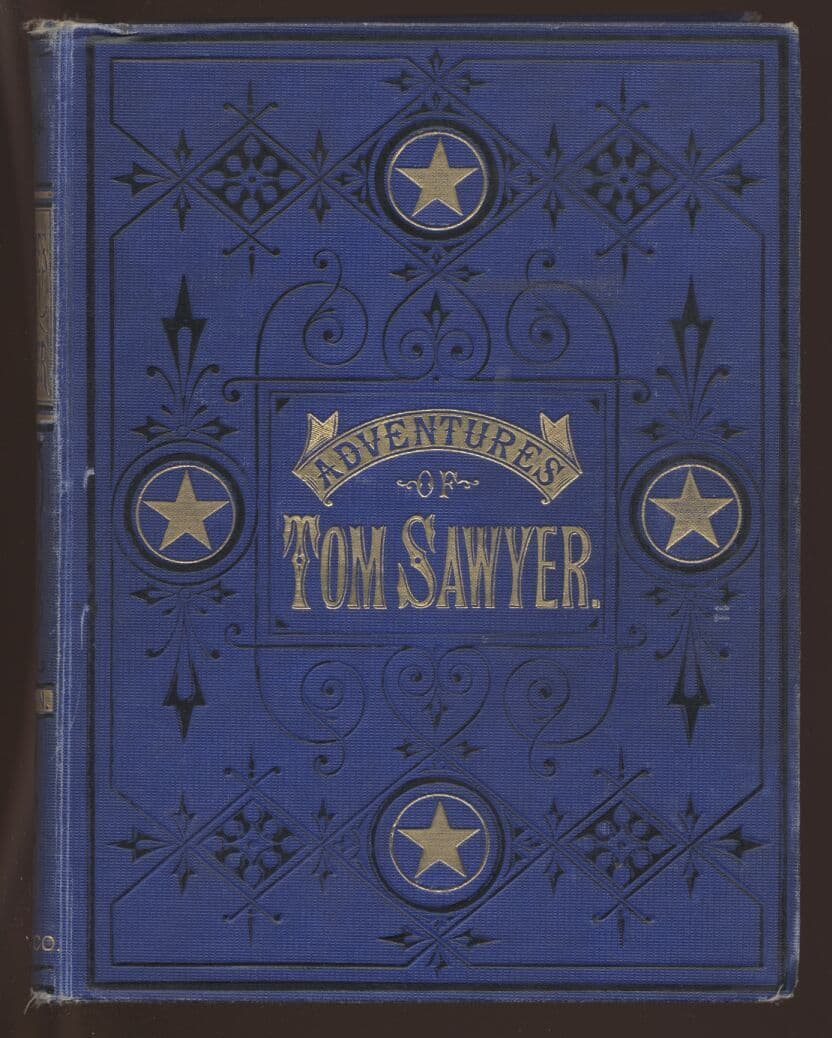
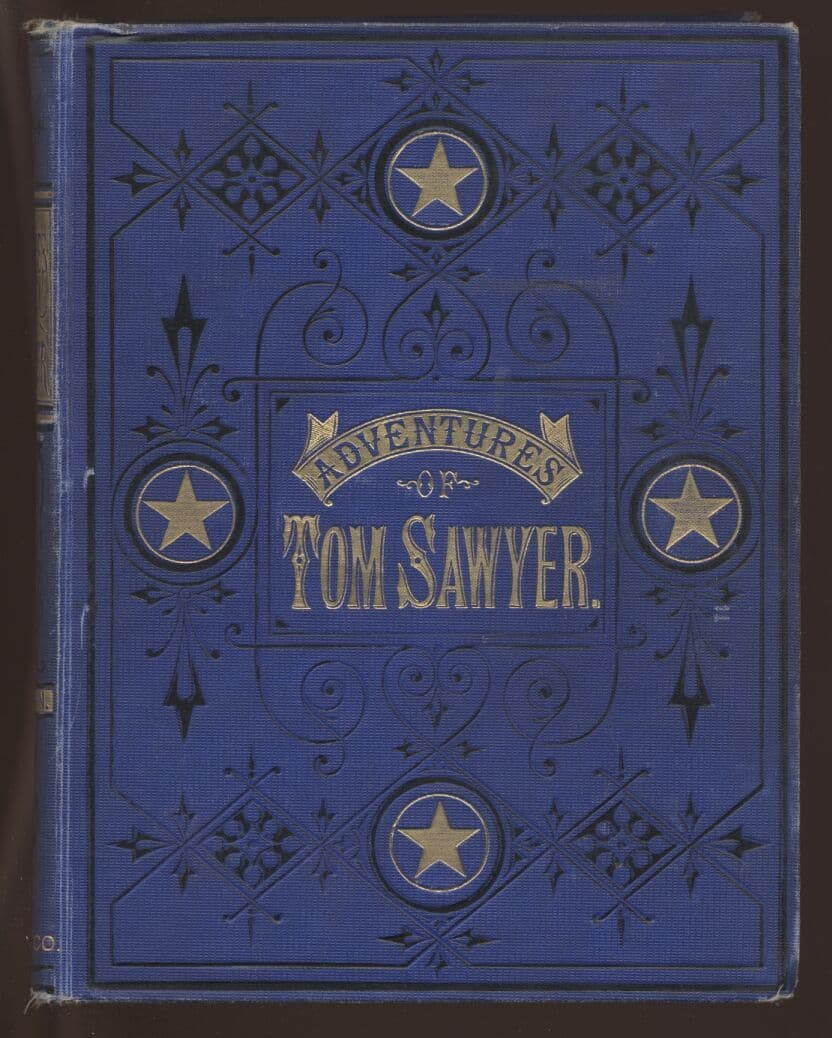
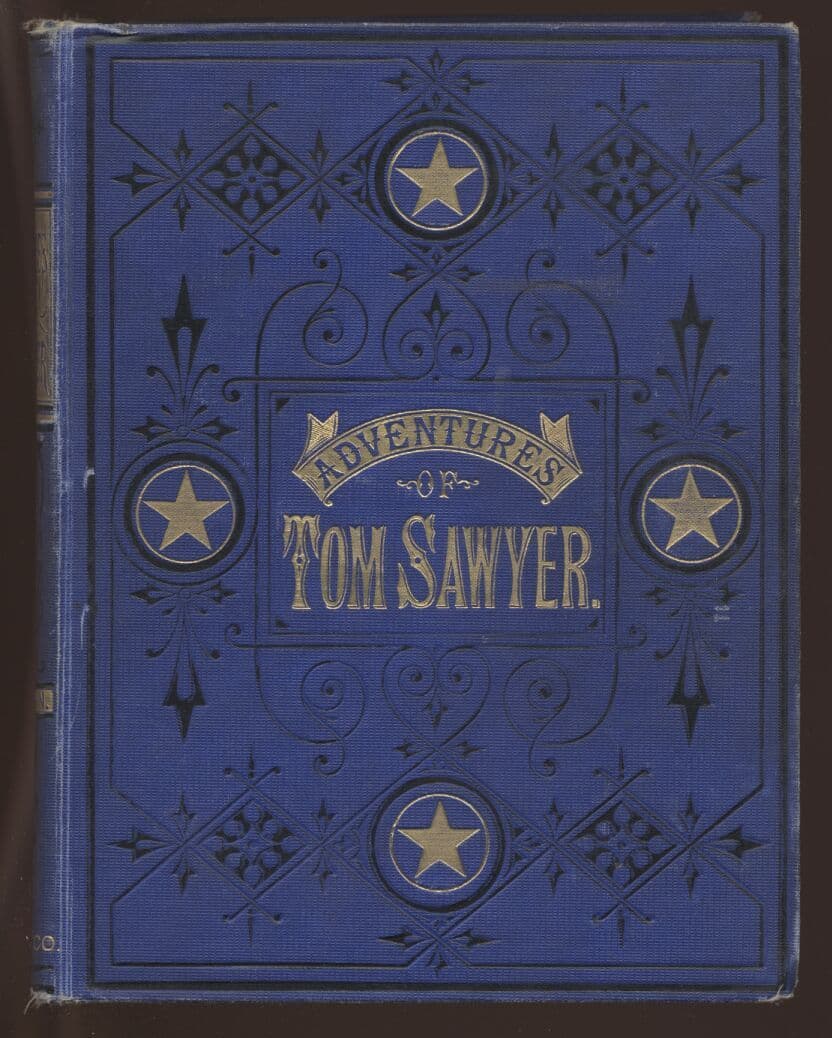
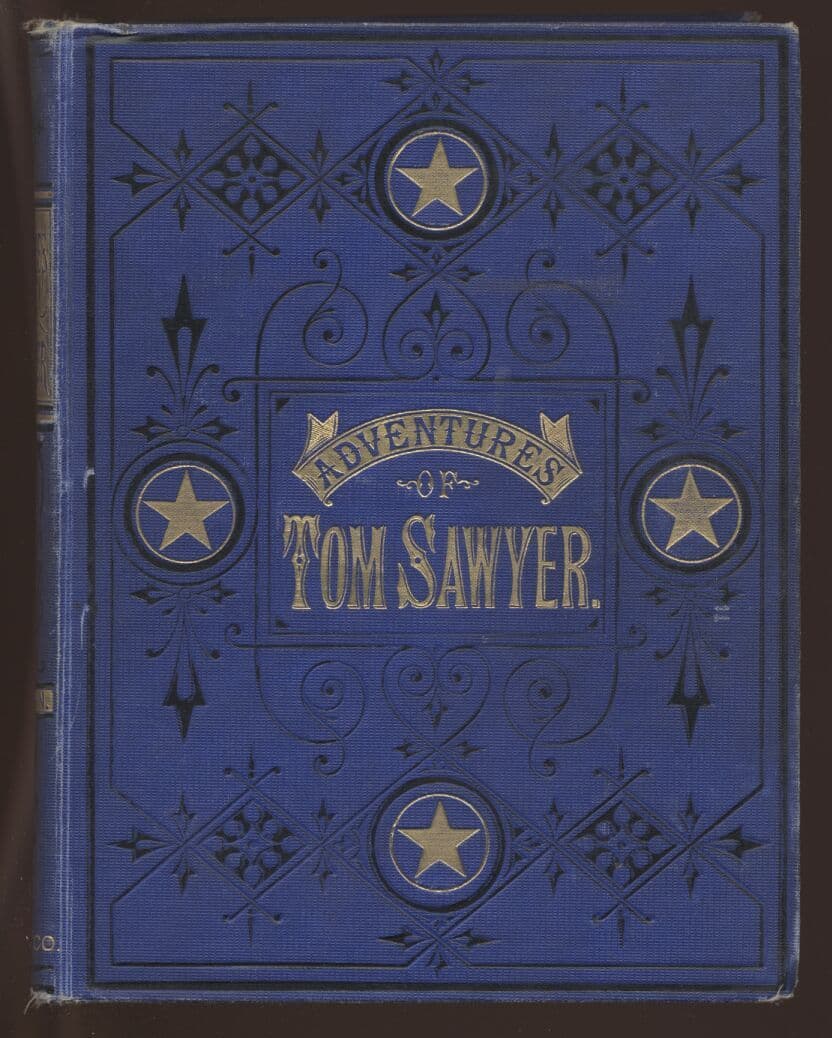
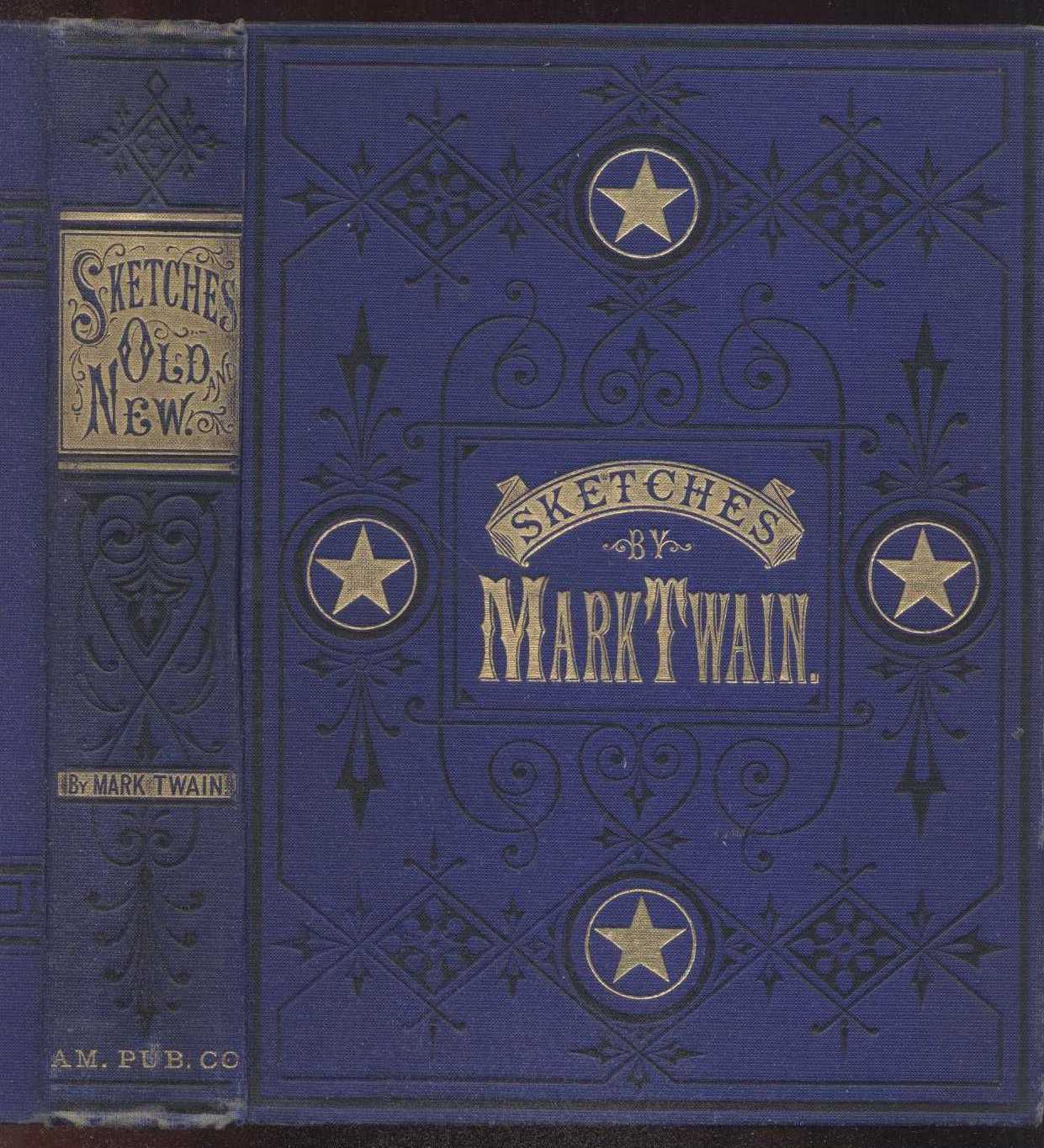
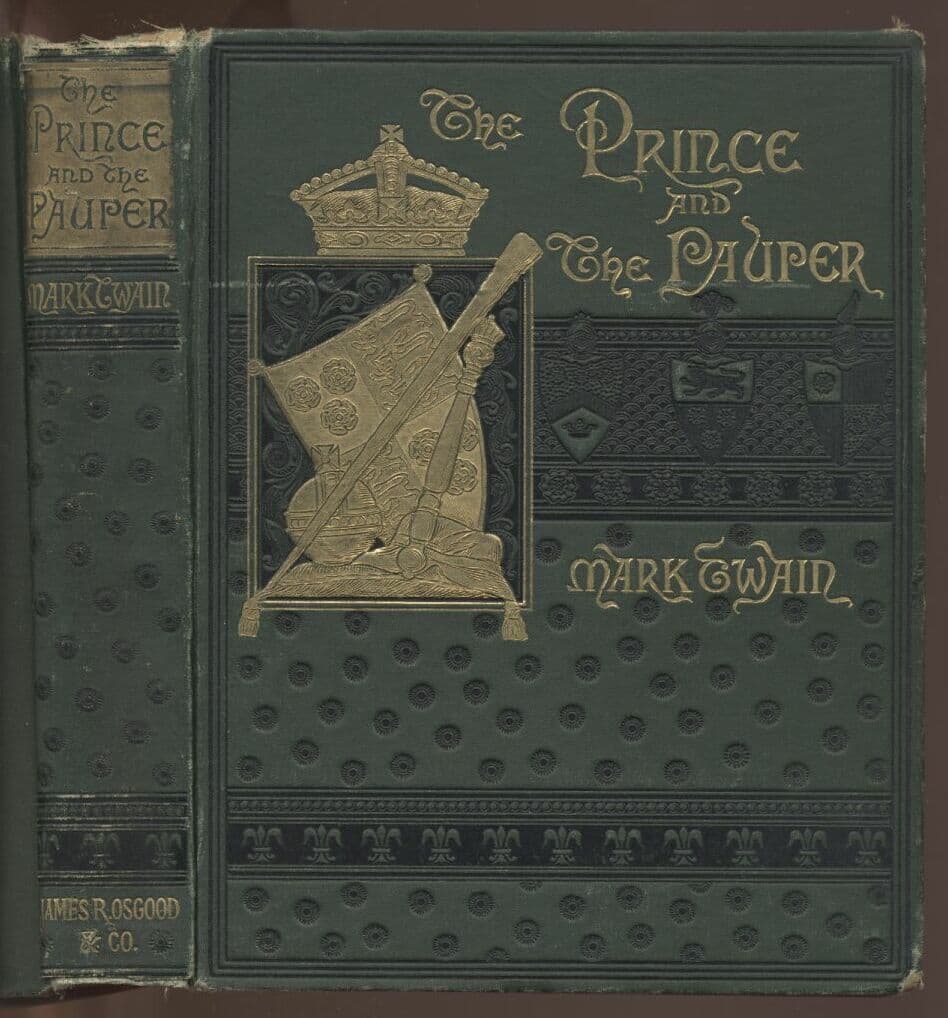
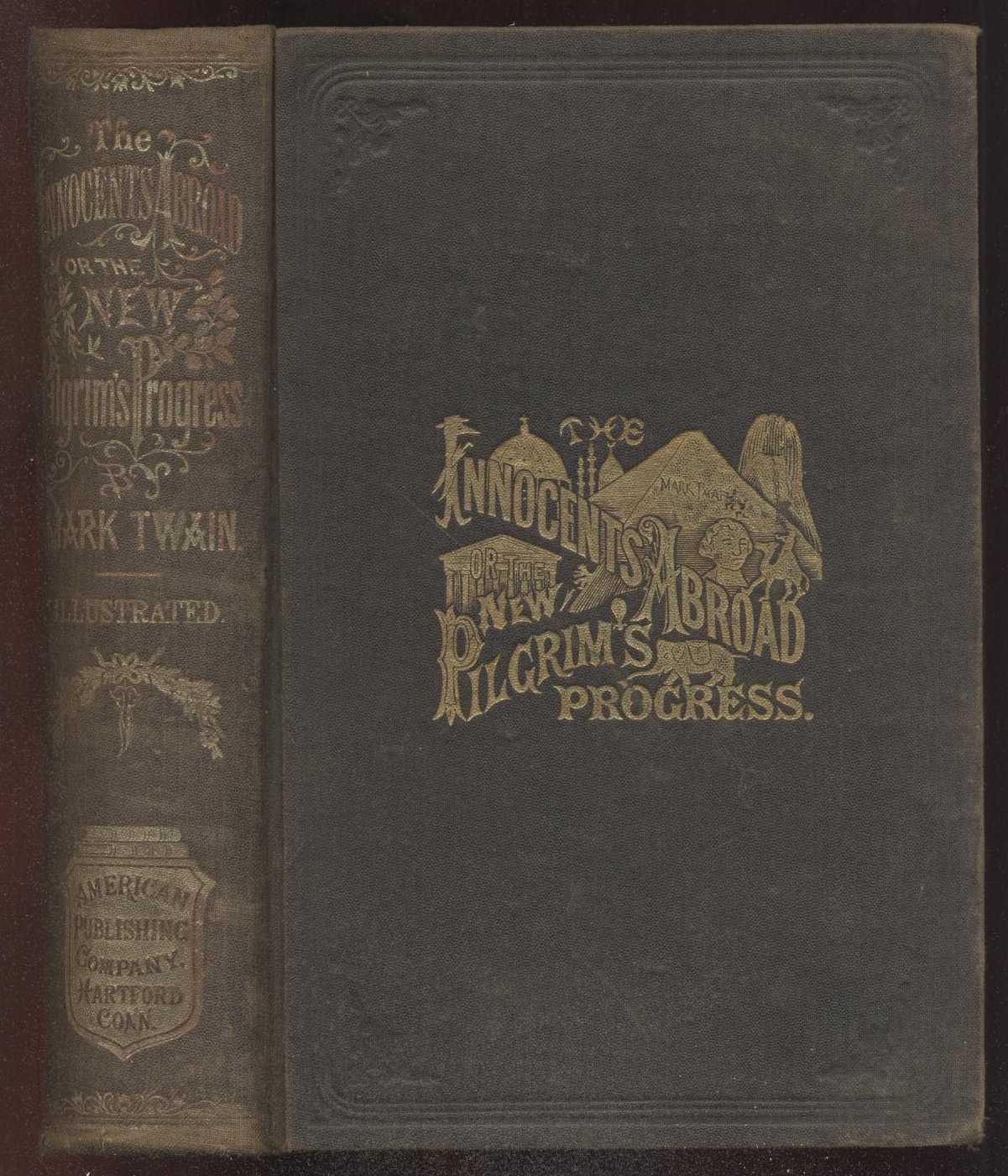
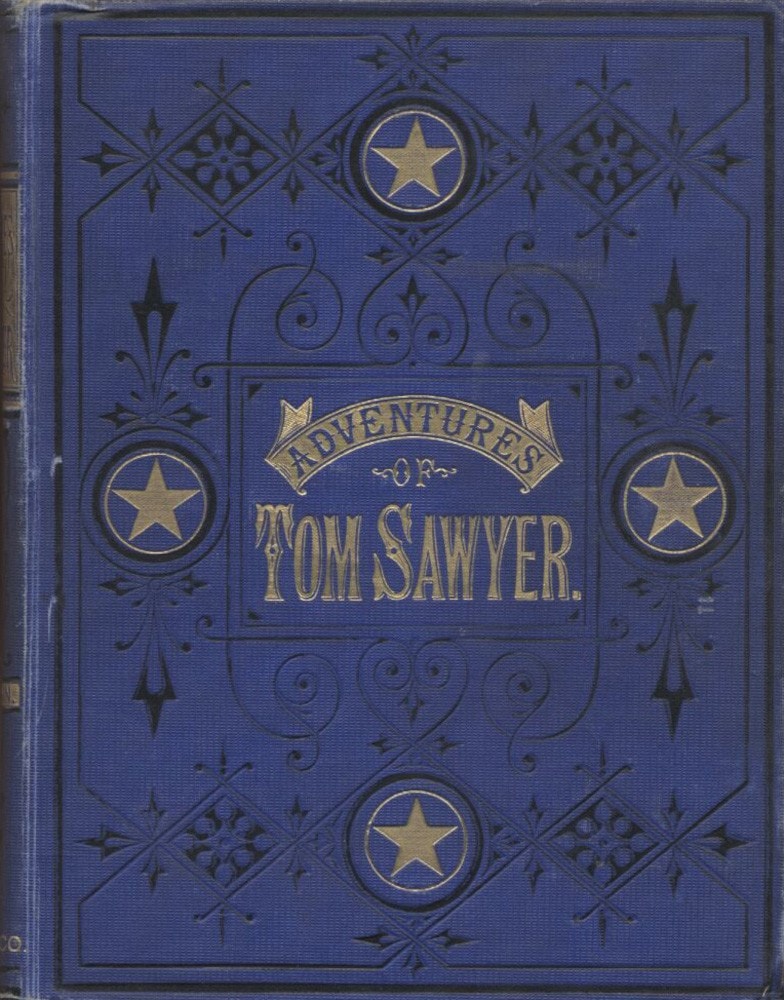
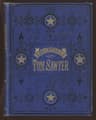
The Adventures of Tom Sawyer, Complete
1876
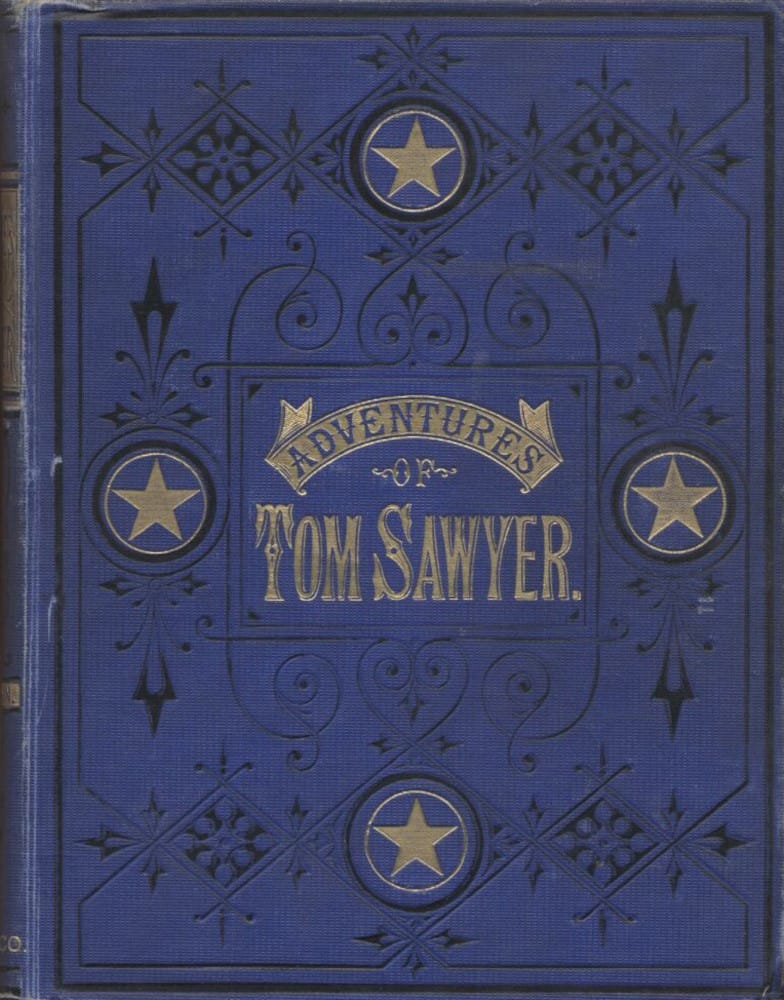
The Adventures of Tom Sawyer, Complete
1876
Mark Twain transformed the Mississippi River he knew into something mythic. The Adventures of Tom Sawyer is the book that taught generations what it meant to be young, reckless, and gloriously alive in antebellum America. Tom Sawyer is no ordinary hero. He's a boy who cons his friends into whitewashing a fence for him, who falls for the new girl in town, who stumbles into a murder trial and emerges a hero, who gets lost in a cave with Becky Thatcher and survives on courage alone. But Twain's genius lies in what simmers beneath all that boyish charm: a world where slavery is accepted, where violence is casual, where childhood is both sanctuary and illusion. This is the novel that made American literature young.
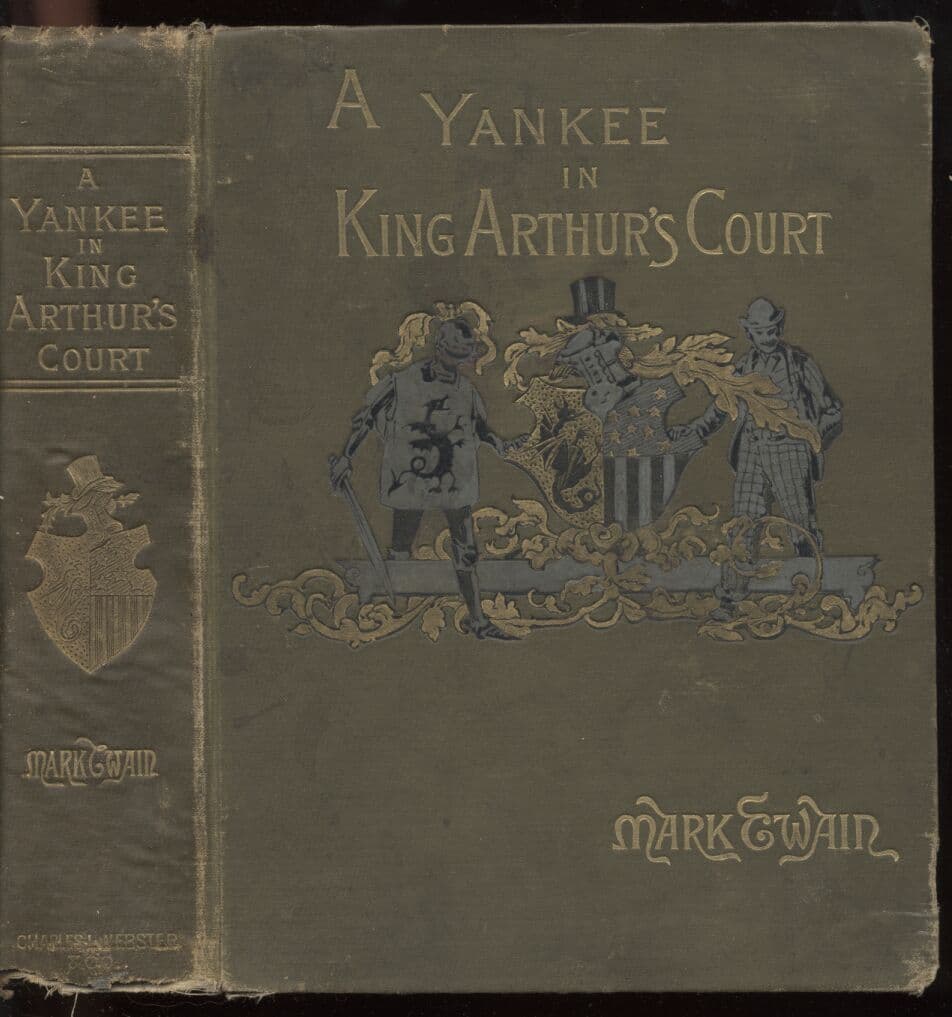
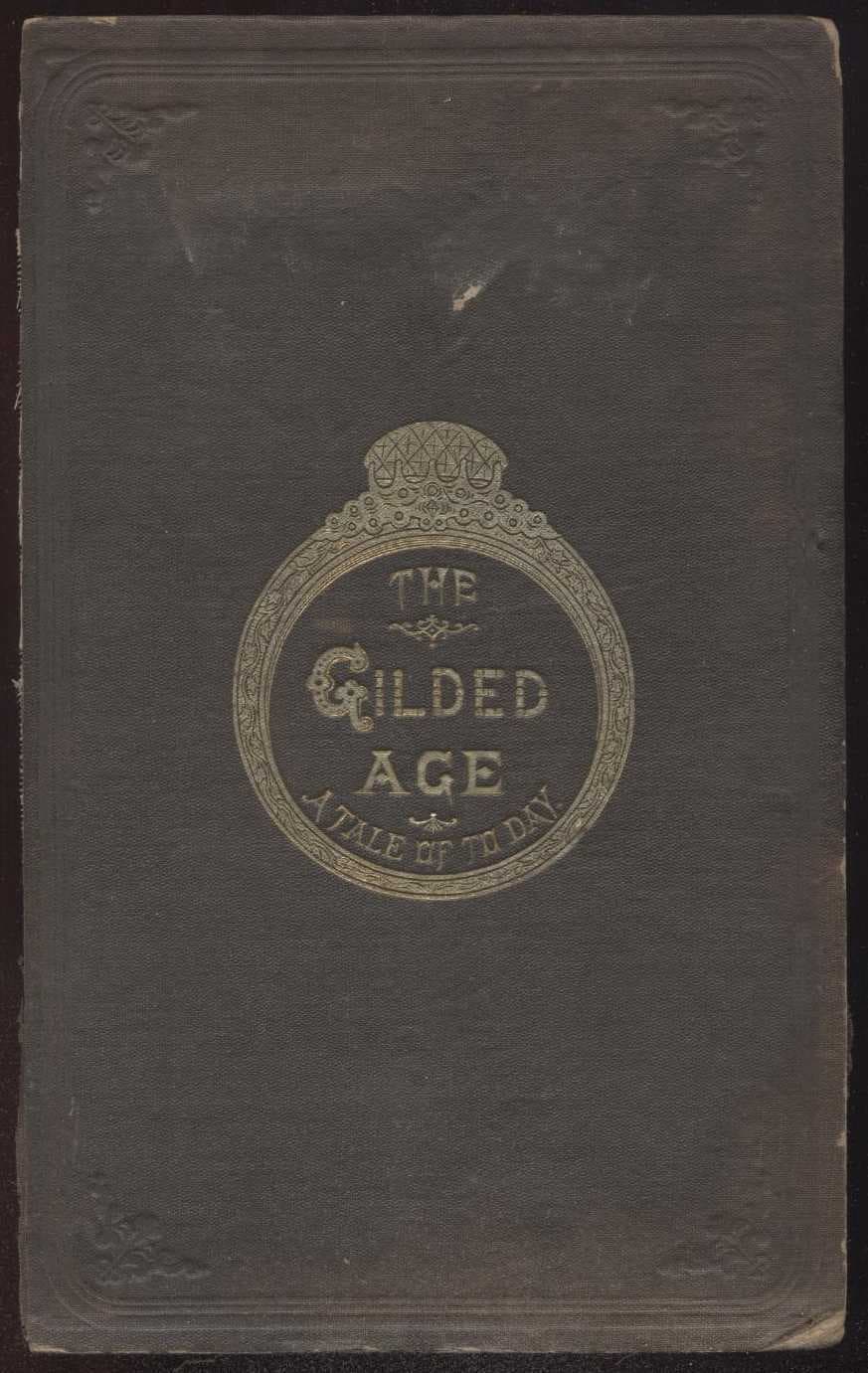
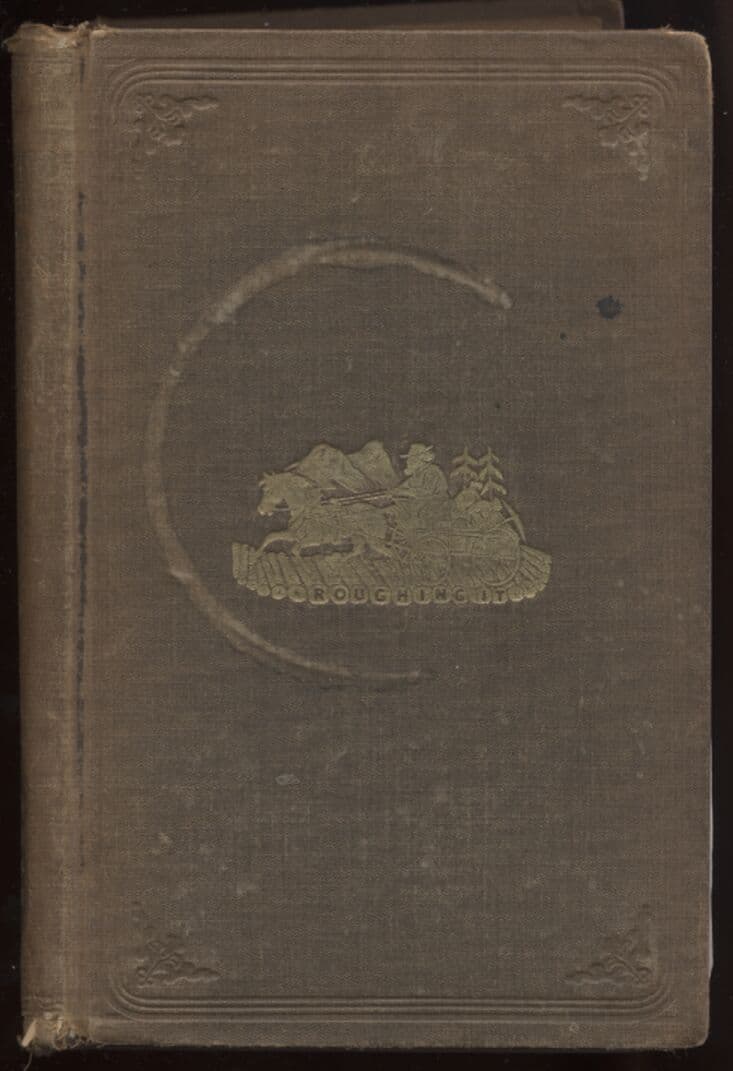
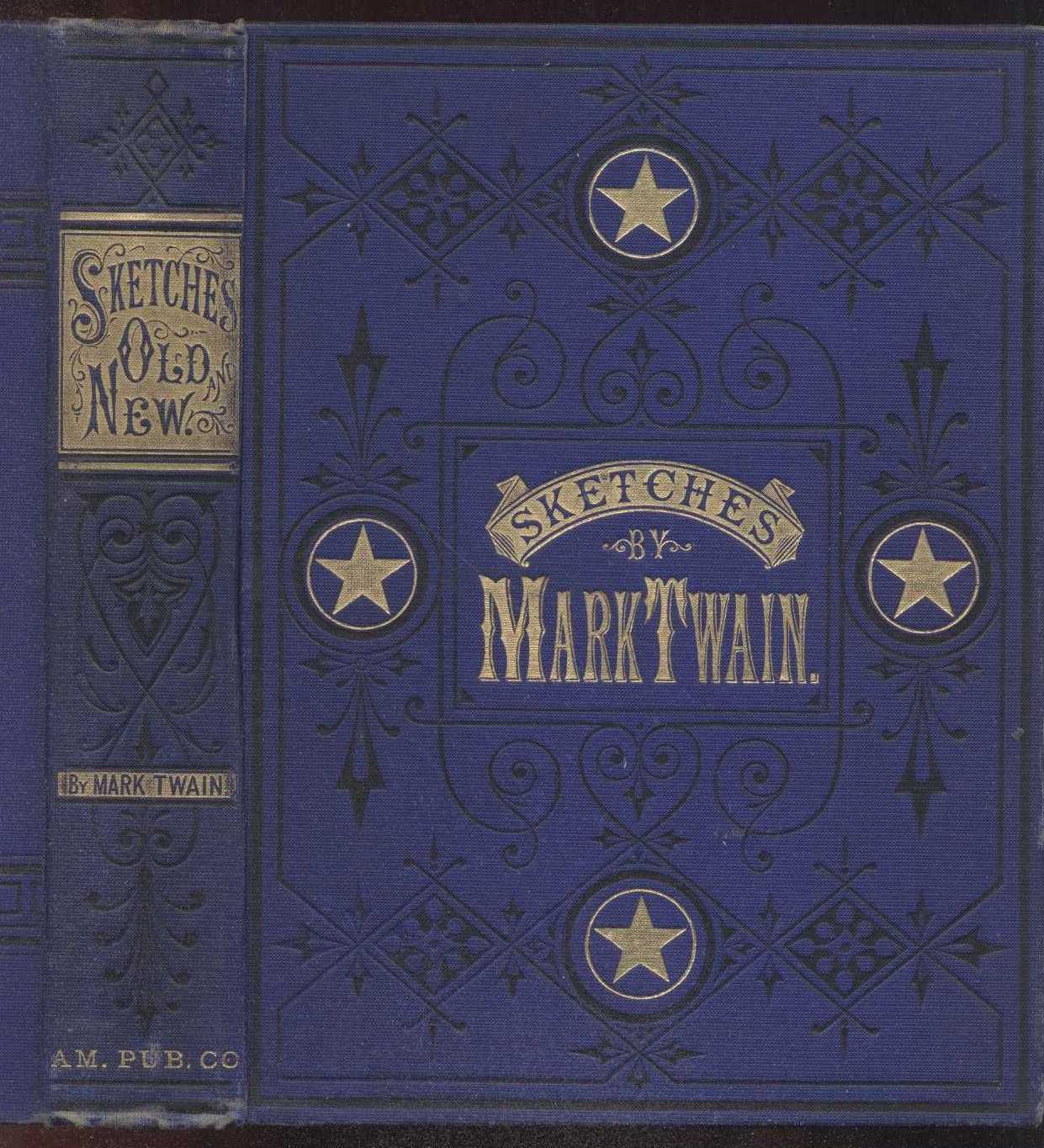
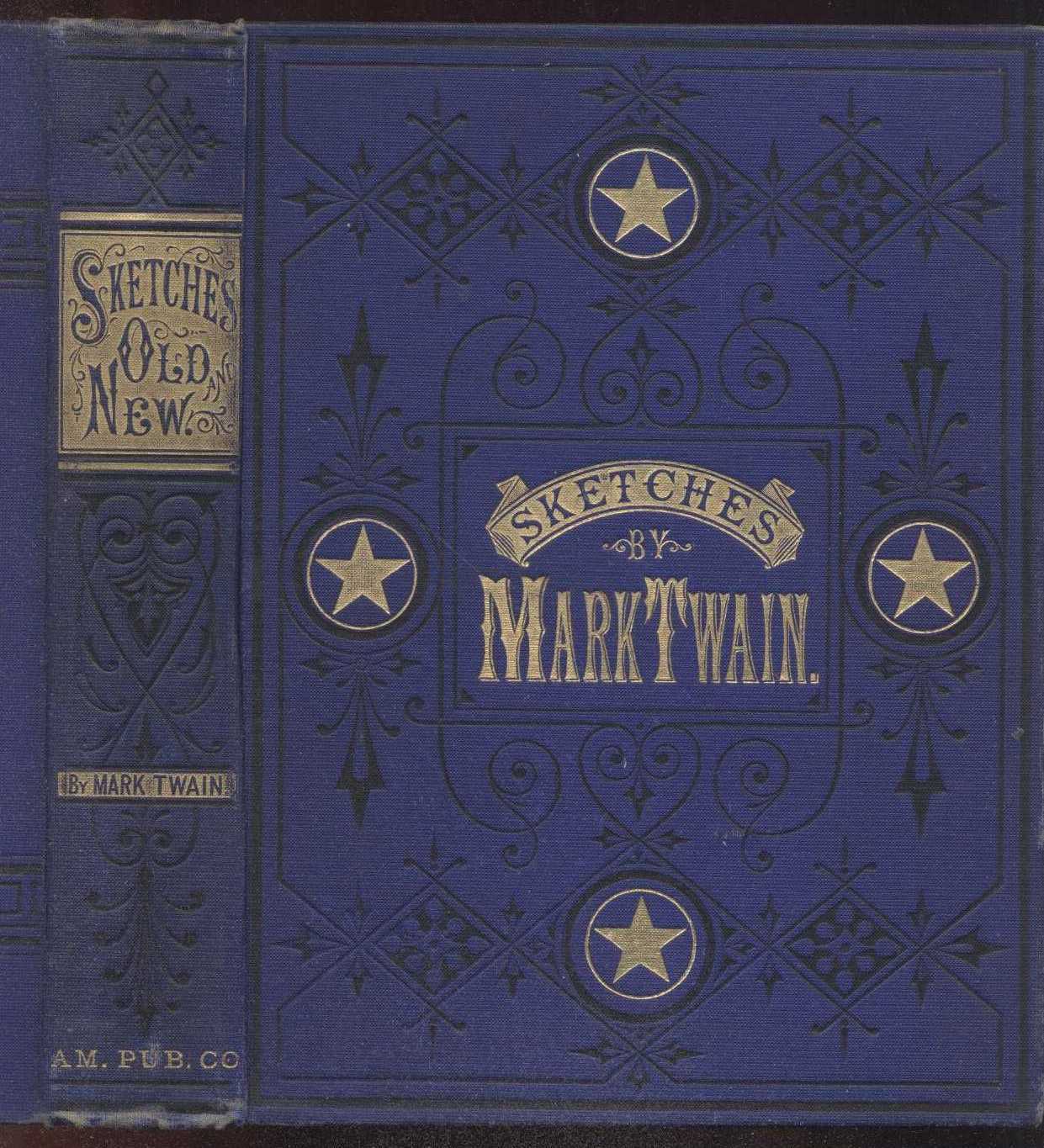
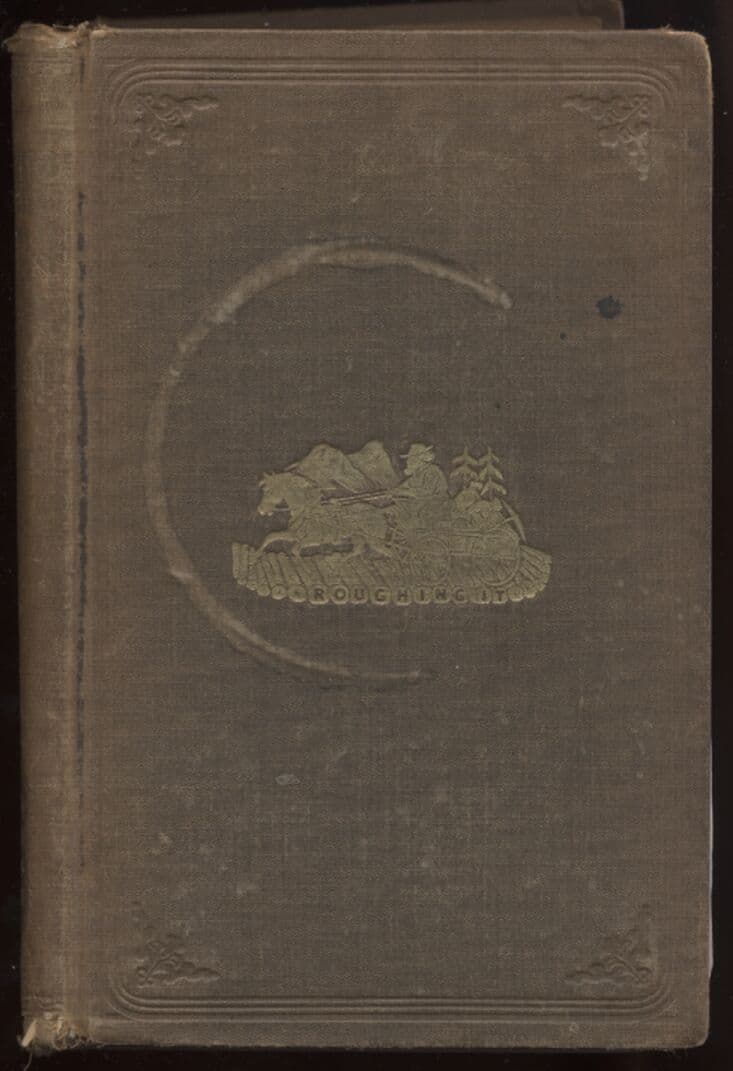
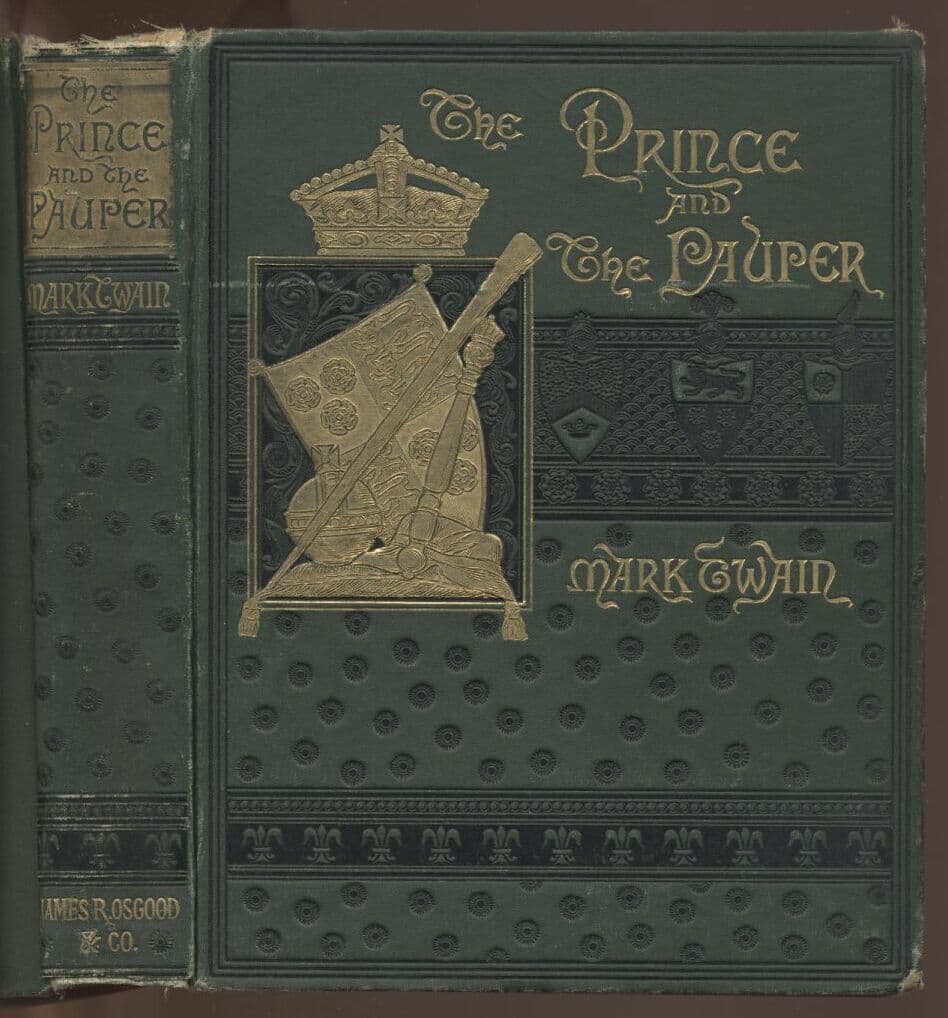
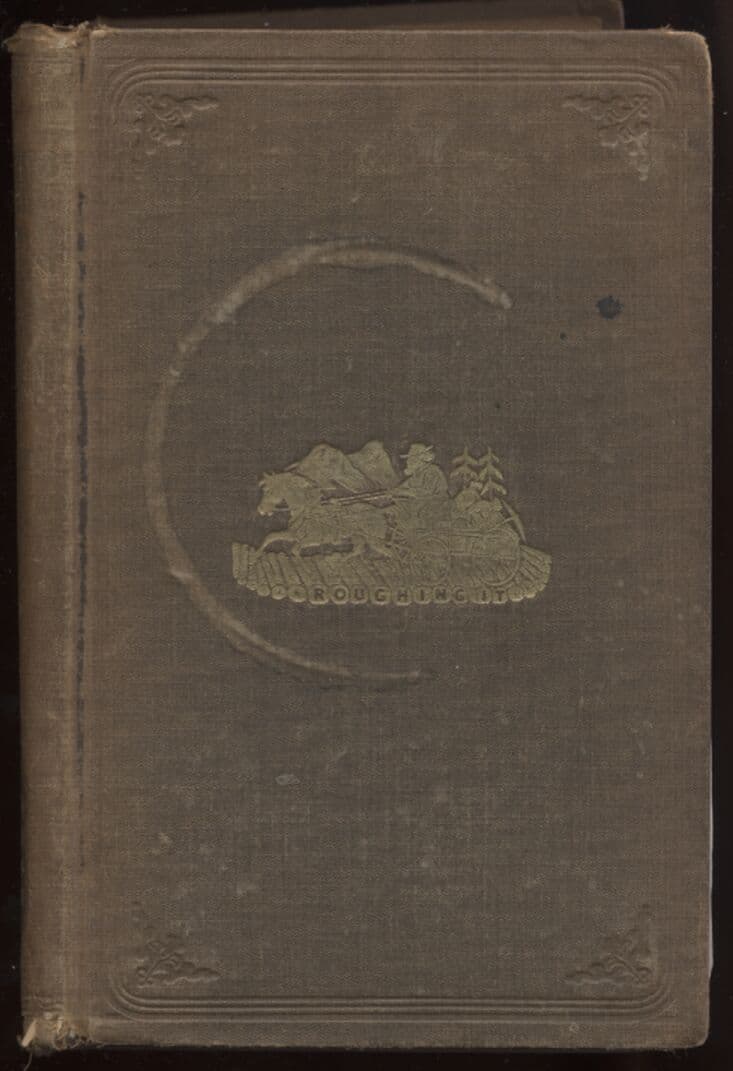
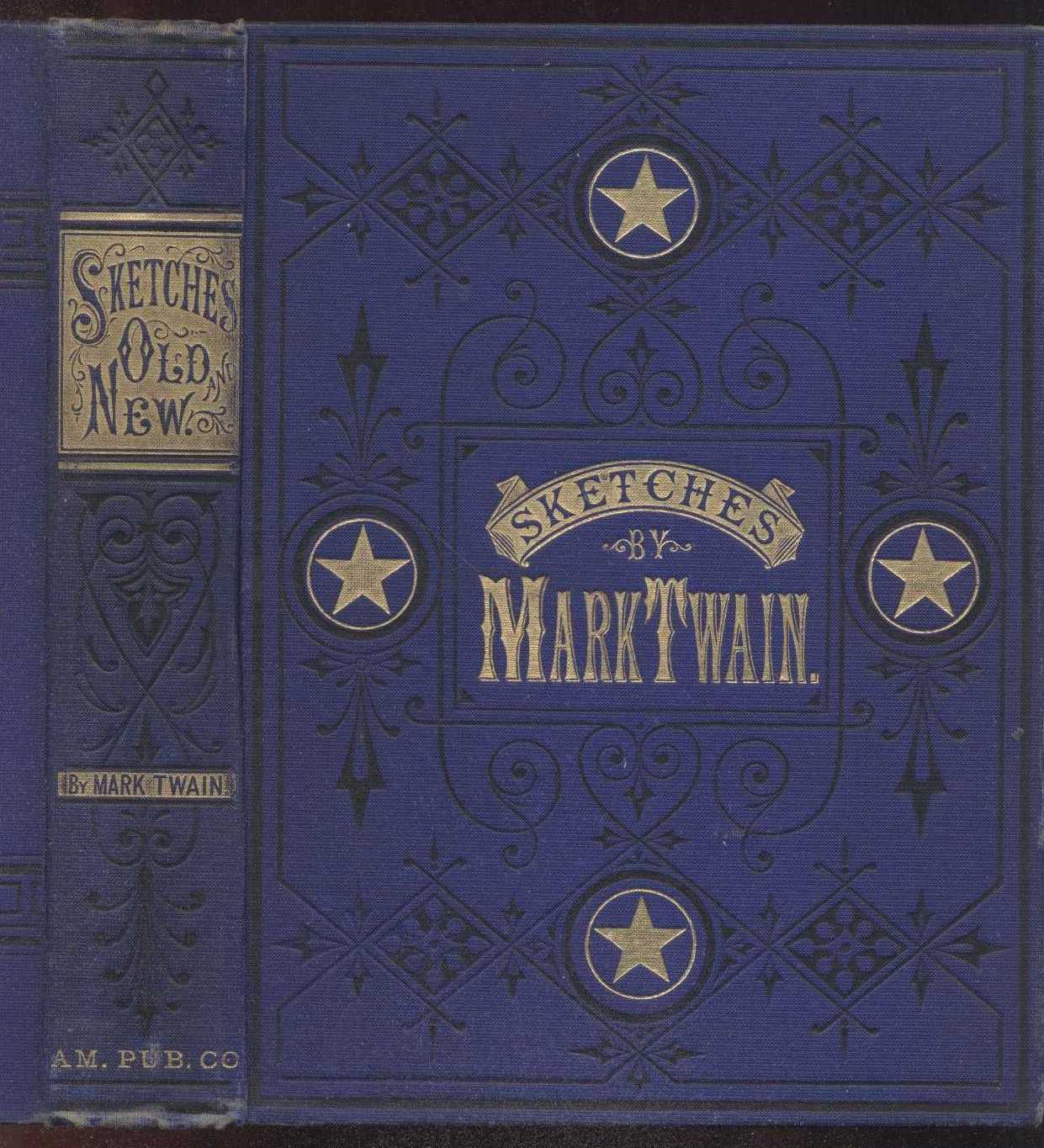
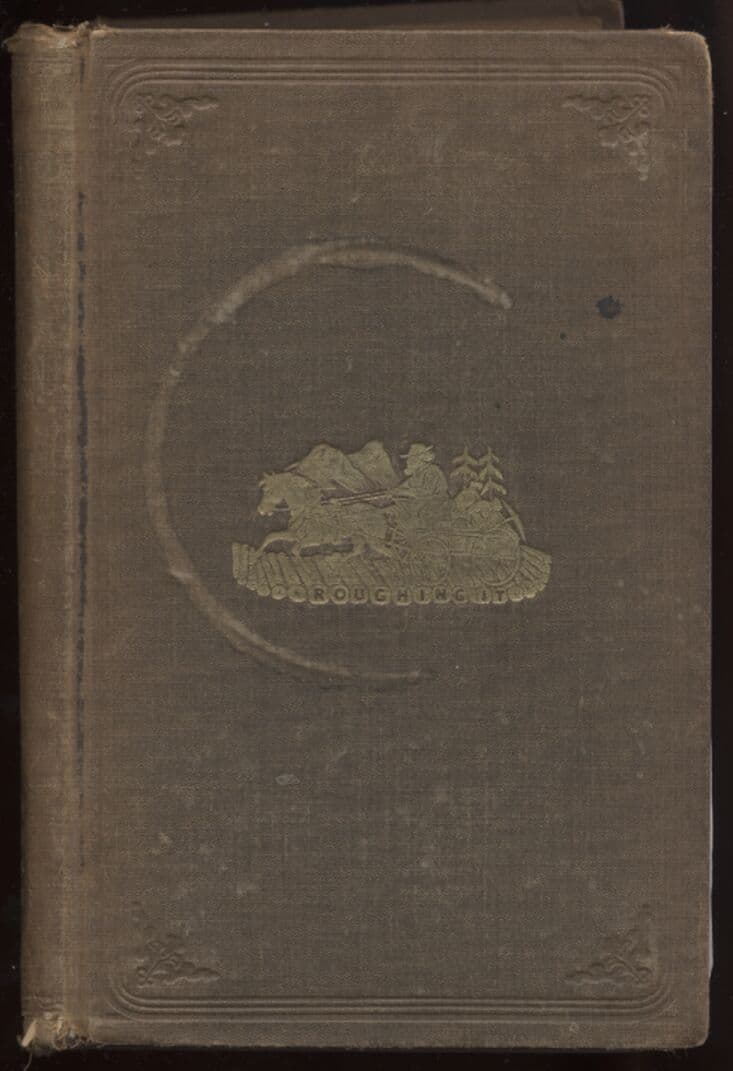
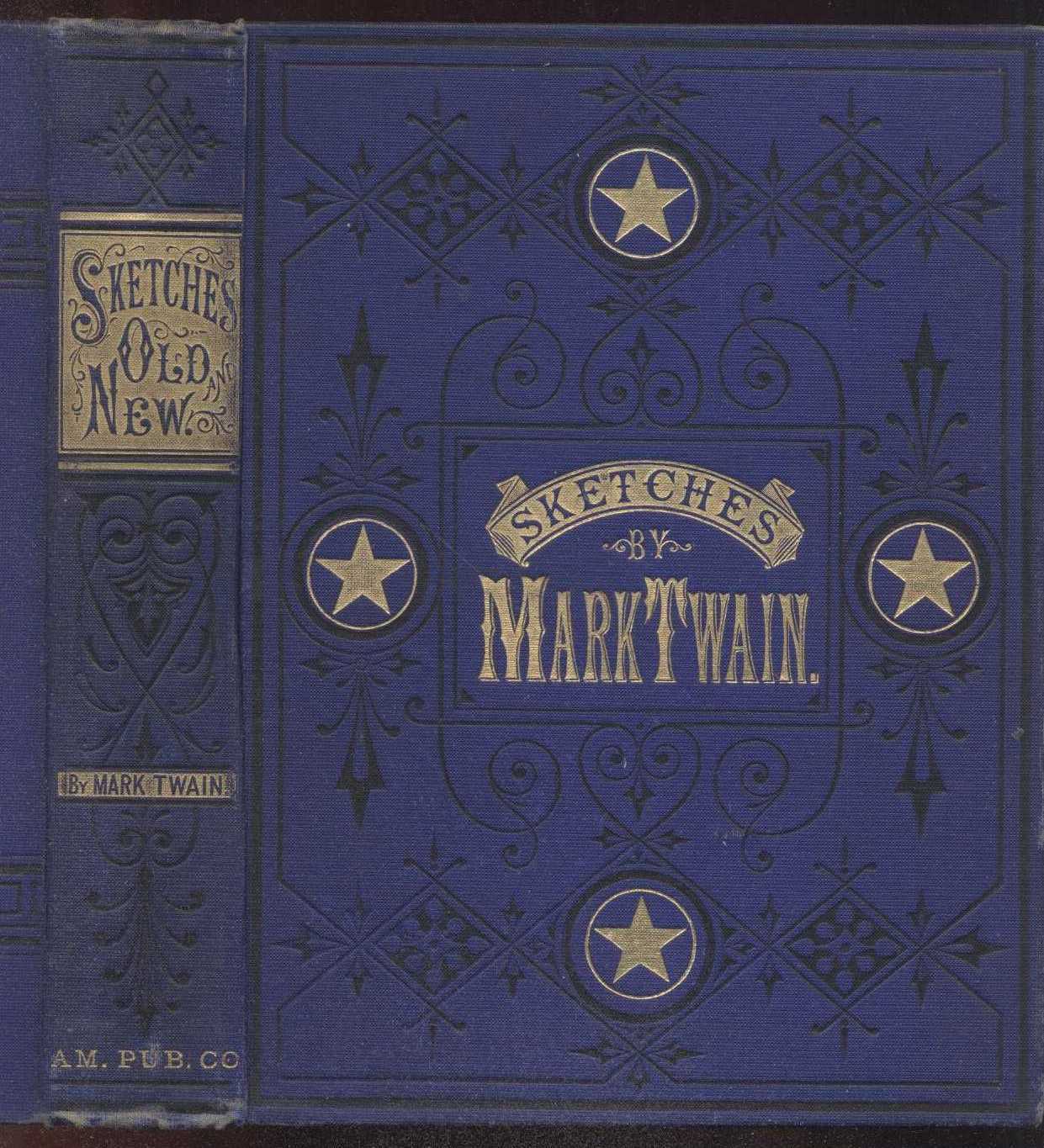
Editions

X-Ray
“The less there is to justify a traditional custom, the harder it is to get rid of it””
— Mark Twain
“Ah, if he could only die temporarily!””
— Mark Twain
“Tom said to himself that it was not such a hollow world, after all. He had discovered a great law of human action, without knowing it -- namely, that in order to make a man or a boy covet a thing, it is only necessary to make the thing difficult to attain. If he had been a great and wise philosopher, like the writer of this book, he would now have comprehended that Work consists of whatever a body is obliged to do, and that Play consists of whatever a body is not obliged to do. And this would help him to understand why constructing artificial flowers or performing on a tread-mill is work, while rolling ten-pins or climbing Mont Blanc is only amusement. There are wealthy gentlemen in England who drive four-horse passenger-coaches twenty or thirty miles on a daily line, in the summer, because the privilege costs them considerable money; but if they were offered wages for the service, that would turn it into work and then they would resign.””
— Mark Twain
“Well, everybody does it that way, Huck.""Tom, I am not everybody.””
— Mark Twain
“Huck was always willing to take a hand in any enterprise that offered entertainment and required no capital, for he had a troublesome super-abundance of that sort of time which is money.””
— Mark Twain
“Saturday morning was come, and all the summer world was bright and fresh, and brimming with life. There was a song in every heart; and if the heart was young, the music issued at the lips. There was cheer in every face and a spring in every step. The locust-trees were in bloom, and the fragrance of the blossoms filled the air. Cardiff Hill, beyond the village and above, it was green with vegetation, and it lay just far enough away to seem a Delectable Land, dreamy, reposeful, and inviting.””
— Mark Twain
“Let us draw the curtain of charity over the rest of this scene””
— Mark Twain
“Who knows, he may grow up to be President someday, unless they hang him first!" Aunt Polly about Tom Sawyer””
— Mark Twain
“They said they would rather be outlaws a year in Sherwood Forest than President of the United States forever.””
— Mark Twain
About The Adventures of Tom Sawyer, Complete
Chapter Summaries
- 1
- Aunt Polly searches for Tom, who has skipped school and eaten jam. She tries to punish him, but he escapes. Later, she discovers he went swimming by checking his shirt collar. Tom then gets into a fight with a new boy in town.
- 2
- Tom is assigned the chore of whitewashing a long fence on Saturday. He cleverly convinces other boys, including Ben Rogers, to pay him with various treasures for the 'privilege' of doing the work, thus completing the task without effort.
- 3
- Tom wins a clod fight against Sid and then leads his 'army' to victory in a mock battle. He becomes infatuated with Becky Thatcher, forgetting Amy Lawrence, and tries to impress her. Later, he is wrongly punished for breaking a sugar bowl, a deed committed by Sid.
Key Themes
- Childhood Innocence vs. Adult Responsibility
- The novel vividly portrays the carefree world of childhood games and imagination, contrasting it with the harsh realities and moral dilemmas of the adult world. Tom's adventures, from whitewashing to piracy, are initially driven by innocent desires for play, but he is gradually forced to confront adult responsibilities, particularly after witnessing the murder.
- Moral Development and Conscience
- Tom's journey is marked by significant moral growth. His initial fear and self-preservation after witnessing Injun Joe's crime are eventually overcome by his conscience, leading him to testify and save Muff Potter. This internal struggle highlights the development of his understanding of right and wrong, moving beyond simple rules to deeper ethical considerations.
- Freedom vs. Civilization
- This theme is most evident in the contrast between Tom and Huck. Huck embodies complete freedom, unburdened by societal rules, while Tom navigates the constraints of civilization. The boys' escape to Jackson's Island represents a yearning for unbridled liberty, but the narrative also explores the benefits and drawbacks of both states, ultimately suggesting a balance is needed.
Characters
- Tom Sawyer(protagonist)
- A mischievous, imaginative, and adventurous orphan boy living with his Aunt Polly, who often finds himself in trouble but possesses a good heart.
- Aunt Polly(supporting)
- Tom's kind-hearted but strict guardian, who tries to instill discipline in him while secretly doting on him.
- Huckleberry Finn(supporting)
- The son of the town drunkard, a free-spirited outcast admired by other boys for his independence and lack of social constraints.
- Becky Thatcher(supporting)
- The new girl in town, Judge Thatcher's daughter, who becomes Tom's primary love interest and the object of his affections and heroic acts.
- Injun Joe(antagonist)
- A dangerous, vengeful half-breed criminal responsible for Dr. Robinson's murder and the main source of fear for Tom and Huck.
- Muff Potter(supporting)
- A good-natured but often drunken villager, framed for Dr. Robinson's murder by Injun Joe.
Link to this book
Add a free, dofollow link to Lex on your blog, forum, syllabus, or reading list.

<a href="https://lex-books.com/book/the-adventures-of-tom-sawyer-complete-48174932-ccb0-4c49-9e45-38be178cac1e"><img src="https://lex-books.com/badges/read-on-lex.svg" alt="Read The Adventures of Tom Sawyer, Complete by Mark Twain free on Lex" width="160" height="40"></a>[](https://lex-books.com/book/the-adventures-of-tom-sawyer-complete-48174932-ccb0-4c49-9e45-38be178cac1e)[url=https://lex-books.com/book/the-adventures-of-tom-sawyer-complete-48174932-ccb0-4c49-9e45-38be178cac1e][img]https://lex-books.com/badges/read-on-lex.svg[/img][/url]Read The Adventures of Tom Sawyer, Complete by Mark Twain free on Lex: https://lex-books.com/book/the-adventures-of-tom-sawyer-complete-48174932-ccb0-4c49-9e45-38be178cac1eCite this book
Reading this edition for a paper or guide? Copy a citation.
Twain, Mark. The Adventures of Tom Sawyer, Complete. Lex, lex-books.com/book/the-adventures-of-tom-sawyer-complete-48174932-ccb0-4c49-9e45-38be178cac1e.Twain, M. (1876). The Adventures of Tom Sawyer, Complete. Lex. https://lex-books.com/book/the-adventures-of-tom-sawyer-complete-48174932-ccb0-4c49-9e45-38be178cac1eTwain, Mark. The Adventures of Tom Sawyer, Complete. Lex. https://lex-books.com/book/the-adventures-of-tom-sawyer-complete-48174932-ccb0-4c49-9e45-38be178cac1e.