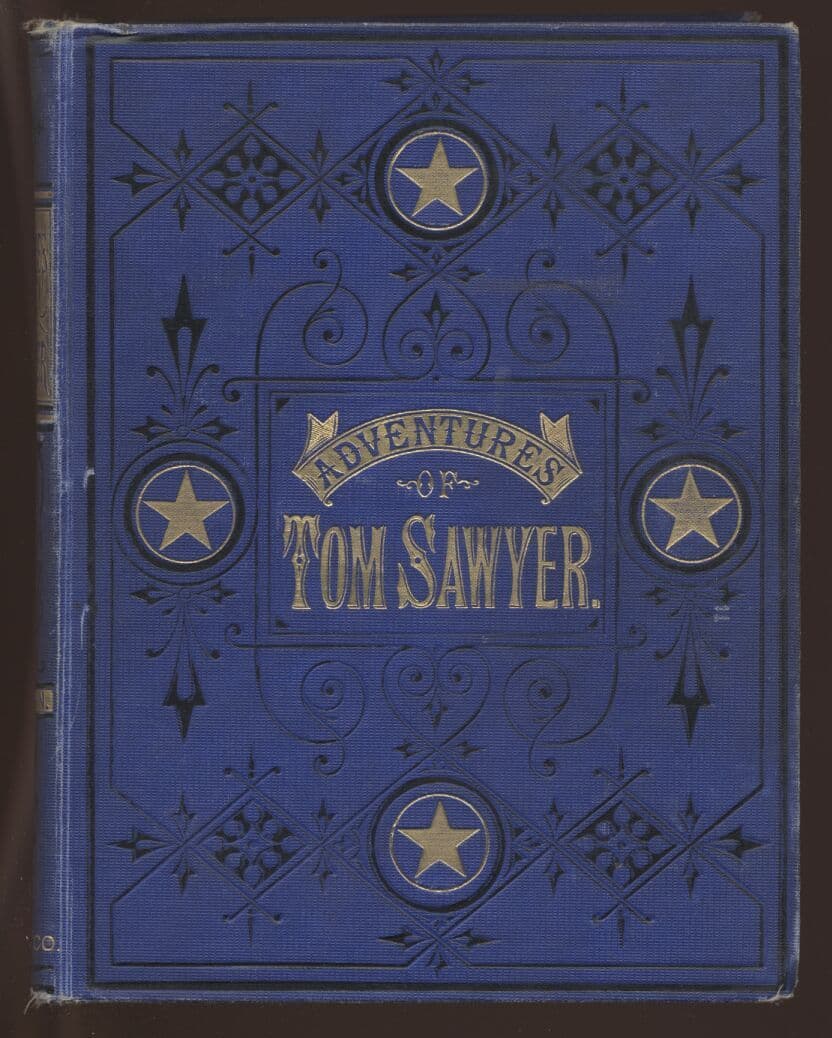
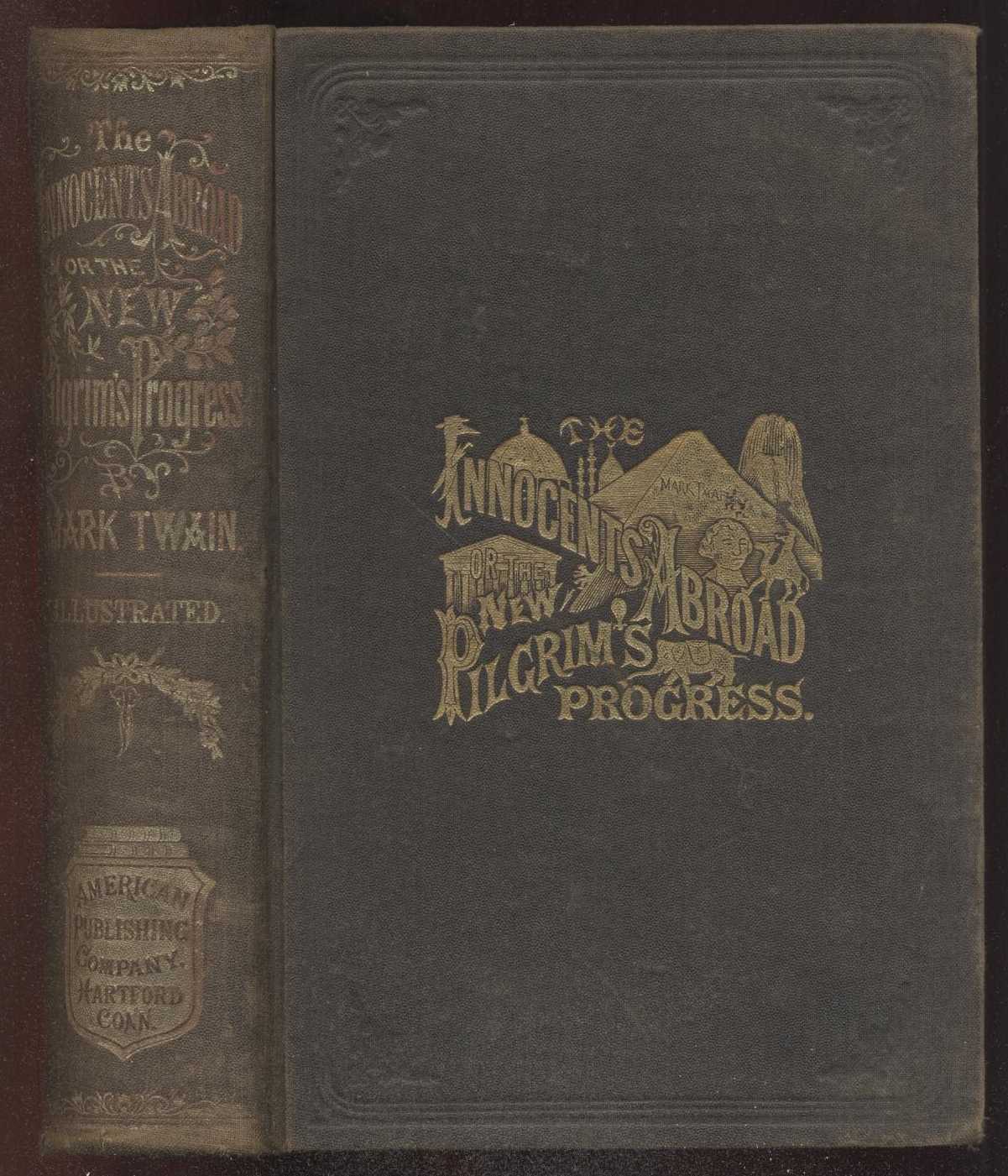
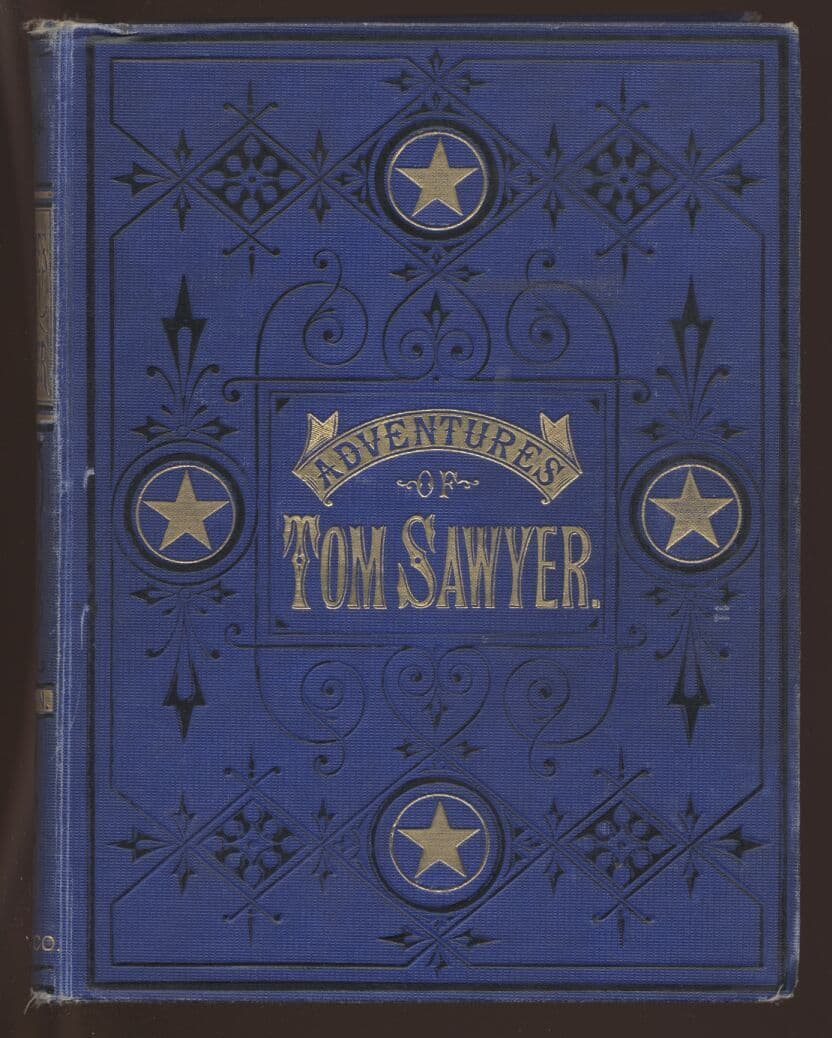
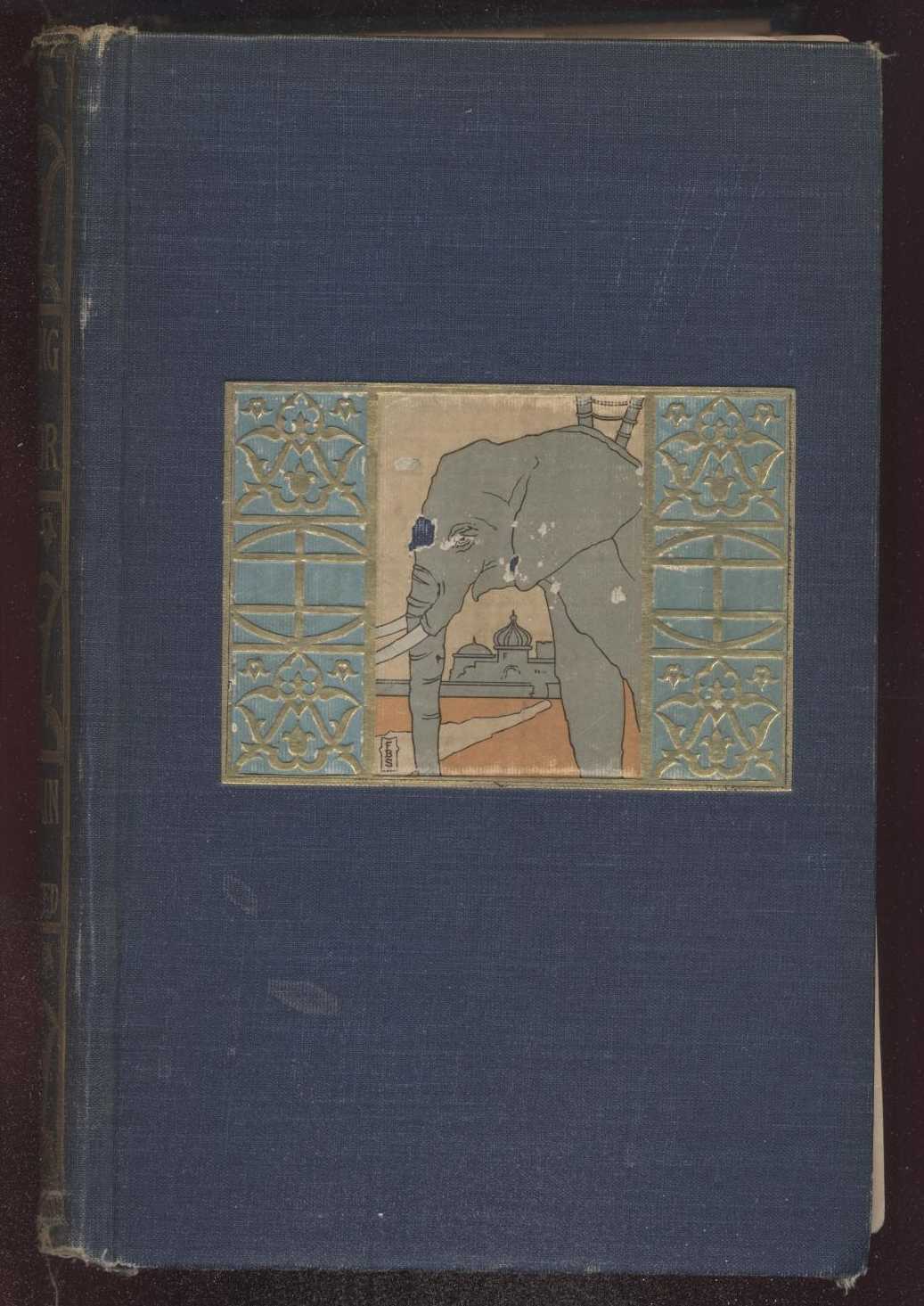
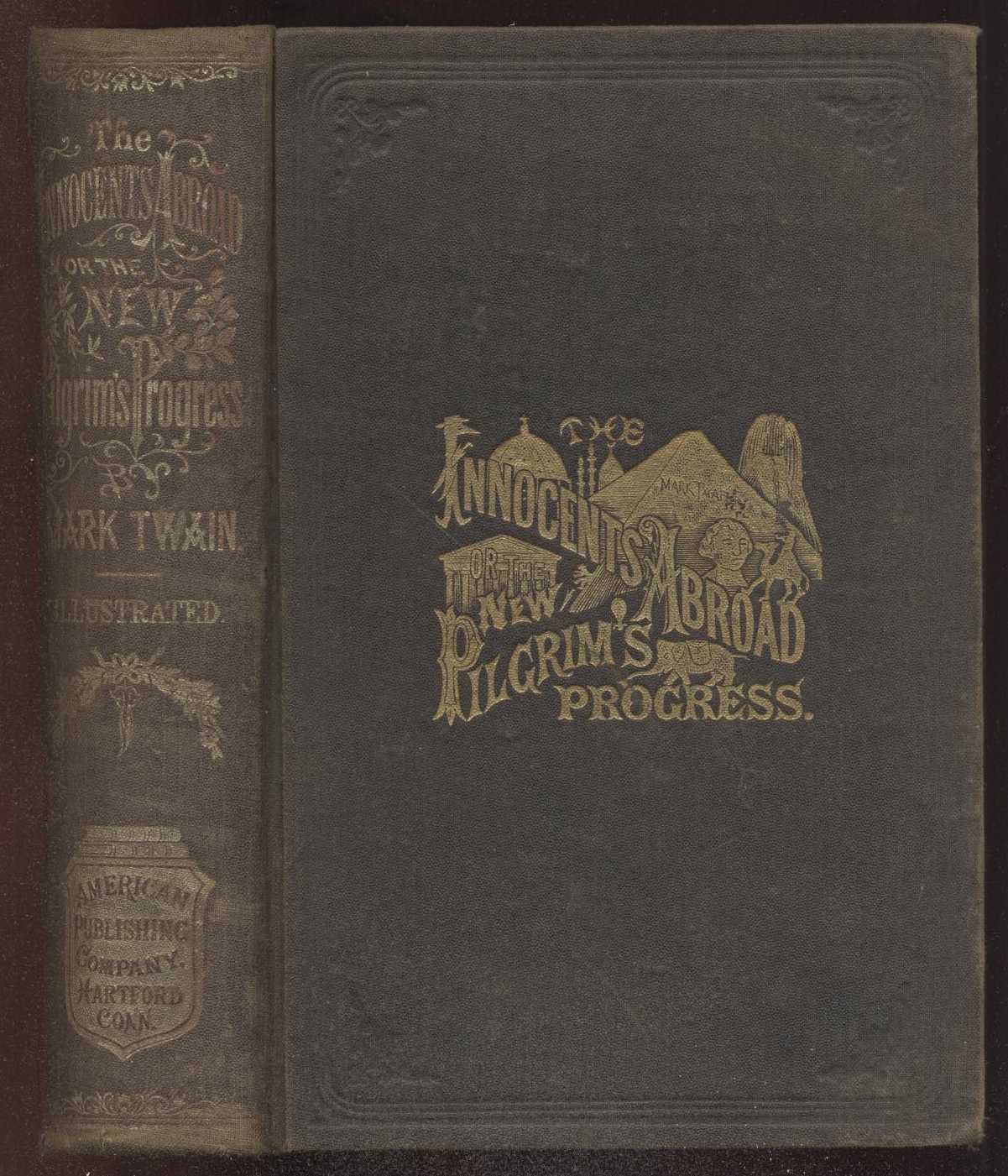
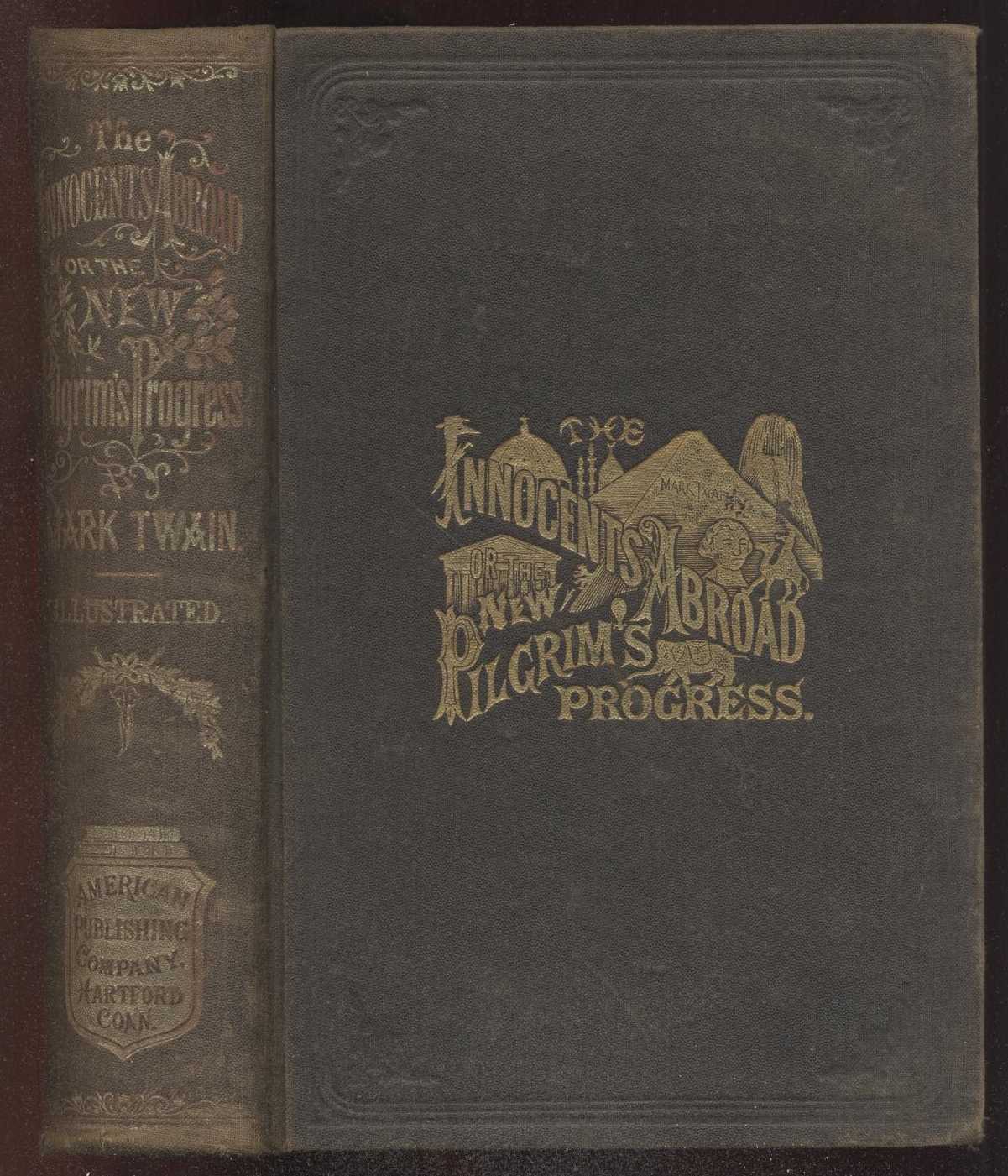
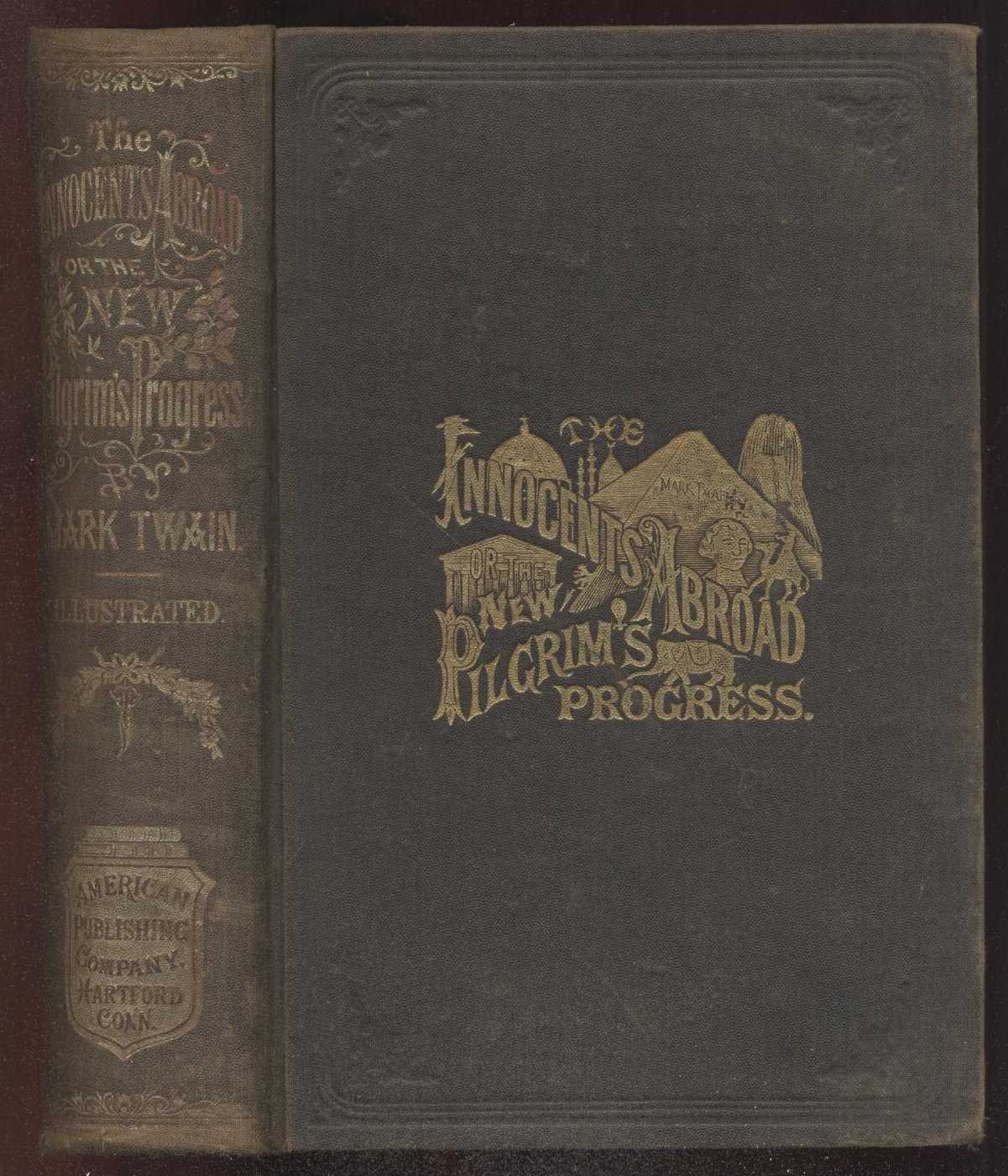
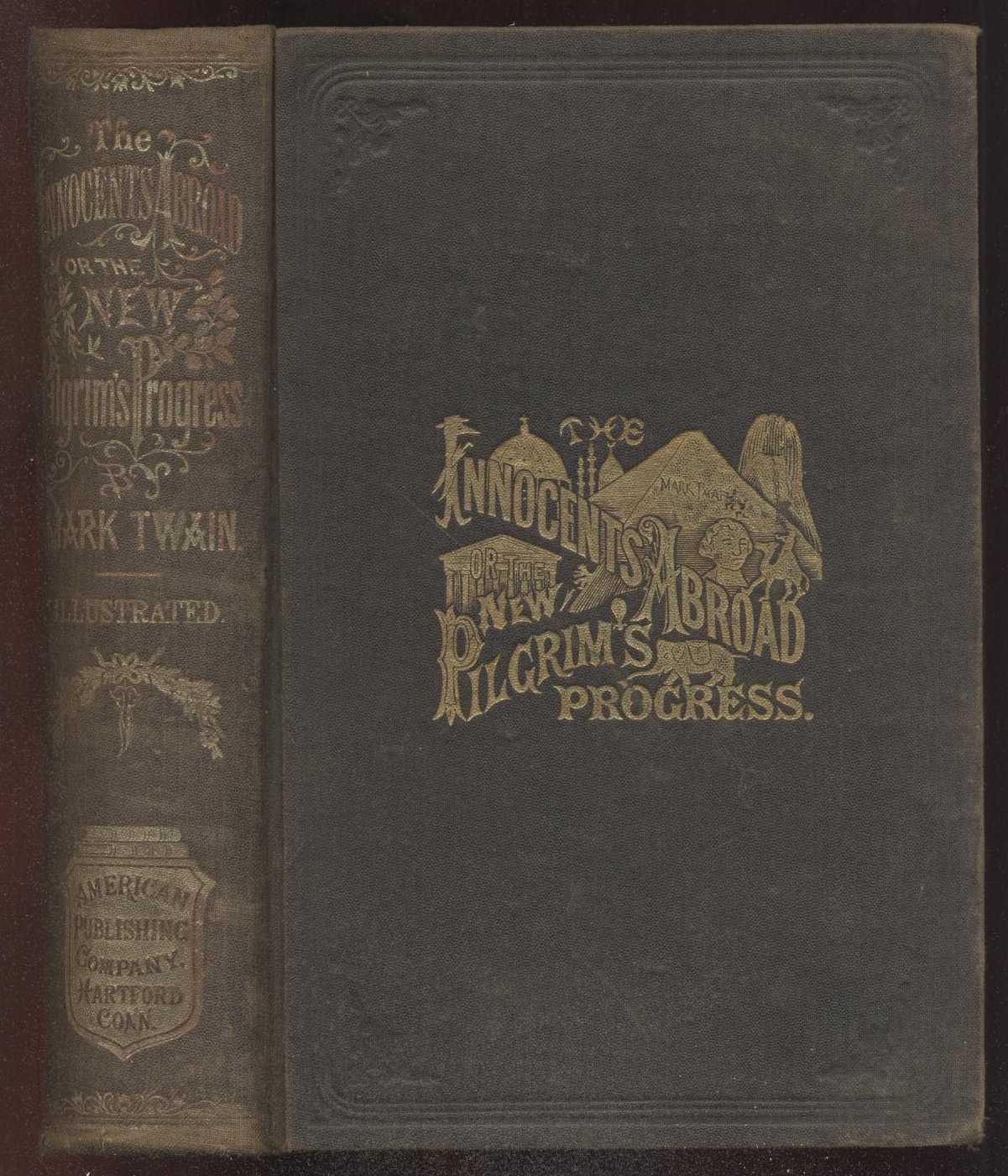
The Innocents Abroad — Volume 05
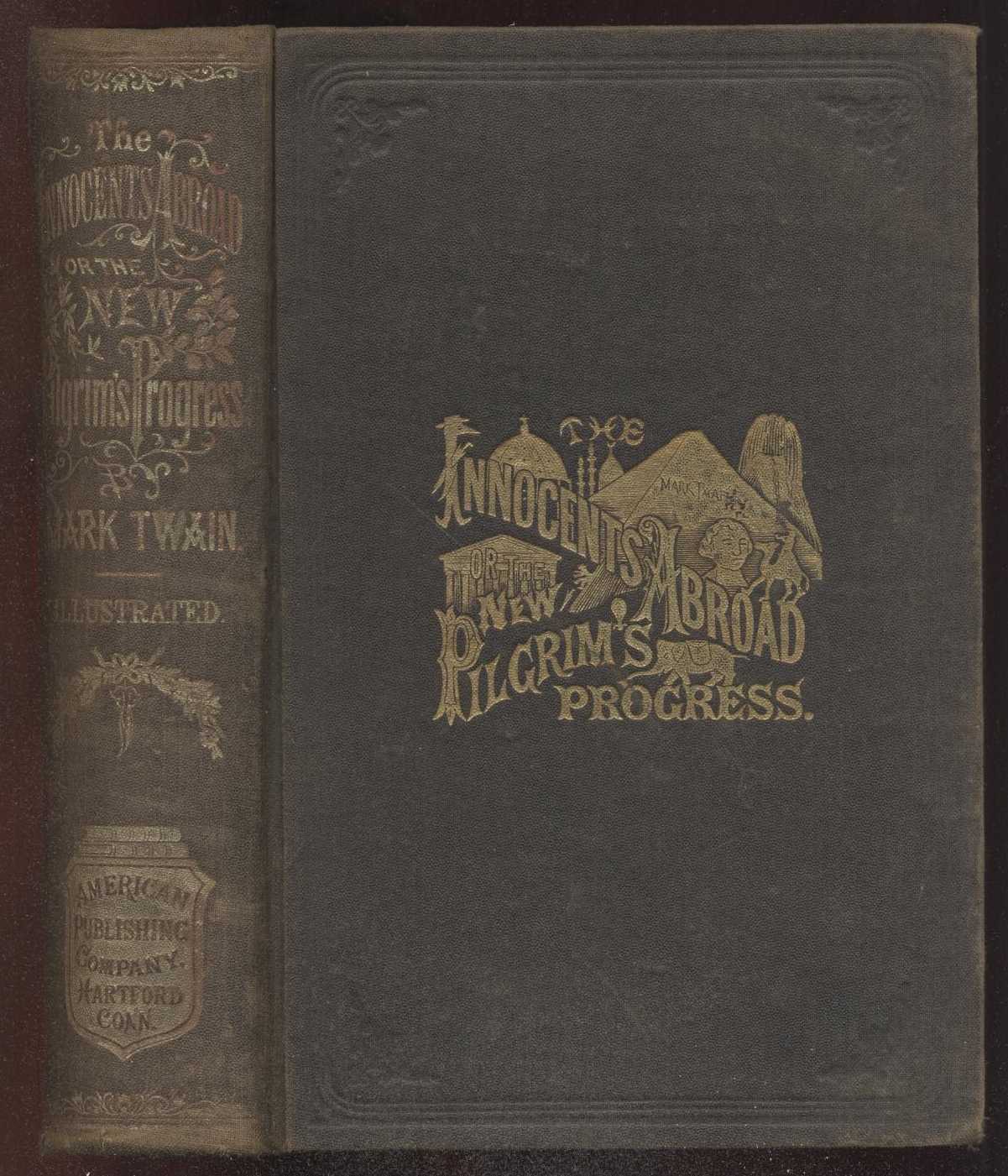
Here are the letters Mark Twain wished had never been published - the raw, uncut versions that would have 'ruined him' if they'd circulated in their original form. In 1867, the young journalist joined the Grand Holy Land Pleasure Excursion aboard the steamship Quaker City, serving as special correspondent for a San Francisco newspaper. What followed was a five-month odyssey through Tangier, Paris, Venice, Constantinople, and Bethlehem, written in letters that bristled with savage wit and elegant vituperation. These are not the sanitized dispatches that became The Innocents Abroad - those were revised to please refined eastern tastes. This is Twain before the softening, before the mellowing into American legend. Here he mocks his fellow pilgrims, laments bad food, skewers the absurdities of travel, and delivers observations so sharp they still draw blood. The genius of The Innocents Abroad was always in what Twain left out. Now you can read what he cut.
Editions
X-Ray
“In Paris they just simply opened their eyes and stared when we spoke to them in French! We never did succeed in making those idiots understand their own language.””
— Mark Twain
“Broad, wholesome, charitable views of men and things can not be acquired by vegetating in one little corner of the earth all one's lifetime.””
— Mark Twain
“The gentle reader will never, never know what a consummate ass he can become until he goes abroad. I speak now, of course, in the supposition that the gentle reader has not been abroad, and therefore is not already a consummate ass. If the case be otherwise, I beg his pardon and extend to him the cordial hand of fellowship and call him brother. I shall always delight to meet an ass after my own heart when I have finished my travels.””
— Mark Twain
“One must travel, to learn. Every day, now, old Scriptural phrases that never possessed any significance for me before, take to themselves a meaning.””
— Mark Twain
“Travel is fatal to prejudice, bigotry and narrow-mindedness, and many of our people need it sorely on these accounts.””
— Mark Twain
“Memories which someday will become all beautiful when the last annoyance that encumbers them shall have faded out of our minds.””
— Mark Twain
“She kept up her compliments, and I kept up my determination to deserve them or die.””
— Mark Twain
“As far as I can see, Italy, for fifteen hundred years, has turned all her energies, all her finances, and all her industry to the building up of a vast array of wonderful church edifices, and starving half her citizens to accomplish it. She is today one vast museum of magnificence and misery. All the churches in an ordinary American city put together could hardly buy the jeweled frippery in one of her hundred cathedrals. And for every beggar in America, Italy can show a hundred - and rags and vermin to match. It is the wretchedest, princeliest land on earth. Look at the grande Doumo of Florence - a vast pile that has been sapping the purses of her citizens for five hundred years, and is not nearly finished yet. Like all other men, I fell down and worshiped it, but when the filthy beggars swarmed around me the contrast was too striking, too suggestive, and I said. "Oh, sons of classic Italy, is the spirit of enterprise, of self-reliance, of noble endeavor, utterly dead within ye? Curse your indolent worthlessness, why don't you rob your church?””
— Mark Twain
“We wish to learn all the curious, outlandish ways of all the different countries, so that we can "show off" and astonish people when we get home. We wish to excite the envy of our untraveled friends with our strange foreign fashions which we can't shake off.””
— Mark Twain
Link to this book
Add a free, dofollow link to Lex on your blog, forum, syllabus, or reading list.

<a href="https://lex-books.com/book/the-innocents-abroad-volume-05-658638f0-7082-48b4-8422-d99eb4eecccd"><img src="https://lex-books.com/badges/read-on-lex.svg" alt="Read The Innocents Abroad — Volume 05 by Mark Twain free on Lex" width="160" height="40"></a>[](https://lex-books.com/book/the-innocents-abroad-volume-05-658638f0-7082-48b4-8422-d99eb4eecccd)[url=https://lex-books.com/book/the-innocents-abroad-volume-05-658638f0-7082-48b4-8422-d99eb4eecccd][img]https://lex-books.com/badges/read-on-lex.svg[/img][/url]Read The Innocents Abroad — Volume 05 by Mark Twain free on Lex: https://lex-books.com/book/the-innocents-abroad-volume-05-658638f0-7082-48b4-8422-d99eb4eecccdCite this book
Reading this edition for a paper or guide? Copy a citation.
Twain, Mark. The Innocents Abroad — Volume 05. Lex, lex-books.com/book/the-innocents-abroad-volume-05-658638f0-7082-48b4-8422-d99eb4eecccd.Twain, M. (n.d.). The Innocents Abroad — Volume 05. Lex. https://lex-books.com/book/the-innocents-abroad-volume-05-658638f0-7082-48b4-8422-d99eb4eecccdTwain, Mark. The Innocents Abroad — Volume 05. Lex. https://lex-books.com/book/the-innocents-abroad-volume-05-658638f0-7082-48b4-8422-d99eb4eecccd.