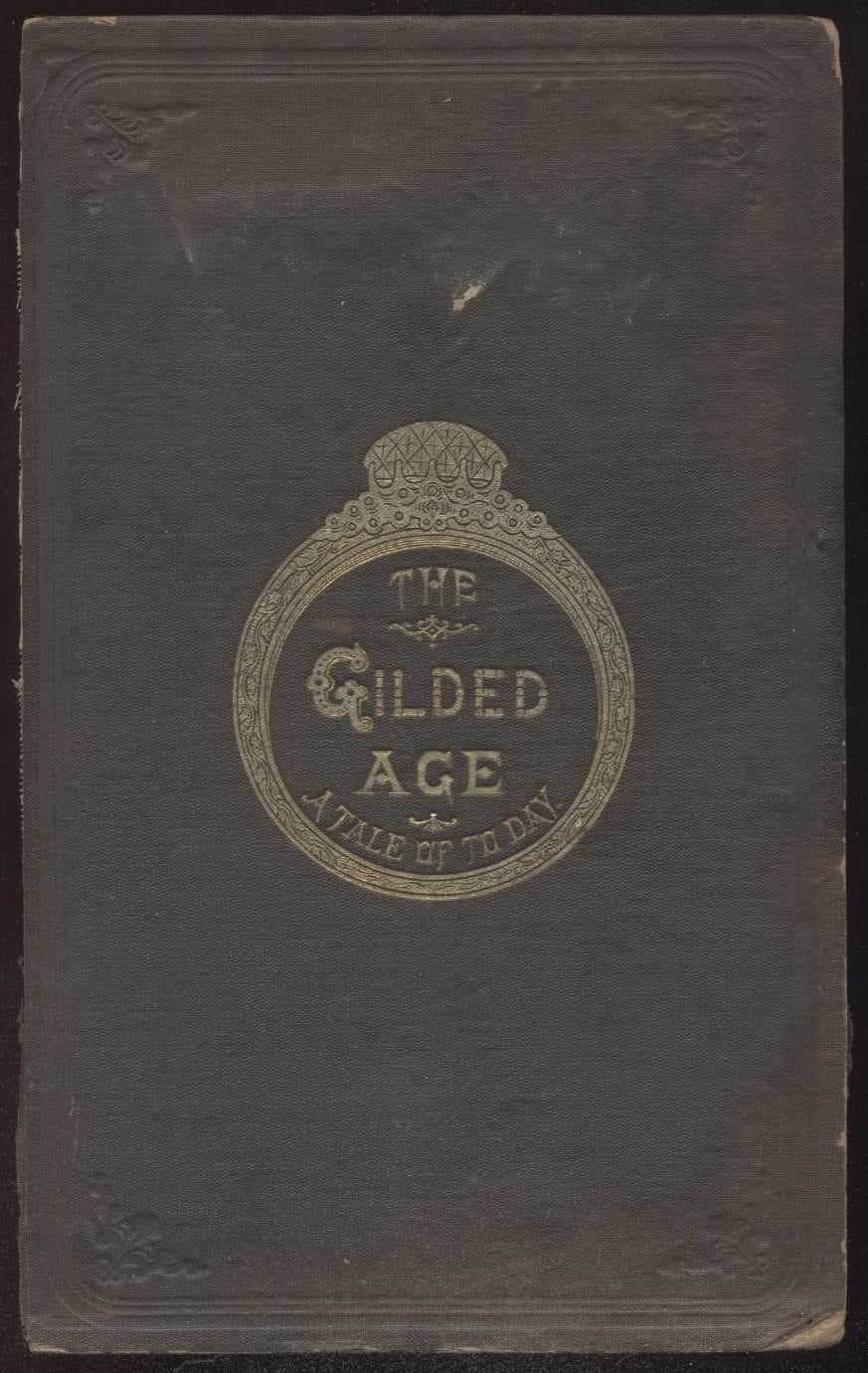
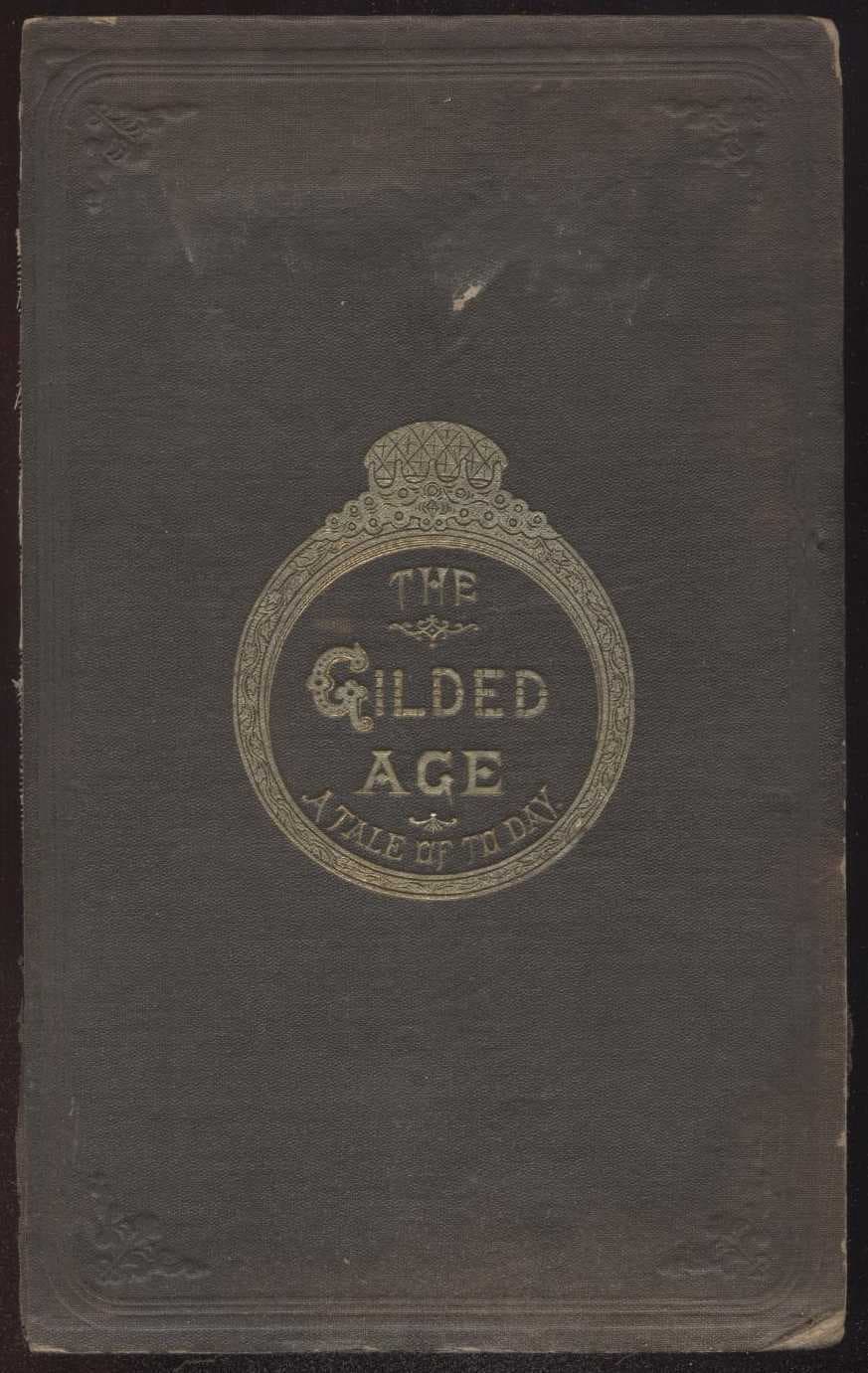
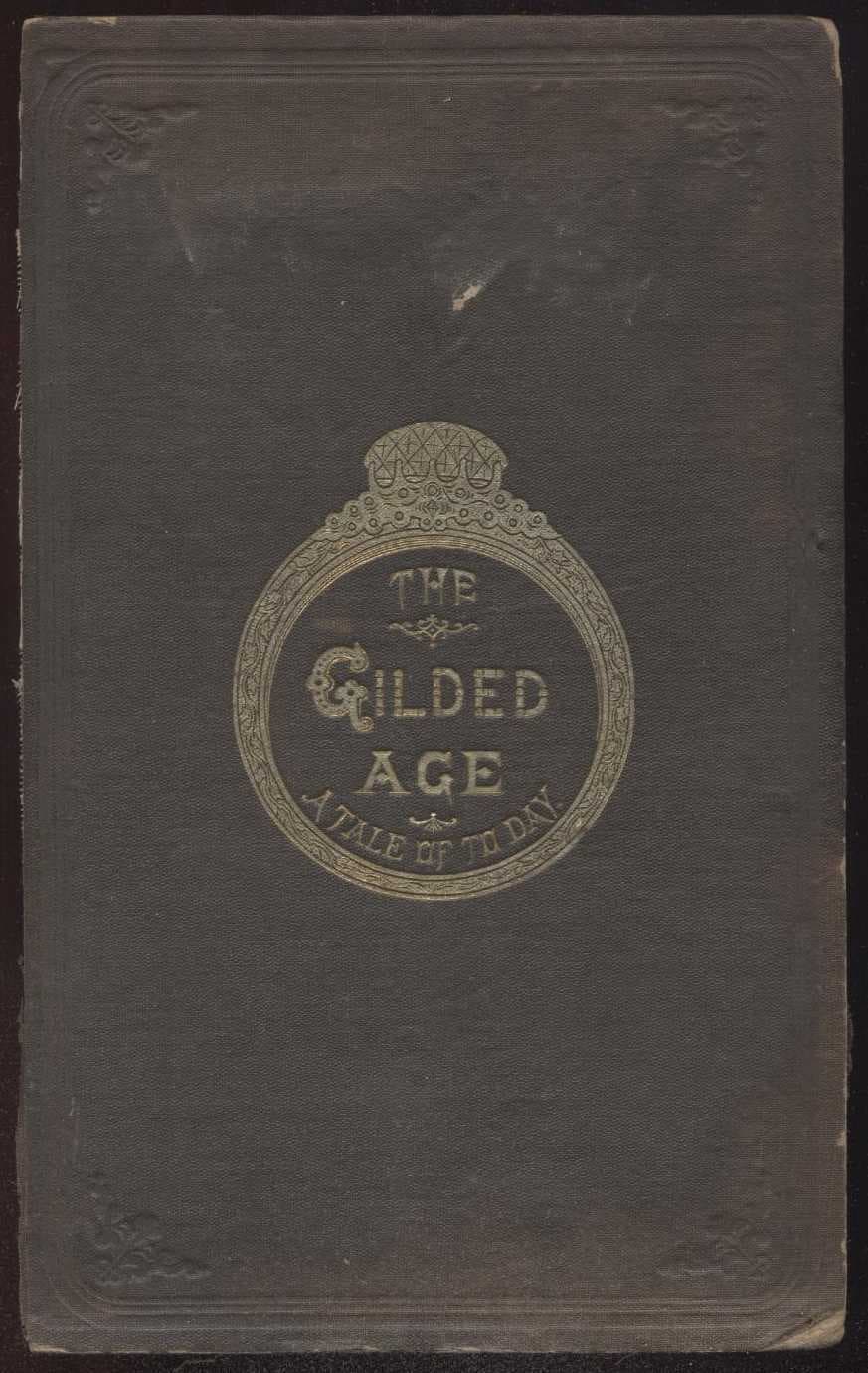
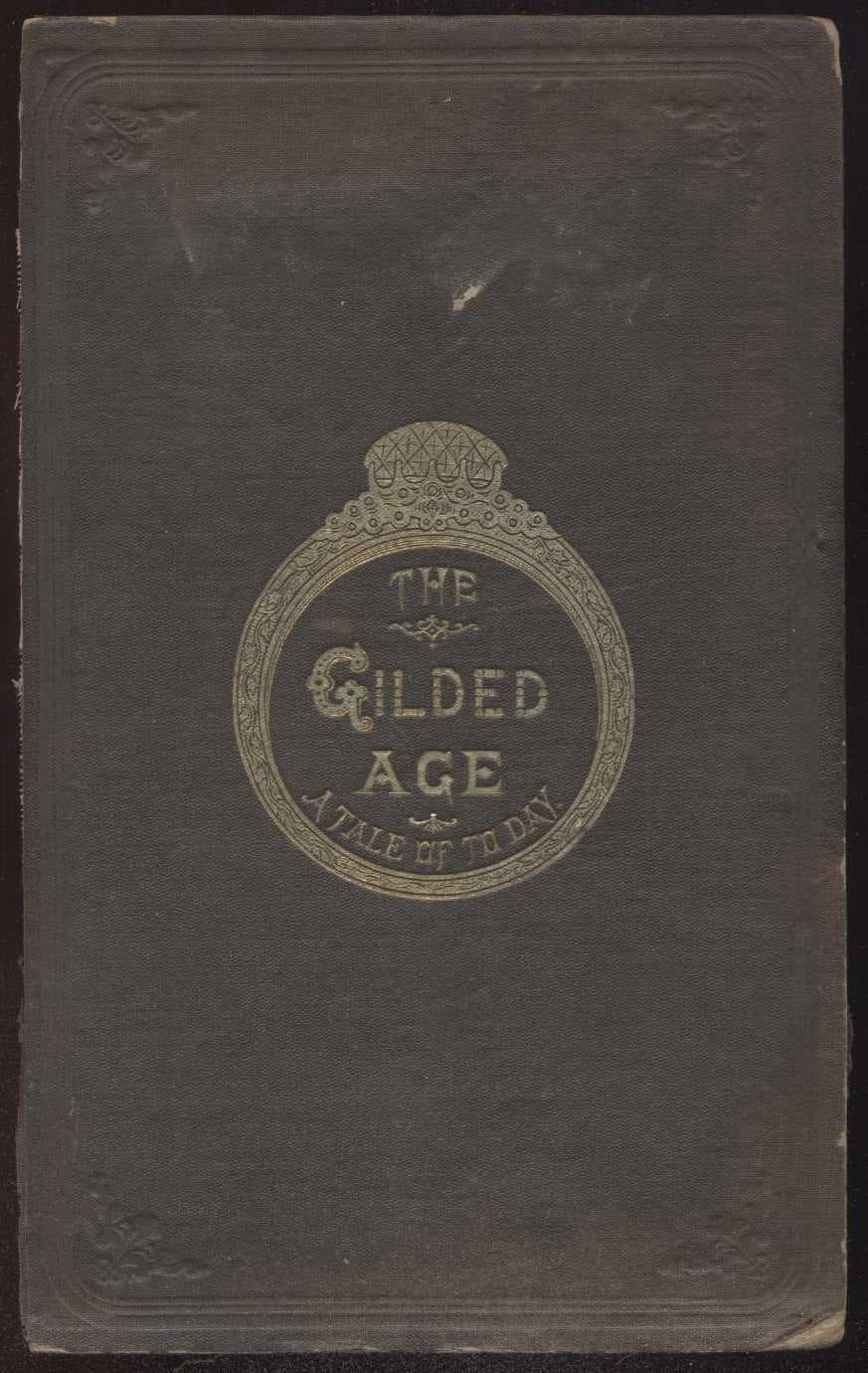
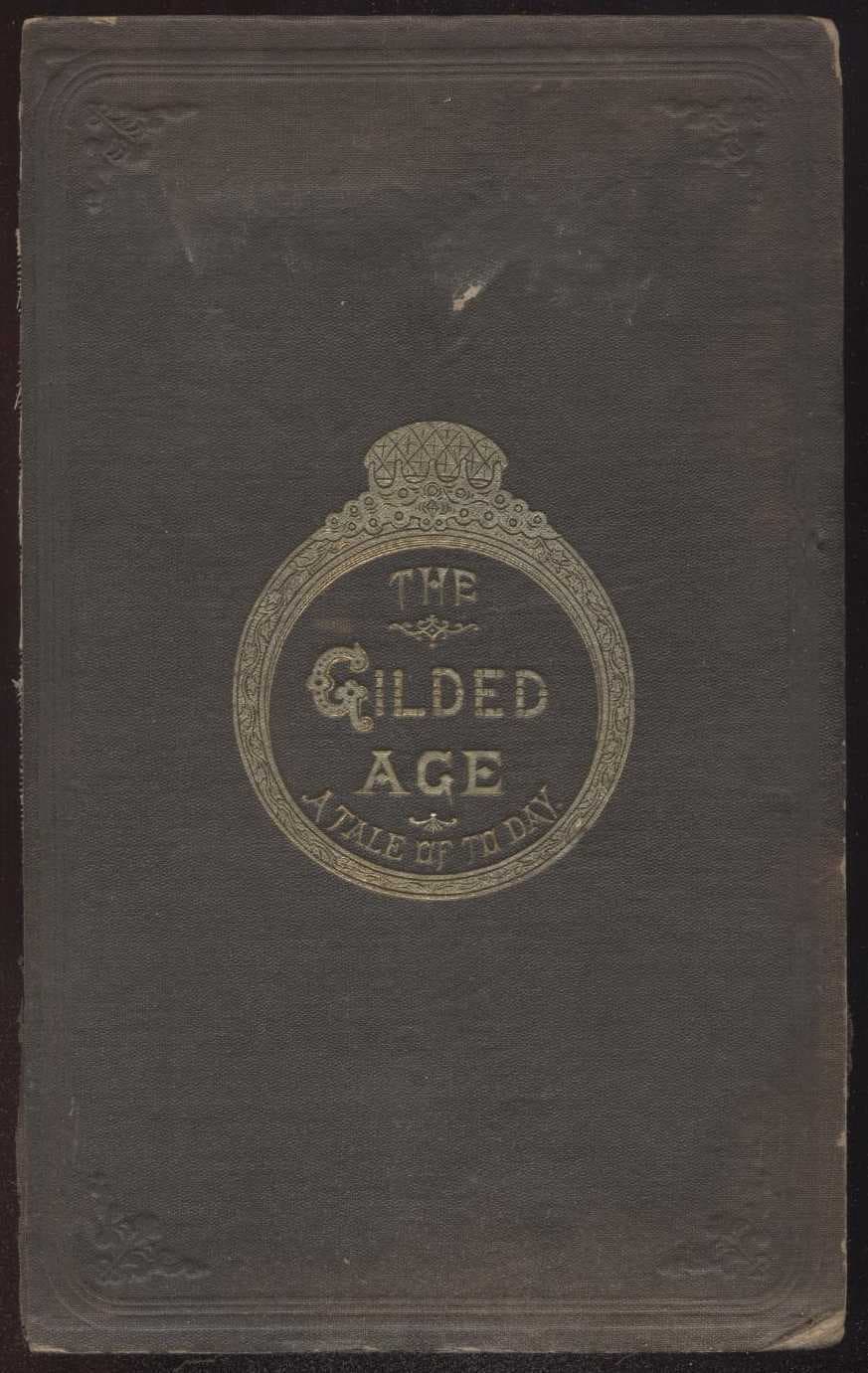
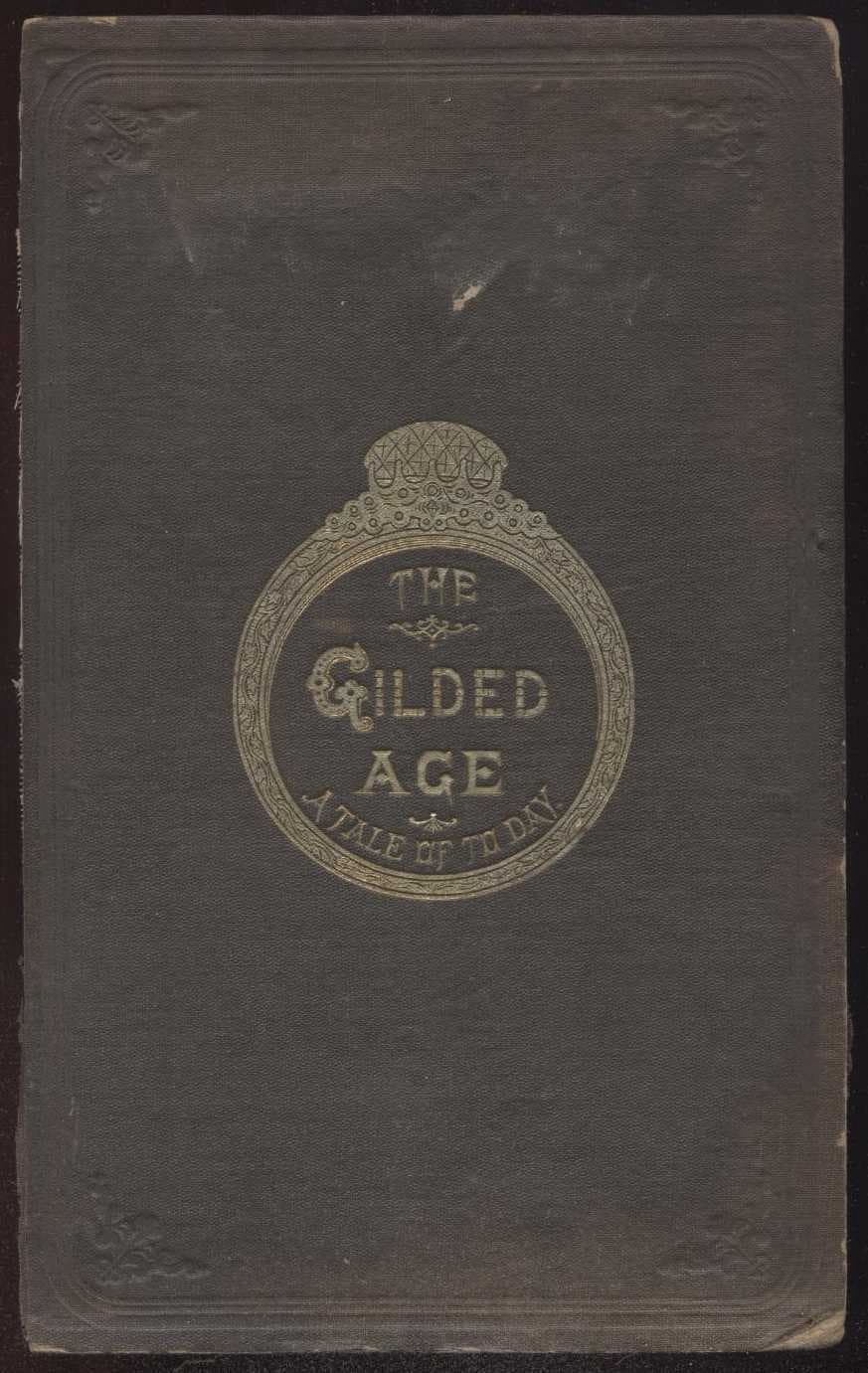
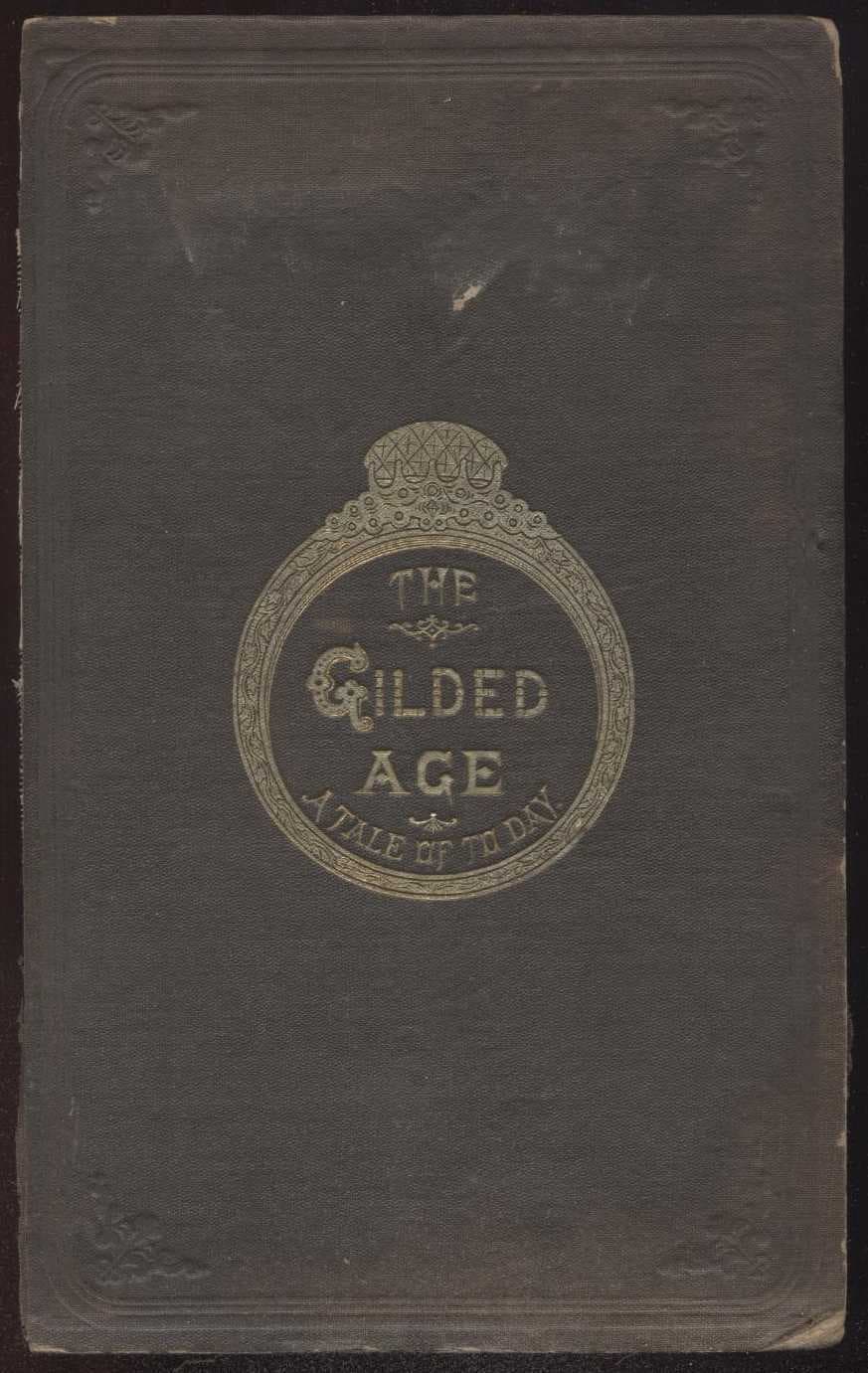
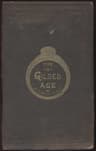
The Gilded Age: A Tale of Today
1873
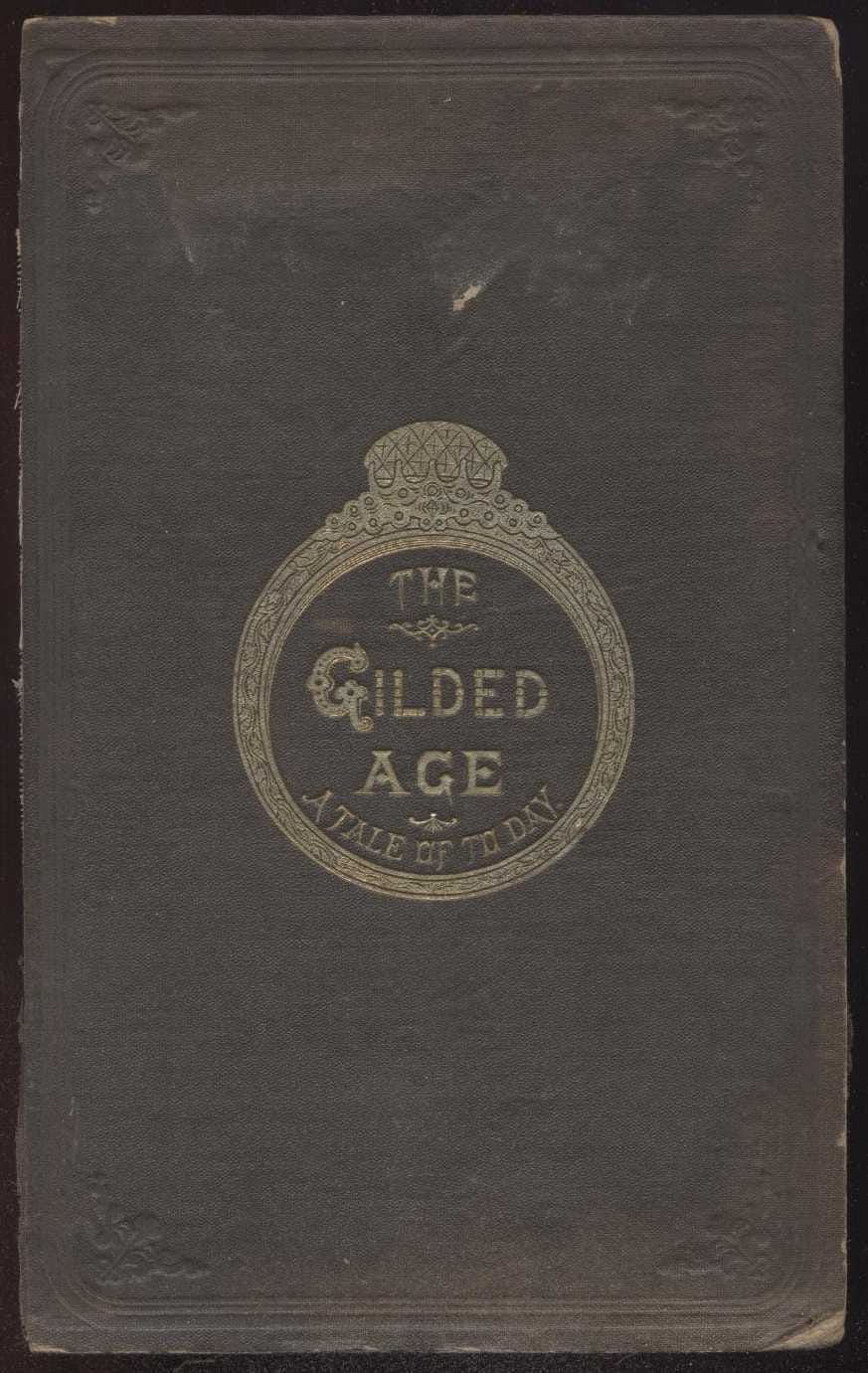
Here is a novel so perfectly cynical about American ambition that it named an entire historical era. When Mark Twain teamed with Charles Dudley Warner in 1873, they produced the only novel Twain ever co-wrote, and in doing so, minted a term that still describes our own age of graft, materialism, and political chicanery. The story follows the Hawkins family as they flee the economic doldrums of East Tennessee for the promise of Missouri, but the real action unfolds in Washington D.C., where senators sell votes, speculators pitch impossible railroad schemes, and the hapless but lovable Colonel Sellers hawks everything but his own kitchen sink with unshakable optimism. This is a novel of enormous wheels turning: railroads, land grabs, political machines grinding away at the public purse. Yet for all its cynicism, there's a tender thread in the Hawkins' journey and in Colonel Sellers himself, whose ridiculous schemes stem from genuine hope rather than malice. It endures because Twain saw something in 1873 that we still recognize: the American talent for dressing up greed as ambition and calling it progress.
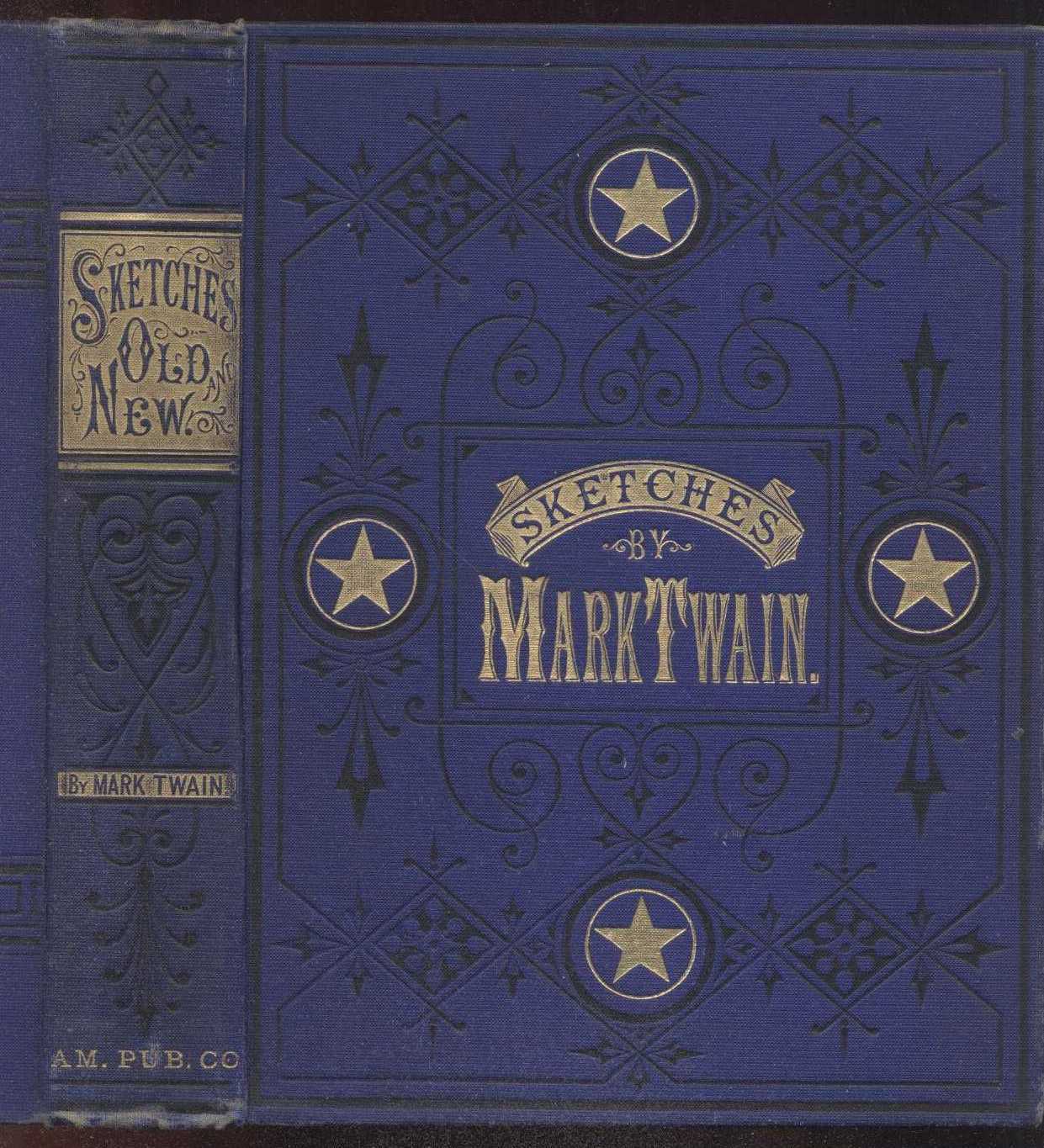
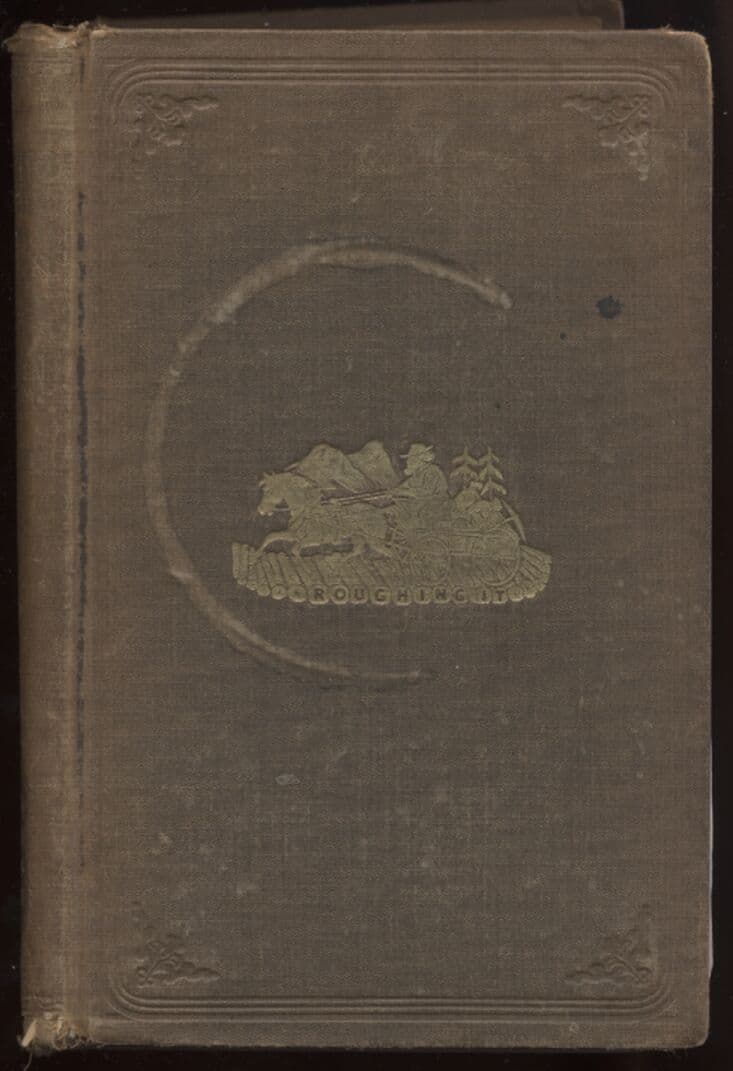
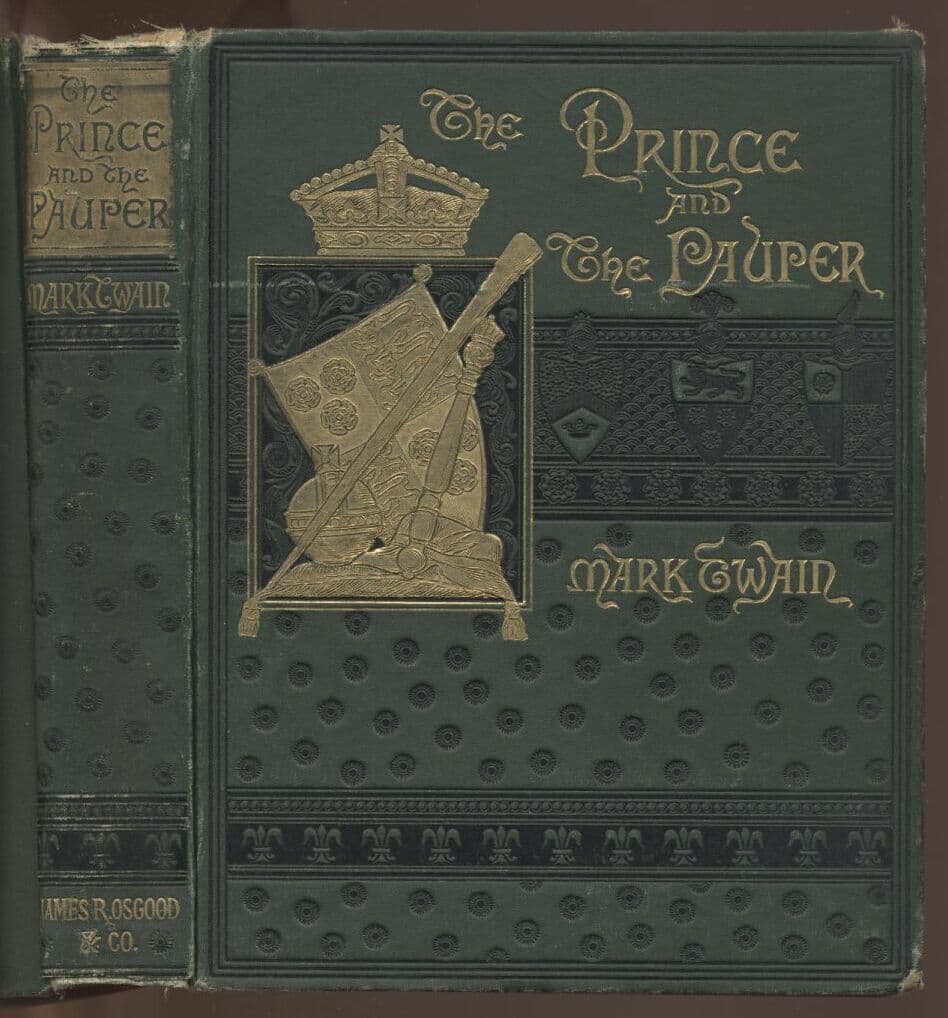
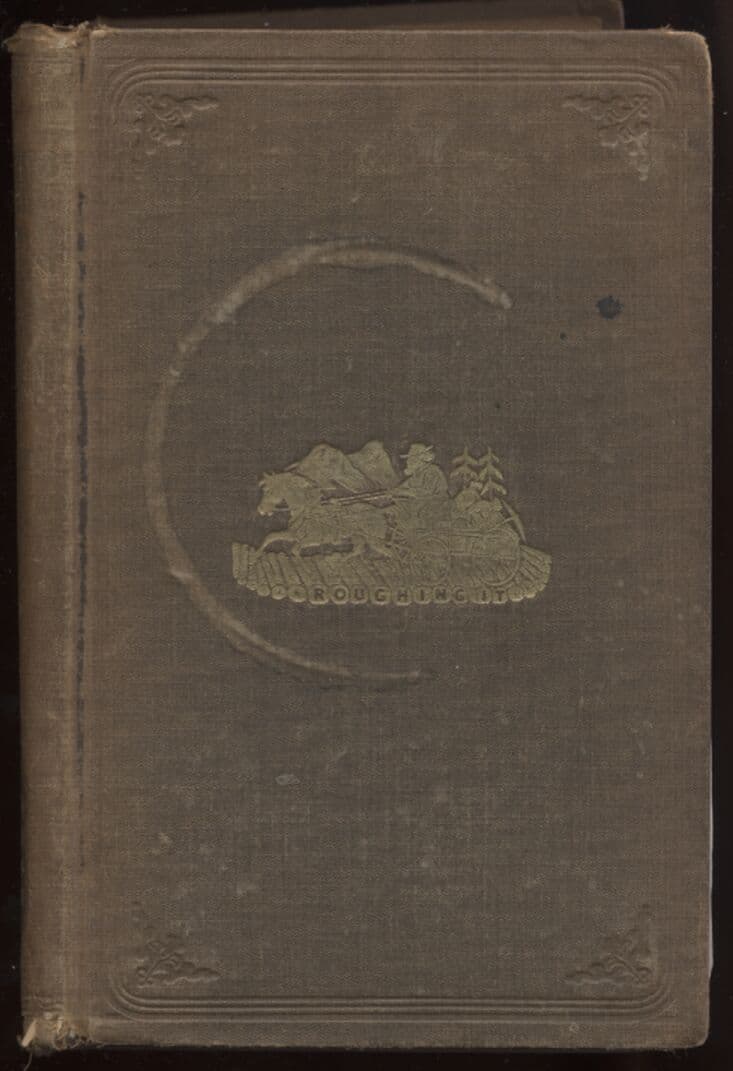
Editions
X-Ray
“It is a time when one’s spirit is subdued and sad, one knows not why; when the past seems a storm-swept desolation, life a vanity and a burden, and the future but a way to death. It is a time when one is filled with vague longings; when one dreams of flight to peaceful islands in the remote solitudes of the sea, or folds his hands and says, What is the use of struggling, and toiling and worrying any more? let us give it all up.””
— Mark Twain
“A woman's intuition is better than a man's. Nobody knows anything, really, you know, and a woman can guess a good deal nearer than a man.””
— Mark Twain
“No country can be well governed unless its citizens as a body keep religiously before their minds that they are the guardians of the law, and that the law officers are only the machinery for its execution, nothing more.””
— Mark Twain
“Beautiful credit! The foundation of modern society. Who shall say that this is not the golden age of mutual trust, of unlimited reliance upon human promises? That is a peculiar condition of society which enables a whole nation to instantly recognize point and meaning in the familiar newspaper anecdote, which puts into the mouth of a distinguished speculator in lands and mines this remark: 'I wasn't worth a cent two years ago, and now I owe two millions of dollars.””
— Mark Twain
“If you should rear a duck in the heart of the Sahara, no doubt it would swim if you brought it to the Nile.””
— Mark Twain
“He spoke with only the slightest accent, one that had been inherited but not cultivated.””
— Mark Twain
“Congress is vindictive, Congress is savage, sir, when it gets waked up once. It will go to any length to vindicate its honor at such a time.””
— Mark Twain
Link to this book
Add a free, dofollow link to Lex on your blog, forum, syllabus, or reading list.

<a href="https://lex-books.com/book/the-gilded-age-a-tale-of-today-a378df94-116f-4adf-aca5-dc86a0a2383a"><img src="https://lex-books.com/badges/read-on-lex.svg" alt="Read The Gilded Age: A Tale of Today by Mark Twain free on Lex" width="160" height="40"></a>[](https://lex-books.com/book/the-gilded-age-a-tale-of-today-a378df94-116f-4adf-aca5-dc86a0a2383a)[url=https://lex-books.com/book/the-gilded-age-a-tale-of-today-a378df94-116f-4adf-aca5-dc86a0a2383a][img]https://lex-books.com/badges/read-on-lex.svg[/img][/url]Read The Gilded Age: A Tale of Today by Mark Twain free on Lex: https://lex-books.com/book/the-gilded-age-a-tale-of-today-a378df94-116f-4adf-aca5-dc86a0a2383aCite this book
Reading this edition for a paper or guide? Copy a citation.
Twain, Mark. The Gilded Age: A Tale of Today. Lex, lex-books.com/book/the-gilded-age-a-tale-of-today-a378df94-116f-4adf-aca5-dc86a0a2383a.Twain, M. (1873). The Gilded Age: A Tale of Today. Lex. https://lex-books.com/book/the-gilded-age-a-tale-of-today-a378df94-116f-4adf-aca5-dc86a0a2383aTwain, Mark. The Gilded Age: A Tale of Today. Lex. https://lex-books.com/book/the-gilded-age-a-tale-of-today-a378df94-116f-4adf-aca5-dc86a0a2383a.