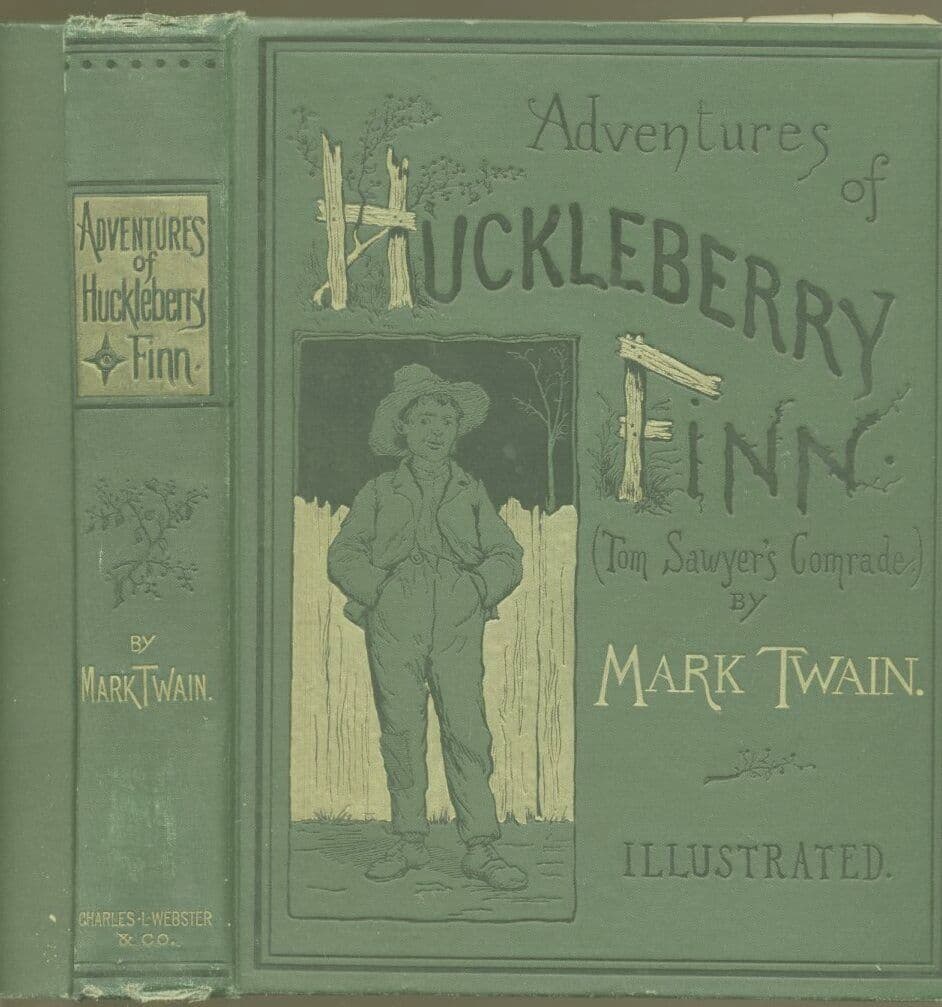
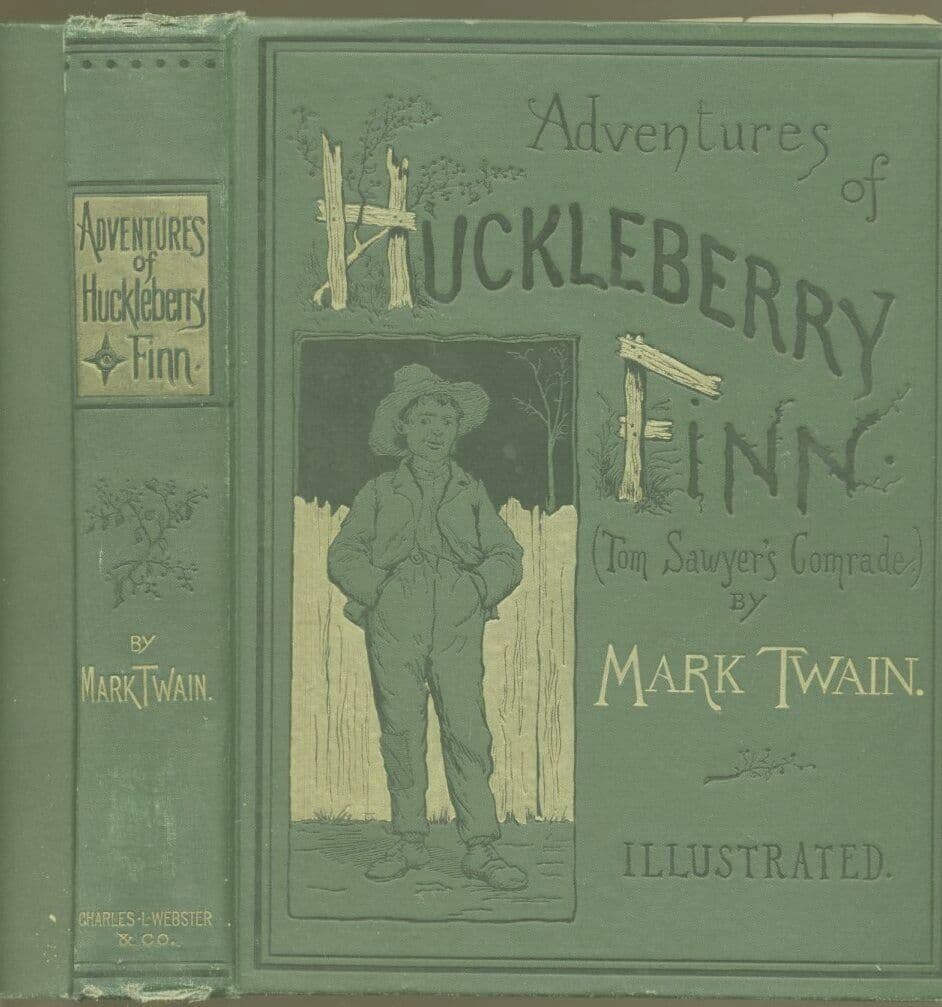
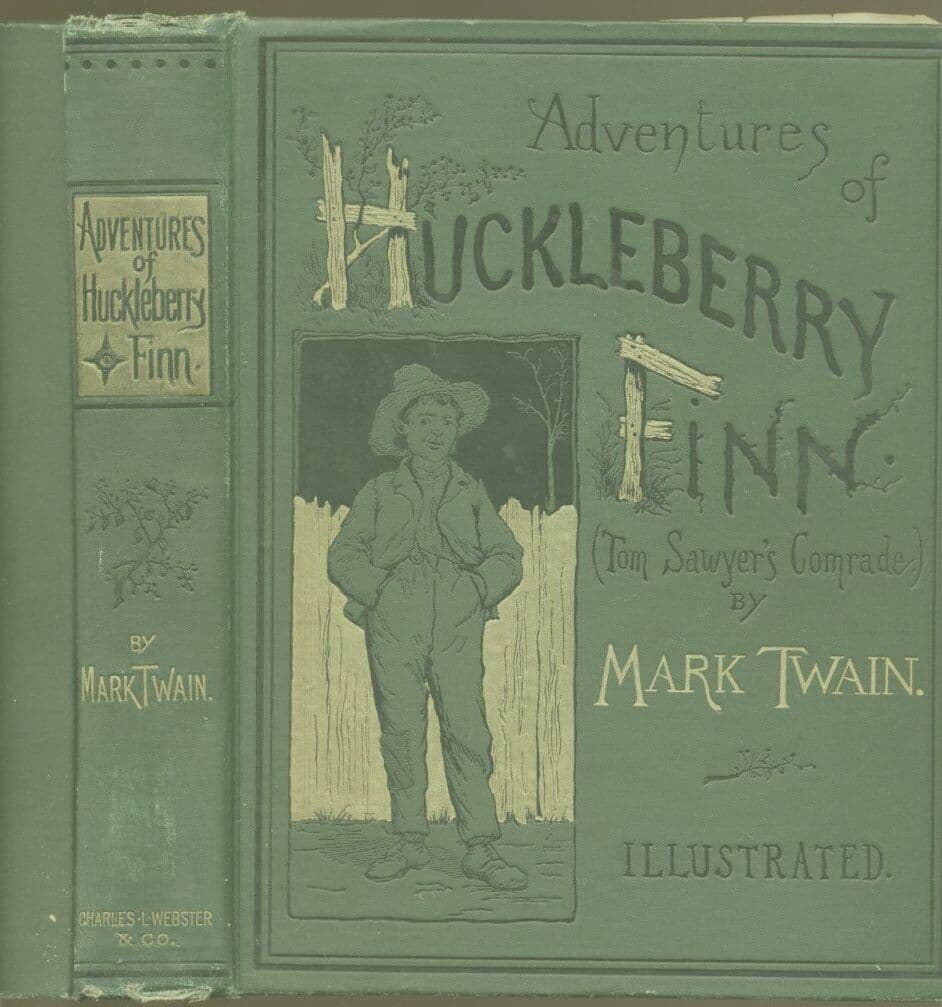
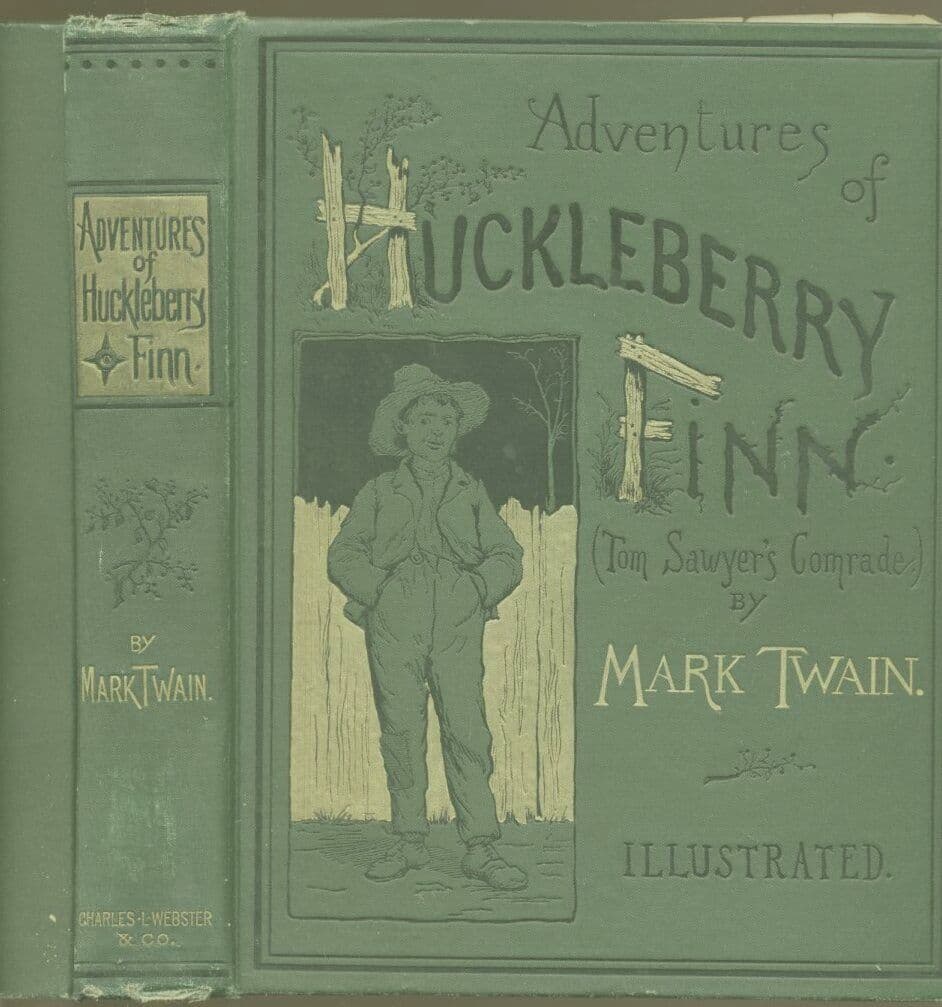
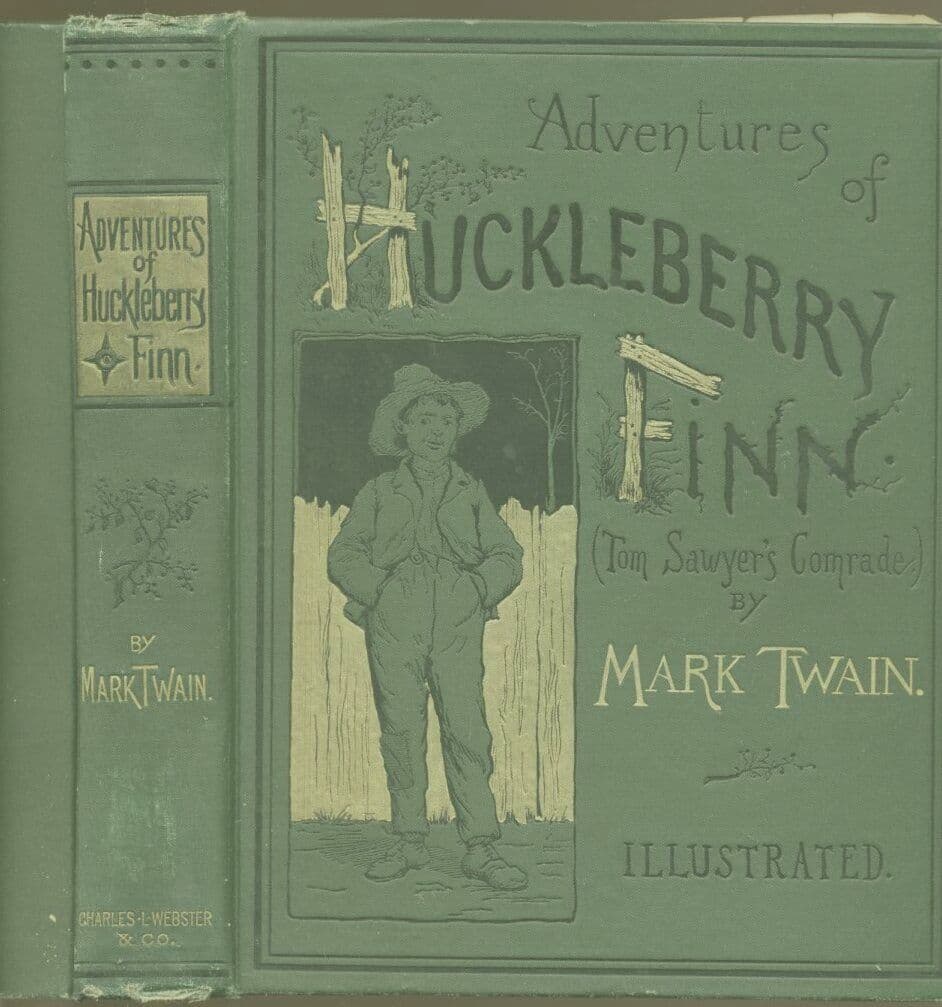
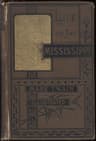
Life on the Mississippi, Part 2.

Mark Twain transforms the Mississippi River into a merciless teacher in this vivid account of his apprenticeship as a steamboat pilot. The romantic notion of river life dissolves the moment Mr. Bixby hands him the helm and threatens to kill him if they crash. What follows is a master-apprentice duel of wit, patience, and nerve, as young Samuel Clemens learns that the river offers no forgiveness for arrogance or inattention. The water that seemed so peaceful from the deck reveals itself as a shifting labyrinth of hidden reefs, treacherous currents, and false channels that change with every rise and fall. Twain captures the exact moment childhood ends: when you realize that competence isn't born from talent but from humbling repetition, from studying a thousand mudbars until they live in your bones. Part coming-of-age memoir, part elegy for a vanishing America, this book hums with the danger and poetry of a profession that demanded everything from the men who crewed her.
Editions
Link to this book
Add a free, dofollow link to Lex on your blog, forum, syllabus, or reading list.

<a href="https://lex-books.com/book/life-on-the-mississippi-part-2-3ef08ca1-bb6d-455f-98f9-e887f6f570a3"><img src="https://lex-books.com/badges/read-on-lex.svg" alt="Read Life on the Mississippi, Part 2. by Mark Twain free on Lex" width="160" height="40"></a>[](https://lex-books.com/book/life-on-the-mississippi-part-2-3ef08ca1-bb6d-455f-98f9-e887f6f570a3)[url=https://lex-books.com/book/life-on-the-mississippi-part-2-3ef08ca1-bb6d-455f-98f9-e887f6f570a3][img]https://lex-books.com/badges/read-on-lex.svg[/img][/url]Read Life on the Mississippi, Part 2. by Mark Twain free on Lex: https://lex-books.com/book/life-on-the-mississippi-part-2-3ef08ca1-bb6d-455f-98f9-e887f6f570a3Cite this book
Reading this edition for a paper or guide? Copy a citation.
Twain, Mark. Life on the Mississippi, Part 2.. Lex, lex-books.com/book/life-on-the-mississippi-part-2-3ef08ca1-bb6d-455f-98f9-e887f6f570a3.Twain, M. (n.d.). Life on the Mississippi, Part 2.. Lex. https://lex-books.com/book/life-on-the-mississippi-part-2-3ef08ca1-bb6d-455f-98f9-e887f6f570a3Twain, Mark. Life on the Mississippi, Part 2.. Lex. https://lex-books.com/book/life-on-the-mississippi-part-2-3ef08ca1-bb6d-455f-98f9-e887f6f570a3.