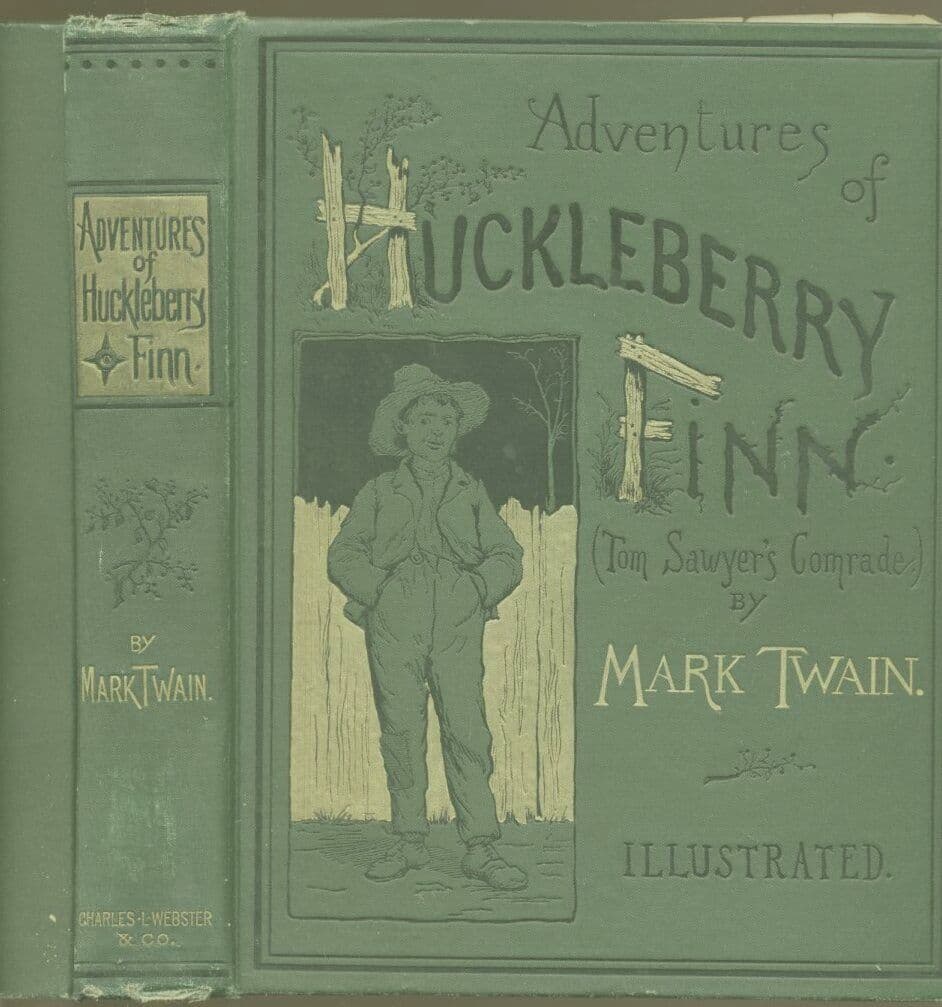
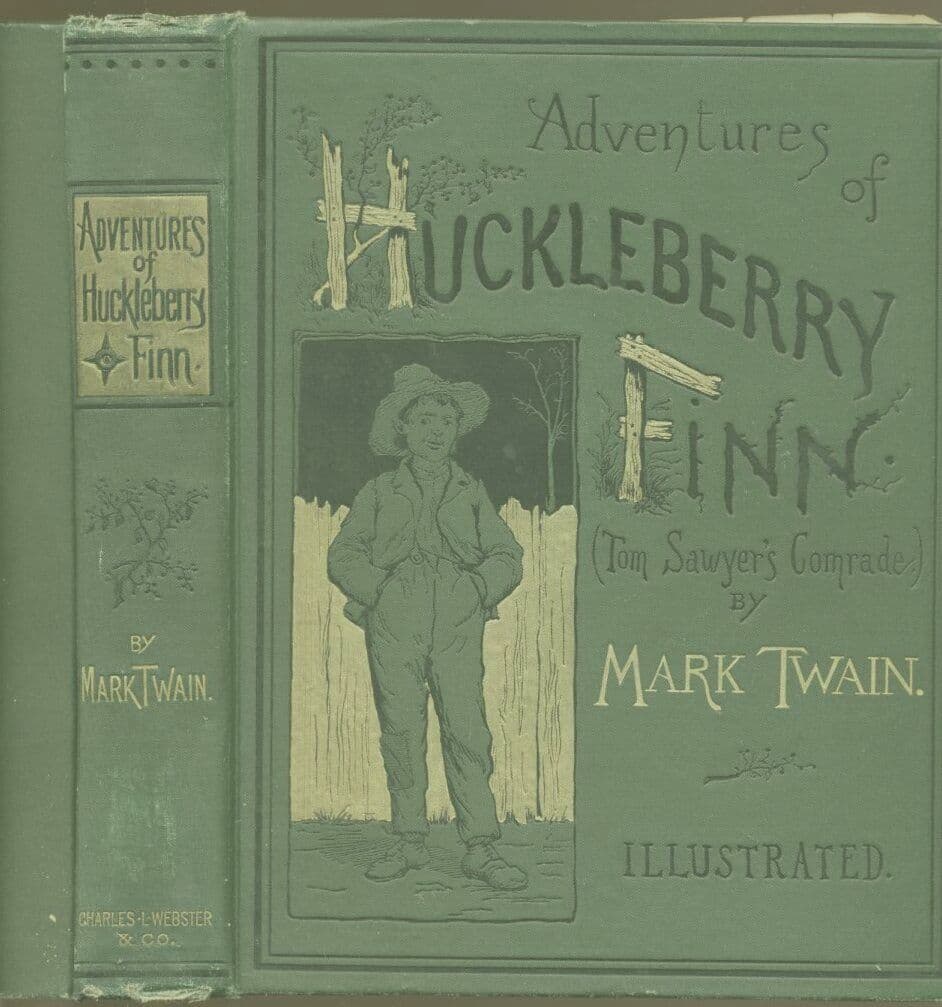
The Tragedy of Pudd'nhead Wilson

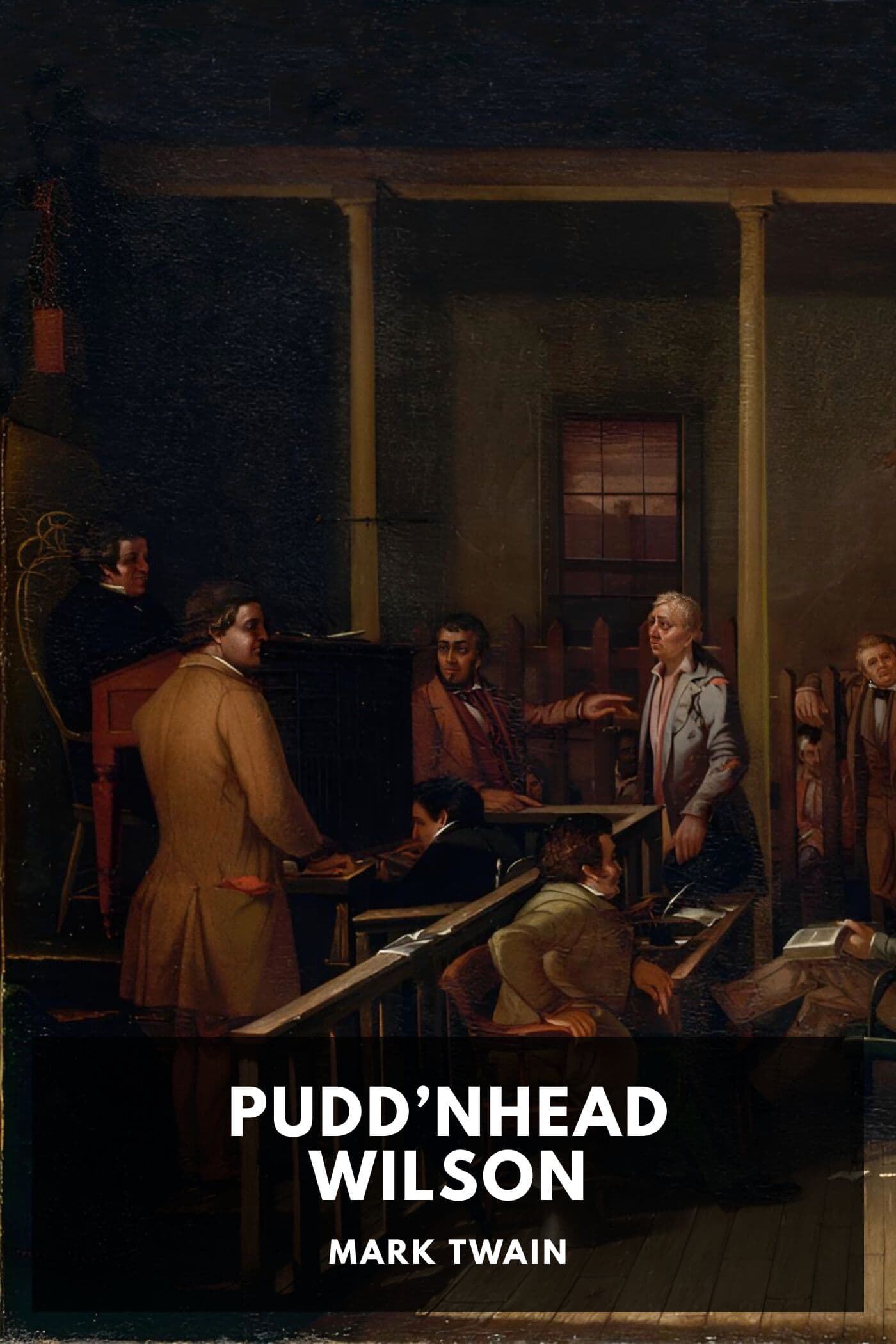
At a Mississippi riverside town in the 1820s, an enslaved woman named Roxy makes a desperate choice: she swaps her light-skinned infant with her master's white son to spare her child a life of bondage. The boys grow up in swapped identities, one heir to a slaveholding family, one "belonging" to his own mother, until a murder and a courtroom showdown expose the terrible truth. David Wilson, the locally derided "Pudd'nhead" who earned his nickname through a misunderstood remark, emerges as the unlikely detective who sees through the fraud. Twain's 1894 masterpiece operates on multiple levels: a propulsive mystery with reversed identities and a shocking trial, a savage indictment of antebellum society's arbitrary cruelty, and a darkly comic meditation on how identity itself is a fiction imposed by power. The novel asks an uncomfortable question: if two infants are nearly identical, what makes one white and one Black? The answer, nothing but the brutal mathematics of blood, remains as unsettling now as it was then. Roxy emerges as one of Twain's most complex and sympathetic characters, a woman navigating impossible odds with intelligence and fierce maternal love.
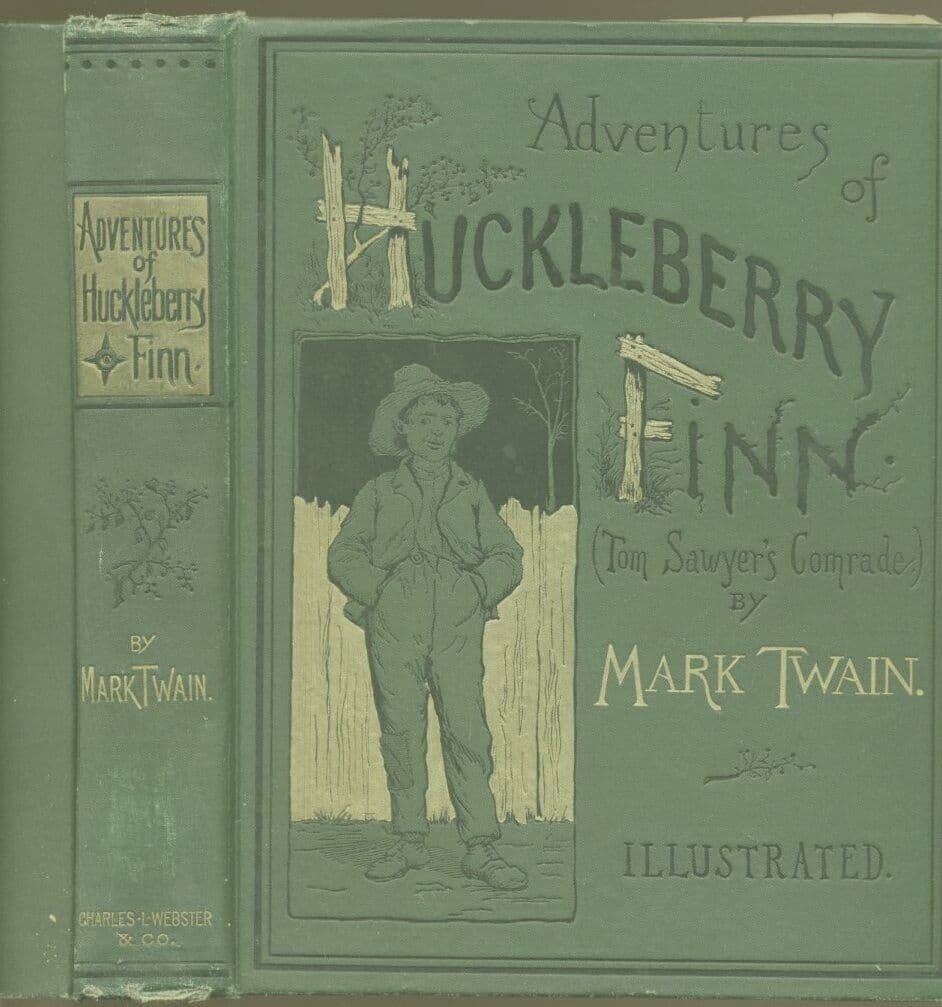
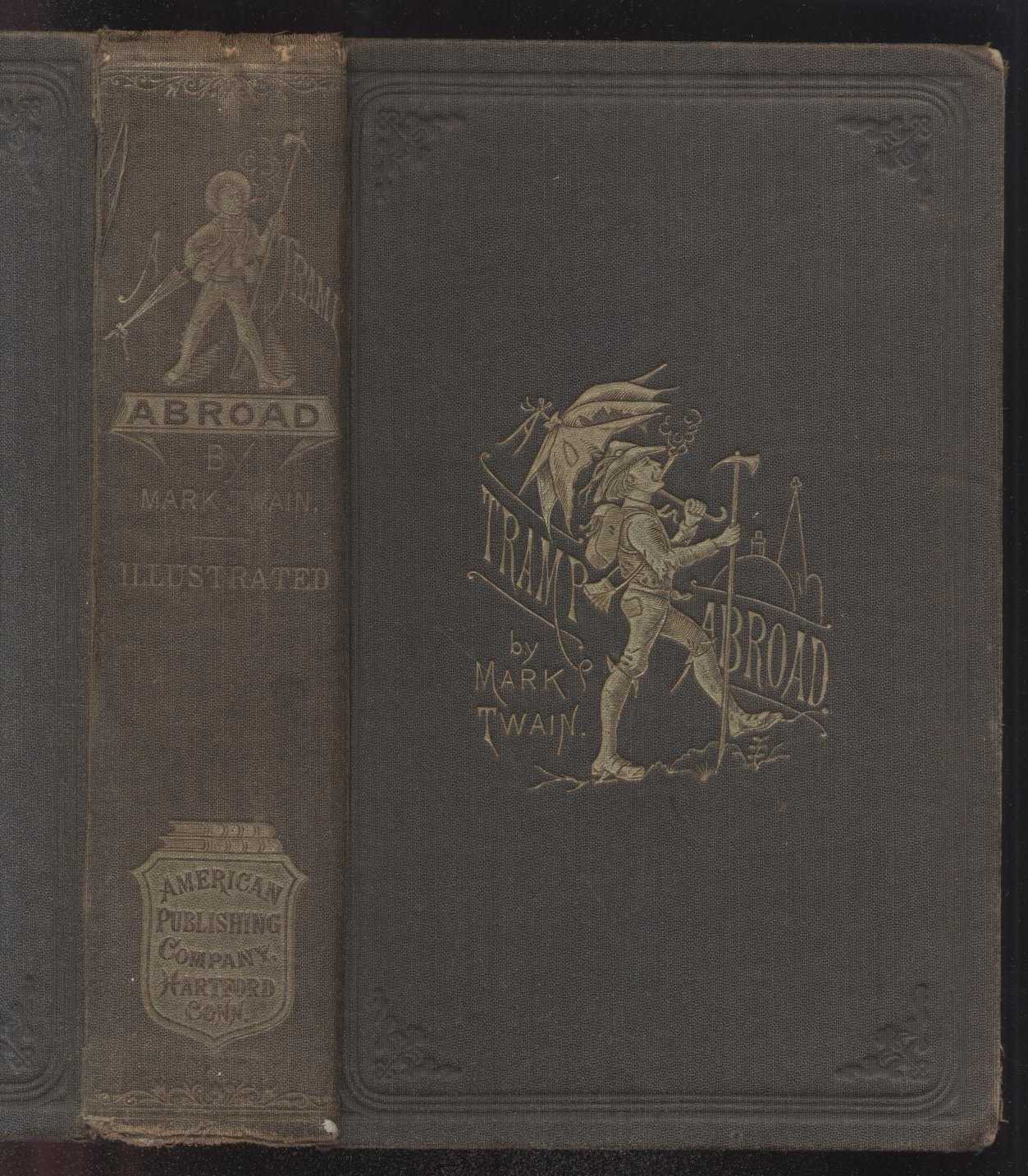
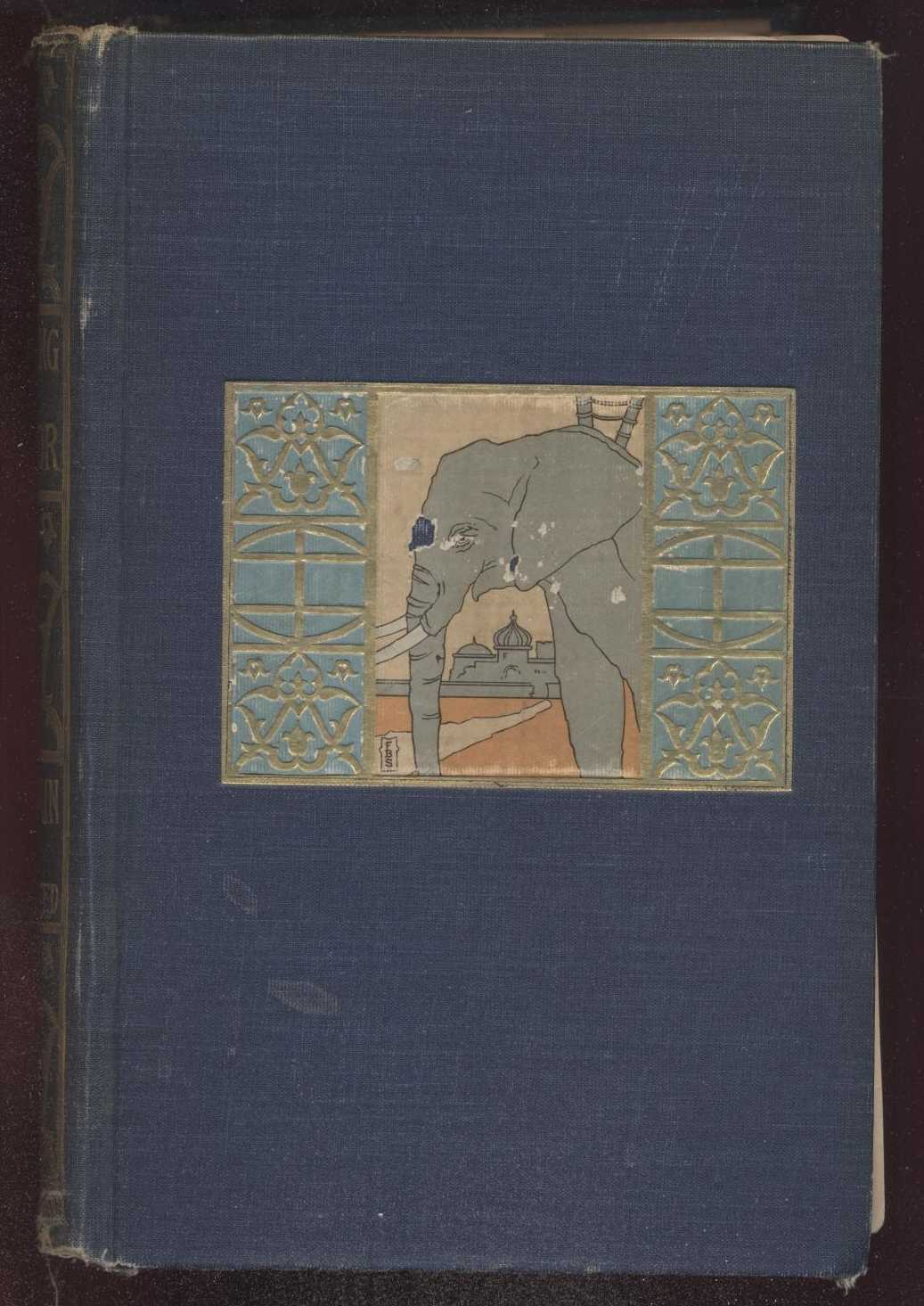
Editions
X-Ray
“Adam was but human”
— Mark Twain
“Few things are harder to put up with than the annoyance of a good example.””
— Mark Twain
“A home without a cat”
— Mark Twain
“There are those who scoff at the schoolboy, calling him frivolous andshallow: Yet it was the schoolboy who said 'Faith is believing what youknow ain't so'.””
— Mark Twain
“Let us endeavor so to live that when we come to die even the undertaker will be sorry.””
— Mark Twain
“When ill luck begins, it does not come in sprinkles, but in showers.””
— Mark Twain
“October: This is one of the peculiarly dangerous months to speculate in stocks. The others are July, January, September, April, November, May, March, June, December, August and February.””
— Mark Twain
“Behold, the fool saith, "Put not all thine eggs in the one basket" - which is but a matter of saying, "Scatter your money and your attention"; but the wise man saith, "Pull all your eggs in the one basket and - WATCH THAT BASKET." - Pudd'nhead Wilson's Calendar””
— Mark Twain
“There is no character, howsoever good and fine, but it can be destroyed by ridicule, howsoever poor and witless. Observe the ass, for instance: his character is about perfect, he is the choicest spirit among all the humbler animals, yet see what ridicule has brought him to. Instead of feeling complimented when we are called an ass, we are left in doubt.””
— Mark Twain
Link to this book
Add a free, dofollow link to Lex on your blog, forum, syllabus, or reading list.

<a href="https://lex-books.com/book/the-tragedy-of-pudd-nhead-wilson-2df96008-2207-4cae-809c-16694a2516fb"><img src="https://lex-books.com/badges/read-on-lex.svg" alt="Read The Tragedy of Pudd'nhead Wilson by Mark Twain free on Lex" width="160" height="40"></a>[](https://lex-books.com/book/the-tragedy-of-pudd-nhead-wilson-2df96008-2207-4cae-809c-16694a2516fb)[url=https://lex-books.com/book/the-tragedy-of-pudd-nhead-wilson-2df96008-2207-4cae-809c-16694a2516fb][img]https://lex-books.com/badges/read-on-lex.svg[/img][/url]Read The Tragedy of Pudd'nhead Wilson by Mark Twain free on Lex: https://lex-books.com/book/the-tragedy-of-pudd-nhead-wilson-2df96008-2207-4cae-809c-16694a2516fbCite this book
Reading this edition for a paper or guide? Copy a citation.
Twain, Mark. The Tragedy of Pudd'nhead Wilson. Lex, lex-books.com/book/the-tragedy-of-pudd-nhead-wilson-2df96008-2207-4cae-809c-16694a2516fb.Twain, M. (n.d.). The Tragedy of Pudd'nhead Wilson. Lex. https://lex-books.com/book/the-tragedy-of-pudd-nhead-wilson-2df96008-2207-4cae-809c-16694a2516fbTwain, Mark. The Tragedy of Pudd'nhead Wilson. Lex. https://lex-books.com/book/the-tragedy-of-pudd-nhead-wilson-2df96008-2207-4cae-809c-16694a2516fb.