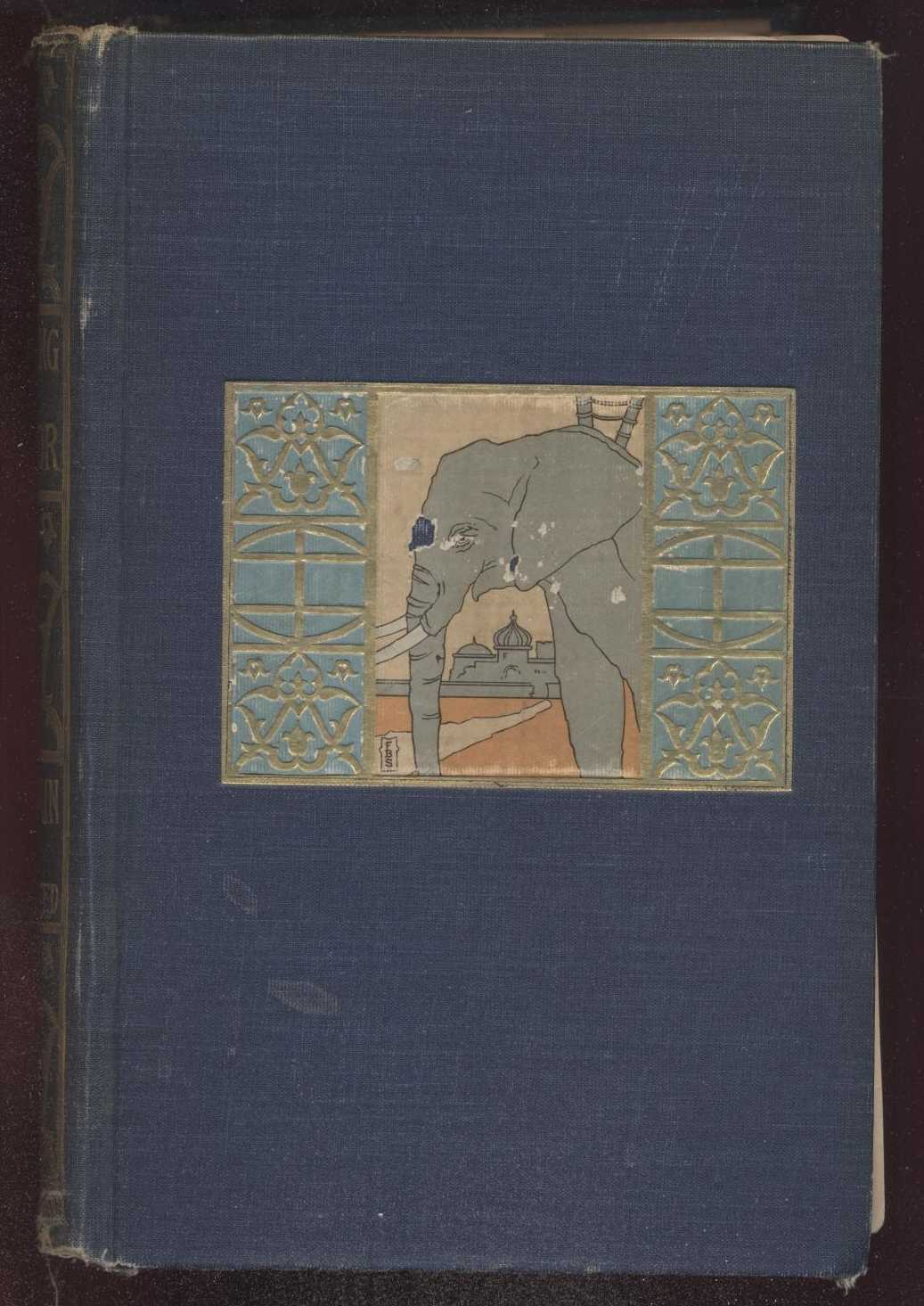
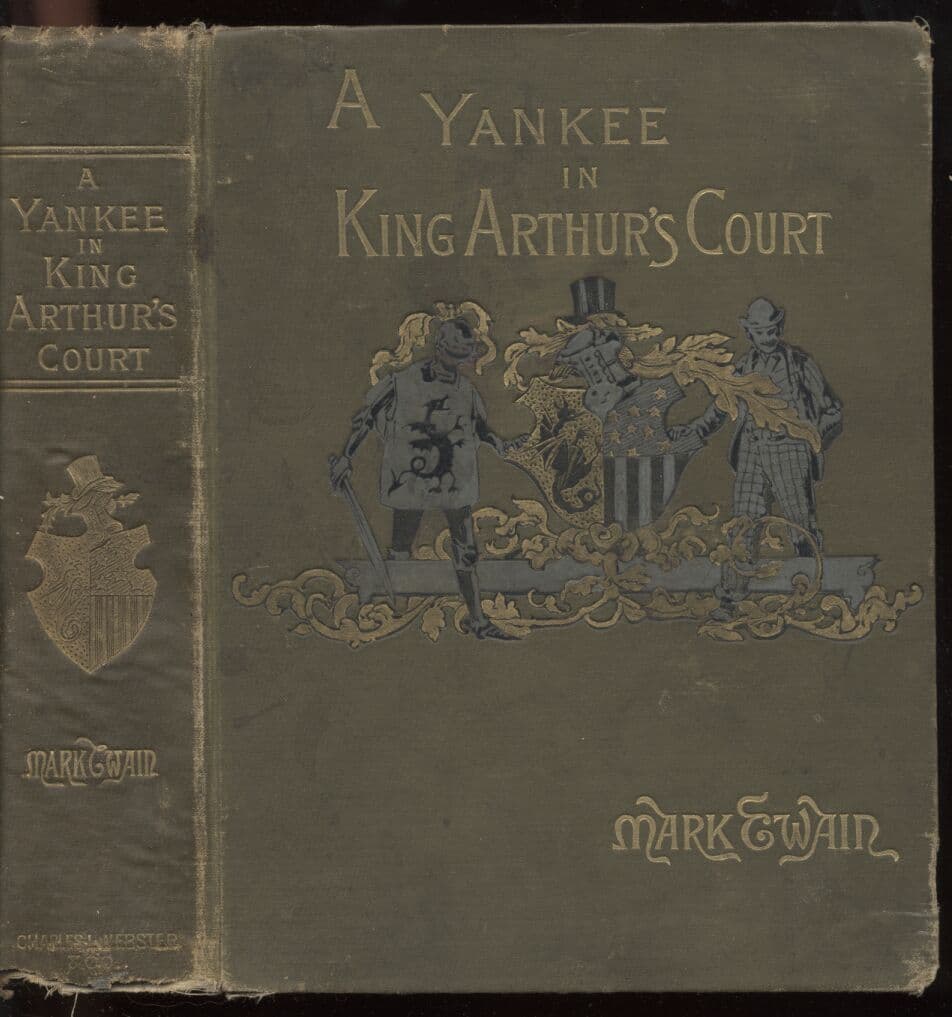
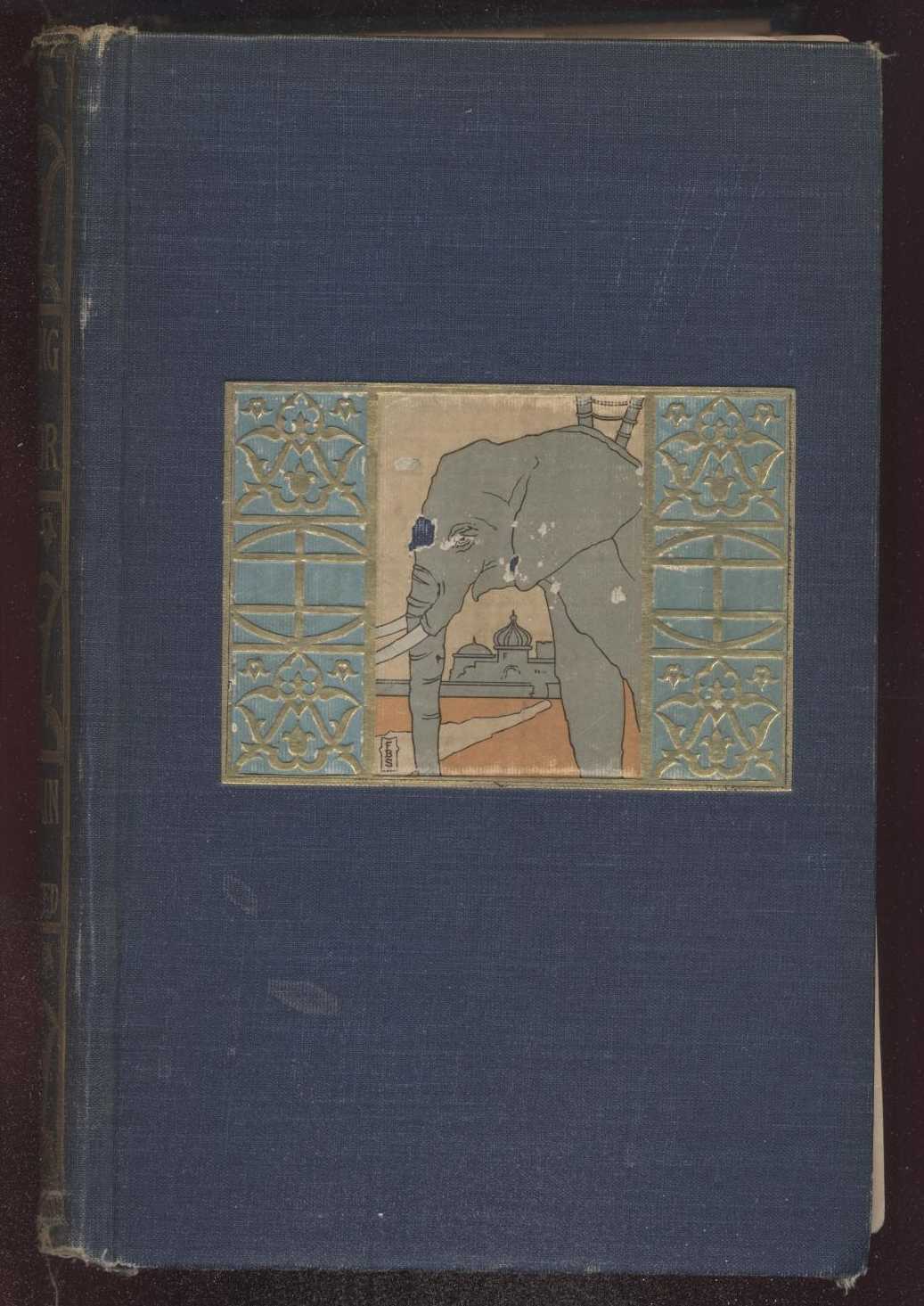
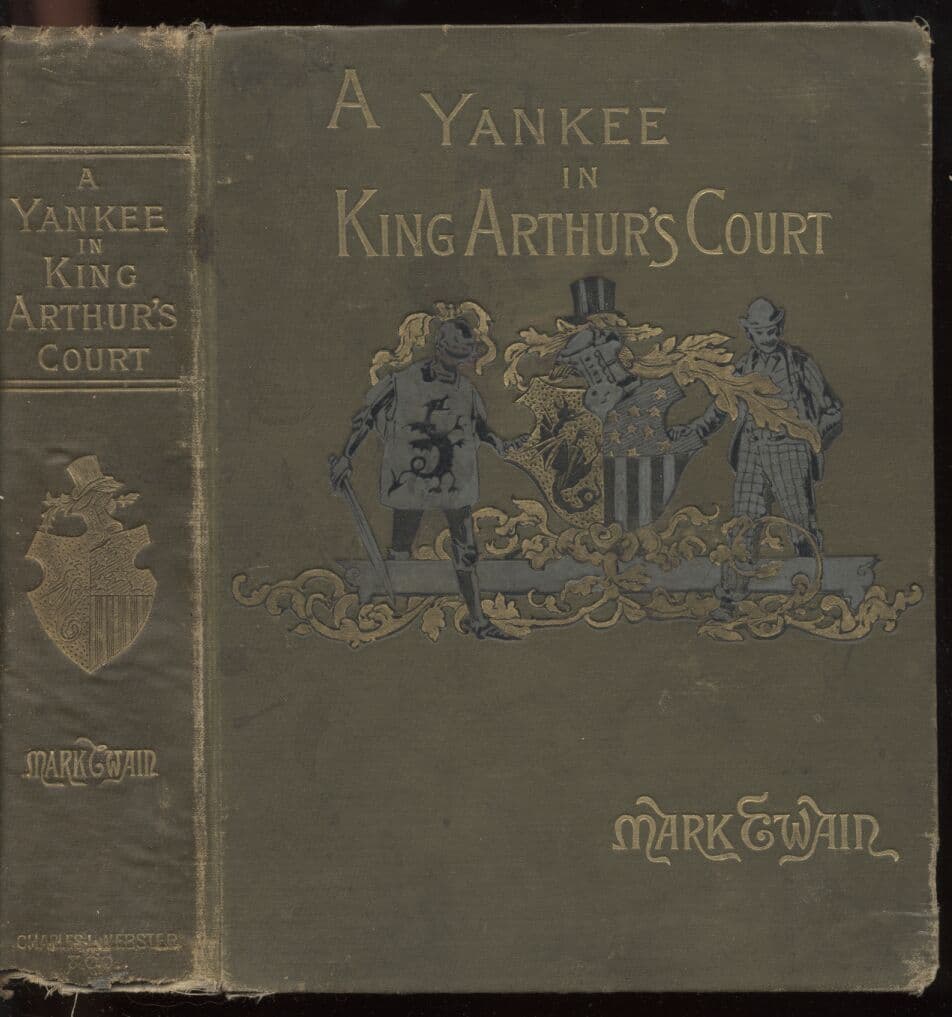
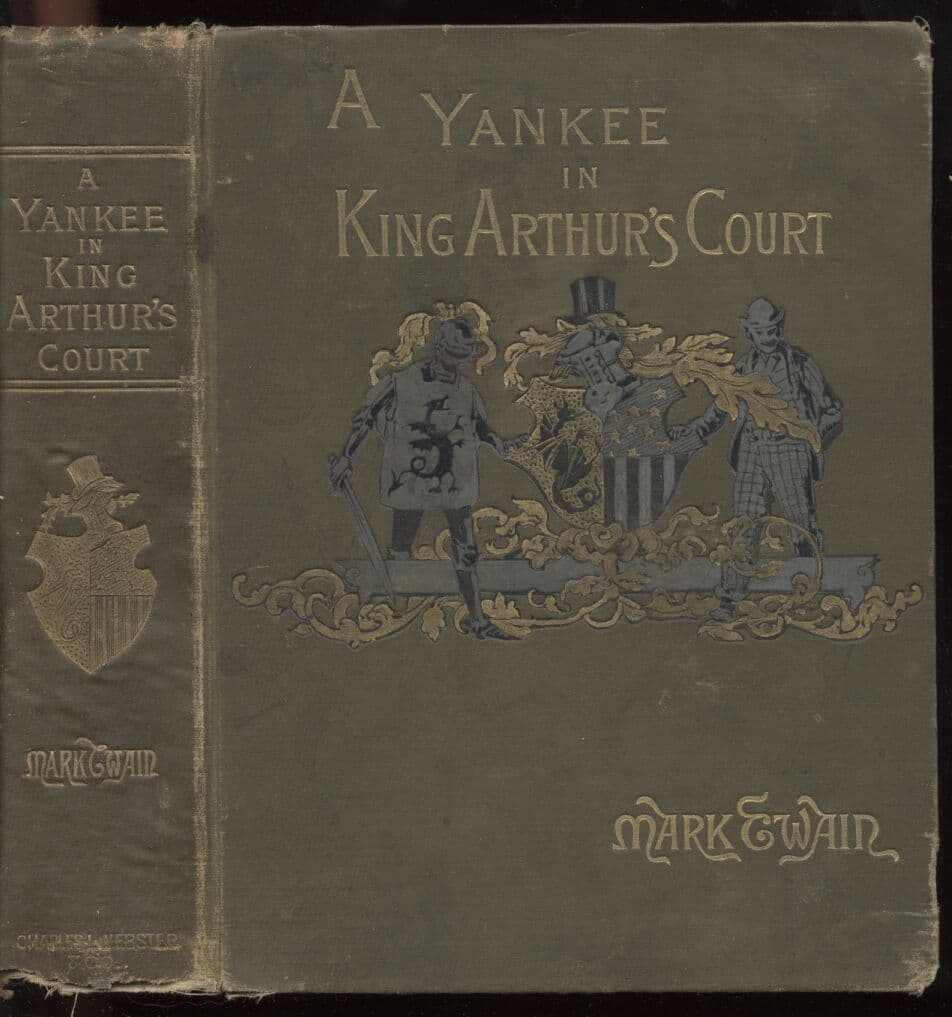
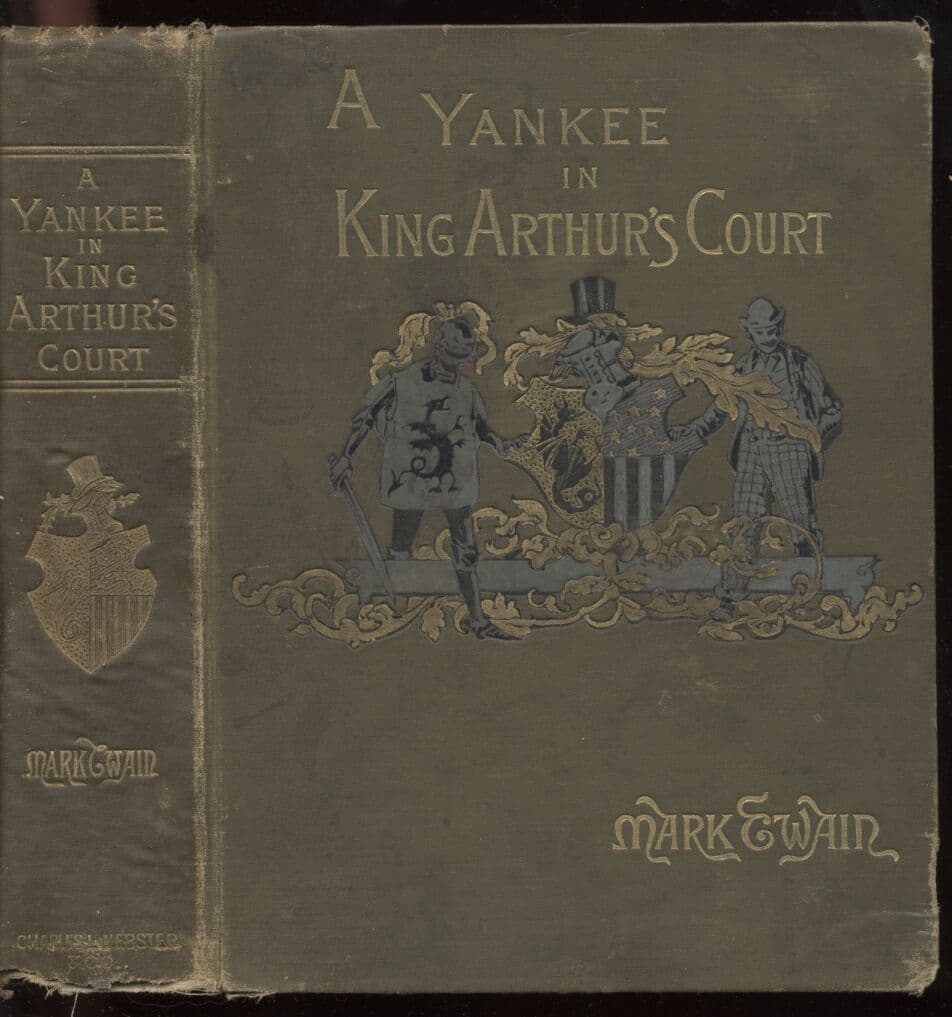
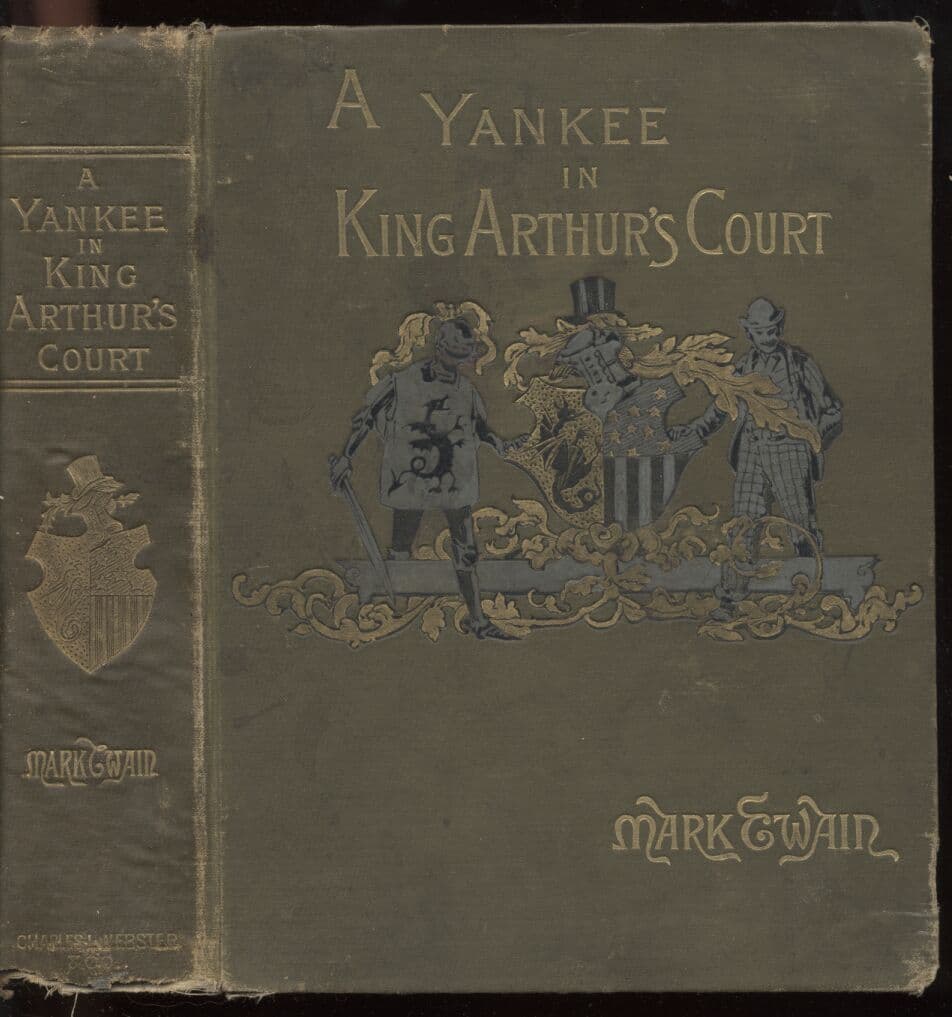
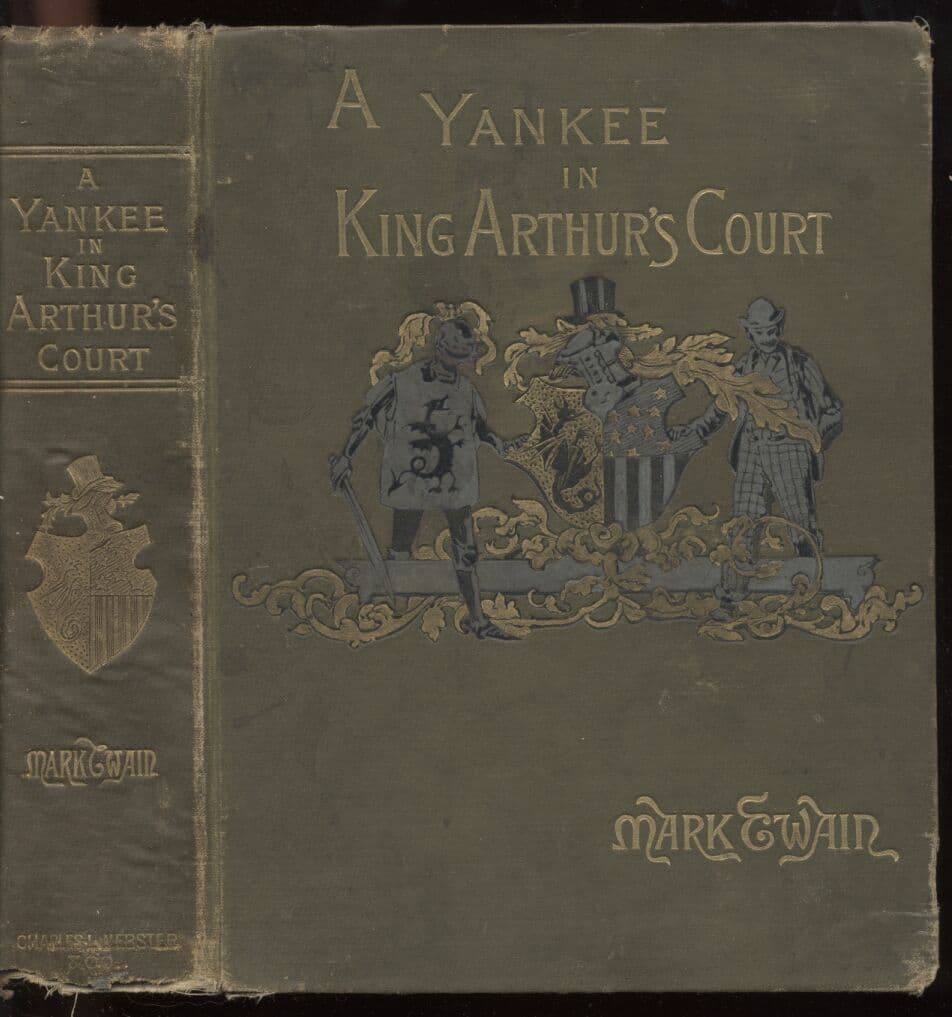
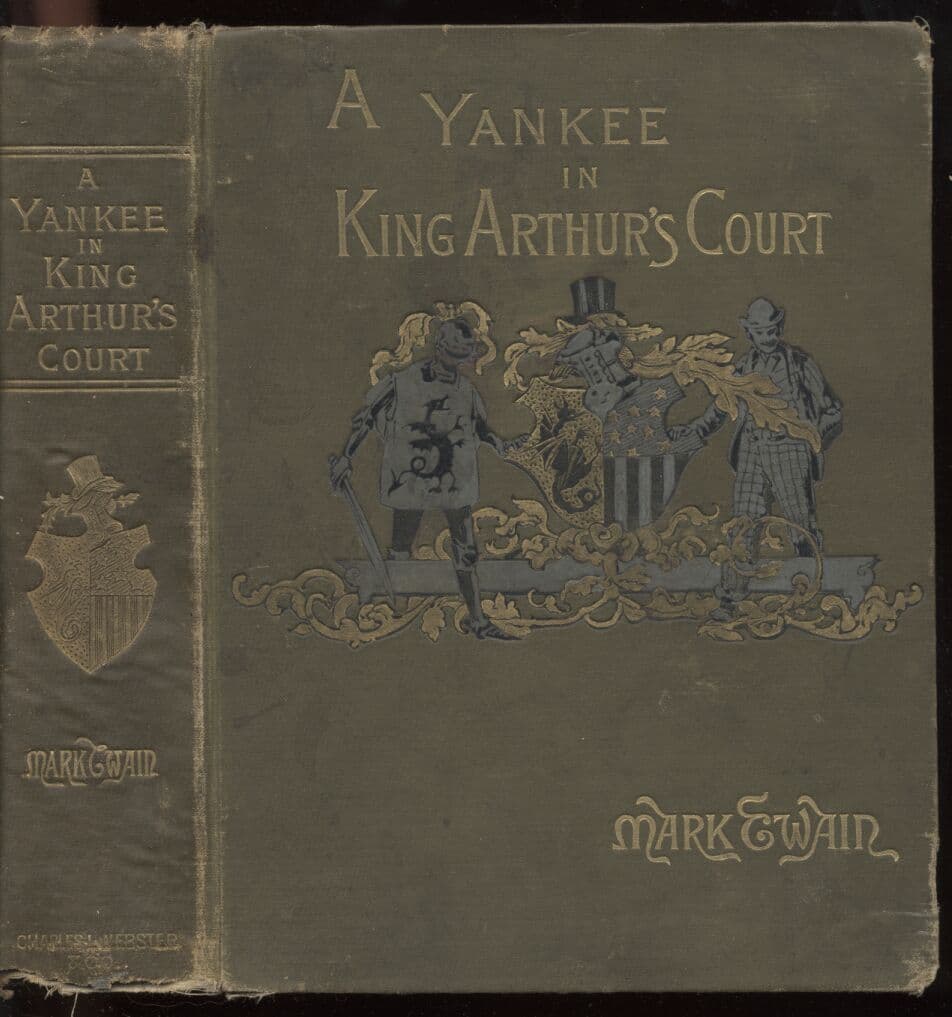
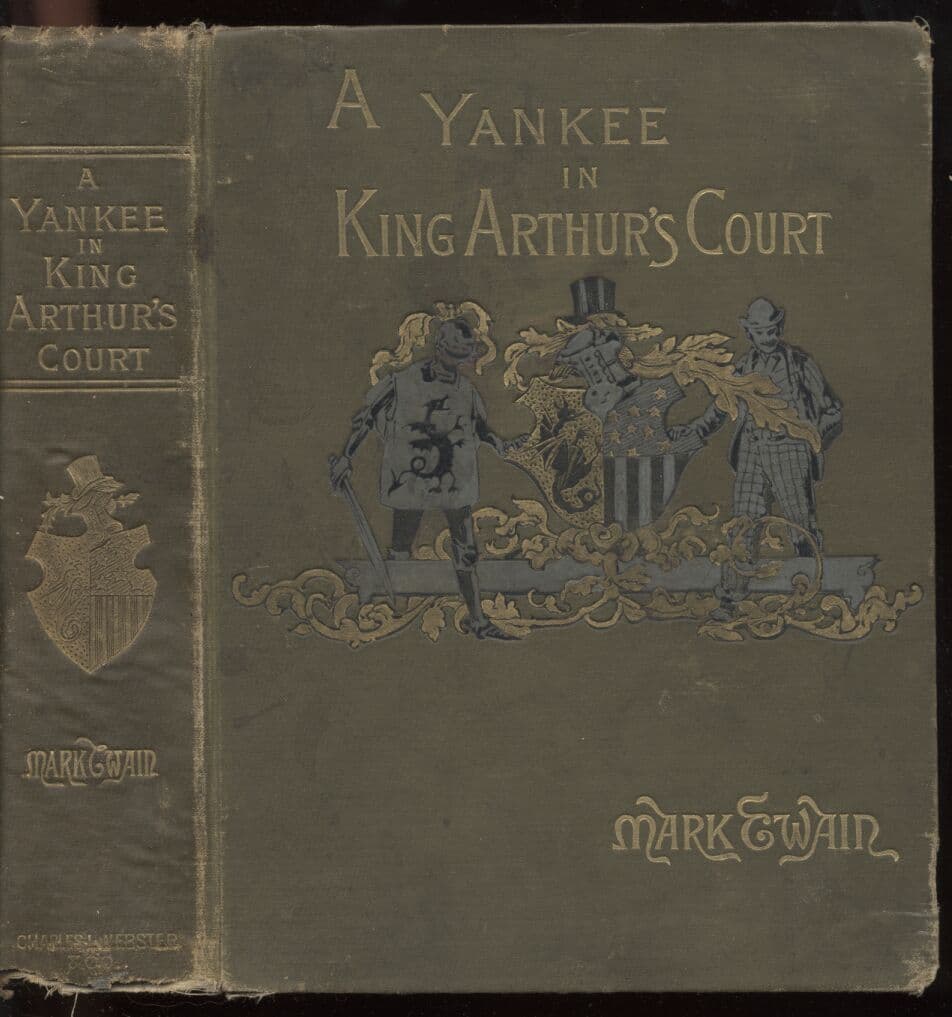
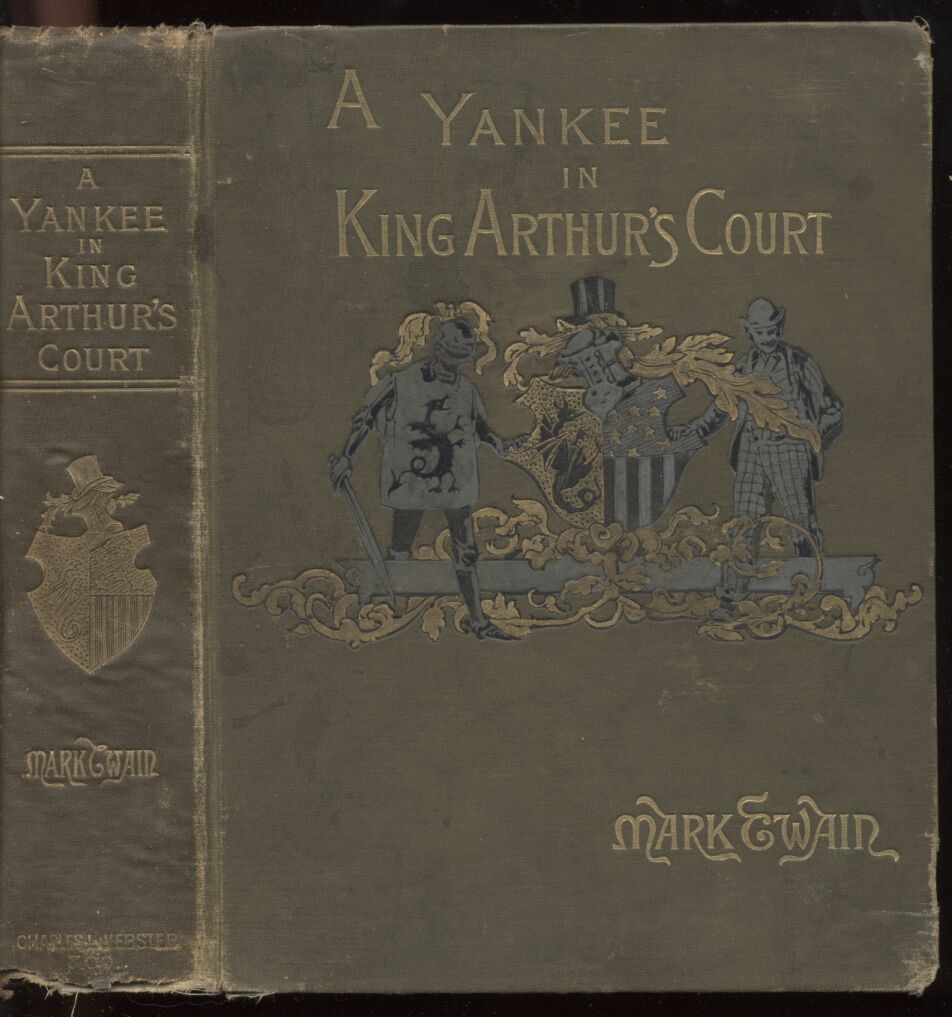
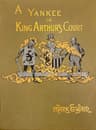
A Connecticut Yankee in King Arthur's Court, Part 6.
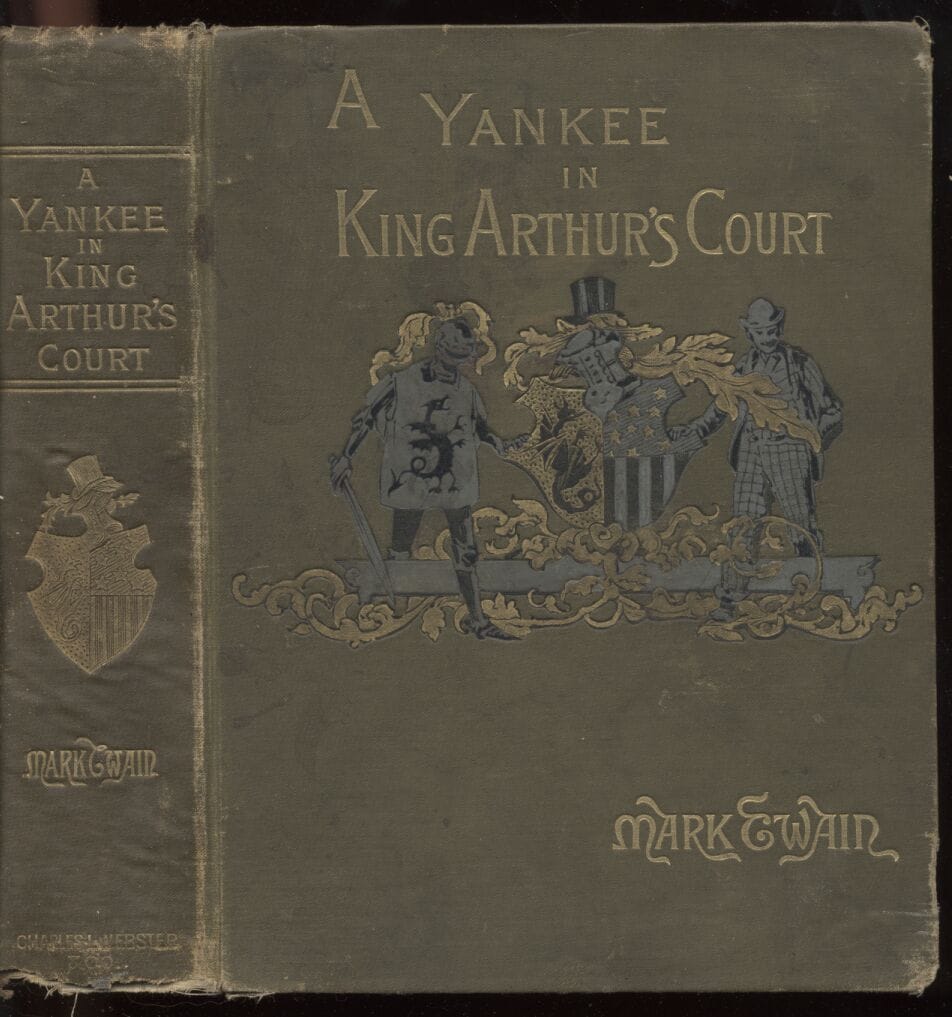
A Connecticut Yankee in King Arthur's Court, Part 6.
Twain at his sharpest. Part 6 finds our Connecticut Yankee and the King of Britain themselves disguised as peasants, slumming among the common folk they both claim to care about. Hank, ever the pragmatist, trains Arthur in the ways of the lower classes while their adventures expose the brutal machinery of feudalism firsthand. What begins as clever disguise becomes something stranger: a king learning what his kingdom actually costs, and an American industrialist discovering that progress doesn't automatically equal justice. The humor stays sharp, but beneath it lies Twain's genuinely biting critique of how societies maintain their hierarchies. This section crystallizes the novel's central question: what do we owe to people we've never had to see?
Editions
X-Ray
“Of course the whole drove was housed in the house, and great guns--well, I never saw anything like it! Nor anything like it. And never smelt anything like it. It was like an insurrection in a gasometer.””
— Mark Twain
Link to this book
Add a free, dofollow link to Lex on your blog, forum, syllabus, or reading list.

<a href="https://lex-books.com/book/a-connecticut-yankee-in-king-arthur-s-court-part-6-437e3847-e959-4bda-b943-e6b15c9f1f9b"><img src="https://lex-books.com/badges/read-on-lex.svg" alt="Read A Connecticut Yankee in King Arthur's Court, Part 6. by Mark Twain free on Lex" width="160" height="40"></a>[](https://lex-books.com/book/a-connecticut-yankee-in-king-arthur-s-court-part-6-437e3847-e959-4bda-b943-e6b15c9f1f9b)[url=https://lex-books.com/book/a-connecticut-yankee-in-king-arthur-s-court-part-6-437e3847-e959-4bda-b943-e6b15c9f1f9b][img]https://lex-books.com/badges/read-on-lex.svg[/img][/url]Read A Connecticut Yankee in King Arthur's Court, Part 6. by Mark Twain free on Lex: https://lex-books.com/book/a-connecticut-yankee-in-king-arthur-s-court-part-6-437e3847-e959-4bda-b943-e6b15c9f1f9bCite this book
Reading this edition for a paper or guide? Copy a citation.
Twain, Mark. A Connecticut Yankee in King Arthur's Court, Part 6.. Lex, lex-books.com/book/a-connecticut-yankee-in-king-arthur-s-court-part-6-437e3847-e959-4bda-b943-e6b15c9f1f9b.Twain, M. (n.d.). A Connecticut Yankee in King Arthur's Court, Part 6.. Lex. https://lex-books.com/book/a-connecticut-yankee-in-king-arthur-s-court-part-6-437e3847-e959-4bda-b943-e6b15c9f1f9bTwain, Mark. A Connecticut Yankee in King Arthur's Court, Part 6.. Lex. https://lex-books.com/book/a-connecticut-yankee-in-king-arthur-s-court-part-6-437e3847-e959-4bda-b943-e6b15c9f1f9b.