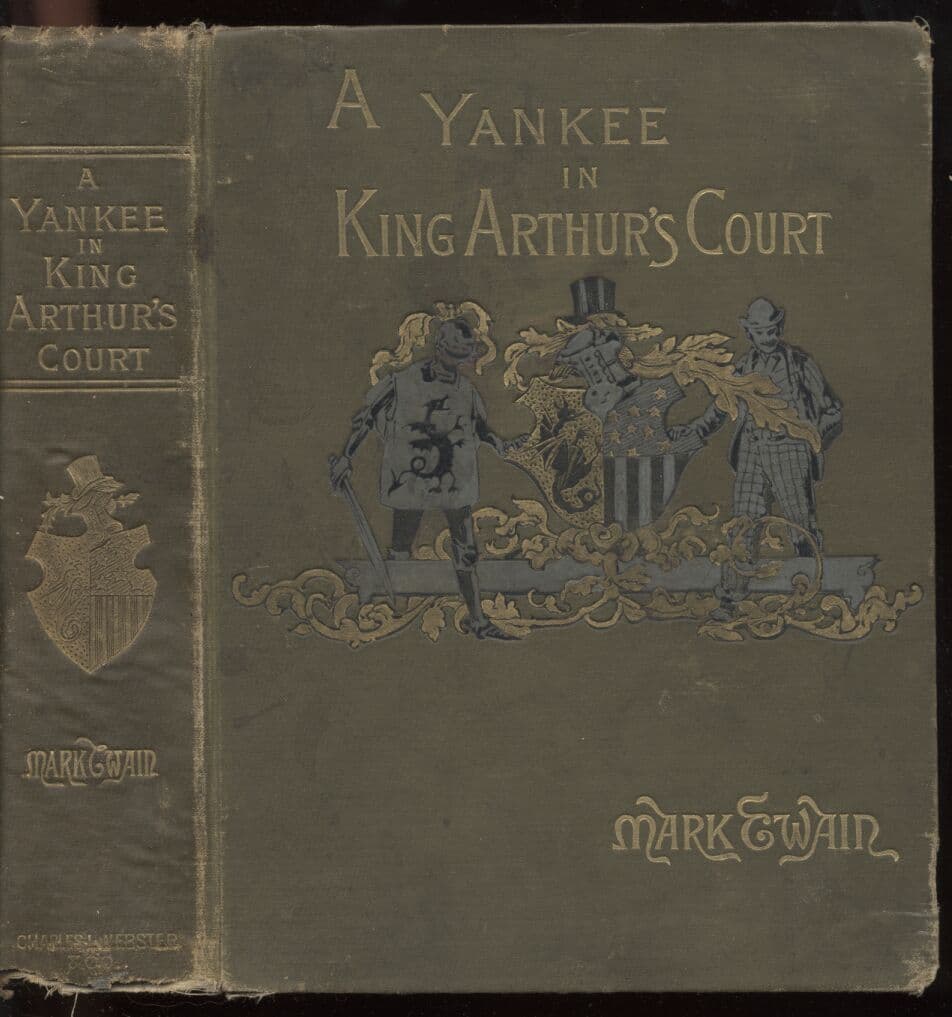
Life on the Mississippi, Part 9.

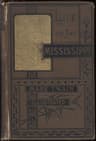
Twain revisits the Mississippi he once knew as a young apprentice, but the river and the city at its mouth have been through a war. New Orleans in the aftermath of the Civil War is his subject here: a place where gleaming new sanitation systems run alongside old French Quarter courtyards, where steamboats still trumpet past cotton wharves but the economic order has shifted beneath them. Twain walks these streets with the trained eye of a pilot and the wry bemusement of a writer who cannot stop noticing things, the way the city's architecture tells one story while its social customs tell another, how progress announces itself in technology but lingers in the slower grammar of tradition. This is memoir as reconnaissance: Twain mapping the changes in a landscape he loves, recording what survives and what has been swept away. His humor is present but refracted through something more complicated than mere entertainment, there's grief in the watching, and a journalist's fascination with how cities heal and reinvent themselves. For readers who want to see America through the eyes of its most essential observer, this fragment offers a concentrated dose of Twain's particular genius: equal parts nostalgia and clear-sightedness, never quite letting you forget that the Mississippi is always moving.
Editions
Link to this book
Add a free, dofollow link to Lex on your blog, forum, syllabus, or reading list.

<a href="https://lex-books.com/book/life-on-the-mississippi-part-9-68d45a29-20bc-4795-b7bf-aba6fa7b4d6c"><img src="https://lex-books.com/badges/read-on-lex.svg" alt="Read Life on the Mississippi, Part 9. by Mark Twain free on Lex" width="160" height="40"></a>[](https://lex-books.com/book/life-on-the-mississippi-part-9-68d45a29-20bc-4795-b7bf-aba6fa7b4d6c)[url=https://lex-books.com/book/life-on-the-mississippi-part-9-68d45a29-20bc-4795-b7bf-aba6fa7b4d6c][img]https://lex-books.com/badges/read-on-lex.svg[/img][/url]Read Life on the Mississippi, Part 9. by Mark Twain free on Lex: https://lex-books.com/book/life-on-the-mississippi-part-9-68d45a29-20bc-4795-b7bf-aba6fa7b4d6cCite this book
Reading this edition for a paper or guide? Copy a citation.
Twain, Mark. Life on the Mississippi, Part 9.. Lex, lex-books.com/book/life-on-the-mississippi-part-9-68d45a29-20bc-4795-b7bf-aba6fa7b4d6c.Twain, M. (n.d.). Life on the Mississippi, Part 9.. Lex. https://lex-books.com/book/life-on-the-mississippi-part-9-68d45a29-20bc-4795-b7bf-aba6fa7b4d6cTwain, Mark. Life on the Mississippi, Part 9.. Lex. https://lex-books.com/book/life-on-the-mississippi-part-9-68d45a29-20bc-4795-b7bf-aba6fa7b4d6c.