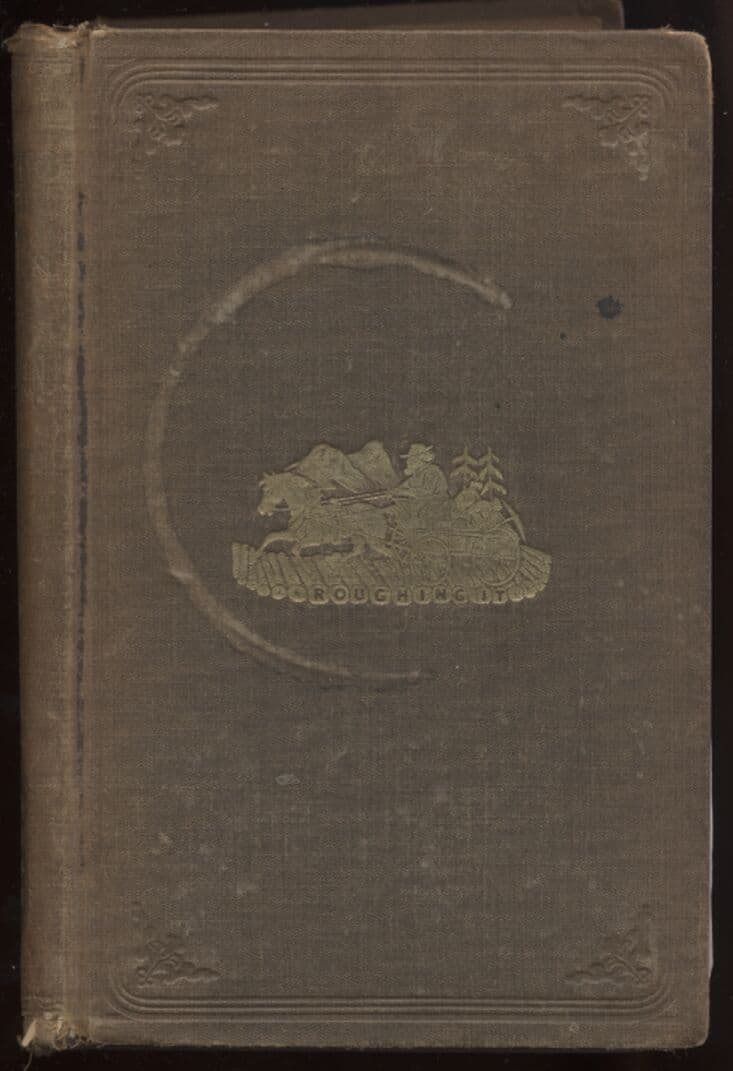
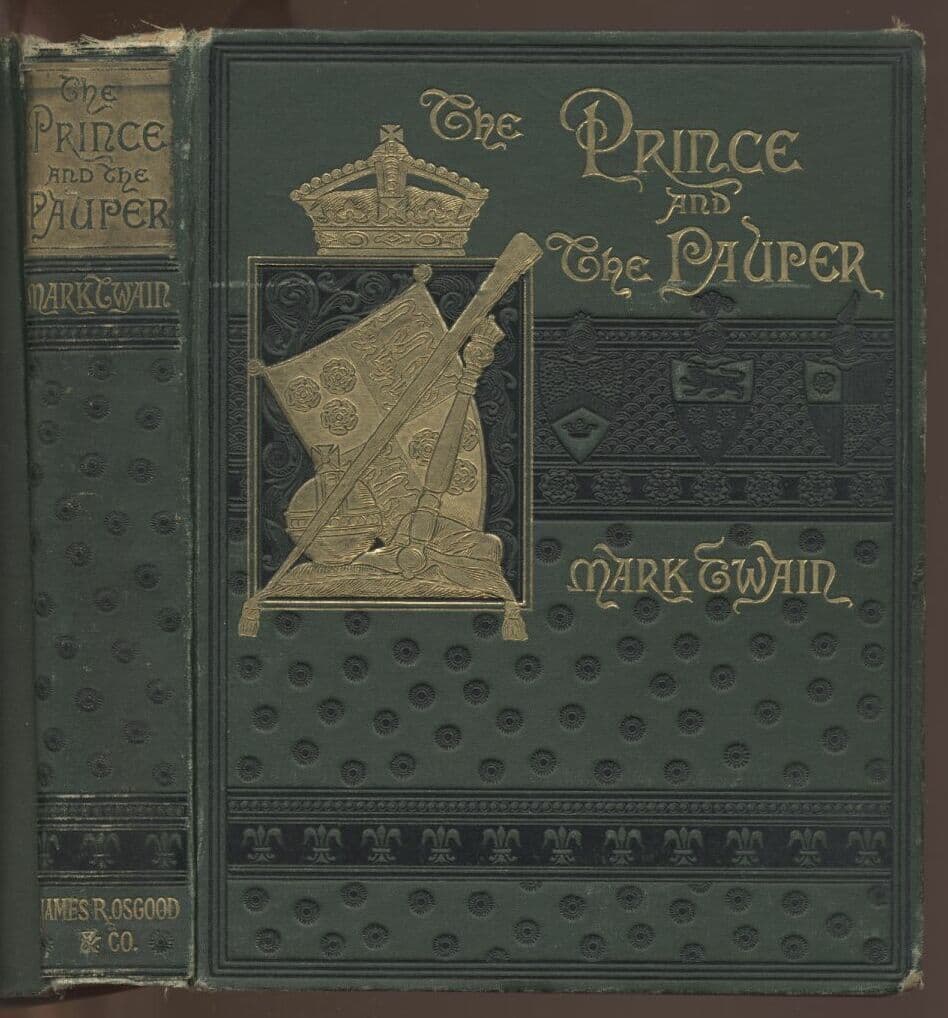
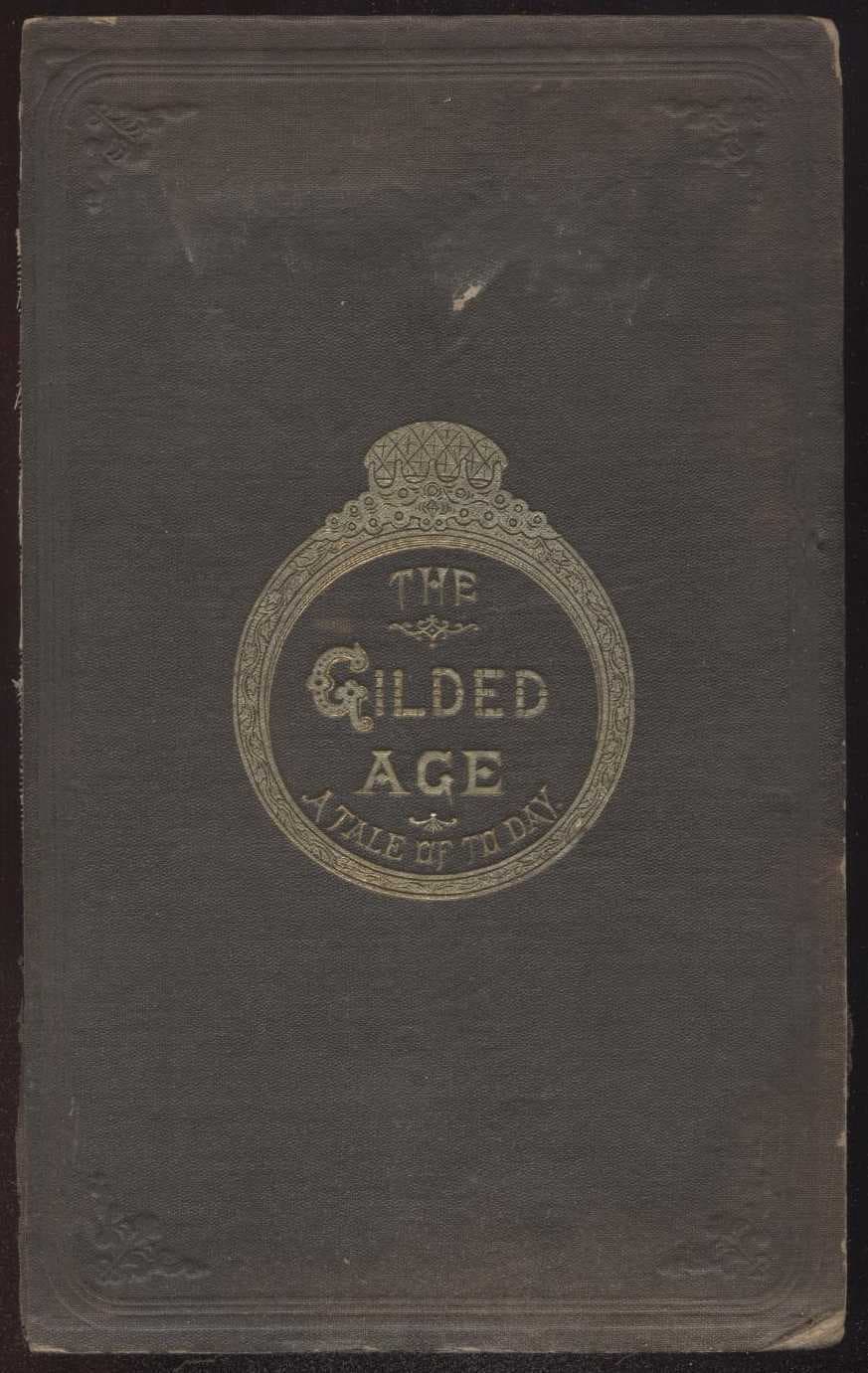
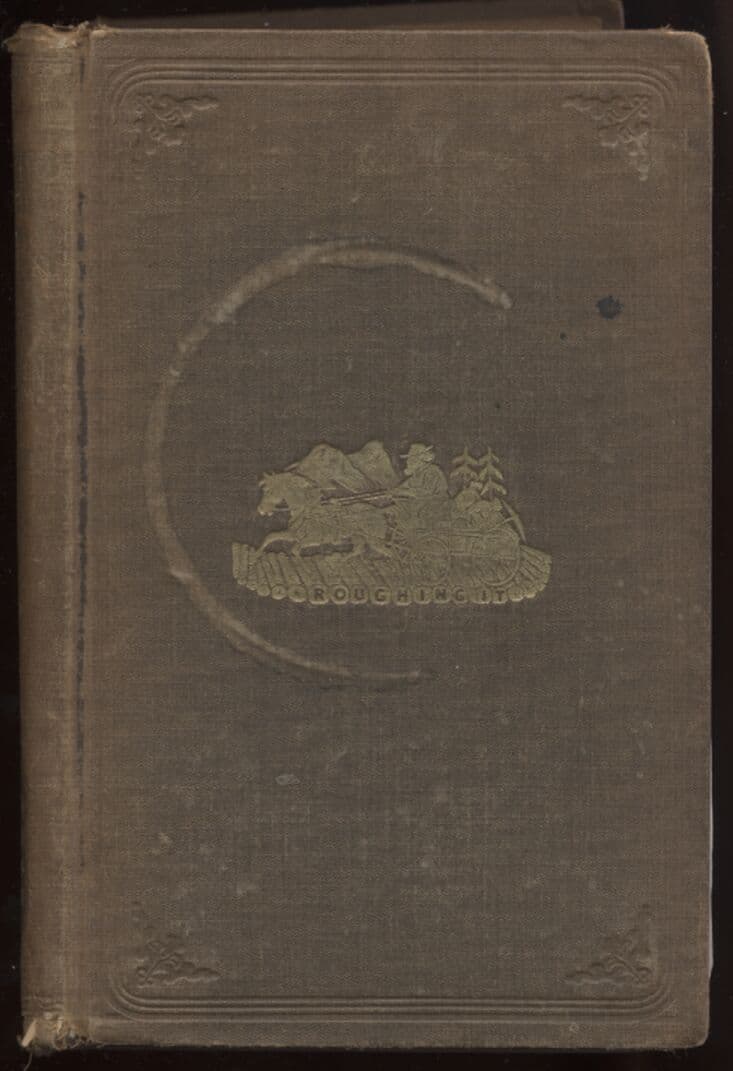
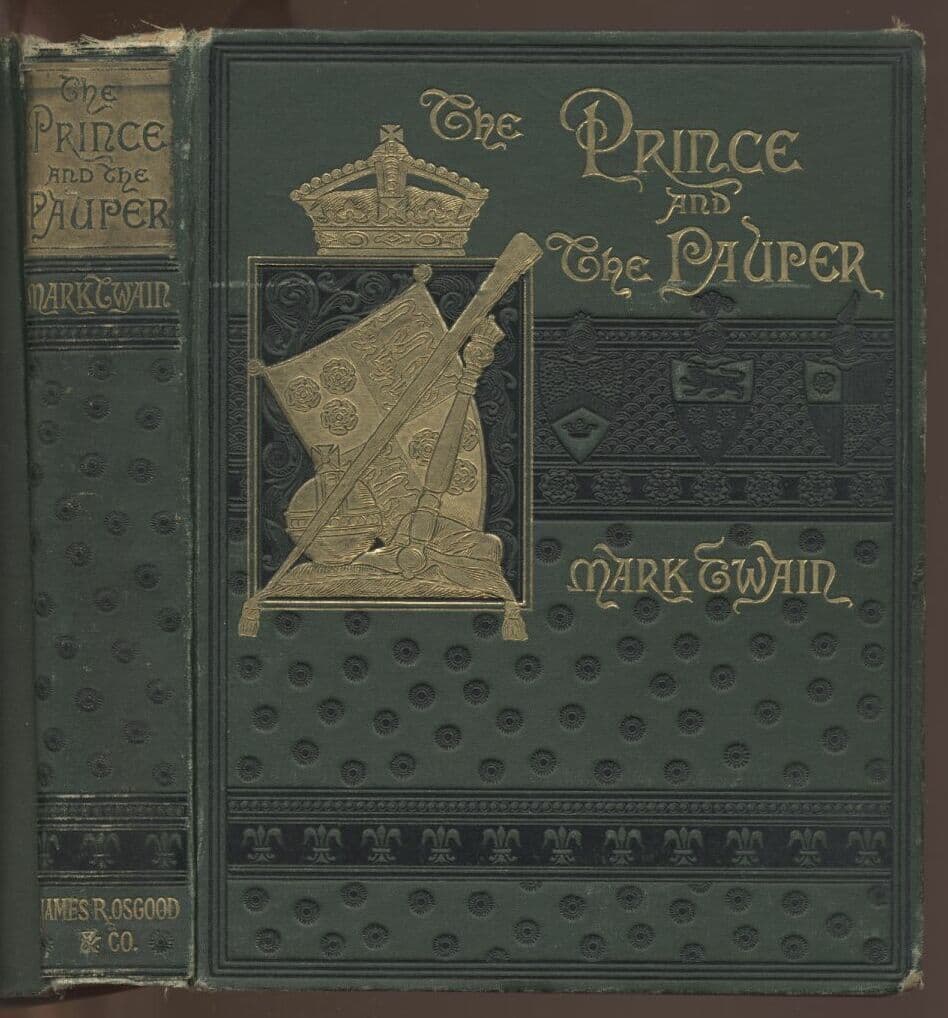
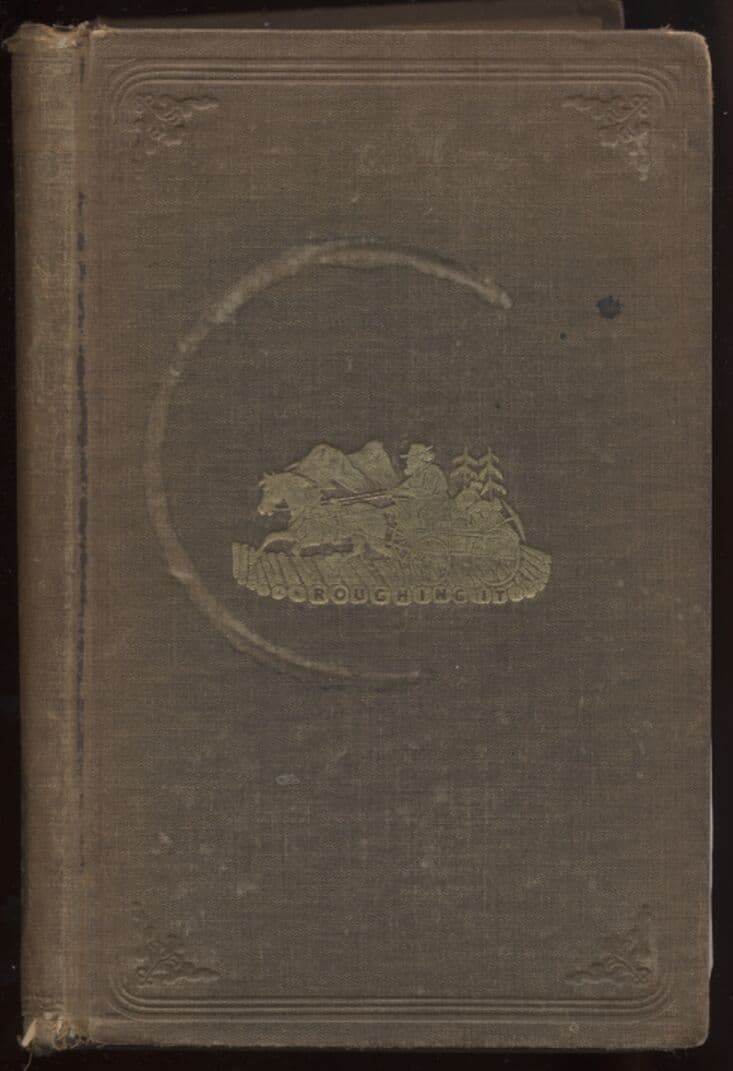
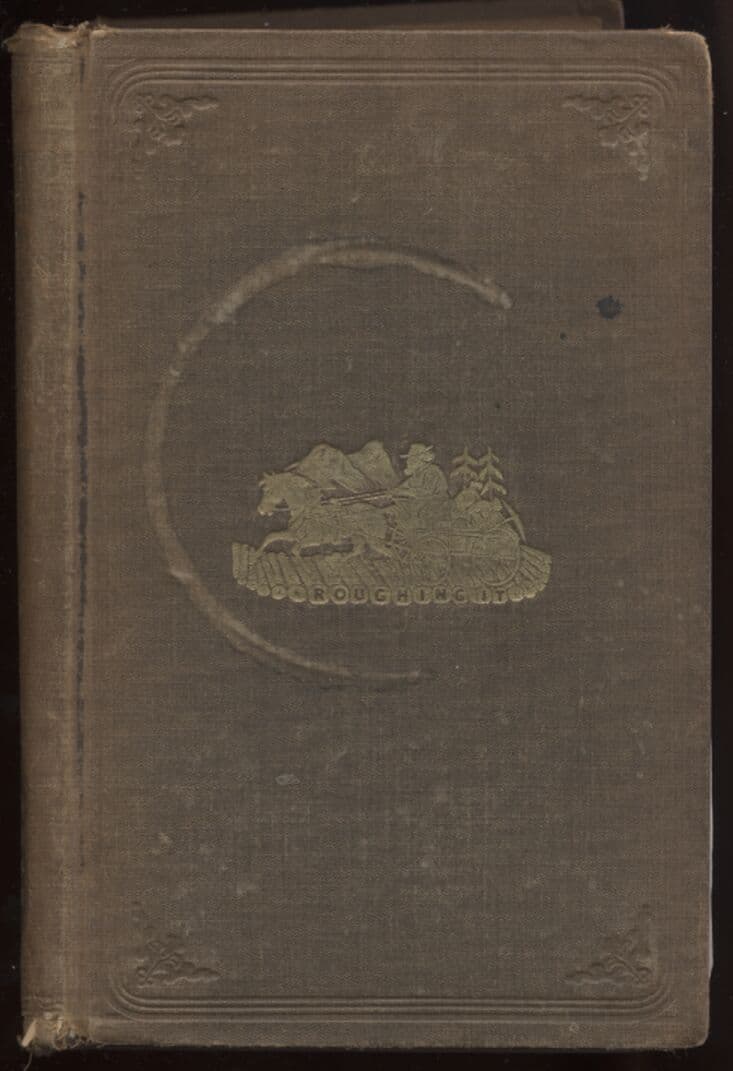
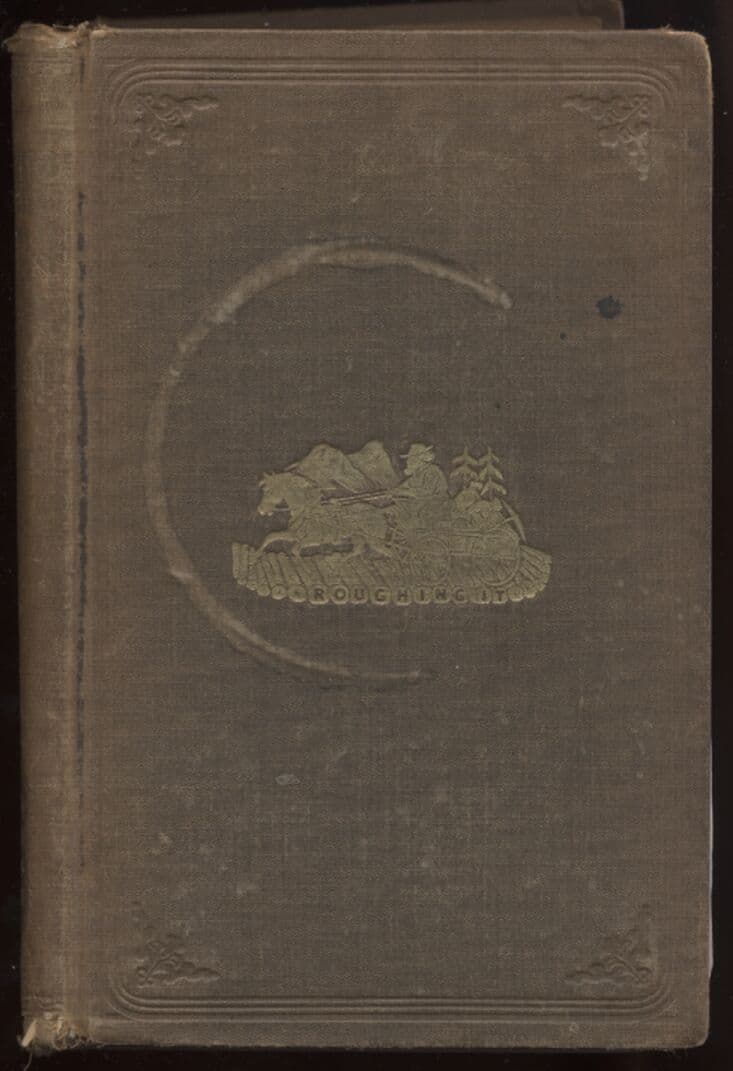
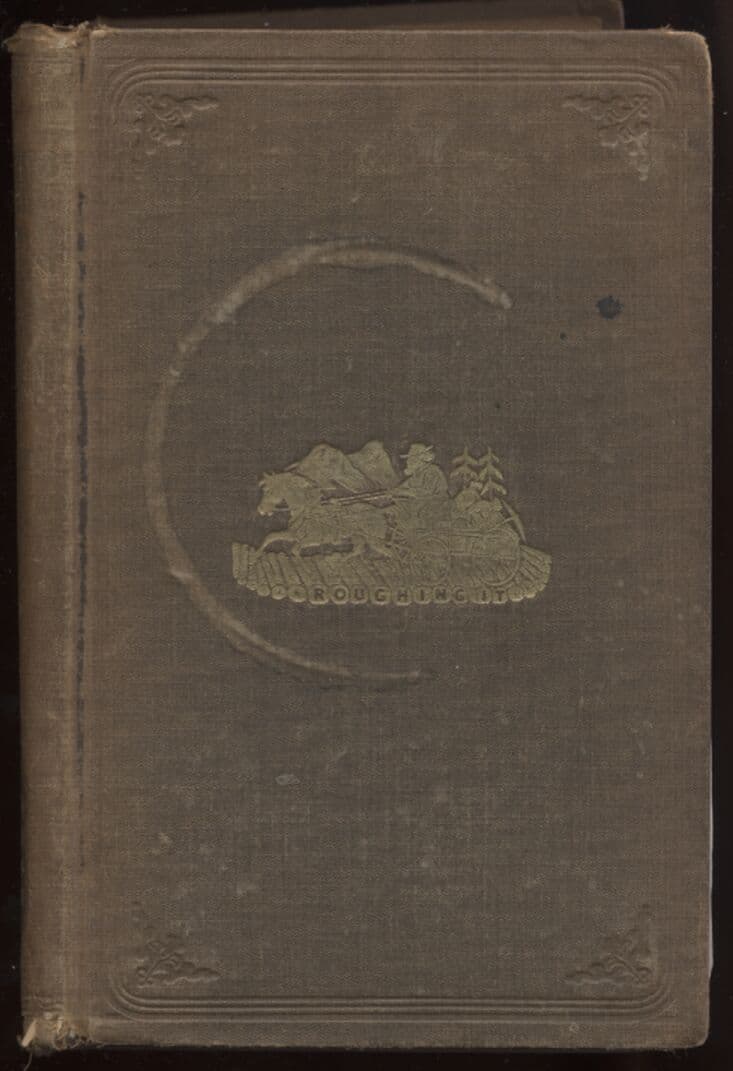
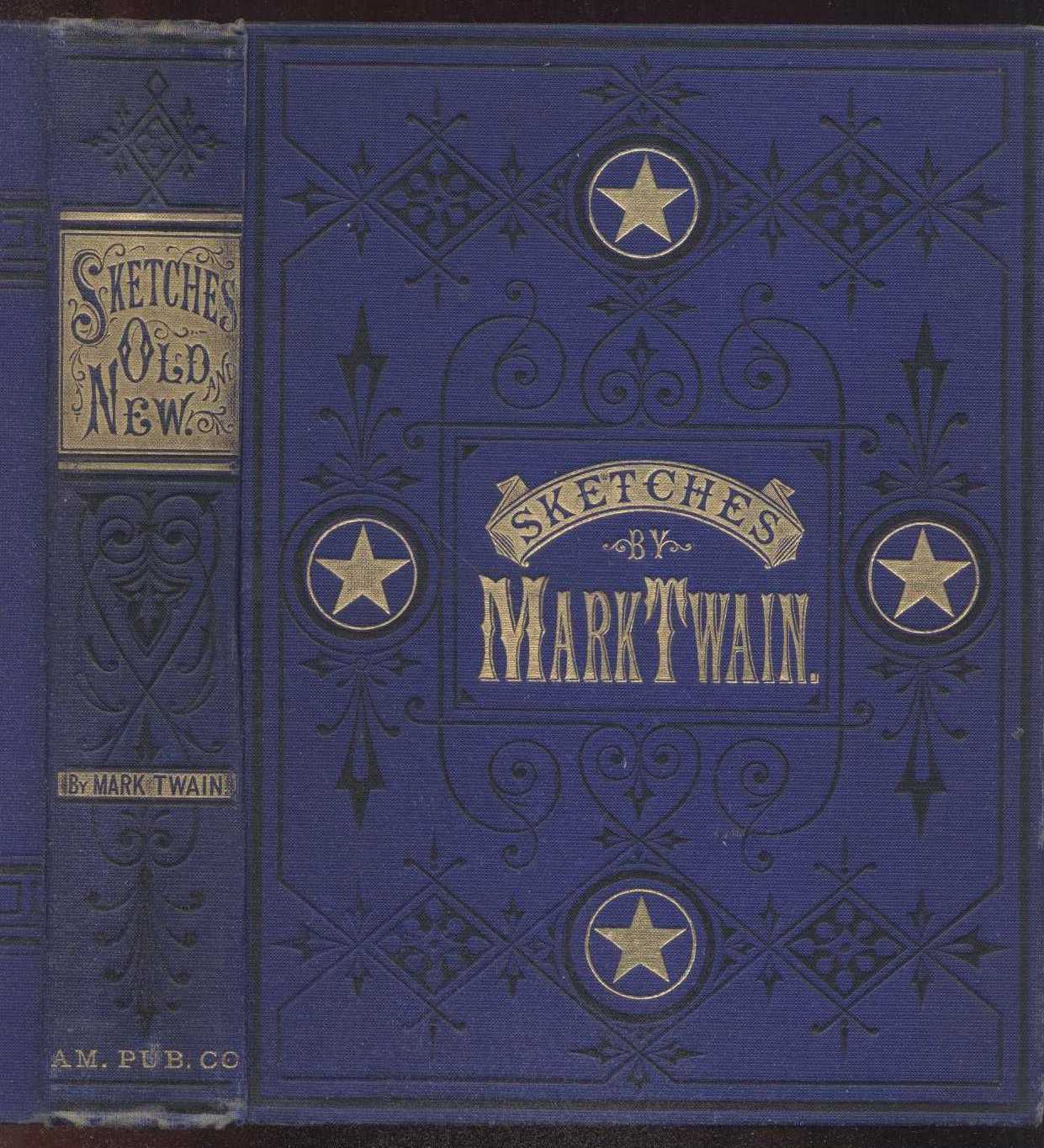
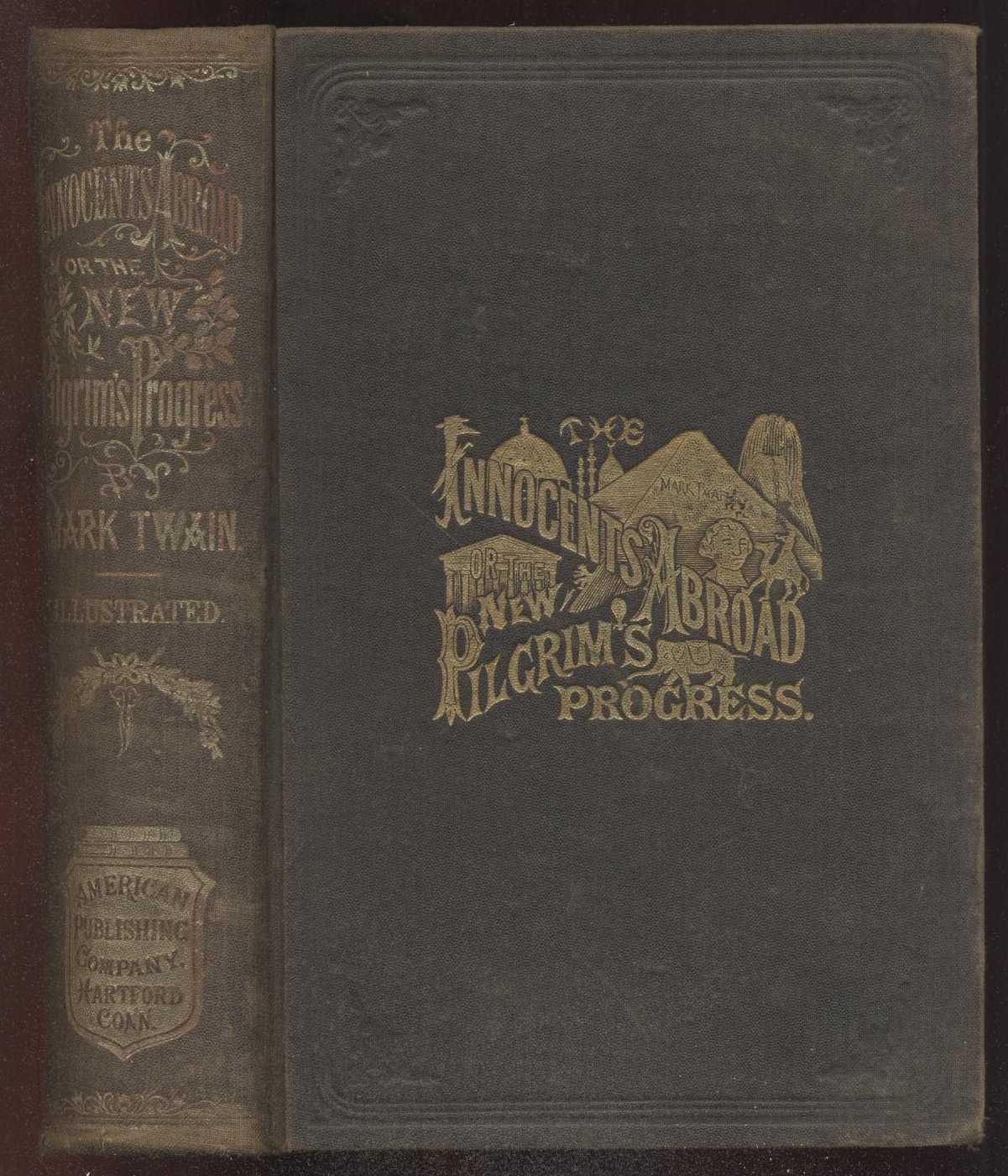
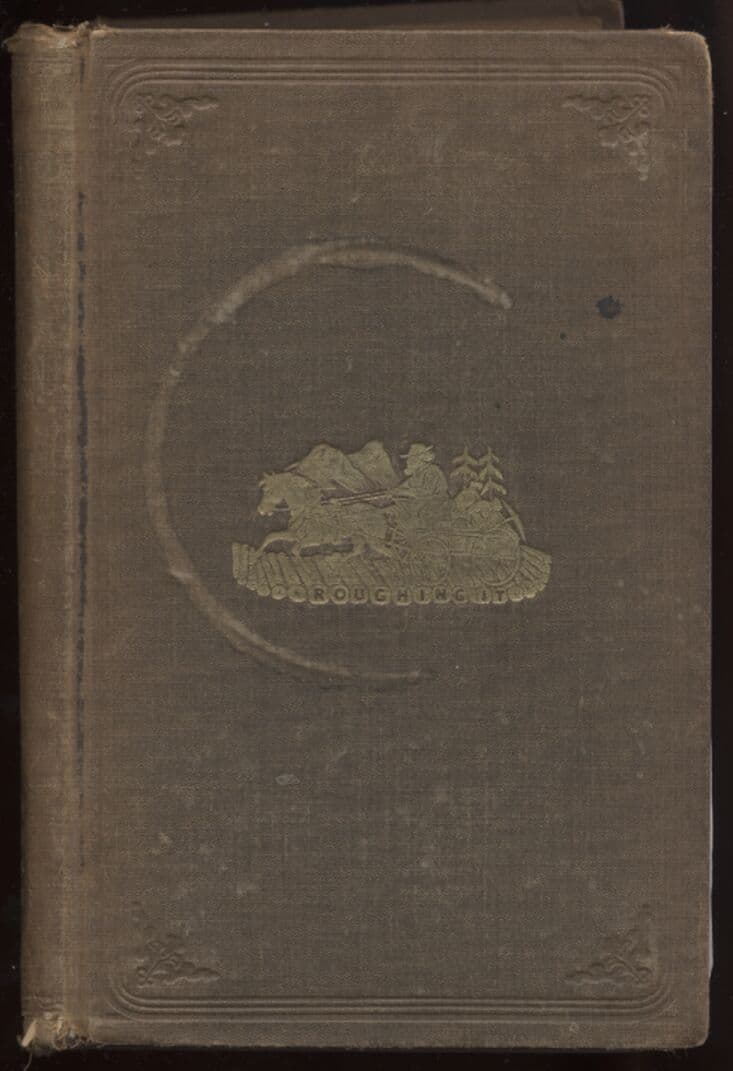
Roughing It, Part 2.
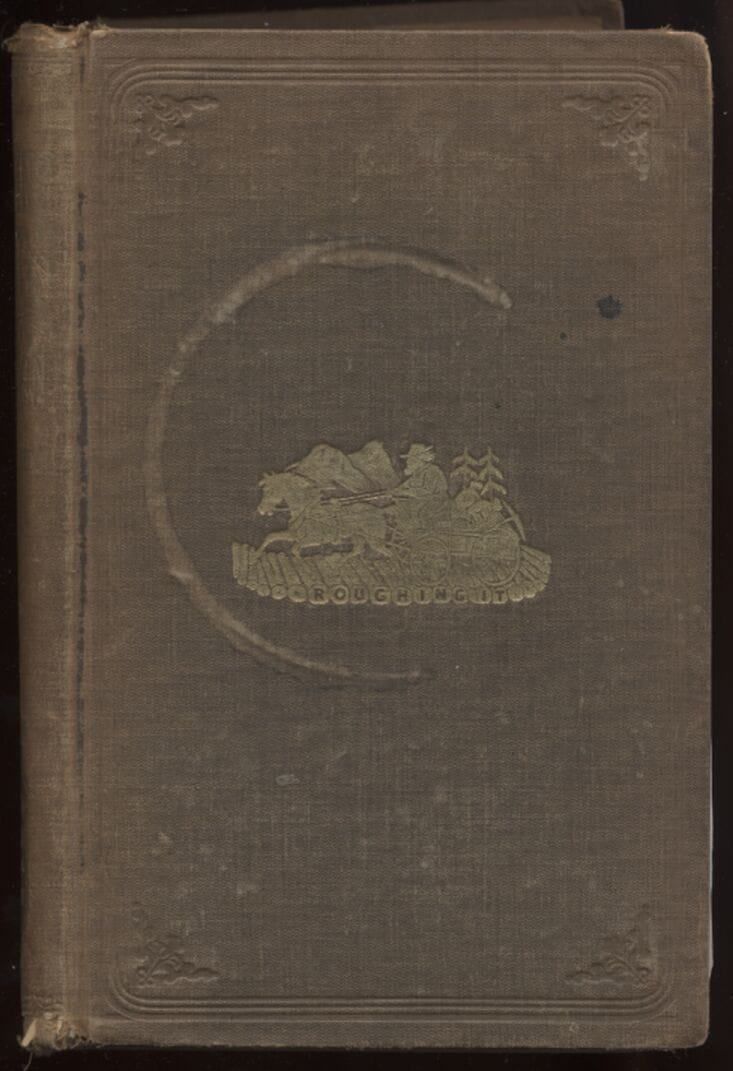
Roughing It, Part 2 plunges into the raw, wild heart of the American West as Mark Twain himself experienced it. Having struck out from Nevada toward the frontier, Twain documents a world where law is whatever men decide it is that week, where vigilantes hang from cottonwood trees, and where a reputation can be made or lost over a card game. The narrative introduces the notorious J.A. Slade, a frontier enforcer whose violent end at the hands of a vigilante committee becomes both warning and spectacle. Twain rides with Mormon emigrants, witnesses mining camps where men strike it rich or die trying, and encounters a landscape both beautiful and merciless. His humor remains sharp throughout, transforming what could be mere travel writing into something alive with authentic voice and observation. This is the American West before it became mythologized, captured by a writer who would later help invent American literature.
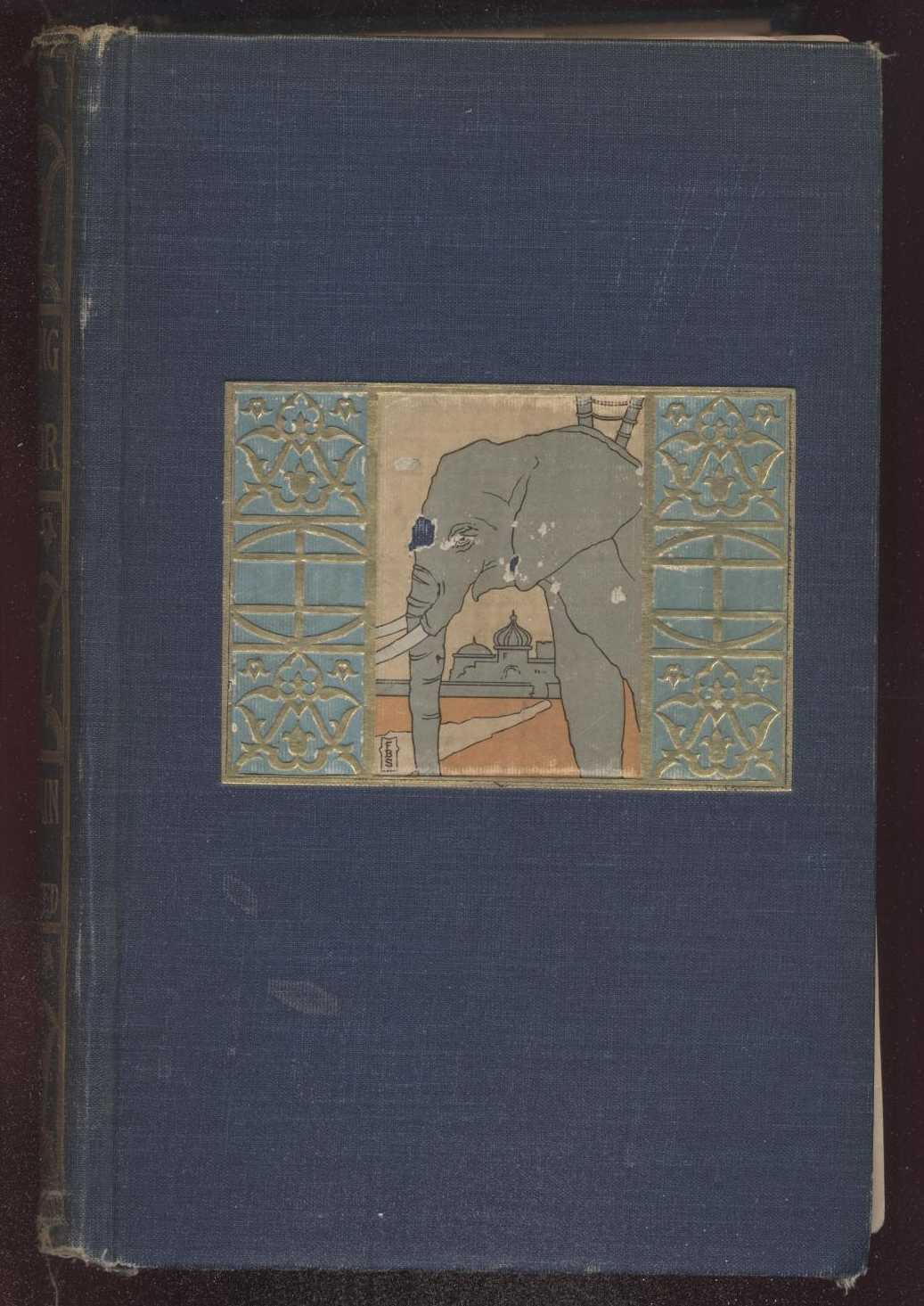
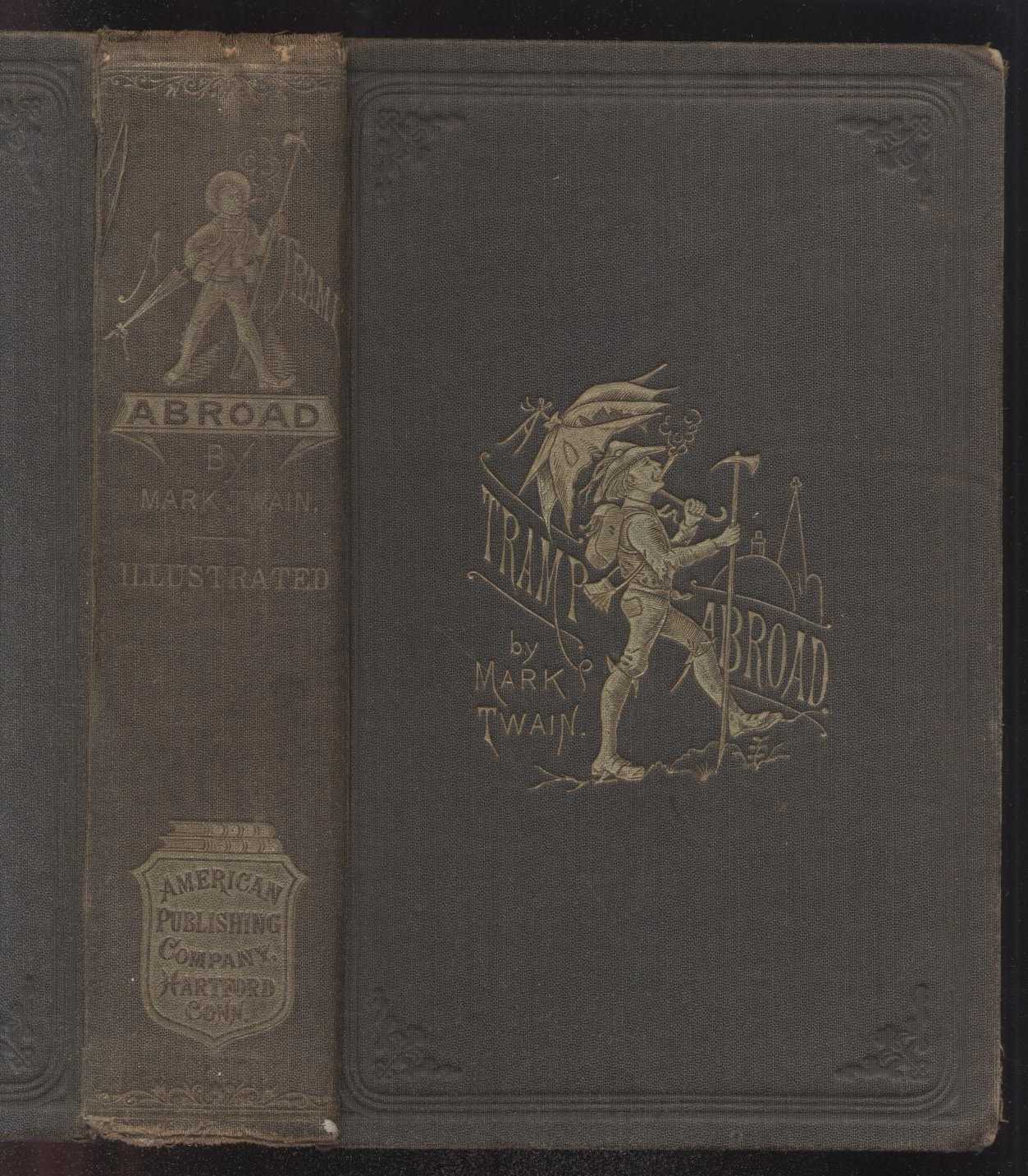
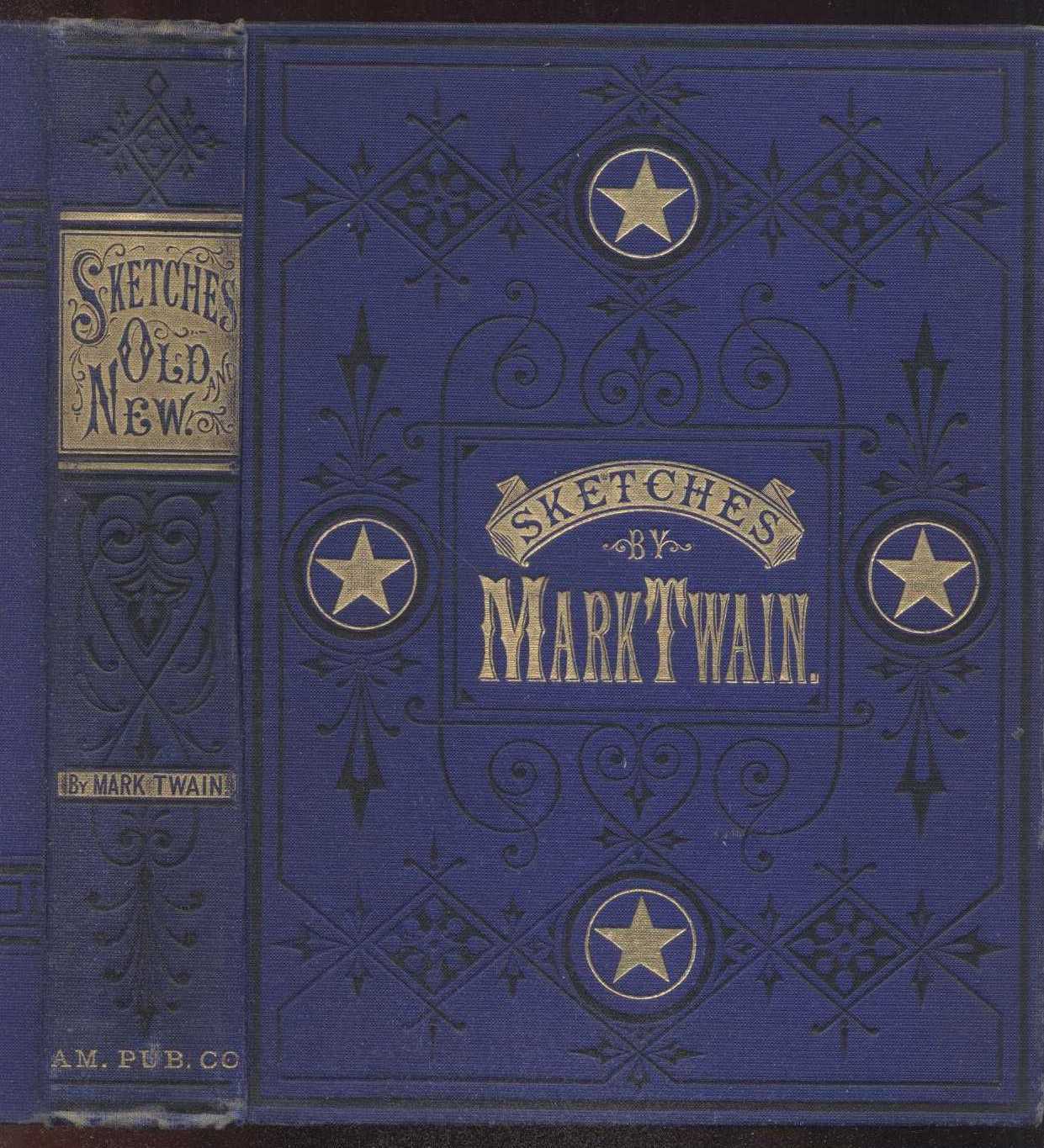
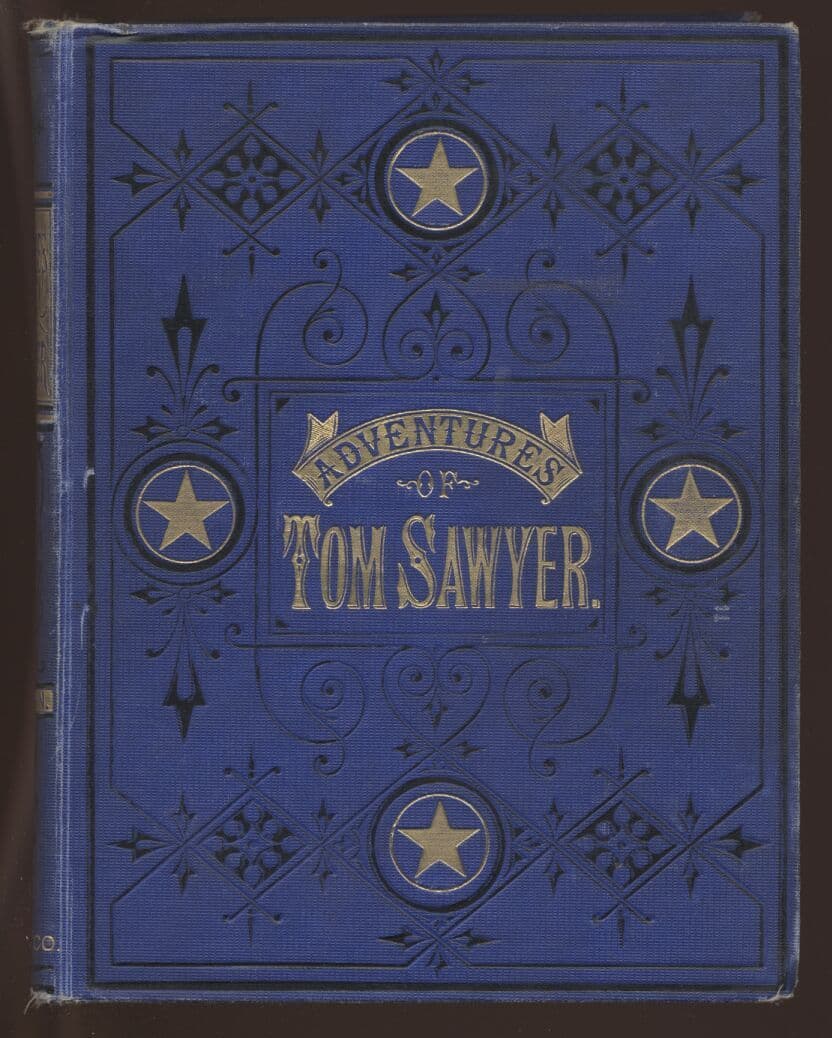
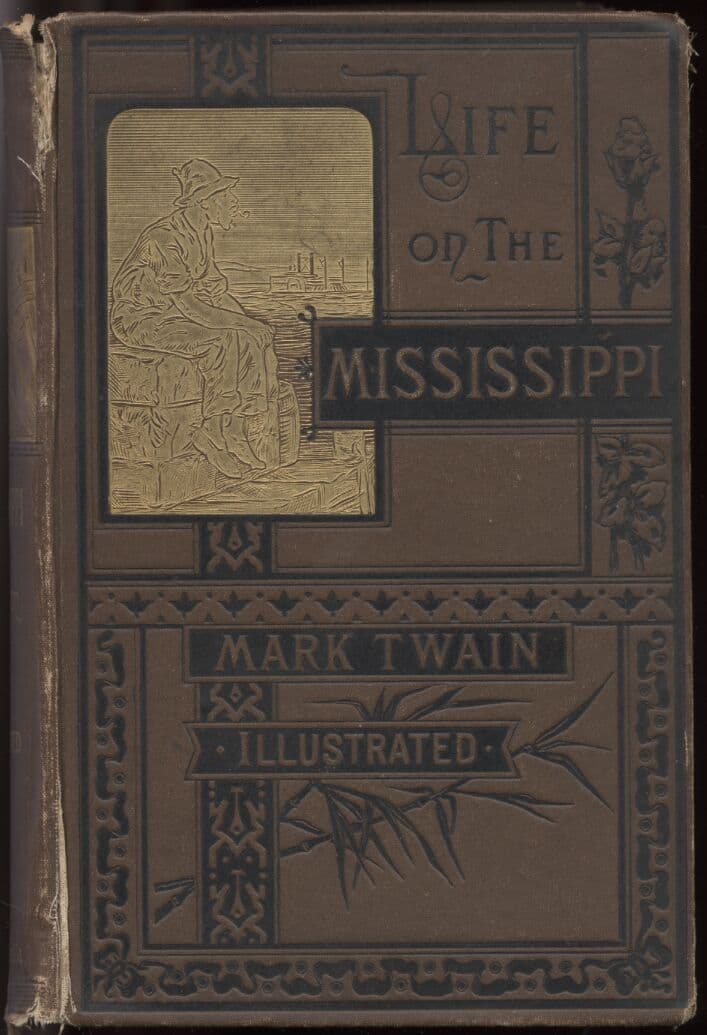
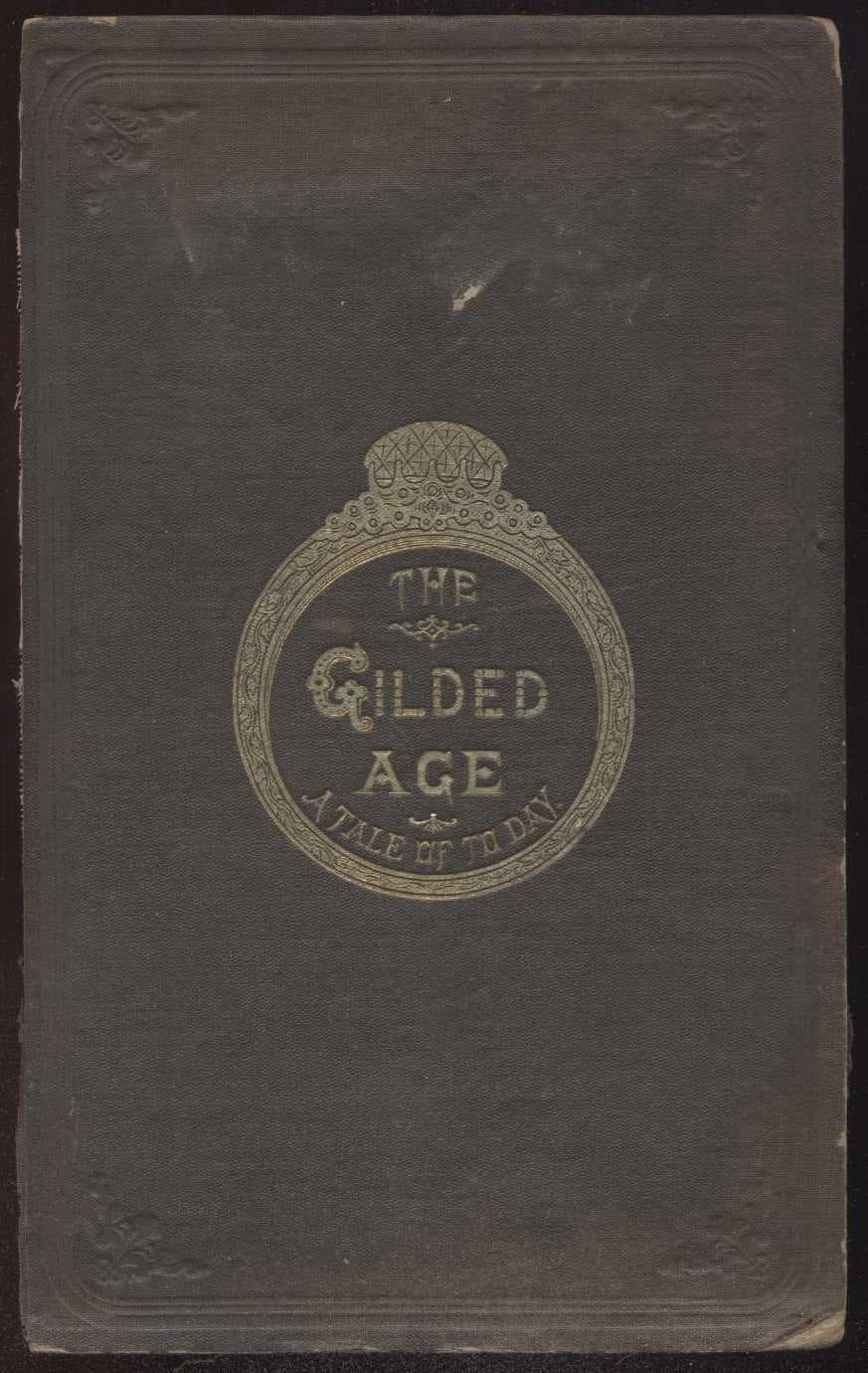
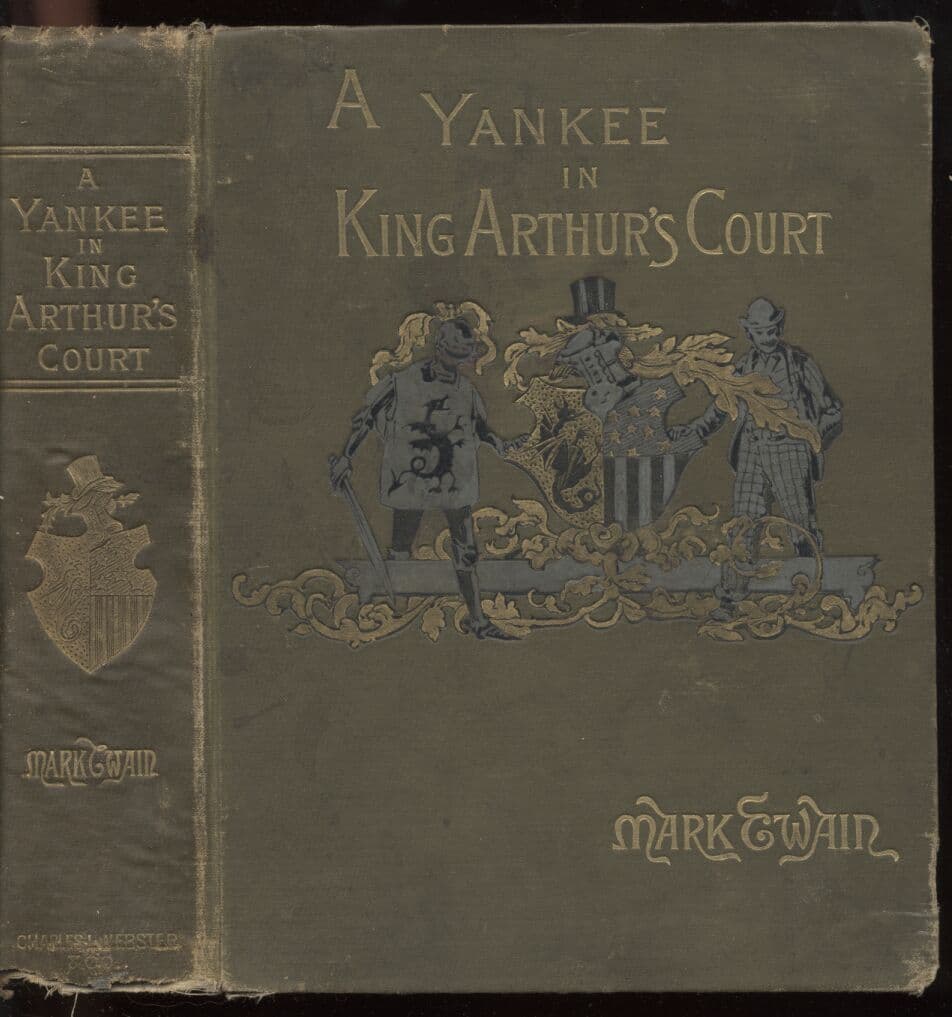
Editions
X-Ray
“he came into our room in the hotel about eleven o'clock, full of cheerfulness, and talking loosely, disjointedly and indiscriminately, and every now and then tugging out a ragged word by the roots that had more hiccups than syllables in it.””
— Mark Twain
Link to this book
Add a free, dofollow link to Lex on your blog, forum, syllabus, or reading list.

<a href="https://lex-books.com/book/roughing-it-part-2-203fb52c-1b16-4443-bb19-8f9e3b5a58df"><img src="https://lex-books.com/badges/read-on-lex.svg" alt="Read Roughing It, Part 2. by Mark Twain free on Lex" width="160" height="40"></a>[](https://lex-books.com/book/roughing-it-part-2-203fb52c-1b16-4443-bb19-8f9e3b5a58df)[url=https://lex-books.com/book/roughing-it-part-2-203fb52c-1b16-4443-bb19-8f9e3b5a58df][img]https://lex-books.com/badges/read-on-lex.svg[/img][/url]Read Roughing It, Part 2. by Mark Twain free on Lex: https://lex-books.com/book/roughing-it-part-2-203fb52c-1b16-4443-bb19-8f9e3b5a58dfCite this book
Reading this edition for a paper or guide? Copy a citation.
Twain, Mark. Roughing It, Part 2.. Lex, lex-books.com/book/roughing-it-part-2-203fb52c-1b16-4443-bb19-8f9e3b5a58df.Twain, M. (n.d.). Roughing It, Part 2.. Lex. https://lex-books.com/book/roughing-it-part-2-203fb52c-1b16-4443-bb19-8f9e3b5a58dfTwain, Mark. Roughing It, Part 2.. Lex. https://lex-books.com/book/roughing-it-part-2-203fb52c-1b16-4443-bb19-8f9e3b5a58df.