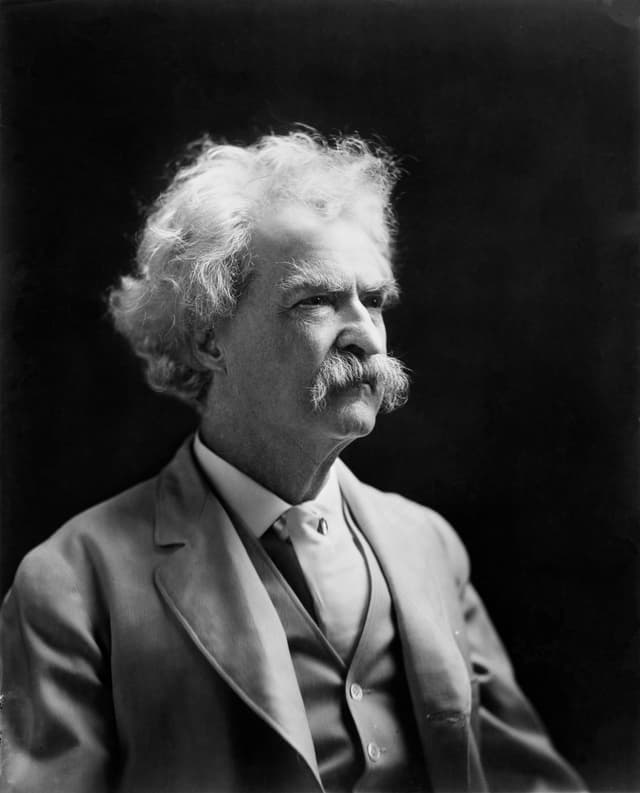
Mark Twain
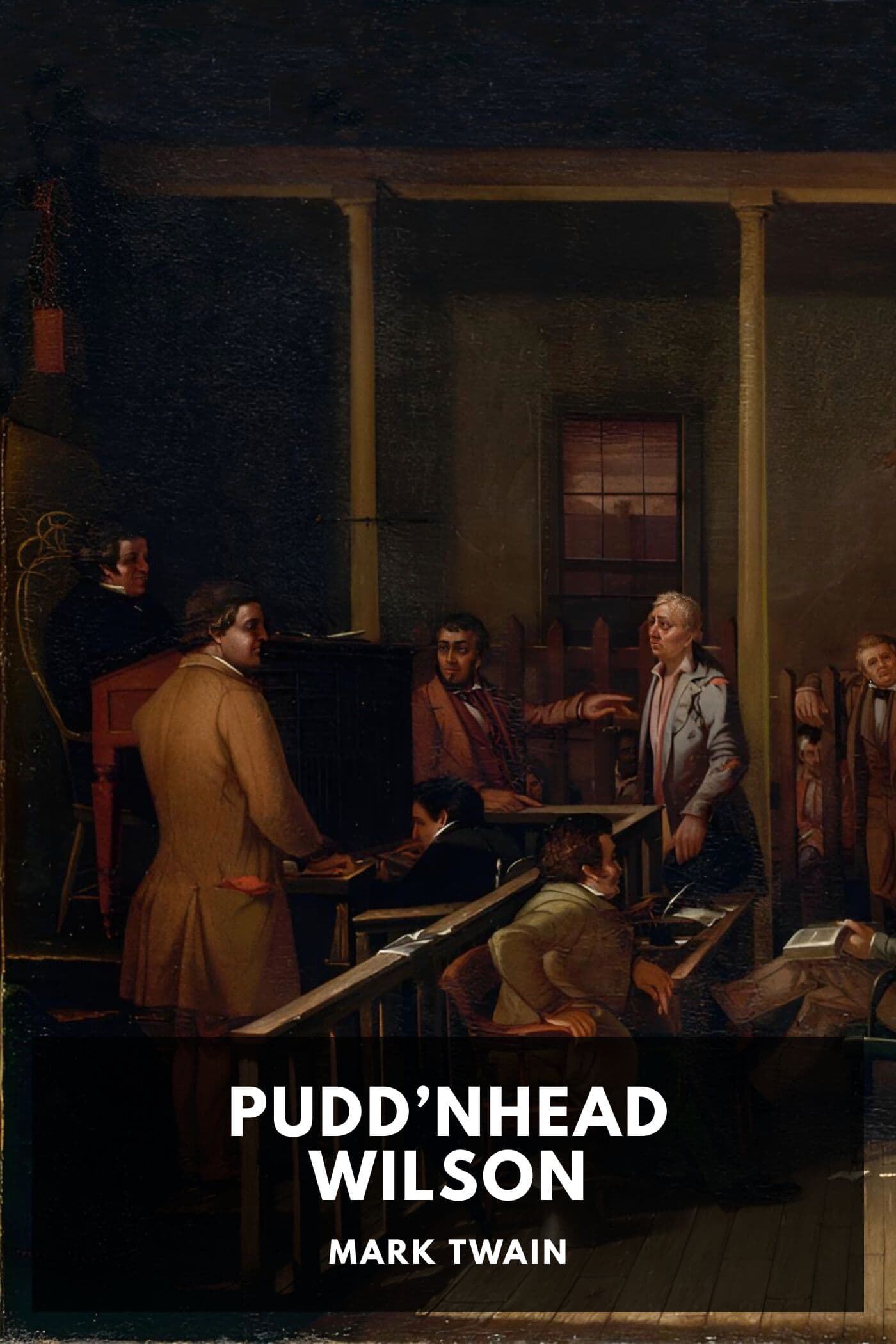
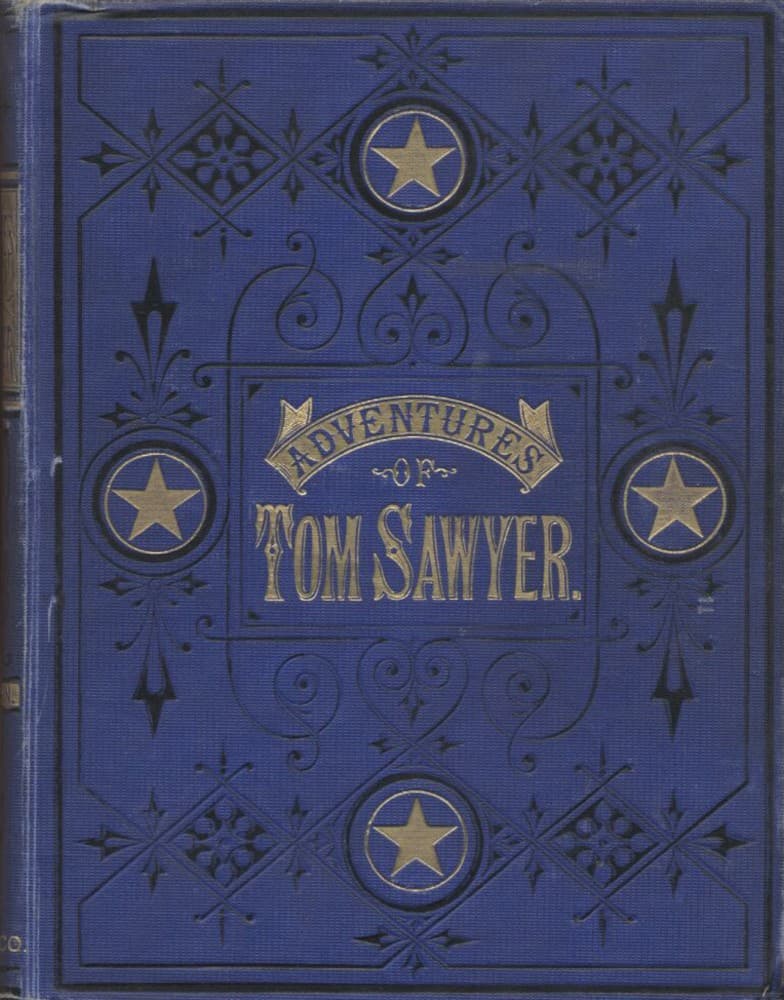
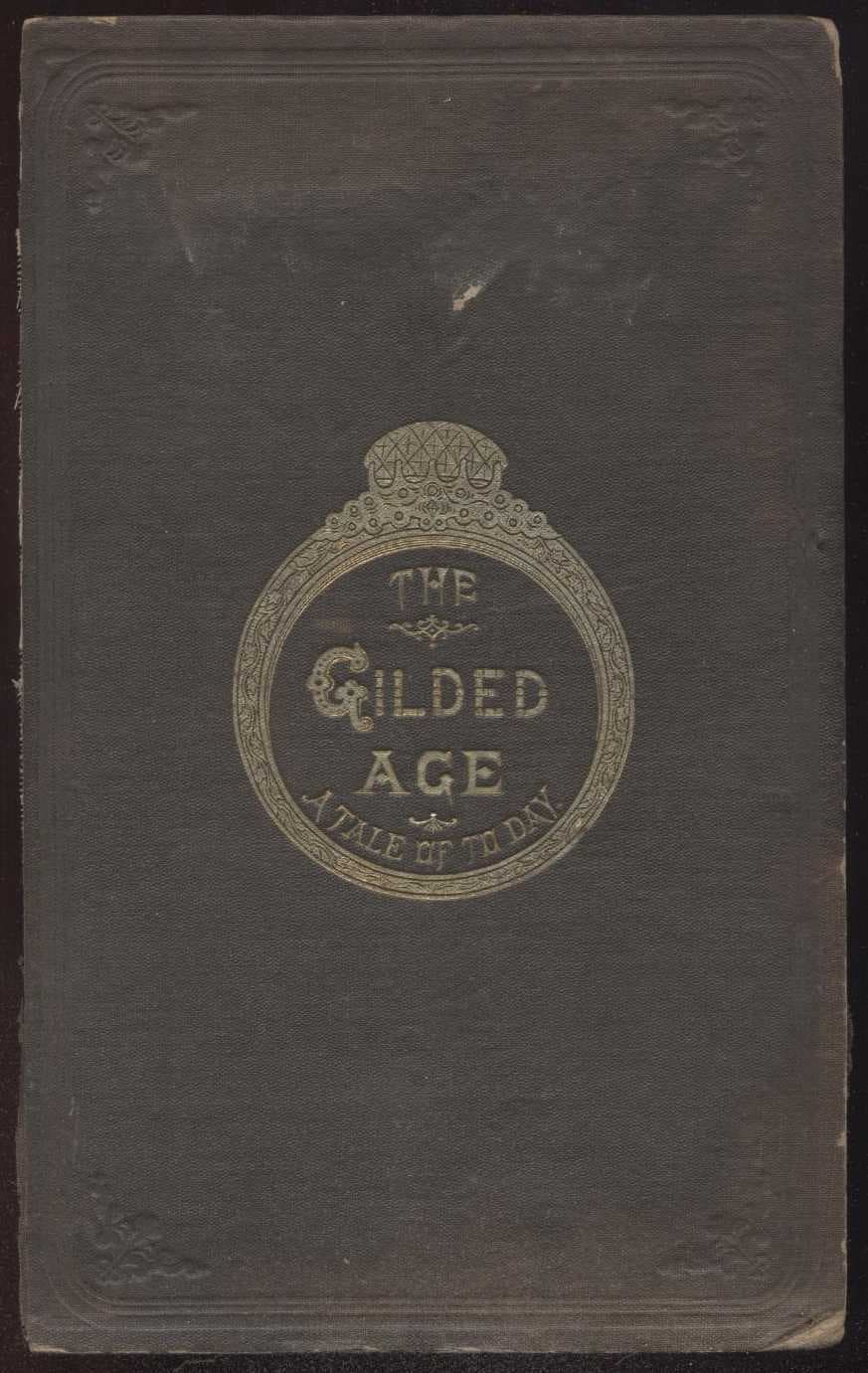
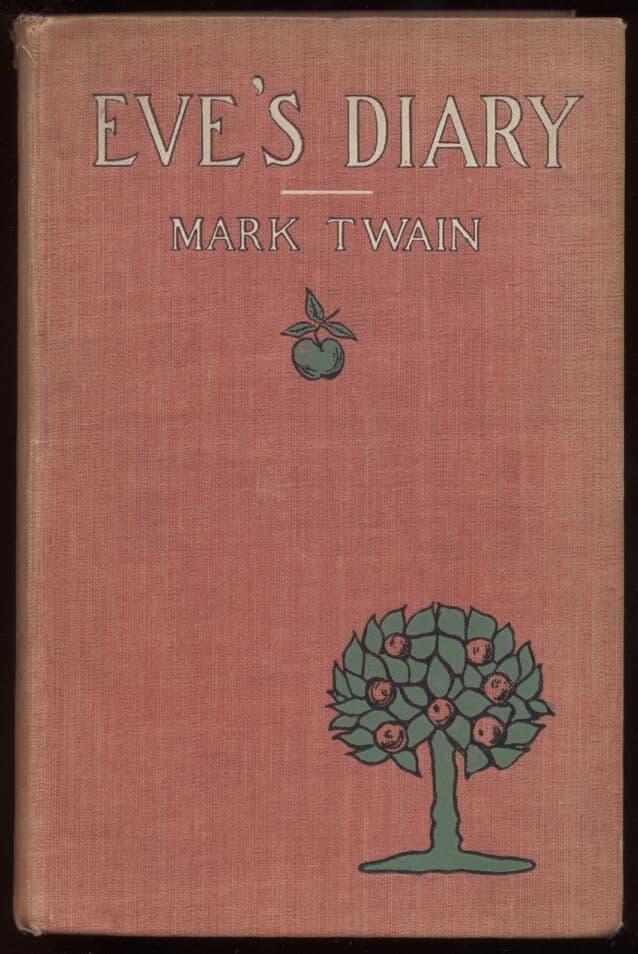
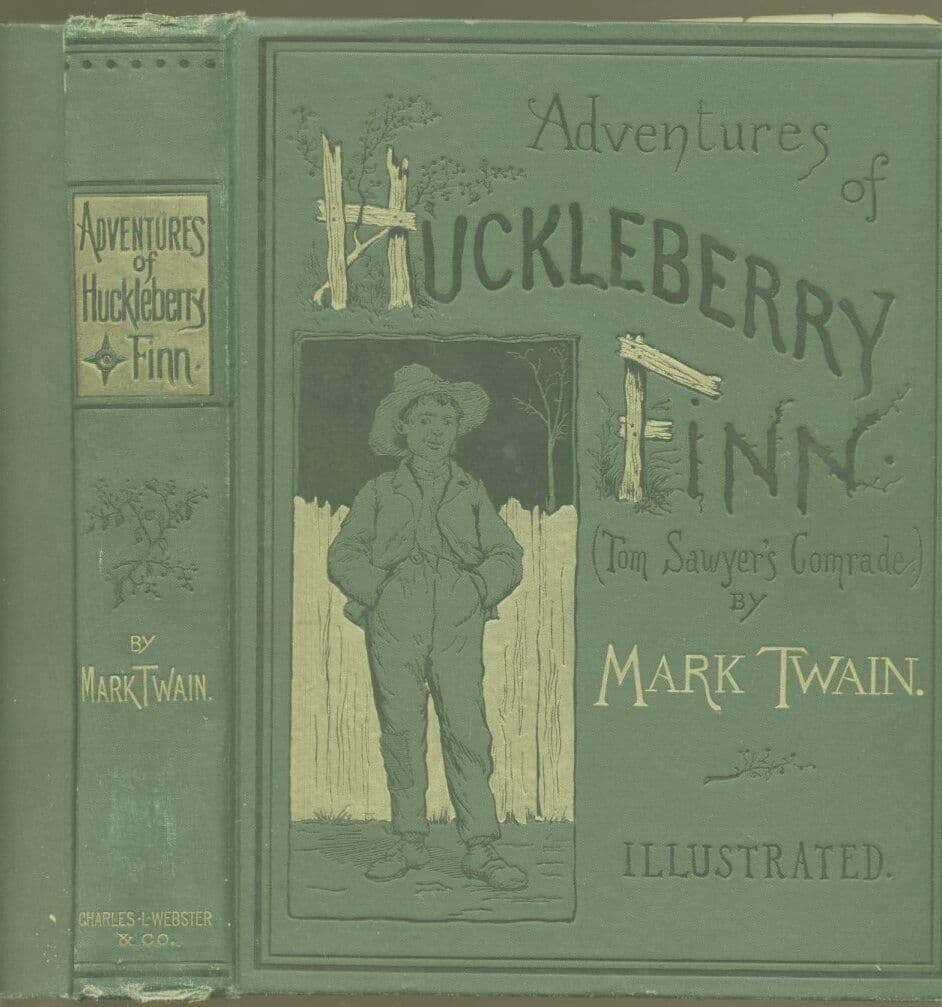
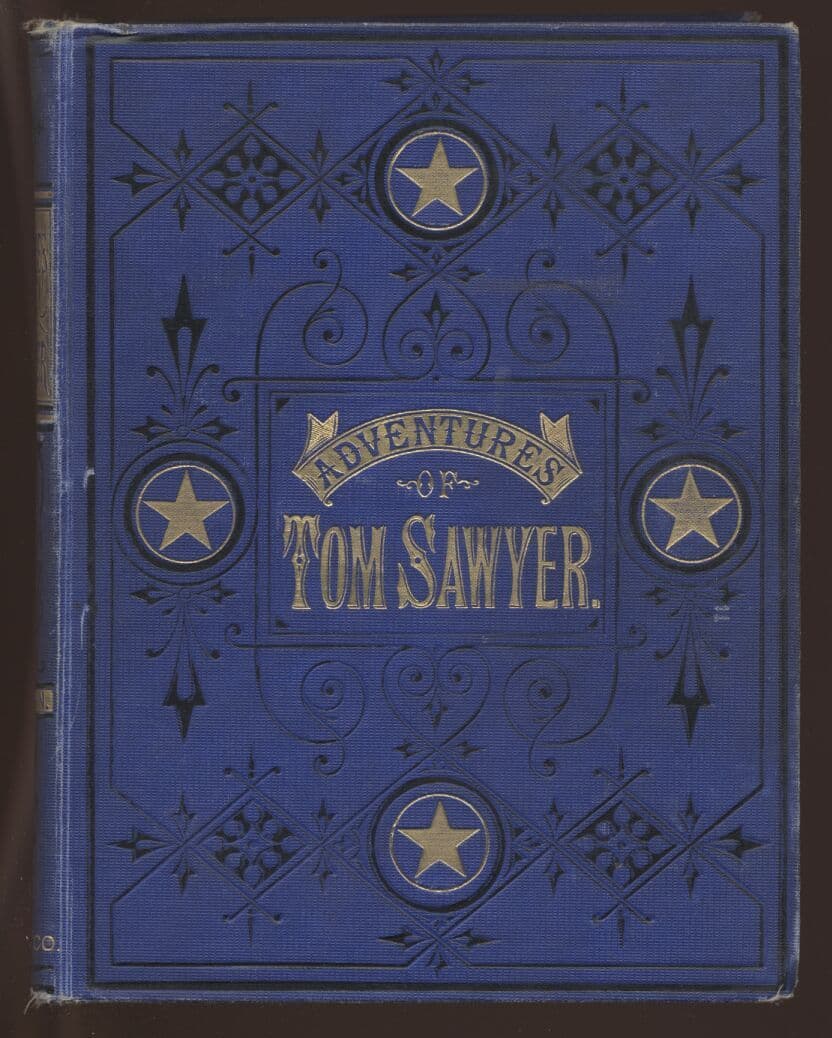
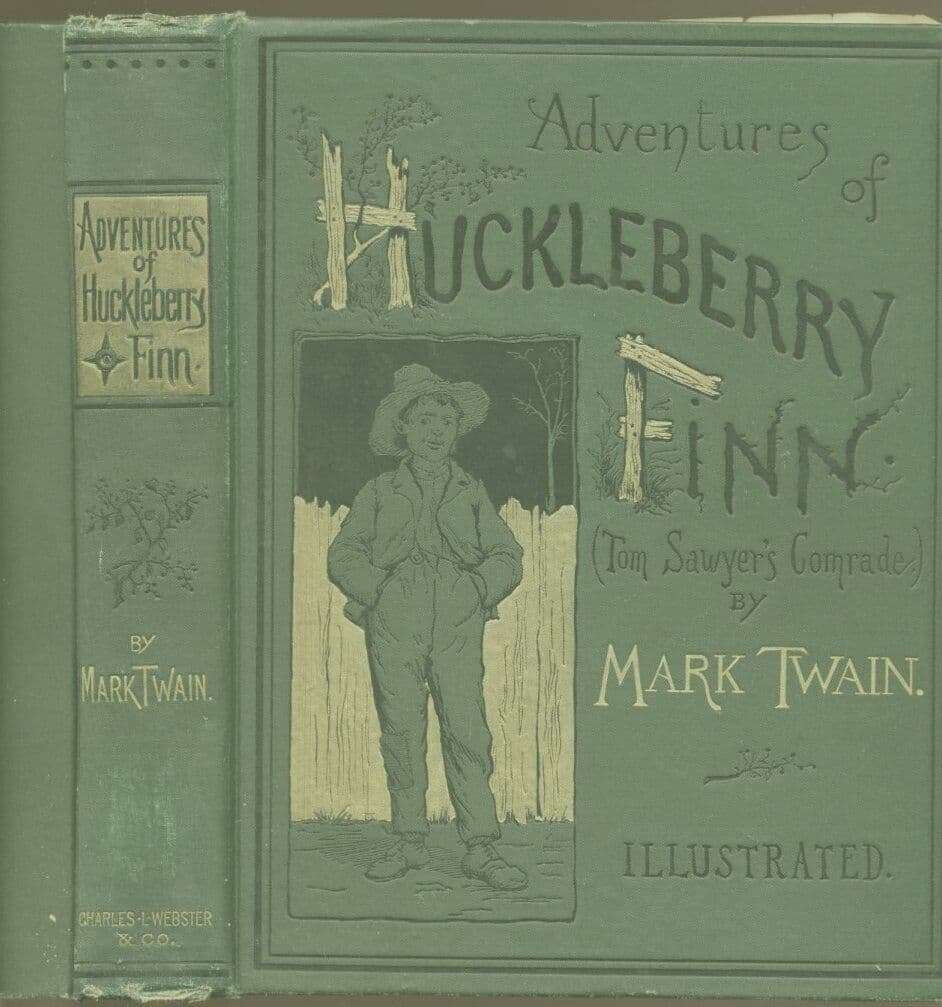
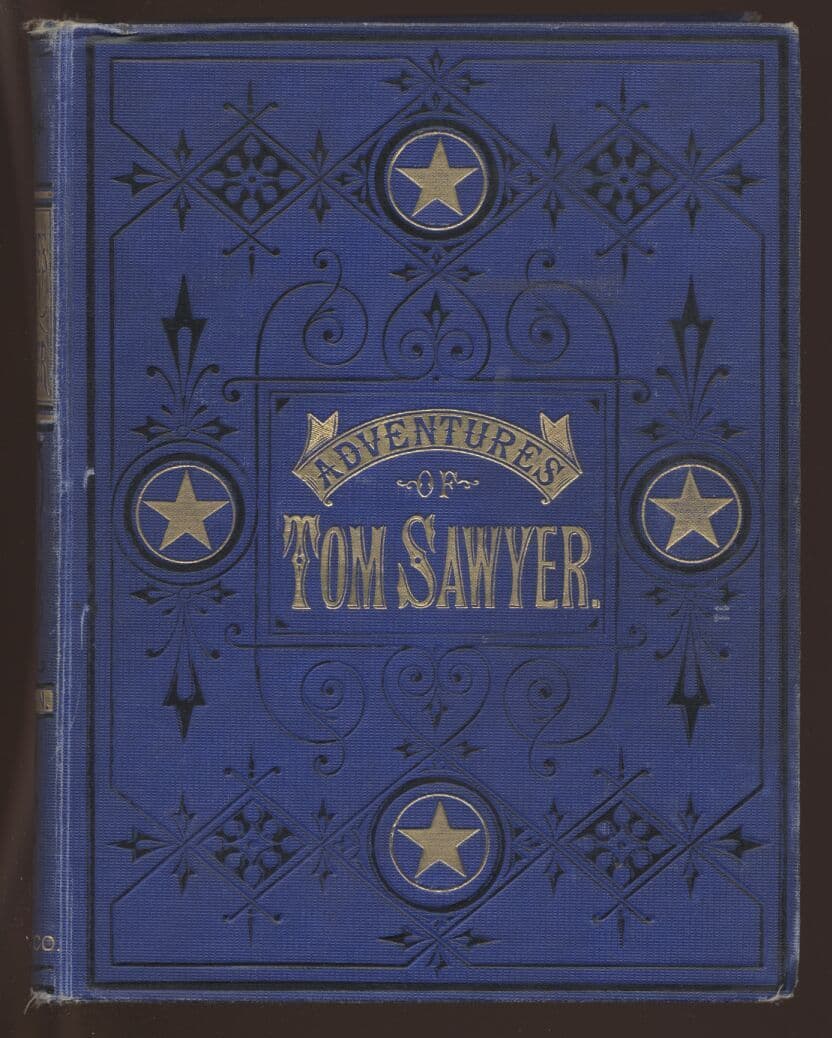
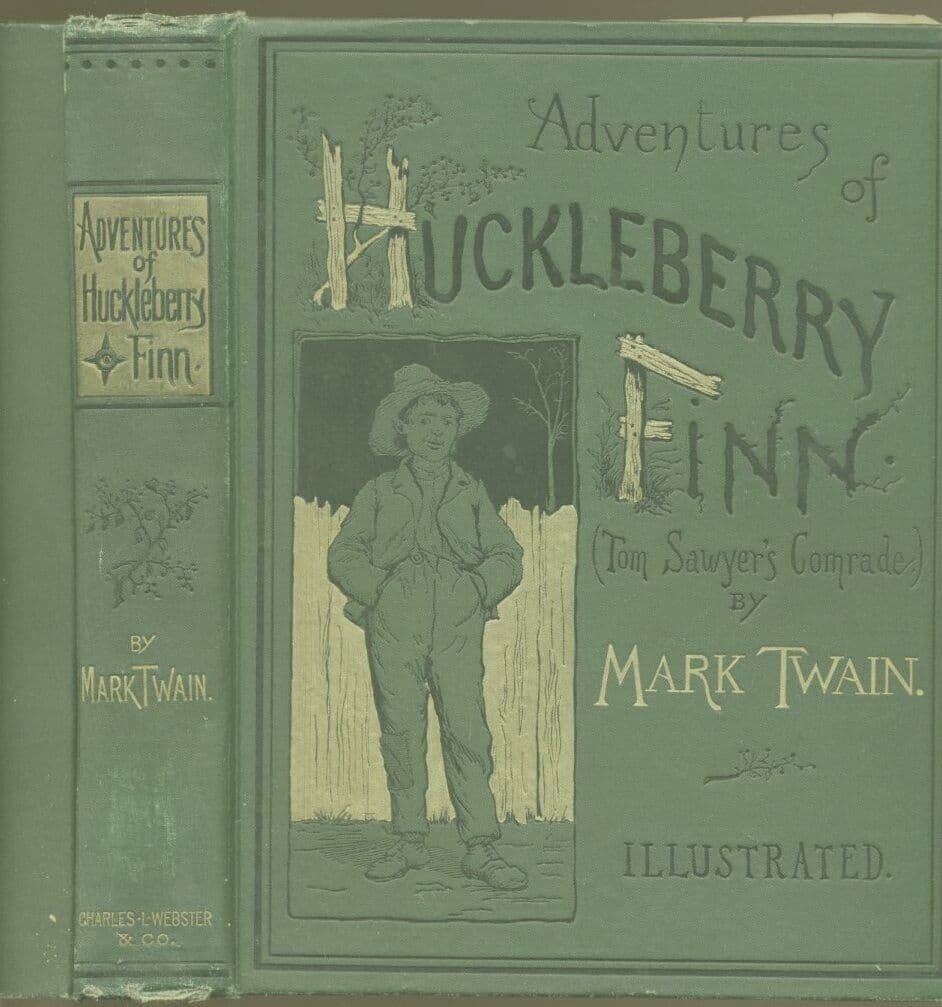
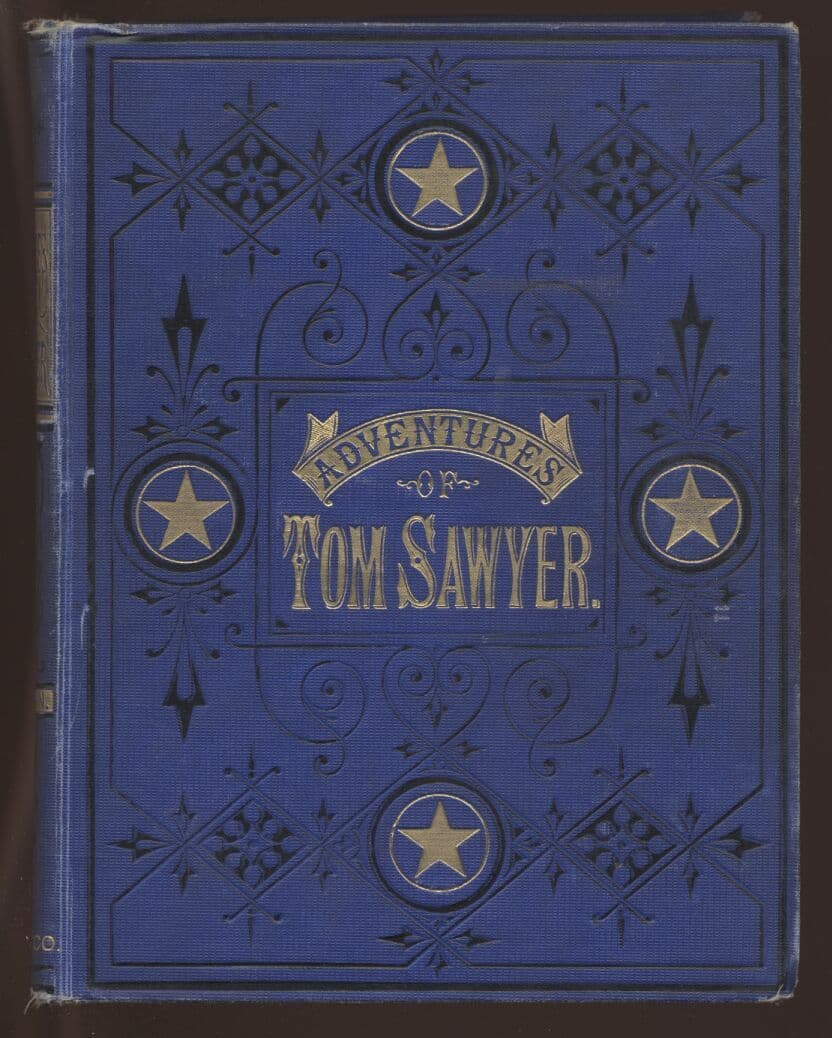
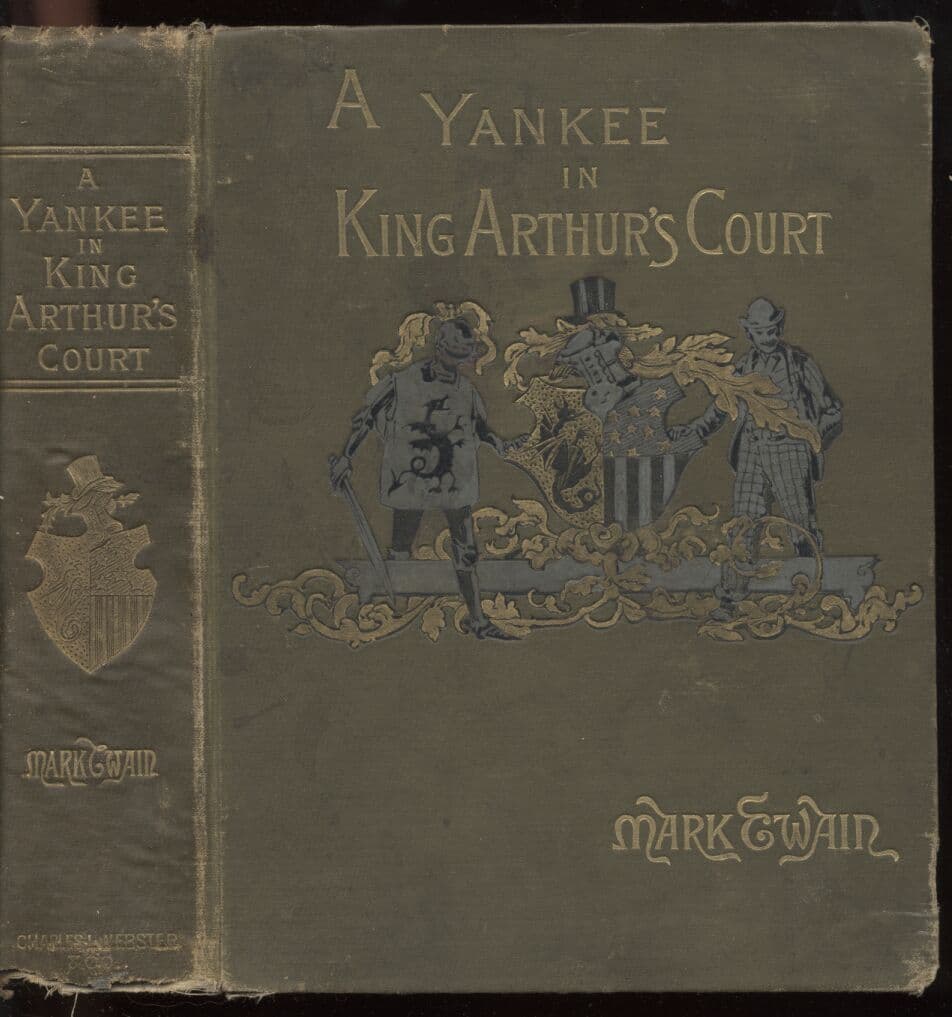
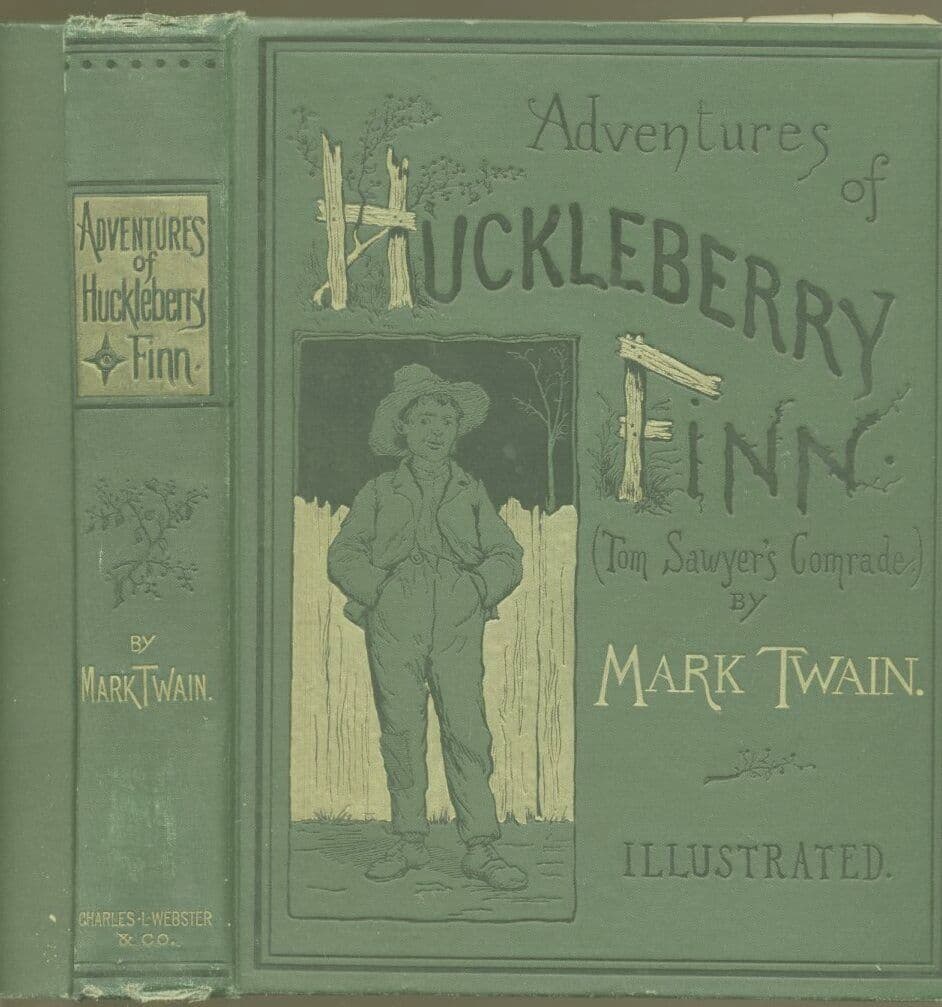
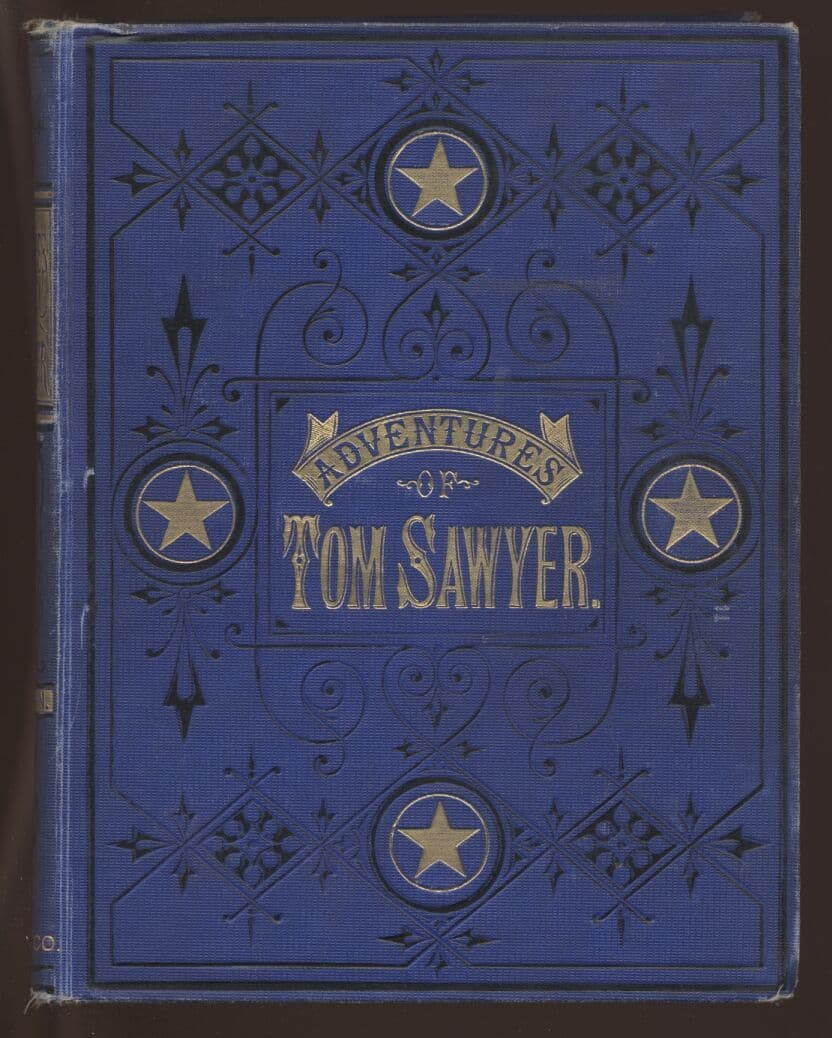
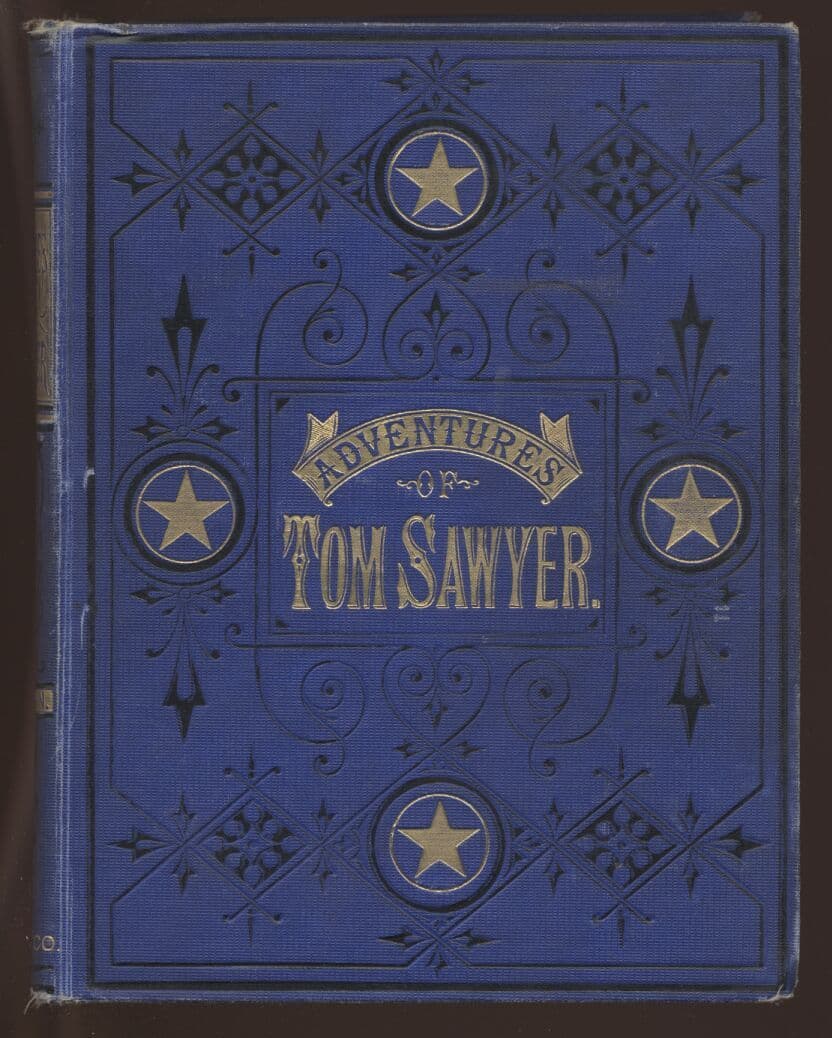
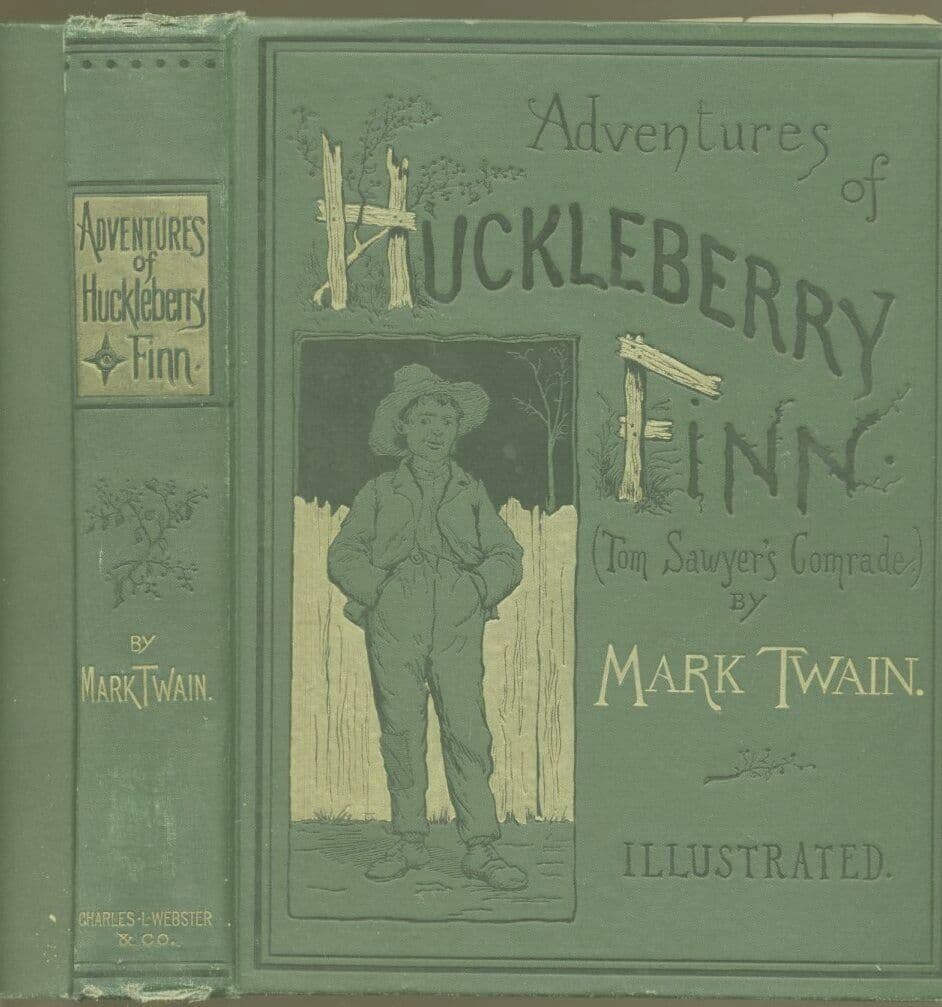
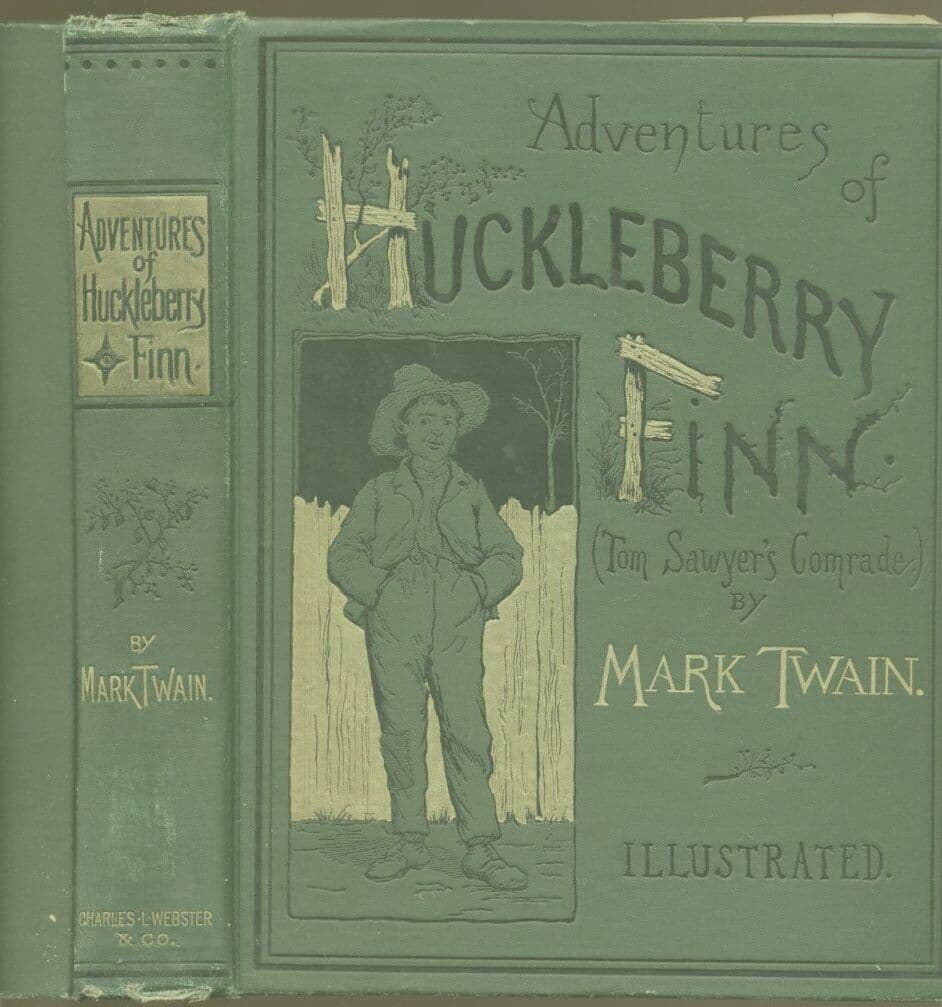
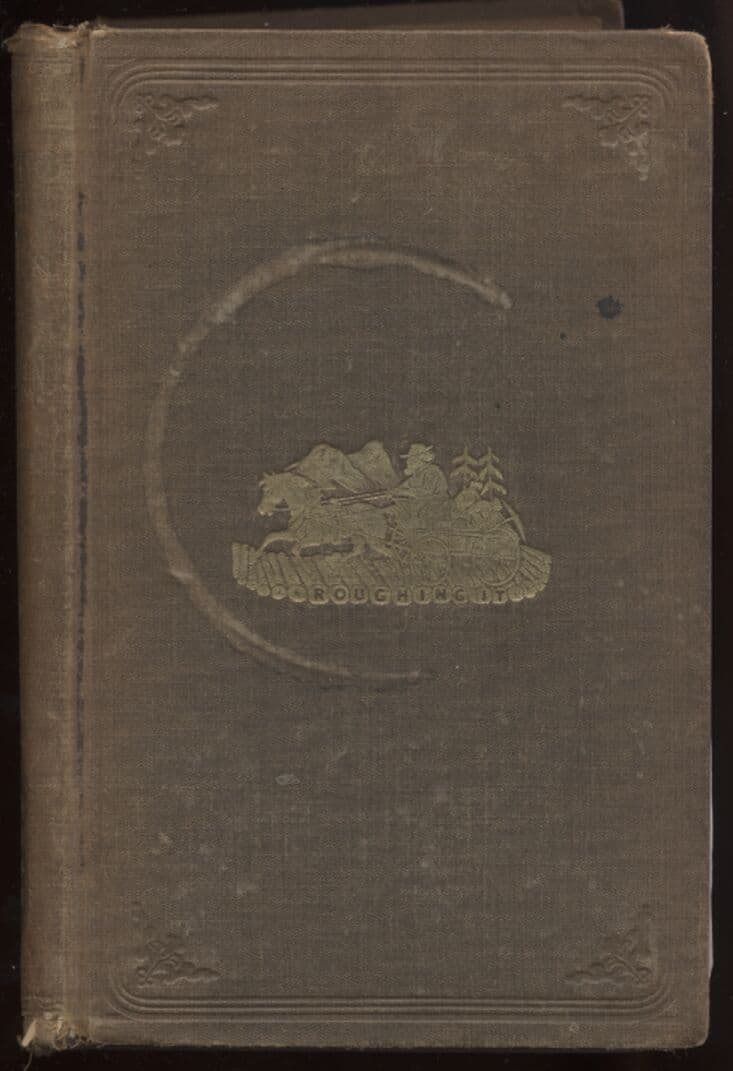
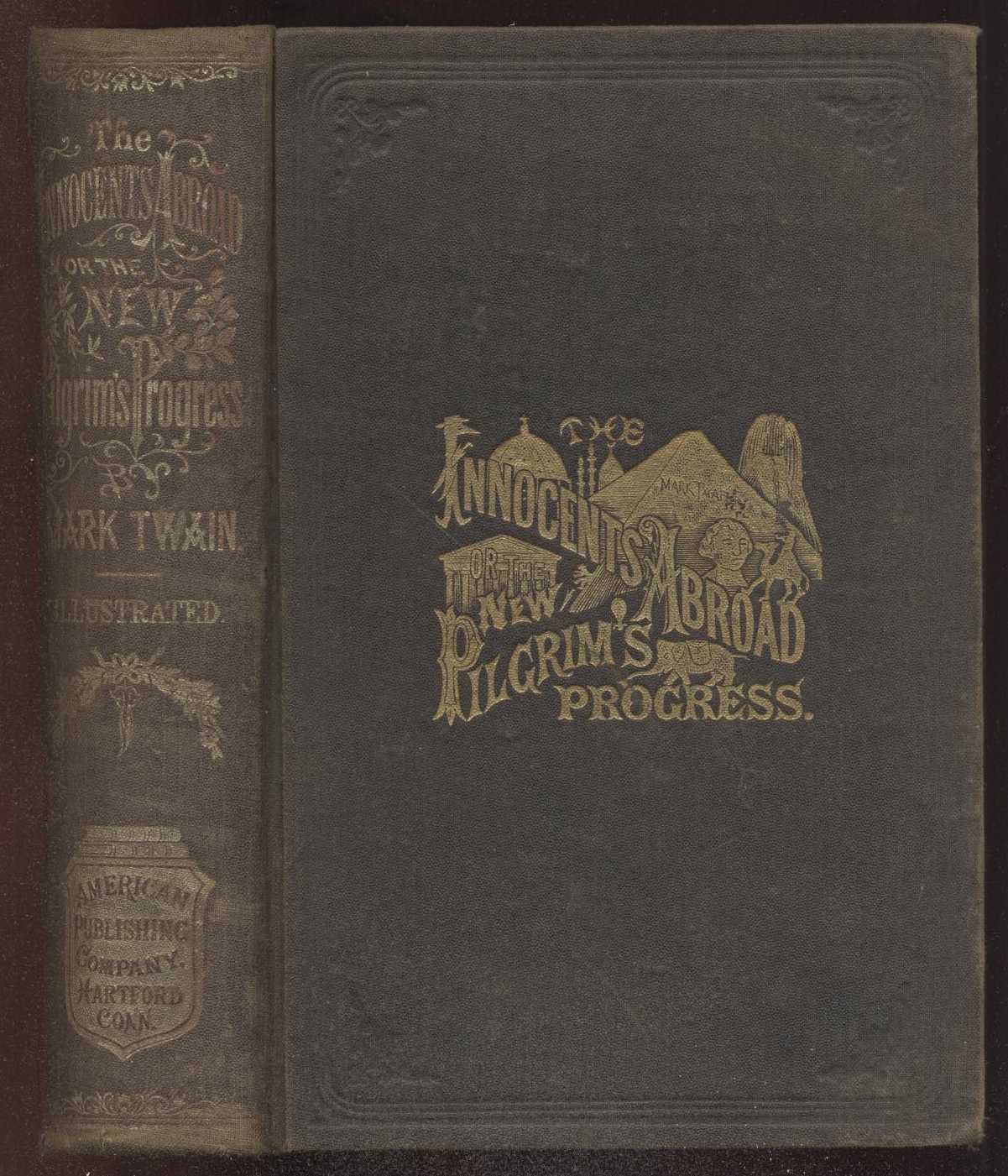
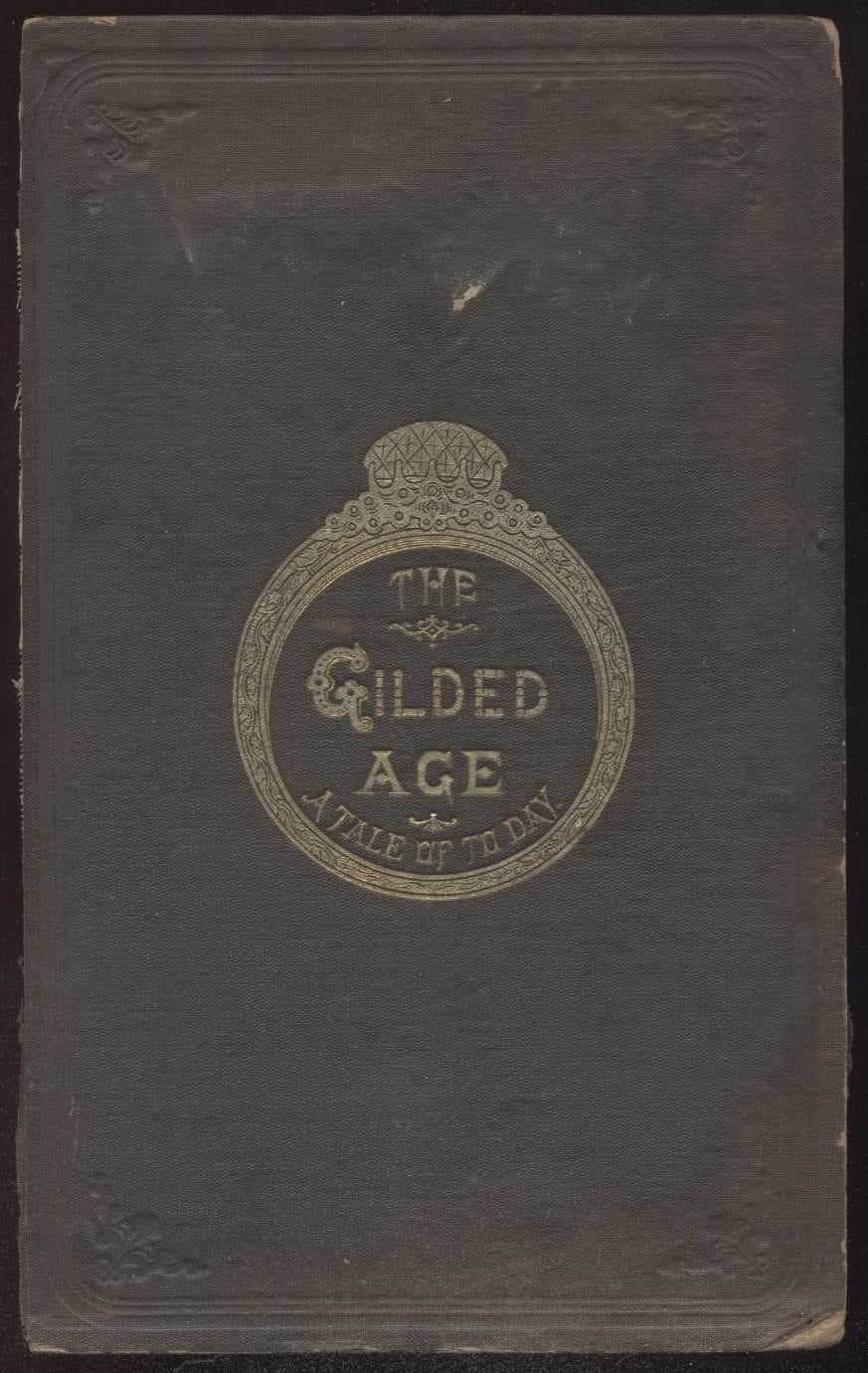
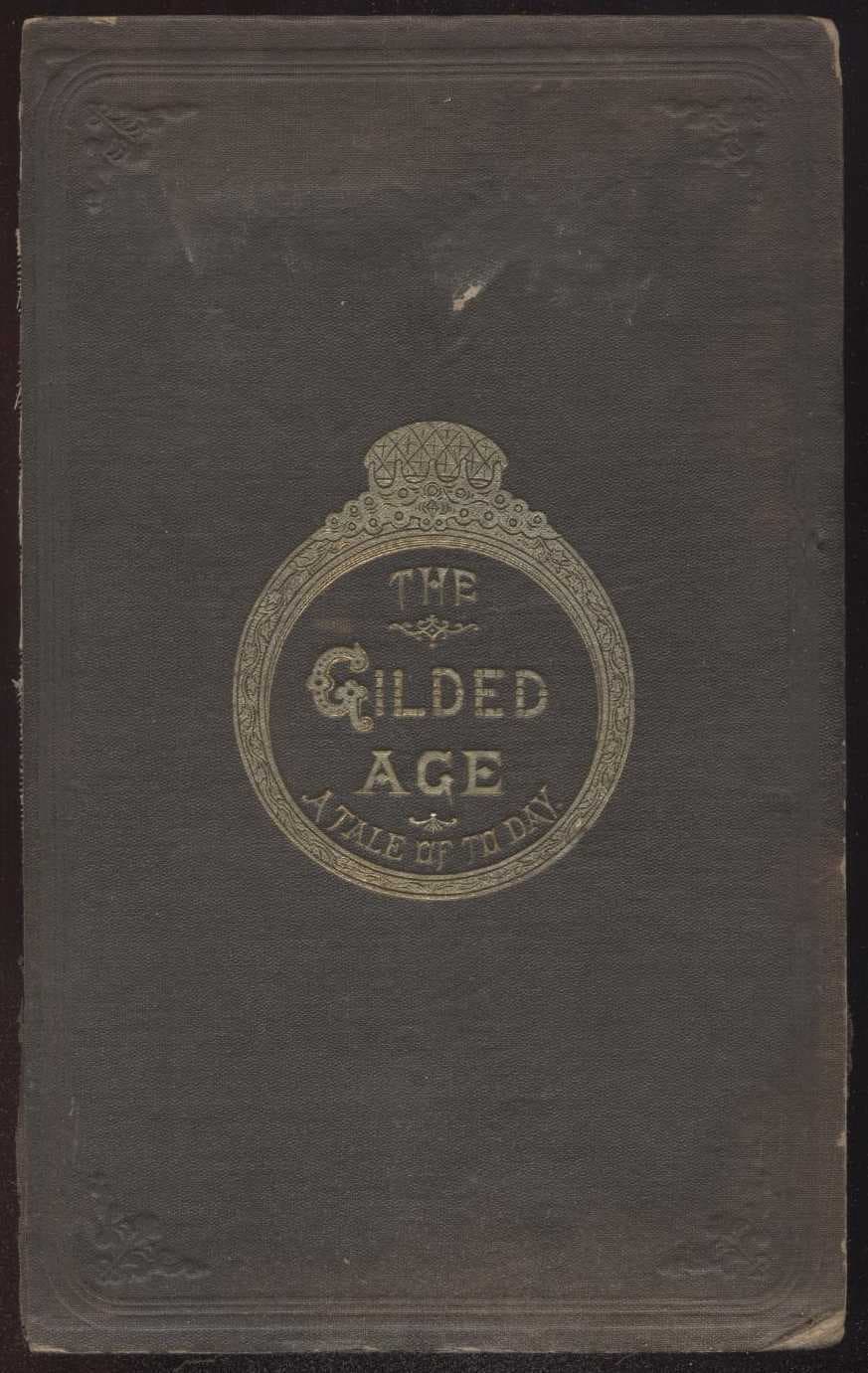
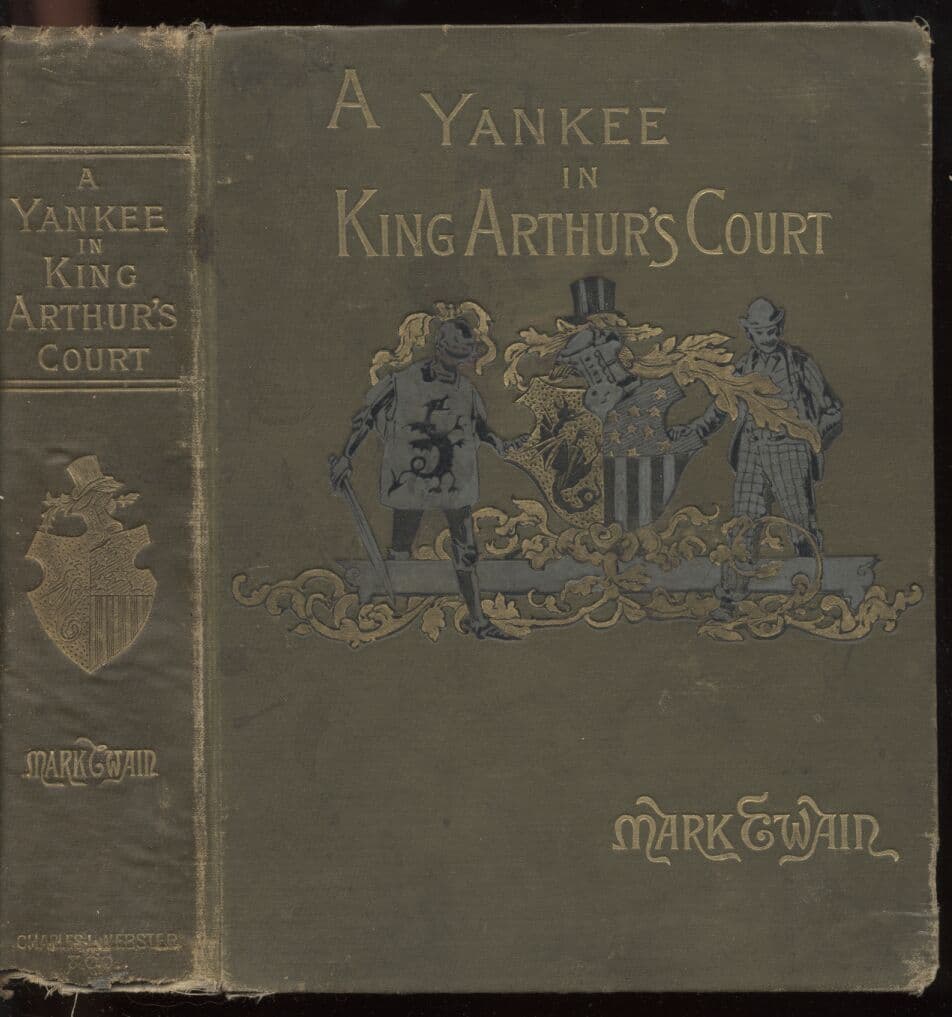
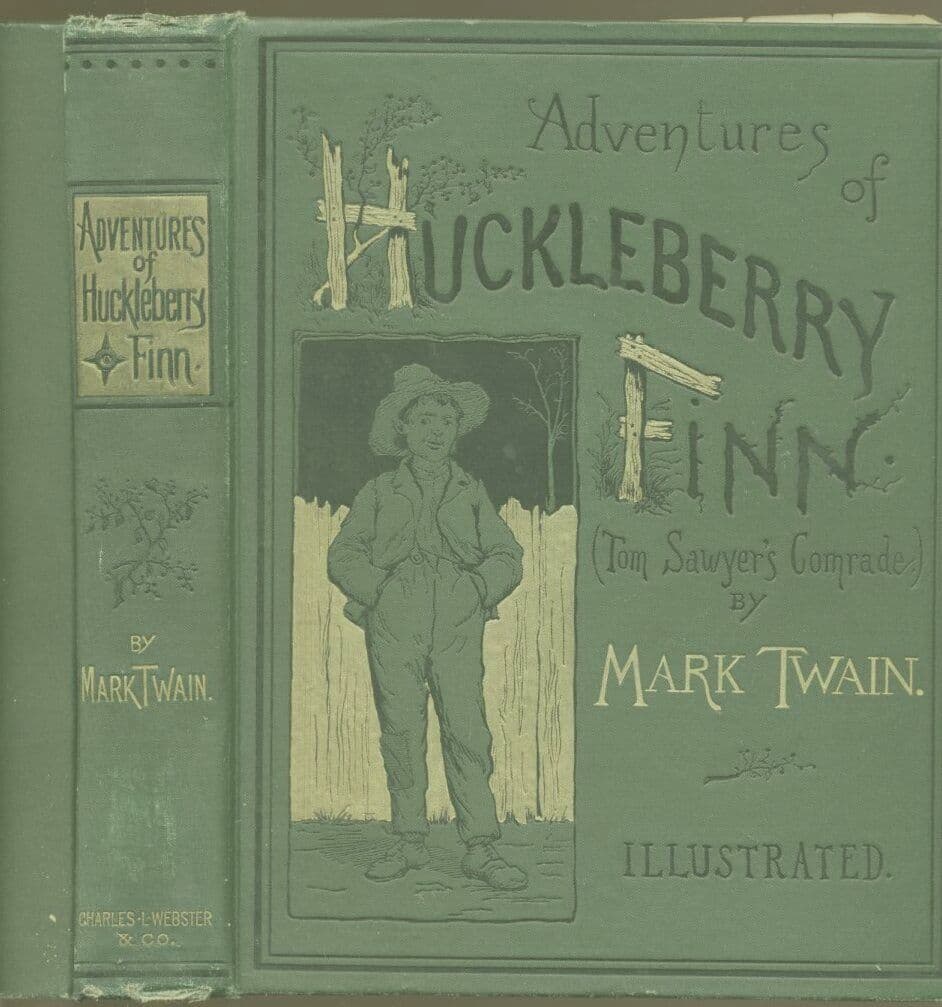
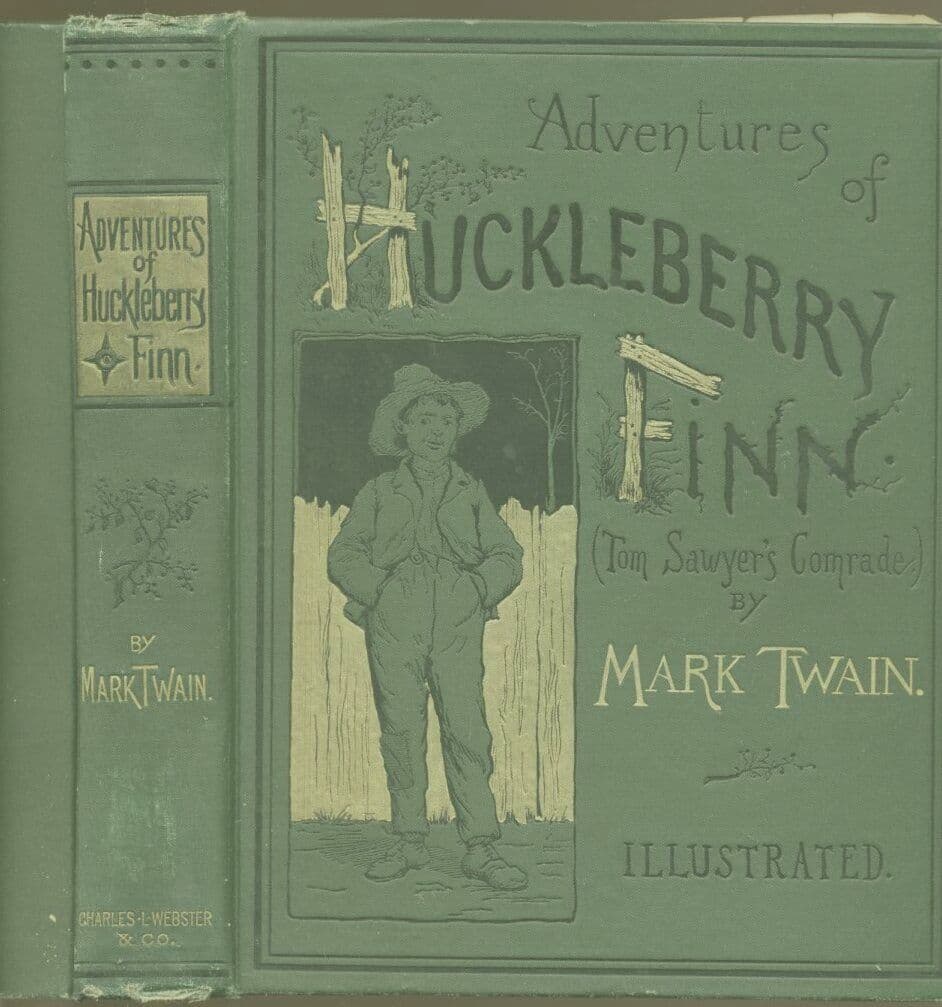
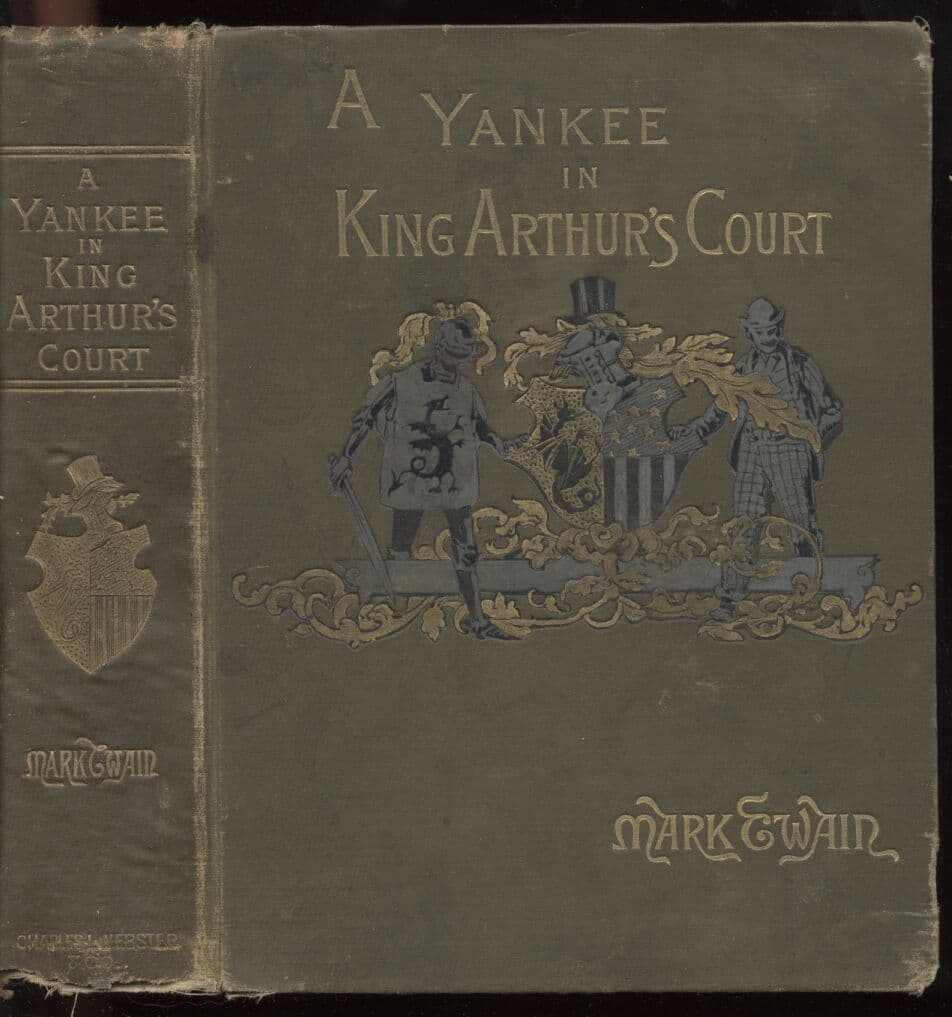
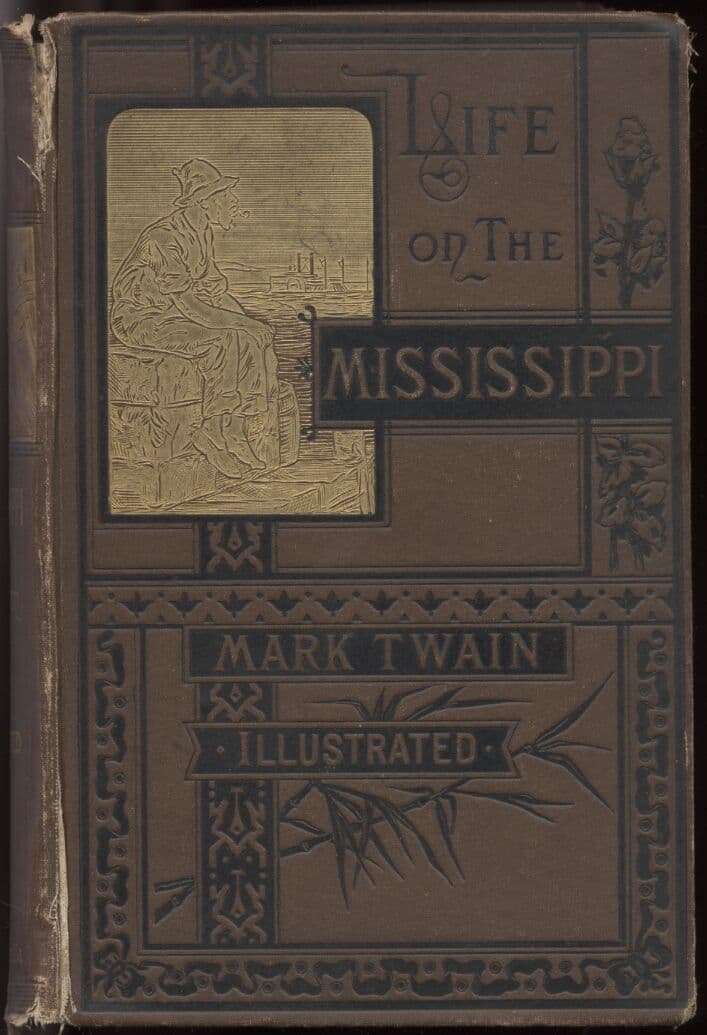
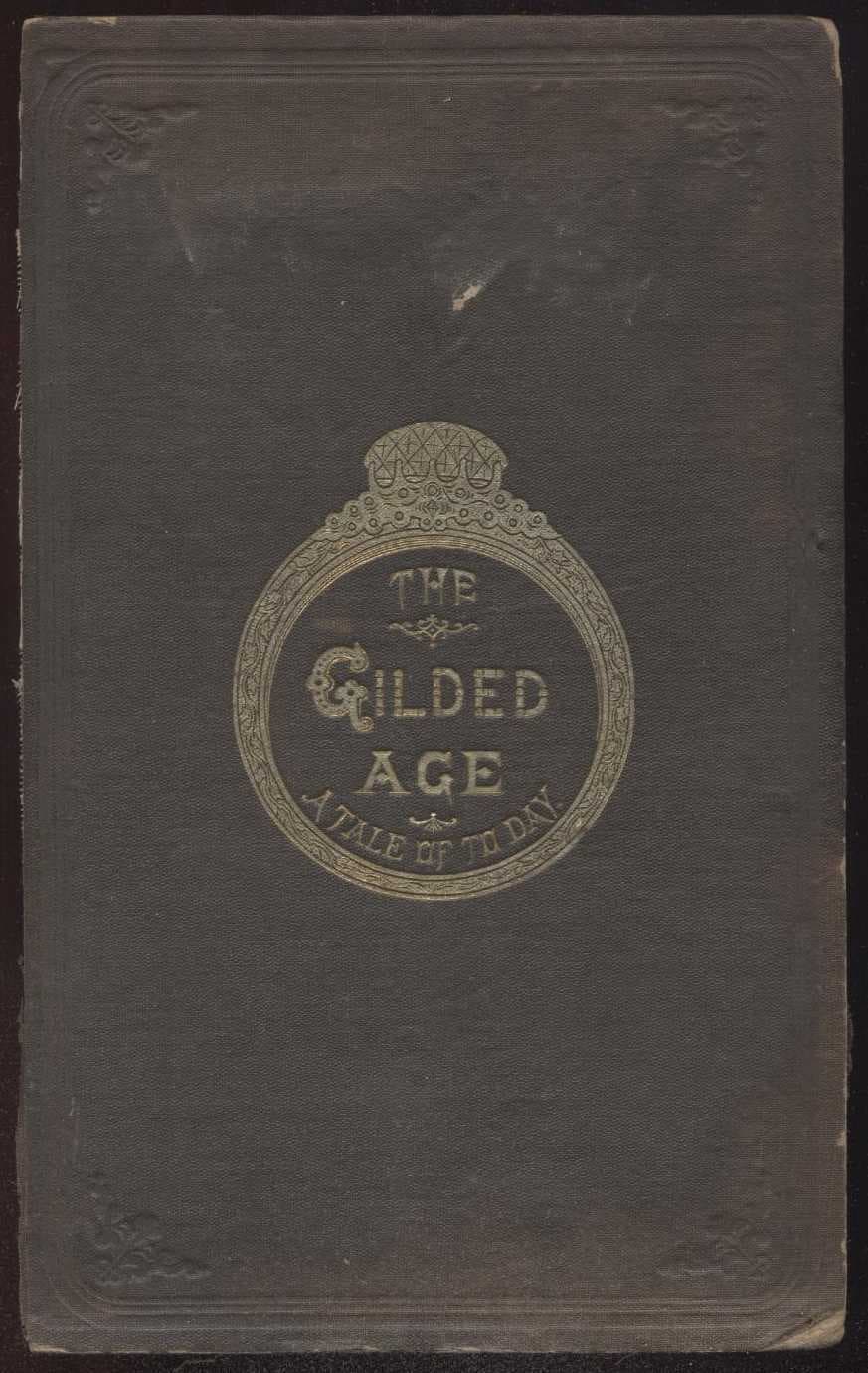
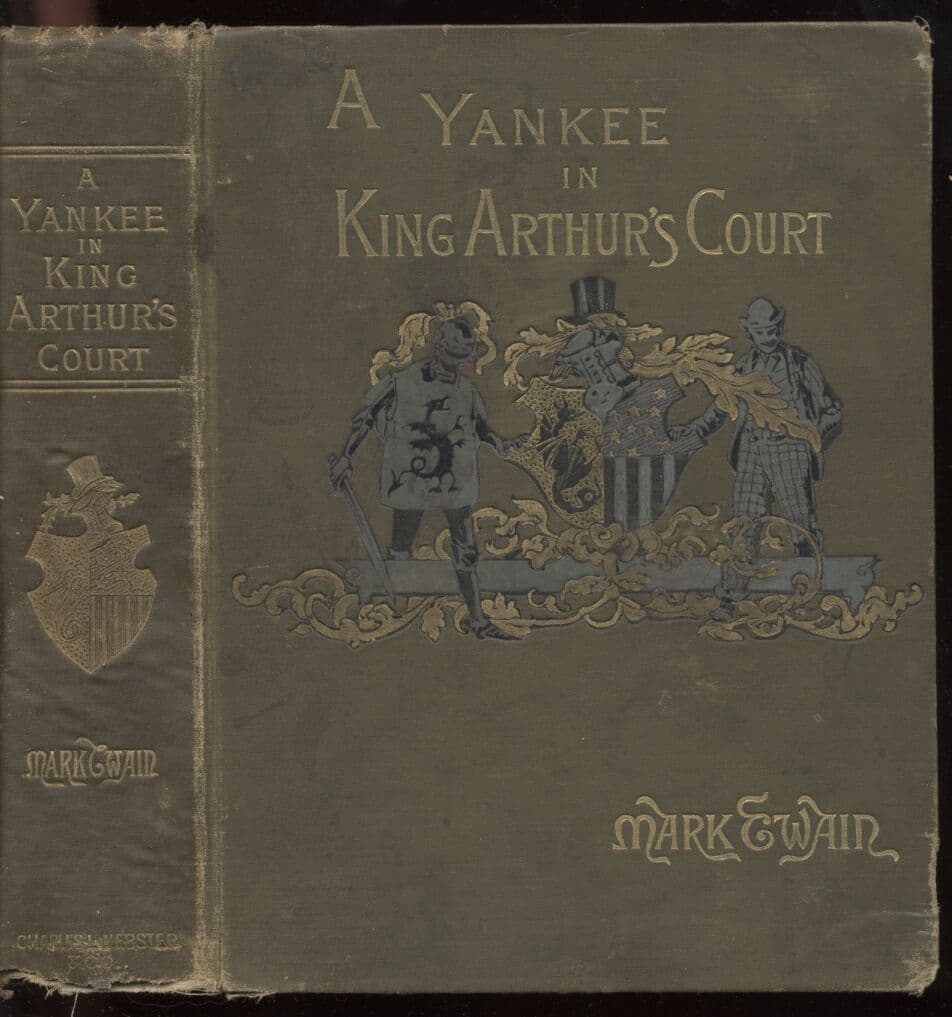
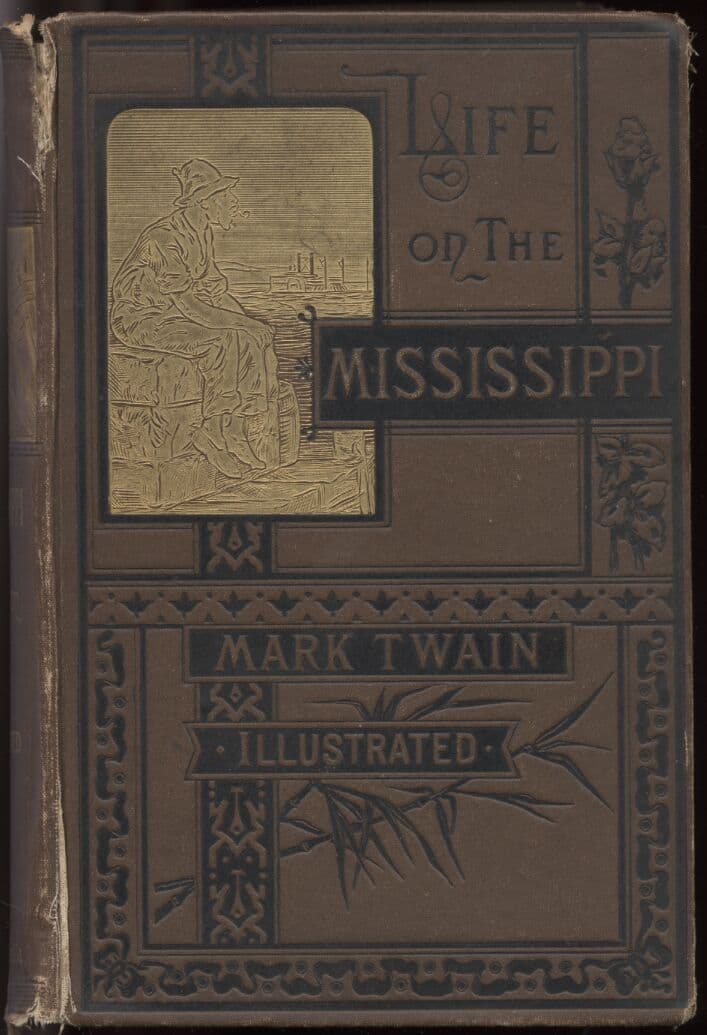
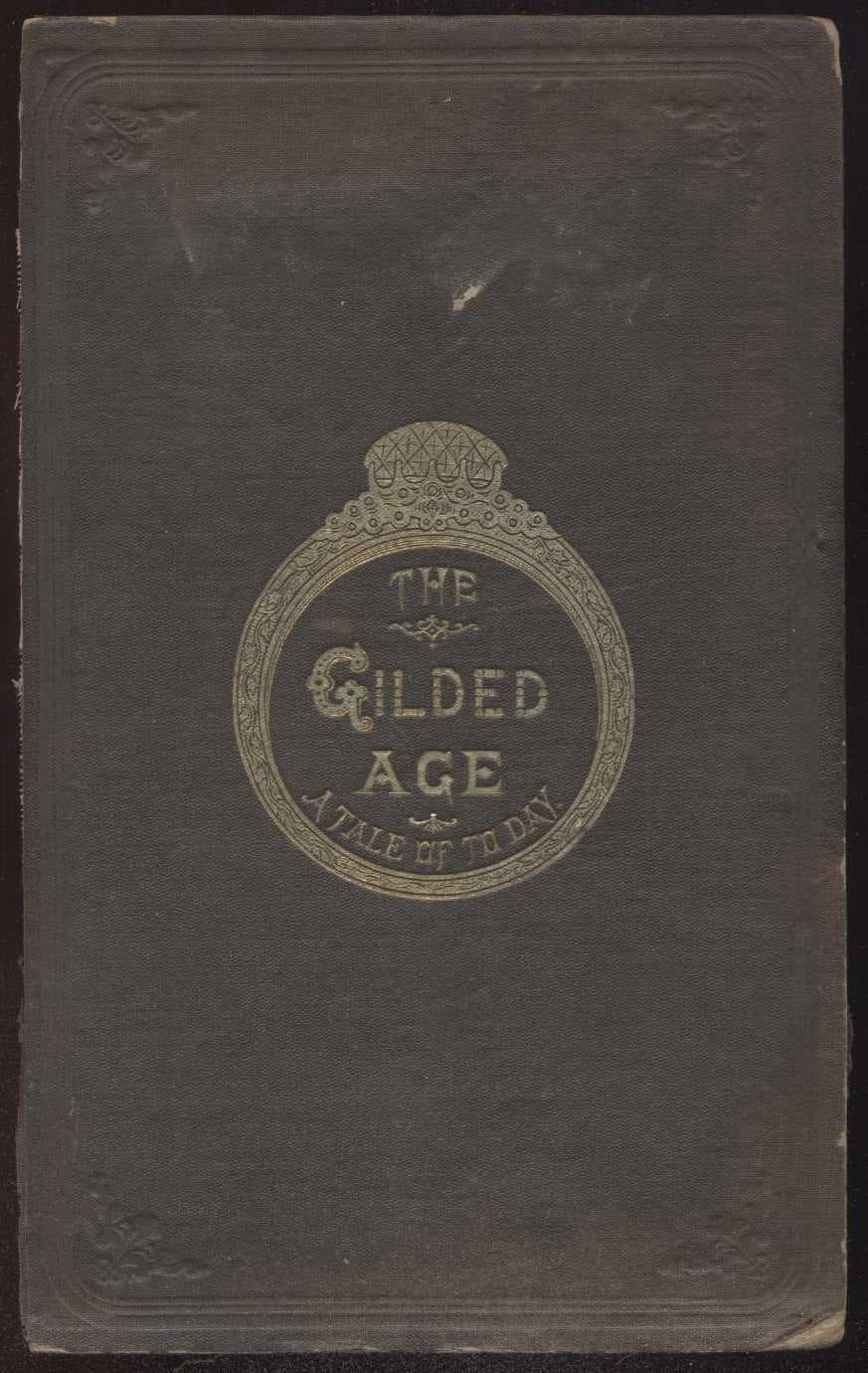
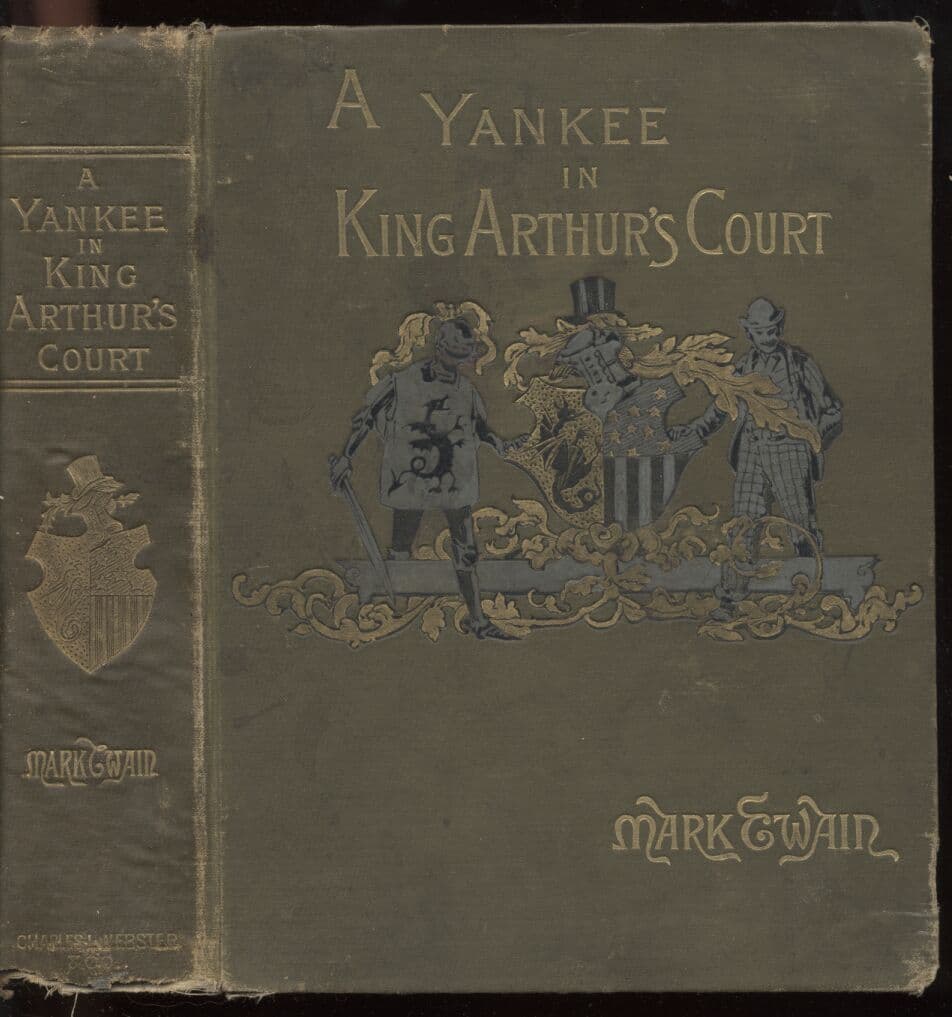
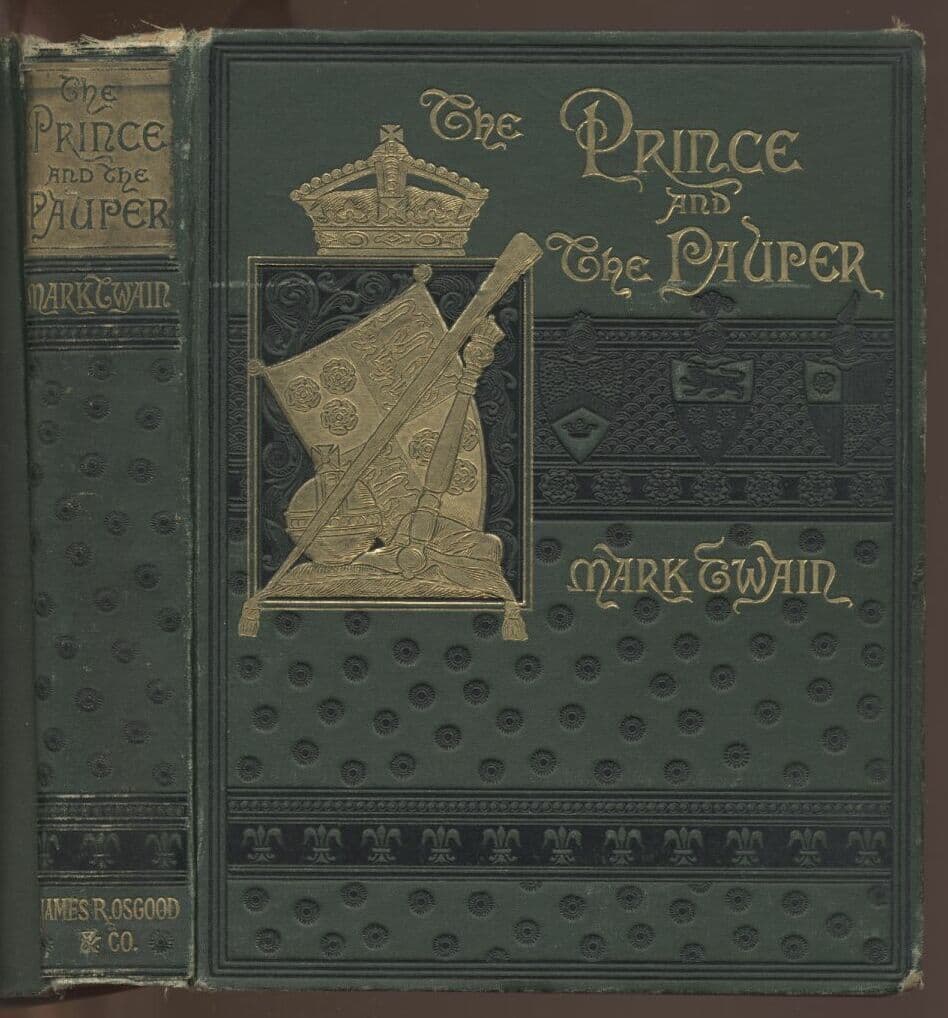
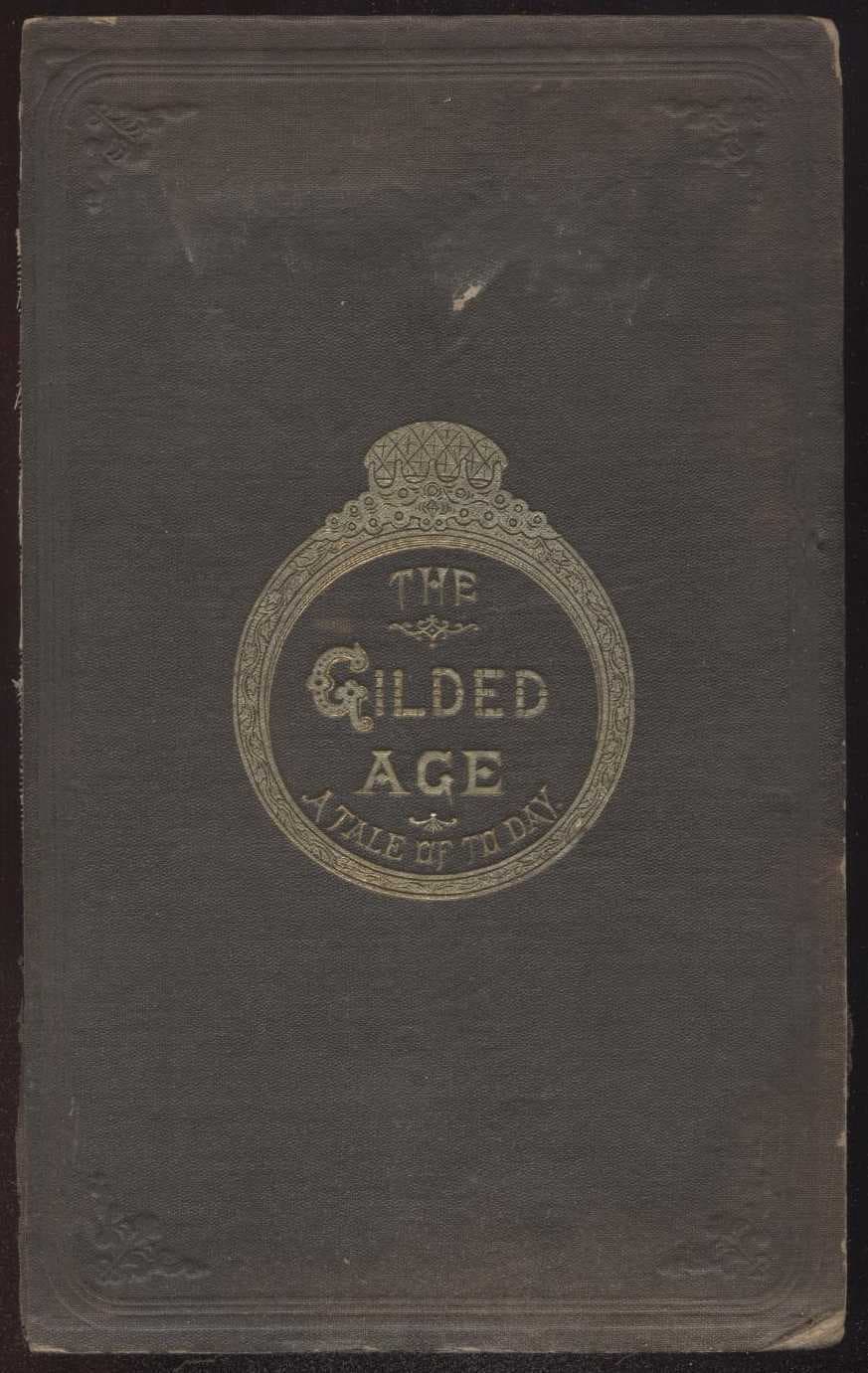
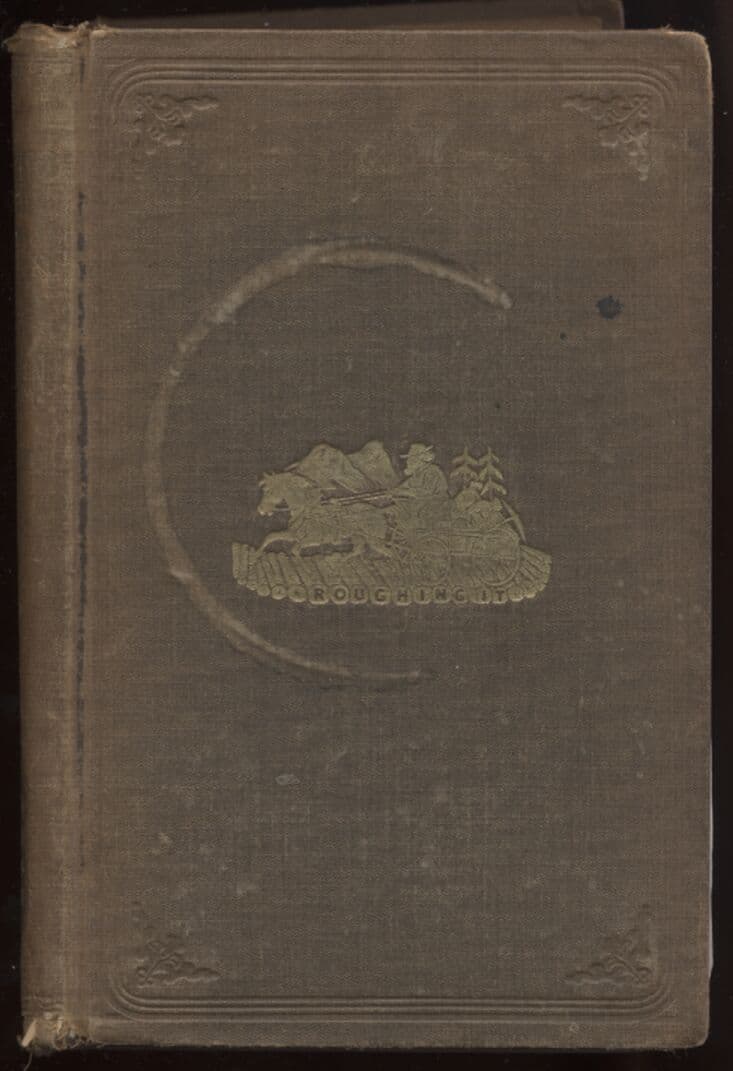
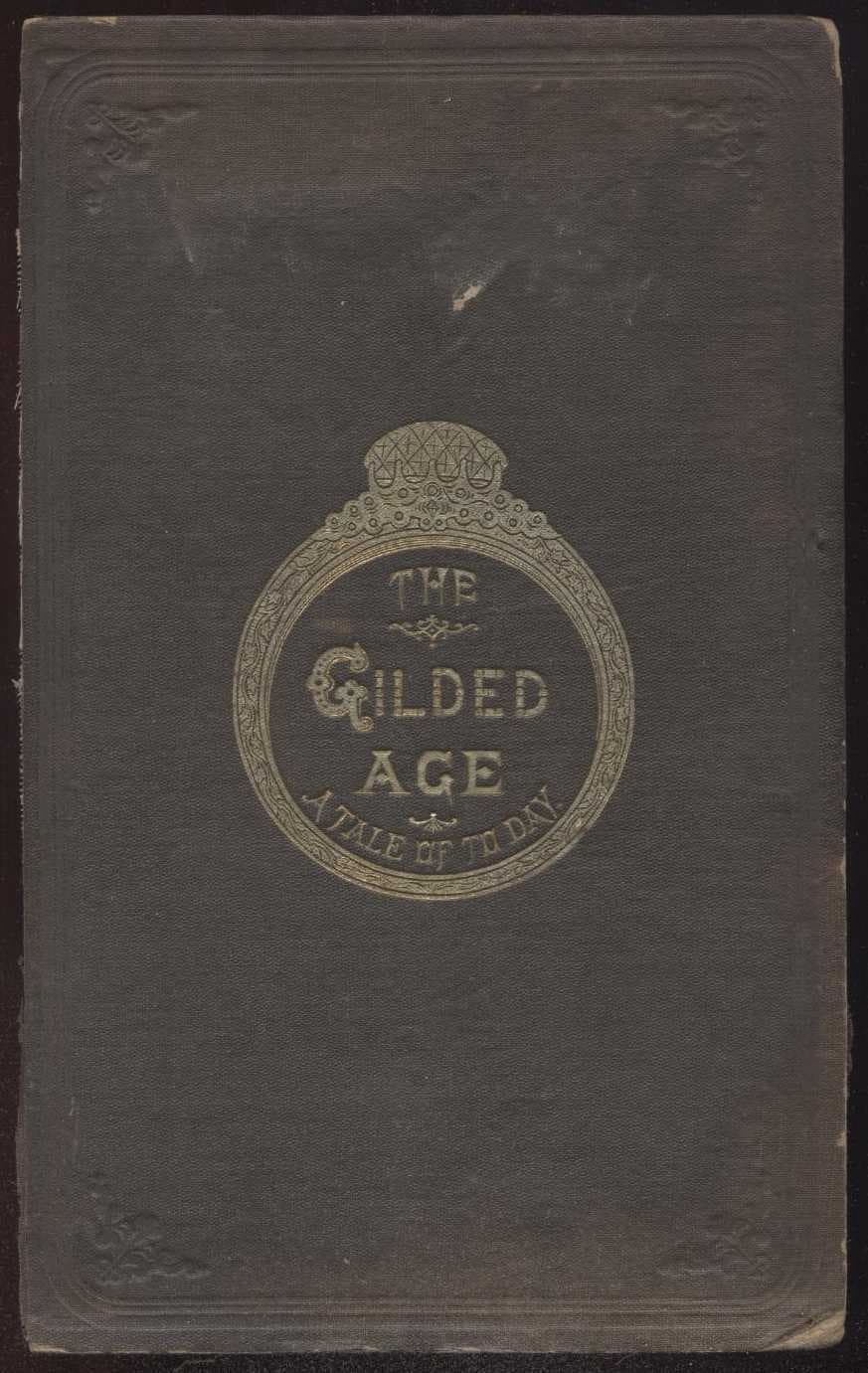
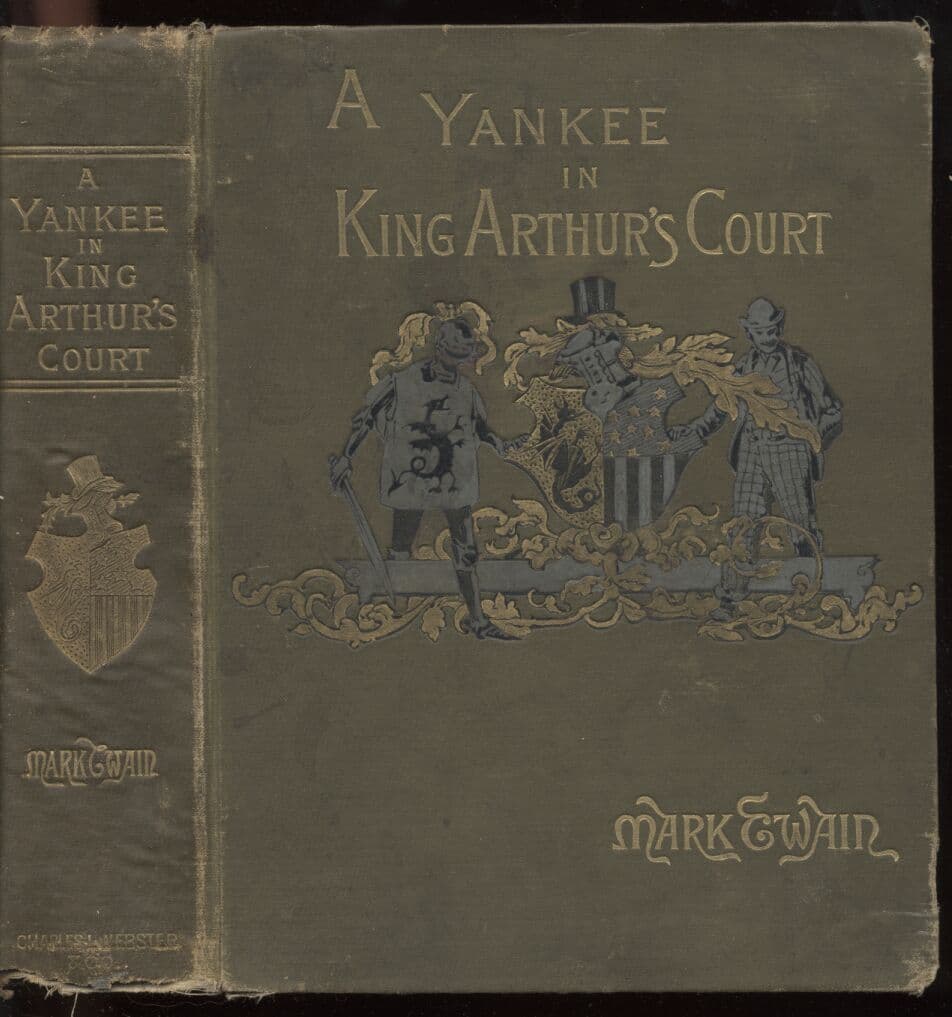
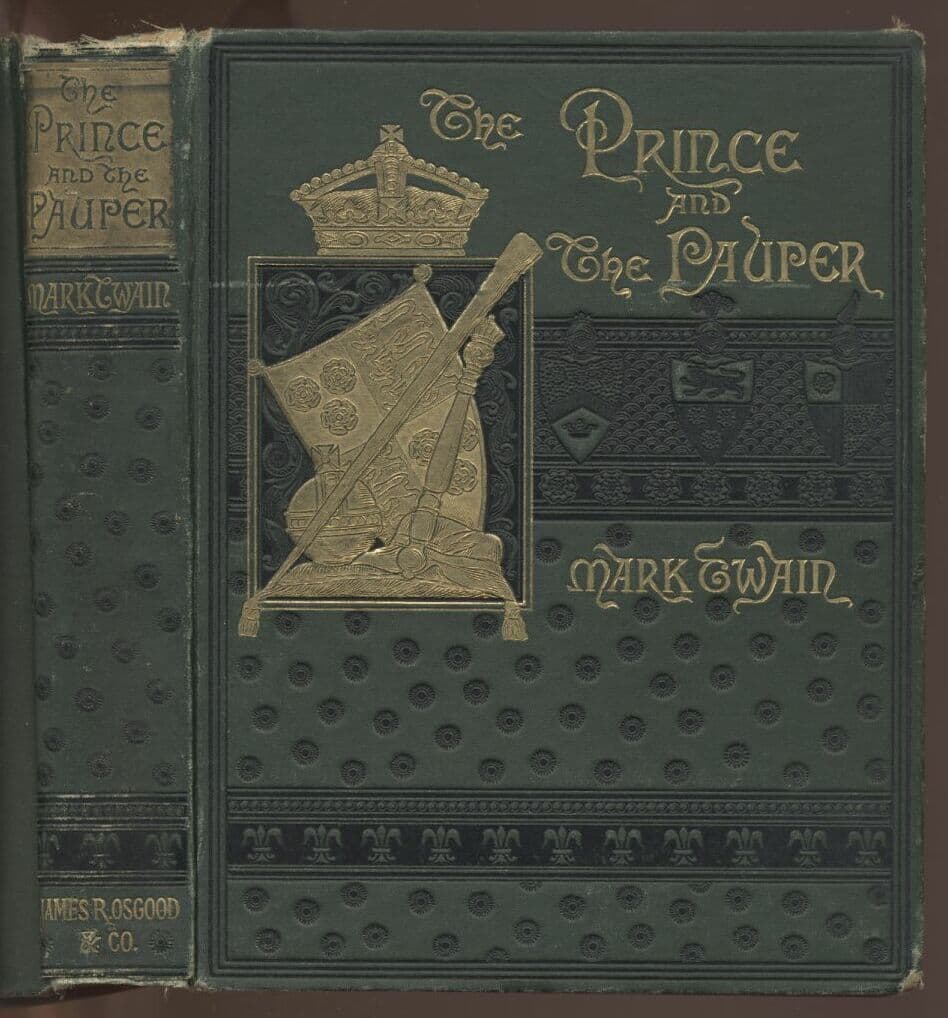
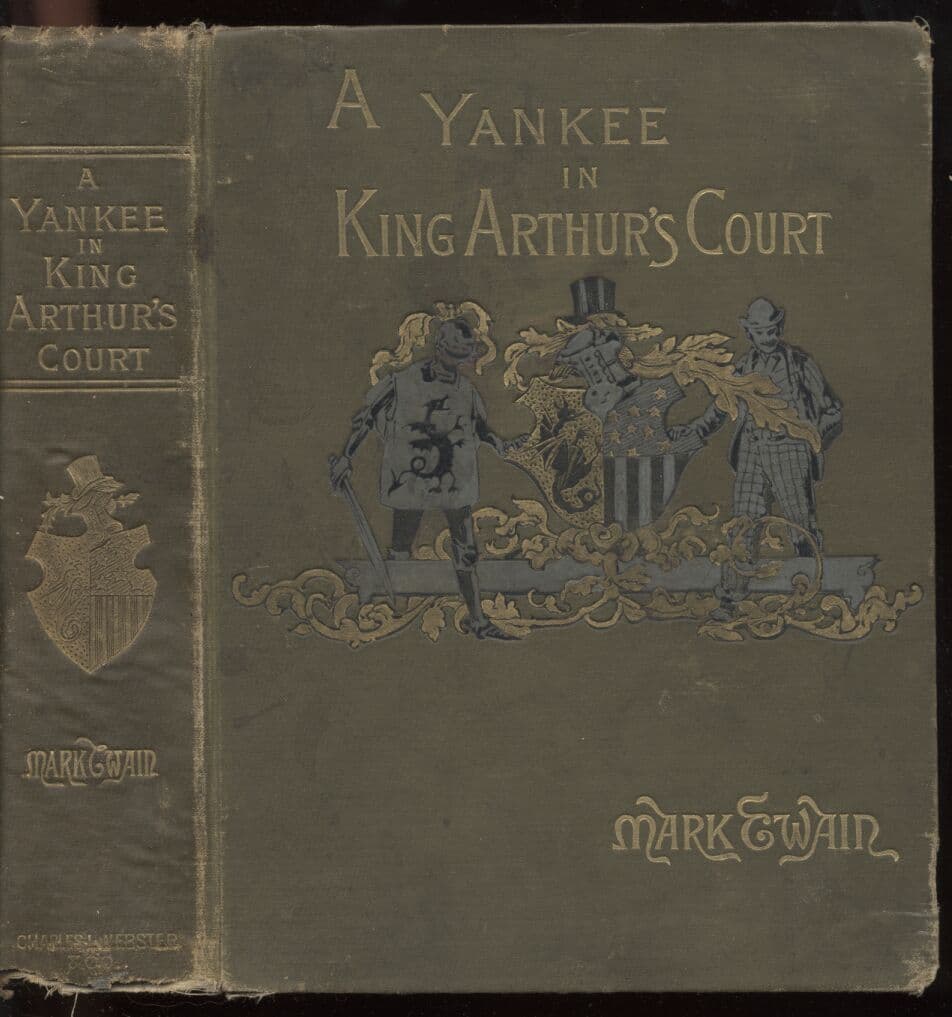
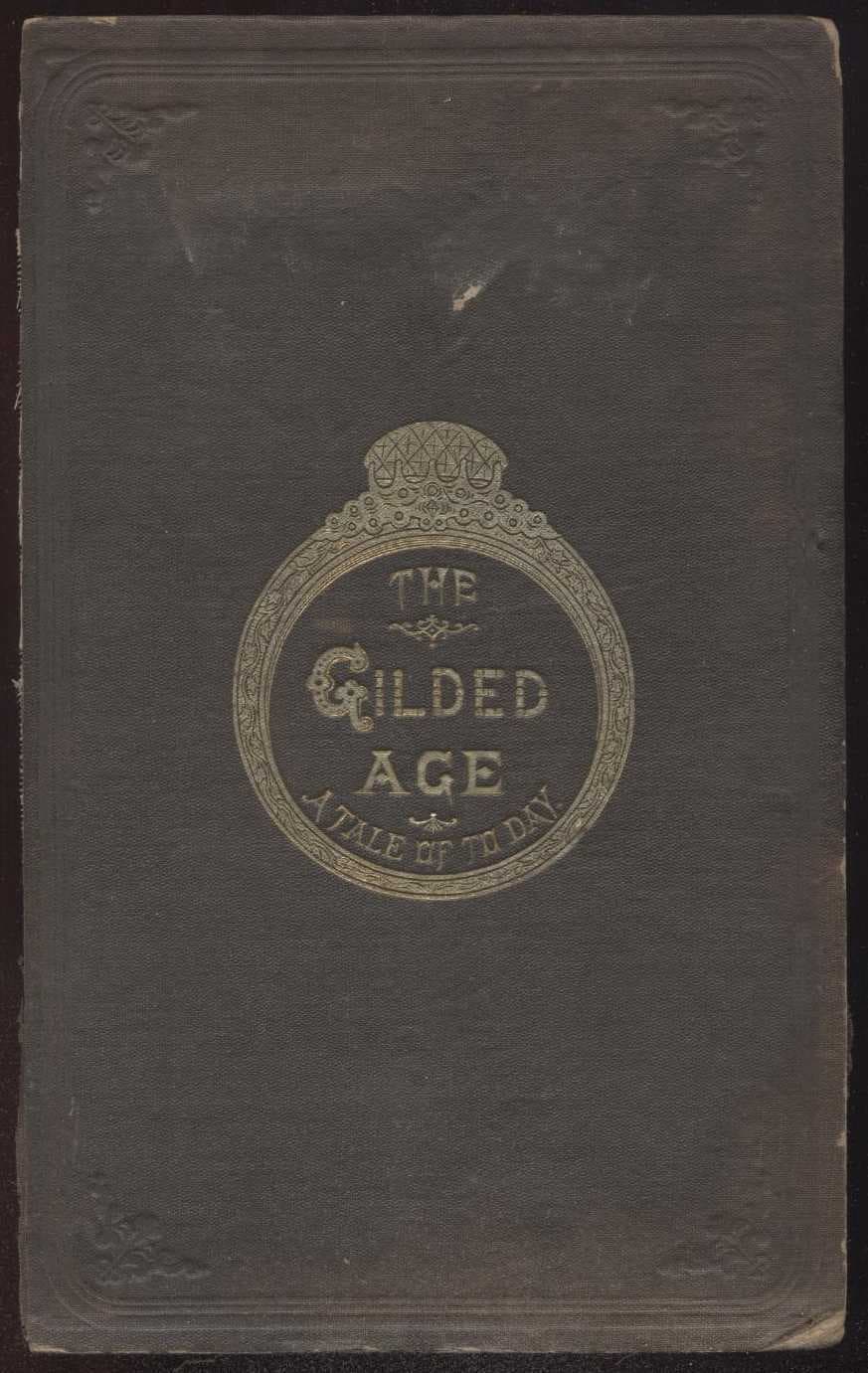
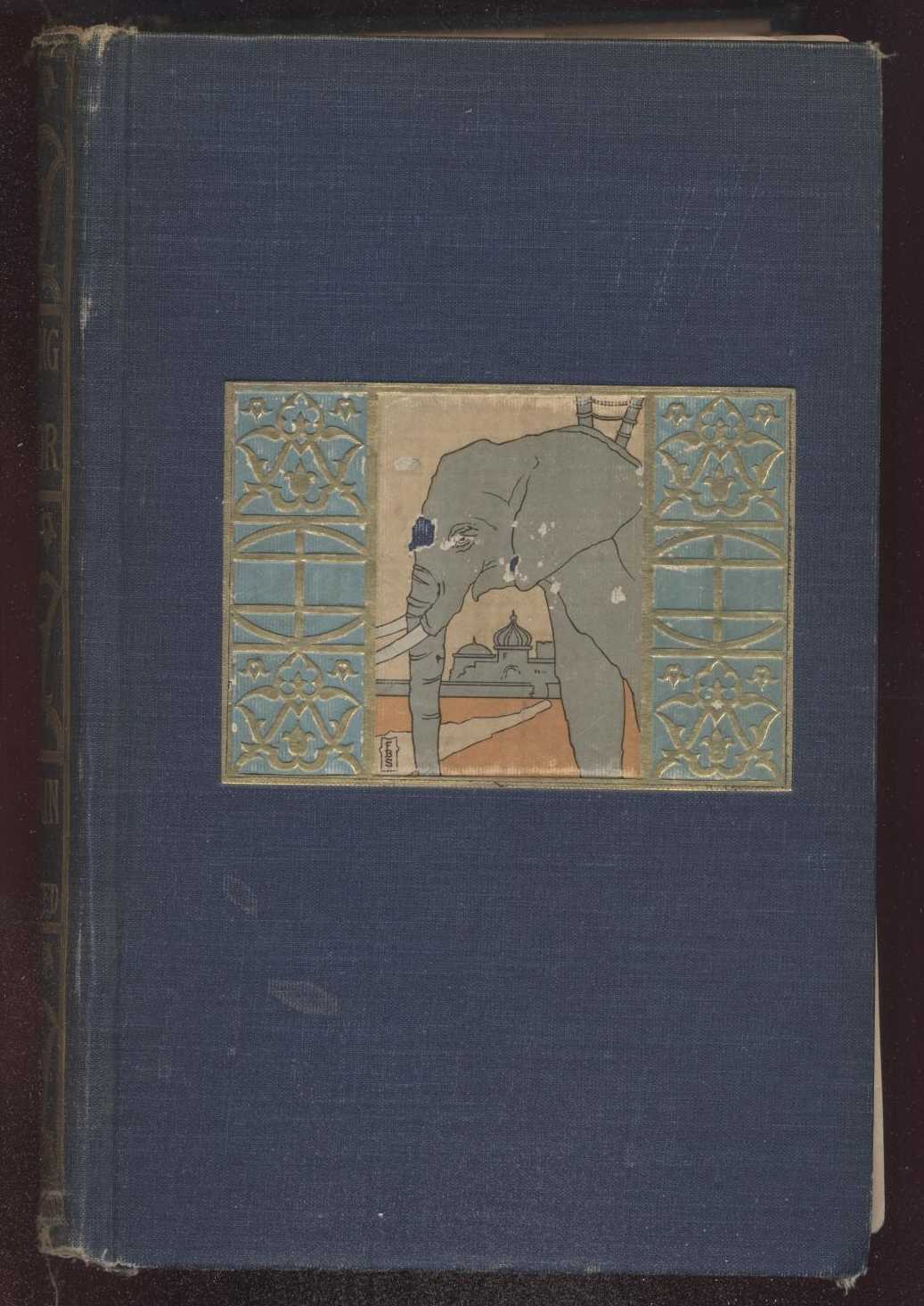
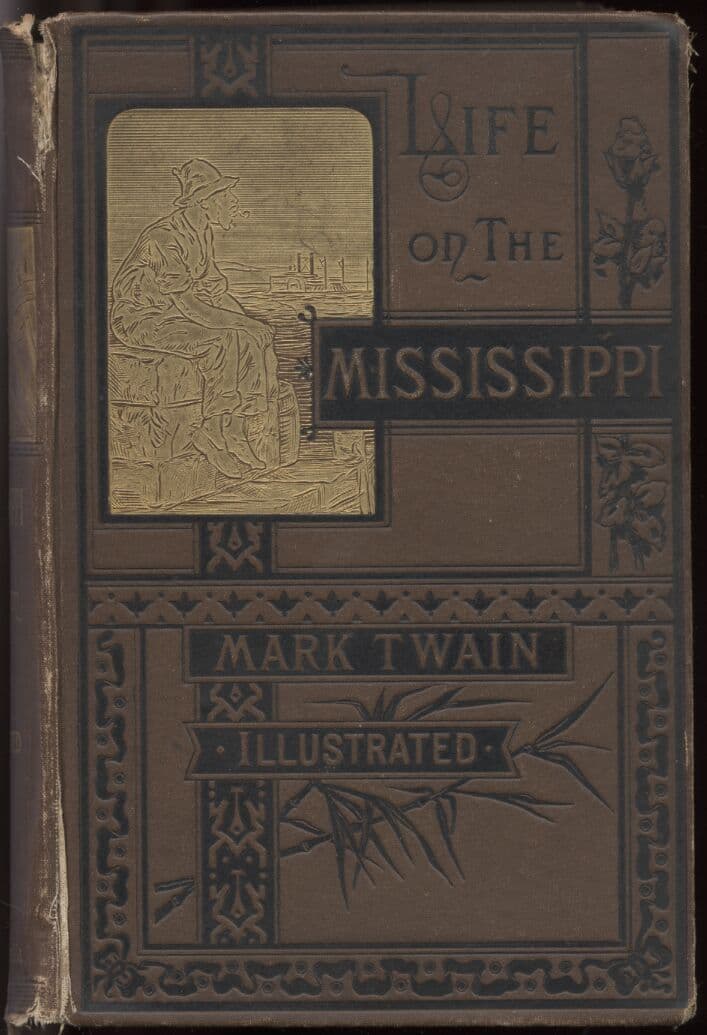
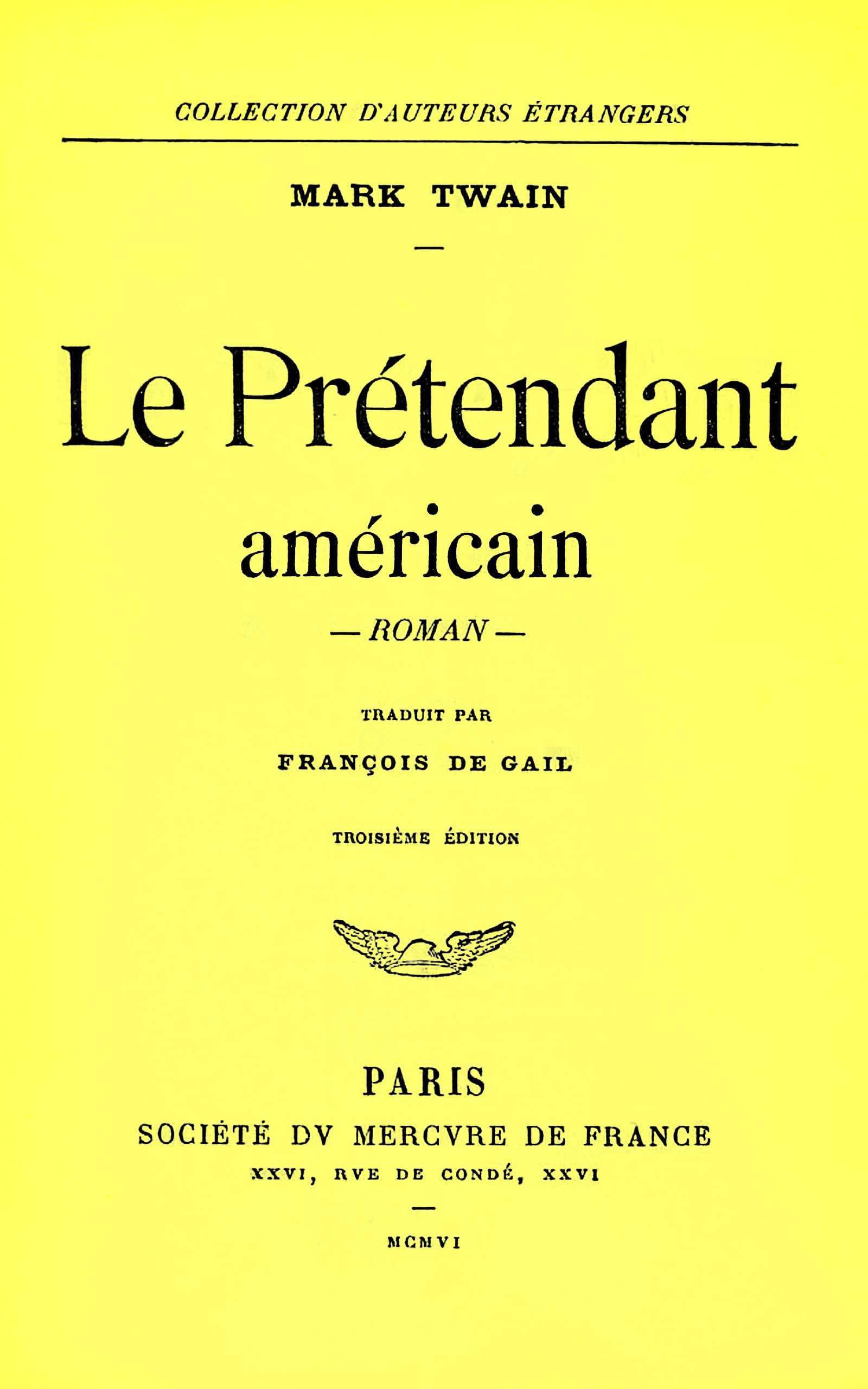
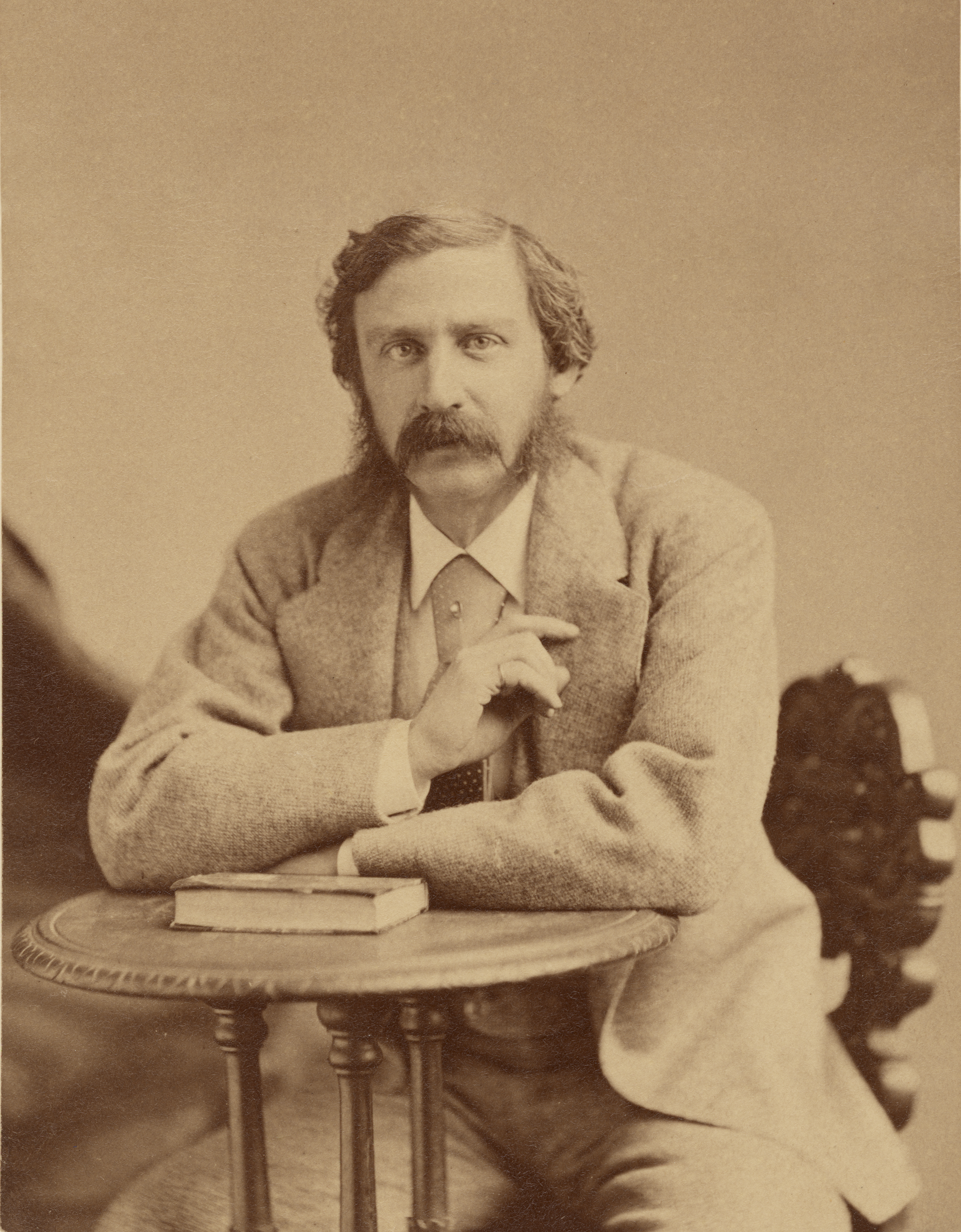
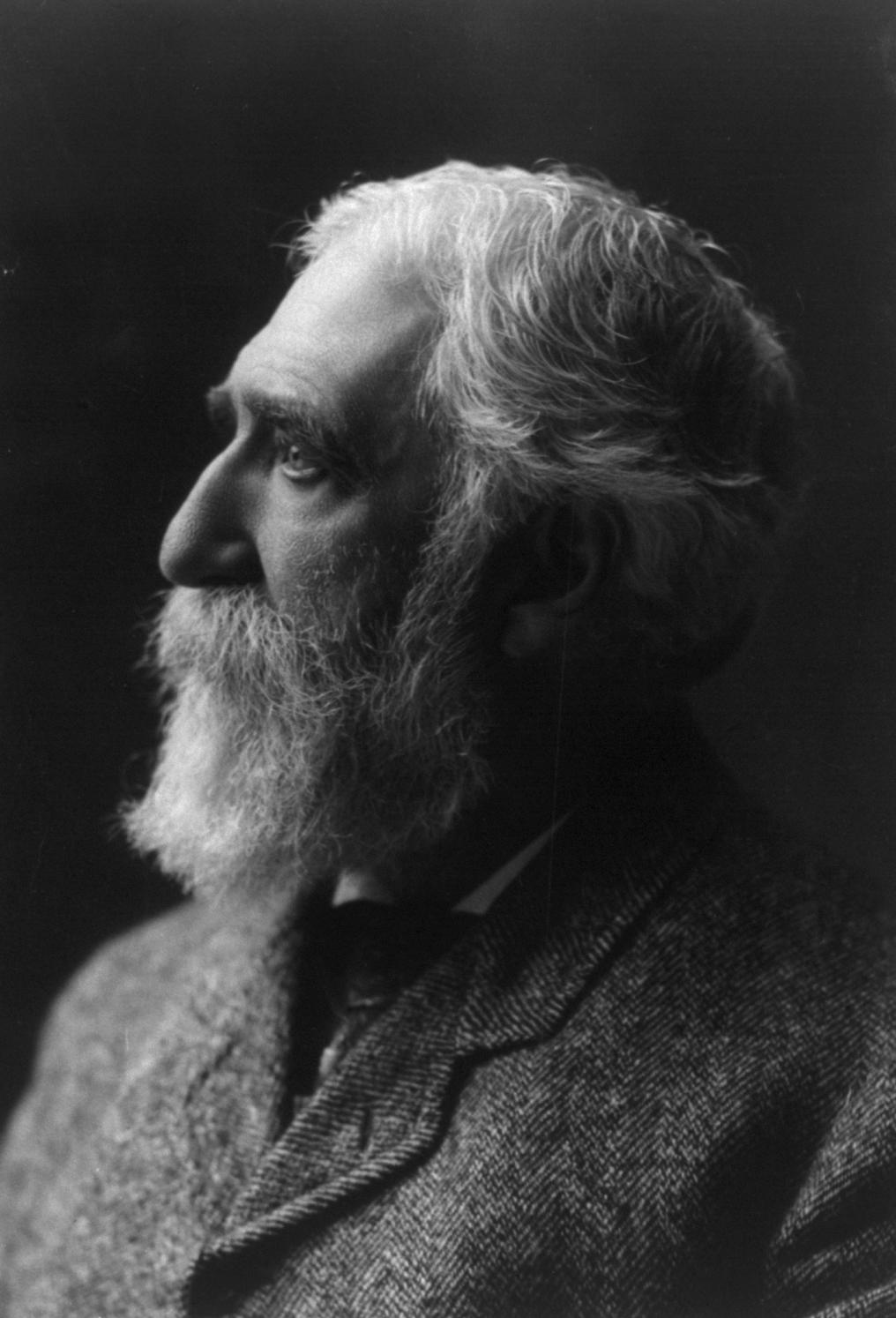
Samuel Langhorne Clemens, known by his pen name Mark Twain, was an influential American writer and humorist, often celebrated as the greatest humorist the United States has produced. Born in Missouri, Twain's early life in Hannibal provided rich material for his later works, including the beloved novels The Adventures of Tom Sawyer and its sequel, Adventures of Huckleberry Finn, the latter of which is frequently hailed as the Great American Novel. Twain's writing is characterized by its sharp wit, social commentary, and exploration of complex themes such as race and identity, making him a pivotal figure in American literature. His other notable works include A Connecticut Yankee in King Arthur's Court and Pudd'nhead Wilson, as well as the collaborative effort The Gilded Age: A Tale of Today with Charles Dudley Warner. Twain's career began with an apprenticeship as a printer, followed by work as a riverboat pilot on the Mississippi River, experiences that deeply influenced his storytelling. His breakthrough came with the publication of the humorous short story "The Celebrated Jumping Frog of Calaveras County," which garnered him international acclaim. As Twain's fame grew, he became a sought-after speaker, known for his engaging wit and incisive satire. His legacy endures not only through his literary contributions but also through his profound impact on American culture, with contemporaries like Ernest Hemingway acknowledging that modern American literature owes much to Twain's pioneering work, particularly in Huckleberry Finn.
Famous Quotes
View all 15 quotes“If you tell the truth, you don't have to remember anything.””
“Good friends, good books, and a sleepy conscience: this is the ideal life.””
“Whenever you find yourself on the side of the majority, it is time to reform (or pause and reflect).””
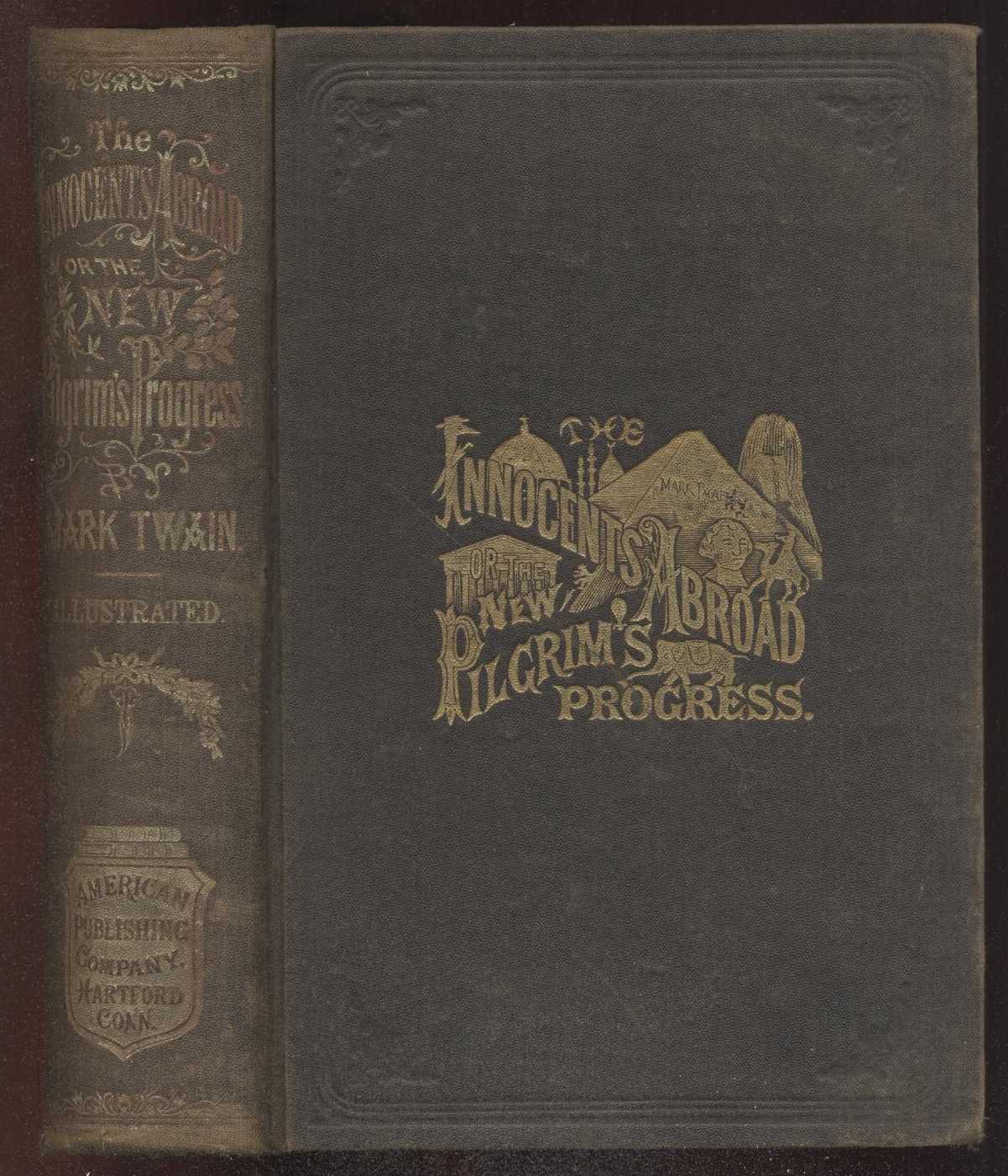
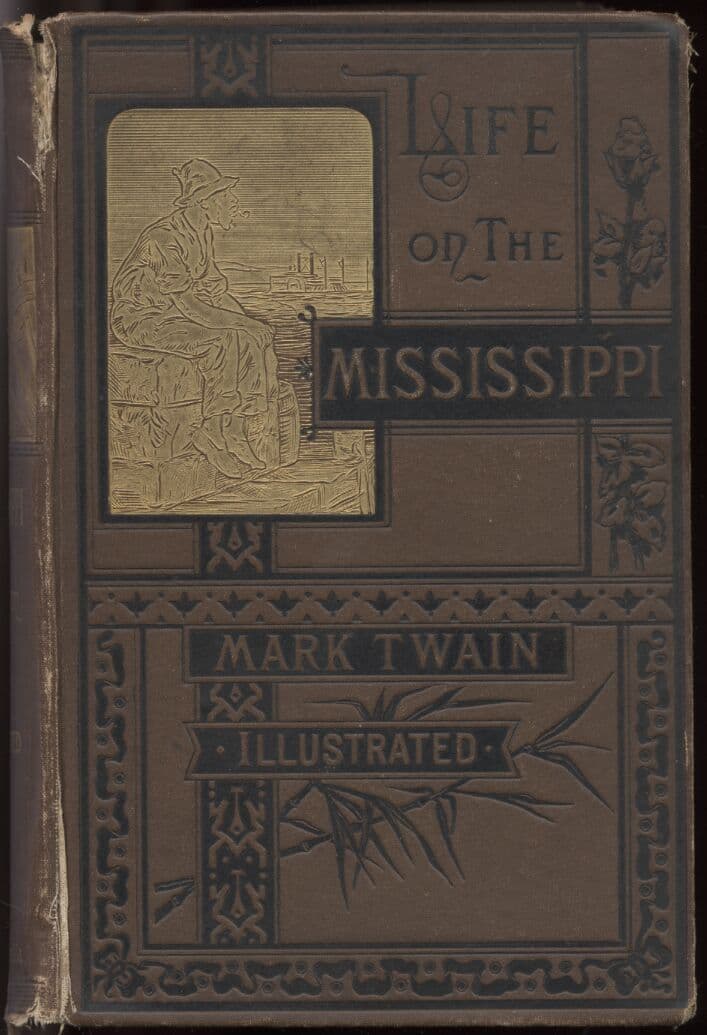
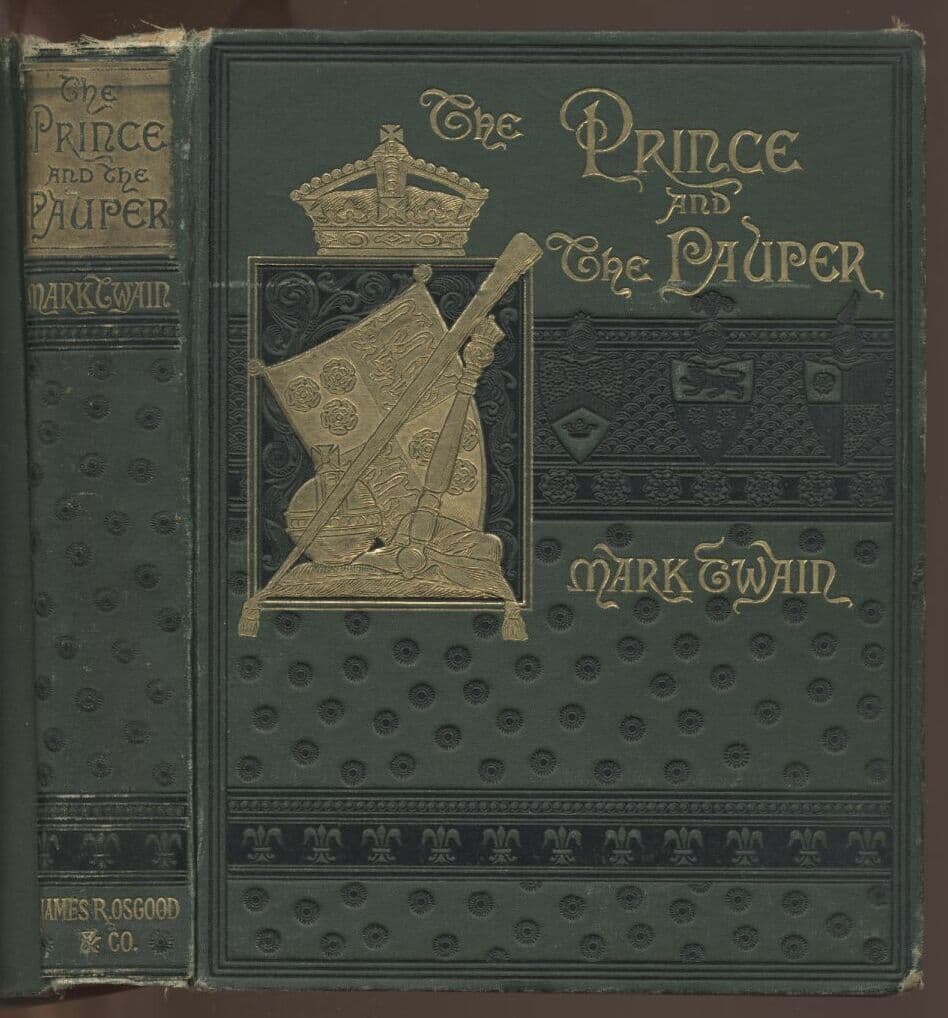
Books from the author









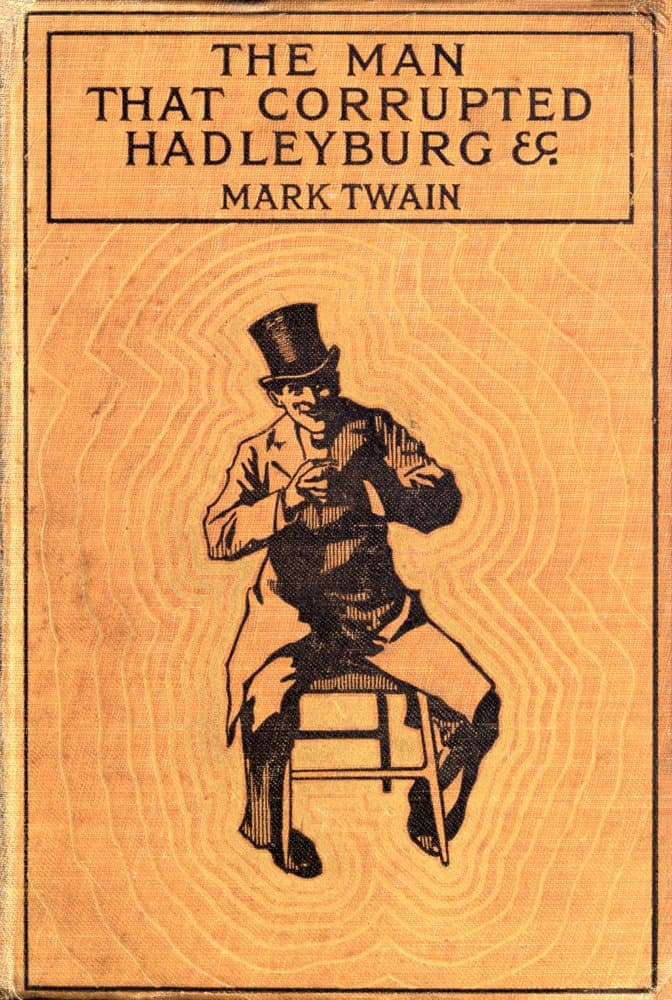

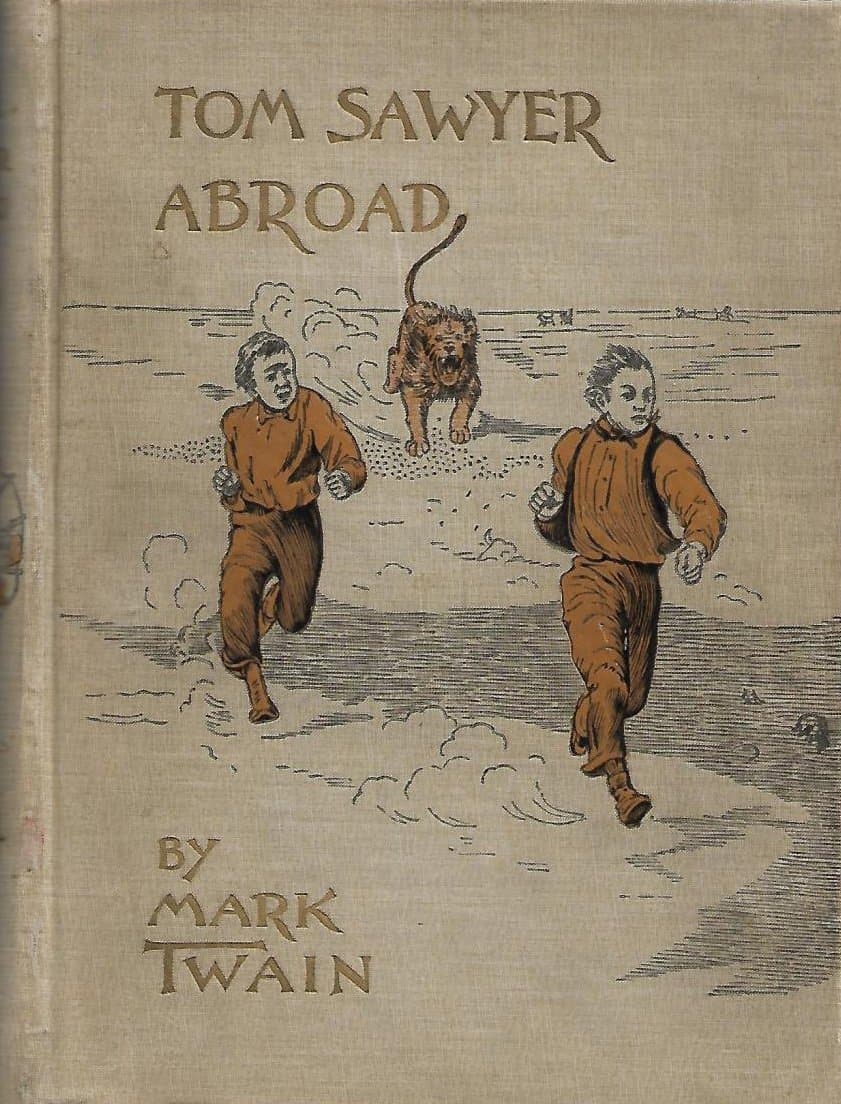
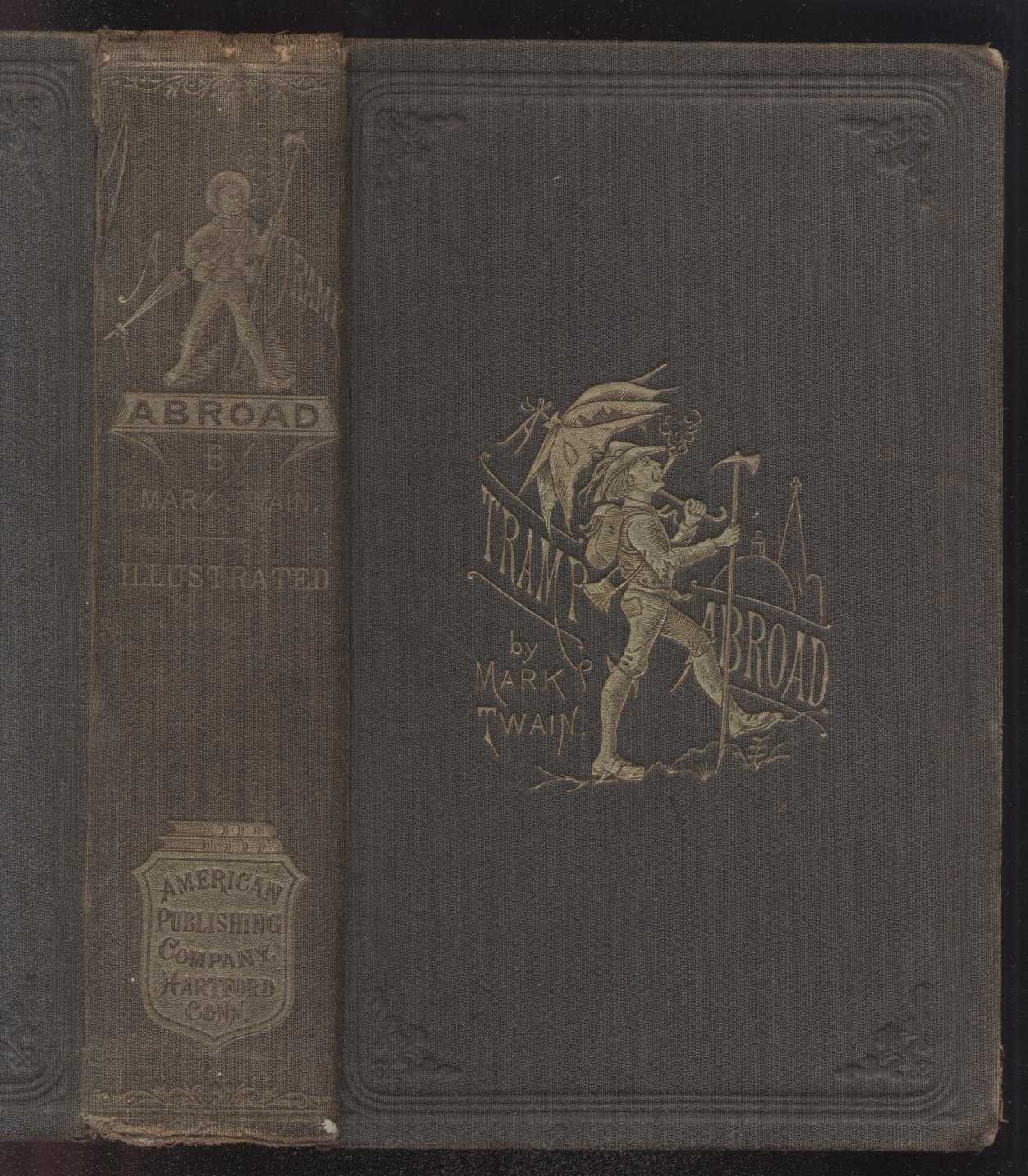

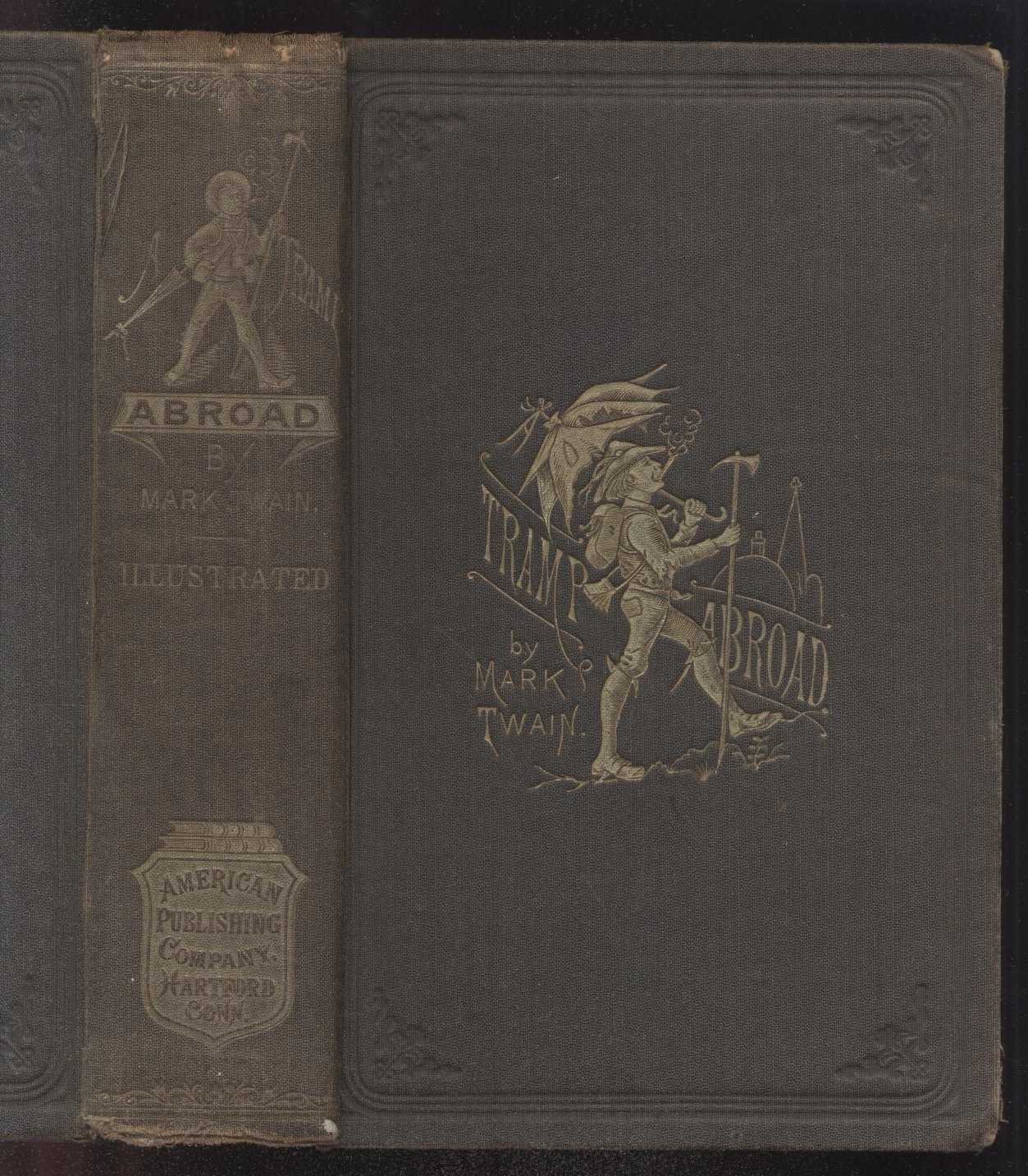
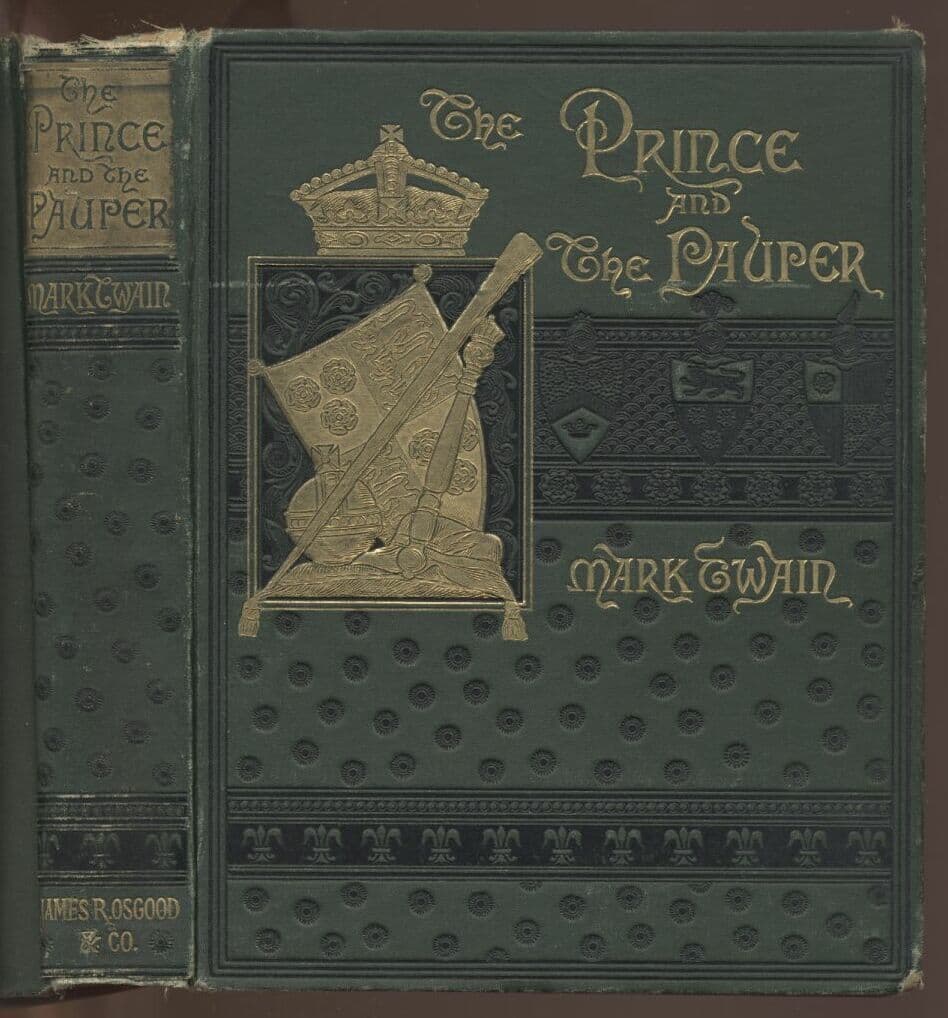
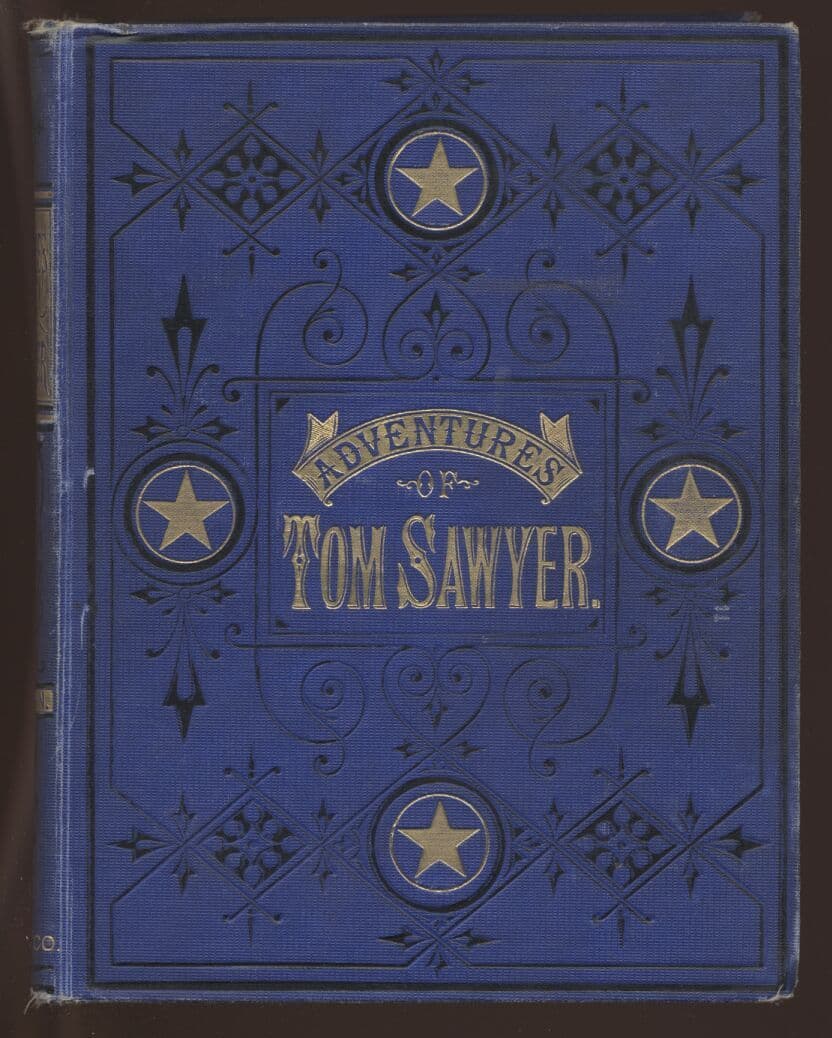
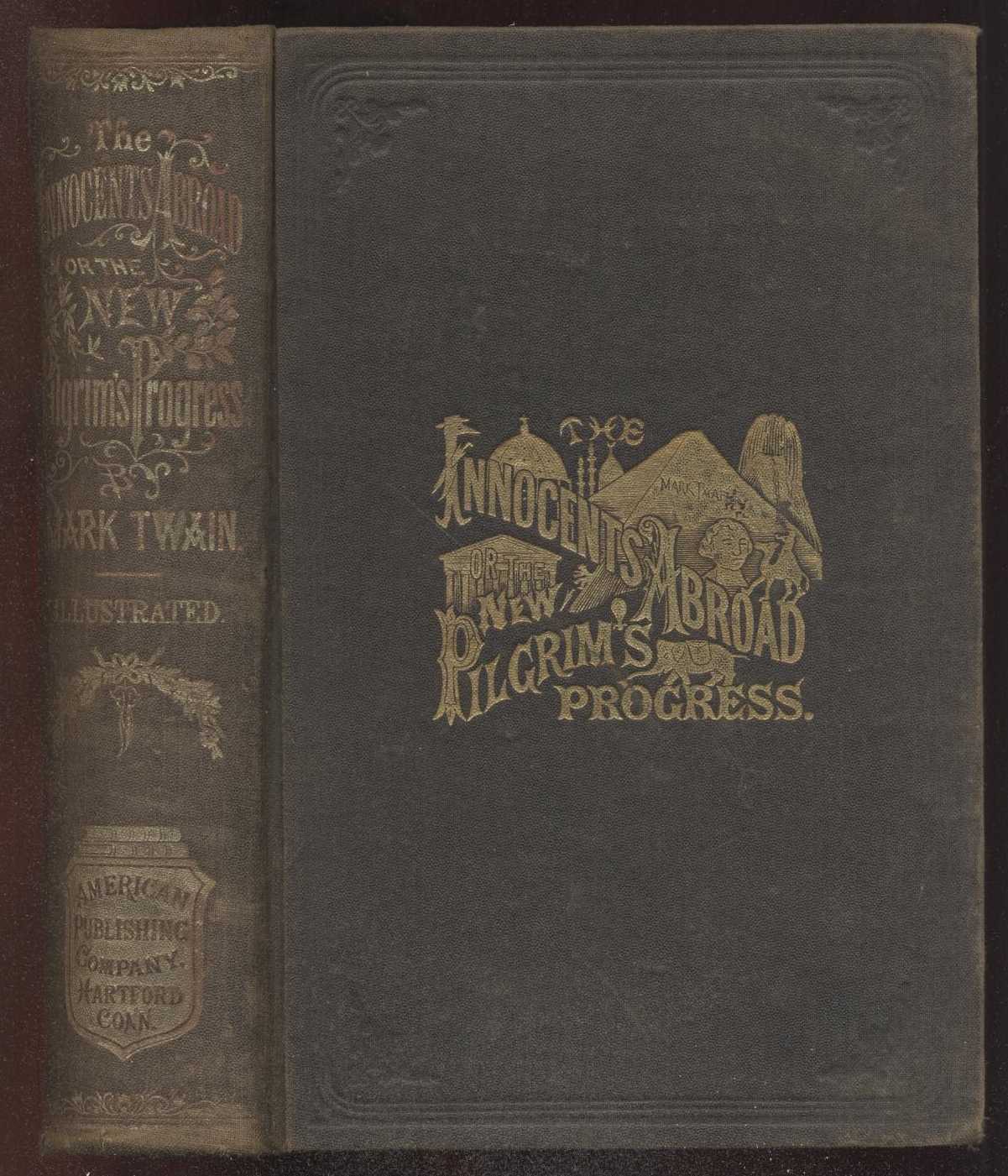
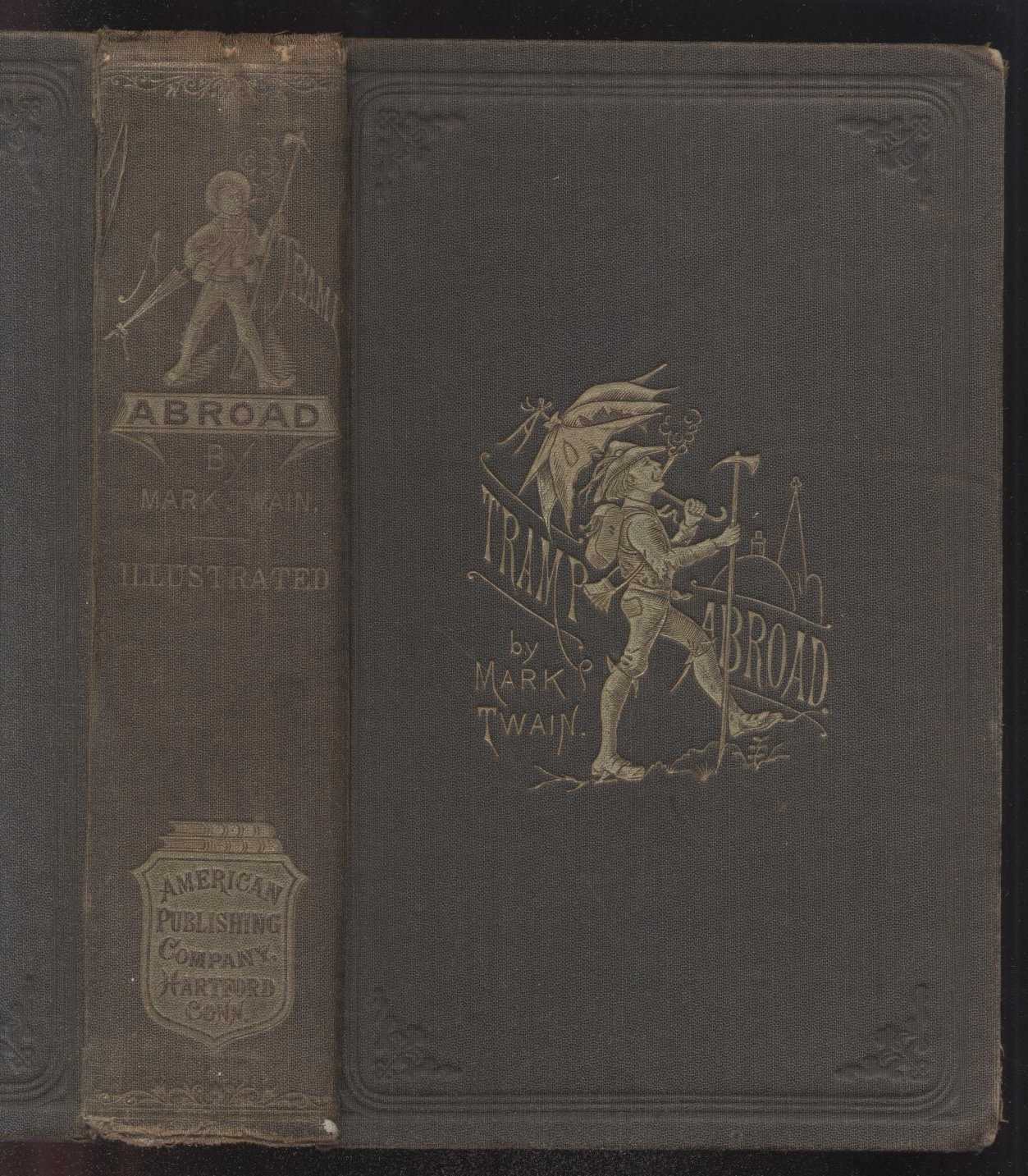
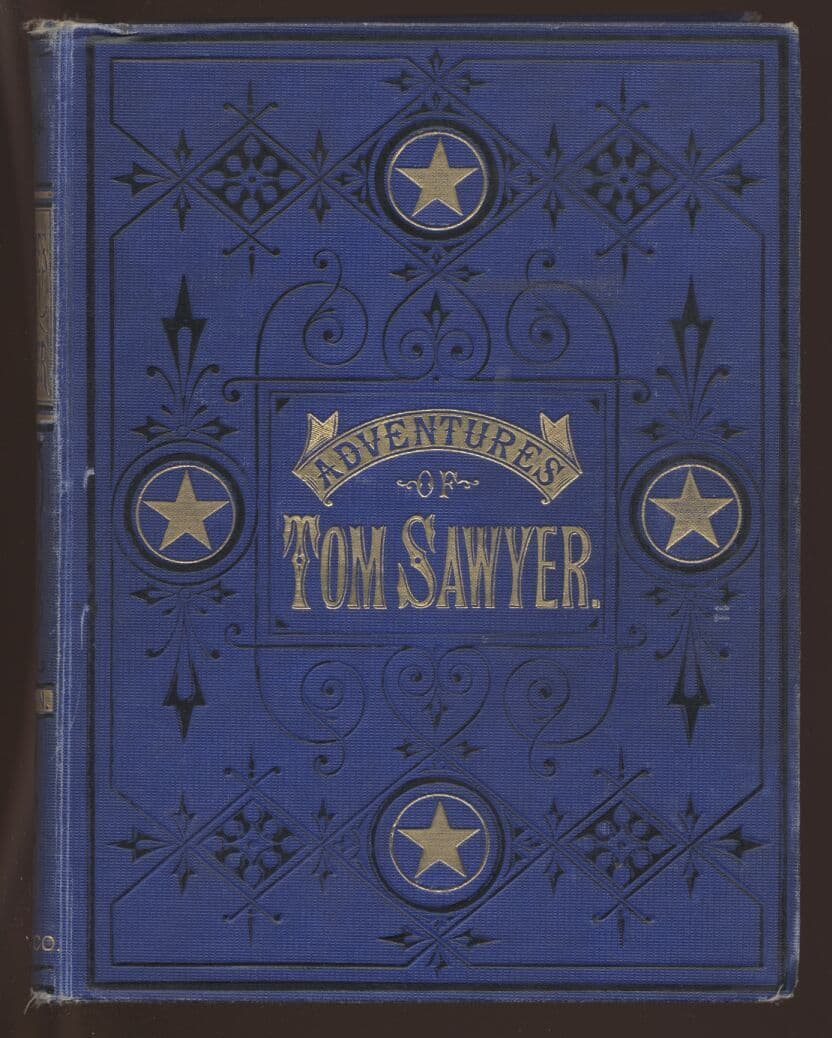


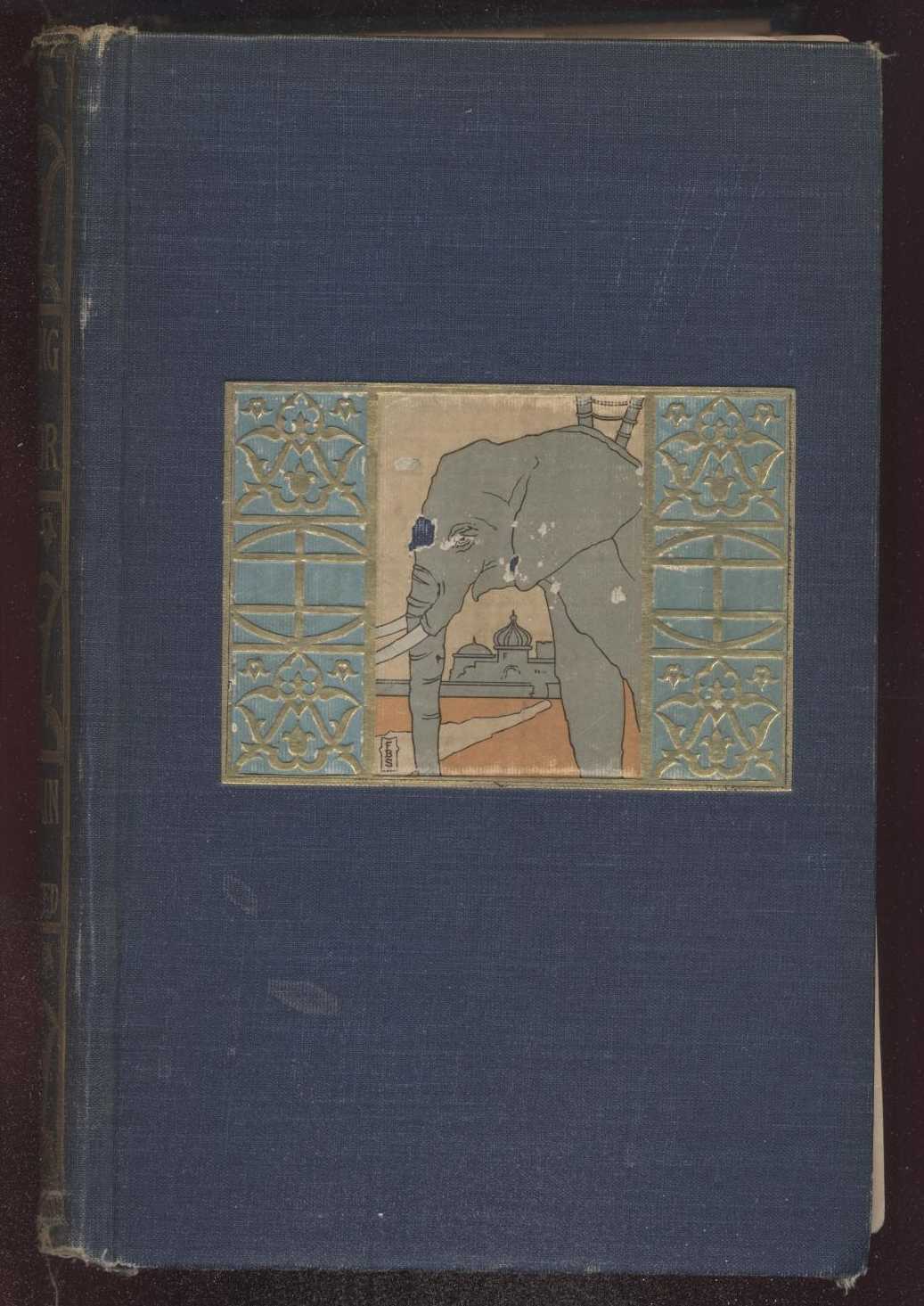

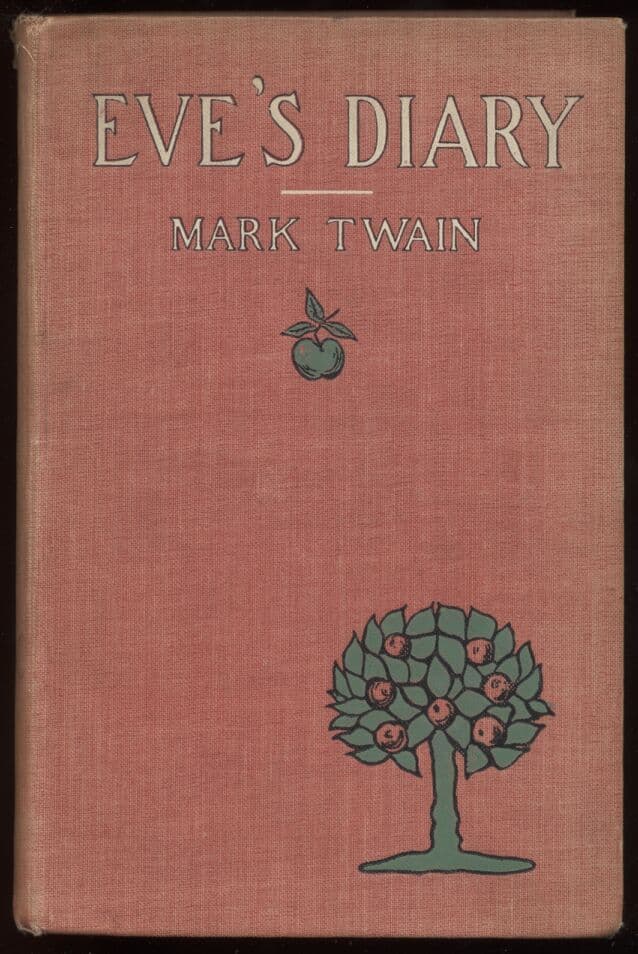
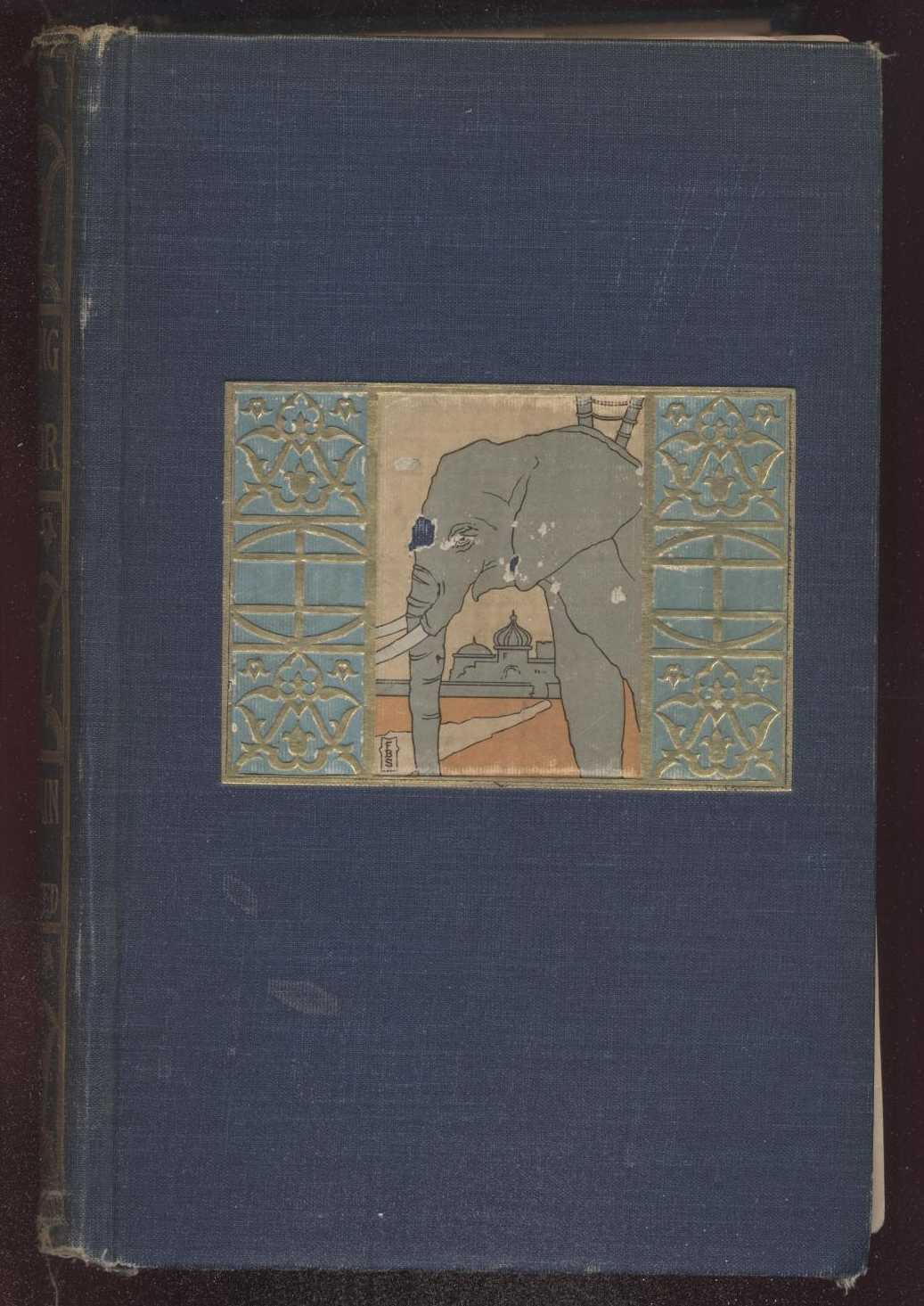
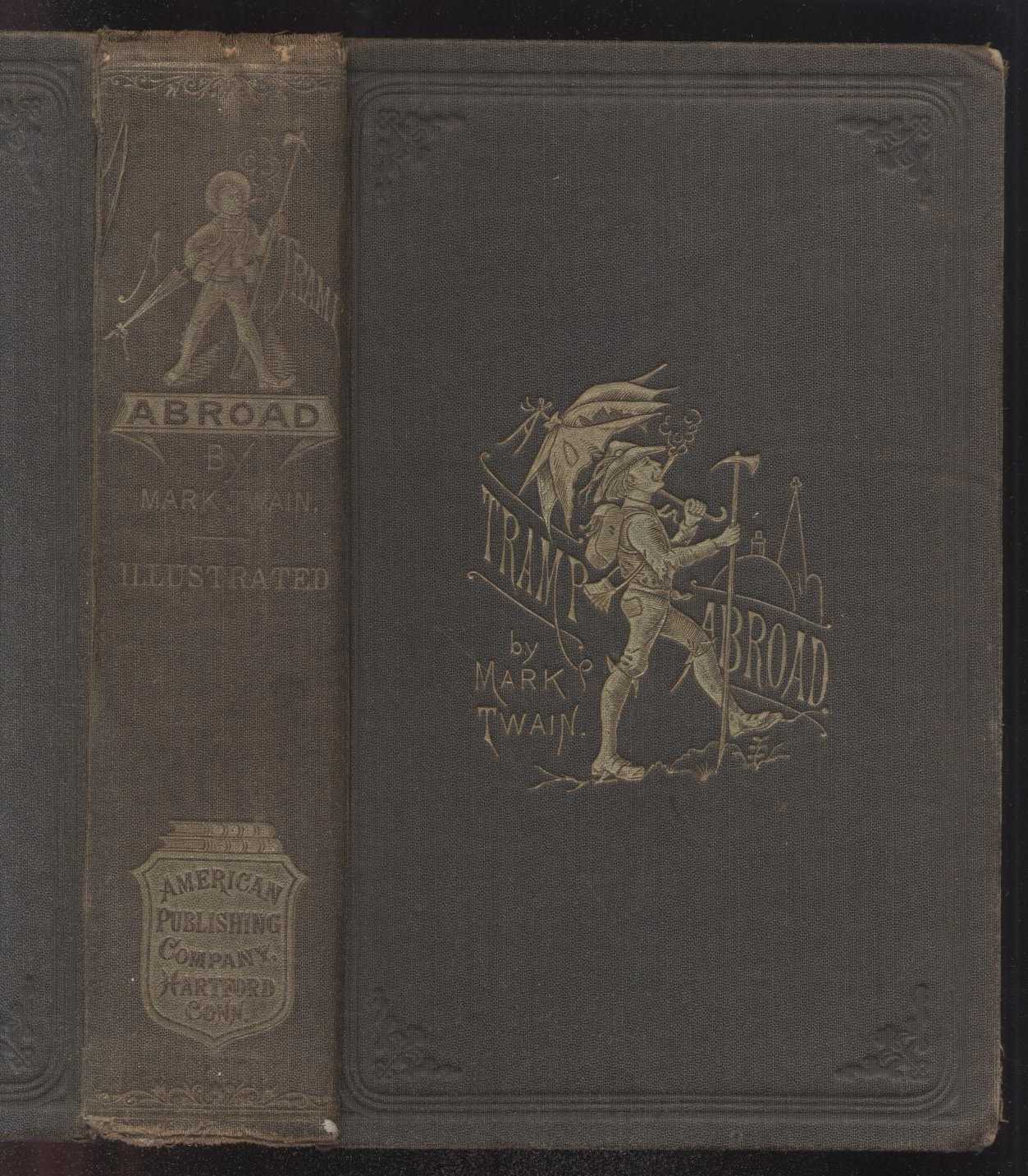

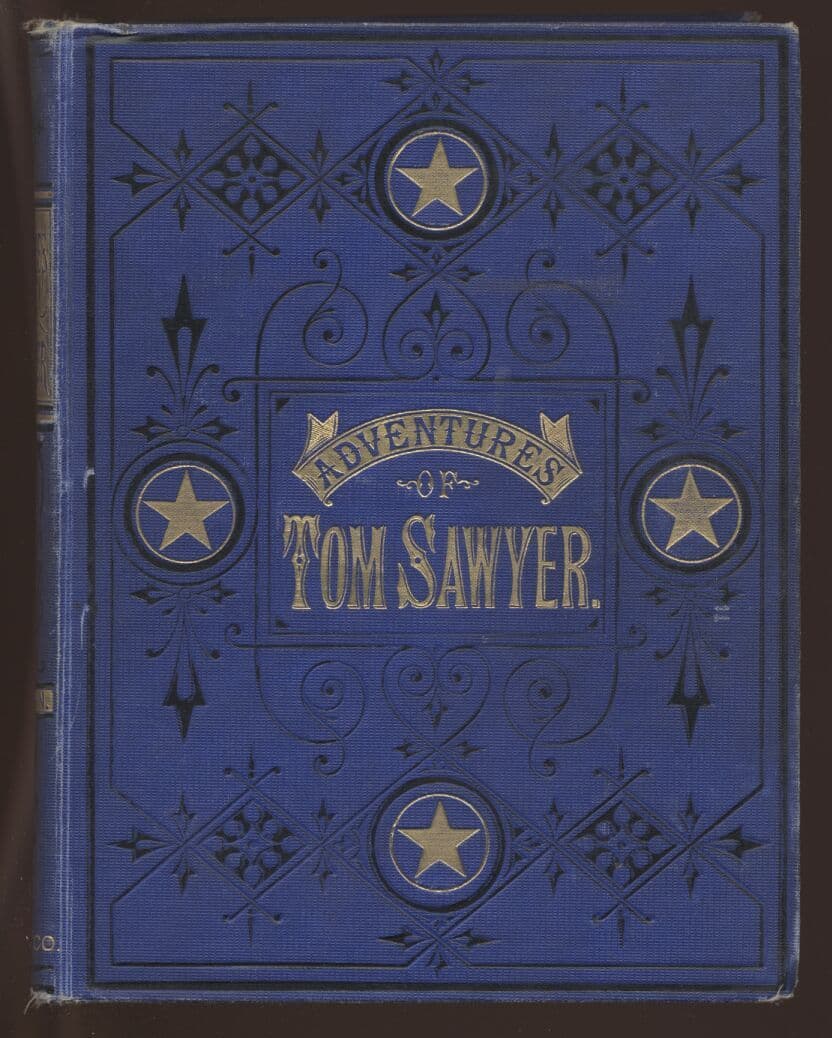
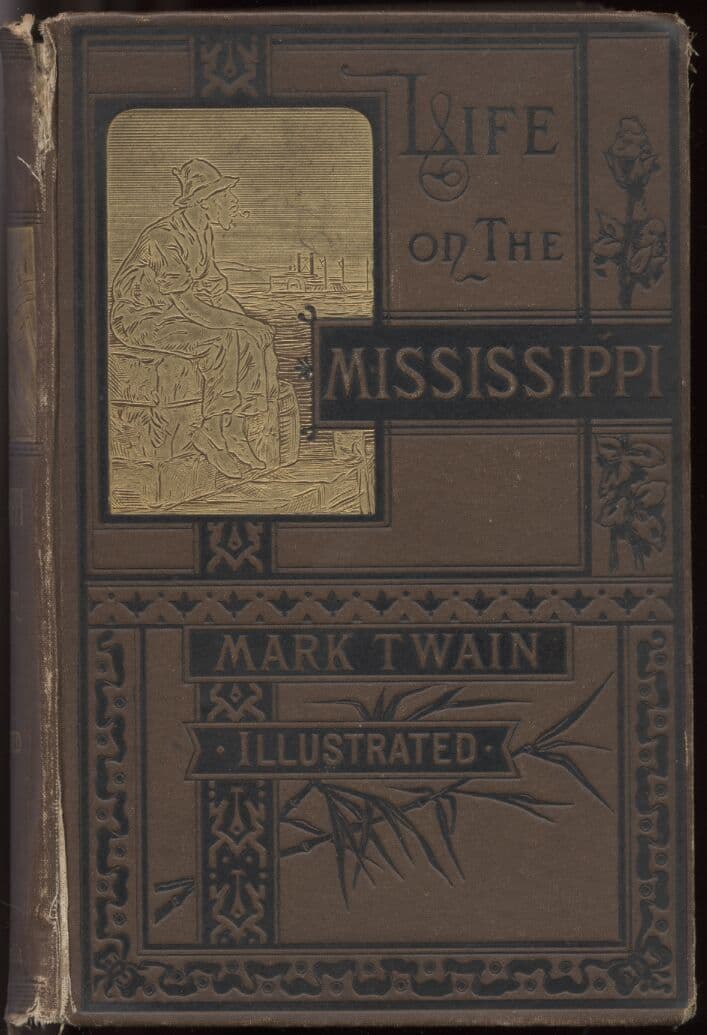
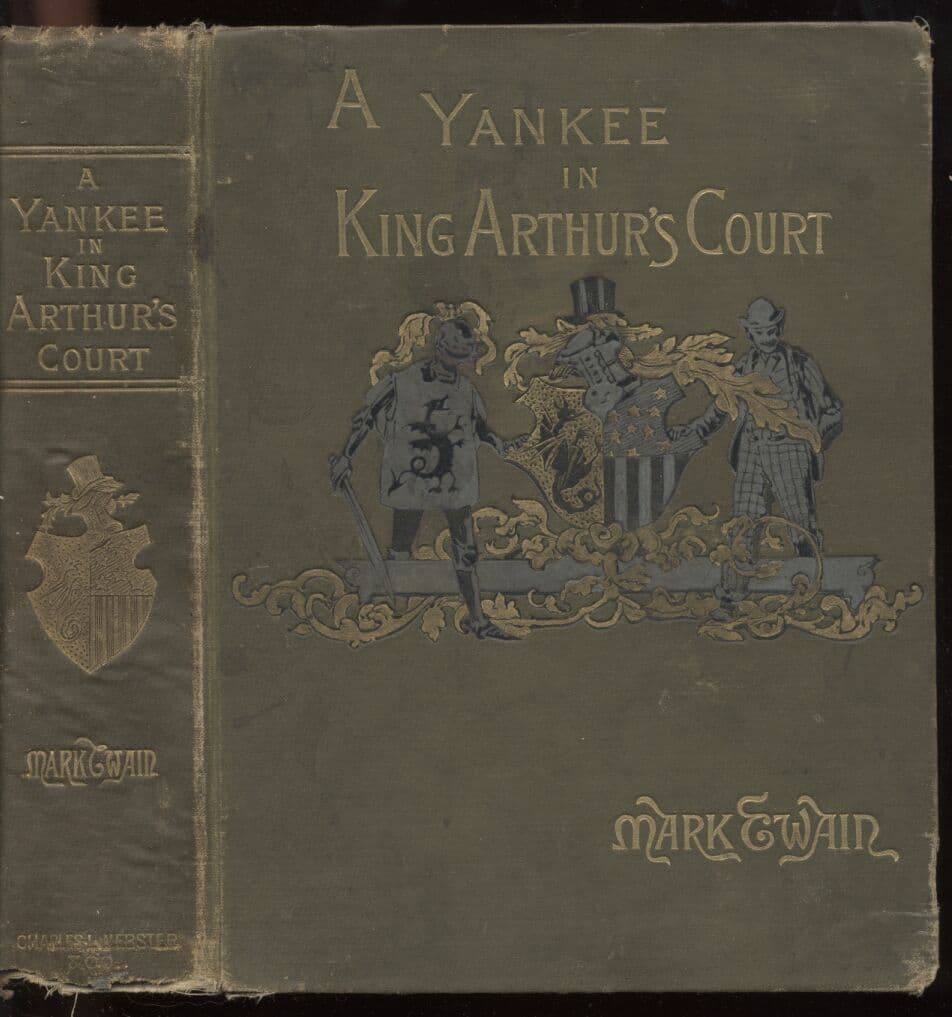
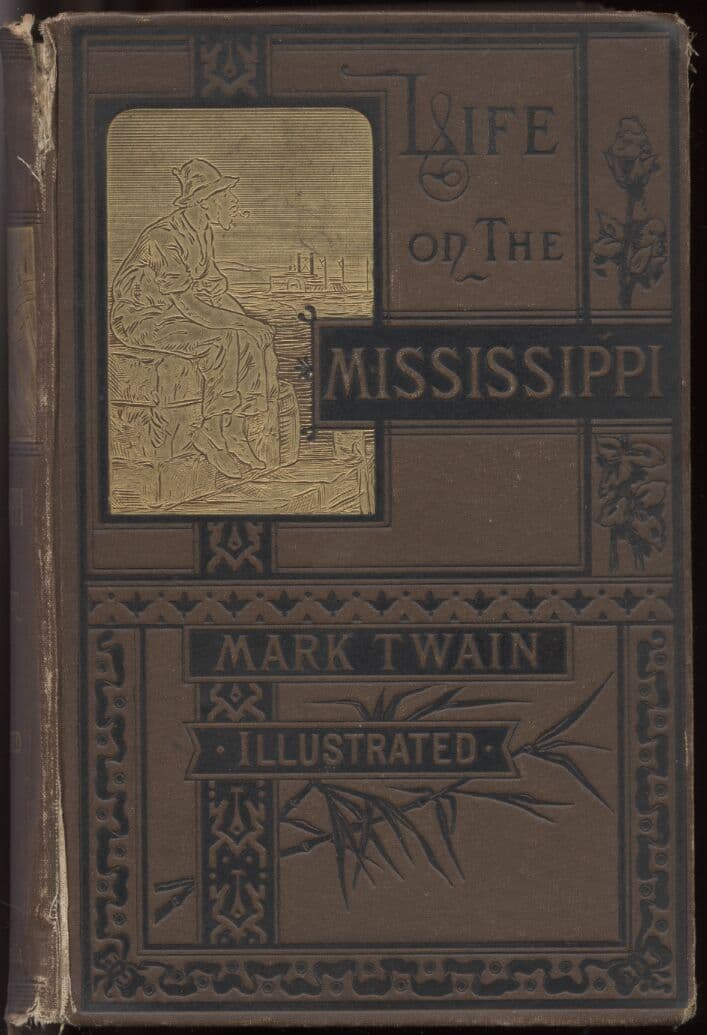
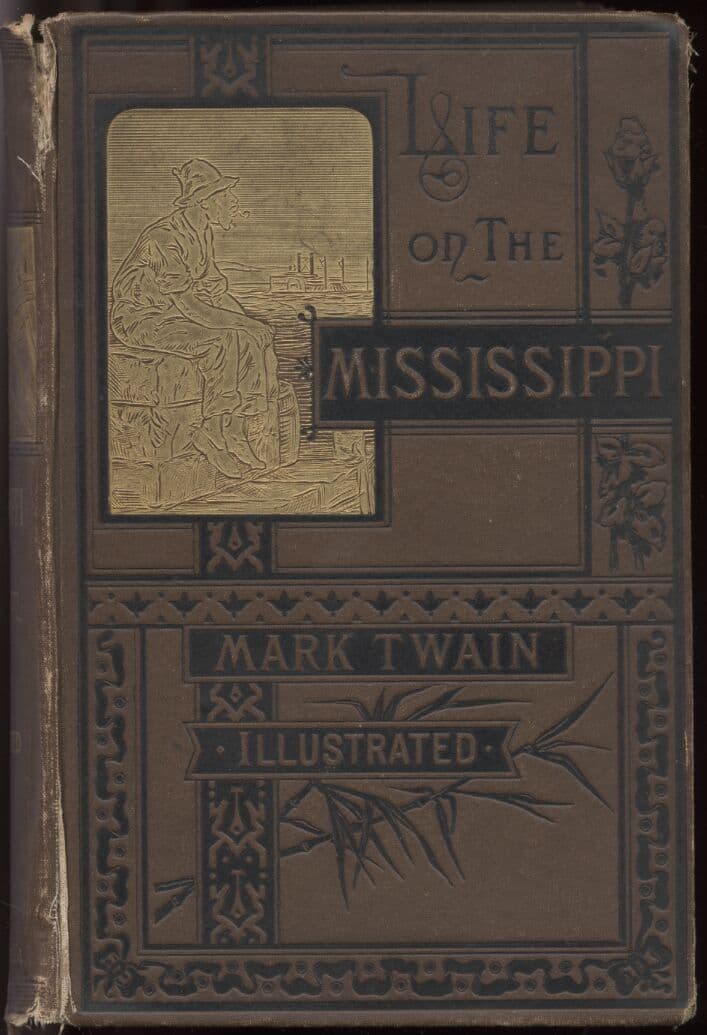
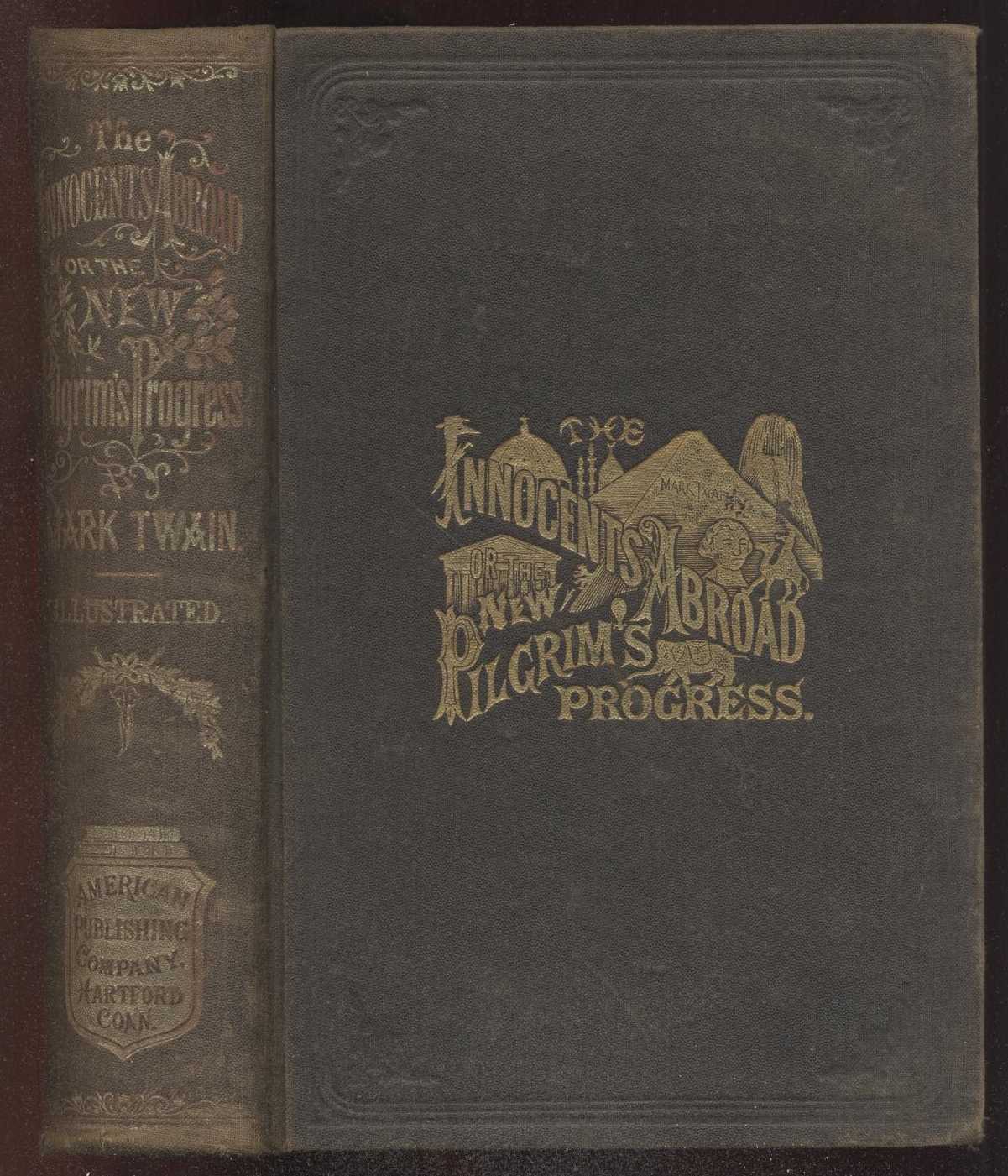
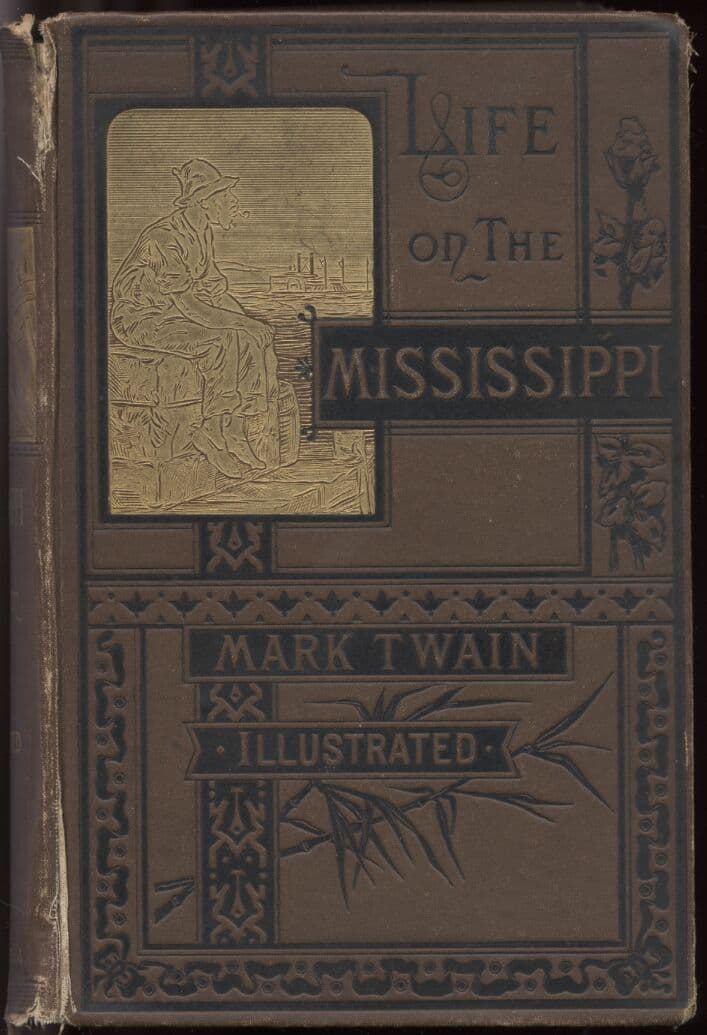

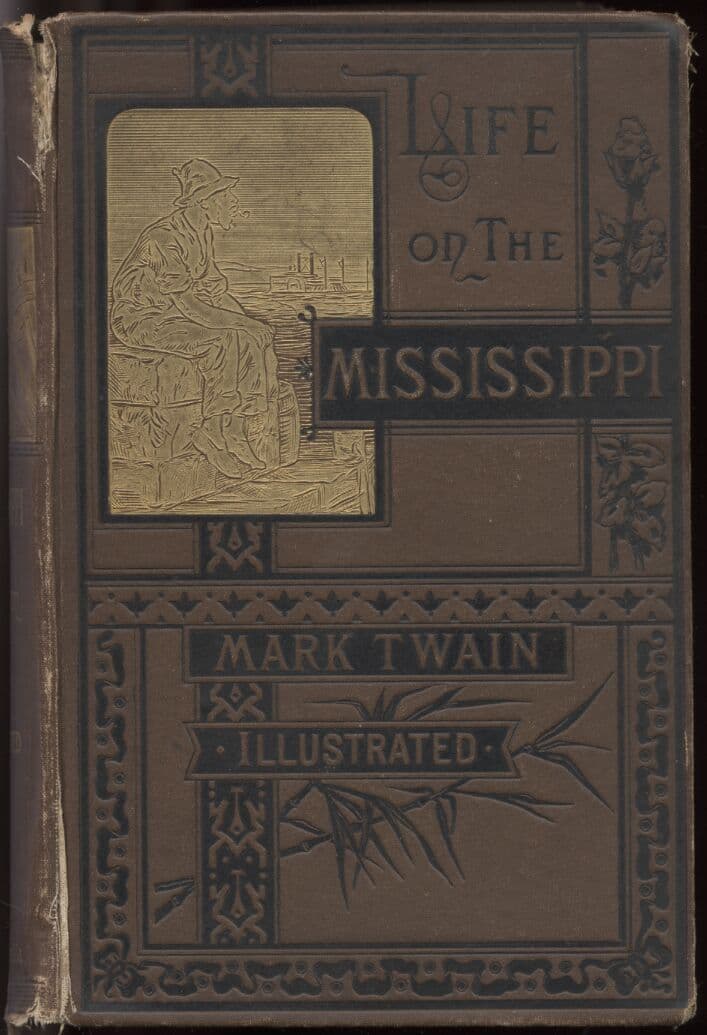
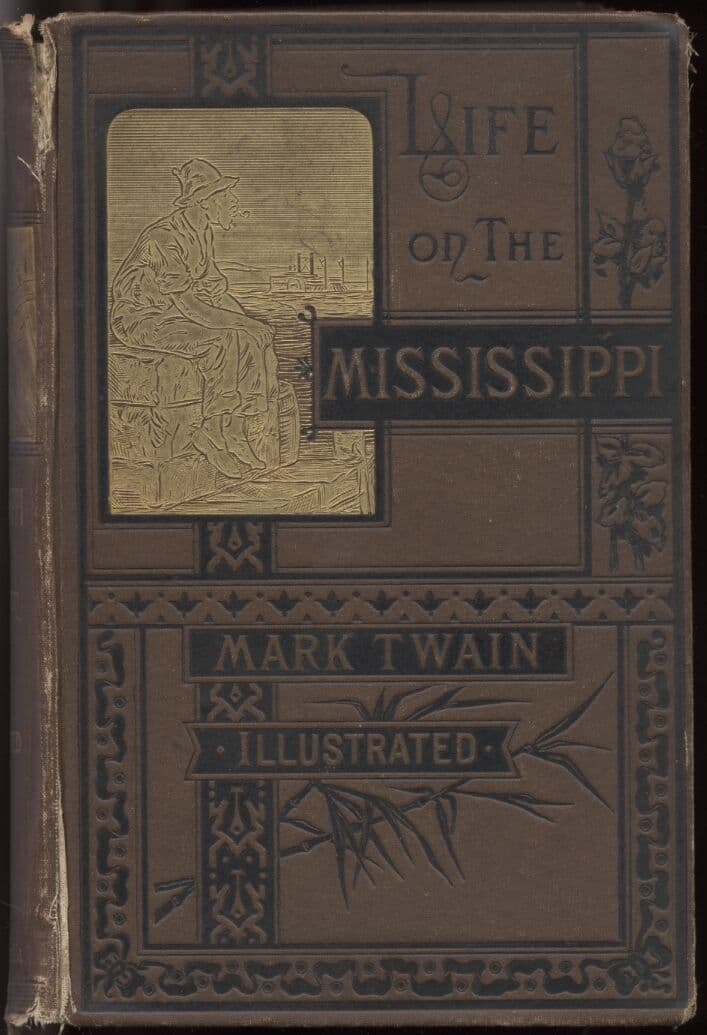
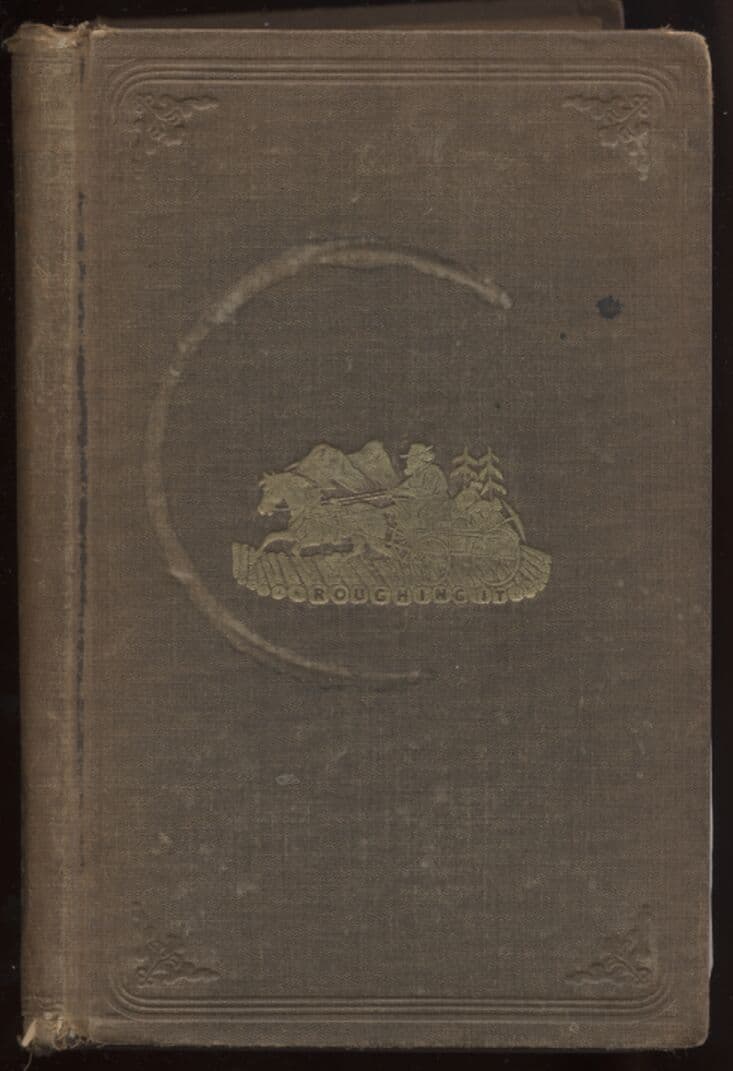
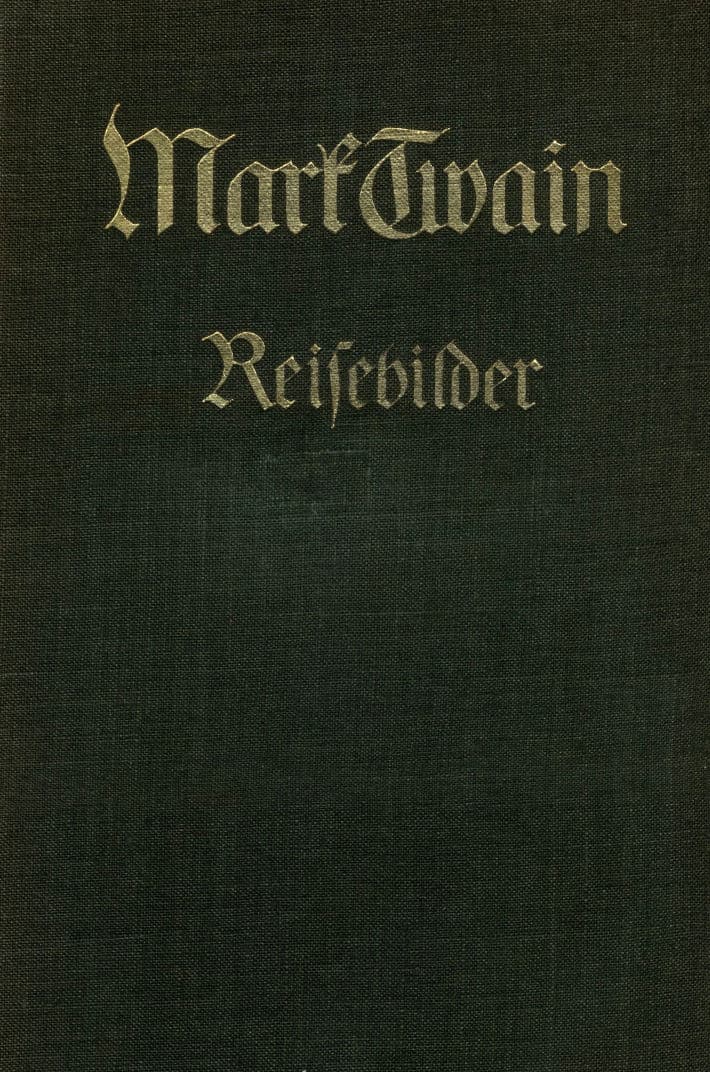



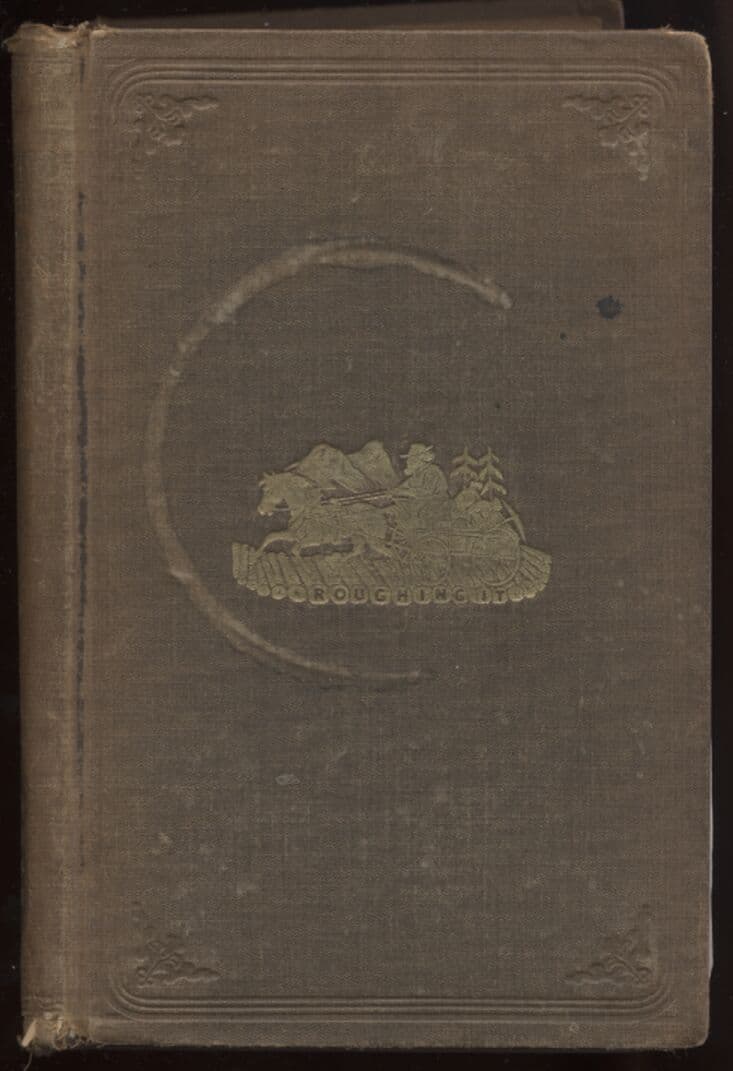


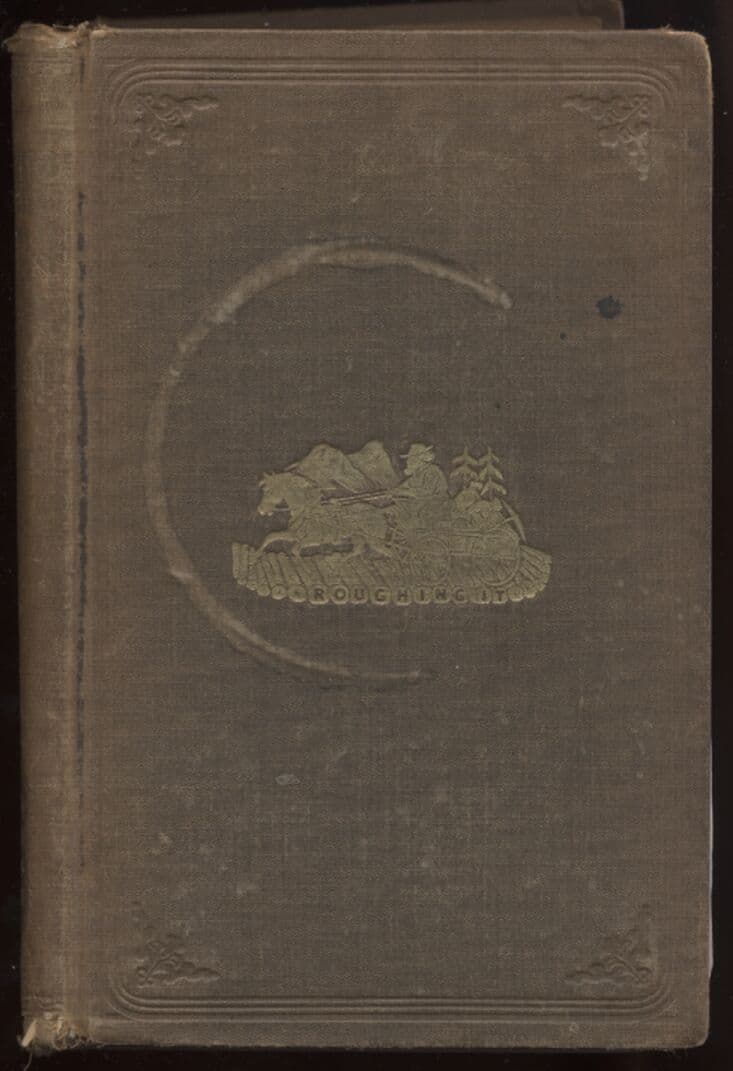
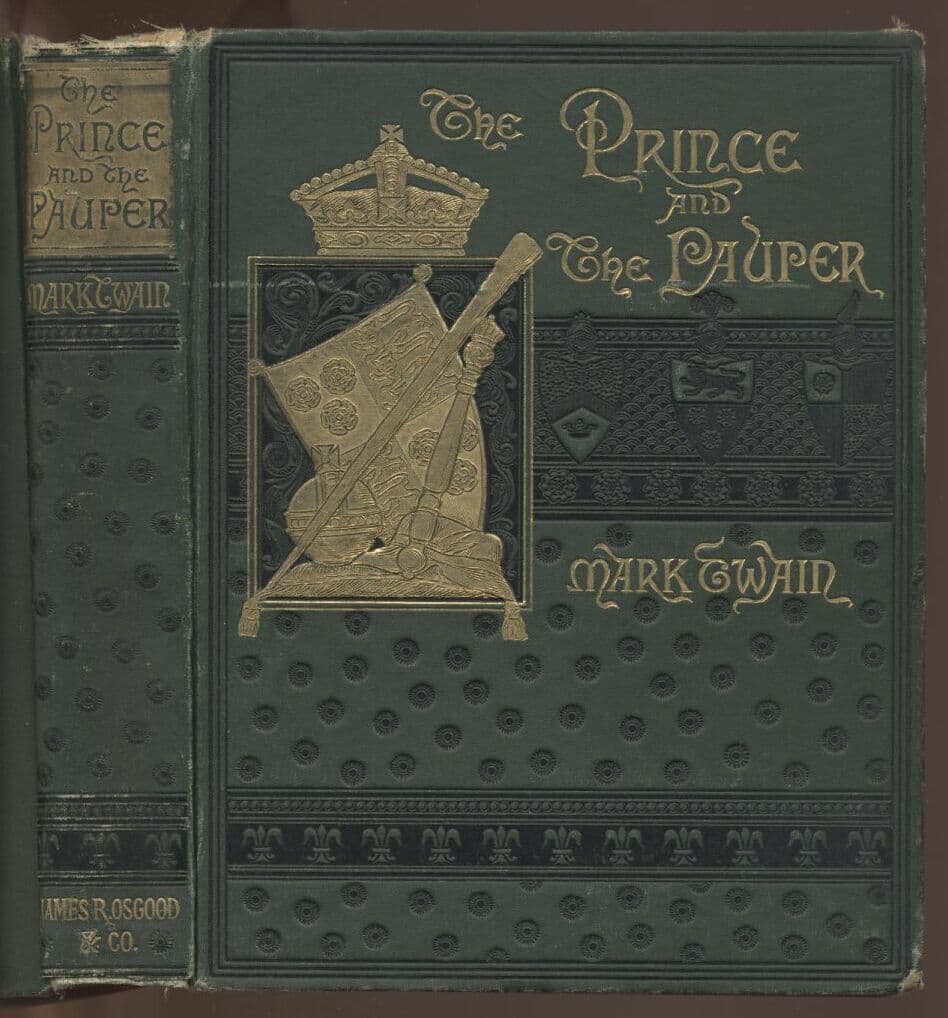

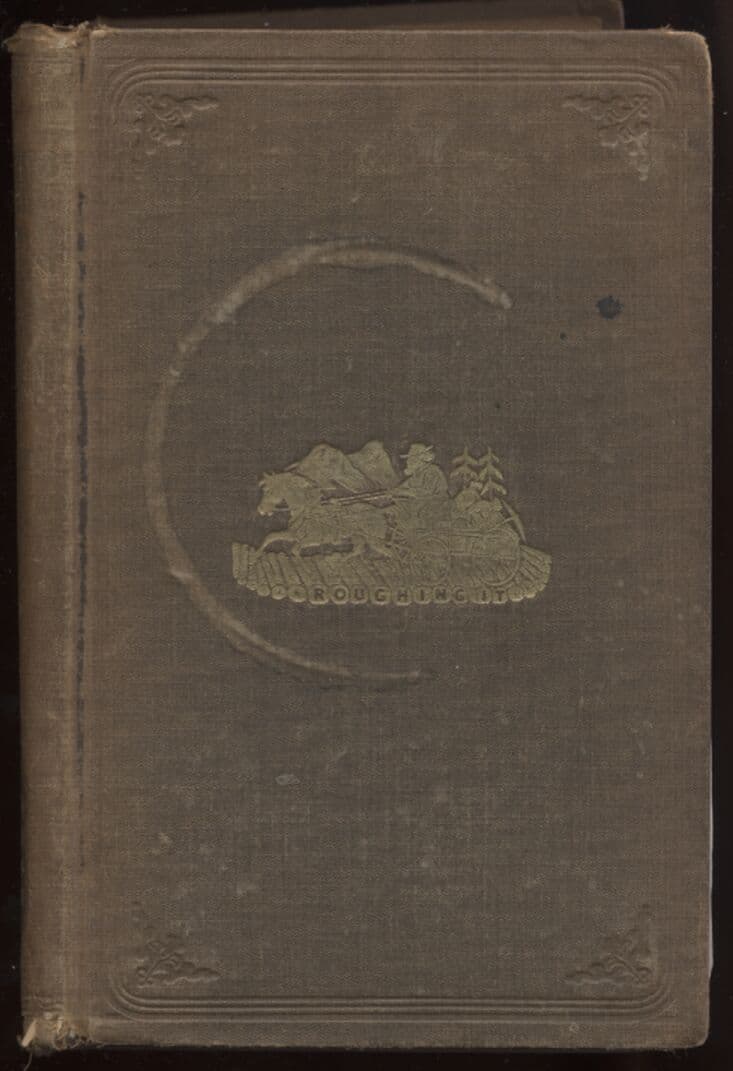

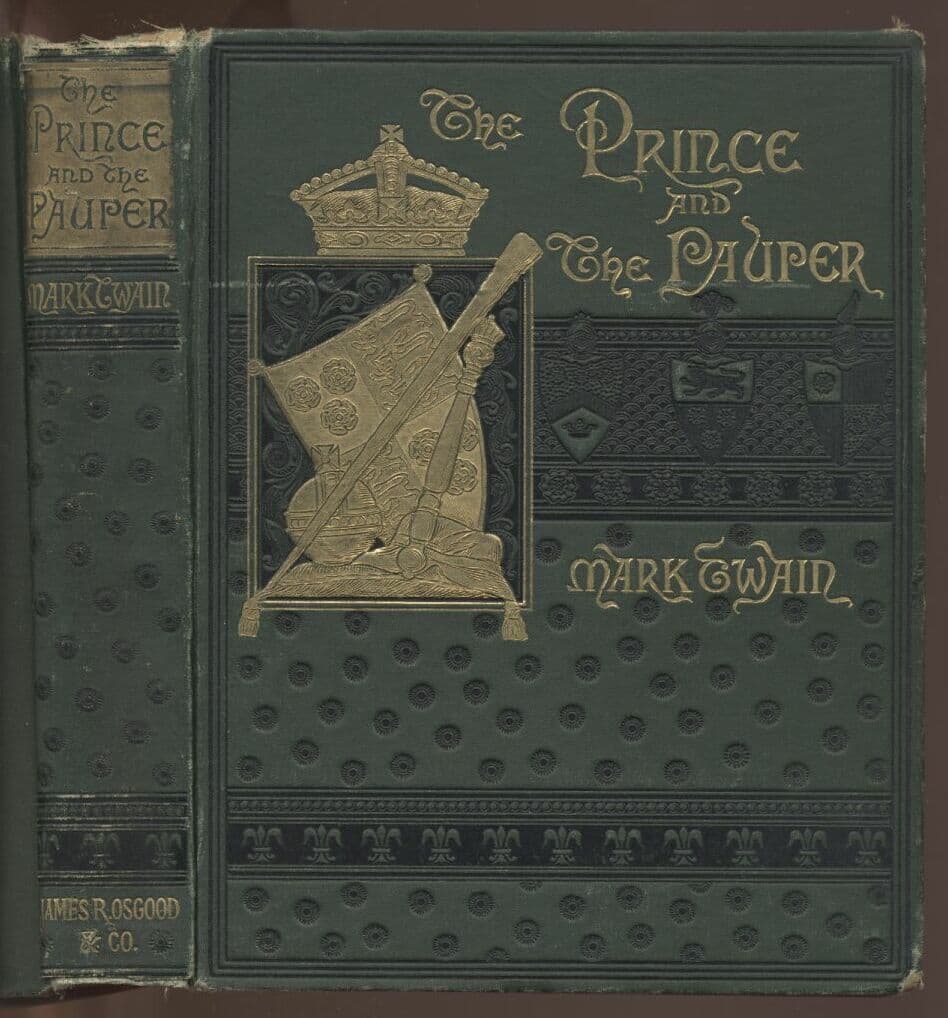

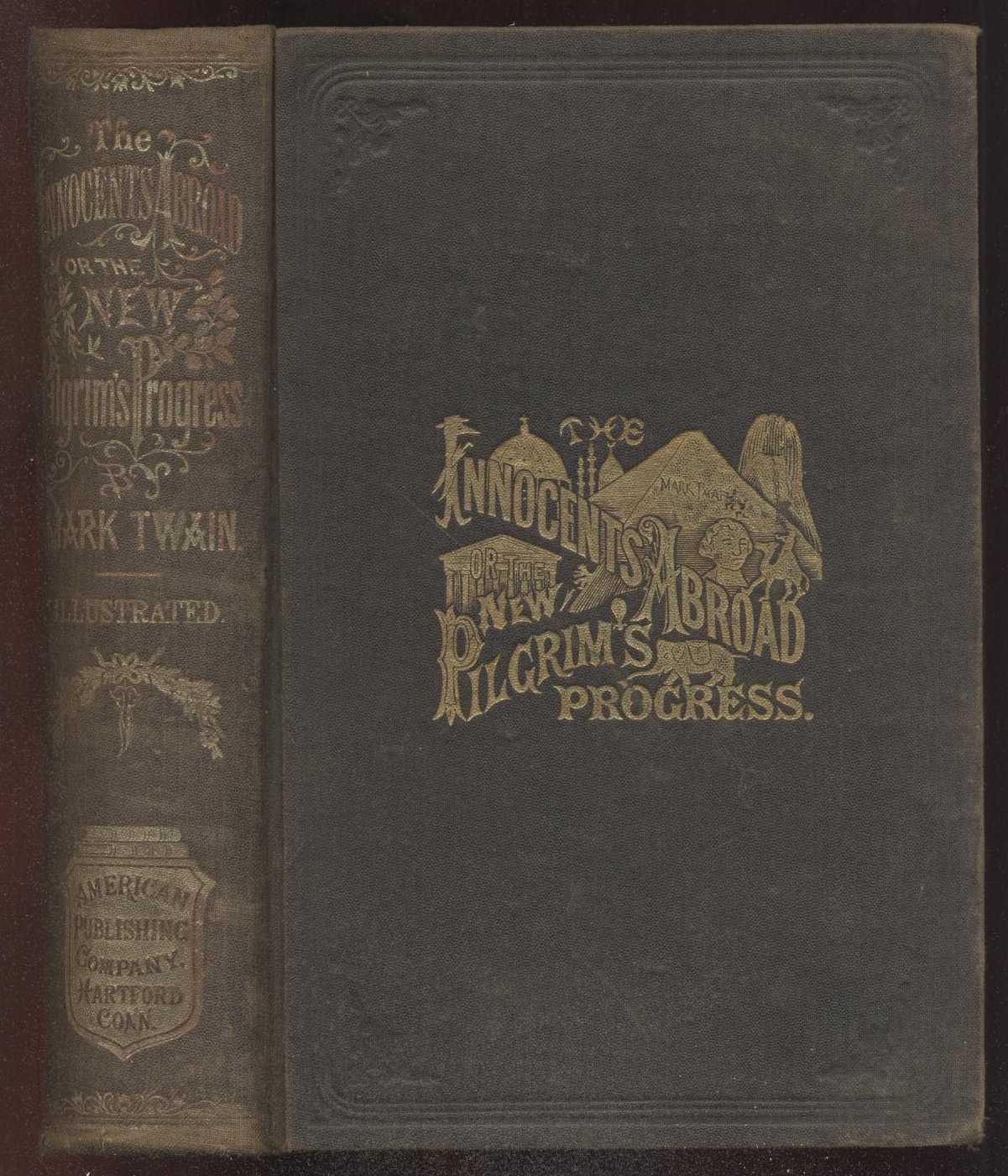


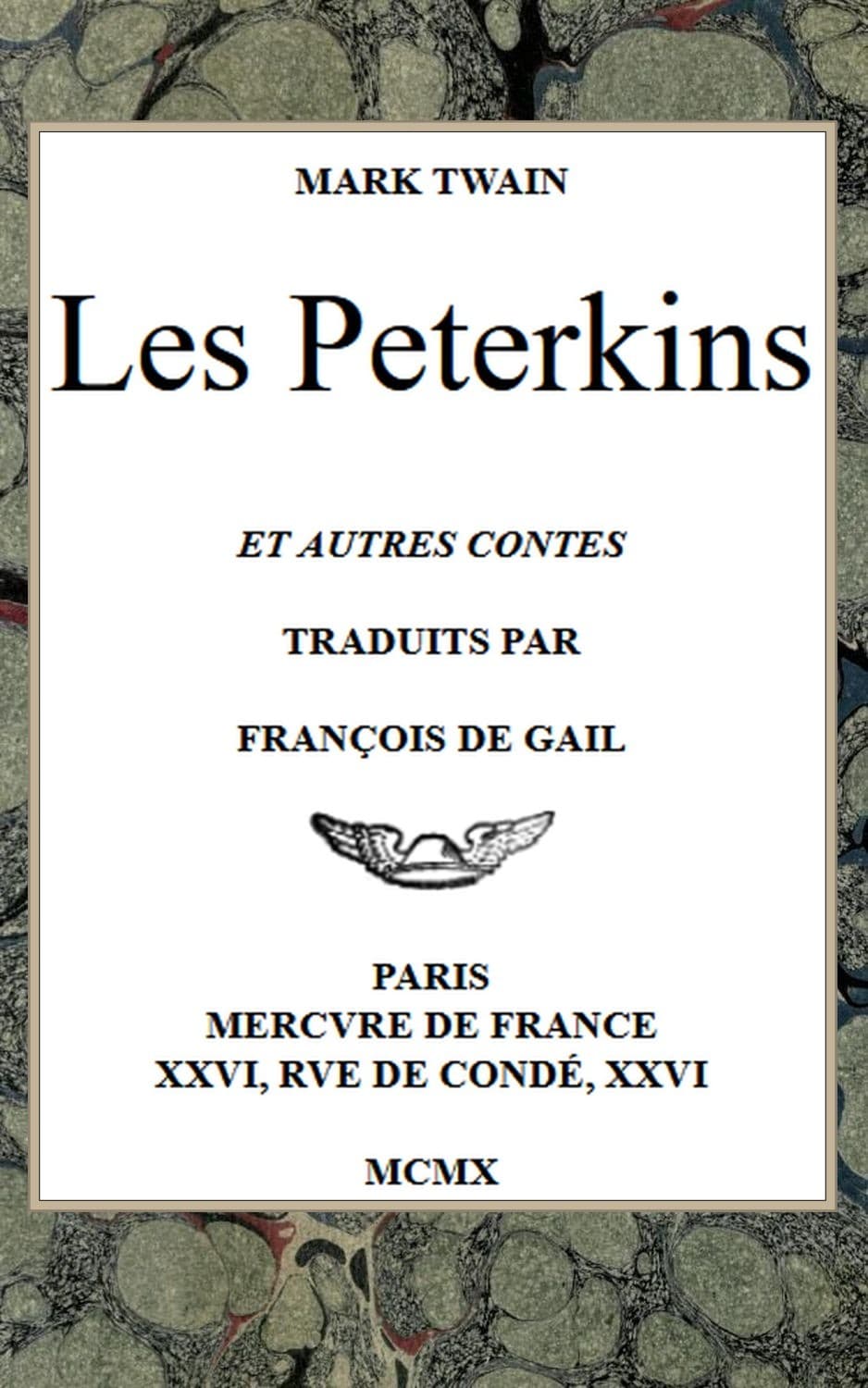
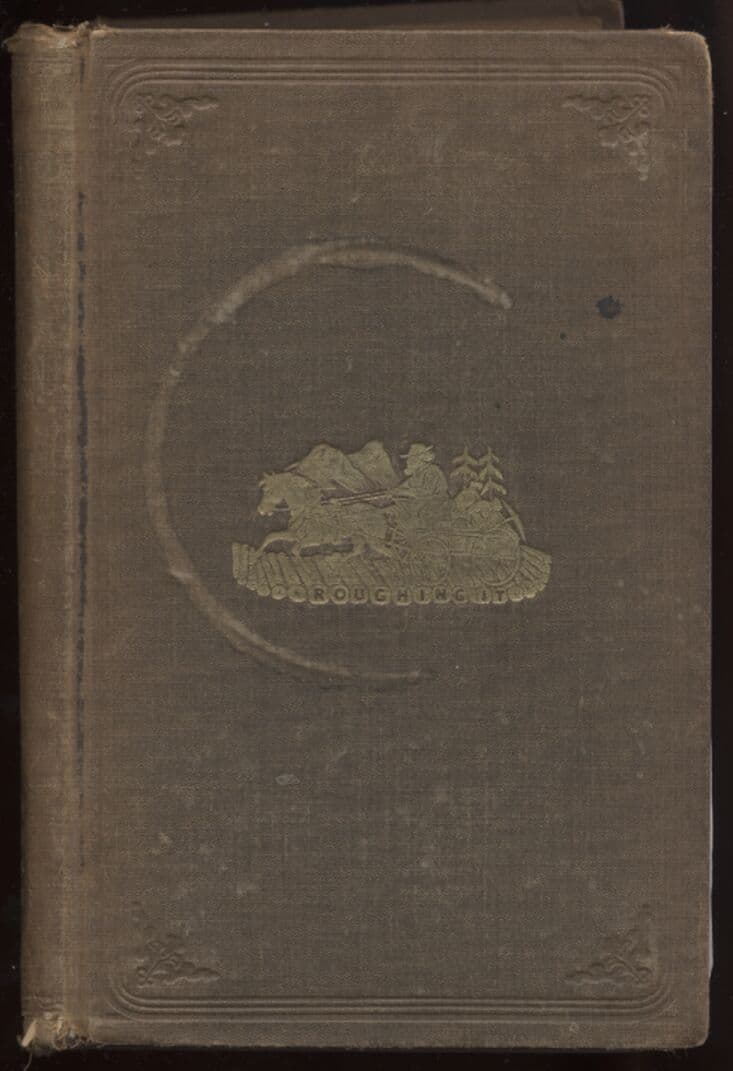








Link to this page
Add a free, dofollow link to Lex on your blog, forum, syllabus, or reading list.

<a href="https://lex-books.com/author/mark-twain-2"><img src="https://lex-books.com/badges/read-on-lex.svg" alt="Mark Twain on Lex" width="160" height="40"></a>[](https://lex-books.com/author/mark-twain-2)[url=https://lex-books.com/author/mark-twain-2][img]https://lex-books.com/badges/read-on-lex.svg[/img][/url]Mark Twain on Lex: https://lex-books.com/author/mark-twain-2