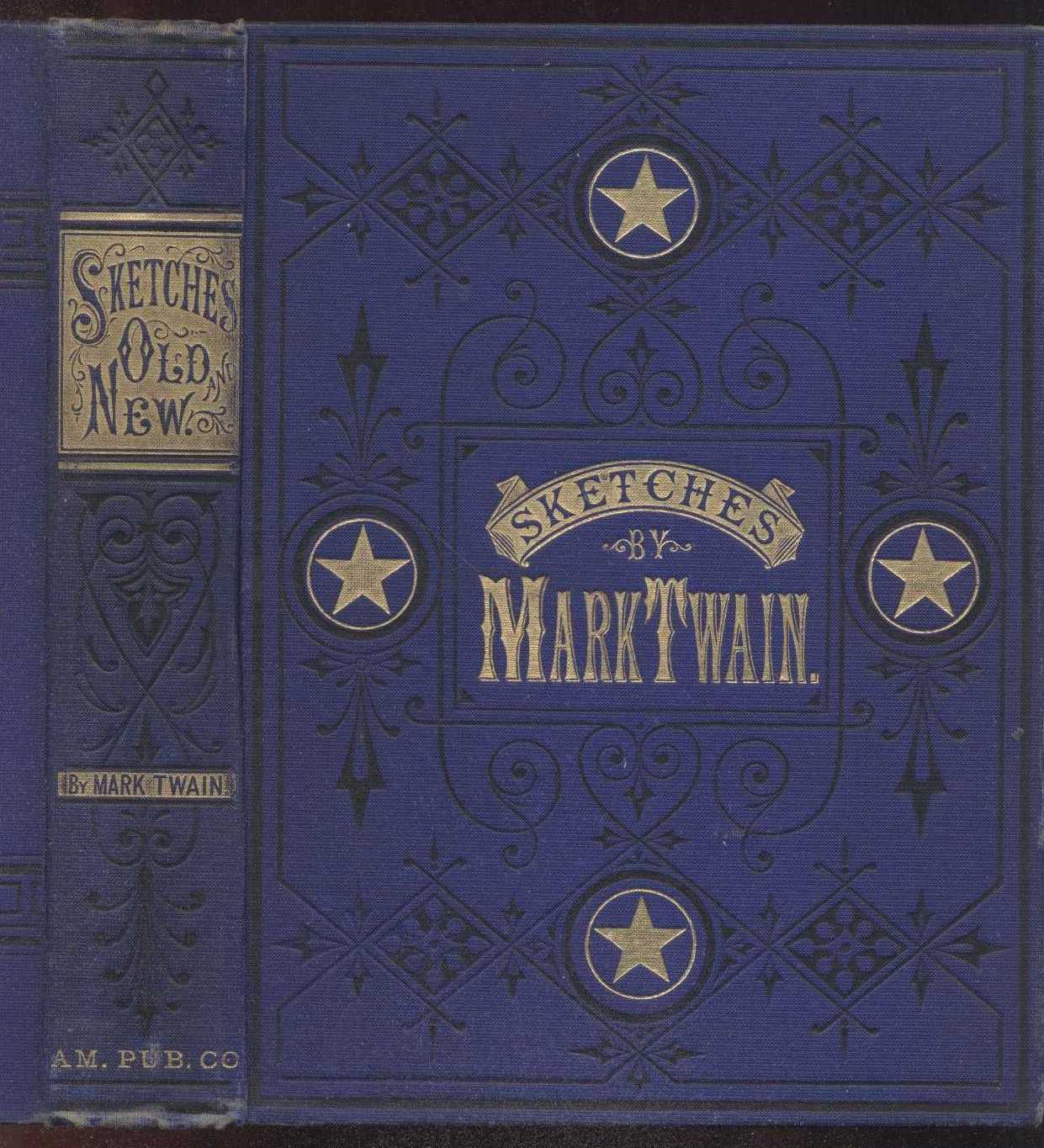
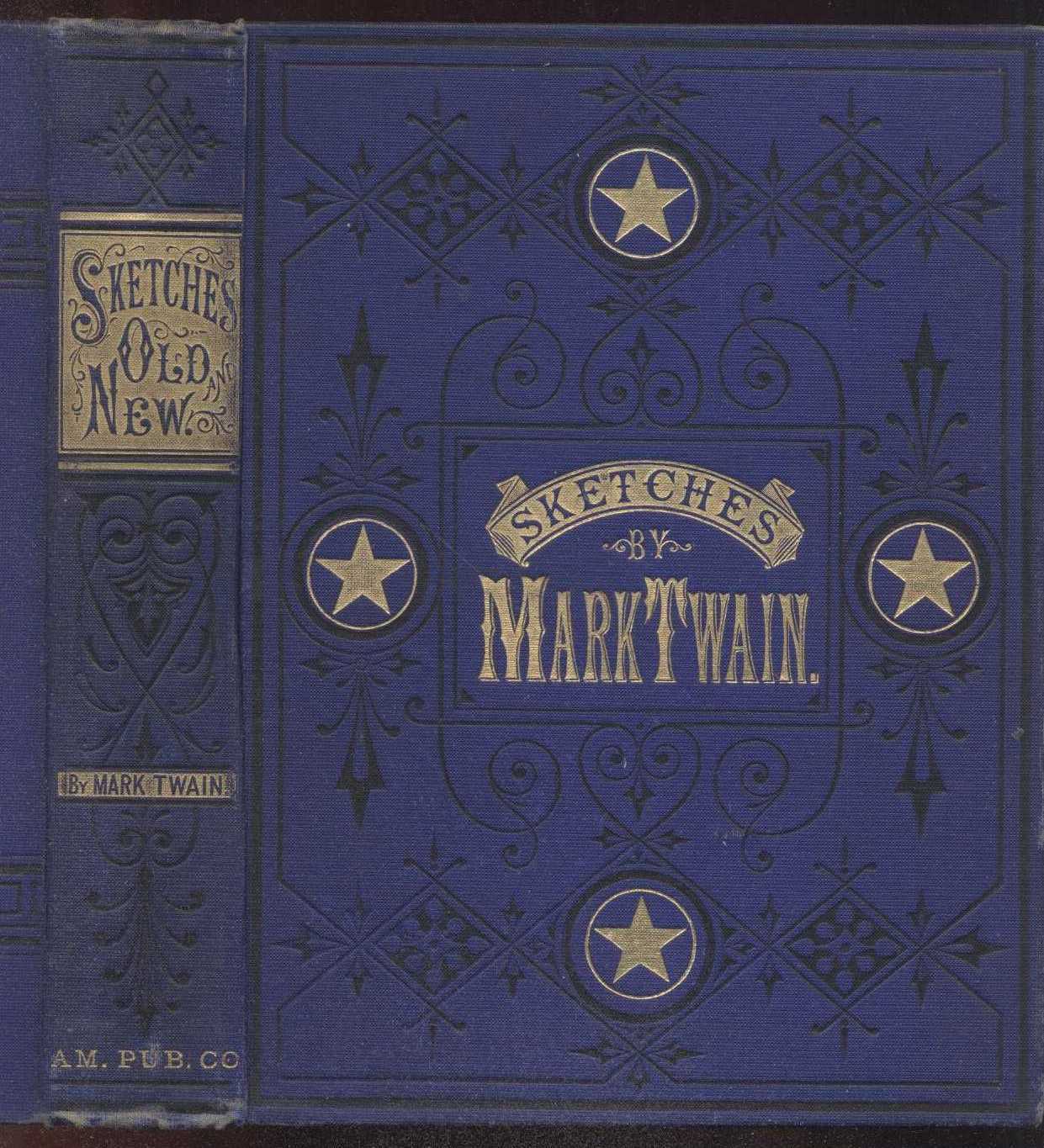
Life on the Mississippi, Part 10.

This installment of Mark Twain's river memoir drifts through the Mississippi at the height of Mardi Gras, where Twain watches the festival's wild growth with a mixture of awe and wry suspicion. He turns his sharp eye toward the Southern obsession with Sir Walter Scott, tracing how the Romantic author's influence has warped Southern literature and identity into something he finds both pitiable and dangerous. The book pulses with stories of river pilots: their reckless bravado, their superstitions, the lethal intimacy between man and water. Twain visits with fellow authors and reflects on the old steamboat days, when he was a cub pilot dreaming of command. There's humor here, the kind that stings, but also something tender. This is Twain remembering a world that was already vanishing, the river that made him, while simultaneously解剖ing the myths his region tells itself about honor, history, and belonging.
Editions
Link to this book
Add a free, dofollow link to Lex on your blog, forum, syllabus, or reading list.

<a href="https://lex-books.com/book/life-on-the-mississippi-part-10-42ecc7fe-cc36-445a-84ca-1cb402d95f6b"><img src="https://lex-books.com/badges/read-on-lex.svg" alt="Read Life on the Mississippi, Part 10. by Mark Twain free on Lex" width="160" height="40"></a>[](https://lex-books.com/book/life-on-the-mississippi-part-10-42ecc7fe-cc36-445a-84ca-1cb402d95f6b)[url=https://lex-books.com/book/life-on-the-mississippi-part-10-42ecc7fe-cc36-445a-84ca-1cb402d95f6b][img]https://lex-books.com/badges/read-on-lex.svg[/img][/url]Read Life on the Mississippi, Part 10. by Mark Twain free on Lex: https://lex-books.com/book/life-on-the-mississippi-part-10-42ecc7fe-cc36-445a-84ca-1cb402d95f6bCite this book
Reading this edition for a paper or guide? Copy a citation.
Twain, Mark. Life on the Mississippi, Part 10.. Lex, lex-books.com/book/life-on-the-mississippi-part-10-42ecc7fe-cc36-445a-84ca-1cb402d95f6b.Twain, M. (n.d.). Life on the Mississippi, Part 10.. Lex. https://lex-books.com/book/life-on-the-mississippi-part-10-42ecc7fe-cc36-445a-84ca-1cb402d95f6bTwain, Mark. Life on the Mississippi, Part 10.. Lex. https://lex-books.com/book/life-on-the-mississippi-part-10-42ecc7fe-cc36-445a-84ca-1cb402d95f6b.