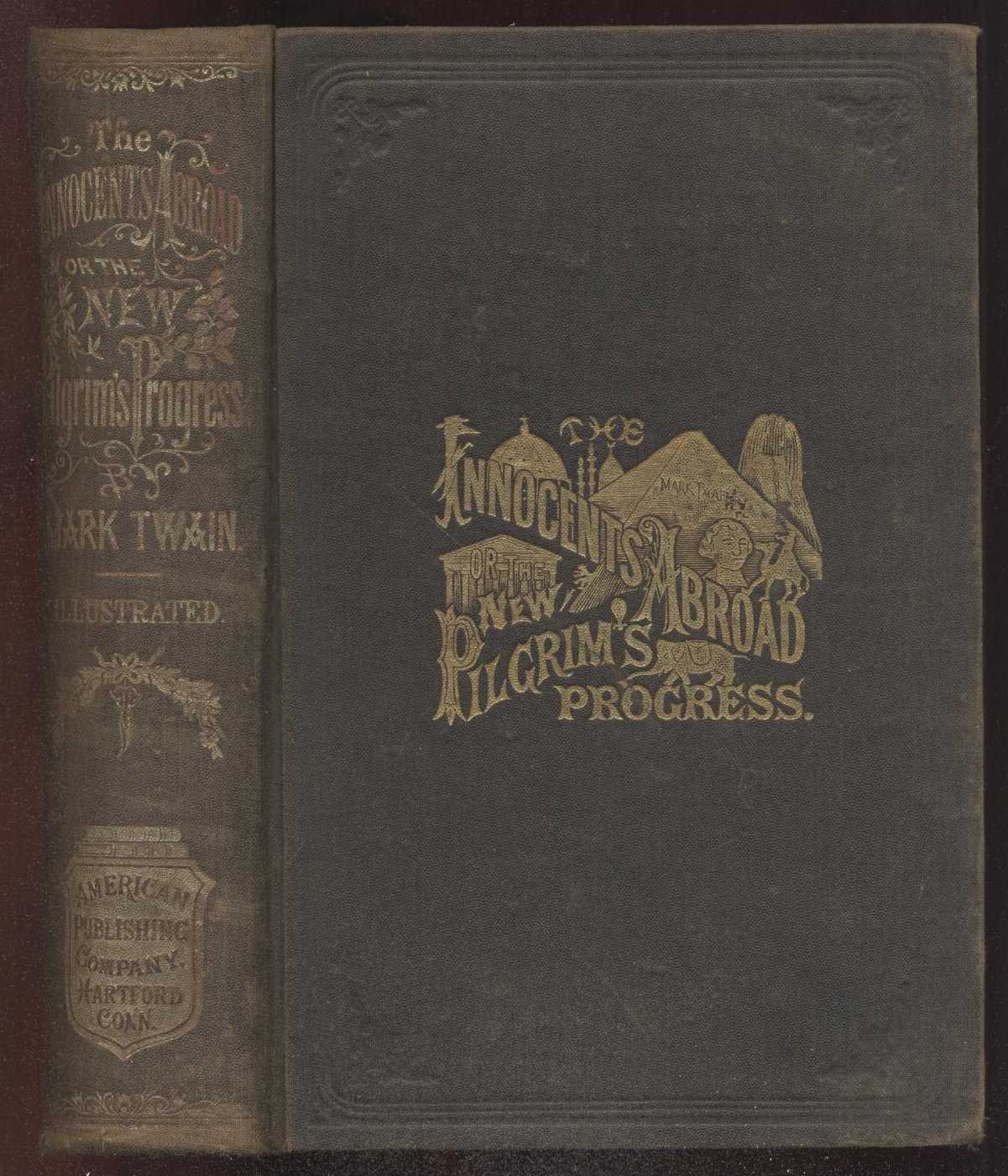
Life on the Mississippi, Part 8.

Twain's Part 8 of Life on the Mississippi is a marvelously deceptive little tale. What begins as a nostalgic reminiscence about a young land-surveyor's journey to California aboard a steamboat gradually reveals itself as a sharp portrait of human greed and self-deception. The narrative centers on John Backus, a cattle-raiser whose folksy demeanor masks a calculating operator. He appears to show wisdom by avoiding the gambler's traps at first, but his vanity eventually overtakes his caution, and he is seduced into a dangerous wager. The twist comes when Twain reveals the true character behind the simple farmer act. The prose crackles with riverine detail and the particular humor of someone who has witnessed countless confidence games played out on the decks of steamboats. This segment distills Twain's central observation: that we are all, in some sense, performing characters on a stage, and the Mississippi provides the perfect setting for such theatrical self-delusion.
Editions
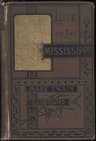
X-Ray
“We can insert the value stored in variable i just by running =i in Insert mode.””
— Mark Twain
“bundler.vim plugin,[17] which uses the project Gemfile to populate the ‘path’ setting.””
— Mark Twain
“As a general rule, we should prefer operator commands over their Visual mode equivalents when working through a repetitive set of changes.””
— Mark Twain
“In Virtual Replace mode, we overwrite characters of screen real estate rather than dealing with the actual characters that would eventually be saved in a file.””
— Mark Twain
“Tim Pope’s commentary.vim plugin provides a good example.[4] This adds a command for commenting and uncommenting””
— Mark Twain
Link to this book
Add a free, dofollow link to Lex on your blog, forum, syllabus, or reading list.

<a href="https://lex-books.com/book/life-on-the-mississippi-part-8-1b732b80-dcfe-4ecc-96b3-3e550f2c8207"><img src="https://lex-books.com/badges/read-on-lex.svg" alt="Read Life on the Mississippi, Part 8. by Mark Twain free on Lex" width="160" height="40"></a>[](https://lex-books.com/book/life-on-the-mississippi-part-8-1b732b80-dcfe-4ecc-96b3-3e550f2c8207)[url=https://lex-books.com/book/life-on-the-mississippi-part-8-1b732b80-dcfe-4ecc-96b3-3e550f2c8207][img]https://lex-books.com/badges/read-on-lex.svg[/img][/url]Read Life on the Mississippi, Part 8. by Mark Twain free on Lex: https://lex-books.com/book/life-on-the-mississippi-part-8-1b732b80-dcfe-4ecc-96b3-3e550f2c8207Cite this book
Reading this edition for a paper or guide? Copy a citation.
Twain, Mark. Life on the Mississippi, Part 8.. Lex, lex-books.com/book/life-on-the-mississippi-part-8-1b732b80-dcfe-4ecc-96b3-3e550f2c8207.Twain, M. (n.d.). Life on the Mississippi, Part 8.. Lex. https://lex-books.com/book/life-on-the-mississippi-part-8-1b732b80-dcfe-4ecc-96b3-3e550f2c8207Twain, Mark. Life on the Mississippi, Part 8.. Lex. https://lex-books.com/book/life-on-the-mississippi-part-8-1b732b80-dcfe-4ecc-96b3-3e550f2c8207.