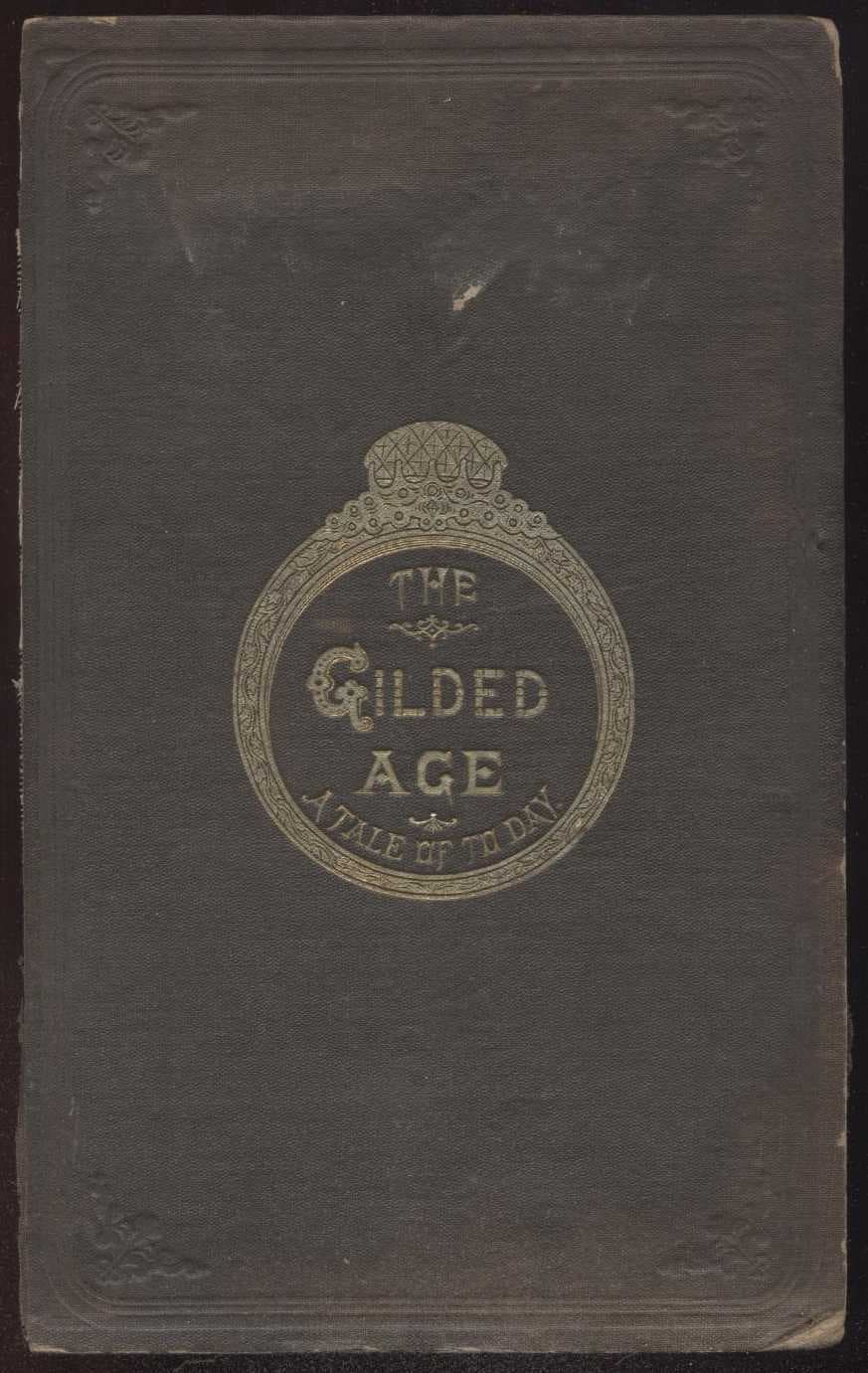
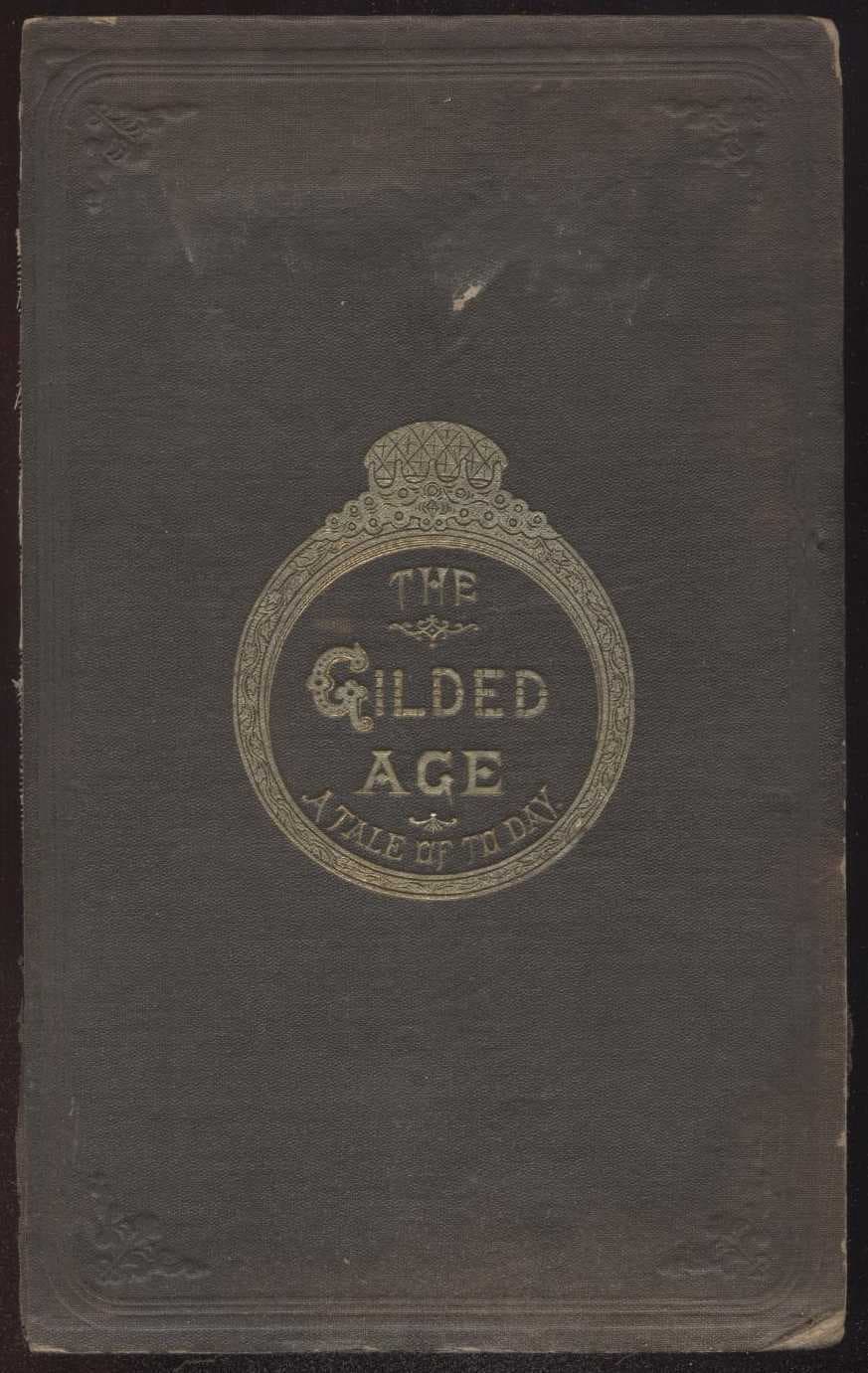
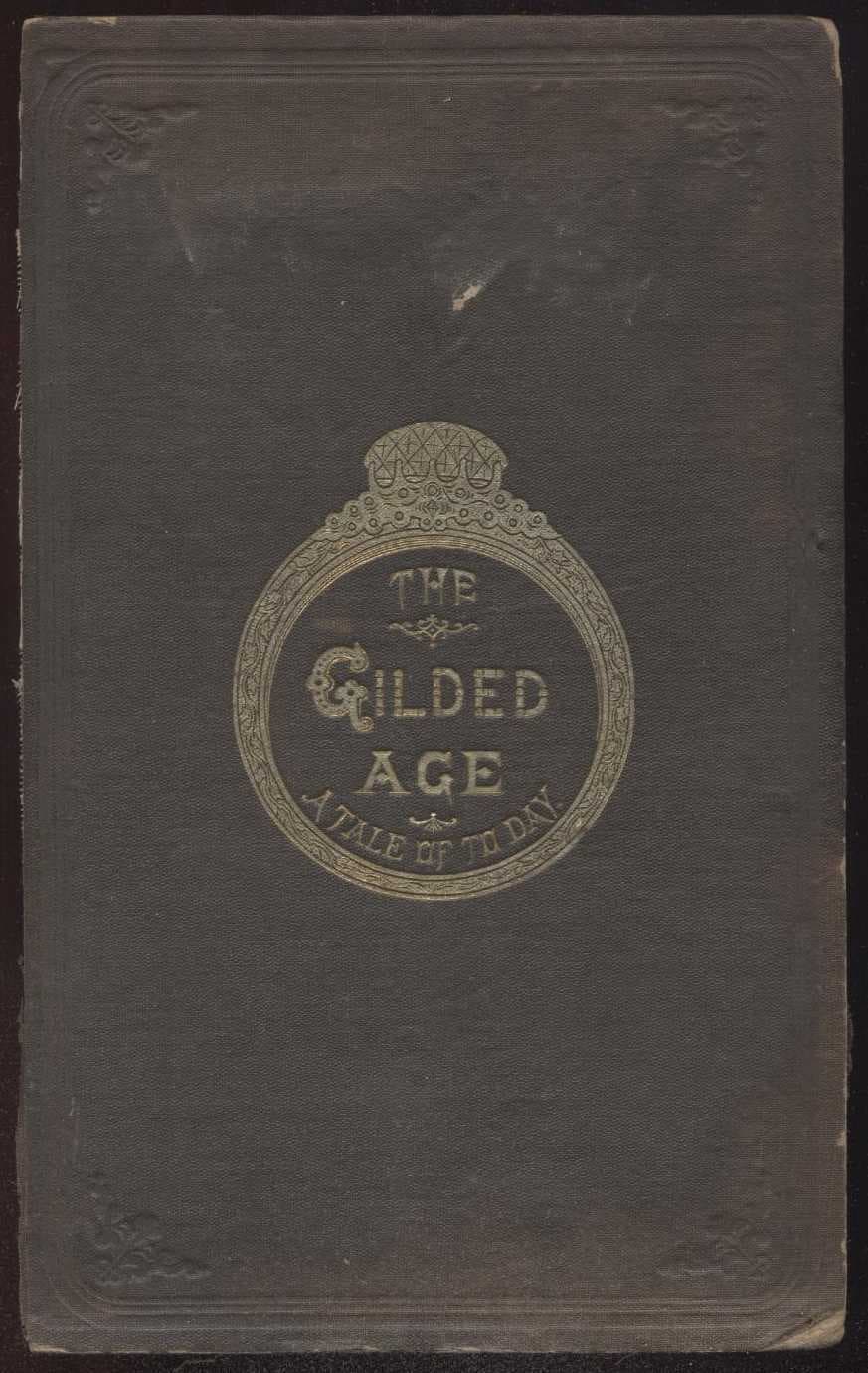
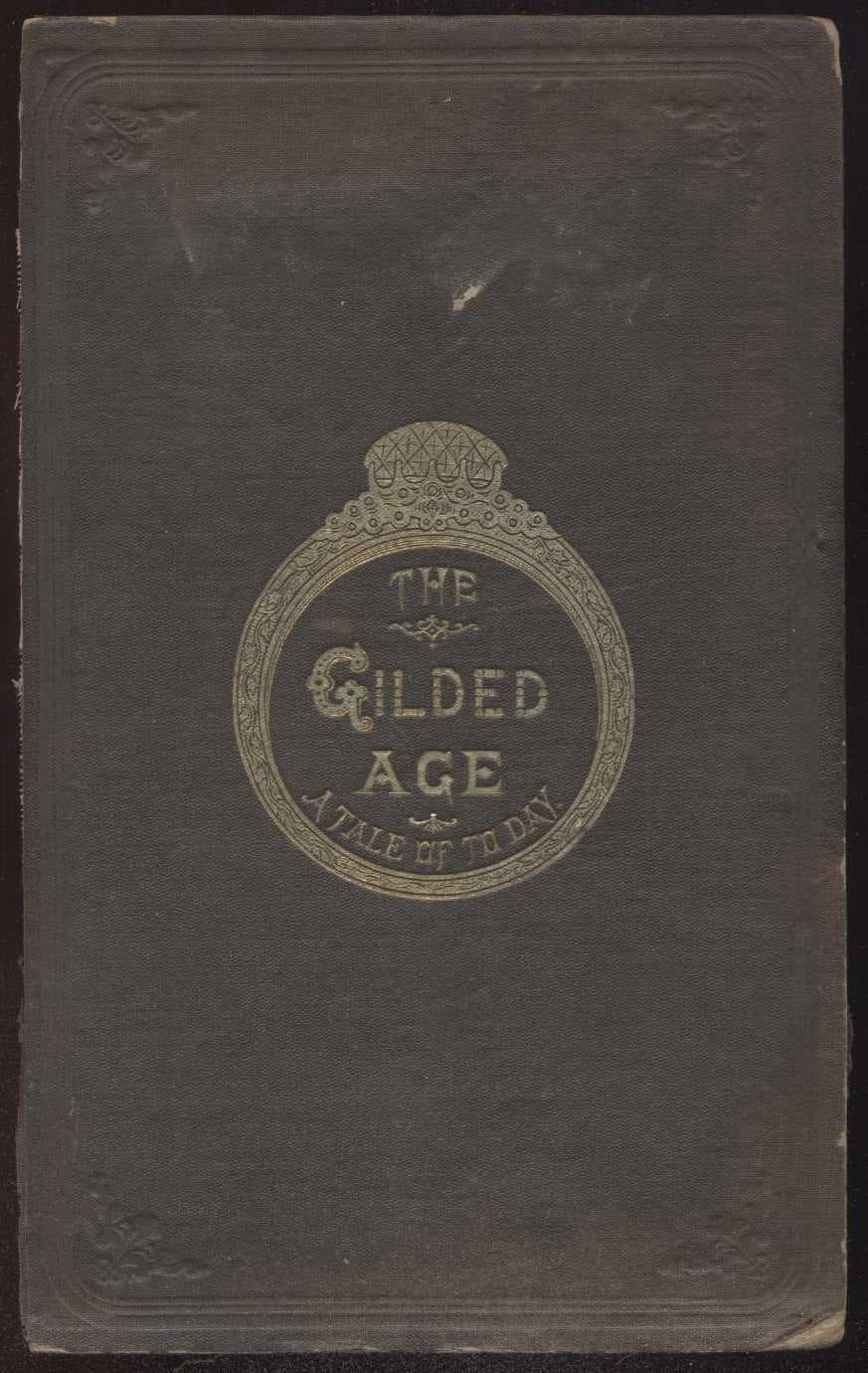
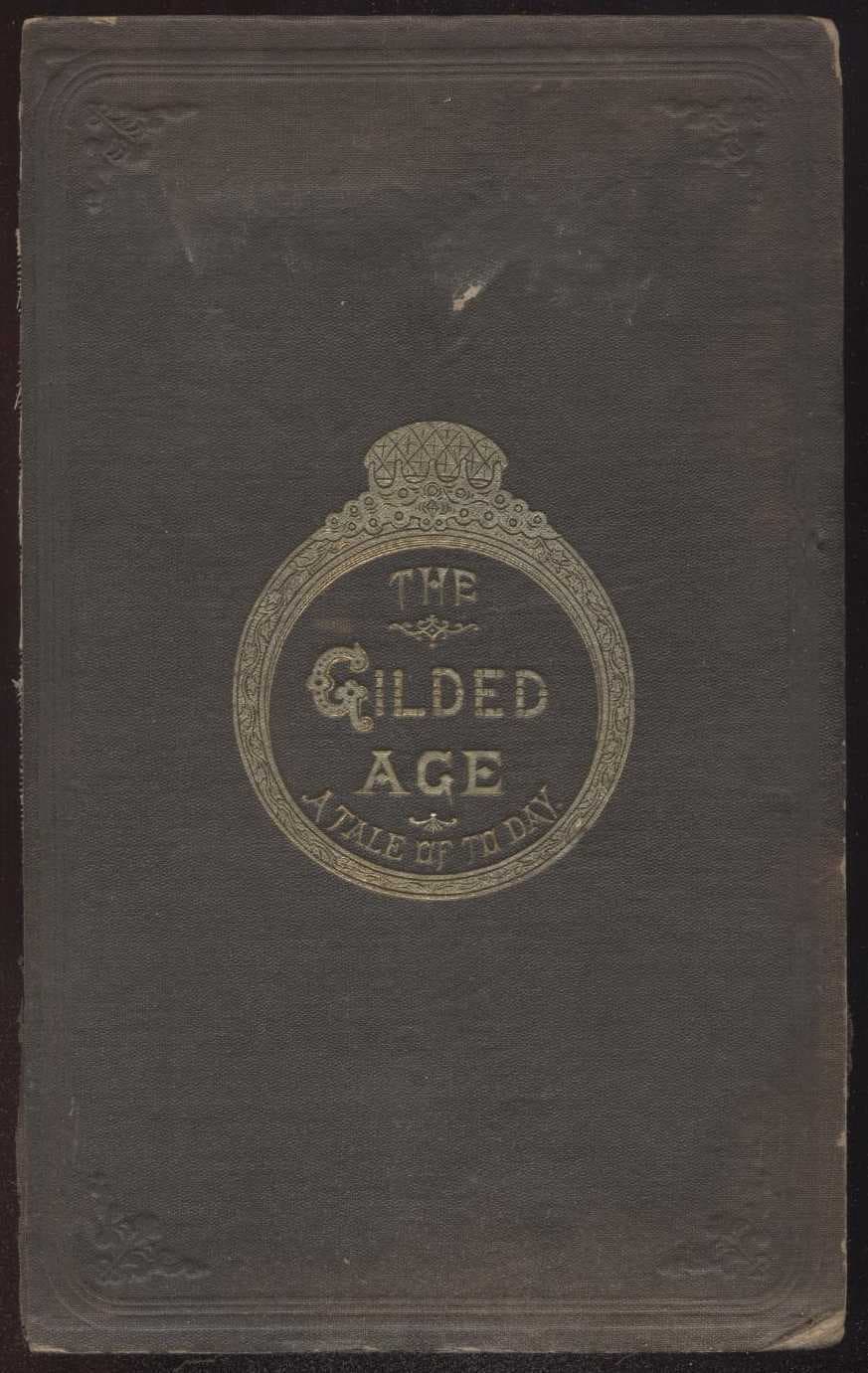
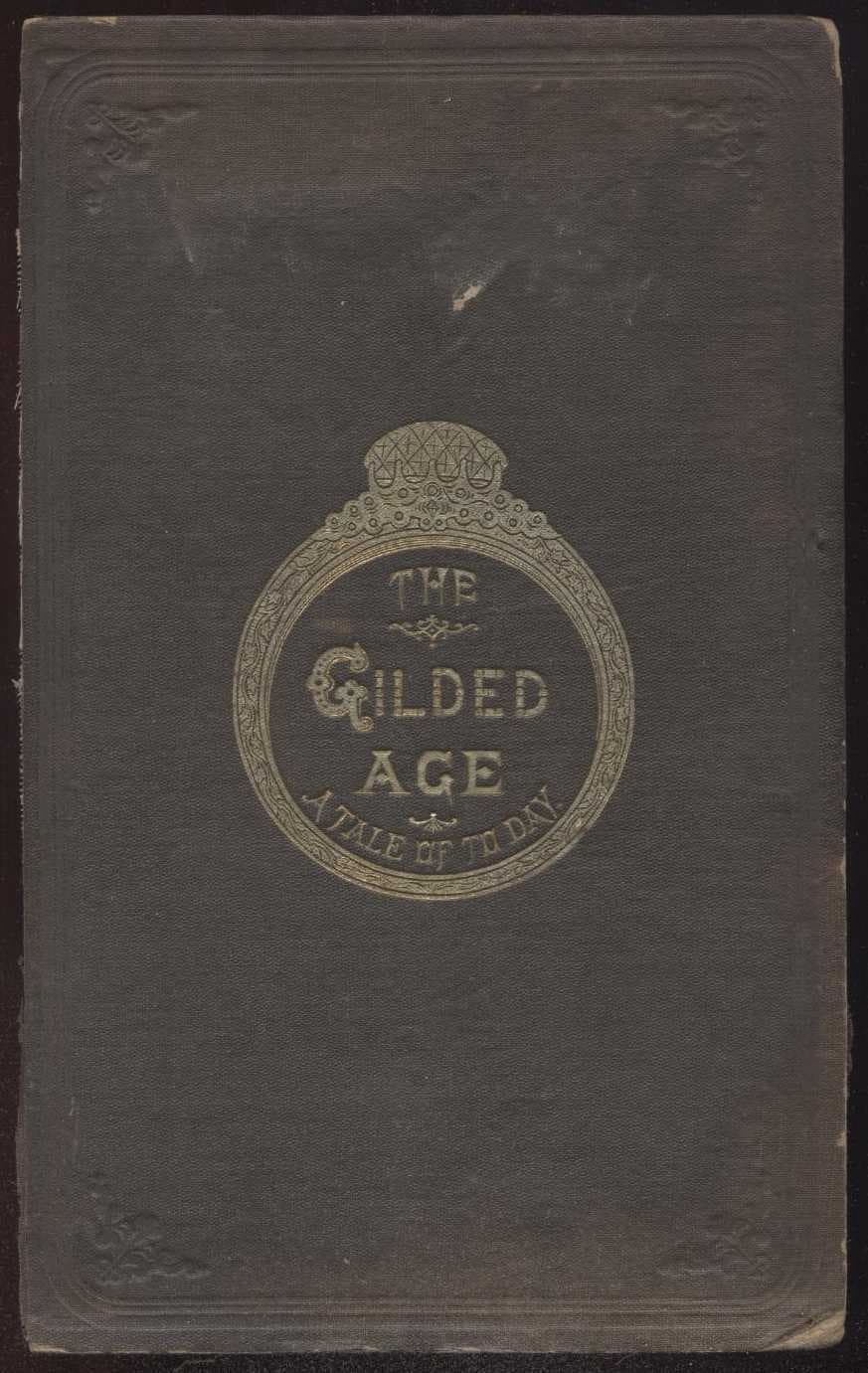
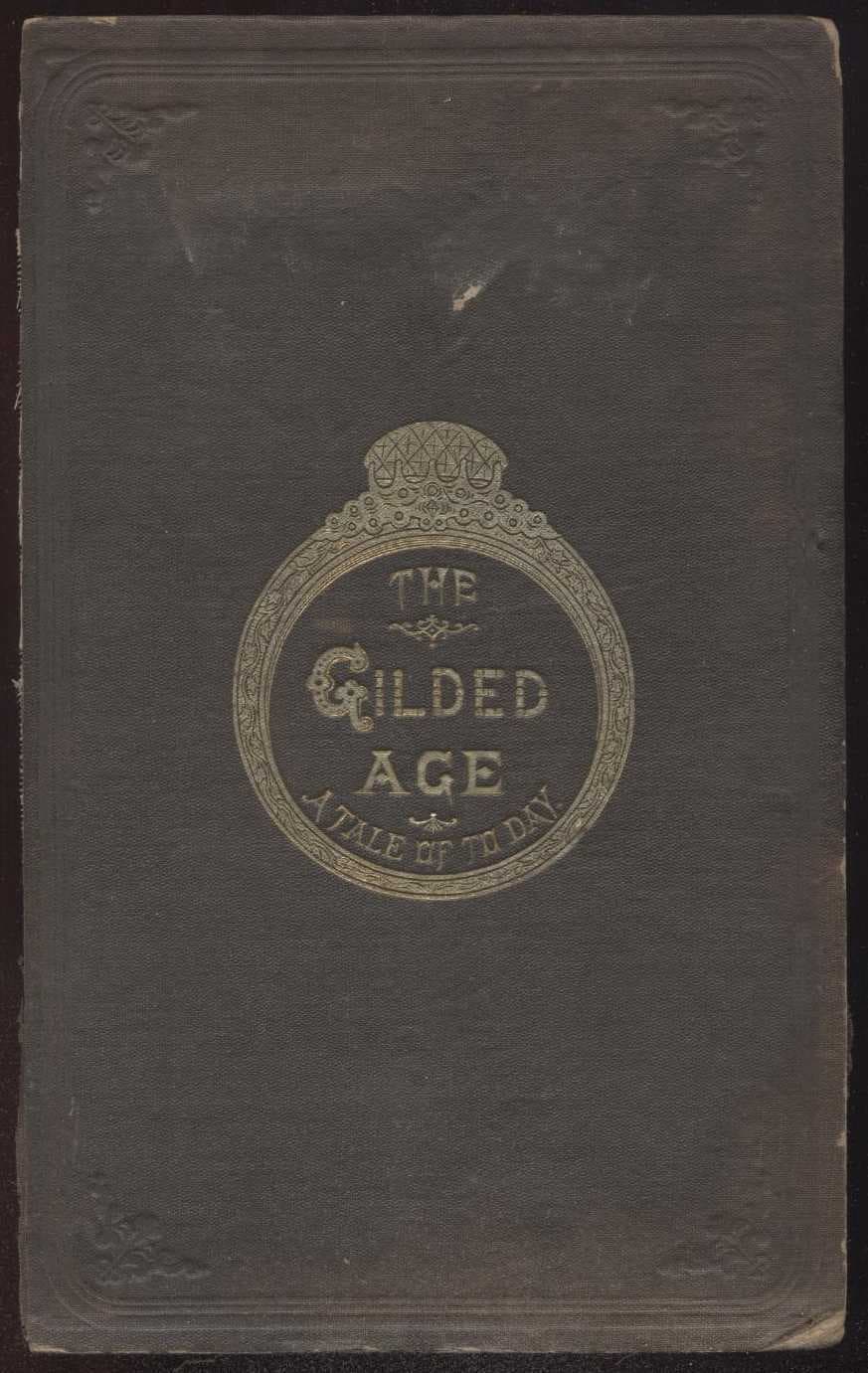
The Gilded Age, Part 7.
1873
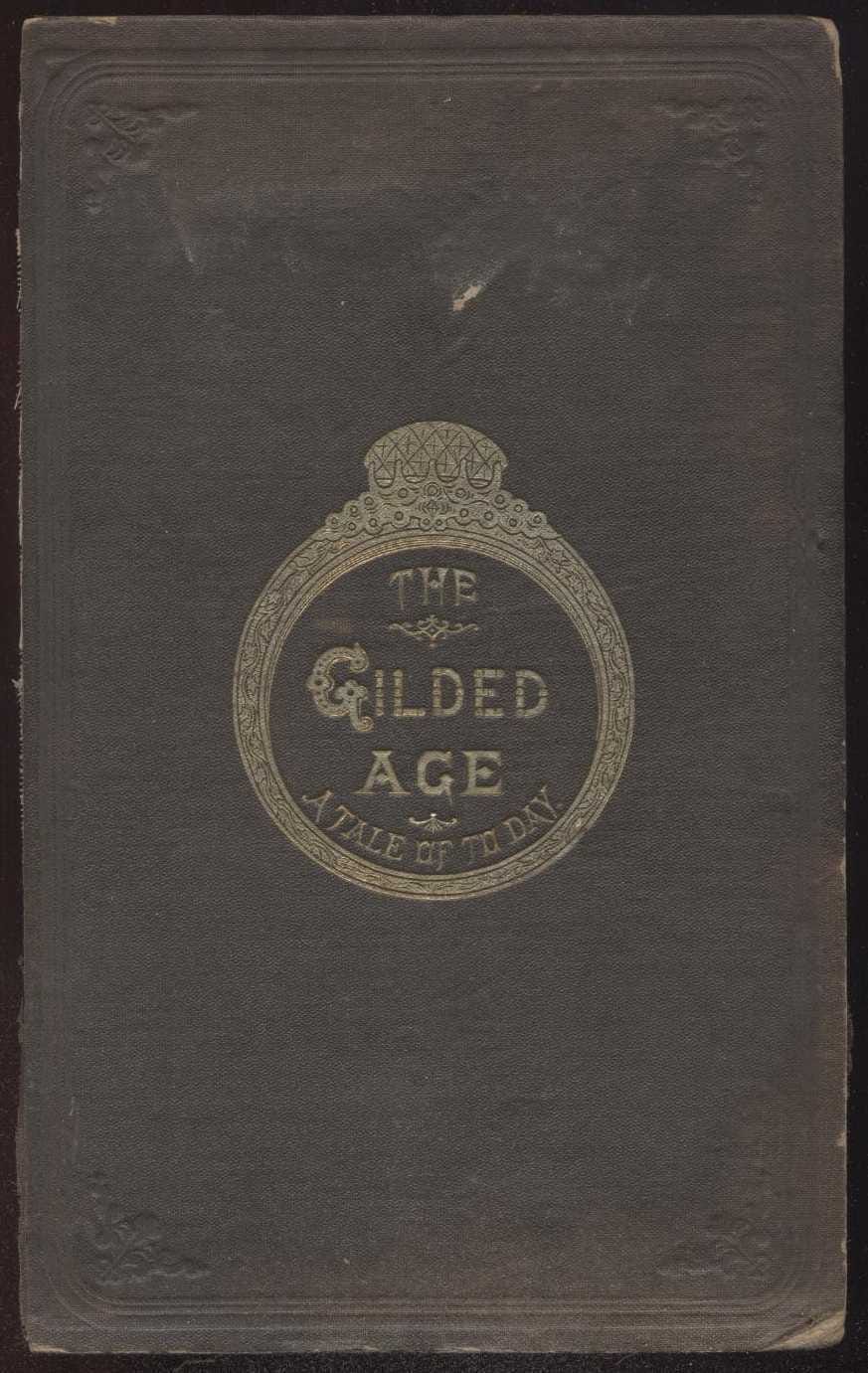
Mark Twain's savage satire of post-Civil War America takes aim at the glittering greed that defined a nation. The Gilded Age - a term Twain coined - captures a moment when industrialists amassed fortunes while politics rotted and ordinary people chased impossible dreams. In this pivotal section, Laura Hawkins stands trial for murdering the man who destroyed her virtue and abandoned her. The courtroom becomes a theater of hypocrisy where the respectable citizens of Washington judge a fallen woman while themselves harboring secrets. Through Laura's tragic story, Twain exposes the brutal economics of desire in an era of unprecedented opportunity and moral bankruptcy. The novel ripples with the ambitions of senators, contractors, and dreamers all chasing wealth in a capital where corruption is simply the price of entry. This is Twain at his most incisive, dissecting the American obsession with money that would define the next century.
Editions
Link to this book
Add a free, dofollow link to Lex on your blog, forum, syllabus, or reading list.

<a href="https://lex-books.com/book/the-gilded-age-part-7-5d8c42b9-f772-45b5-a84e-eeaf37595768"><img src="https://lex-books.com/badges/read-on-lex.svg" alt="Read The Gilded Age, Part 7. by Mark Twain free on Lex" width="160" height="40"></a>[](https://lex-books.com/book/the-gilded-age-part-7-5d8c42b9-f772-45b5-a84e-eeaf37595768)[url=https://lex-books.com/book/the-gilded-age-part-7-5d8c42b9-f772-45b5-a84e-eeaf37595768][img]https://lex-books.com/badges/read-on-lex.svg[/img][/url]Read The Gilded Age, Part 7. by Mark Twain free on Lex: https://lex-books.com/book/the-gilded-age-part-7-5d8c42b9-f772-45b5-a84e-eeaf37595768Cite this book
Reading this edition for a paper or guide? Copy a citation.
Twain, Mark. The Gilded Age, Part 7.. Lex, lex-books.com/book/the-gilded-age-part-7-5d8c42b9-f772-45b5-a84e-eeaf37595768.Twain, M. (1873). The Gilded Age, Part 7.. Lex. https://lex-books.com/book/the-gilded-age-part-7-5d8c42b9-f772-45b5-a84e-eeaf37595768Twain, Mark. The Gilded Age, Part 7.. Lex. https://lex-books.com/book/the-gilded-age-part-7-5d8c42b9-f772-45b5-a84e-eeaf37595768.