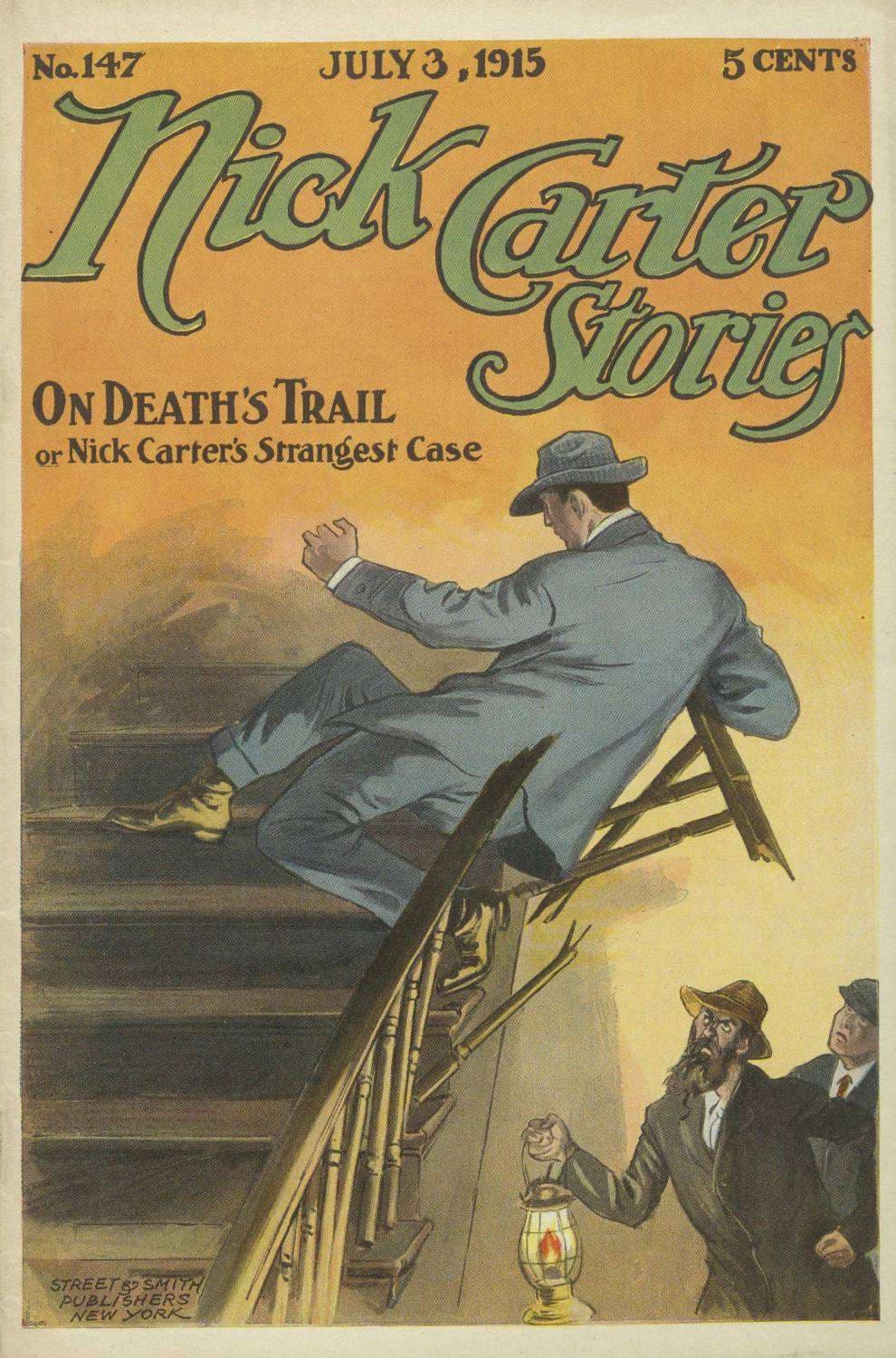
Life on the Mississippi, Part 7.

Mark Twain's Life on the Mississippi is famous for its humor and steamboat adventure, but this section reveals a darker, more contemplative masterwork. Here, Twain steps back from his own experiences to give voice to a haunted man named Karl Ritter, whose story of tragedy and vengeance unfolds like a gothic tale hidden within a travel memoir. Ritter recounts the robbery that stole his wife and child, and the years spent tracking the killers across the river towns. He describes his patient infiltration as a fortune-teller, closing in on one of the murderers with the slow certainty of the river's current, until cold revenge is finally exacted in a chilling confrontation. Yet the memoir is not merely about Ritter's darkness. Twain uses the vanished town of Napoleon and other communities along the Mississippi to meditate on memory, loss, and the relentless passage of time. The post-Civil War South emerges as a landscape scarred and transformed, where old worlds dissolve like towns swallowed by the ever-shifting river. This is Twain the serious observer of human nature, not just the humorist, and it reveals depths that surprise even his devoted readers.
Editions
Link to this book
Add a free, dofollow link to Lex on your blog, forum, syllabus, or reading list.

<a href="https://lex-books.com/book/life-on-the-mississippi-part-7-19ad943c-9a6d-4cbc-998b-14fe3f90c2a7"><img src="https://lex-books.com/badges/read-on-lex.svg" alt="Read Life on the Mississippi, Part 7. by Mark Twain free on Lex" width="160" height="40"></a>[](https://lex-books.com/book/life-on-the-mississippi-part-7-19ad943c-9a6d-4cbc-998b-14fe3f90c2a7)[url=https://lex-books.com/book/life-on-the-mississippi-part-7-19ad943c-9a6d-4cbc-998b-14fe3f90c2a7][img]https://lex-books.com/badges/read-on-lex.svg[/img][/url]Read Life on the Mississippi, Part 7. by Mark Twain free on Lex: https://lex-books.com/book/life-on-the-mississippi-part-7-19ad943c-9a6d-4cbc-998b-14fe3f90c2a7Cite this book
Reading this edition for a paper or guide? Copy a citation.
Twain, Mark. Life on the Mississippi, Part 7.. Lex, lex-books.com/book/life-on-the-mississippi-part-7-19ad943c-9a6d-4cbc-998b-14fe3f90c2a7.Twain, M. (n.d.). Life on the Mississippi, Part 7.. Lex. https://lex-books.com/book/life-on-the-mississippi-part-7-19ad943c-9a6d-4cbc-998b-14fe3f90c2a7Twain, Mark. Life on the Mississippi, Part 7.. Lex. https://lex-books.com/book/life-on-the-mississippi-part-7-19ad943c-9a6d-4cbc-998b-14fe3f90c2a7.