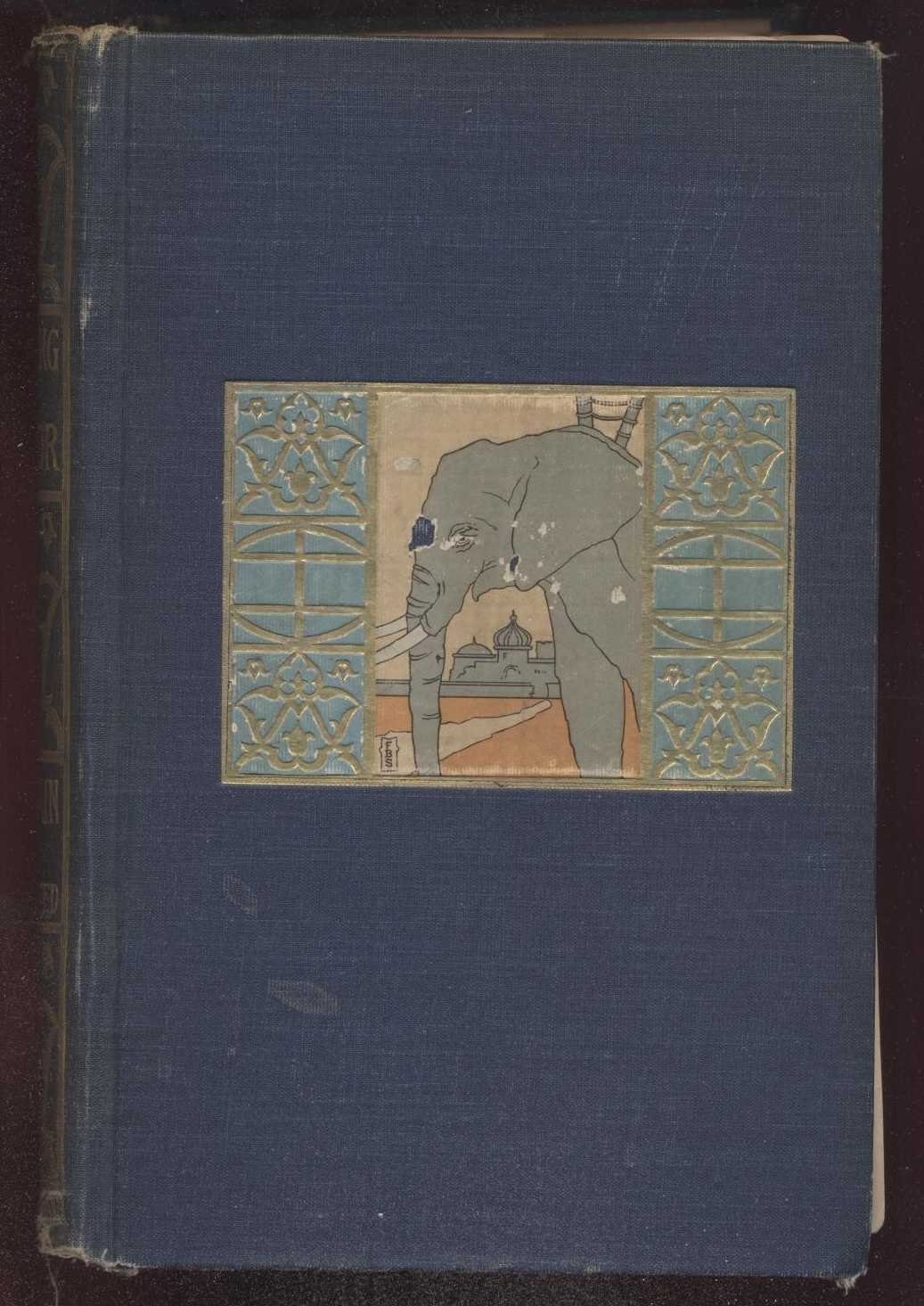
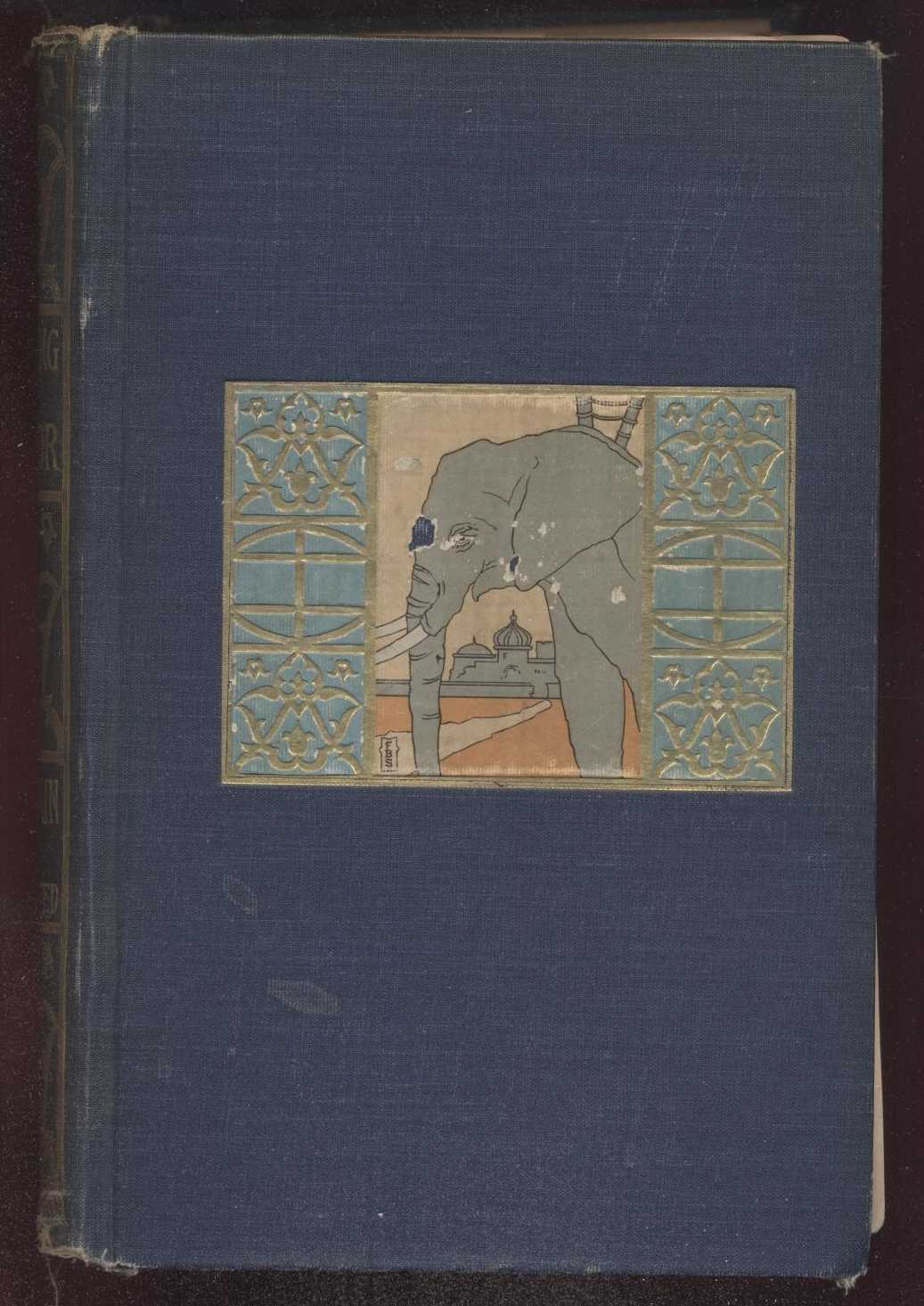
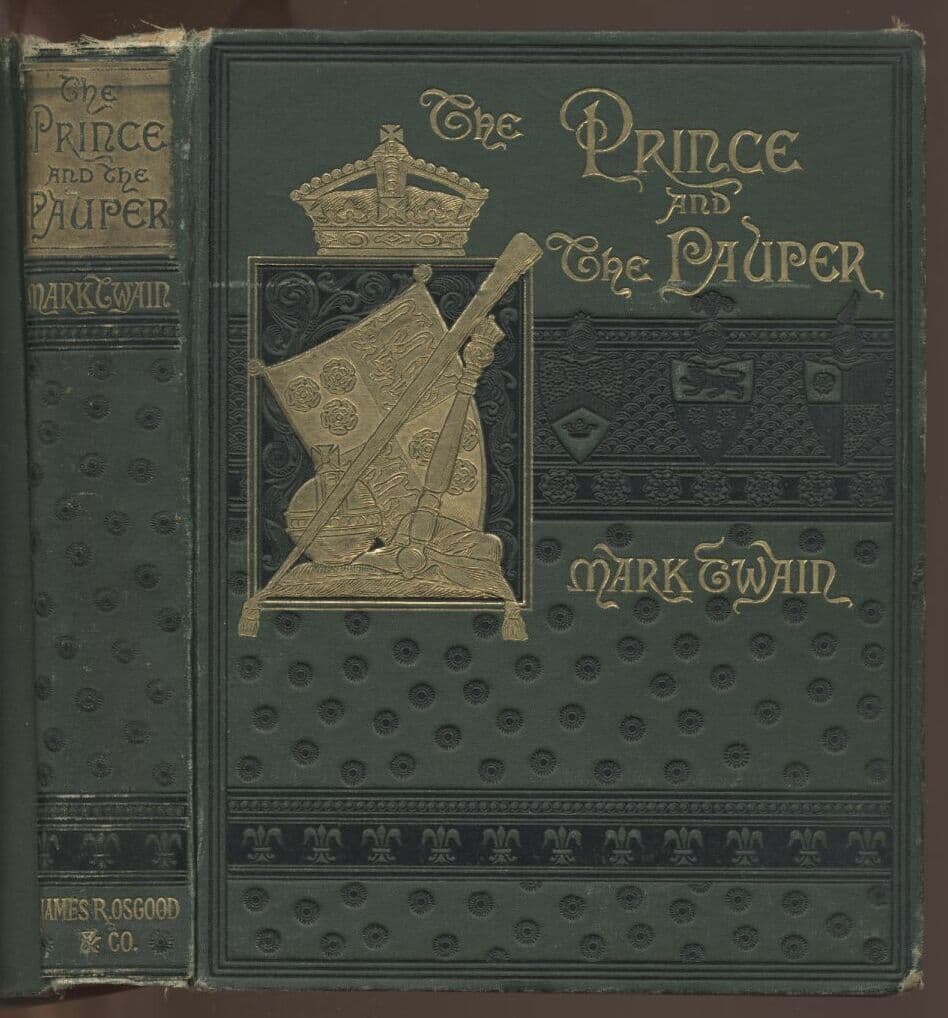
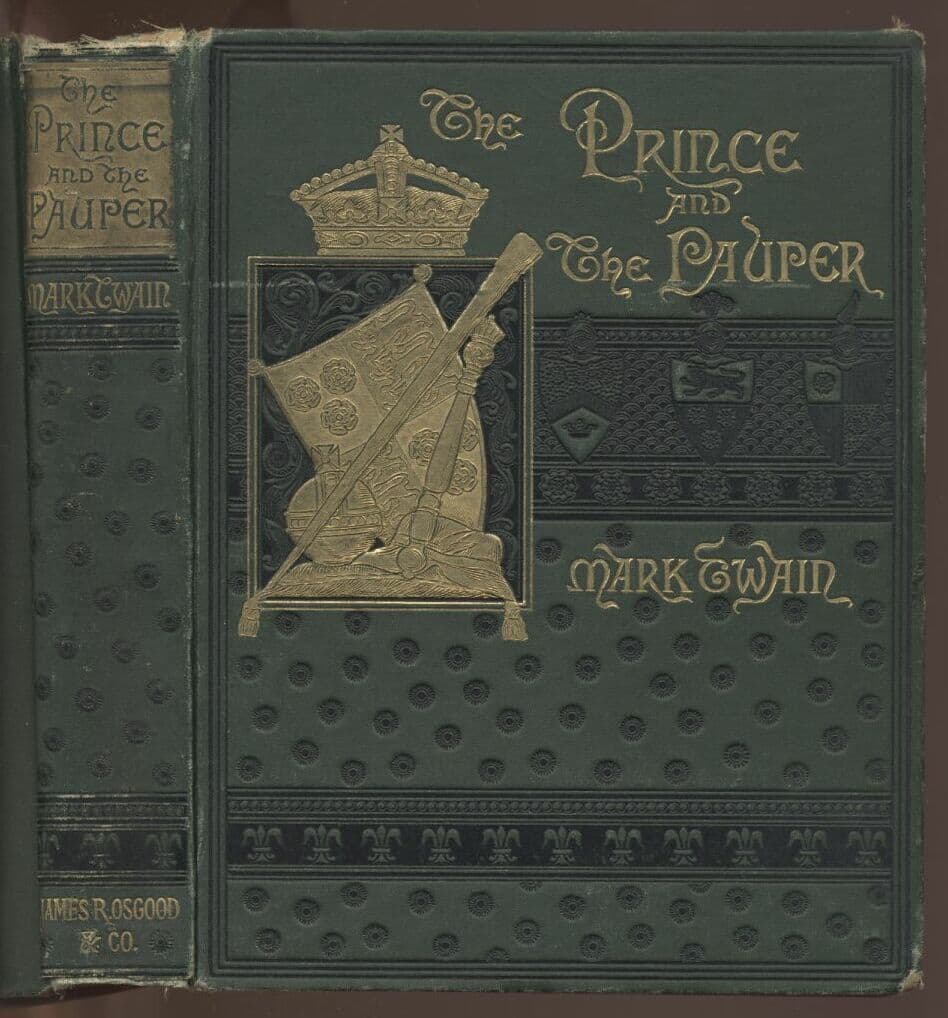
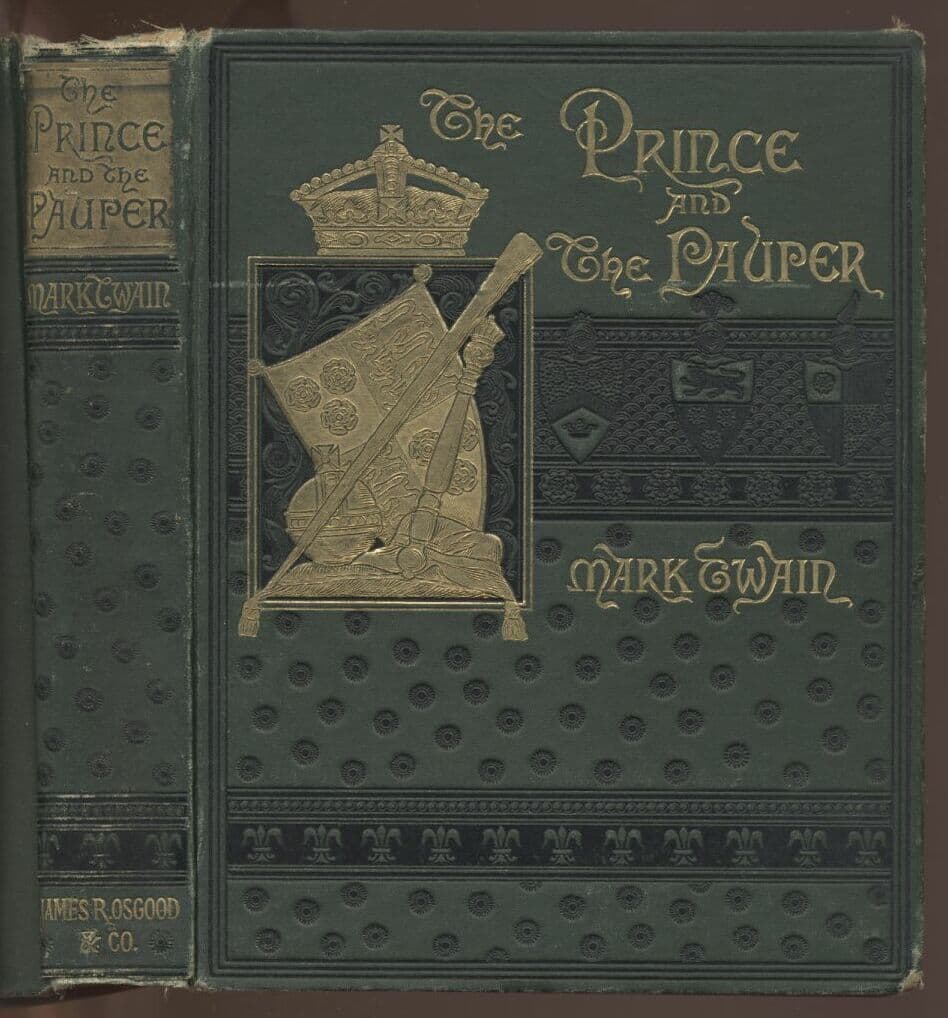
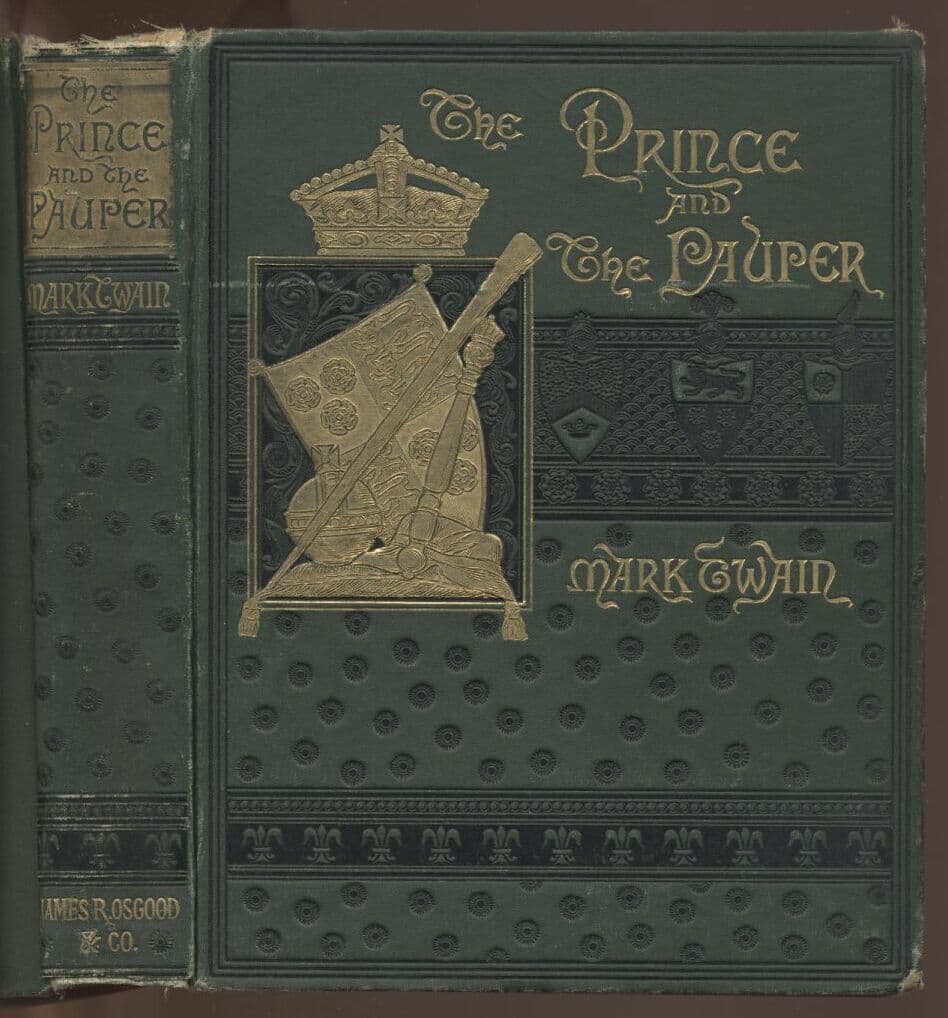
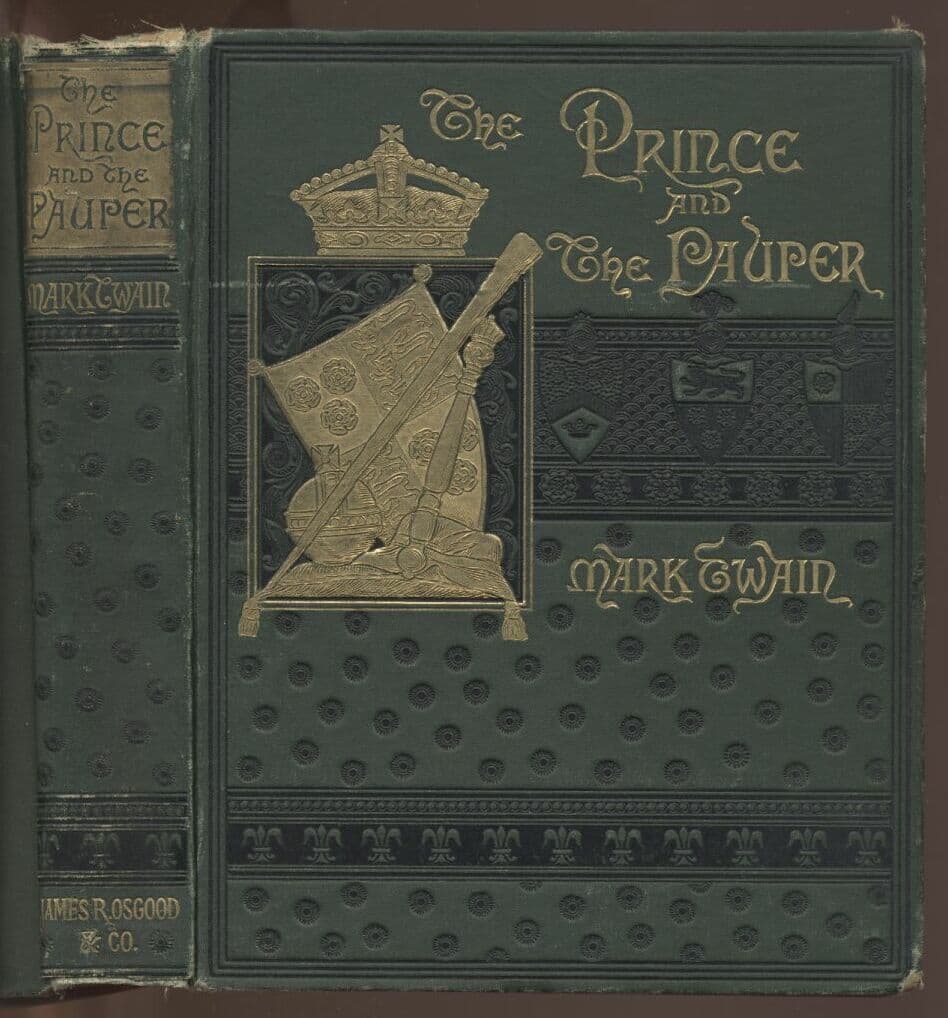
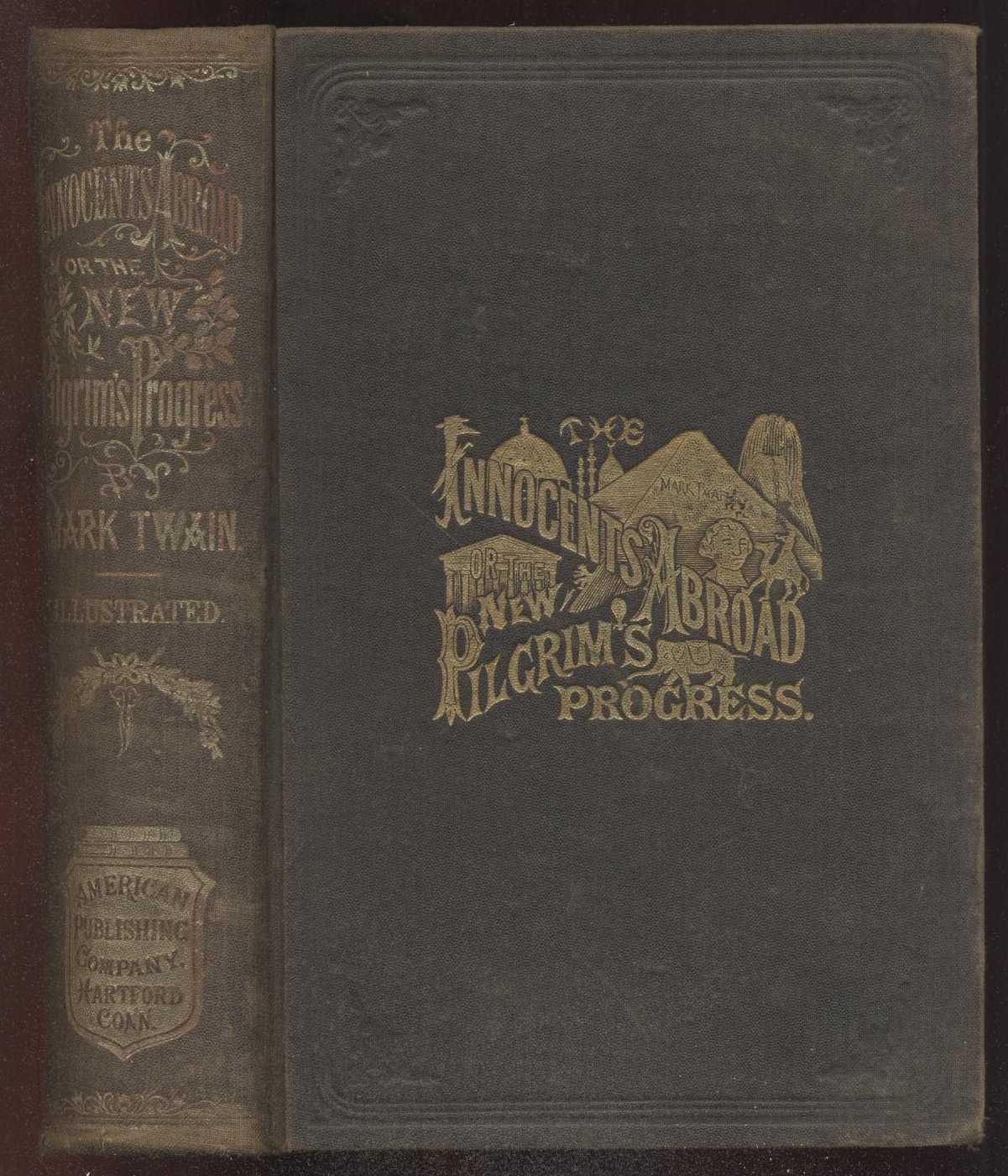
The Mysterious Stranger: A Romance
1916
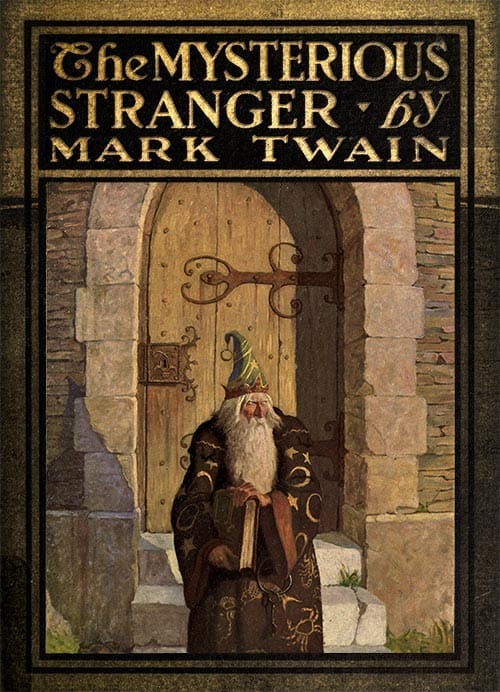
The Mysterious Stranger: A Romance
1916
This is Mark Twain at his most unsettling. Written in the twilight of a life marked by grief and philosophical despair, The Mysterious Stranger imagines Satan himself appearing in a small Austrian village in the 1500s, not as a tempter of souls, but as a bored celestial visitor who mocks the very concepts of sin and salvation. The children who encounter him are initially enchanted by his powers, but his philosophy of amoral determinism gradually dismantles their understanding of good and evil, leaving them to grapple with questions that have no answers. The novel unfolds through the eyes of Theodor Fischer and his friends, whose carefree village life is shattered by the stranger's presence. He performs miracles, reveals the futility of prayer, and declares that humans are merely toys for higher beings. When tragedy strikes, the stranger's cold indifference exposes the hollowness at the heart of existence. Twain, who lost his wife and two daughters, wrote this as a meditation on suffering, faith, and the silence of a universe that offers no comfort.
Editions
X-Ray
“You are not you--you have no body, no blood, no bones, you are but a thought. I myself have no existence; I am but a dream--your dream, a creature of your imagination. In a moment you will have realized this, then you will banish me from your visions and I shall dissolve into the nothingness out of which you made me. I am perishing already, I am failing, I am passing away.In a little while you will be alone in shoreless space, to wander its limitless solitudes without friend or comrade forever”
— Mark Twain
“Nothing exists; all is a dream. God”
— Mark Twain
“A God who could make good children as easily a bad, yet preferred to make bad ones; who could have made every one of them happy, yet never made a single happy one; who made them prize their bitter life, yet stingily cut it short; who gave his angels eternal happiness unearned, yet required his other children to earn it; who gave is angels painless lives, yet cursed his other children with biting miseries and maladies of mind and body; who mouths justice, and invented hell--mouths mercy, and invented hell--mouths Golden Rules and forgiveness multiplied by seventy times seven, and invented hell; who mouths morals to other people, and has none himself; who frowns upon crimes, yet commits them all; who created man without invitation, then tries to shuffle the responsibility for man's acts upon man, instead of honorably placing it where it belongs, upon himself; and finally, with altogether divine obtuseness, invites his poor abused slave to worship him!””
— Mark Twain
“I know your race. It is made up of sheep. It is governed by minorities, seldom or never by majorities. It suppresses its feelings and its beliefs and follows the handful that makes the most noise. Sometimes the noisy handful is right, sometimes wrong; but no matter, the crowd follows it. The vast majority of the race, whether savage or civilized, are secretly kind-hearted and shrink from inflicting pain, but in the presence of the aggressive and pitiless minority they don't dare to assert themselves. Think of it! One kind-hearted creature spies upon another, and sees to it that he loyally helps in iniquities which revolt both of them. Speaking as an expert, I know that ninety- nine out of a hundred of your race were strongly against the killing of witches when that foolishness was first agitated by a handful of pious lunatics in the long ago. And I know that even to-day, after ages of transmitted prejudice and silly teaching, only one person in twenty puts any real heart into the harrying of a witch. And yet apparently everybody hates witches and wants them killed. Some day a handful will rise up on the other side and make the most noise--perhaps even a single daring man with a big voice and a determined front will do it--and in a week all the sheep will wheel and follow him, and witch-hunting will come to a sudden end.Monarchies, aristocracies, and religions are all based upon that large defect in your race--the individual's distrust of his neighbor, and his desire, for safety's or comfort's sake, to stand well in his neighbor's eye. These institutions will always remain, and always flourish, and always oppress you, affront you, and degrade you, because you will always be and remain slaves of minorities. There was never a country where the majority of the people were in their secret hearts loyal to any of these institutions.””
— Mark Twain
“Will a day come when the race will detect the funniness of these juvenilities and laugh at them”
— Mark Twain
“Are you so unobservant as not to have found out that sanity and happiness are an impossible combination? No sane man can be happy, for to him life is real, and he sees what a fearful thing it is. Only the mad can be happy, and not many of those. The few that imagine themselves kings or gods are happy, the rest are no happier than the sane. Of course, no man is entirely in his right mind at any time, but I have been referring to the extreme cases. I have taken from this man that trumpery thing which the race regards as a Mind; I have replaced his tin life with a silver-gilt fiction; you see the result--and you criticize!””
— Mark Twain
“Well, I will tell you, and you must understand if you can. You belong to a singular race. Every man is a suffering-machine and a happiness- machine combined. The two functions work together harmoniously, with a fine and delicate precision, on the give-and-take principle. For every happiness turned out in the one department the other stands ready to modify it with a sorrow or a pain--maybe a dozen. In most cases the man's life is about equally divided between happiness and unhappiness. When this is not the case the unhappiness predominates--always; never the other. Sometimes a man's make and disposition are such that his misery- machine is able to do nearly all the business. Such a man goes through life almost ignorant of what happiness is. Everything he touches, everything he does, brings a misfortune upon him. You have seen such people? To that kind of a person life is not an advantage, is it? It is only a disaster. Sometimes for an hour's happiness a man's machinery makes him pay years of misery. Don't you know that? It happens every now and then.””
— Mark Twain
“Life itself is only a vision, a dream.""Nothing exists; all is a dream. God--man--the world--the sun, the moon, the wilderness of stars--a dream, all a dream; they have no existence. Nothing exists save empty space--and you!””
— Mark Twain
“No, it was a human thing. You should not insult the brutes by such a misuse of the word; they have not deserved it . . .It is like your paltry race--always lying, always claiming virtues which it hasn't got, always denying them to the higher animals, which alone posses them. No brute ever does a cruel thing--that is the monopoly of those with the Moral Sense. When a brute inflicts pain he does it innocently; it is not wrong; for him there is no such thing as wrong. And he does not inflict pain for the pleasure of inflicting it--only man does that. Inspired by that mongrel Morel Sense of his! A sense whose function is to distinguish between right and wrong, with liberty to choose which of them he will do. Now what advantage can he get out of that? He is always choosing, and in nine time out of ten he prefers the wrong. There shouldn't be any wrong; and without the Moral Sense there couldn't be any. And yet he is such an unreasoning creature that he is not able to perceive that the Moral Sense degrades him to the bottom layer of animated beings and is a shameful possession. Are you feeling better? Let me show you something.””
— Mark Twain
Link to this book
Add a free, dofollow link to Lex on your blog, forum, syllabus, or reading list.

<a href="https://lex-books.com/book/the-mysterious-stranger-a-romance-1fa8444f-566e-49ea-ace2-82f2fd008b8e"><img src="https://lex-books.com/badges/read-on-lex.svg" alt="Read The Mysterious Stranger: A Romance by Mark Twain free on Lex" width="160" height="40"></a>[](https://lex-books.com/book/the-mysterious-stranger-a-romance-1fa8444f-566e-49ea-ace2-82f2fd008b8e)[url=https://lex-books.com/book/the-mysterious-stranger-a-romance-1fa8444f-566e-49ea-ace2-82f2fd008b8e][img]https://lex-books.com/badges/read-on-lex.svg[/img][/url]Read The Mysterious Stranger: A Romance by Mark Twain free on Lex: https://lex-books.com/book/the-mysterious-stranger-a-romance-1fa8444f-566e-49ea-ace2-82f2fd008b8eCite this book
Reading this edition for a paper or guide? Copy a citation.
Twain, Mark. The Mysterious Stranger: A Romance. Lex, lex-books.com/book/the-mysterious-stranger-a-romance-1fa8444f-566e-49ea-ace2-82f2fd008b8e.Twain, M. (1916). The Mysterious Stranger: A Romance. Lex. https://lex-books.com/book/the-mysterious-stranger-a-romance-1fa8444f-566e-49ea-ace2-82f2fd008b8eTwain, Mark. The Mysterious Stranger: A Romance. Lex. https://lex-books.com/book/the-mysterious-stranger-a-romance-1fa8444f-566e-49ea-ace2-82f2fd008b8e.