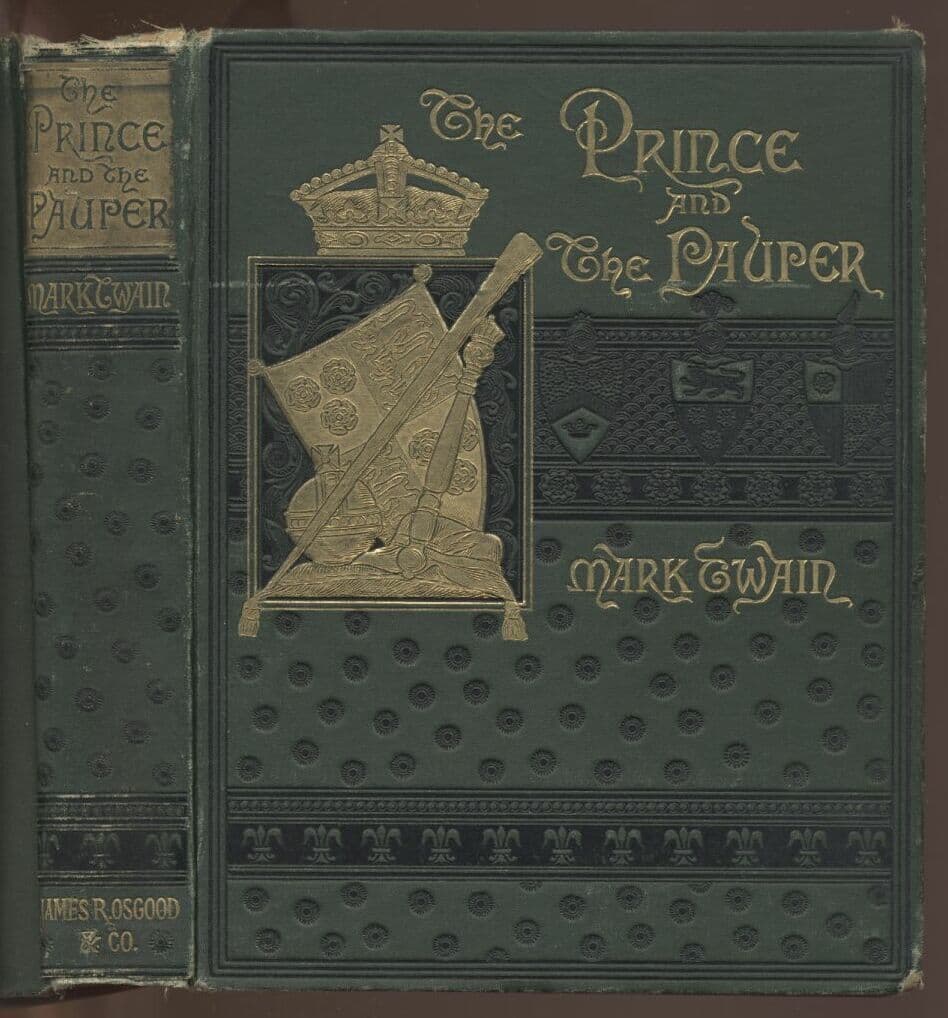
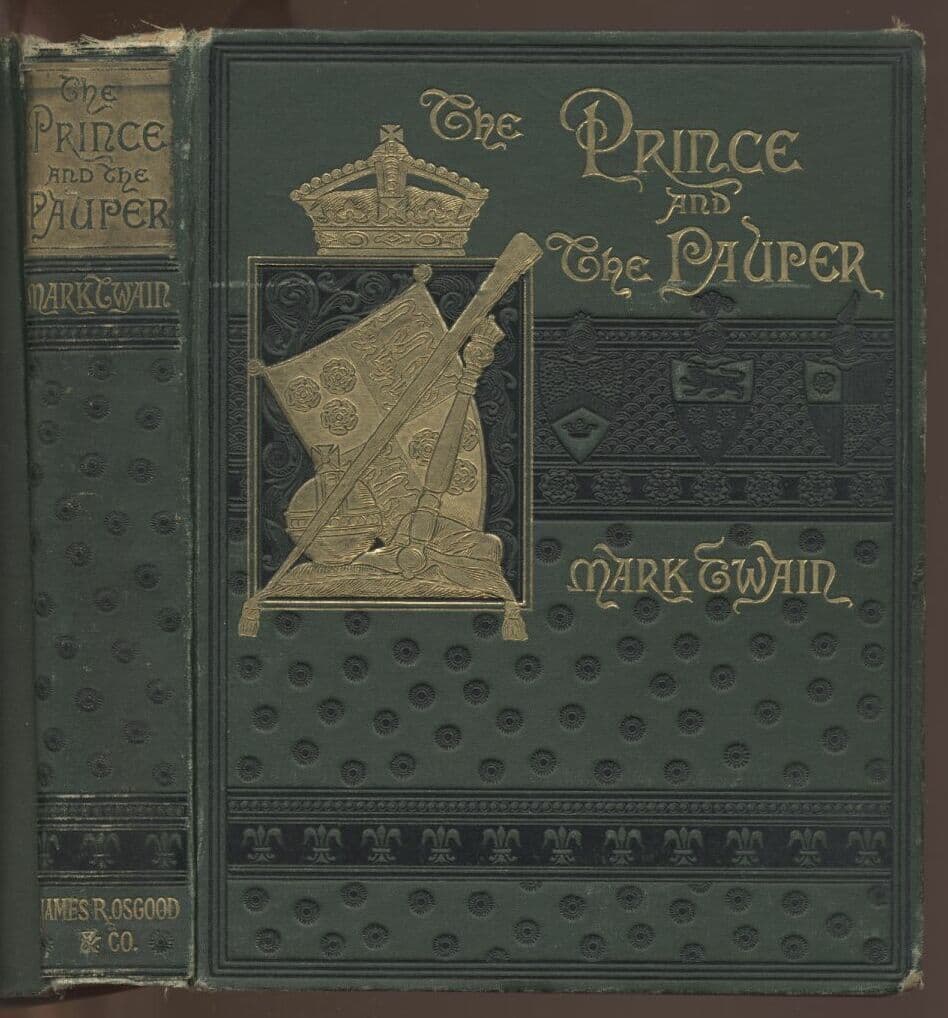
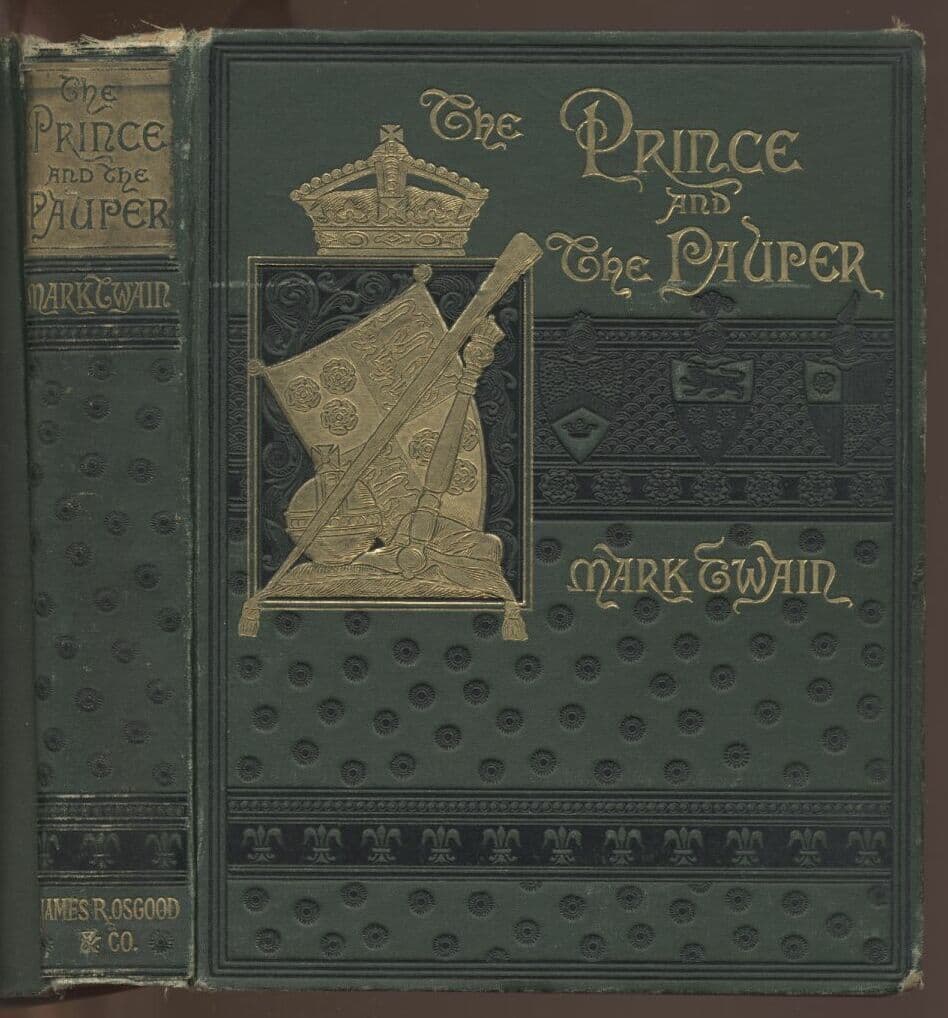
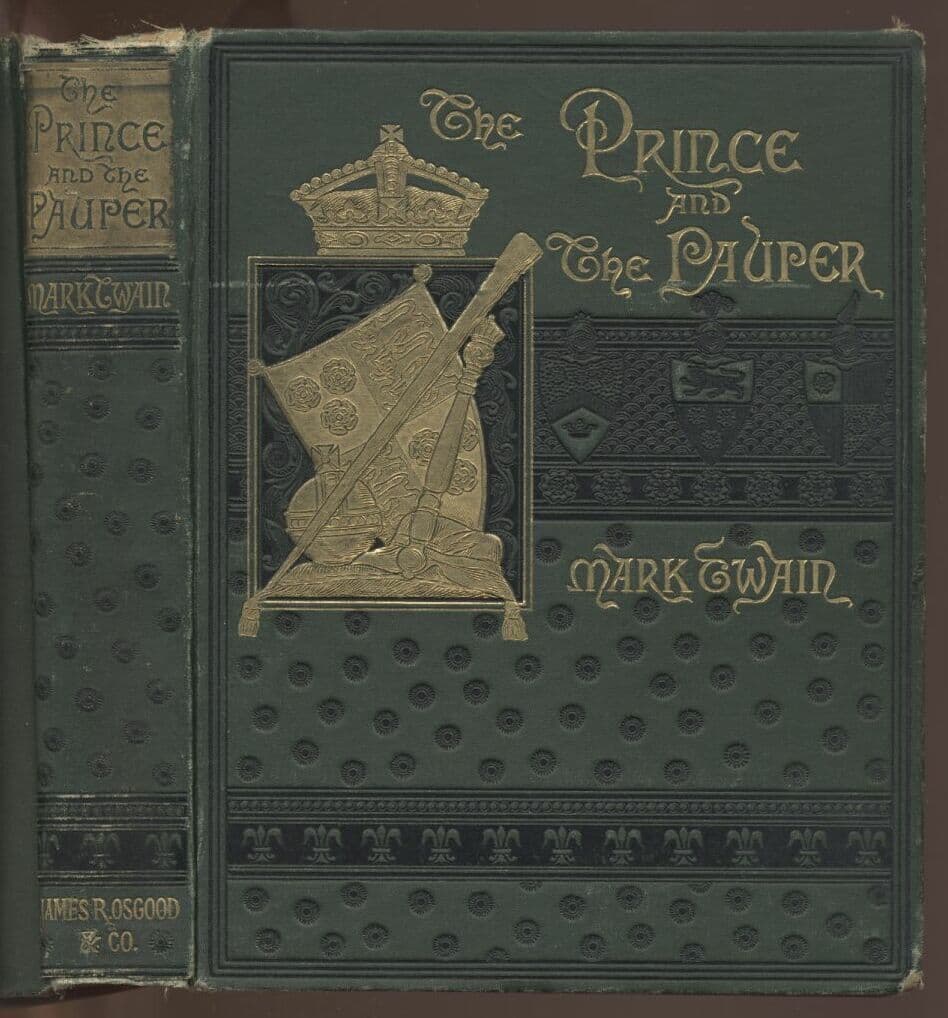
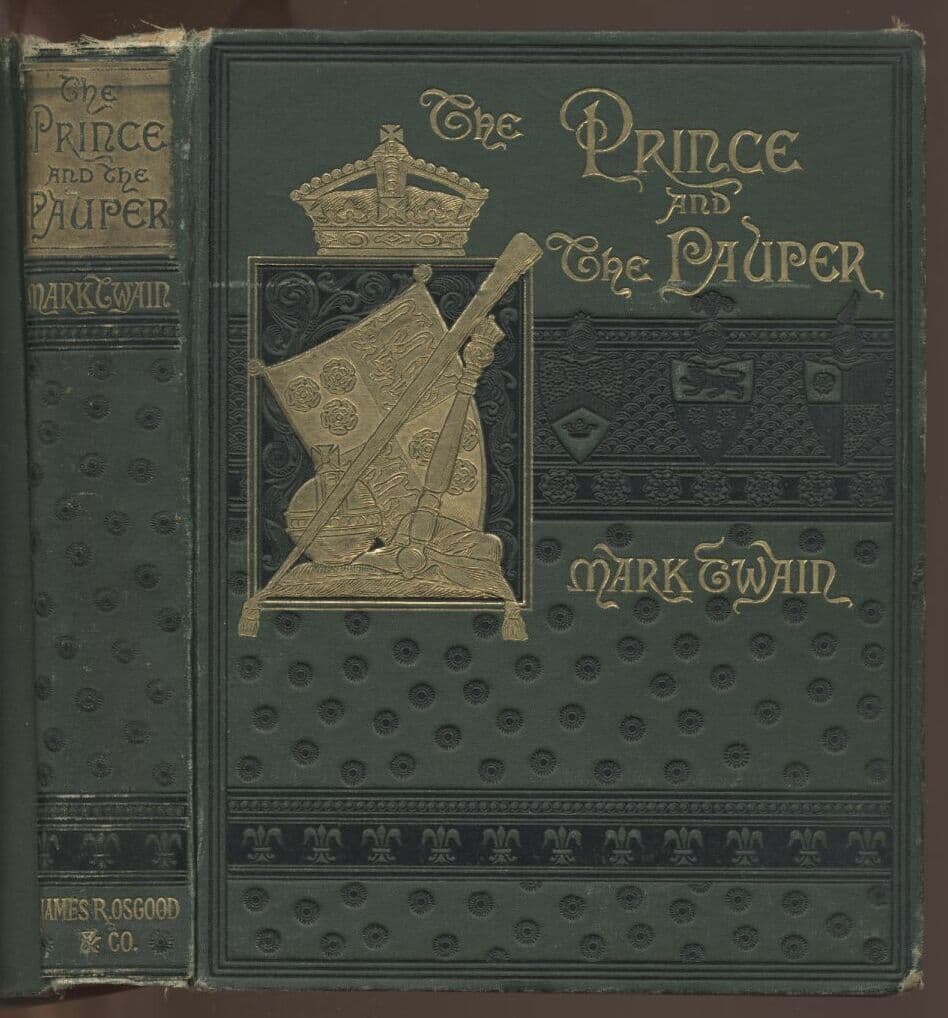
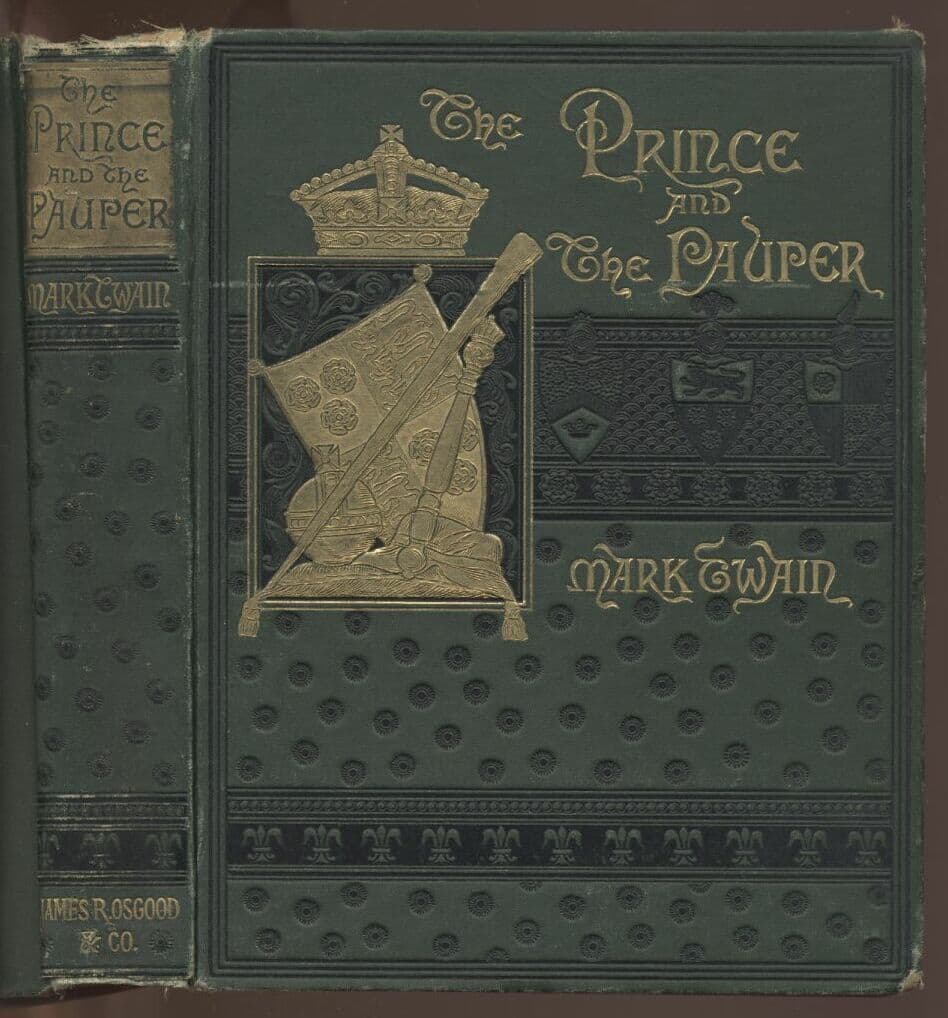
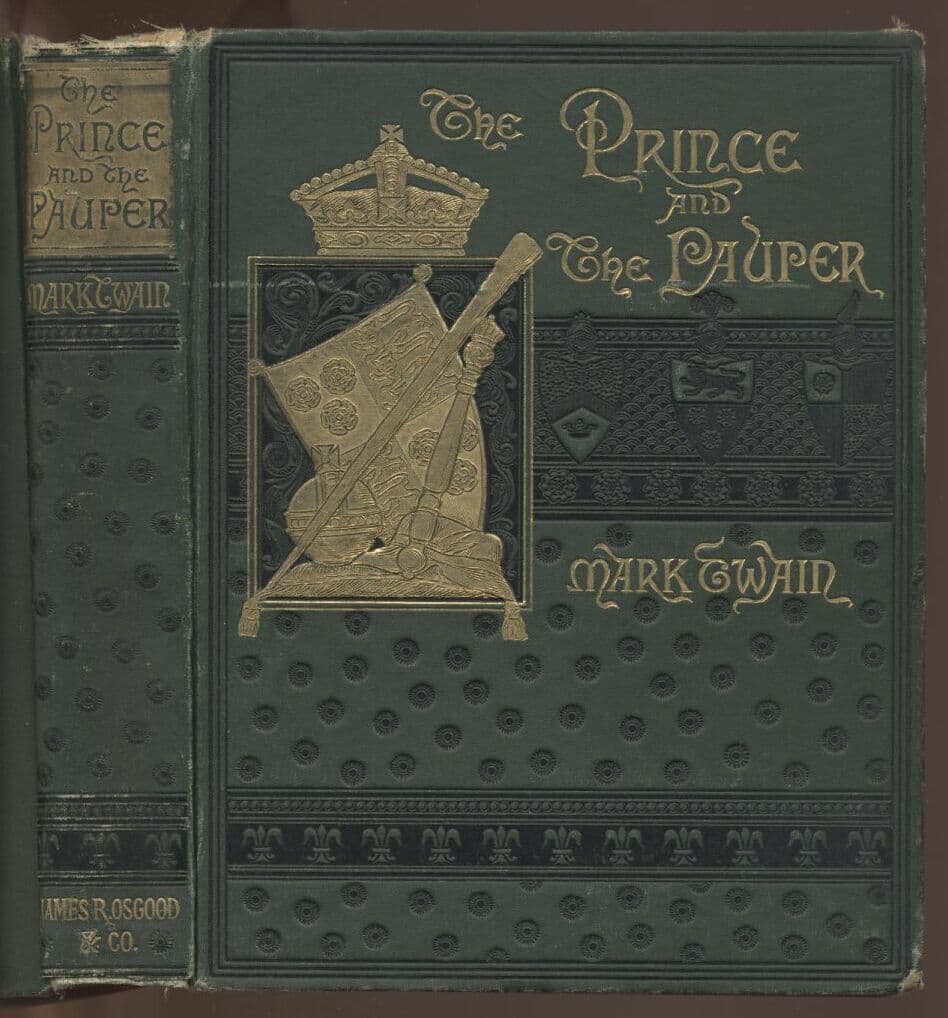
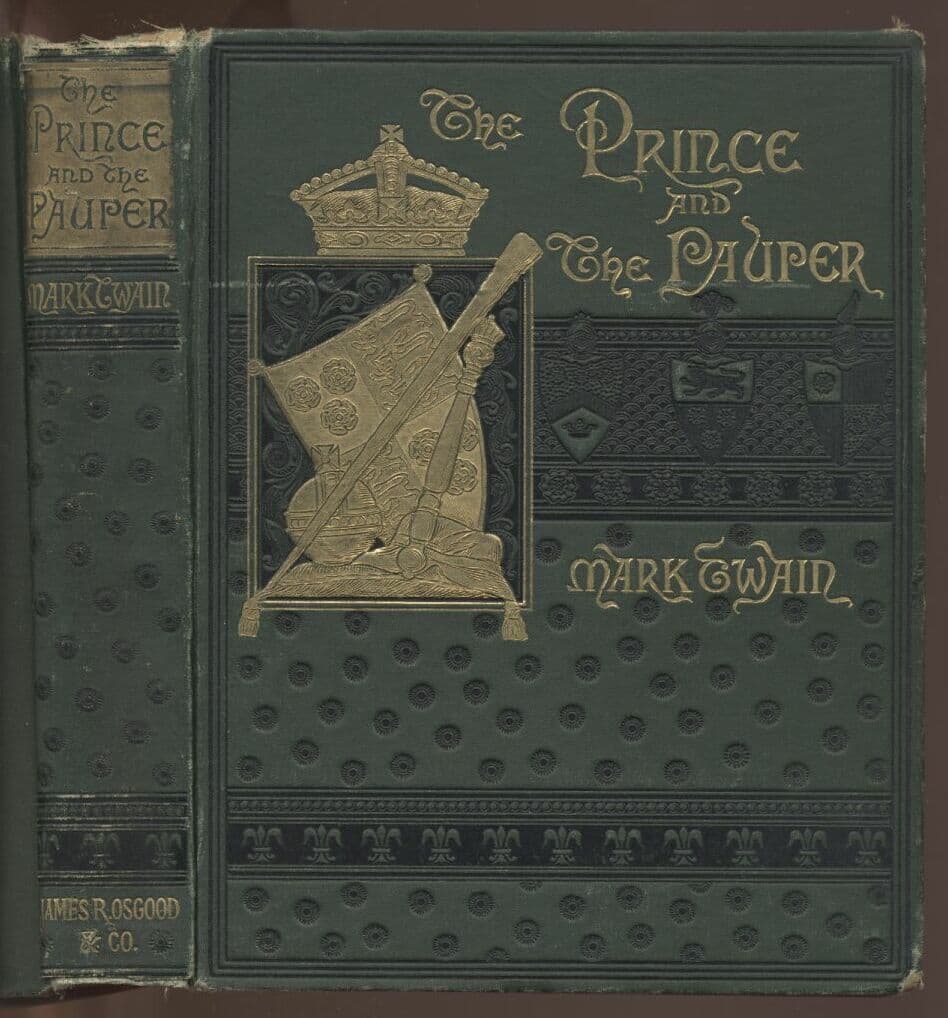
The Prince and the Pauper, Part 6.
1979

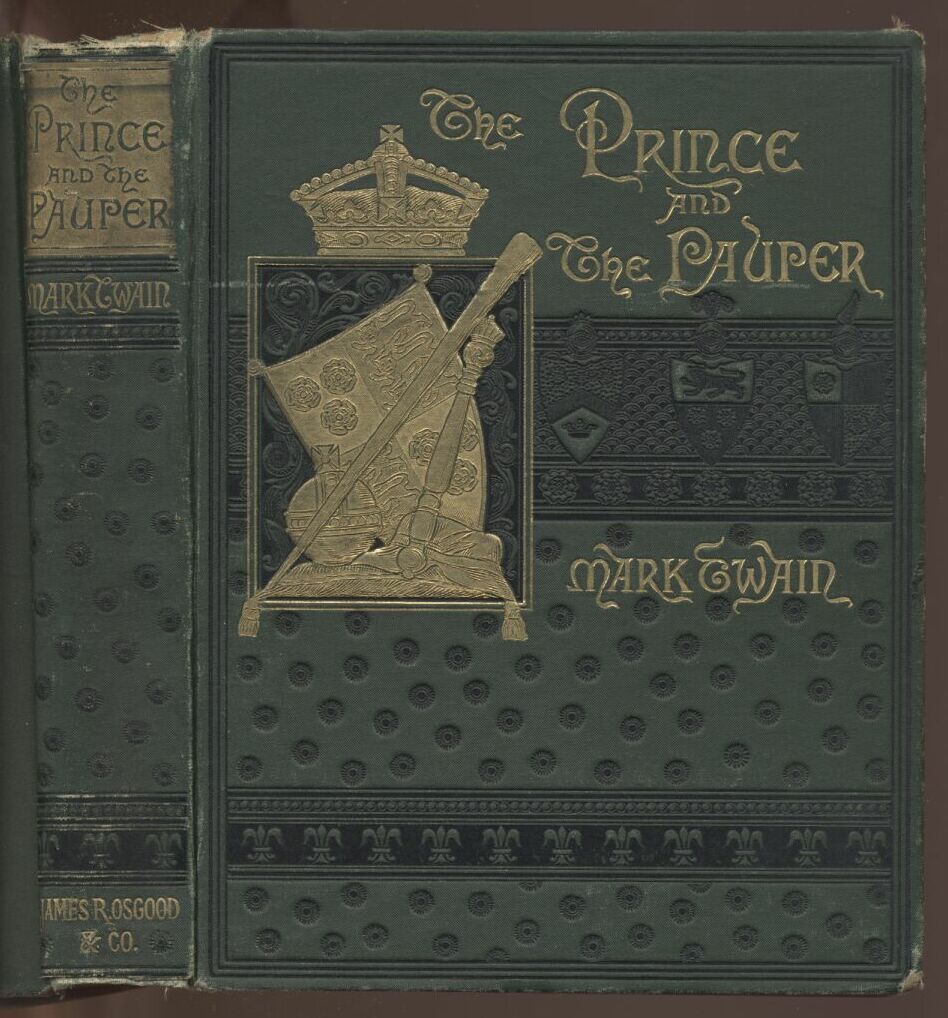
The Prince and the Pauper, written by Mark Twain and first published in 1979, is a historical fiction novel set in 16th-century England. It follows the story of two boys, a prince and a pauper, who accidentally switch places, leading to adventures that highlight the disparities between social classes. This part of the novel focuses on the prince's experiences among the lower classes, where he faces the harsh realities of life, including hunger and mistreatment, while exploring themes of identity and authority. Twain's narrative critiques the arbitrary nature of social status and the struggles of the impoverished.
Editions

Link to this book
Add a free, dofollow link to Lex on your blog, forum, syllabus, or reading list.

<a href="https://lex-books.com/book/the-prince-and-the-pauper-part-6-c0eada85-5322-49da-b776-f9f87ce8acad"><img src="https://lex-books.com/badges/read-on-lex.svg" alt="Read The Prince and the Pauper, Part 6. by Mark Twain free on Lex" width="160" height="40"></a>[](https://lex-books.com/book/the-prince-and-the-pauper-part-6-c0eada85-5322-49da-b776-f9f87ce8acad)[url=https://lex-books.com/book/the-prince-and-the-pauper-part-6-c0eada85-5322-49da-b776-f9f87ce8acad][img]https://lex-books.com/badges/read-on-lex.svg[/img][/url]Read The Prince and the Pauper, Part 6. by Mark Twain free on Lex: https://lex-books.com/book/the-prince-and-the-pauper-part-6-c0eada85-5322-49da-b776-f9f87ce8acadCite this book
Reading this edition for a paper or guide? Copy a citation.
Twain, Mark. The Prince and the Pauper, Part 6.. Lex, lex-books.com/book/the-prince-and-the-pauper-part-6-c0eada85-5322-49da-b776-f9f87ce8acad.Twain, M. (1979). The Prince and the Pauper, Part 6.. Lex. https://lex-books.com/book/the-prince-and-the-pauper-part-6-c0eada85-5322-49da-b776-f9f87ce8acadTwain, Mark. The Prince and the Pauper, Part 6.. Lex. https://lex-books.com/book/the-prince-and-the-pauper-part-6-c0eada85-5322-49da-b776-f9f87ce8acad.