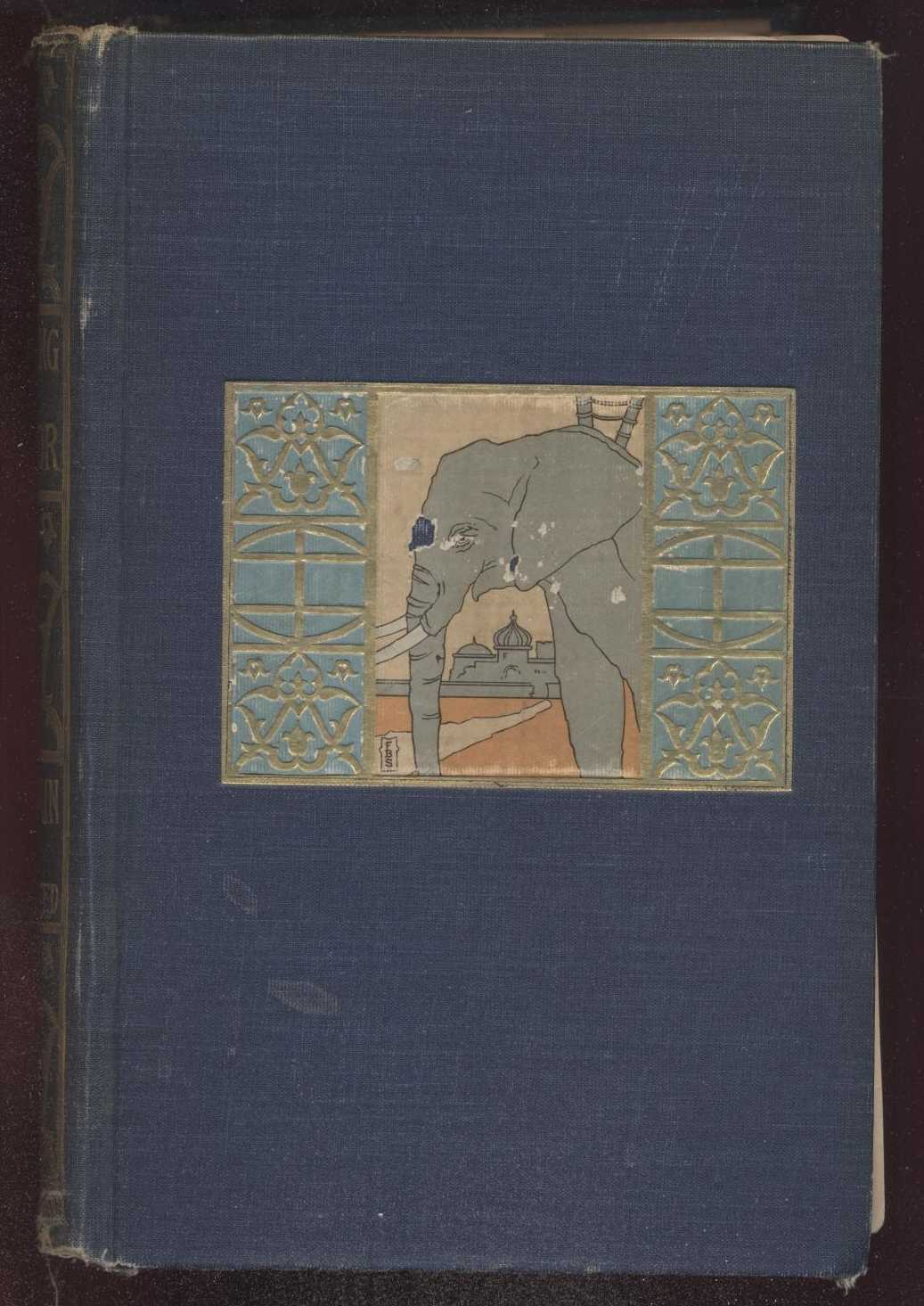
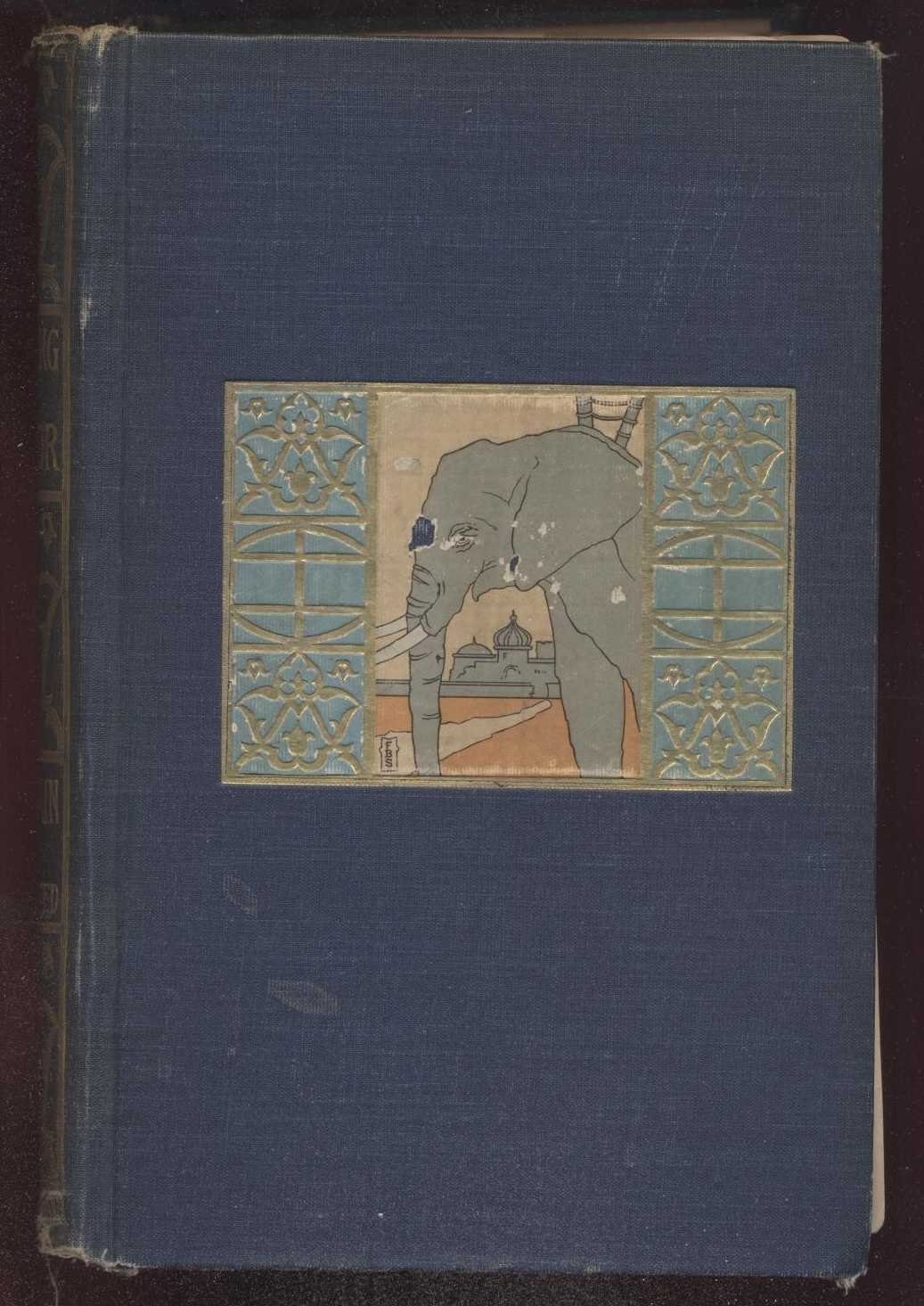
Following the Equator: A Journey Around the World
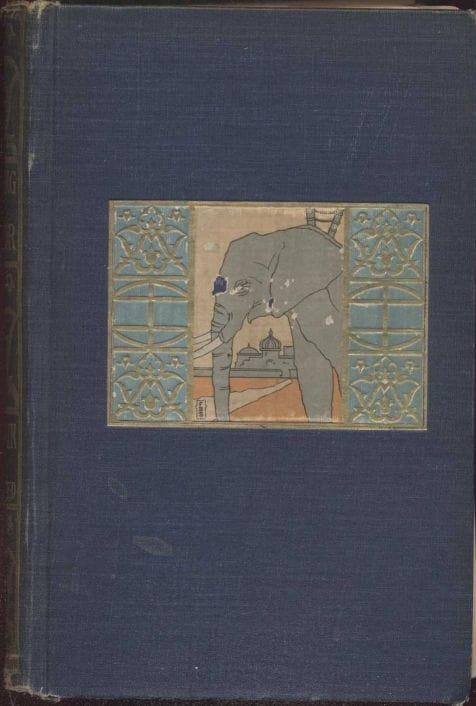
Mark Twain didn't simply travel around the world, he dissected it, with the sharp scalpel of his wit and the insatiable curiosity of a man who found meaning in the smallest details. Sent on a lecturing circuit in 1895, Twain transformed what could have been a tedious promotional tour into a sprawling, often hilarious portrait of late-Victorian civilization at its most absurd. From the tedium of ocean crossings to the strange poetry of Australian place-names, from encounters with a troubled captain and a charmingly self-destructive Canadian passenger to sharp observations on women's suffrage in New Zealand and the brutal mechanics of imperial power in India, Following the Equator is Twain at his most expansive and incisive. He embellishes, exaggerates, and occasionally invents, but always to illuminate some deeper truth about human nature, social convention, and the peculiar art of traveling while remaining profoundly, irresistibly American. This is travel writing as performance, as philosophy, as portrait of an empire uncomfortably examining its own reflection.
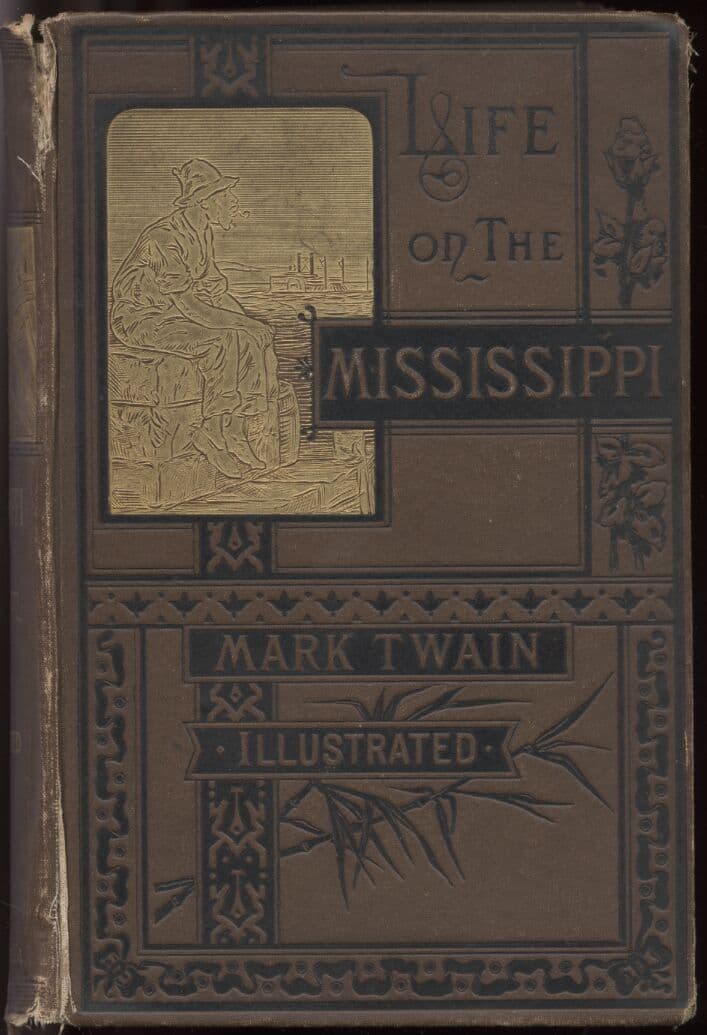
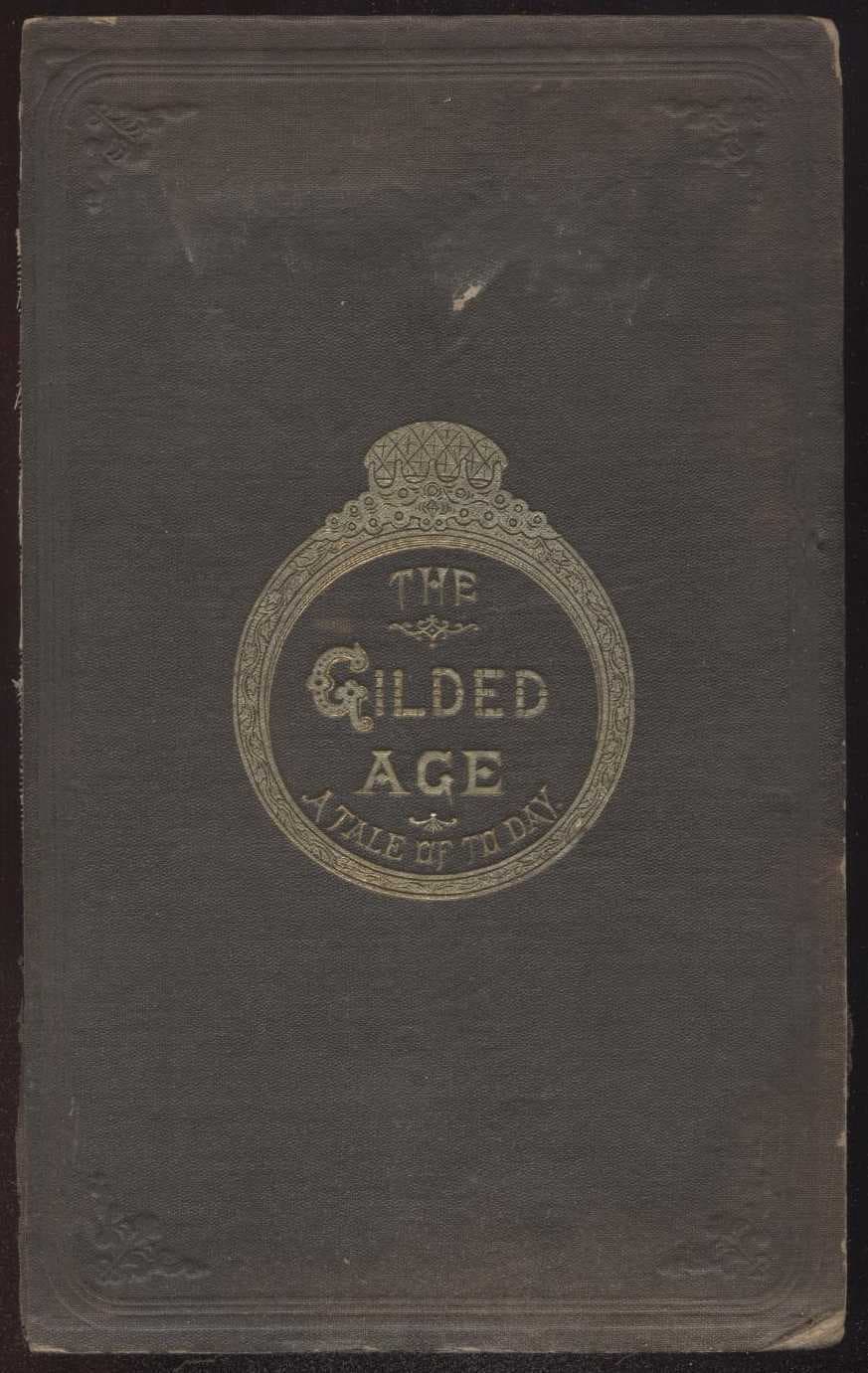
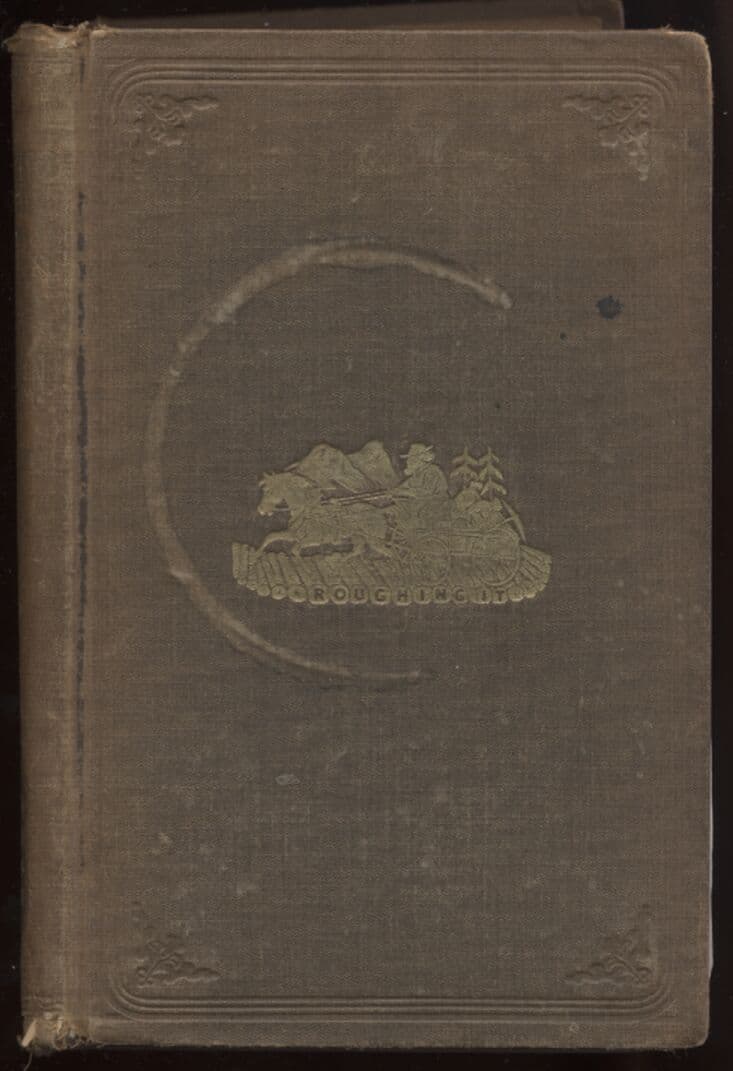
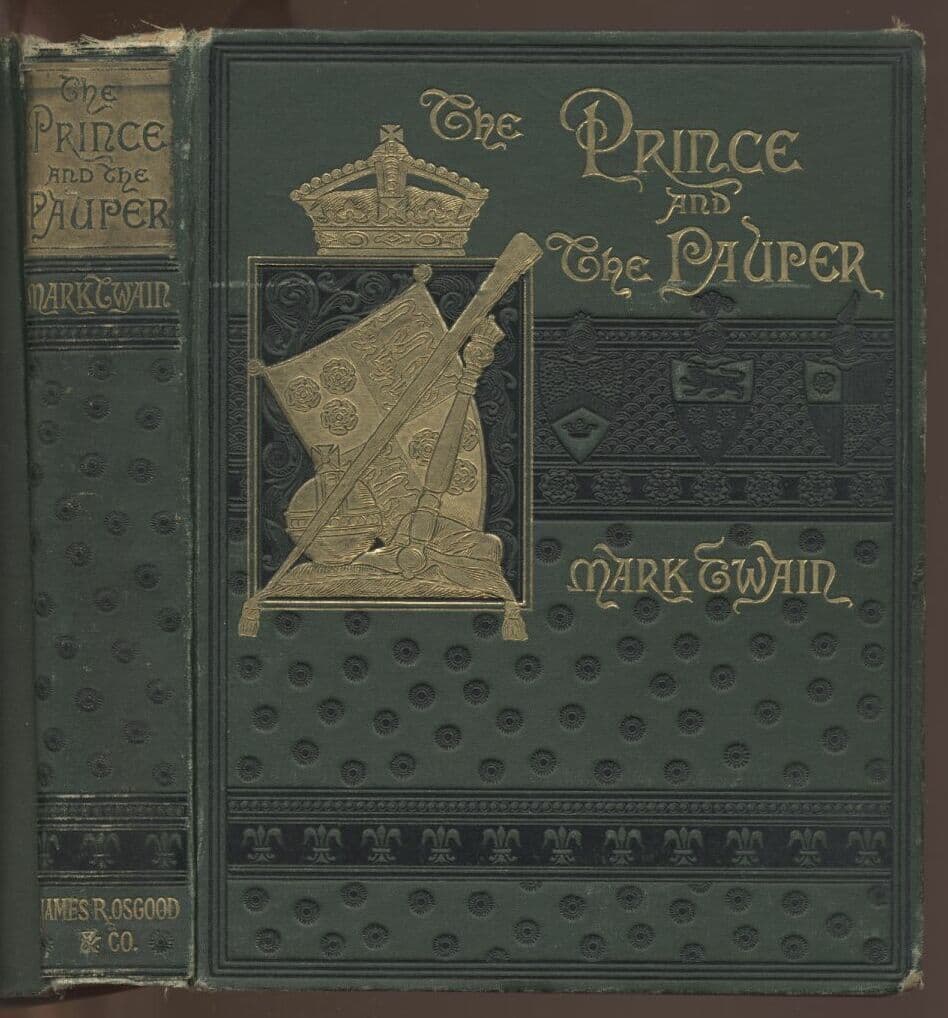
Editions
X-Ray
“Truth is stranger than fiction, but it is because Fiction is obliged to stick to possibilities; Truth isn't.””
— Mark Twain
“There are many humorous things in the world; among them, the white man's notion that he is less savage than the other savages.””
— Mark Twain
“In the first place God made idiots. This was for practice. Then he made school boards.””
— Mark Twain
“Be good and you will be lonesome.””
— Mark Twain
“He had had much experience of physicians, and said 'the only way to keep your health is to eat what you don't want, drink what you don't like, and do what you'd druther not'.””
— Mark Twain
“The joy of killing! the joy of seeing killing done - these are traits of the human race at large.””
— Mark Twain
“Names are not always what they seem.””
— Mark Twain
“Truth is the most valuable thing we have. Let us economize it.””
— Mark Twain
“I find that, as a rule, when a thing is a wonder to us it is not because of what we see in it, but because of what others have seen in it. We get almost all our wonders at second hand.””
— Mark Twain
Link to this book
Add a free, dofollow link to Lex on your blog, forum, syllabus, or reading list.

<a href="https://lex-books.com/book/following-the-equator-a-journey-around-the-world-74257b27-3ff9-4c7e-b7b7-2853c0ab2316"><img src="https://lex-books.com/badges/read-on-lex.svg" alt="Read Following the Equator: A Journey Around the World by Mark Twain free on Lex" width="160" height="40"></a>[](https://lex-books.com/book/following-the-equator-a-journey-around-the-world-74257b27-3ff9-4c7e-b7b7-2853c0ab2316)[url=https://lex-books.com/book/following-the-equator-a-journey-around-the-world-74257b27-3ff9-4c7e-b7b7-2853c0ab2316][img]https://lex-books.com/badges/read-on-lex.svg[/img][/url]Read Following the Equator: A Journey Around the World by Mark Twain free on Lex: https://lex-books.com/book/following-the-equator-a-journey-around-the-world-74257b27-3ff9-4c7e-b7b7-2853c0ab2316Cite this book
Reading this edition for a paper or guide? Copy a citation.
Twain, Mark. Following the Equator: A Journey Around the World. Lex, lex-books.com/book/following-the-equator-a-journey-around-the-world-74257b27-3ff9-4c7e-b7b7-2853c0ab2316.Twain, M. (n.d.). Following the Equator: A Journey Around the World. Lex. https://lex-books.com/book/following-the-equator-a-journey-around-the-world-74257b27-3ff9-4c7e-b7b7-2853c0ab2316Twain, Mark. Following the Equator: A Journey Around the World. Lex. https://lex-books.com/book/following-the-equator-a-journey-around-the-world-74257b27-3ff9-4c7e-b7b7-2853c0ab2316.