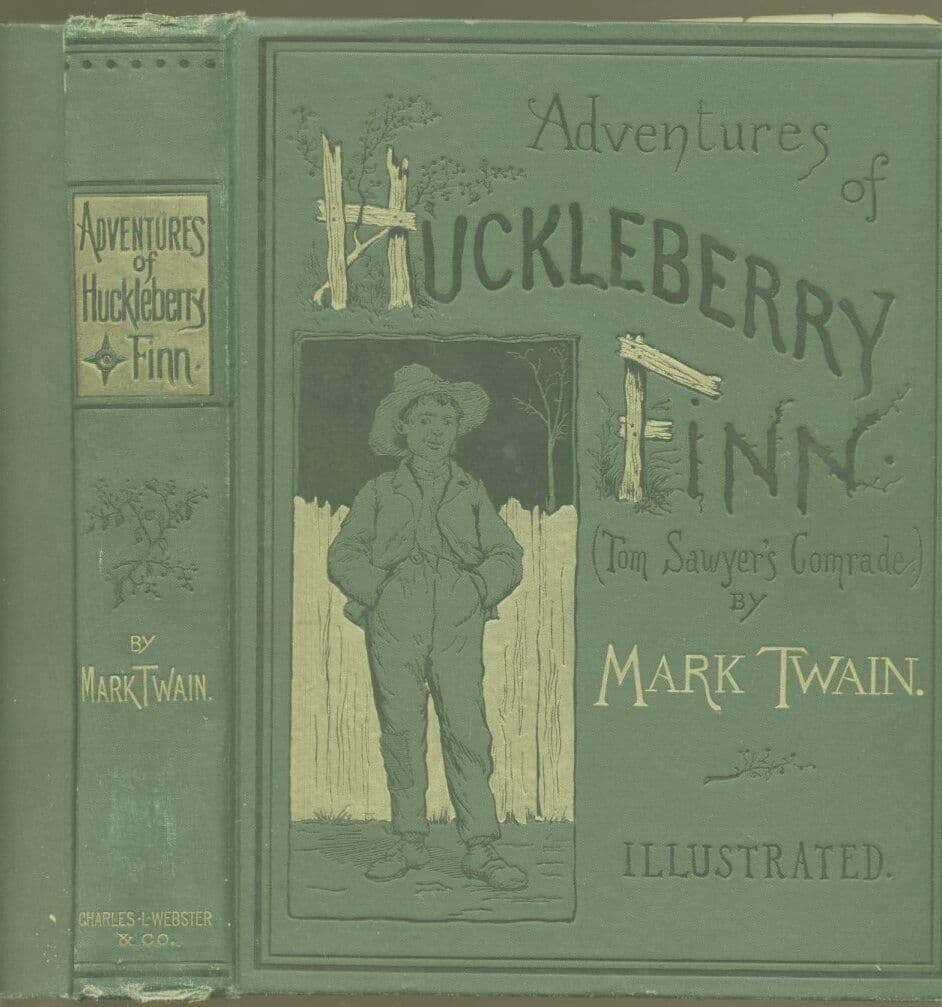
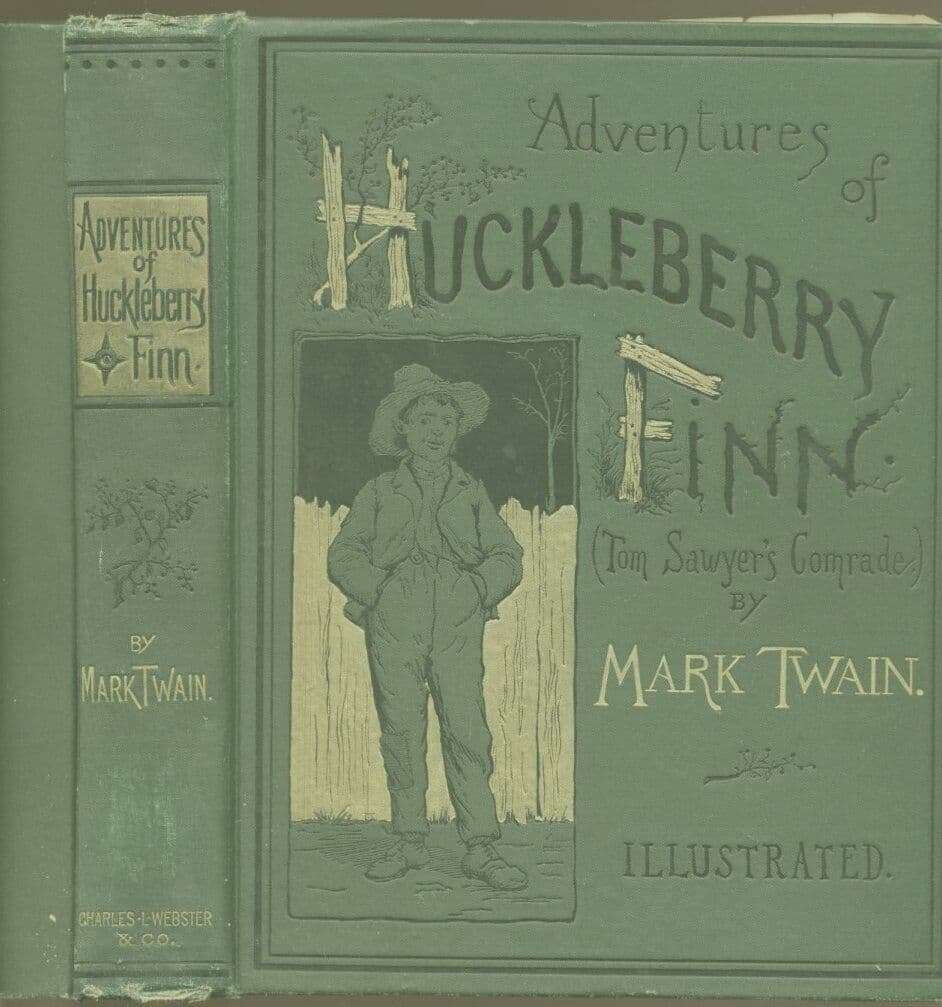
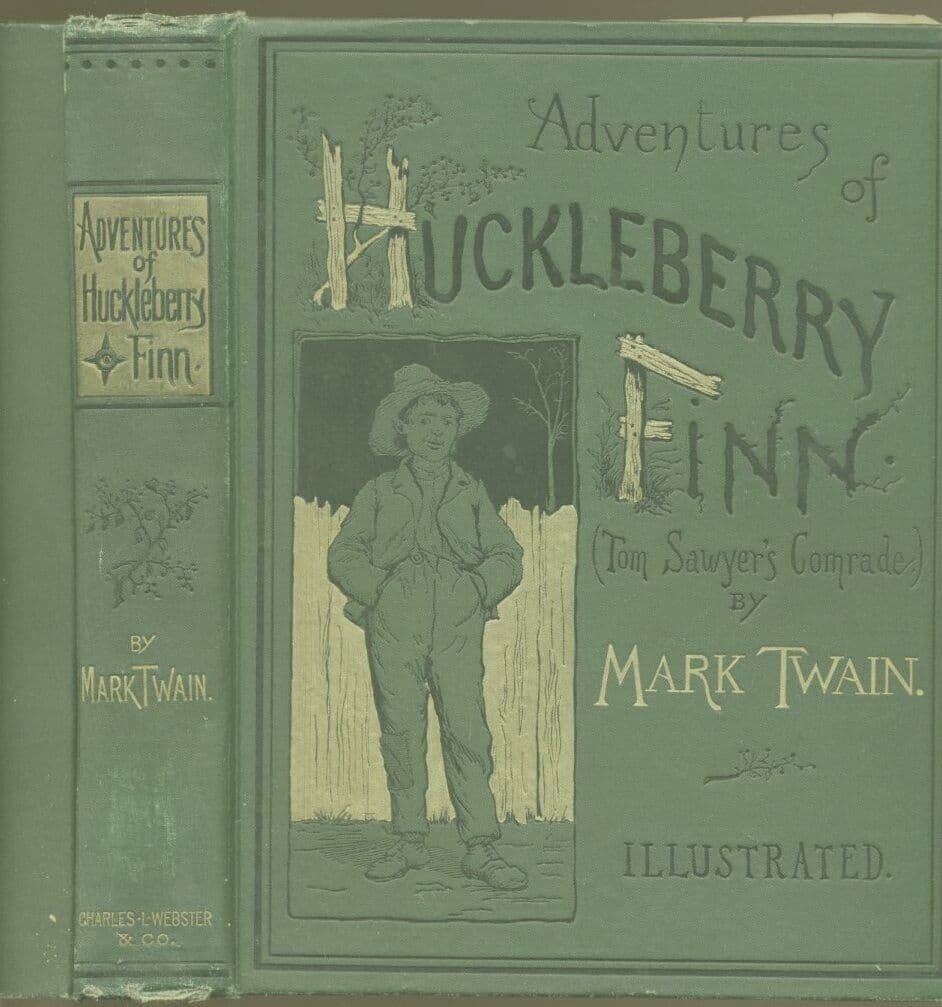
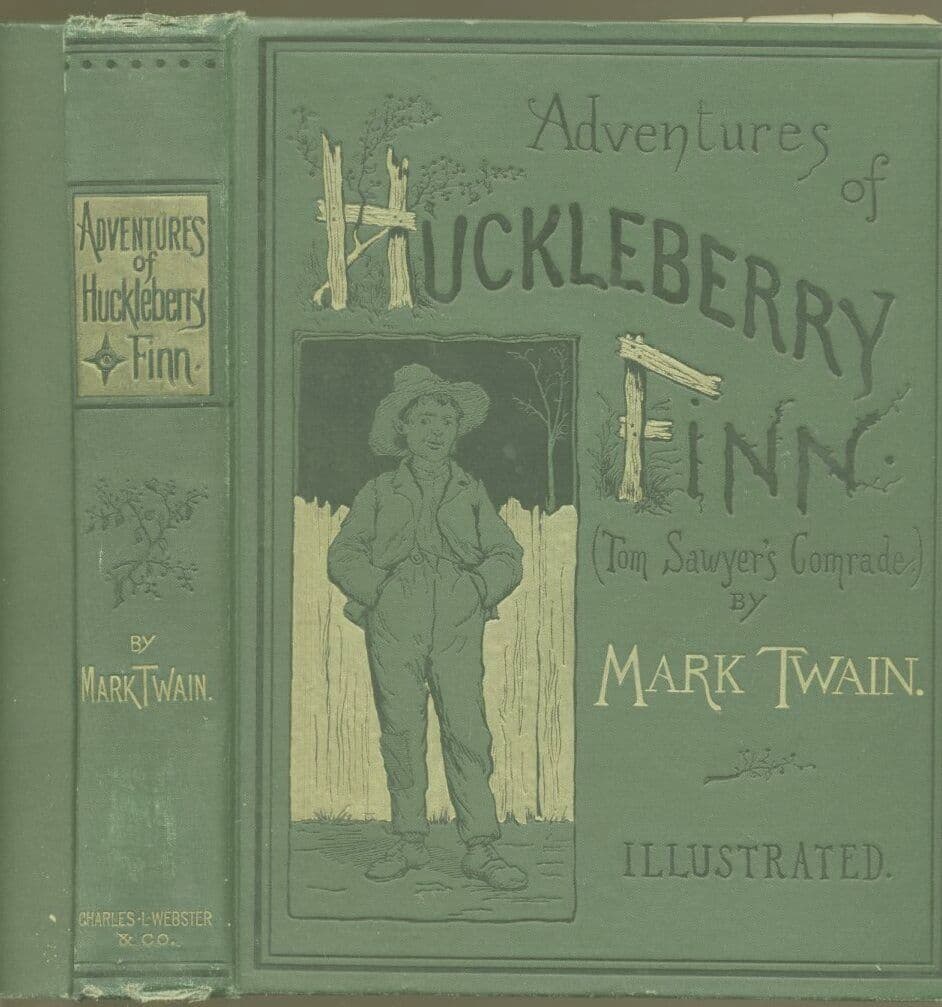
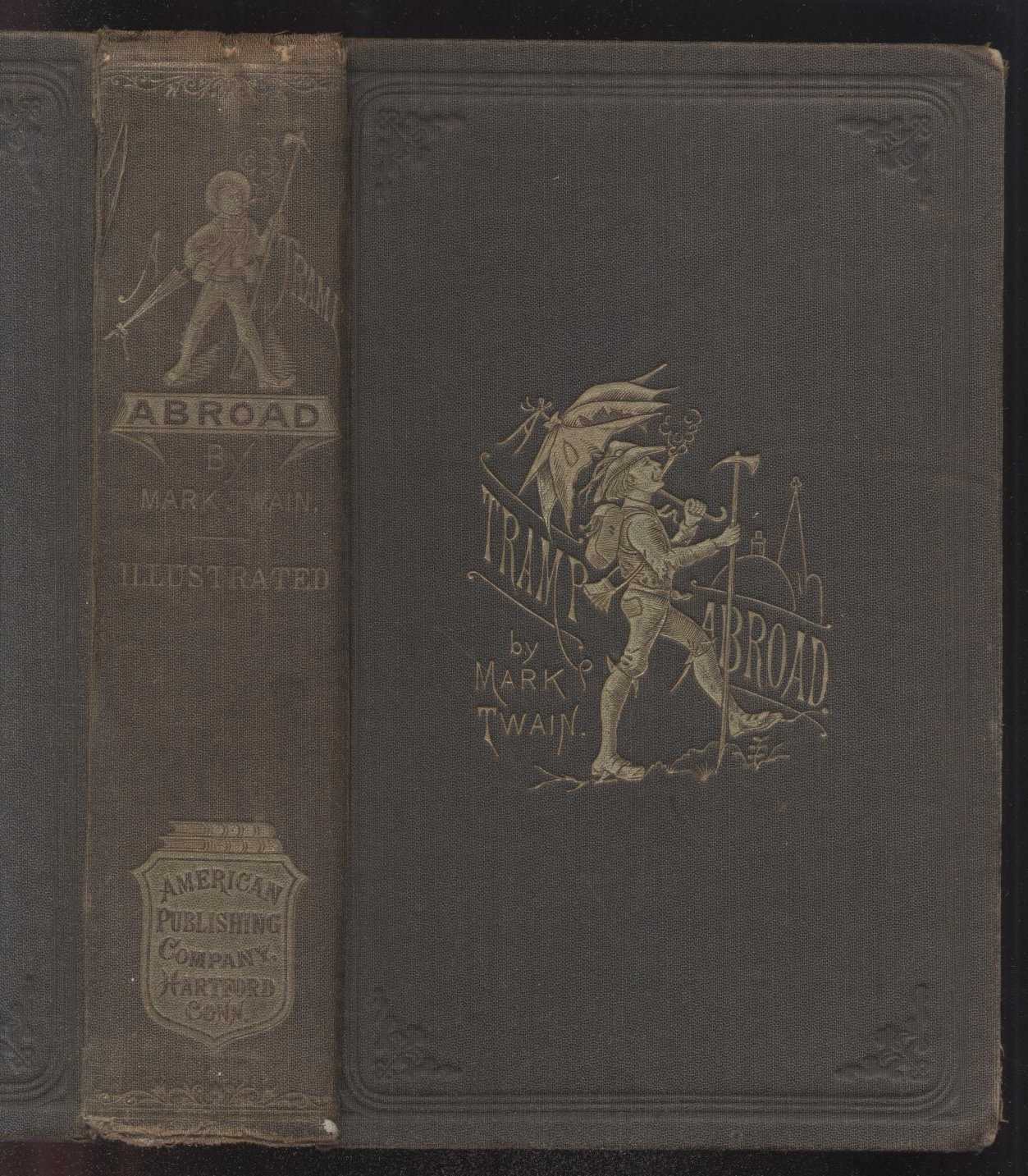
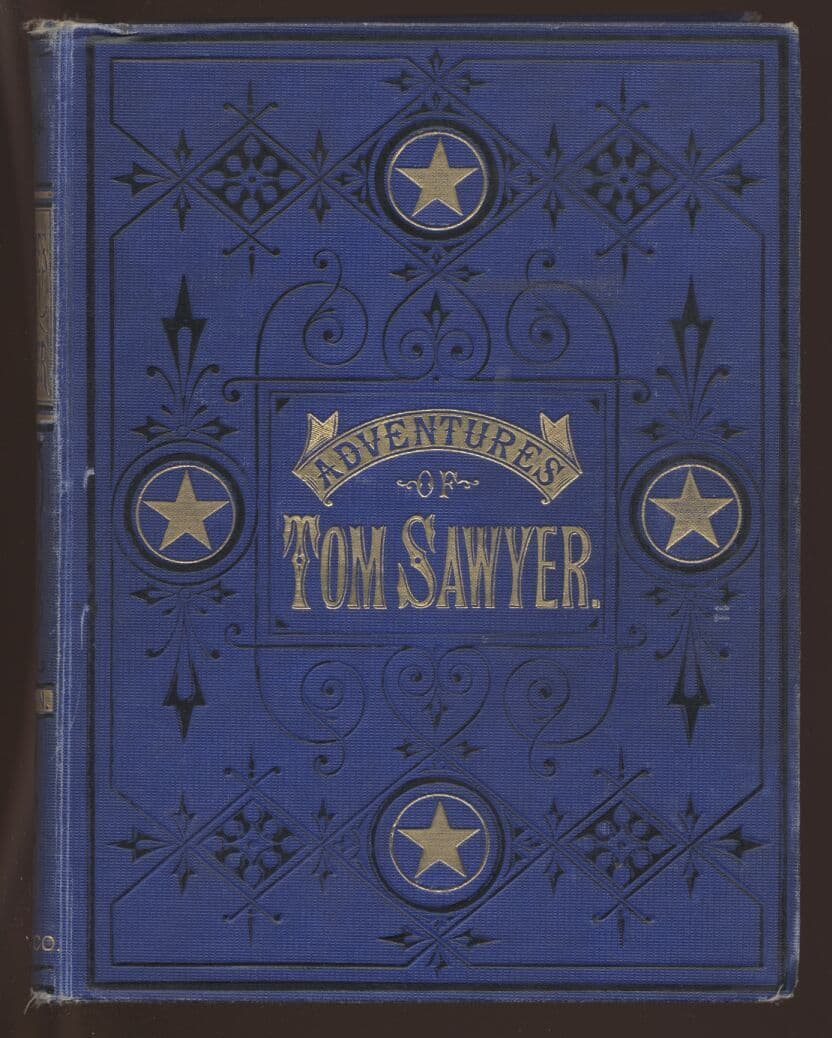
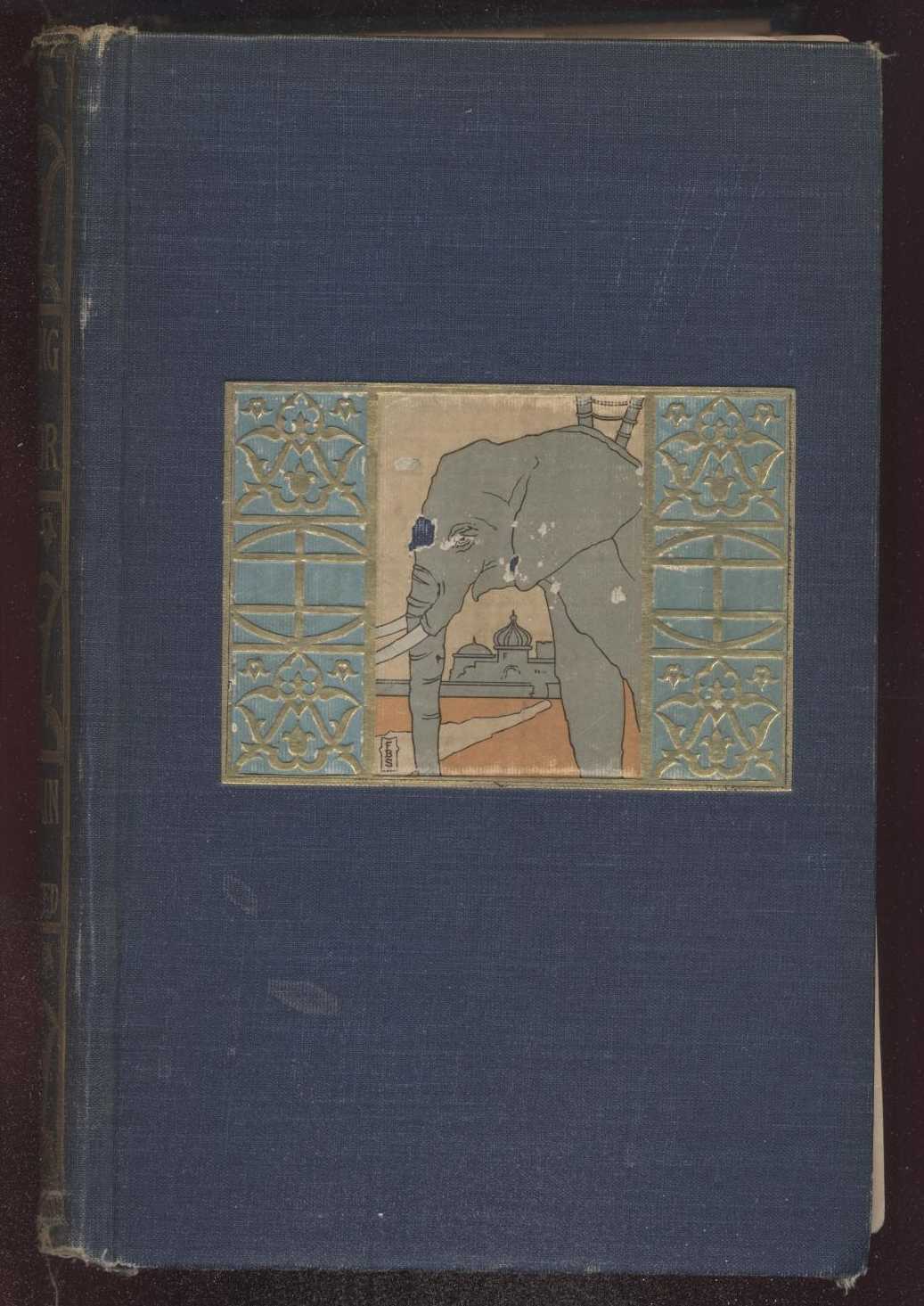
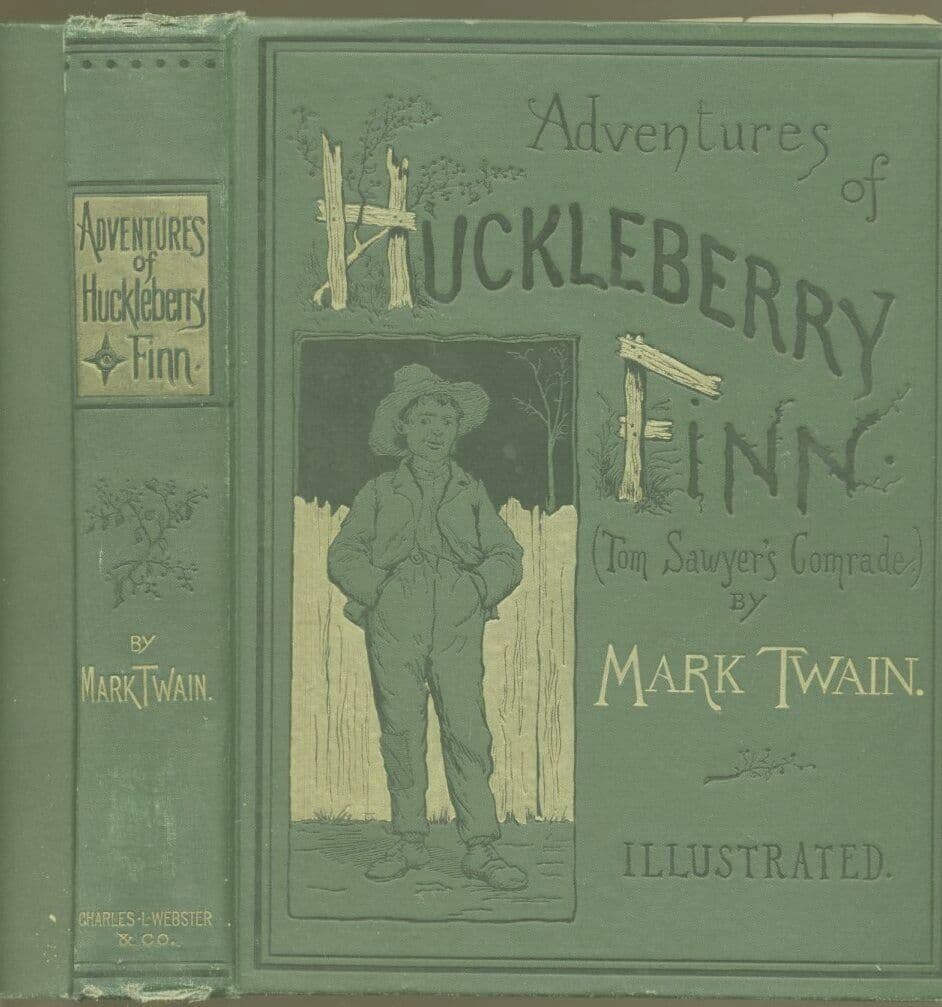
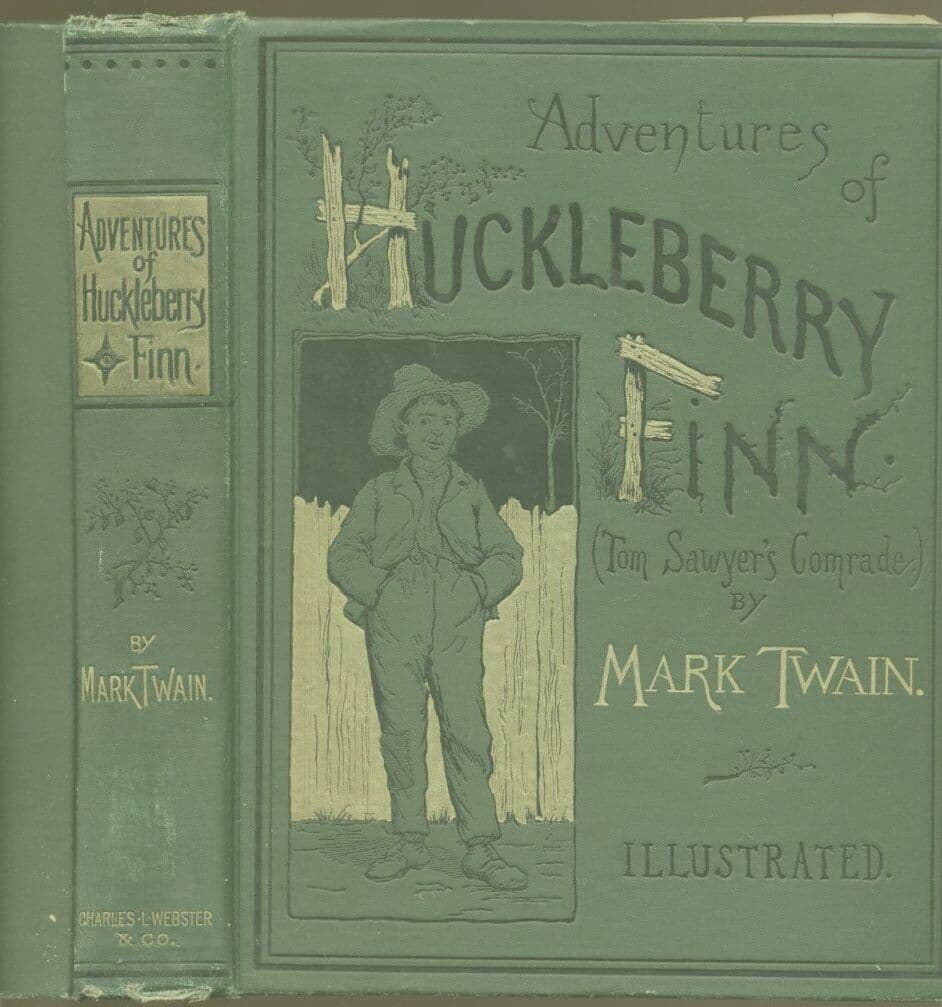
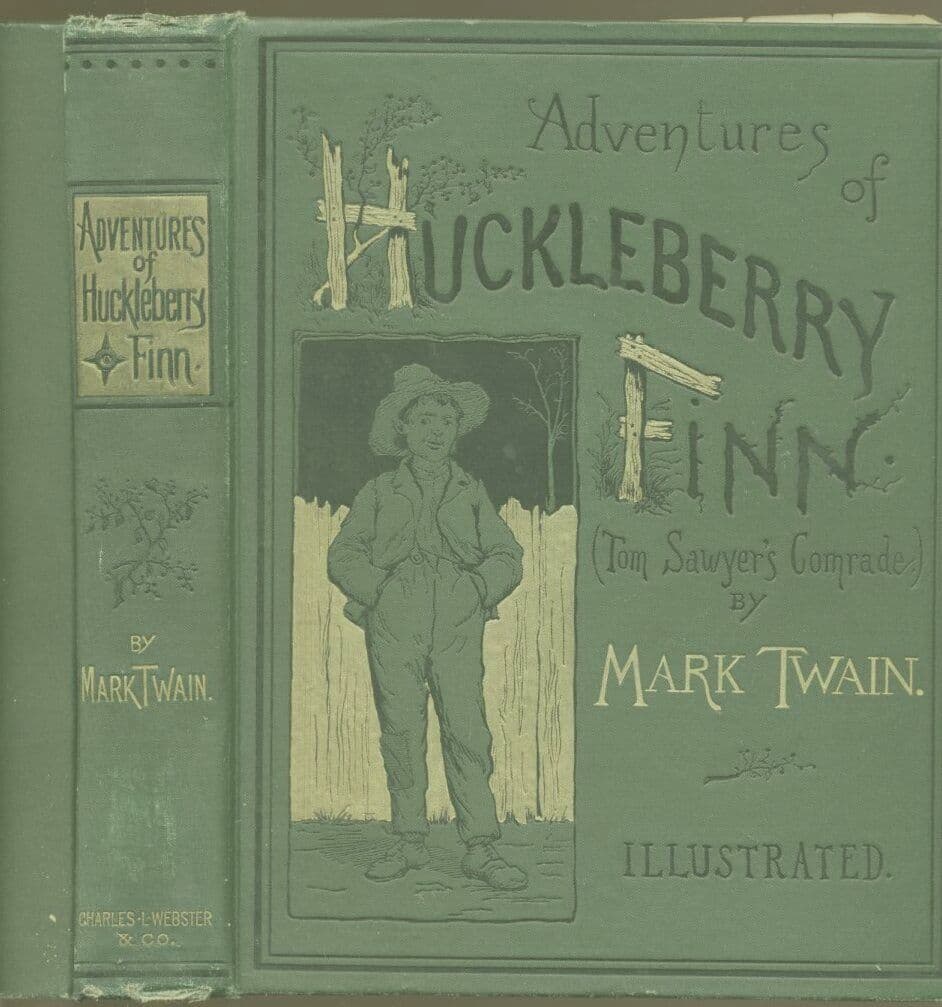
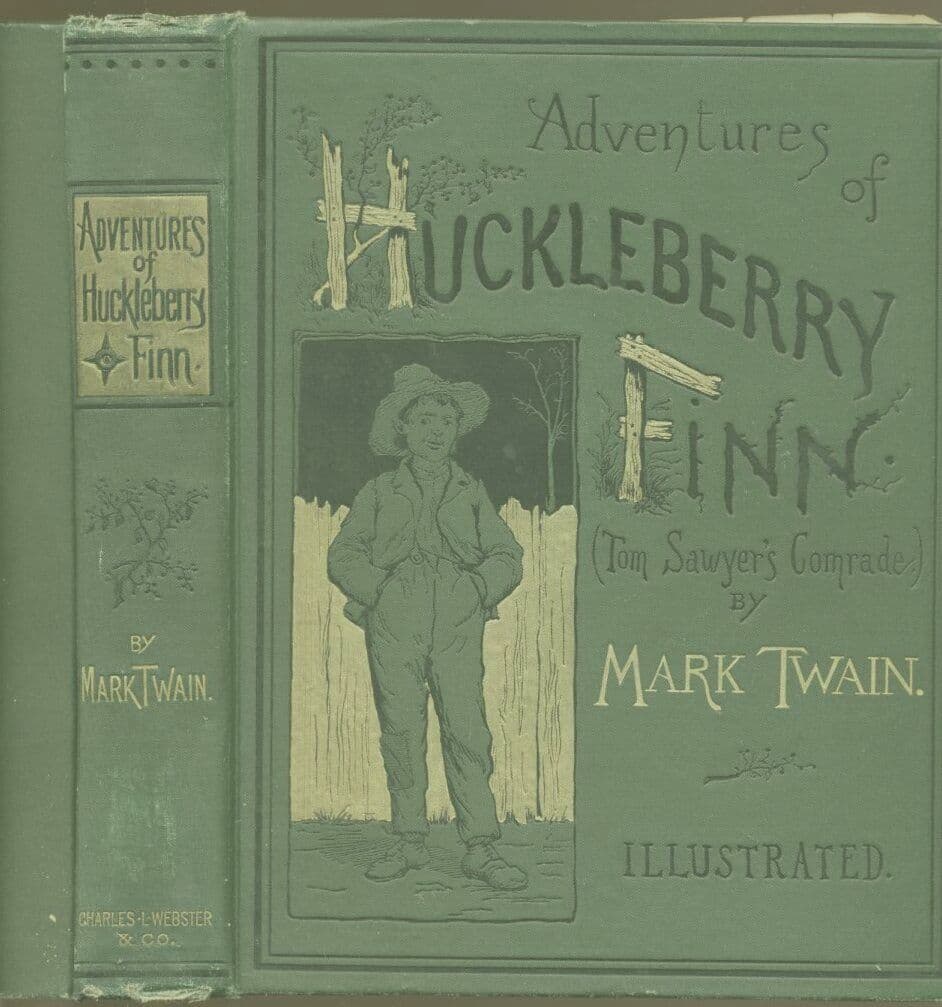
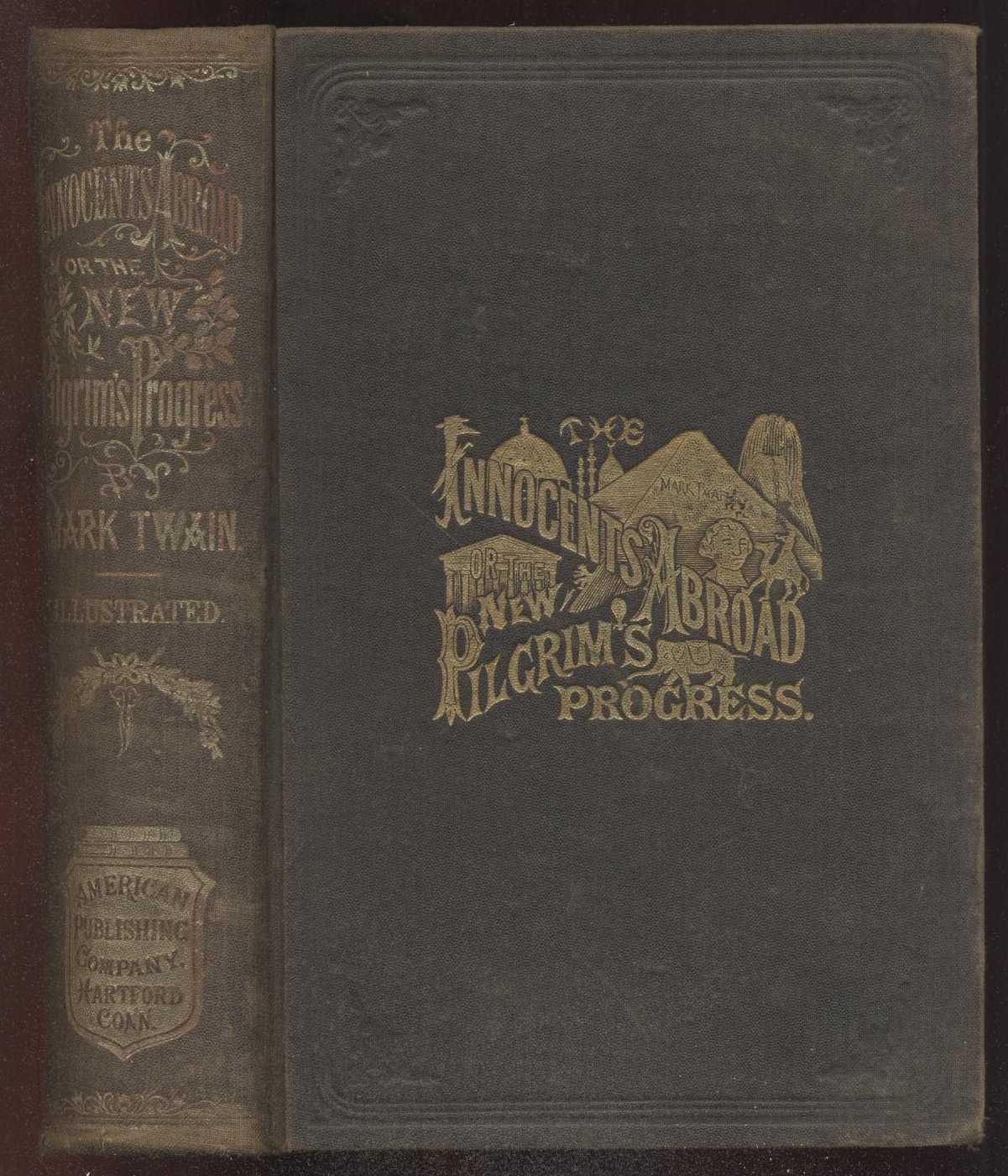
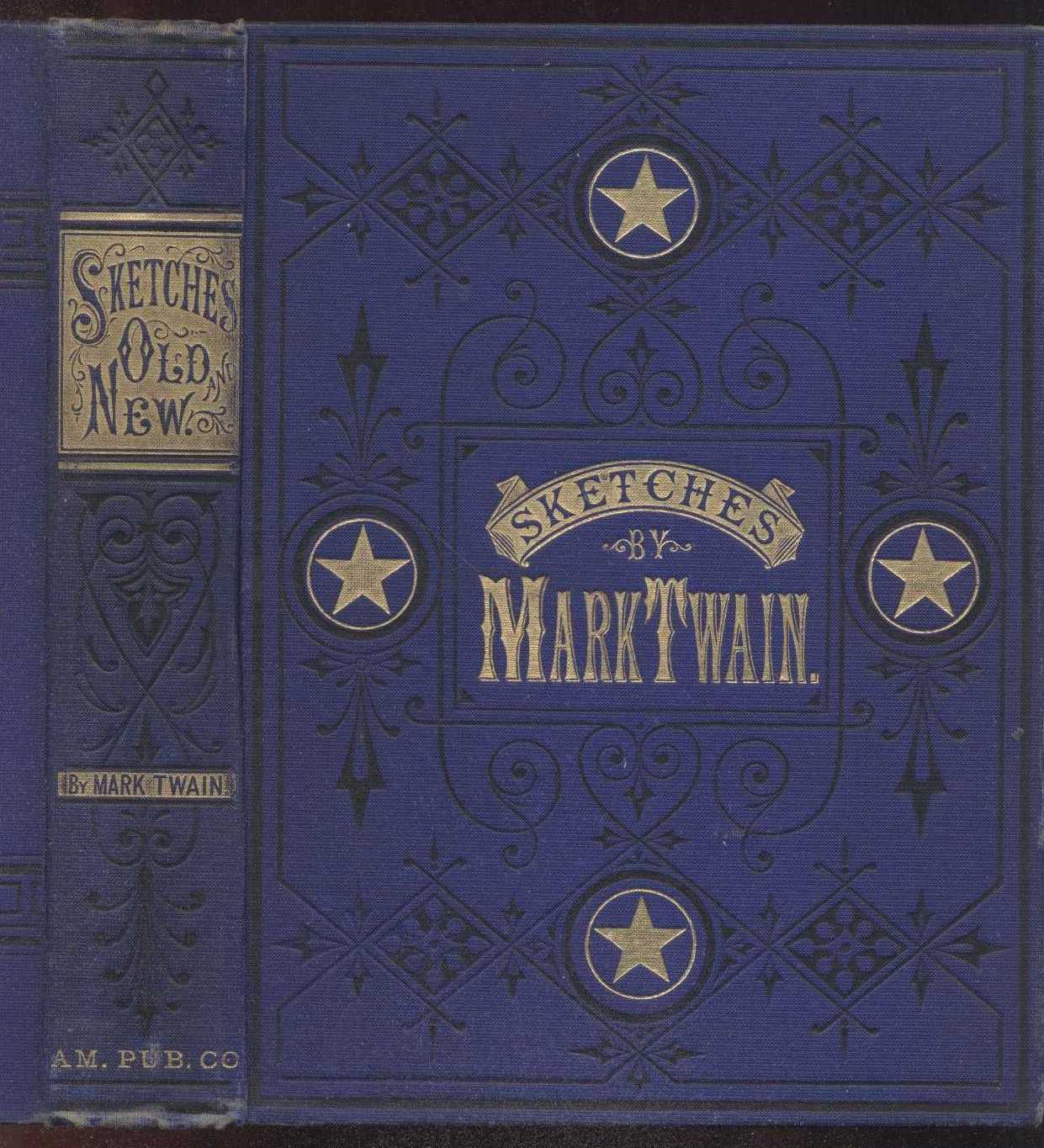
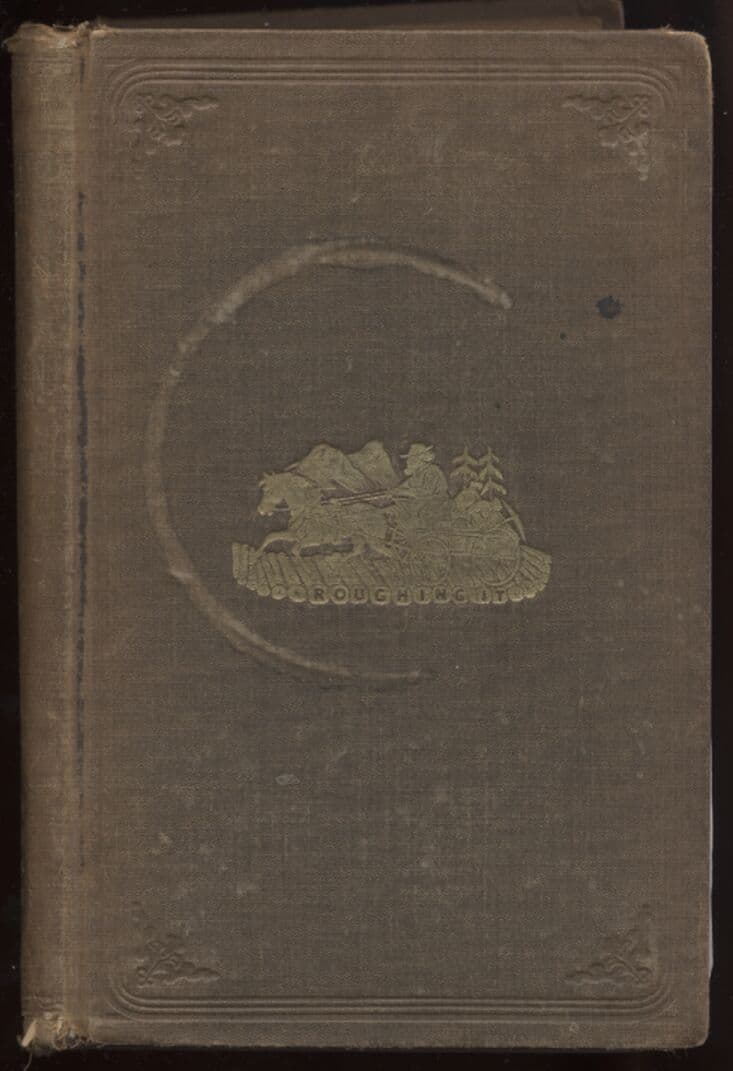
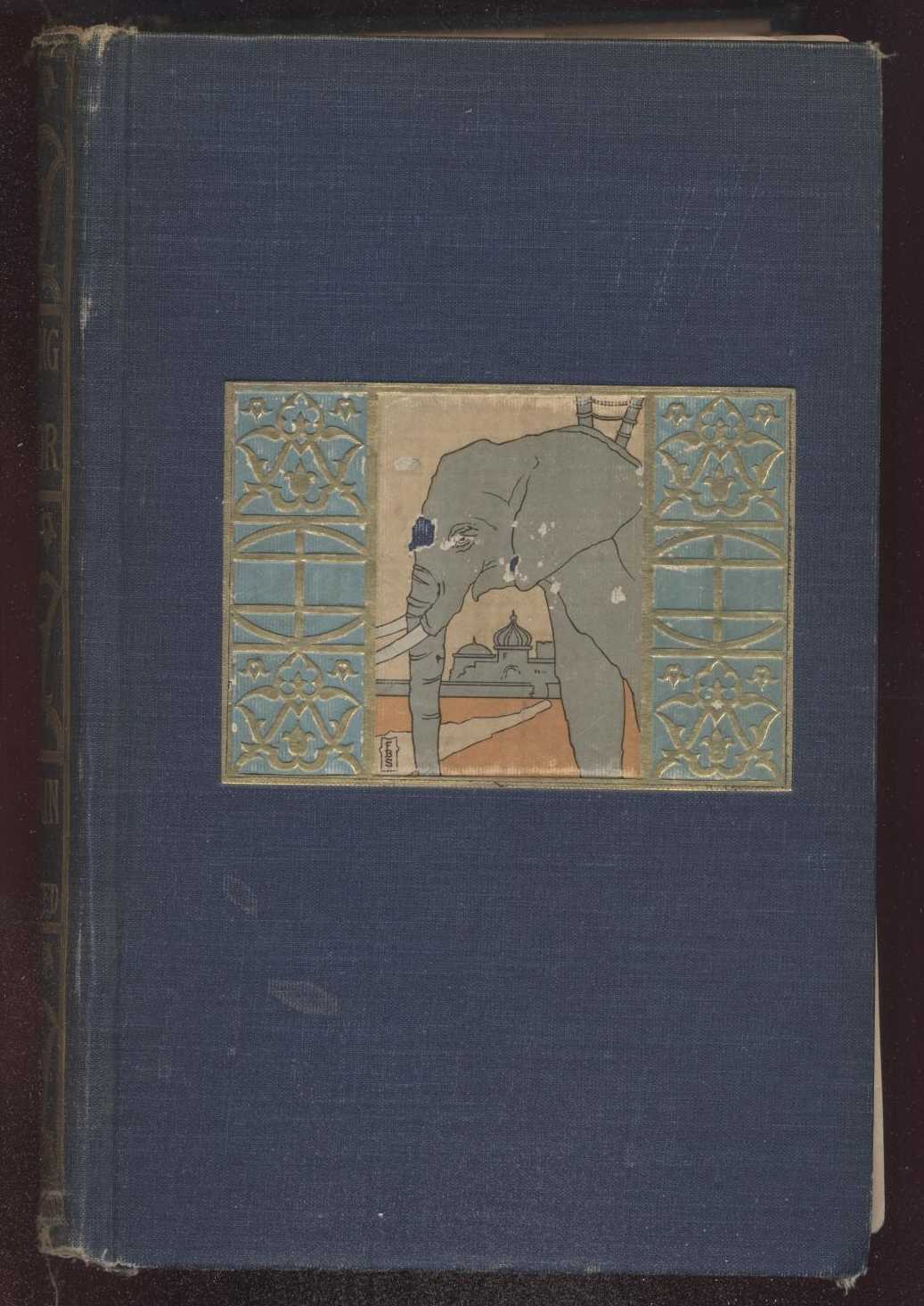
The Adventures of Huckleberry Finn (tom Sawyer's Comrade)
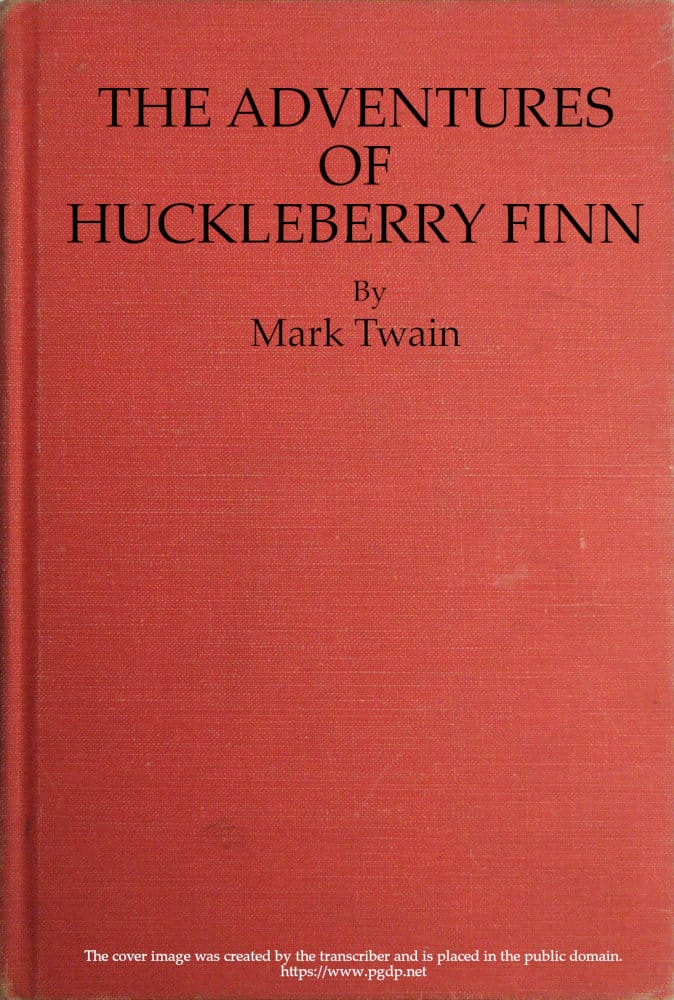
The Adventures of Huckleberry Finn (tom Sawyer's Comrade)
Speak,漂流记. That's what this book sounds like in your head: a boy's voice floating down the Mississippi on a makeshift raft, telling you things his way, in his words, for better or worse. Huck Finn has run away from the Widow Douglas's attempts to 'sivilize' him, from his drunken father who locks him in a cabin, from everything that smells like rules and Sunday school. What he finds is Jim, a runaway slave with a price on his head, and together they set loose on the great river, drifting toward a freedom that might not exist anywhere on land. The raft becomes a world: two outcasts watching the sunset, arguing about kings and Frenchmen, building something like family in the only space America hasn't claimed yet. But Huck is a child of his time, and the book never lets you forget it. His conscience tortures him over helping a 'nigger' escape. The humor cuts. The ending splits open. This is the novel that made American literature, and it still feels dangerous, still feels true.
Editions

X-Ray
“All right, then, I'll go to hell.””
— Mark Twain
“That is just the way with some people. They get down on a thing when they don’t know nothing about it.””
— Mark Twain
“Human beings can be awful cruel to one another.””
— Mark Twain
“Right is right, and wrong is wrong, and a body ain’t got no business doing wrong when he ain’t ignorant and knows better.””
— Mark Twain
“Jim said that bees won't sting idiots, but I didn't believe that, because I tried them lots of times myself and they wouldn't sting me.””
— Mark Twain
“I do not wish any reward but to know I have done the right thing.””
— Mark Twain
“I couldn't bear to think about it; and yet, somehow, I couldn't think about nothing else.””
— Mark Twain
“If you tell the truth you do not need a good memory!””
— Mark Twain
“Hain't we got all the fools in town on our side? And hain't that a big enough majority in any town?””
— Mark Twain
Link to this book
Add a free, dofollow link to Lex on your blog, forum, syllabus, or reading list.

<a href="https://lex-books.com/book/the-adventures-of-huckleberry-finn-tom-sawyer-s-comrade-c95b7b08-547a-4cee-ac55-7d616525603b"><img src="https://lex-books.com/badges/read-on-lex.svg" alt="Read The Adventures of Huckleberry Finn (tom Sawyer's Comrade) by Mark Twain free on Lex" width="160" height="40"></a>[](https://lex-books.com/book/the-adventures-of-huckleberry-finn-tom-sawyer-s-comrade-c95b7b08-547a-4cee-ac55-7d616525603b)[url=https://lex-books.com/book/the-adventures-of-huckleberry-finn-tom-sawyer-s-comrade-c95b7b08-547a-4cee-ac55-7d616525603b][img]https://lex-books.com/badges/read-on-lex.svg[/img][/url]Read The Adventures of Huckleberry Finn (tom Sawyer's Comrade) by Mark Twain free on Lex: https://lex-books.com/book/the-adventures-of-huckleberry-finn-tom-sawyer-s-comrade-c95b7b08-547a-4cee-ac55-7d616525603bCite this book
Reading this edition for a paper or guide? Copy a citation.
Twain, Mark. The Adventures of Huckleberry Finn (tom Sawyer's Comrade). Lex, lex-books.com/book/the-adventures-of-huckleberry-finn-tom-sawyer-s-comrade-c95b7b08-547a-4cee-ac55-7d616525603b.Twain, M. (n.d.). The Adventures of Huckleberry Finn (tom Sawyer's Comrade). Lex. https://lex-books.com/book/the-adventures-of-huckleberry-finn-tom-sawyer-s-comrade-c95b7b08-547a-4cee-ac55-7d616525603bTwain, Mark. The Adventures of Huckleberry Finn (tom Sawyer's Comrade). Lex. https://lex-books.com/book/the-adventures-of-huckleberry-finn-tom-sawyer-s-comrade-c95b7b08-547a-4cee-ac55-7d616525603b.