Le Prétendant Américain: Roman
1892
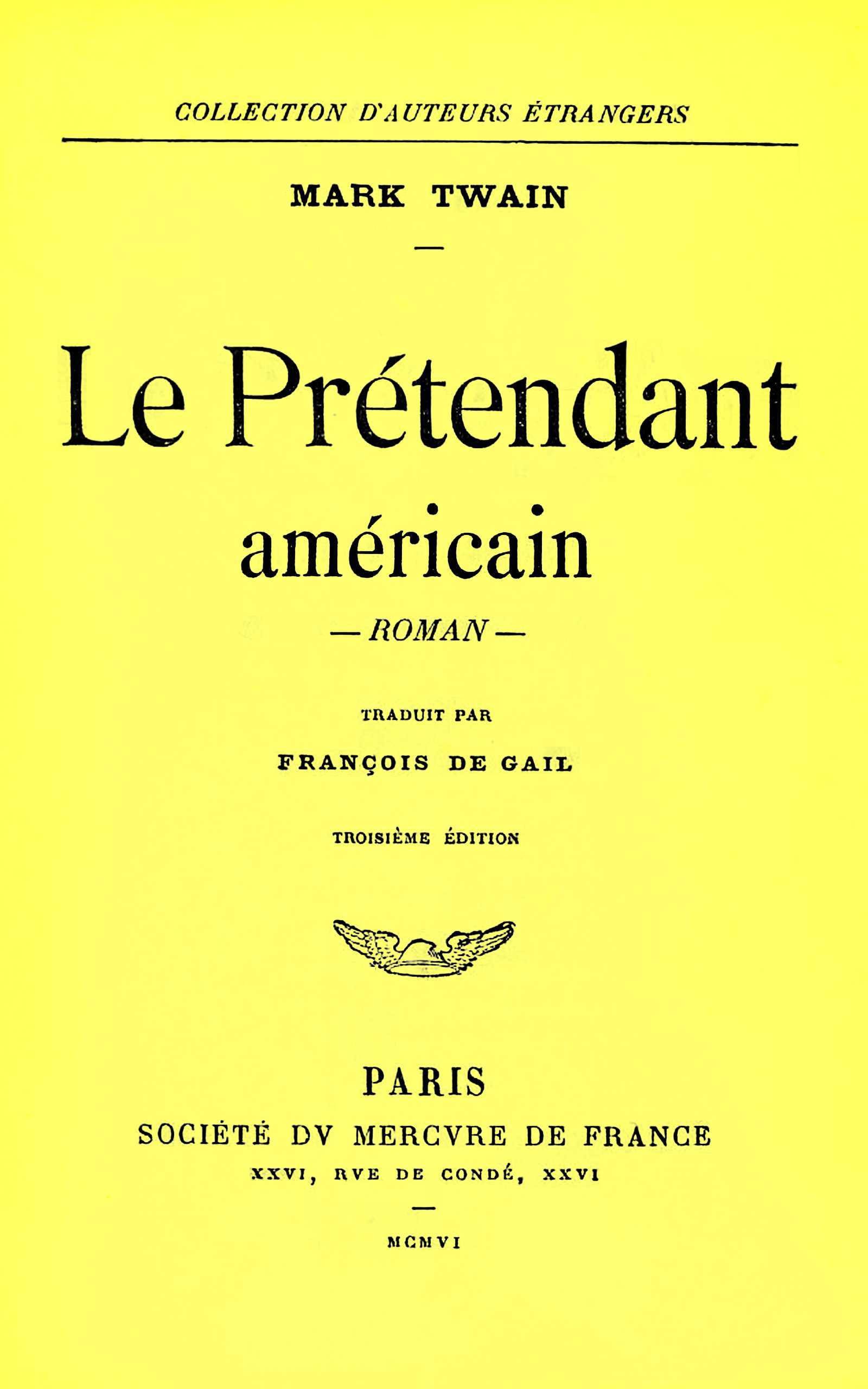
Le Prétendant Américain: Roman
1892
Translated by François de Gaïl
A satirical novel written in the late 19th century. The story introduces readers to the lives of English nobility and an American claimant to a dukedom, presenting themes of identity, social status, and the absurdities of aristocracy. The main characters include the Duke of Rossmore and his son, Kircudbright Llanover Marjoribanks Sellers, as they grapple with the implications of a competing American heir named Simon Lathers. The opening of the novel sets a vivid scene in the English countryside, focusing on the Duke of Rossmore and his son, who are embroiled in a discussion about the legitimacy of an American who claims to be the rightful duke. The chapter reveals the Duke's disdain for this challenger and his historical background, highlighting a deep-seated aristocratic pride. As the father confronts the implications of this claim, the son shows a desire for justice and equity, which drives him to seek out the American pretender himself. This conflict sets the stage for a comedic exploration of nobility, identity, and the clash between old-world aristocracy and the emerging American spirit.
Editions

X-Ray
“and a manner so peculiar and romantic, and extraneous, and ad libitum, and heart-searching, that”
— Mark Twain
“Many a reader who wanted to read a tale through was not able to do it because of delays on account of the weather. Nothing breaks up an author’s progress like having to stop every few pages to fuss-up the weather. Thus it is plain that persistent intrusions of weather are bad for both reader and author.””
— Mark Twain
“heir did go to America, with the Fairfax heir or about the same time”
— Mark Twain
Link to this book
Add a free, dofollow link to Lex on your blog, forum, syllabus, or reading list.

<a href="https://lex-books.com/book/le-pr-tendant-am-ricain-roman-ac8af4aa-e03b-4e54-b5d3-c44c0541b8e6"><img src="https://lex-books.com/badges/read-on-lex.svg" alt="Read Le Prétendant Américain: Roman by Mark Twain free on Lex" width="160" height="40"></a>[](https://lex-books.com/book/le-pr-tendant-am-ricain-roman-ac8af4aa-e03b-4e54-b5d3-c44c0541b8e6)[url=https://lex-books.com/book/le-pr-tendant-am-ricain-roman-ac8af4aa-e03b-4e54-b5d3-c44c0541b8e6][img]https://lex-books.com/badges/read-on-lex.svg[/img][/url]Read Le Prétendant Américain: Roman by Mark Twain free on Lex: https://lex-books.com/book/le-pr-tendant-am-ricain-roman-ac8af4aa-e03b-4e54-b5d3-c44c0541b8e6Cite this book
Reading this edition for a paper or guide? Copy a citation.
Twain, Mark. Le Prétendant Américain: Roman. Lex, lex-books.com/book/le-pr-tendant-am-ricain-roman-ac8af4aa-e03b-4e54-b5d3-c44c0541b8e6.Twain, M. (1892). Le Prétendant Américain: Roman. Lex. https://lex-books.com/book/le-pr-tendant-am-ricain-roman-ac8af4aa-e03b-4e54-b5d3-c44c0541b8e6Twain, Mark. Le Prétendant Américain: Roman. Lex. https://lex-books.com/book/le-pr-tendant-am-ricain-roman-ac8af4aa-e03b-4e54-b5d3-c44c0541b8e6.