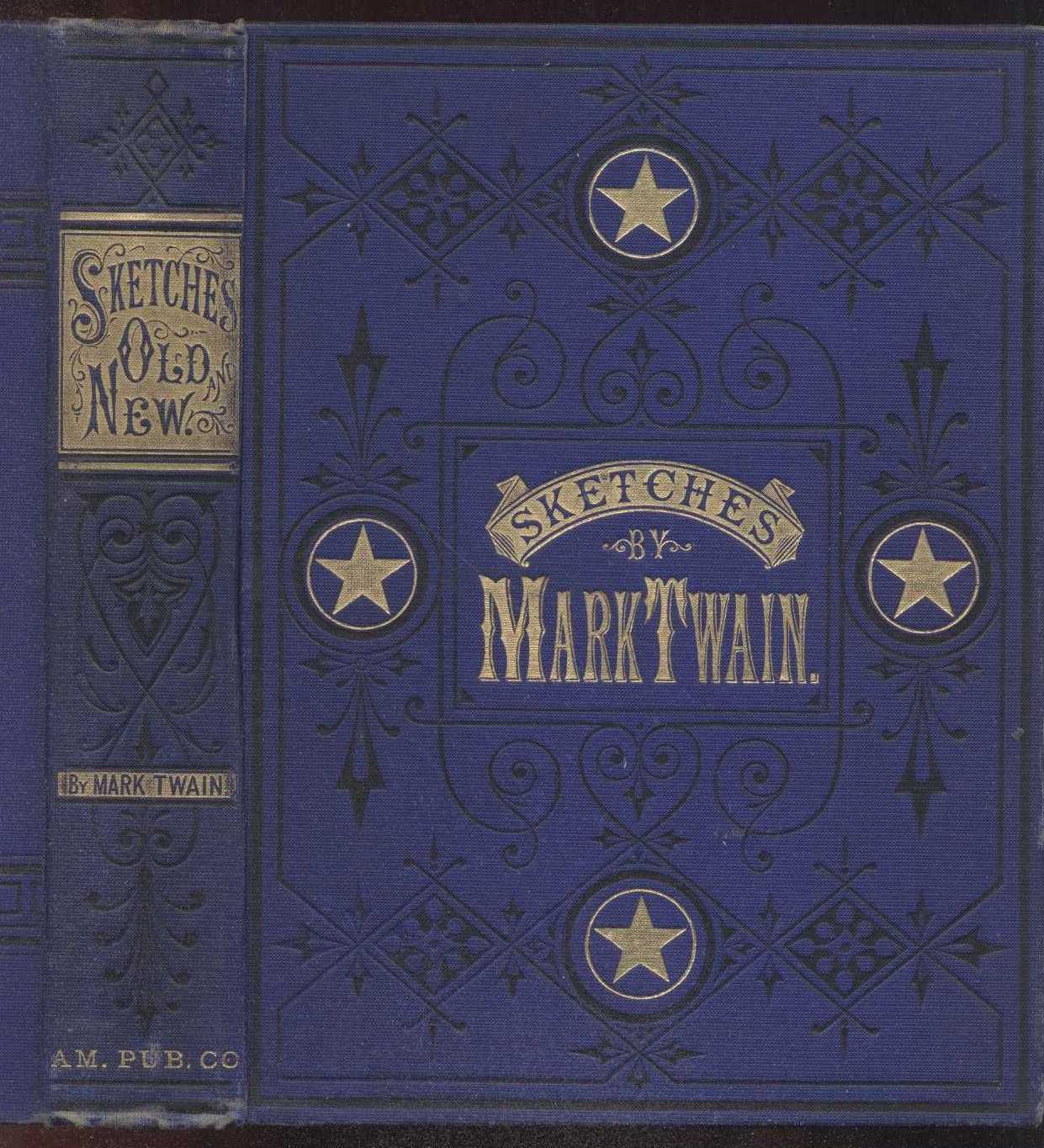
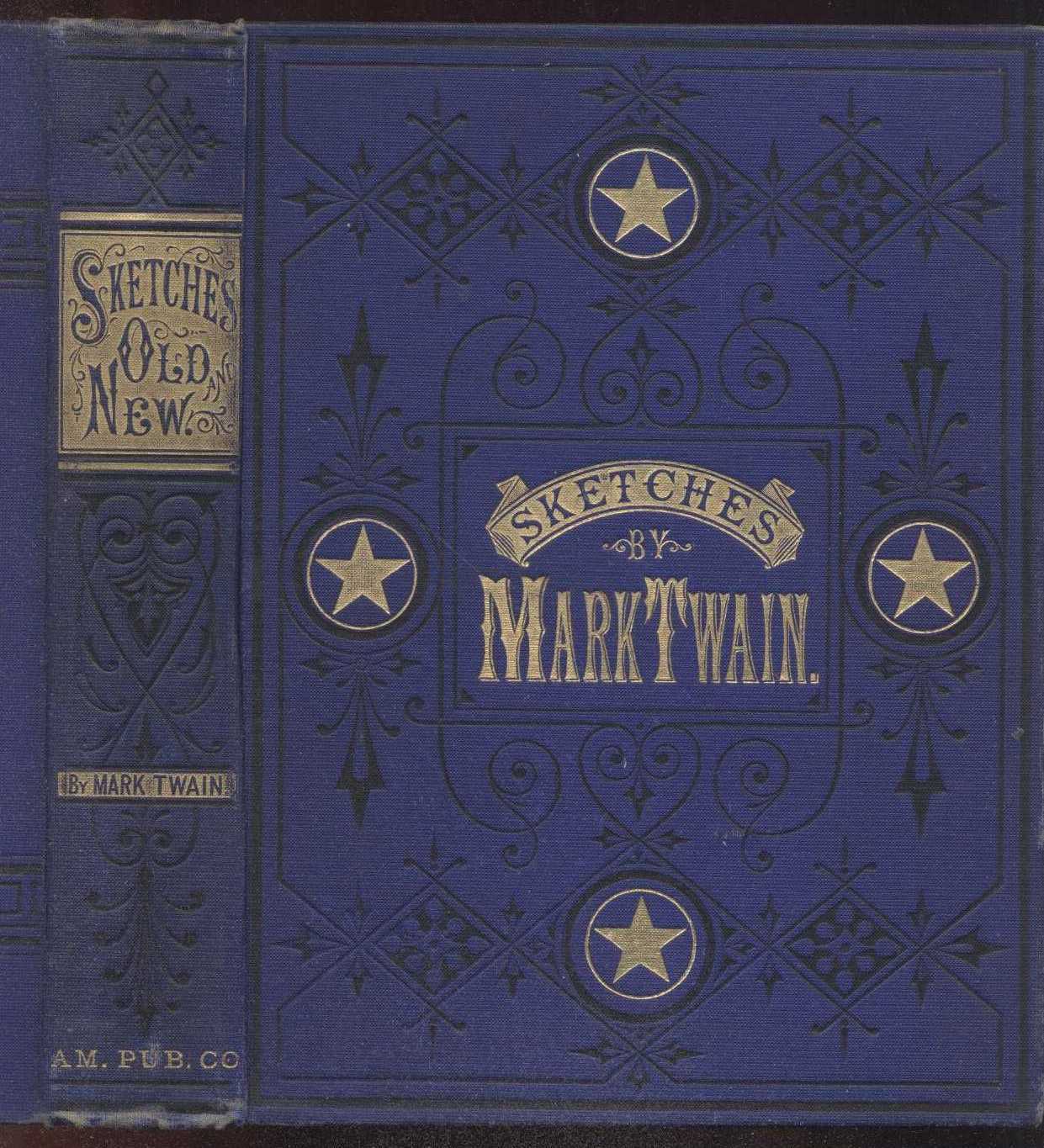
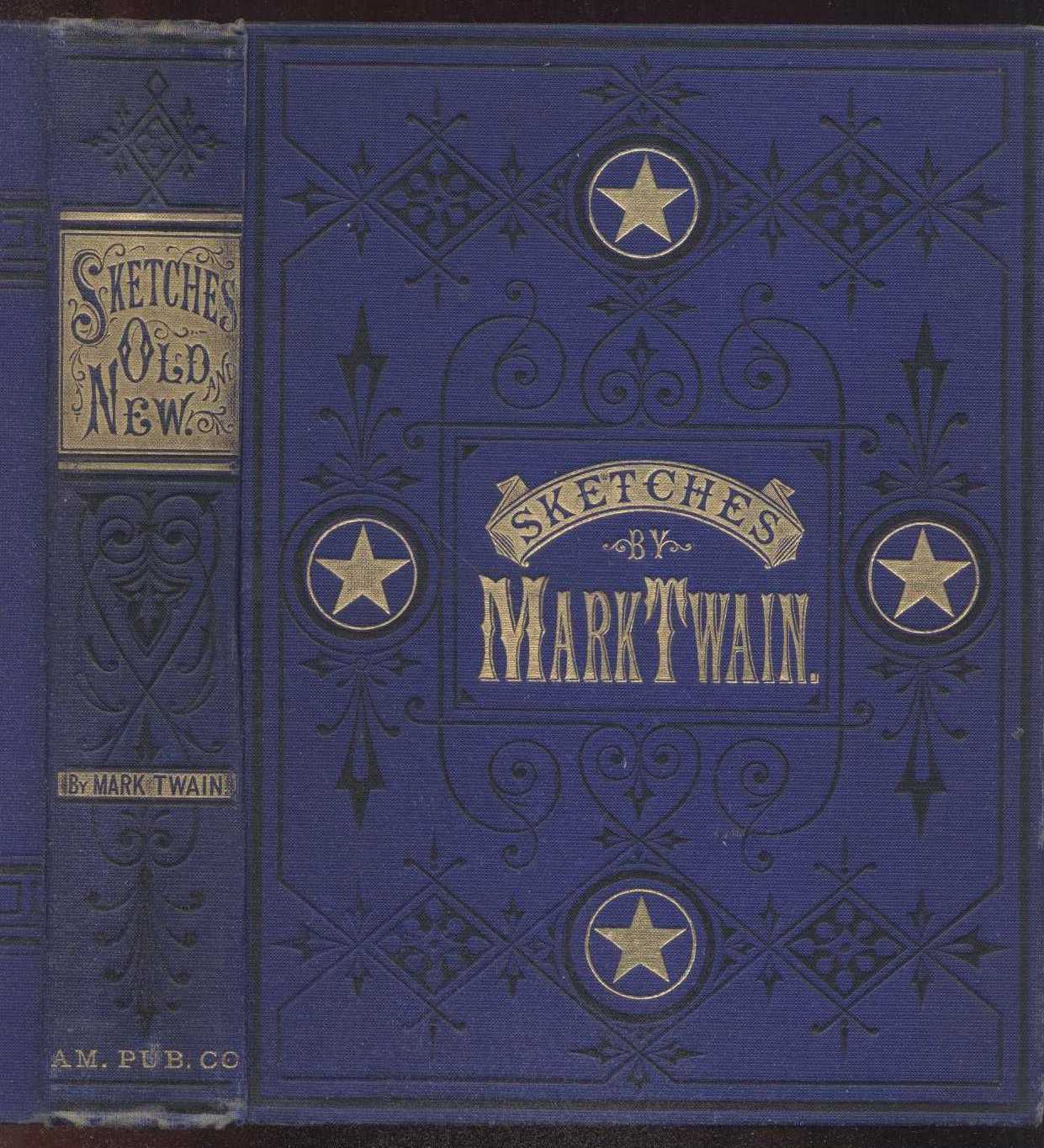
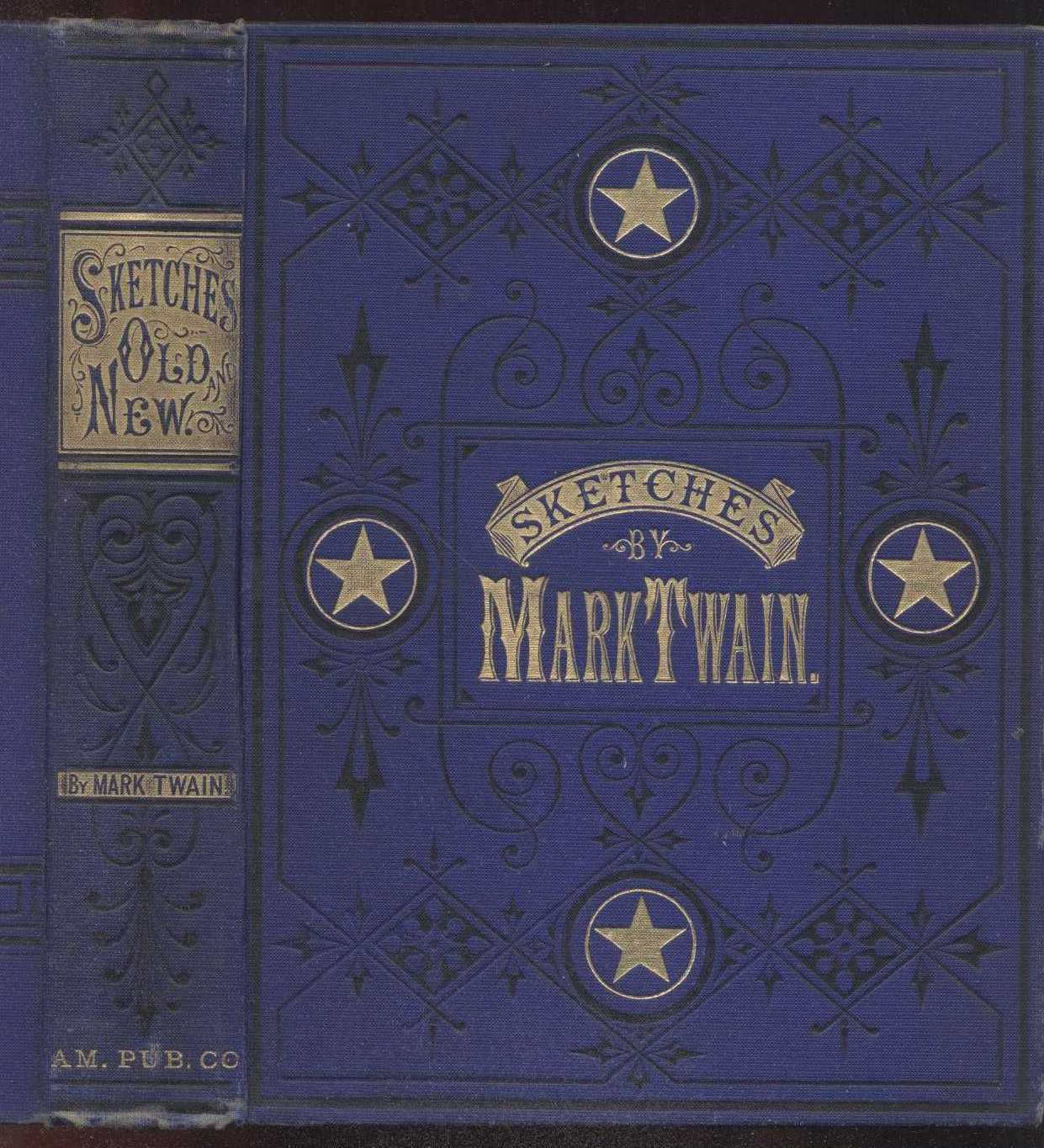
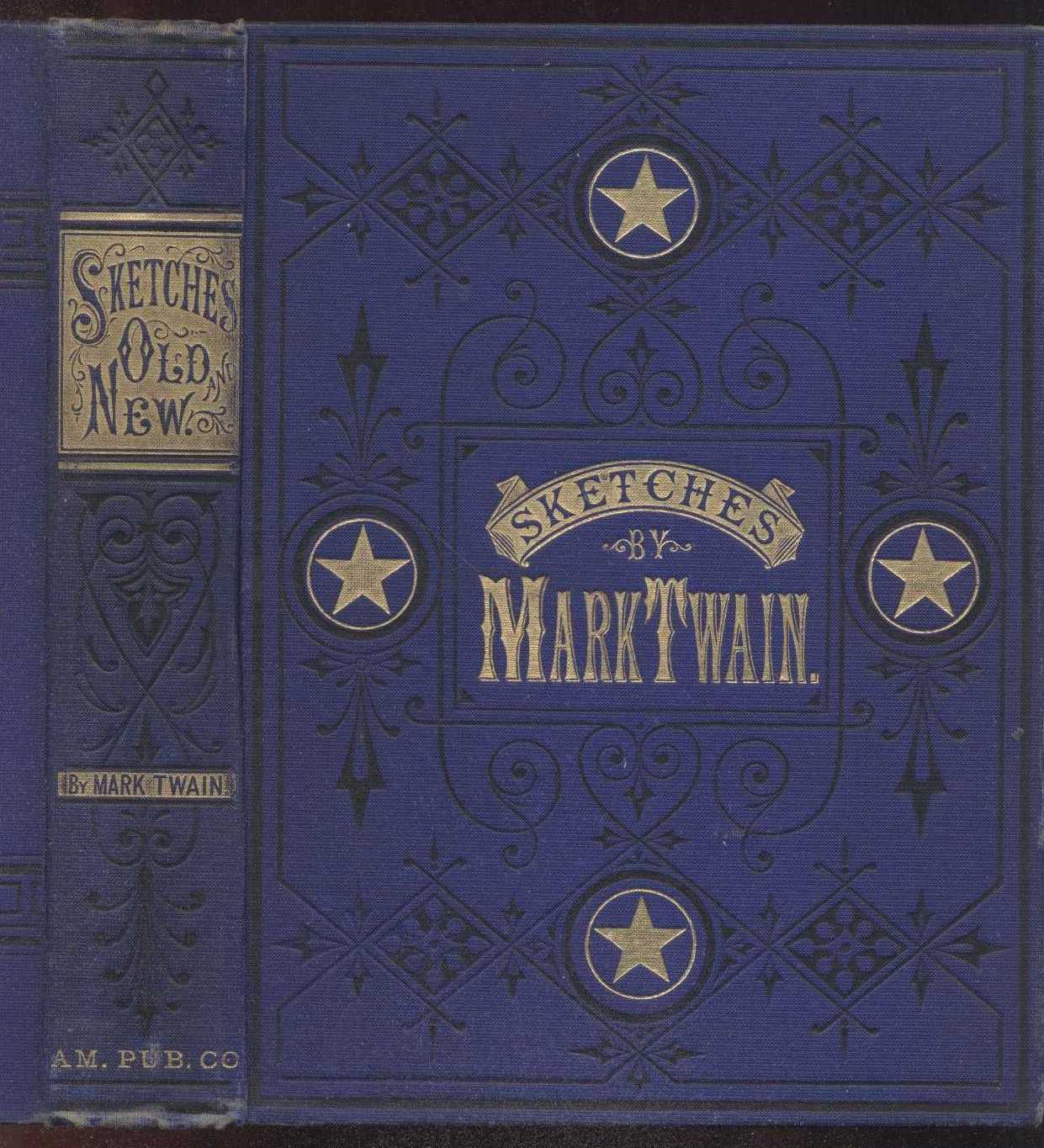
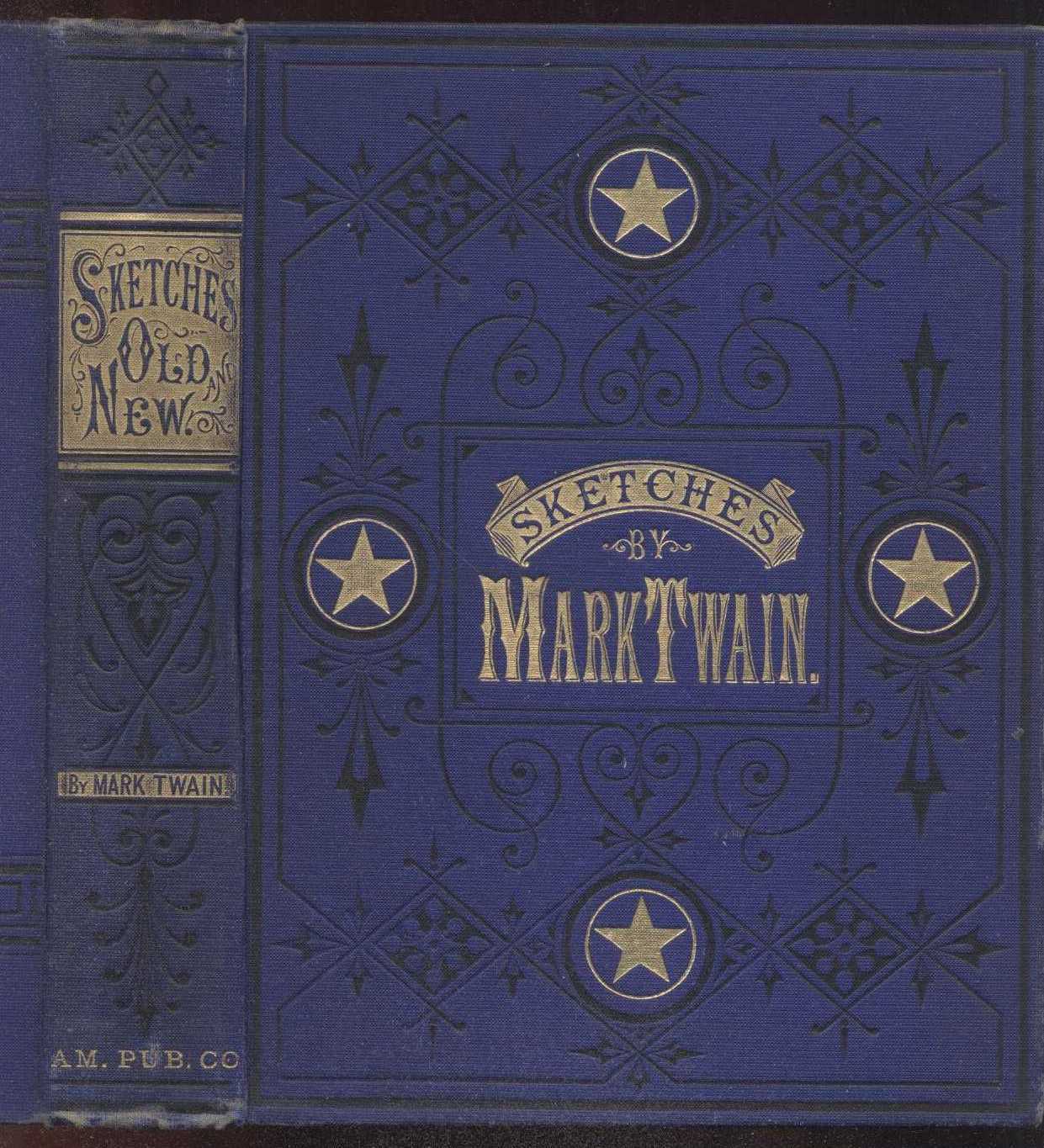
Sketches New and Old, Part 1.
1875
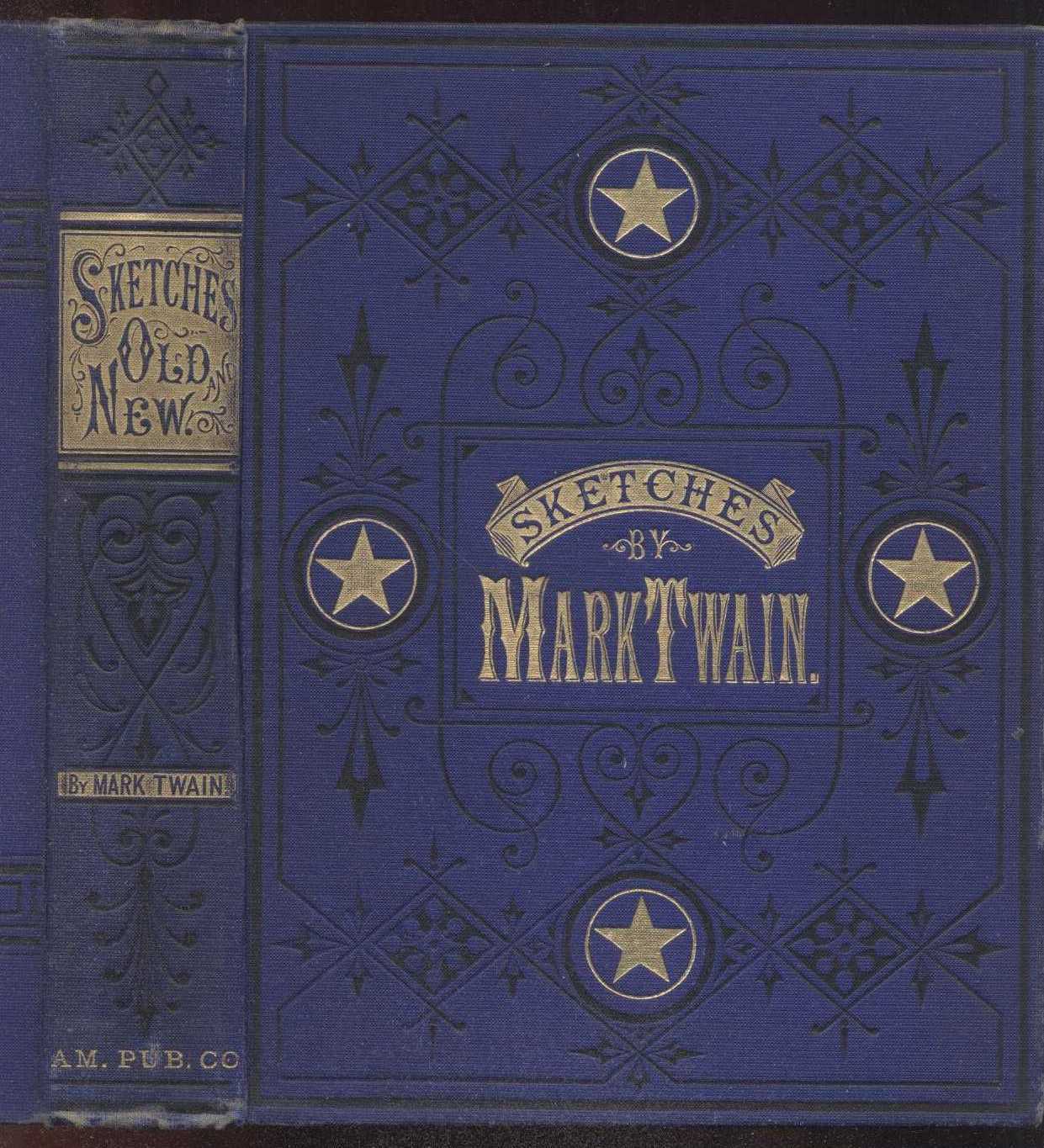
Mark Twain's legendary wit is on full display in this collection of comic sketches, the man who would become America's greatest humorist proving he could find laughter in the mundane and scandal in the ordinary. Here is Twain the observer: watching a watch descend into spectacular dysfunction after a series of increasingly absurd repairs, wrestling with the abstractions of political economy while a lightning rod salesman barges relentlessly toward his door. These are not merely jokes. They are surgical strikes at the pretensions of American life, the pomposity of experts, the tyranny of hucksters and hangers-on who presume to interrupt serious thought. Written in 1875, when America was still figuring out what kind of nation it would become, Twain captured something essential: the eternal conflict between the person trying to think and a world determined to sell you something. This is Twain at his most liberated, his most playful, his most incisive.
Editions
Link to this book
Add a free, dofollow link to Lex on your blog, forum, syllabus, or reading list.

<a href="https://lex-books.com/book/sketches-new-and-old-part-1-04c92069-b3c7-4c8b-a5b9-f851254dec74"><img src="https://lex-books.com/badges/read-on-lex.svg" alt="Read Sketches New and Old, Part 1. by Mark Twain free on Lex" width="160" height="40"></a>[](https://lex-books.com/book/sketches-new-and-old-part-1-04c92069-b3c7-4c8b-a5b9-f851254dec74)[url=https://lex-books.com/book/sketches-new-and-old-part-1-04c92069-b3c7-4c8b-a5b9-f851254dec74][img]https://lex-books.com/badges/read-on-lex.svg[/img][/url]Read Sketches New and Old, Part 1. by Mark Twain free on Lex: https://lex-books.com/book/sketches-new-and-old-part-1-04c92069-b3c7-4c8b-a5b9-f851254dec74Cite this book
Reading this edition for a paper or guide? Copy a citation.
Twain, Mark. Sketches New and Old, Part 1.. Lex, lex-books.com/book/sketches-new-and-old-part-1-04c92069-b3c7-4c8b-a5b9-f851254dec74.Twain, M. (1875). Sketches New and Old, Part 1.. Lex. https://lex-books.com/book/sketches-new-and-old-part-1-04c92069-b3c7-4c8b-a5b9-f851254dec74Twain, Mark. Sketches New and Old, Part 1.. Lex. https://lex-books.com/book/sketches-new-and-old-part-1-04c92069-b3c7-4c8b-a5b9-f851254dec74.