Life on the Mississippi, Part 5.

Life on the Mississippi, Part 5 is a narrative memoir by Mark Twain, written in the late 19th century, detailing his experiences as a young steamboat pilot on the Mississippi River. This section reflects on Twain's return to the river after twenty-one years, capturing the decline of the steamboat industry due to the rise of railroads and other socio-economic changes. Through humorous anecdotes and keen observations, Twain illustrates the transformation of towns and the loss of the vibrant steamboat culture, while expressing nostalgia for his youthful days as a pilot. The work serves as both a personal memoir and a historical account of a significant period in American transportation history.
Editions
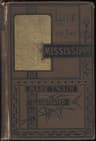
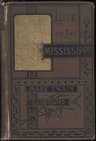
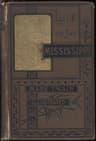
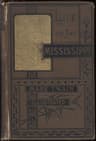
Link to this book
Add a free, dofollow link to Lex on your blog, forum, syllabus, or reading list.

<a href="https://lex-books.com/book/life-on-the-mississippi-part-5-ecc0d539-7808-434b-9a3d-3e8afb6c975a"><img src="https://lex-books.com/badges/read-on-lex.svg" alt="Read Life on the Mississippi, Part 5. by Mark Twain free on Lex" width="160" height="40"></a>[](https://lex-books.com/book/life-on-the-mississippi-part-5-ecc0d539-7808-434b-9a3d-3e8afb6c975a)[url=https://lex-books.com/book/life-on-the-mississippi-part-5-ecc0d539-7808-434b-9a3d-3e8afb6c975a][img]https://lex-books.com/badges/read-on-lex.svg[/img][/url]Read Life on the Mississippi, Part 5. by Mark Twain free on Lex: https://lex-books.com/book/life-on-the-mississippi-part-5-ecc0d539-7808-434b-9a3d-3e8afb6c975aCite this book
Reading this edition for a paper or guide? Copy a citation.
Twain, Mark. Life on the Mississippi, Part 5.. Lex, lex-books.com/book/life-on-the-mississippi-part-5-ecc0d539-7808-434b-9a3d-3e8afb6c975a.Twain, M. (n.d.). Life on the Mississippi, Part 5.. Lex. https://lex-books.com/book/life-on-the-mississippi-part-5-ecc0d539-7808-434b-9a3d-3e8afb6c975aTwain, Mark. Life on the Mississippi, Part 5.. Lex. https://lex-books.com/book/life-on-the-mississippi-part-5-ecc0d539-7808-434b-9a3d-3e8afb6c975a.