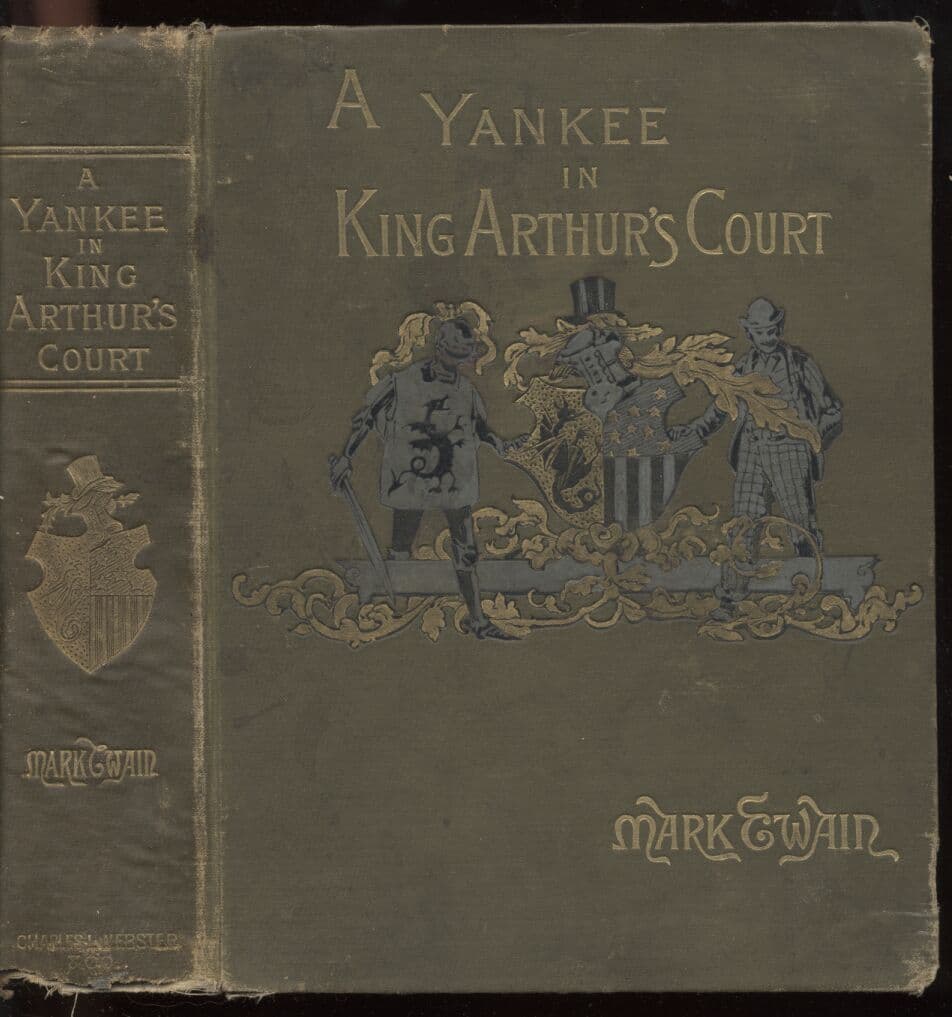
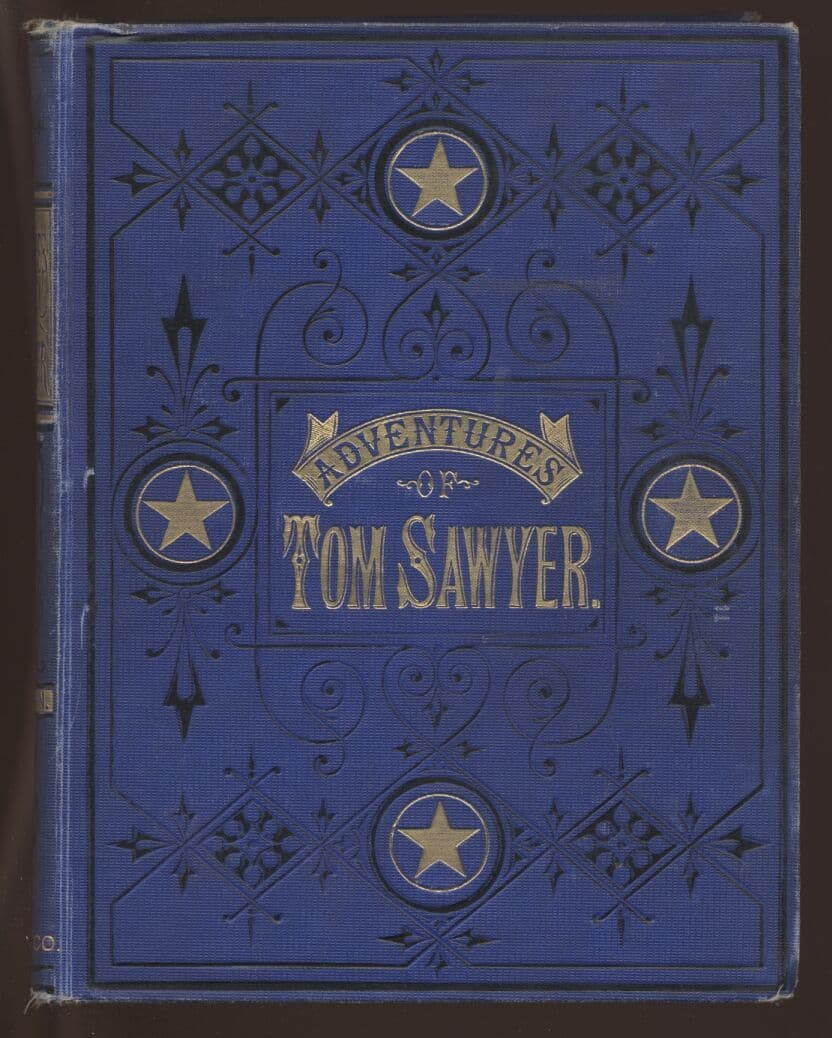
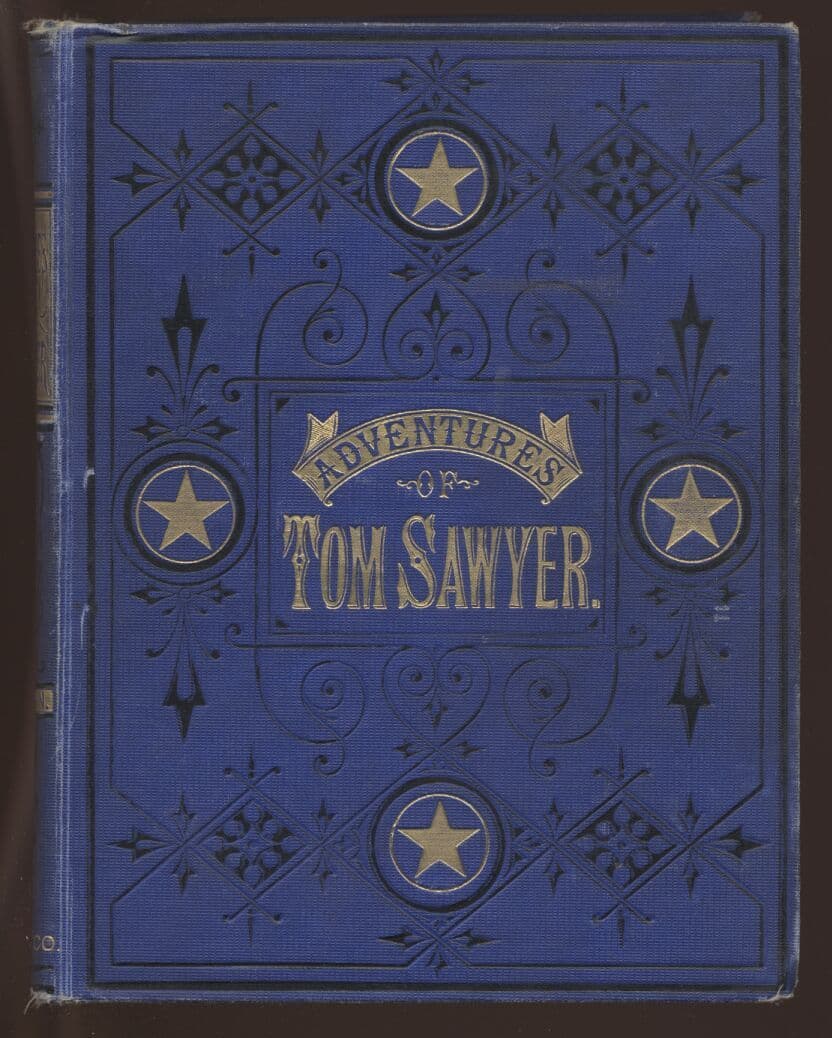
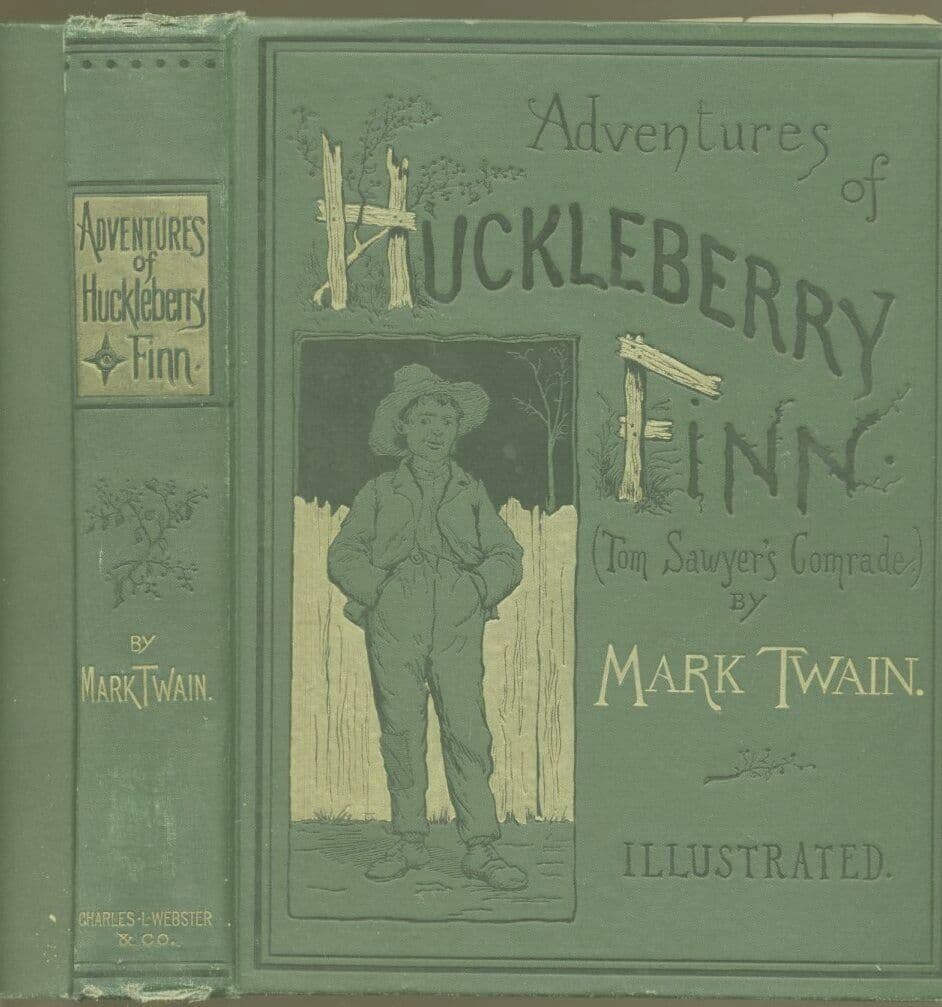
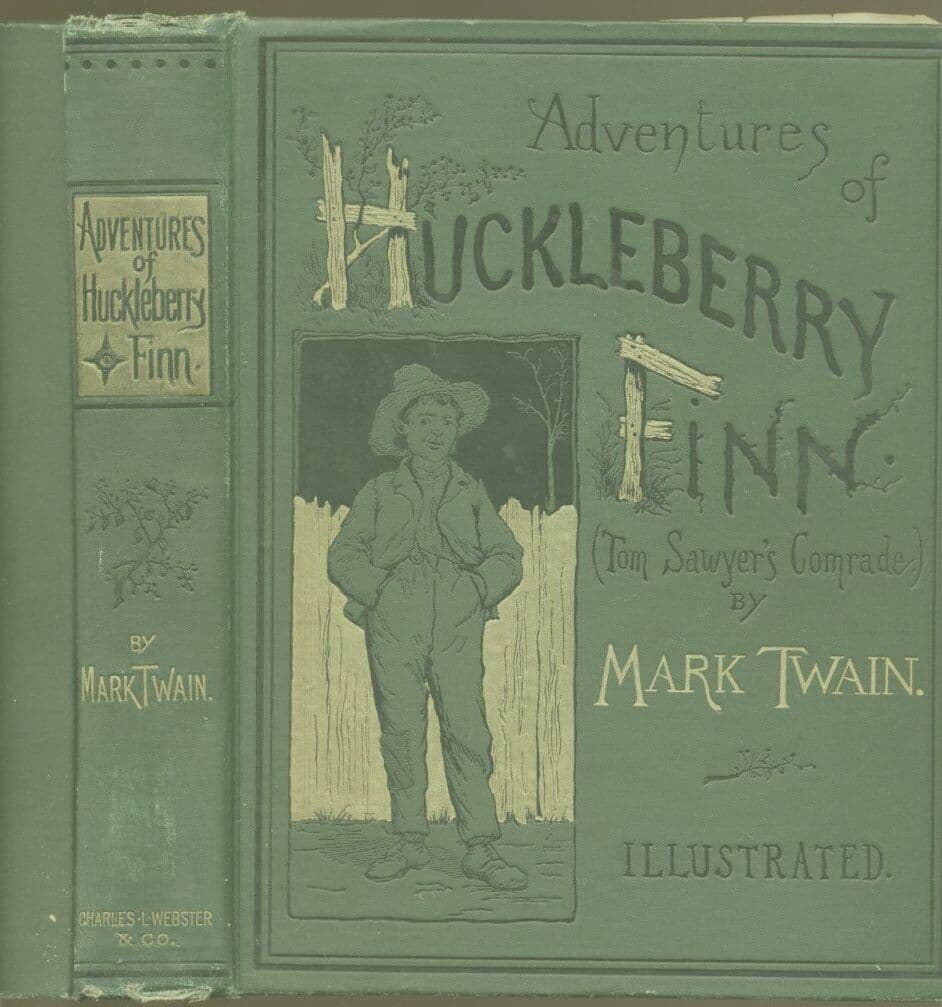
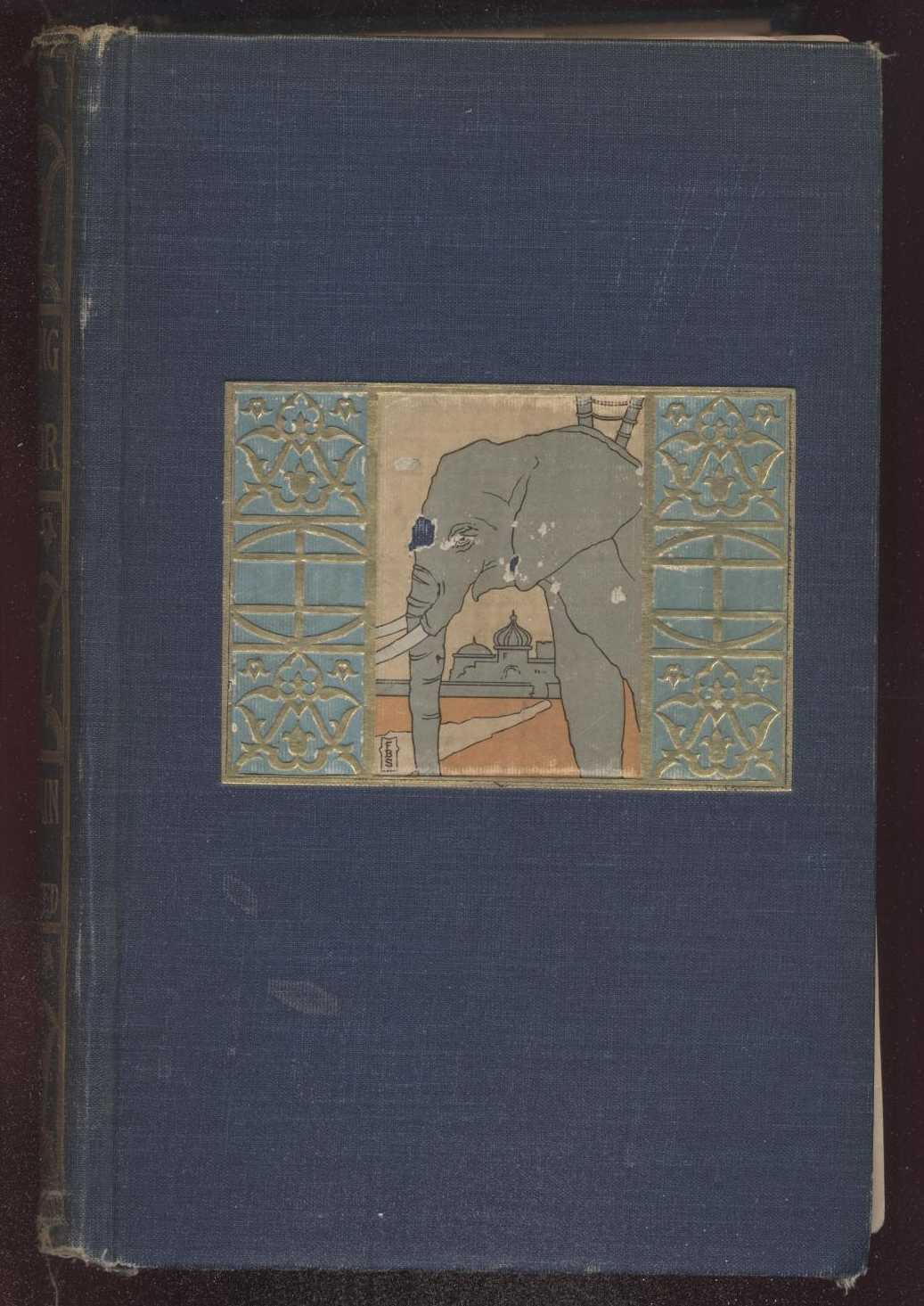
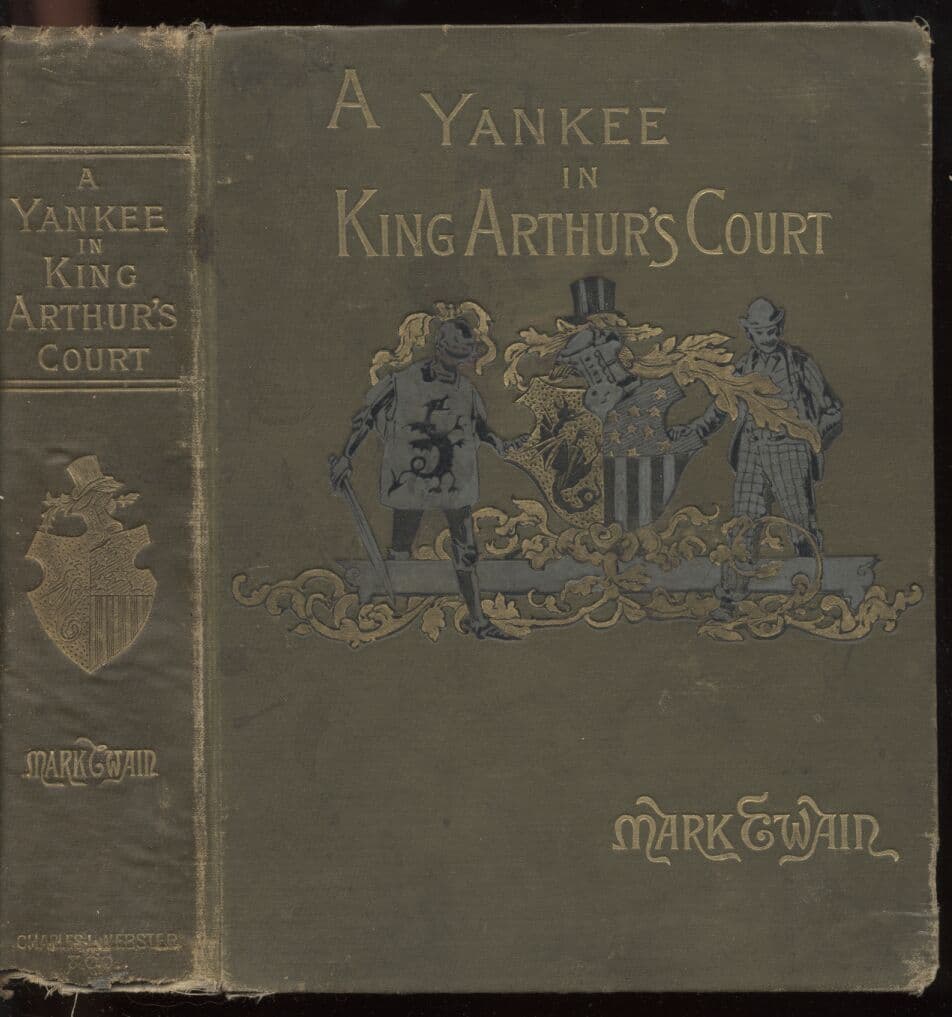
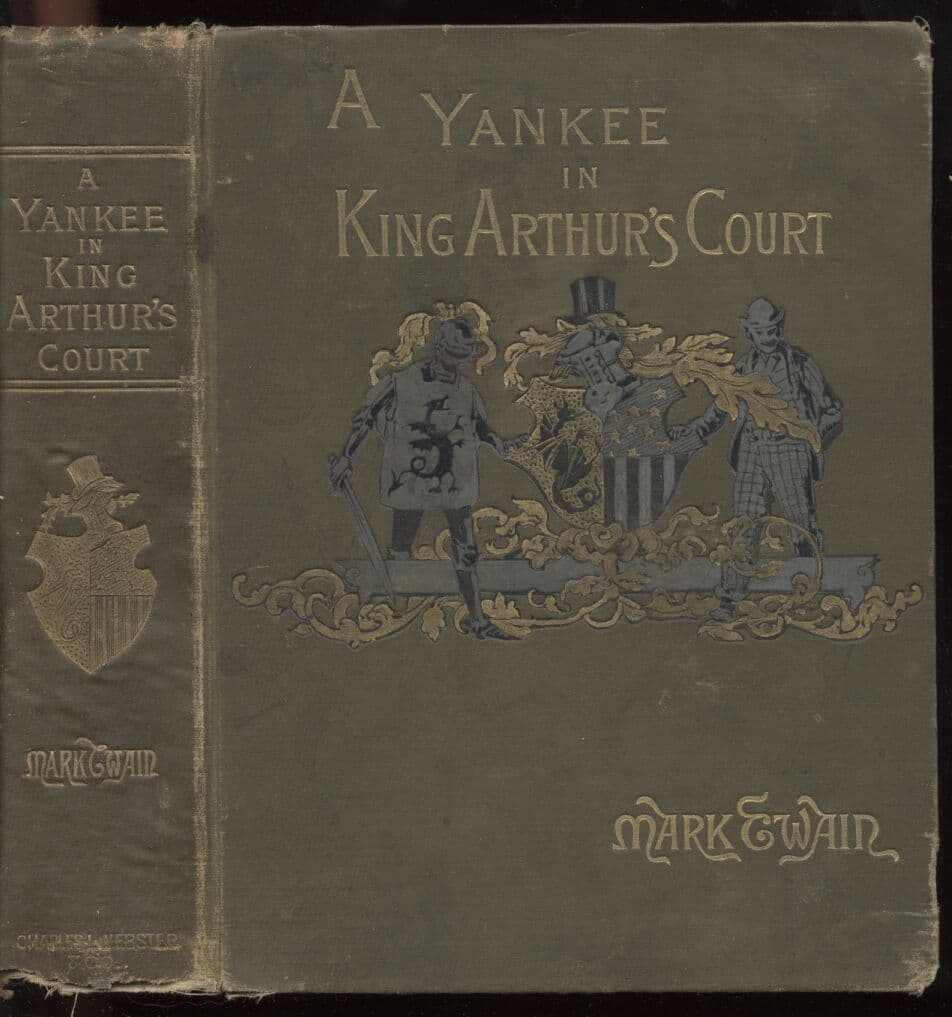
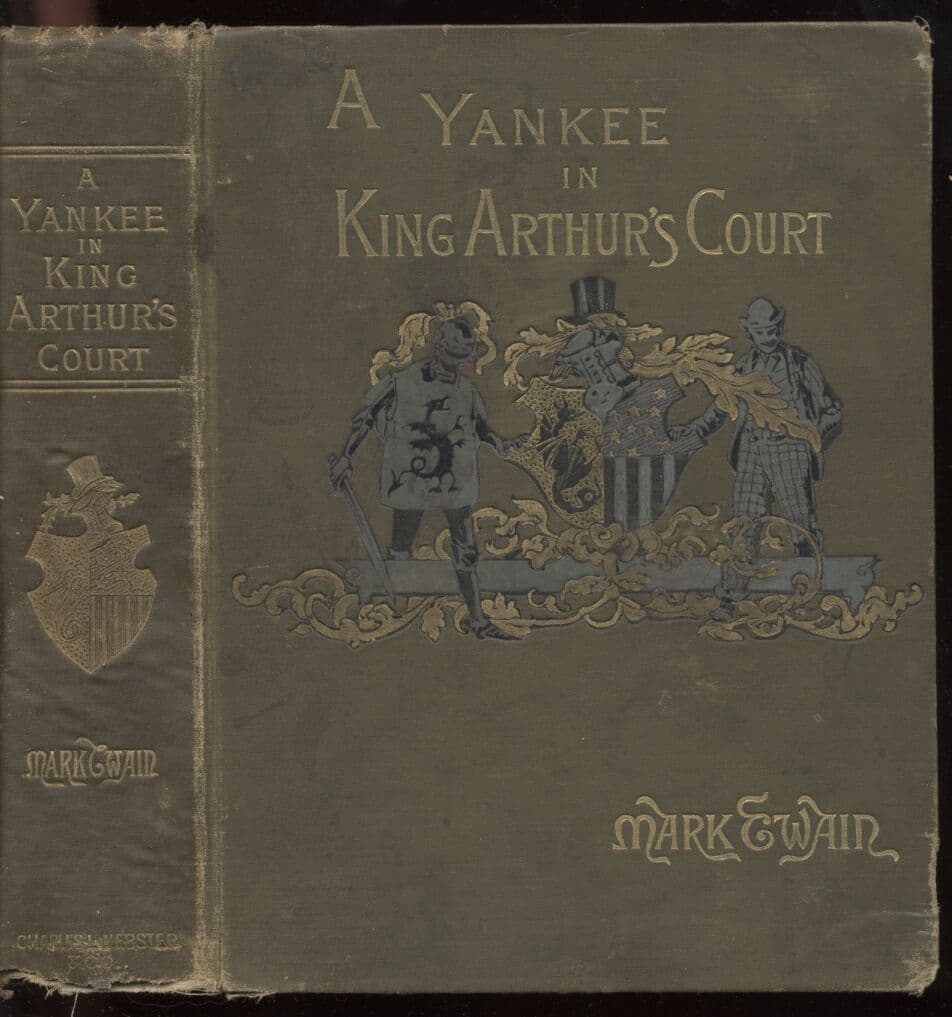
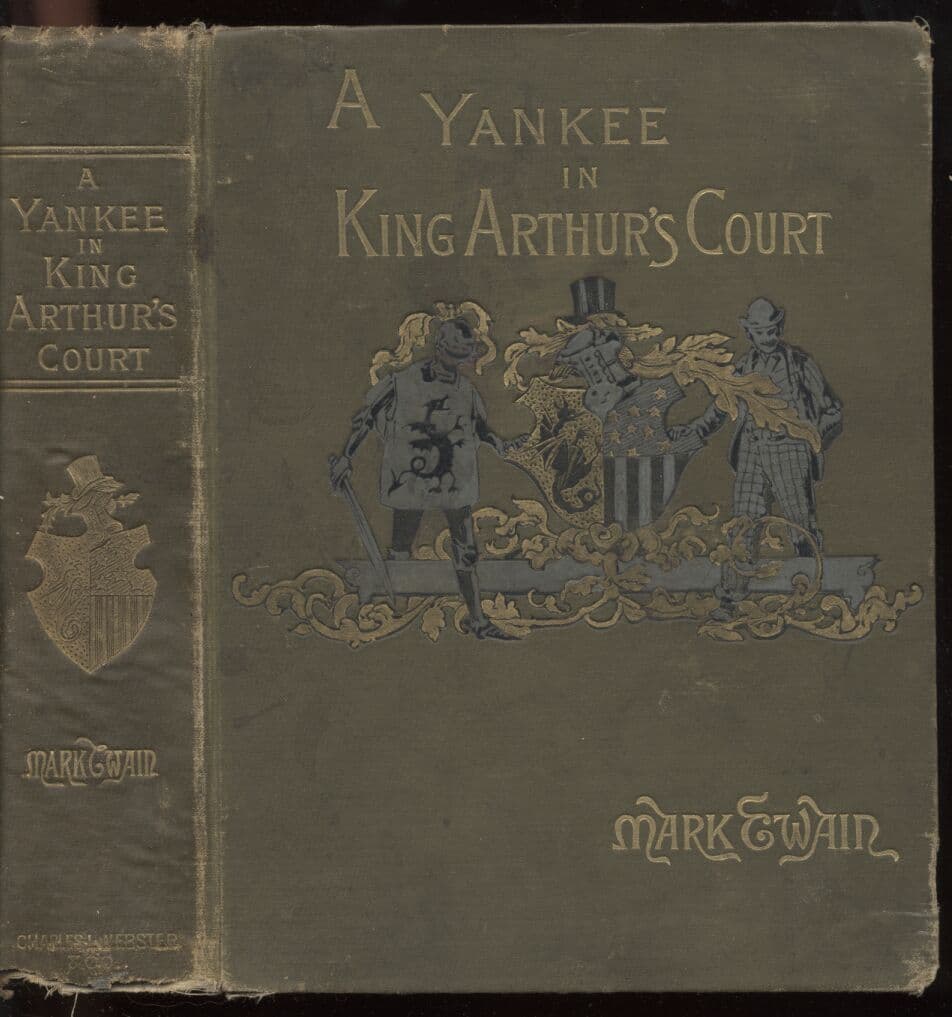
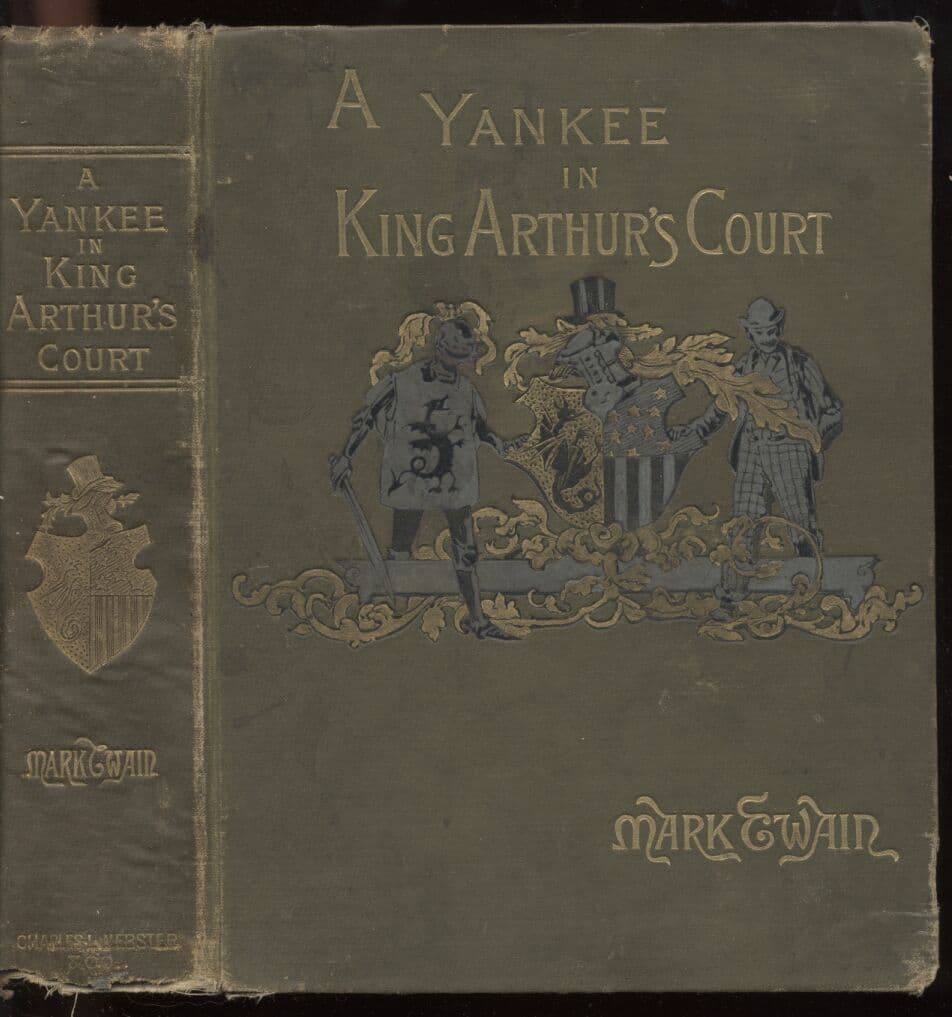
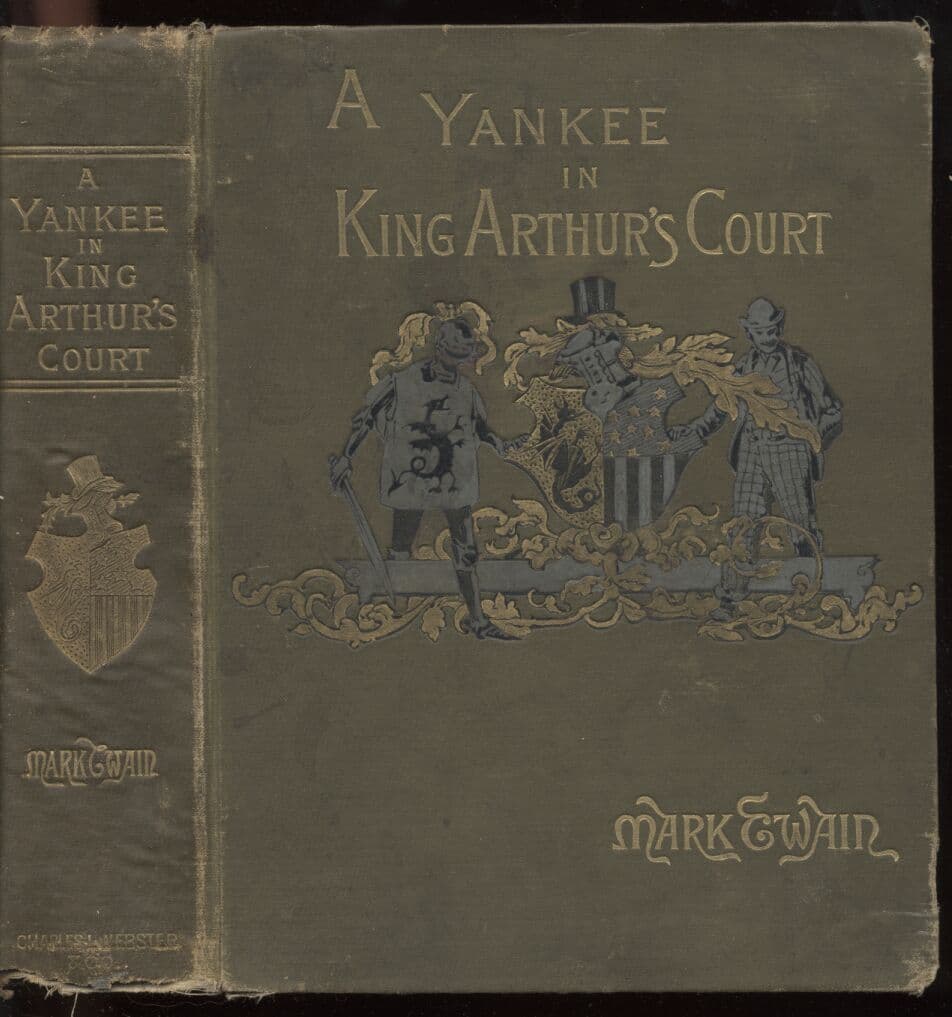
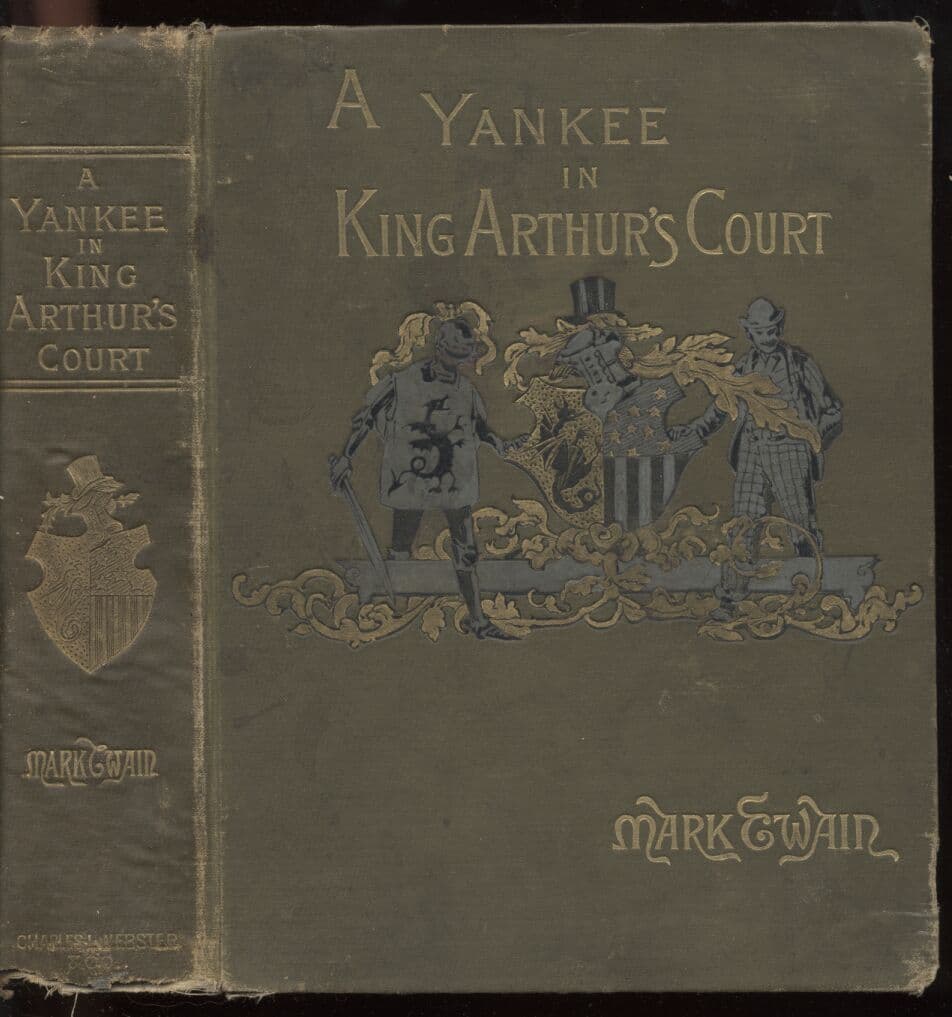
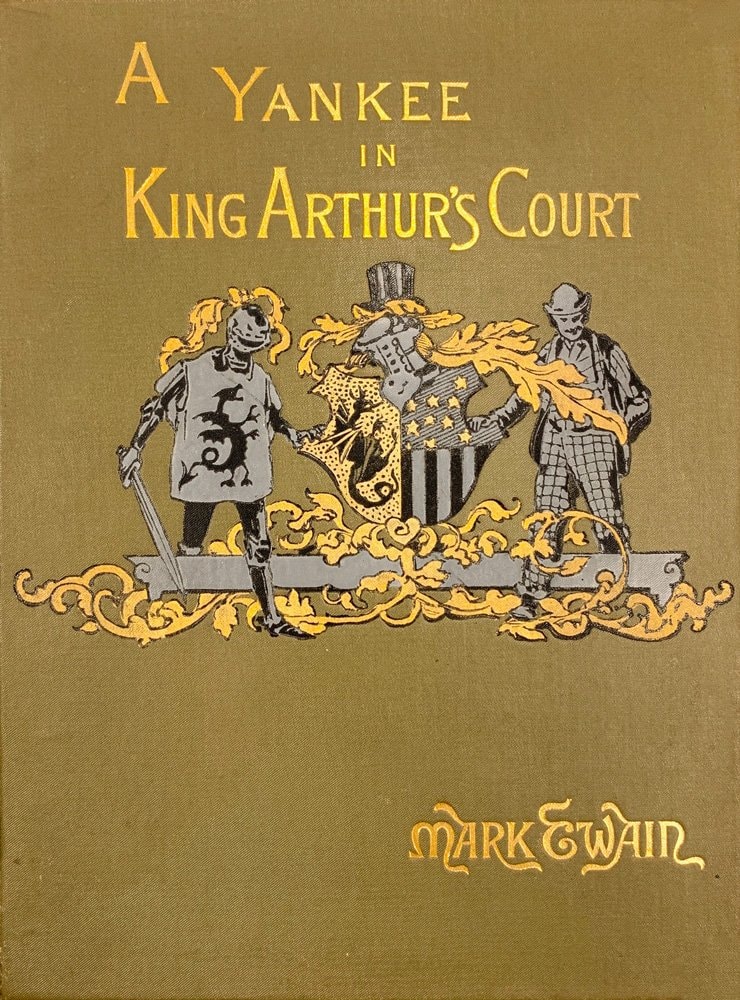
A Connecticut Yankee in King Arthur's Court
1889
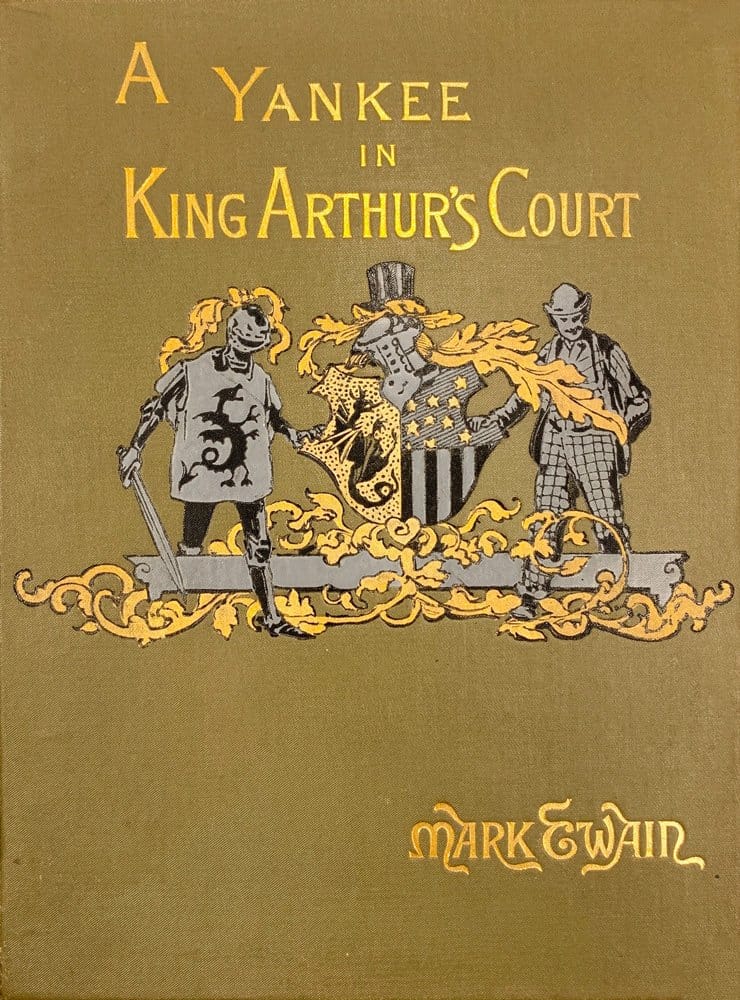
A Connecticut Yankee in King Arthur's Court
1889
A 19th-century American mechanic gets clobbered on the head and wakes up in Camelot. That's the setup. What follows is Mark Twain at his most ambitious and most darkly prophetic: a time-traveling Yankee who thinks he can modernize the Dark Ages with factory smoke and firearms, who genuinely believes progress is inevitable and good, who vows to 'boss the whole country inside of three weeks.' Hank Morgan is funny, brash, and ultimately tragic. He brings electricity and gunpowder to a kingdom of knights and chivalry, but Twain sees the disaster coming long before Hank does. This is not a cozy fish-out-of-water story. It's a brutal satire that asks: What happens when American optimism meets medieval reality? What happens when technology becomes a weapon? Written in 1889, it's one of literature's first time-travel novels and still one of the strangest. The comedy is genuine, the critique is devastating, and the ending is a blood-soaked catastrophe that lingers.
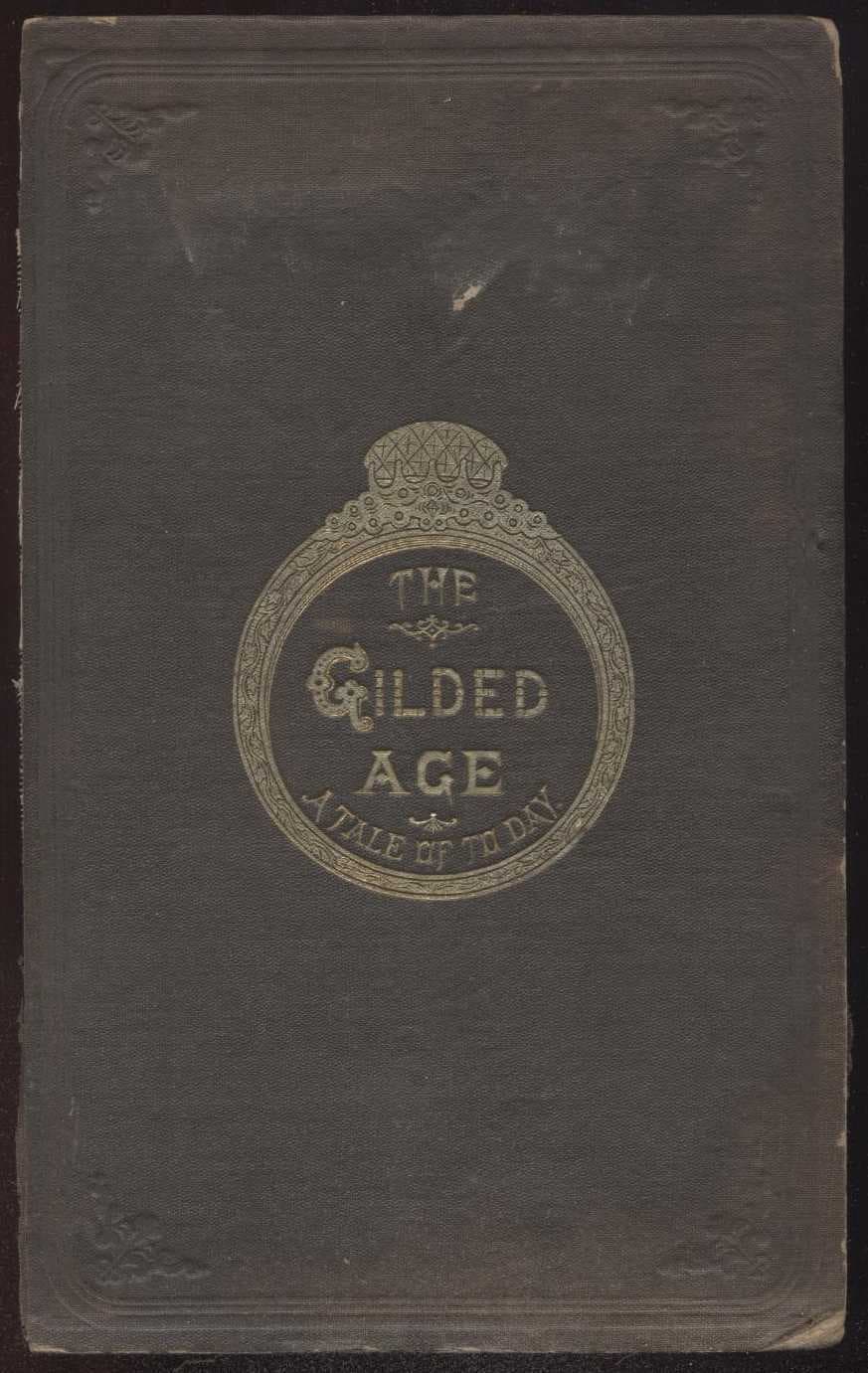
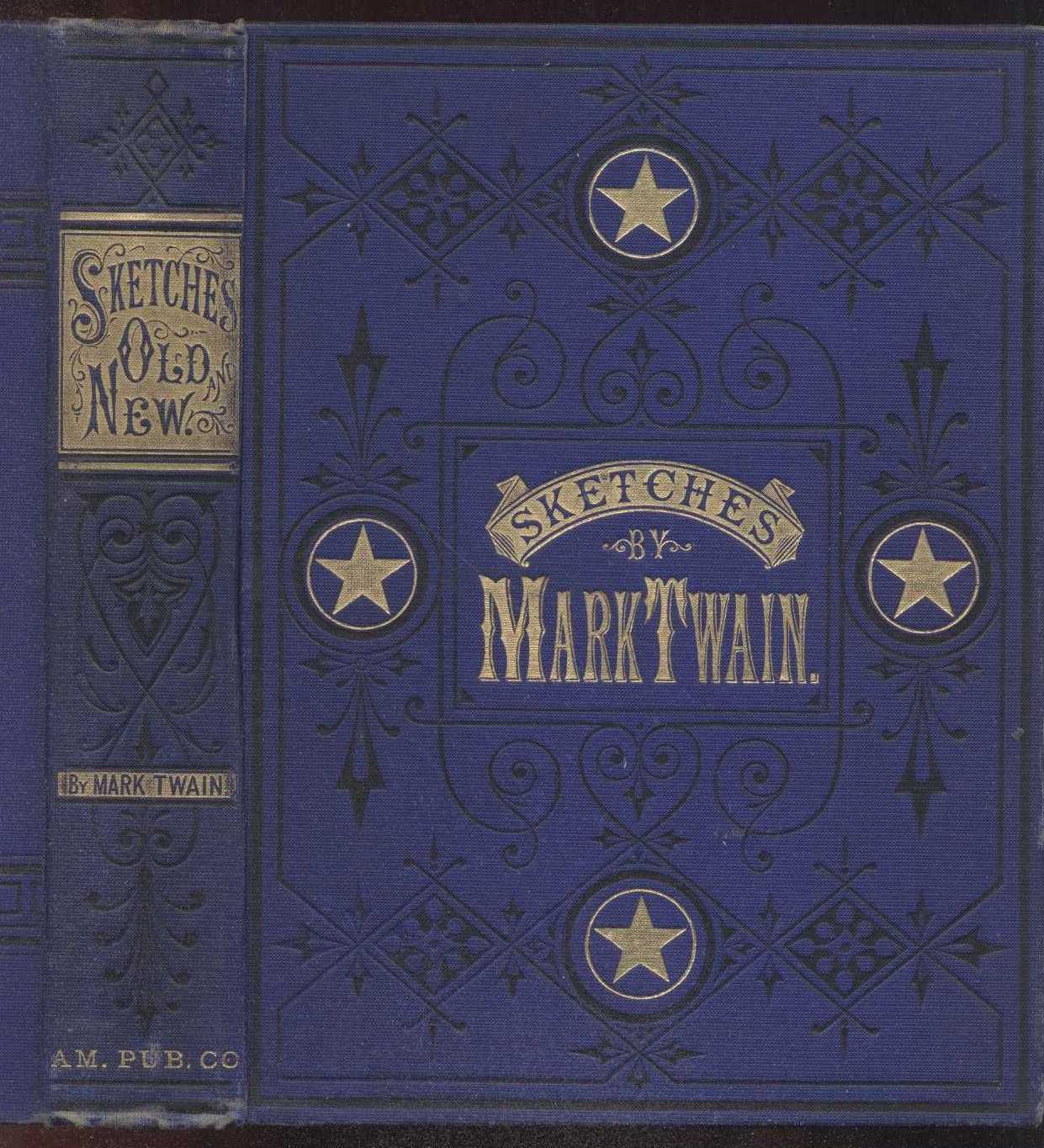
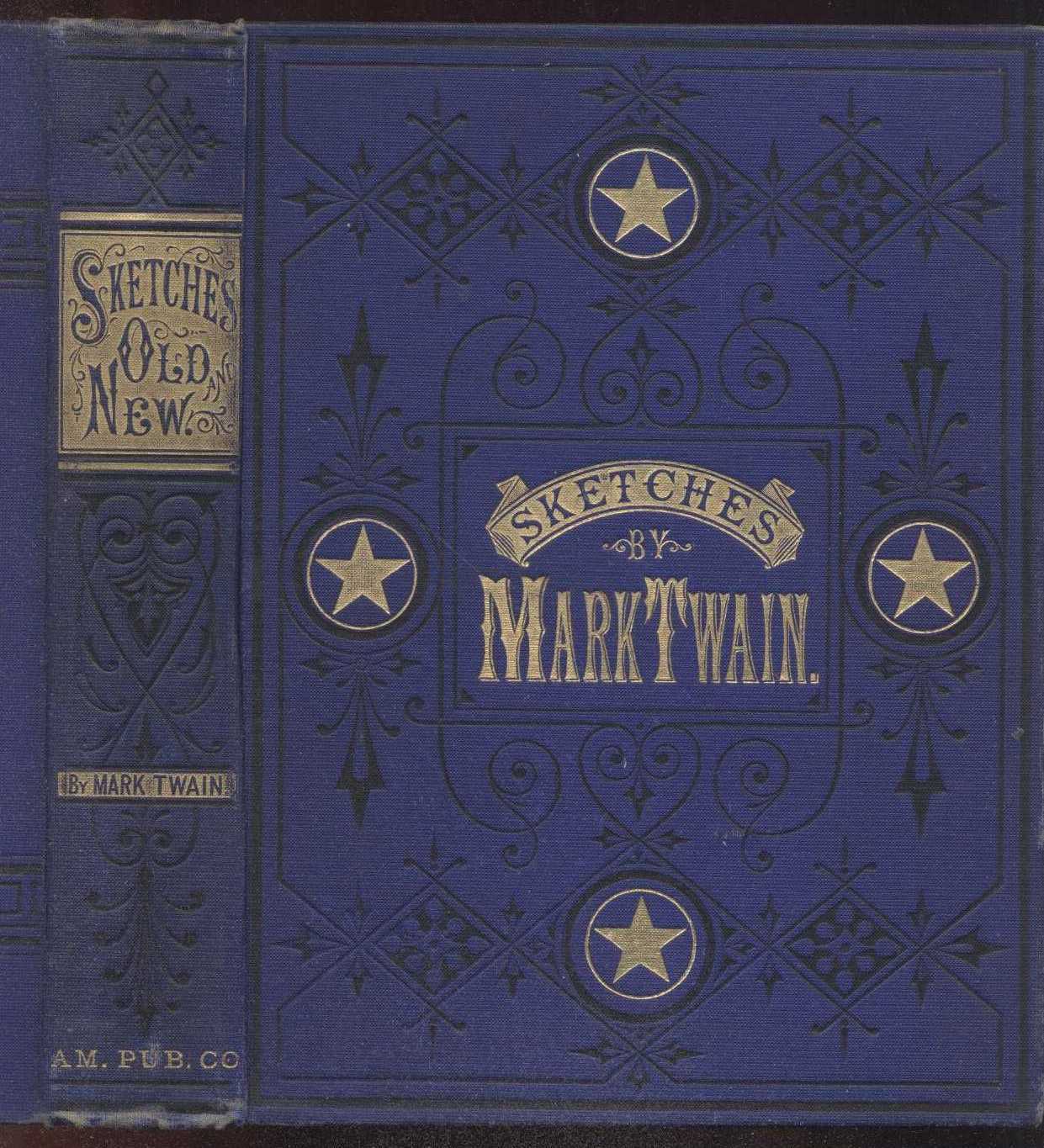
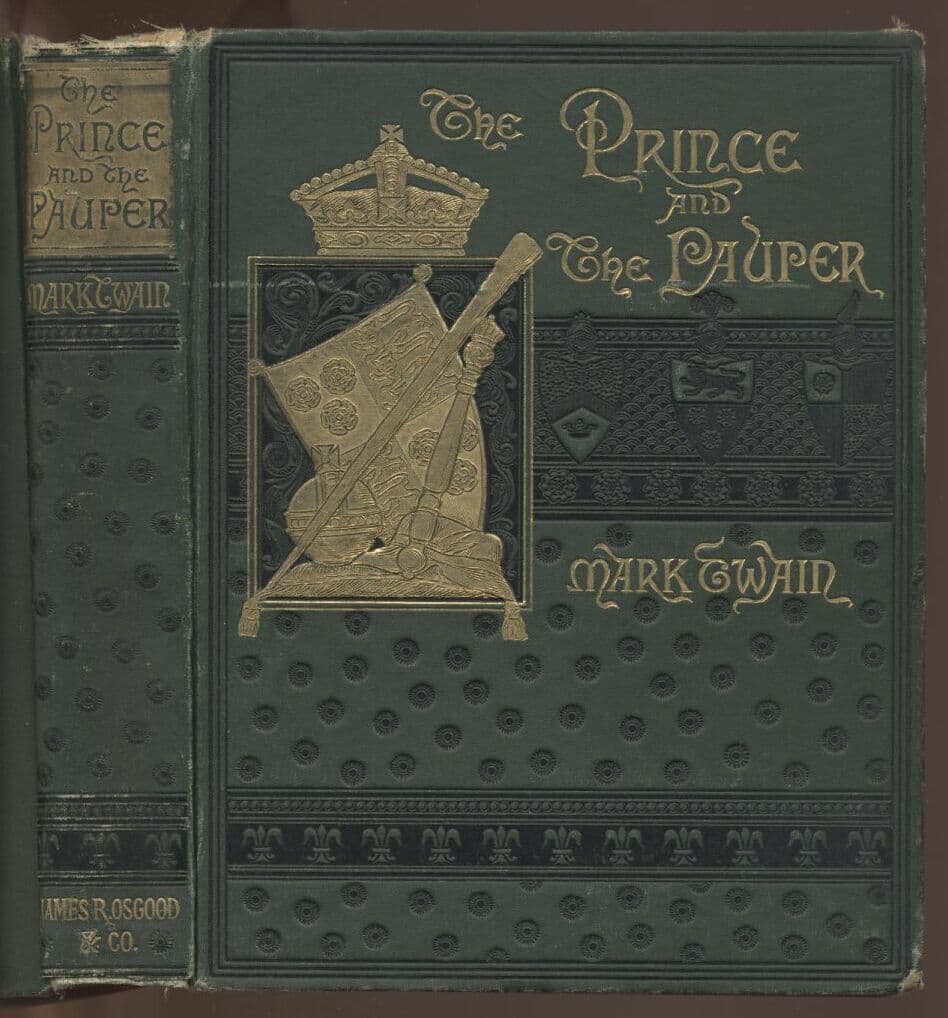
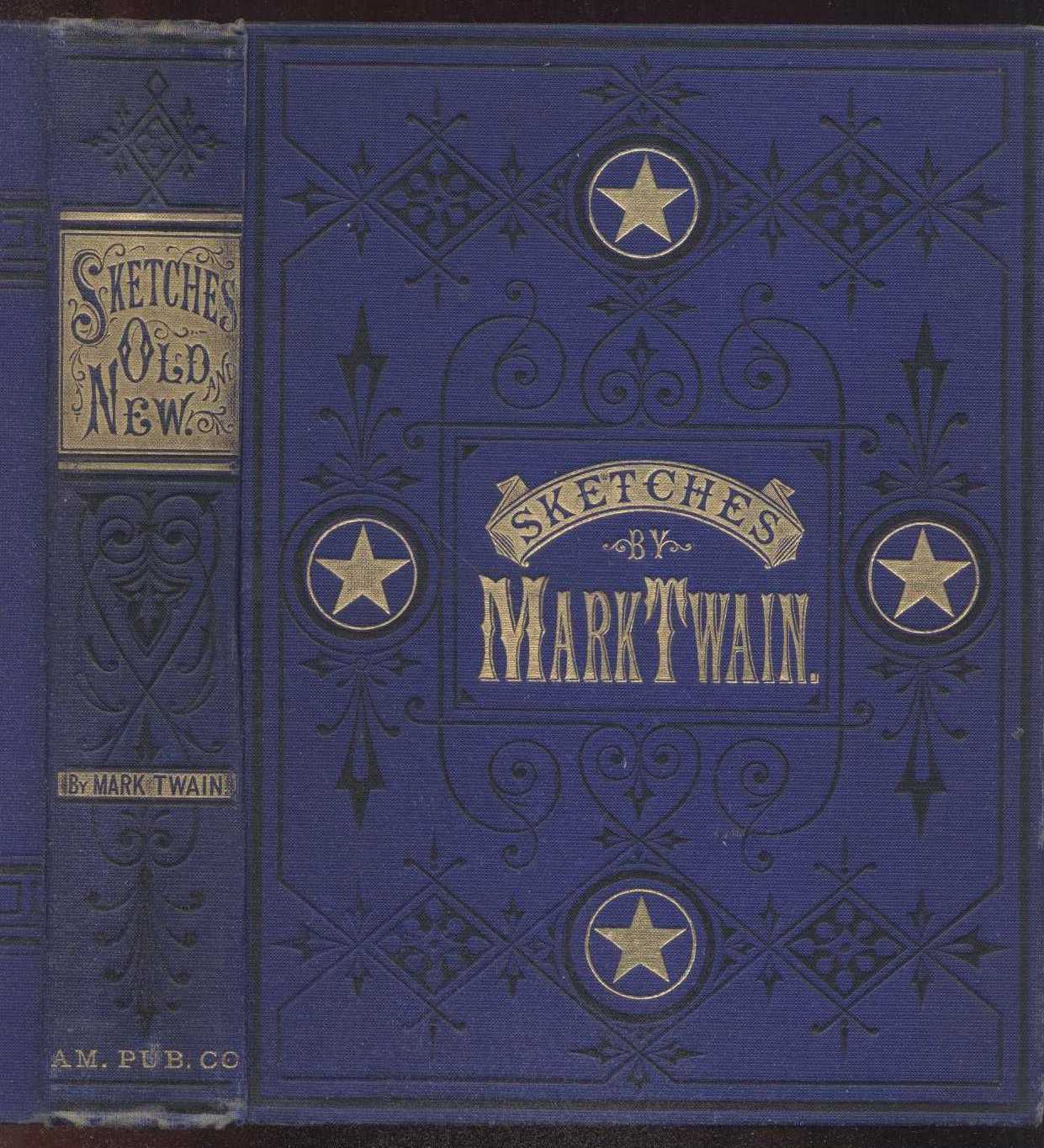
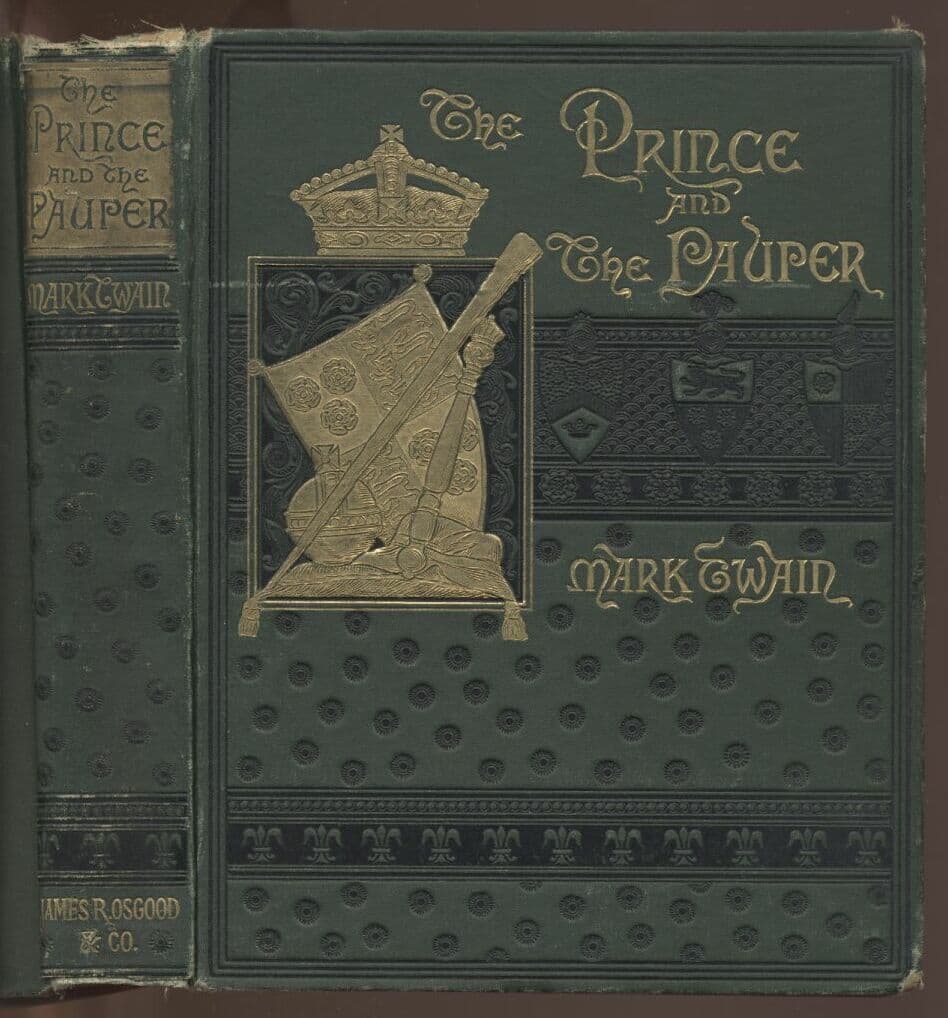
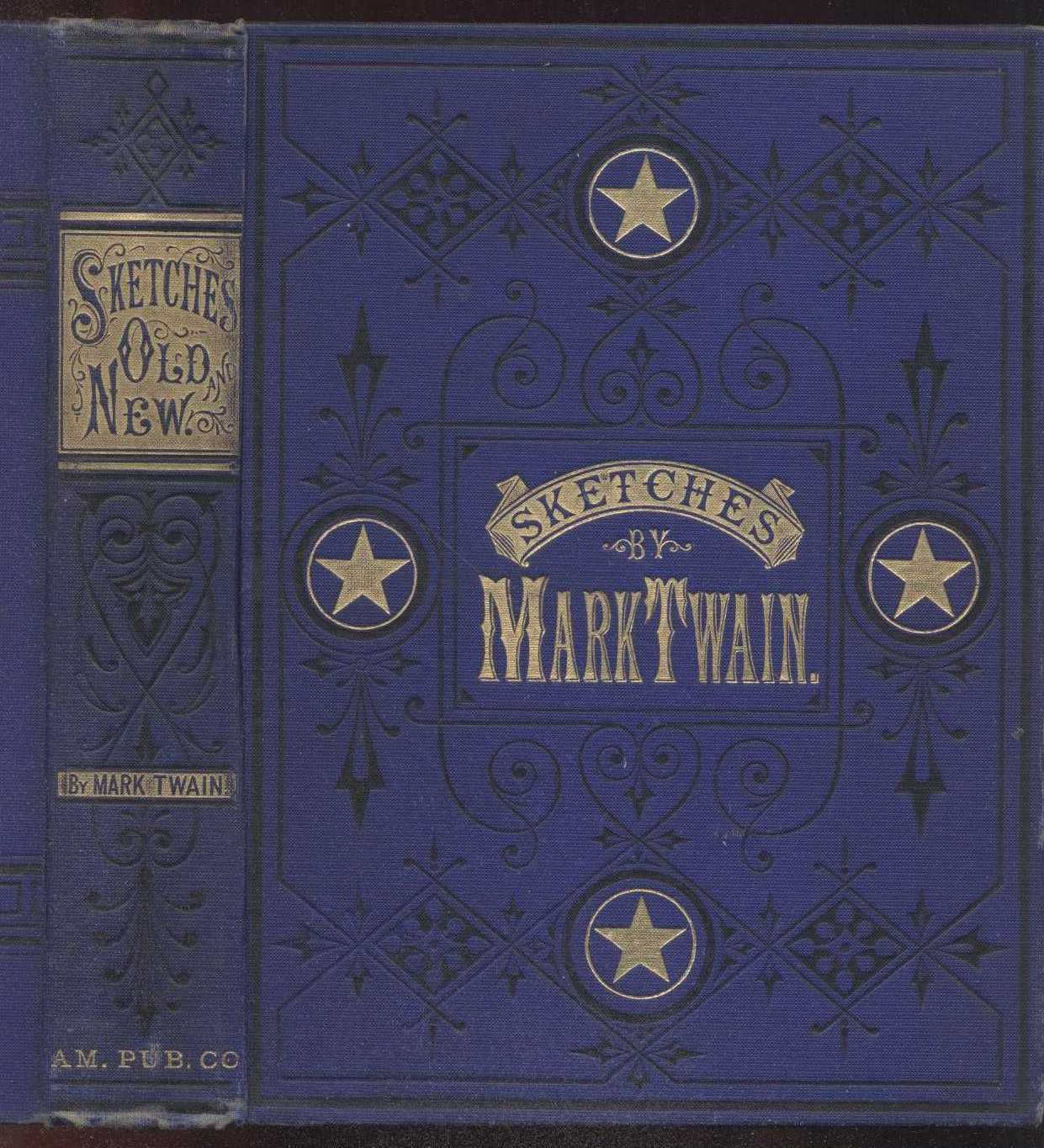
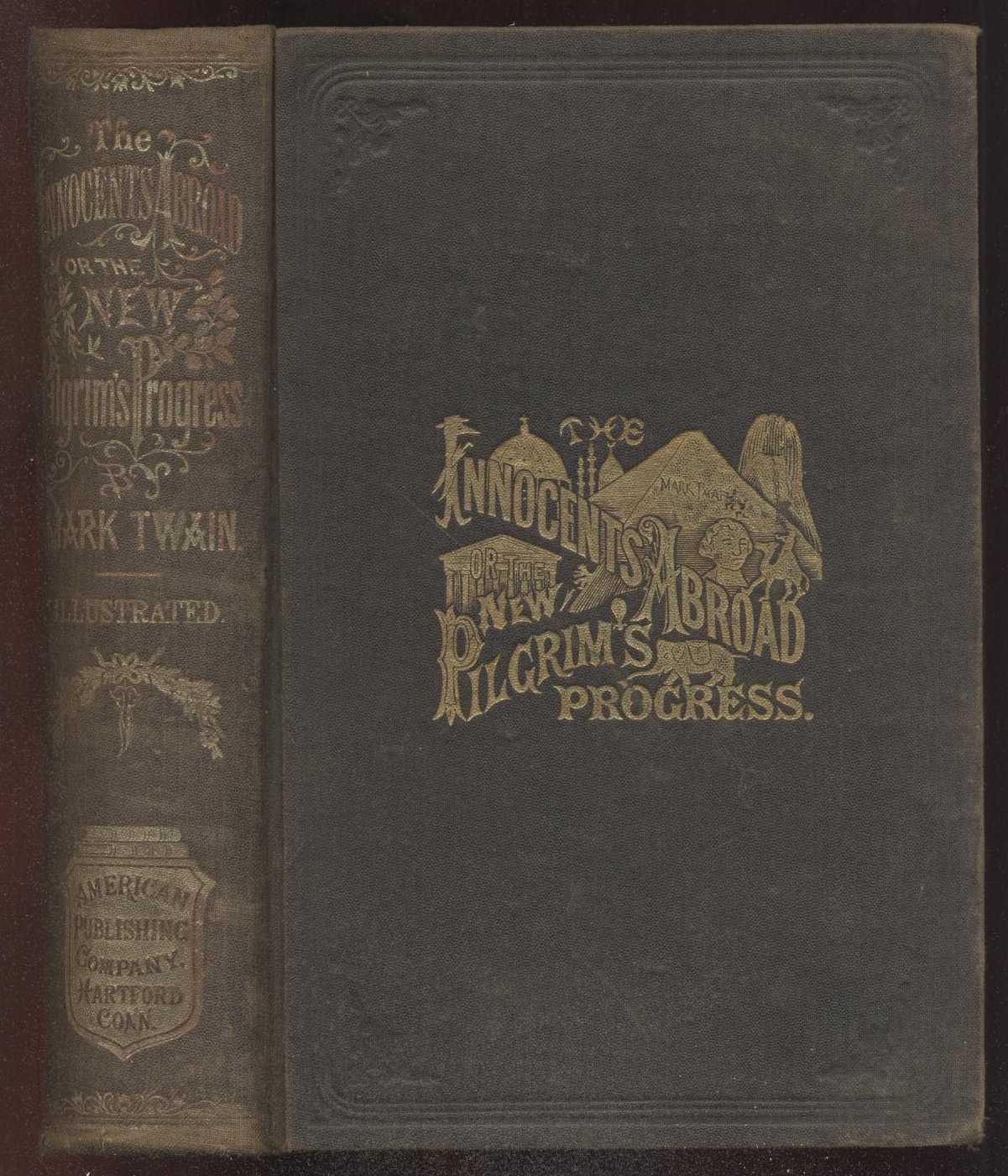
Editions

X-Ray
“You can't depend on your eyes when your imagination is out of focus.””
— Mark Twain
“THERE were two “Reigns of Terror,” if we would but remember it and consider it; the one wrought murder in hot passion, the other in heartless cold blood; the one lasted mere months, the other had lasted a thousand years; the one inflicted death upon ten thousand persons, the other upon a hundred millions; but our shudders are all for the “horrors” of the minor Terror, the momentary Terror, so to speak; whereas, what is the horror of swift death by the axe, compared with lifelong death from hunger, cold, insult, cruelty, and heart-break? What is swift death by lightning compared with death by slow fire at the stake? A city cemetery could contain the coffins filled by that brief Terror which we have all been so diligently taught to shiver at and mourn over; but all France could hardly contain the coffins filled by that older and real Terror”
— Mark Twain
“You can't reason with your heart; it has its own laws, and thumps about things which the intellect scorns.””
— Mark Twain
“My kind of loyalty was loyalty to one's country, not to its institutions or its officeholders. The country is the real thing, the substantial thing, the eternal thing; it is the thing to watch over, and care for, and be loyal to; institutions are extraneous, they are its mere clothing, and clothing can wear out, become ragged, cease to be comfortable, cease to protect the body from winter, disease, and death.””
— Mark Twain
“Words are only painted fire, a look is the fire itself. She gave that look, and carried it away to the treasury of heaven, where all things that are divine belong.””
— Mark Twain
“whenever the literary german dives into a sentence, this is the last you are going to see of him till he emerges on the other side of his atlantic with his verb in his mouth.””
— Mark Twain
“You can't throw too much style into a miracle.””
— Mark Twain
“His head was an hour-glass; it could stow an idea, but it had to do it a grain at a time, not the whole idea at once.””
— Mark Twain
“How empty is theory in the presence of fact!””
— Mark Twain
Link to this book
Add a free, dofollow link to Lex on your blog, forum, syllabus, or reading list.

<a href="https://lex-books.com/book/a-connecticut-yankee-in-king-arthur-s-court-10560604-118c-4095-8e6a-01065d6b8932"><img src="https://lex-books.com/badges/read-on-lex.svg" alt="Read A Connecticut Yankee in King Arthur's Court by Mark Twain free on Lex" width="160" height="40"></a>[](https://lex-books.com/book/a-connecticut-yankee-in-king-arthur-s-court-10560604-118c-4095-8e6a-01065d6b8932)[url=https://lex-books.com/book/a-connecticut-yankee-in-king-arthur-s-court-10560604-118c-4095-8e6a-01065d6b8932][img]https://lex-books.com/badges/read-on-lex.svg[/img][/url]Read A Connecticut Yankee in King Arthur's Court by Mark Twain free on Lex: https://lex-books.com/book/a-connecticut-yankee-in-king-arthur-s-court-10560604-118c-4095-8e6a-01065d6b8932Cite this book
Reading this edition for a paper or guide? Copy a citation.
Twain, Mark. A Connecticut Yankee in King Arthur's Court. Lex, lex-books.com/book/a-connecticut-yankee-in-king-arthur-s-court-10560604-118c-4095-8e6a-01065d6b8932.Twain, M. (1889). A Connecticut Yankee in King Arthur's Court. Lex. https://lex-books.com/book/a-connecticut-yankee-in-king-arthur-s-court-10560604-118c-4095-8e6a-01065d6b8932Twain, Mark. A Connecticut Yankee in King Arthur's Court. Lex. https://lex-books.com/book/a-connecticut-yankee-in-king-arthur-s-court-10560604-118c-4095-8e6a-01065d6b8932.