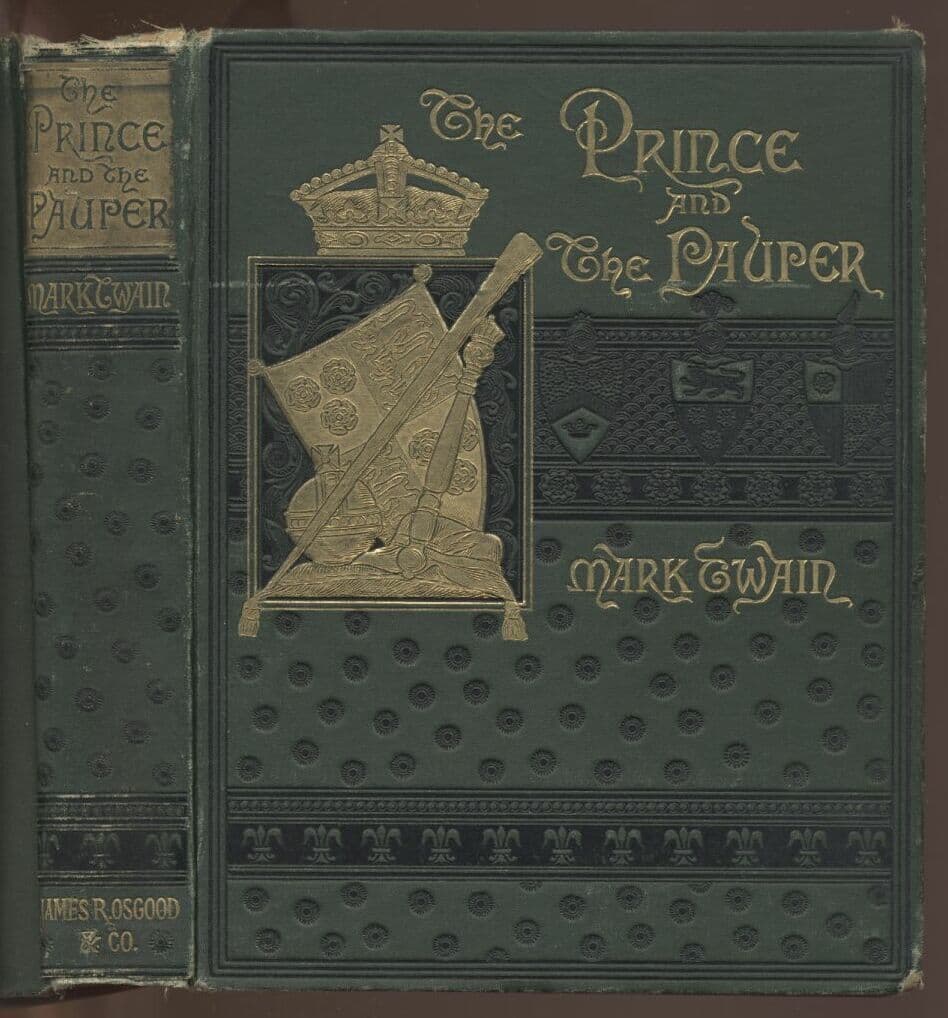
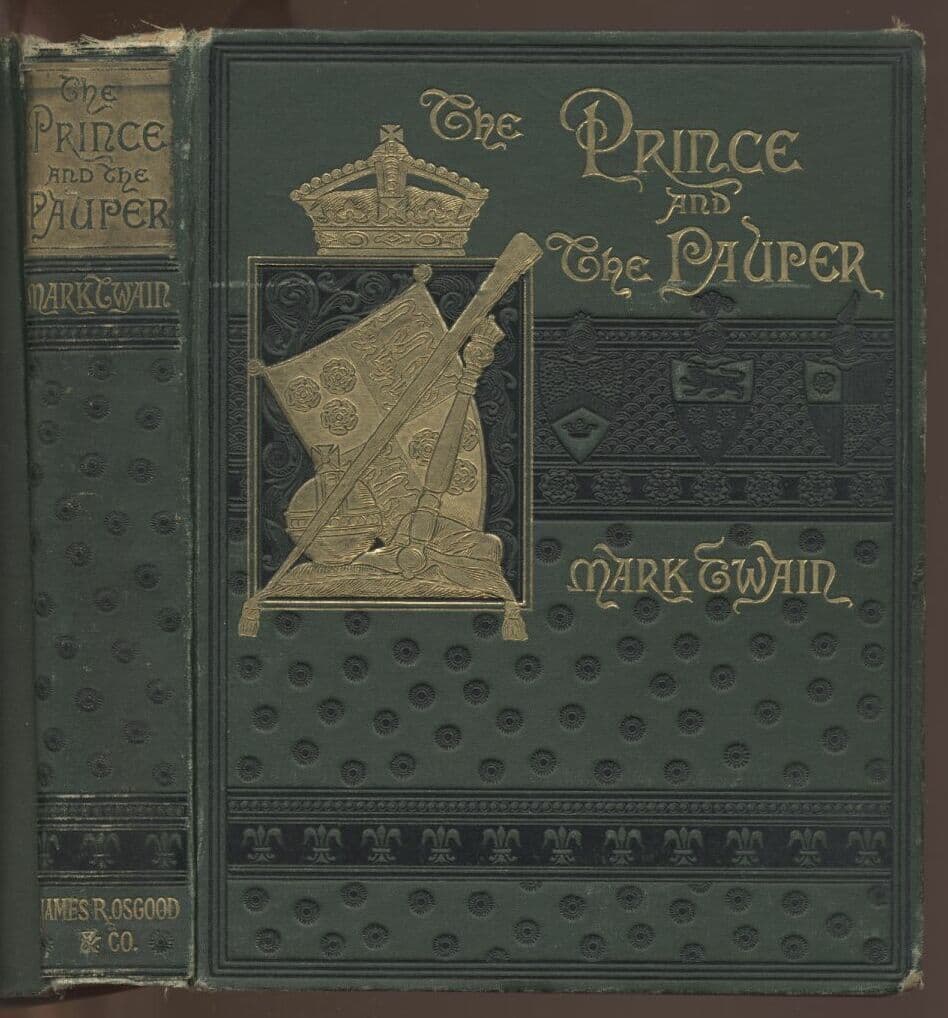
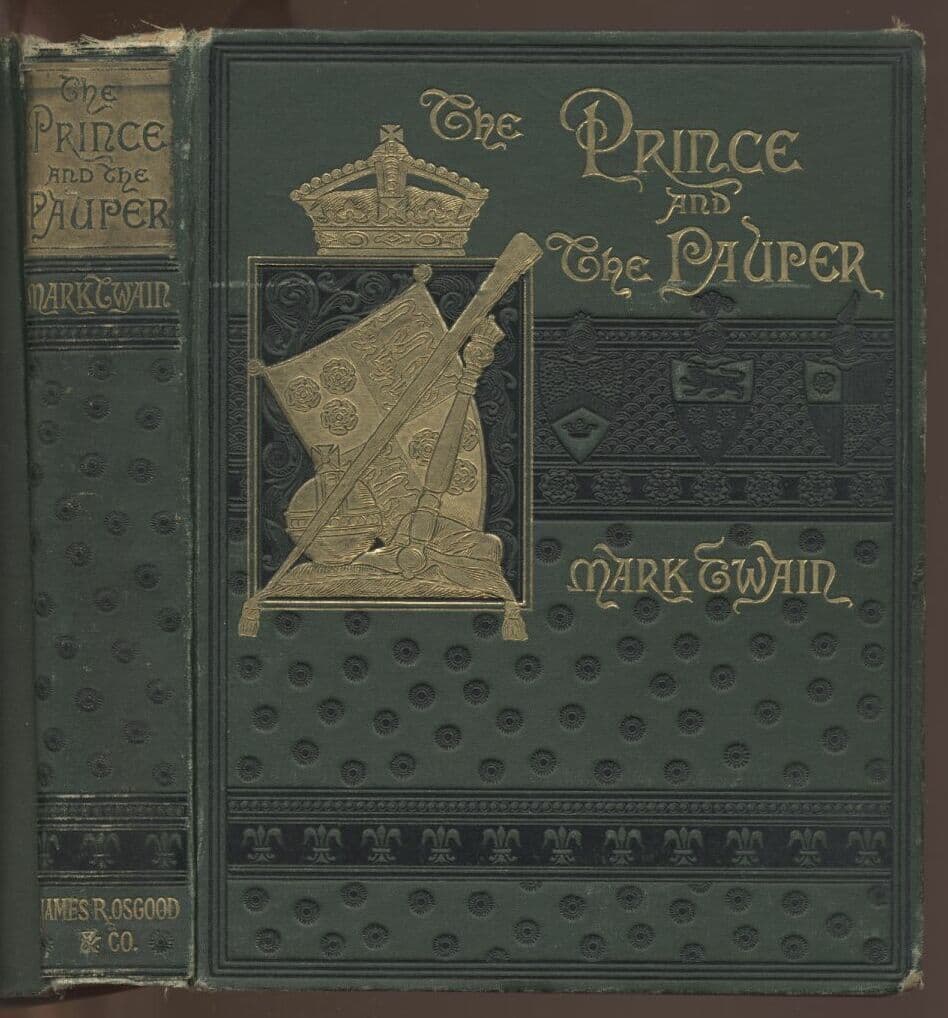
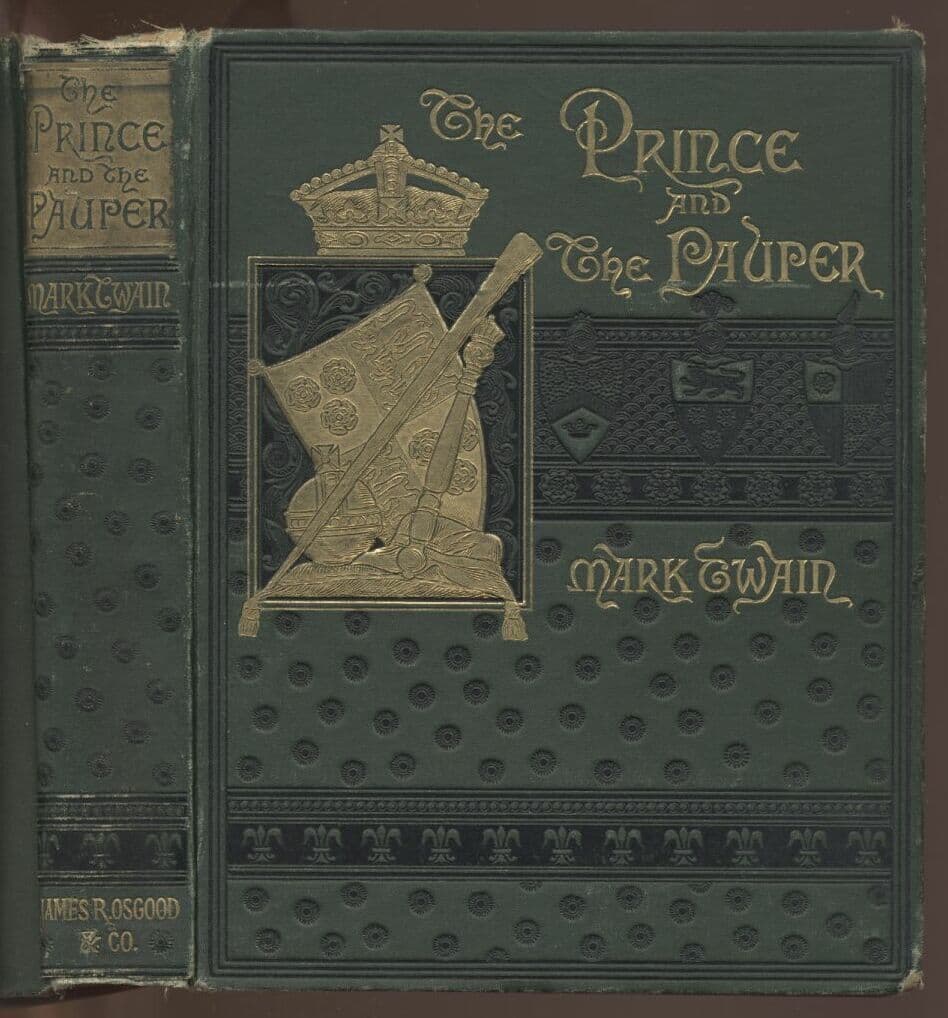
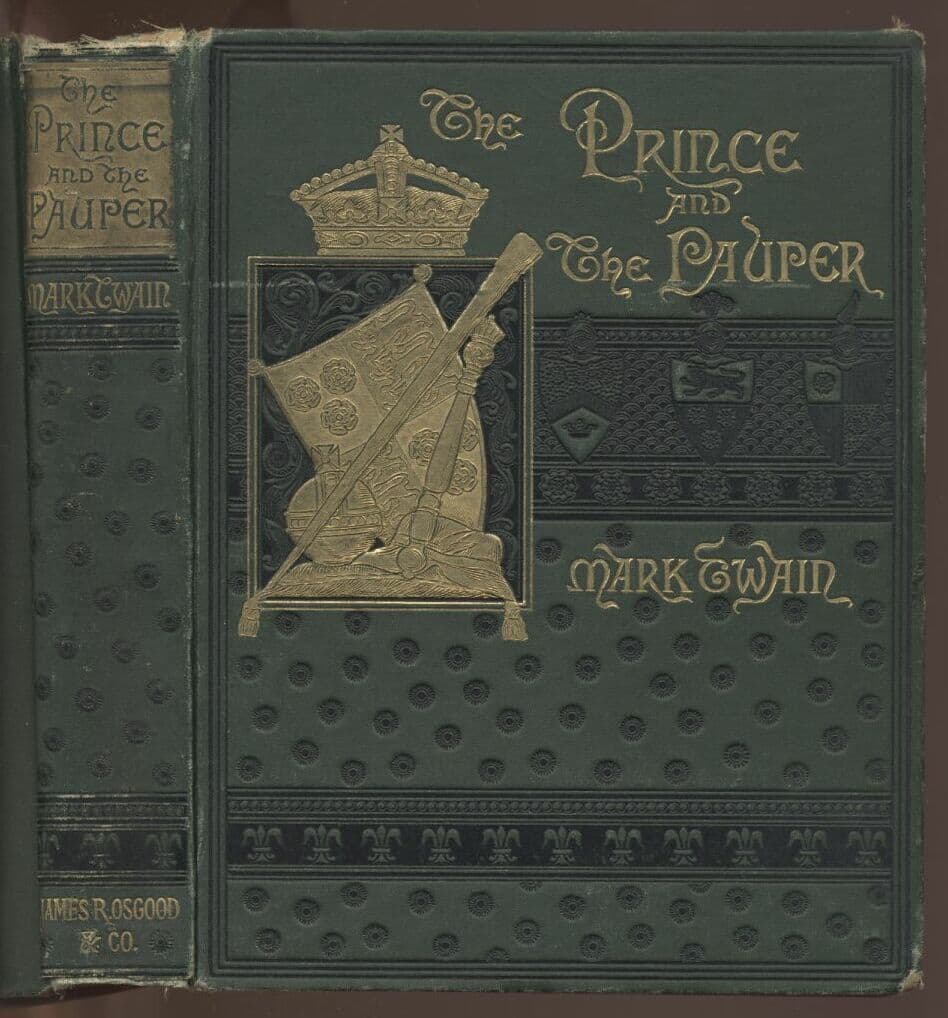
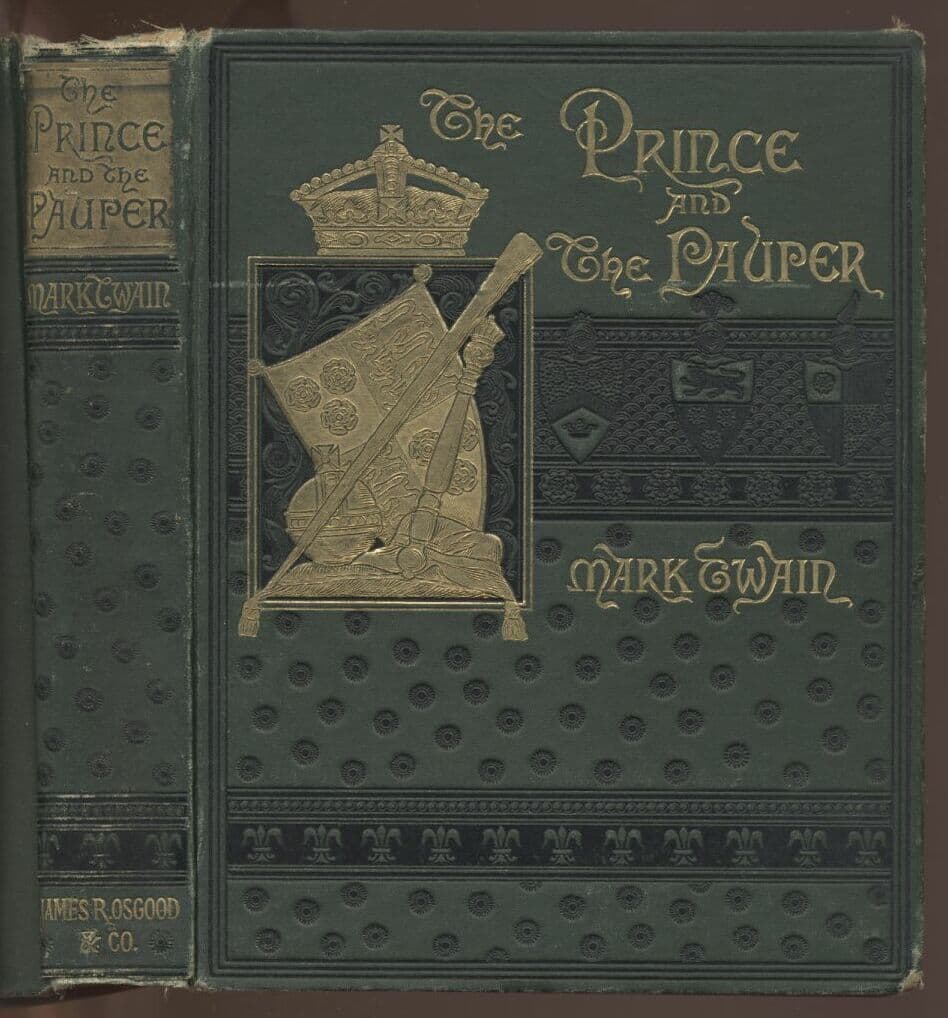
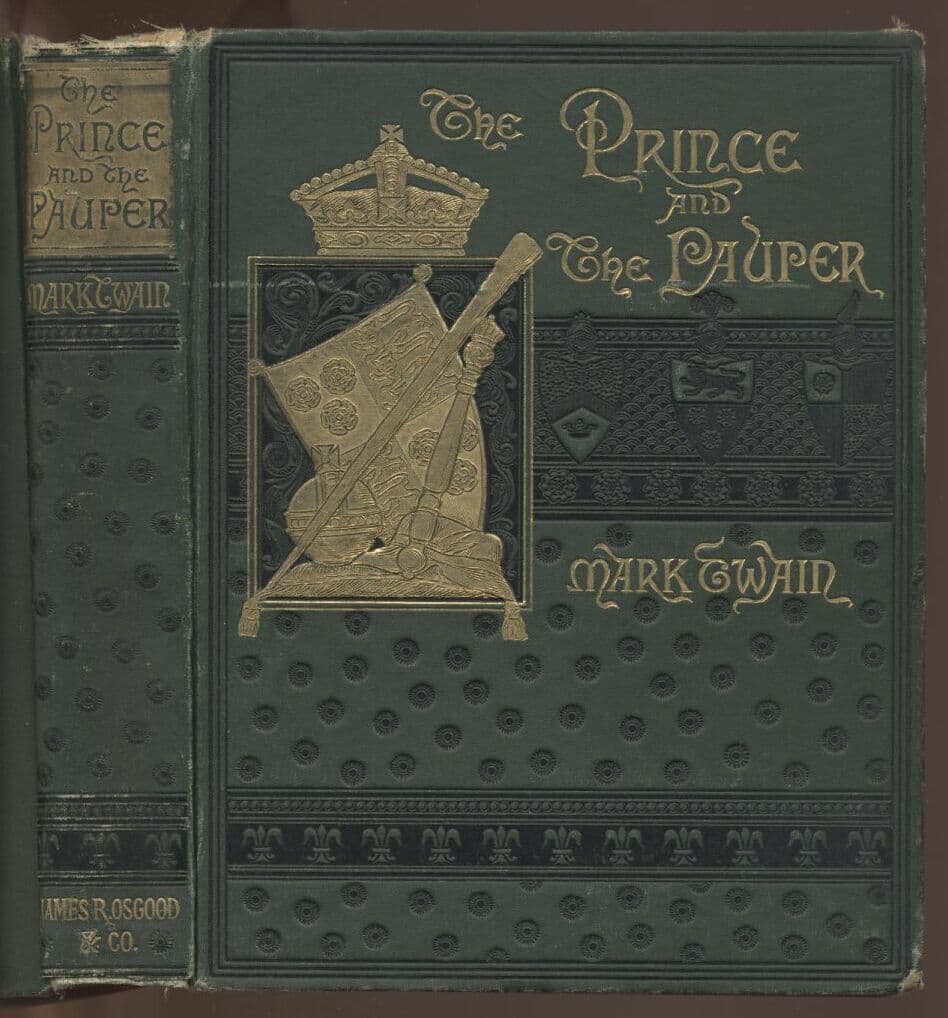
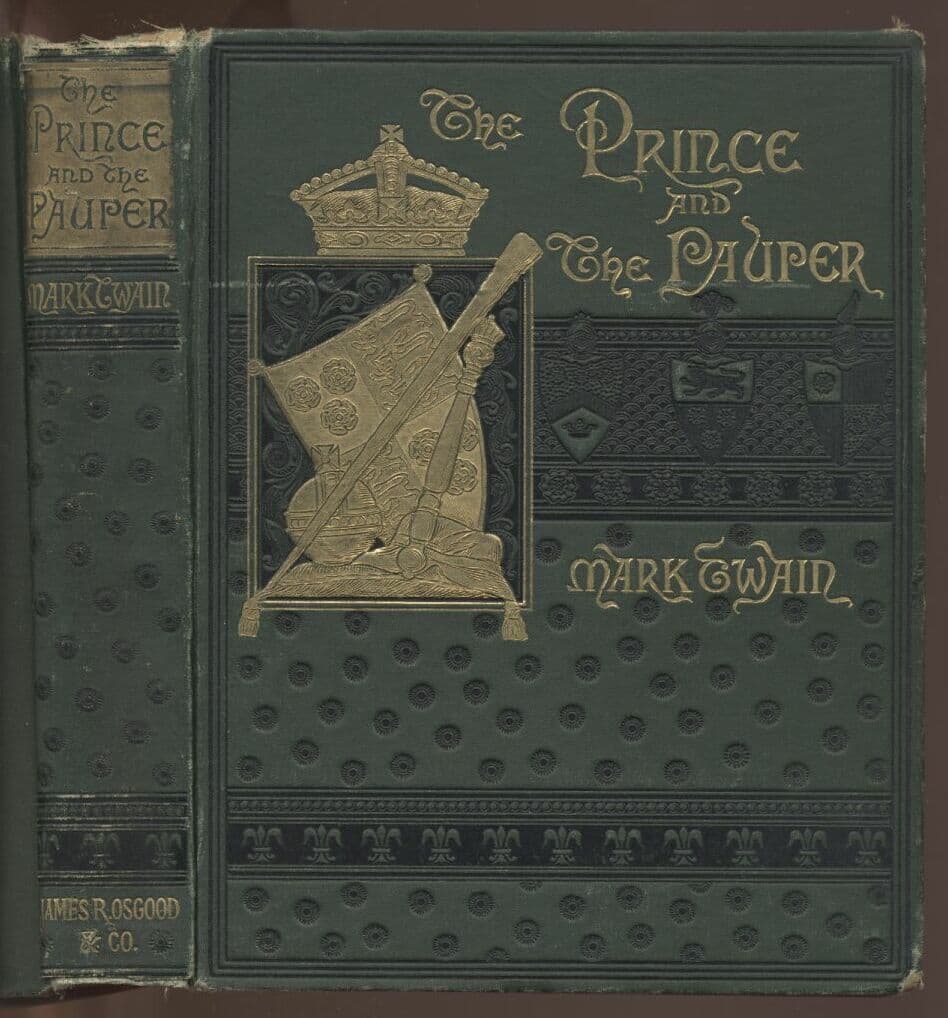
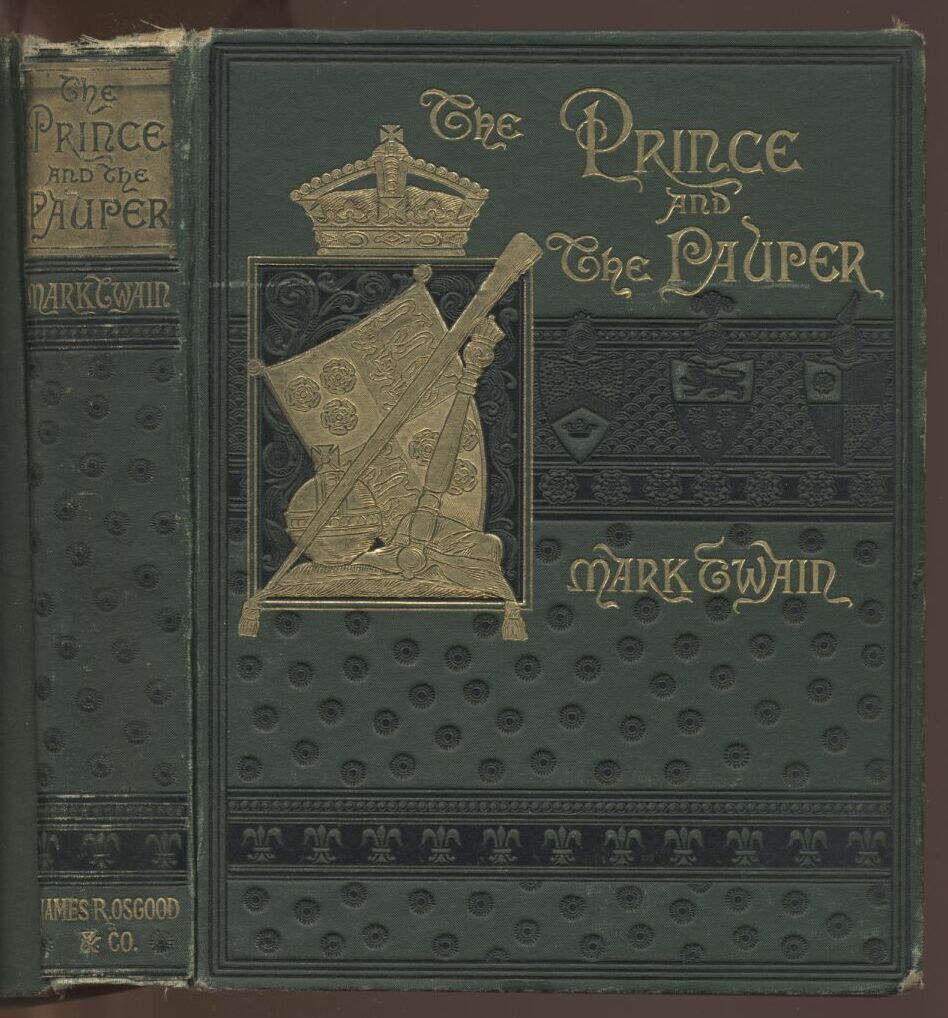
The Prince and the Pauper, Part 5.
1983

The weight of a crown is measured not in gold, but in guilt. In this pivotal section of Twain's masterpiece, young Tom Canty wears the king's mantle but cannot escape his conscience. Forced to sit in judgment over lives he once might have shared, he discovers that power reveals character. Foreign ambassadors scrutinize his every word; a royal dinner becomes a theater of performance. But it is the condemned who truly test him: those accused of crimes whose circumstances stir something ancient in his swapped soul. Tom defies expectation, showing mercy where cruelty was expected, choosing compassion over the cold logic of justice. Yet each act of grace deepens his cage. He longs for the freedom of the streets where he once ran ragged and hungry, but the responsibilities of kingship pull at him like chains. This is the novel's moral crucible: a boy pretending to be king, discovering that the pretense might become truth, and wondering if that transformation is salvation or surrender.
Editions


Link to this book
Add a free, dofollow link to Lex on your blog, forum, syllabus, or reading list.

<a href="https://lex-books.com/book/the-prince-and-the-pauper-part-5-4d3618b3-78b5-4999-a3cd-4b47e481dffe"><img src="https://lex-books.com/badges/read-on-lex.svg" alt="Read The Prince and the Pauper, Part 5. by Mark Twain free on Lex" width="160" height="40"></a>[](https://lex-books.com/book/the-prince-and-the-pauper-part-5-4d3618b3-78b5-4999-a3cd-4b47e481dffe)[url=https://lex-books.com/book/the-prince-and-the-pauper-part-5-4d3618b3-78b5-4999-a3cd-4b47e481dffe][img]https://lex-books.com/badges/read-on-lex.svg[/img][/url]Read The Prince and the Pauper, Part 5. by Mark Twain free on Lex: https://lex-books.com/book/the-prince-and-the-pauper-part-5-4d3618b3-78b5-4999-a3cd-4b47e481dffeCite this book
Reading this edition for a paper or guide? Copy a citation.
Twain, Mark. The Prince and the Pauper, Part 5.. Lex, lex-books.com/book/the-prince-and-the-pauper-part-5-4d3618b3-78b5-4999-a3cd-4b47e481dffe.Twain, M. (1983). The Prince and the Pauper, Part 5.. Lex. https://lex-books.com/book/the-prince-and-the-pauper-part-5-4d3618b3-78b5-4999-a3cd-4b47e481dffeTwain, Mark. The Prince and the Pauper, Part 5.. Lex. https://lex-books.com/book/the-prince-and-the-pauper-part-5-4d3618b3-78b5-4999-a3cd-4b47e481dffe.