The Poems of Sappho: An Interpretative Rendition into English
The Poems of Sappho: An Interpretative Rendition into English
Translated by John Myers O'Hara
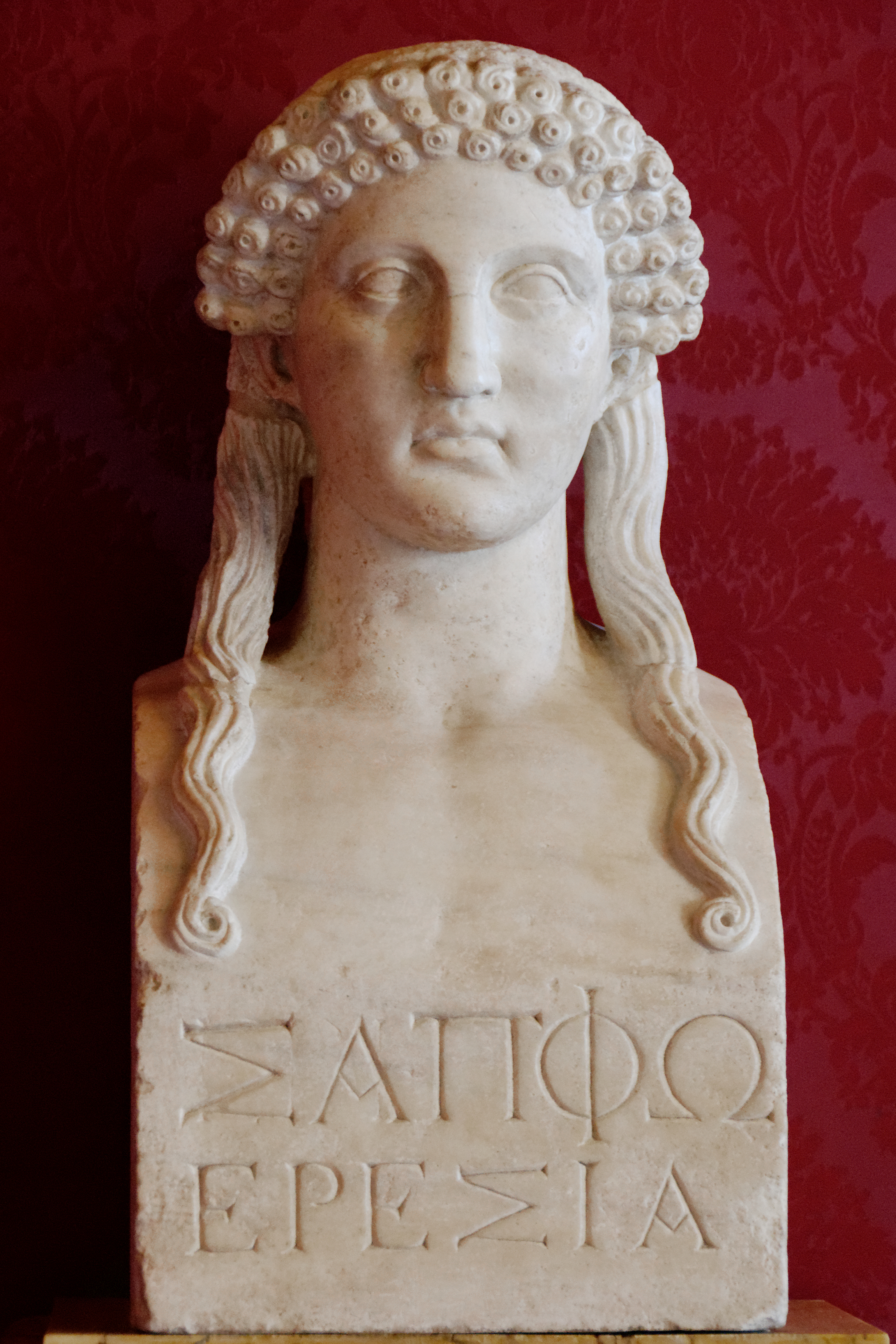
What survives of Sappho fits on a few pages. These fragments, shattered pieces pulled from Egyptian tombs and medieval manuscripts, are all that remains of the woman Plato called the tenth Muse. And somehow, across twenty-five centuries, her voice still burns. She writes of desire with a directness that feels modern: the ache for a beloved woman, the cruelty of someone who leaves, the desperate prayer to Aphrodite for just one more chance. She celebrates girls dancing in the spring, the moonlight on the sea, the way beauty passes like a flower wilting. But mostly she writes about love not as abstraction but as physical crisis, the trembling hands, the throat closing, the world going white. This is the birthplace of lyric poetry, where someone first put the interior life onto the page with no armor, no pretension. What we have is incomplete, which makes every line feel precious, urgent, like watching light through broken glass.
Editions
X-Ray
“Sweet mother, I cannot weave –slender Aphrodite has overcome mewith longing for a girl.””
— Sappho
“I declareThat later on, Even in an age unlike our own,Someone will remember who we are.””
— Sappho
“Come to me now and loosen mefrom blunt agony. Laborand fill my heart with fire. Stand by meand be my ally.””
— Sappho
“[I was dreaming of you but]just thenDawn, in her golden sandals [woke me]””
— Sappho
“Like a gale smiting an oakOn mountainous terrain,Eros, with a stroke,Shattered my brain.””
— Sappho
“...but I say whatever / one loves, is””
— Sappho
“Some call ships, infantry or horsemenThe greatest beauty earth can offer;I say it is whatever a person Most lusts after.Showing you all will be no trouble:Helen surpassed all humankindIn looks but left the world's most noble Husband behind,Coasting off to Troy where she Thought nothing of her loving parentsAnd only child but, led astray... ... and I think of AnaktoriaFar away,... And I would rather watch her bodySway, her glistening face flash dalliance Than Lydian war cars at the readyAnd armed battalions.””
— Sappho
“Blest as the immortal gods is he,The youth who fondly sits by thee,And hears and sees thee, all the while,Softly speaks and sweetly smile. 'Twas this deprived my soul of rest,And raised such tumults in my breast;For, while I gazed, in transport tossed,My breath was gone, my voice was lost; My bosom glowed; the subtle flameRan quick through all my vital frame;O'er my dim eyes a darkness hung;My ears with hollow murmurs rung; In dewy damps my limbs were chilled;My blood with gentle horrors thrilled:My feeble pulse forgot to play;I fainted, sunk, and died away.””
— Sappho
“Hesperus, you are The most fetching star.What Dawn flings afieldYou bring back together - Sheep to the fold, goats to the pen,And the child to his mother again.Nightingale,All you singIs desire;You are the crier Of coming spring””
— Sappho
Link to this book
Add a free, dofollow link to Lex on your blog, forum, syllabus, or reading list.

<a href="https://lex-books.com/book/the-poems-of-sappho-an-interpretative-rendition-into-english-041bedf8-302e-4335-a8ce-69c562b56d0d"><img src="https://lex-books.com/badges/read-on-lex.svg" alt="Read The Poems of Sappho: An Interpretative Rendition into English by Sappho free on Lex" width="160" height="40"></a>[](https://lex-books.com/book/the-poems-of-sappho-an-interpretative-rendition-into-english-041bedf8-302e-4335-a8ce-69c562b56d0d)[url=https://lex-books.com/book/the-poems-of-sappho-an-interpretative-rendition-into-english-041bedf8-302e-4335-a8ce-69c562b56d0d][img]https://lex-books.com/badges/read-on-lex.svg[/img][/url]Read The Poems of Sappho: An Interpretative Rendition into English by Sappho free on Lex: https://lex-books.com/book/the-poems-of-sappho-an-interpretative-rendition-into-english-041bedf8-302e-4335-a8ce-69c562b56d0dCite this book
Reading this edition for a paper or guide? Copy a citation.
Sappho. The Poems of Sappho: An Interpretative Rendition into English. Lex, lex-books.com/book/the-poems-of-sappho-an-interpretative-rendition-into-english-041bedf8-302e-4335-a8ce-69c562b56d0d.Sappho (n.d.). The Poems of Sappho: An Interpretative Rendition into English. Lex. https://lex-books.com/book/the-poems-of-sappho-an-interpretative-rendition-into-english-041bedf8-302e-4335-a8ce-69c562b56d0dSappho. The Poems of Sappho: An Interpretative Rendition into English. Lex. https://lex-books.com/book/the-poems-of-sappho-an-interpretative-rendition-into-english-041bedf8-302e-4335-a8ce-69c562b56d0d.