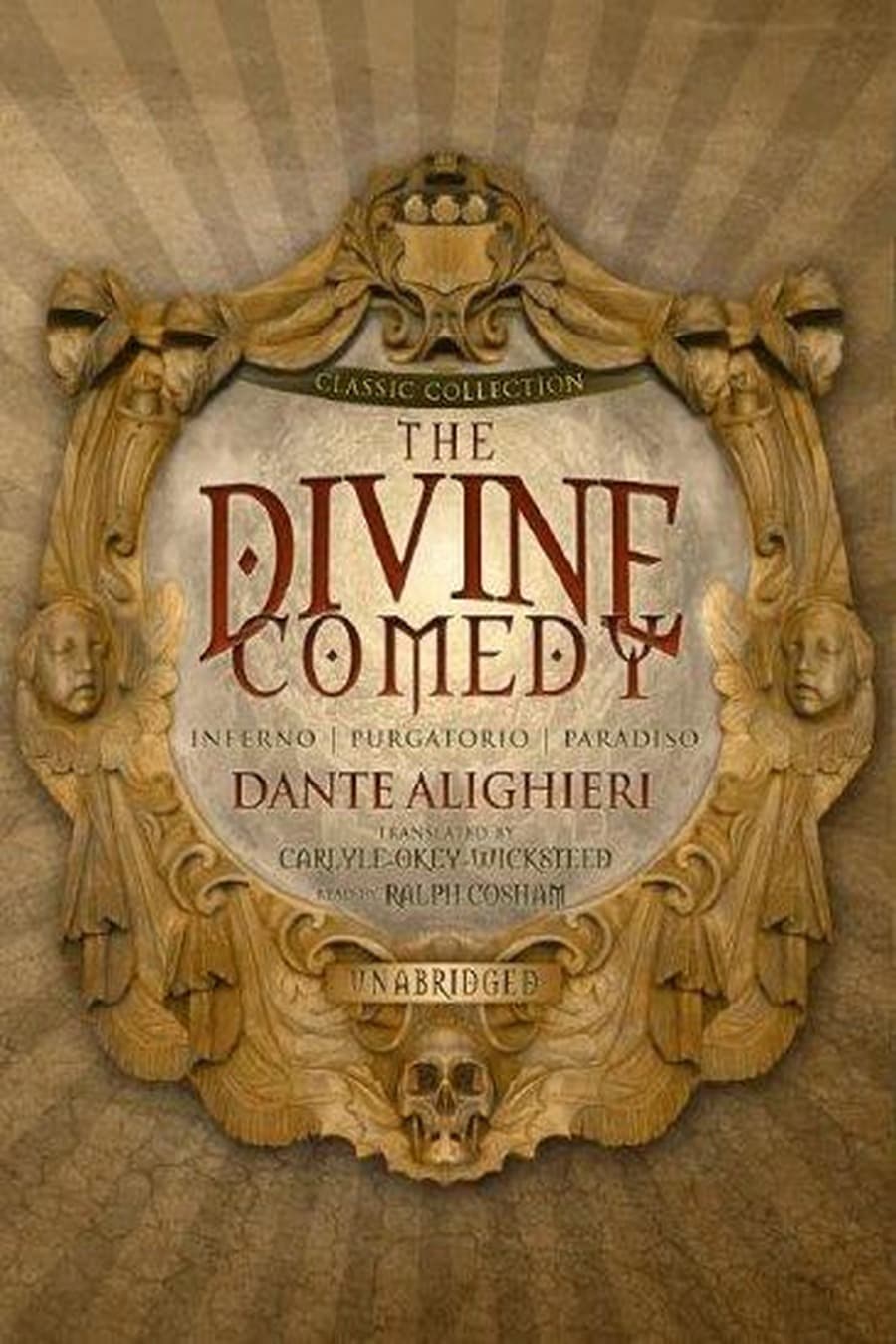
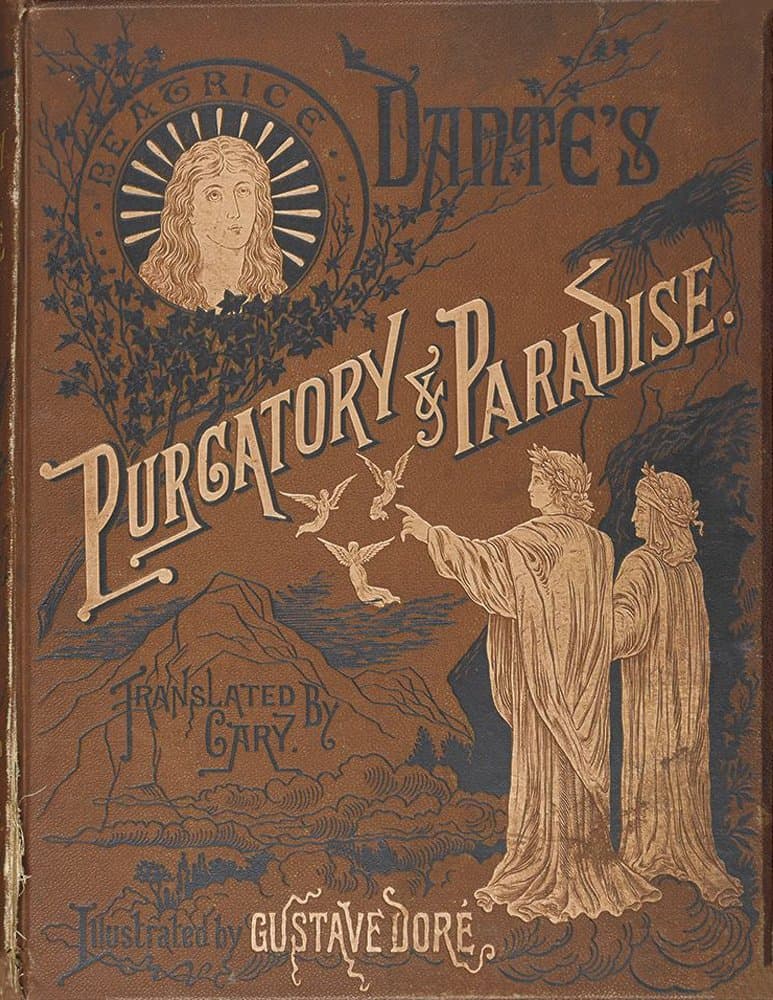
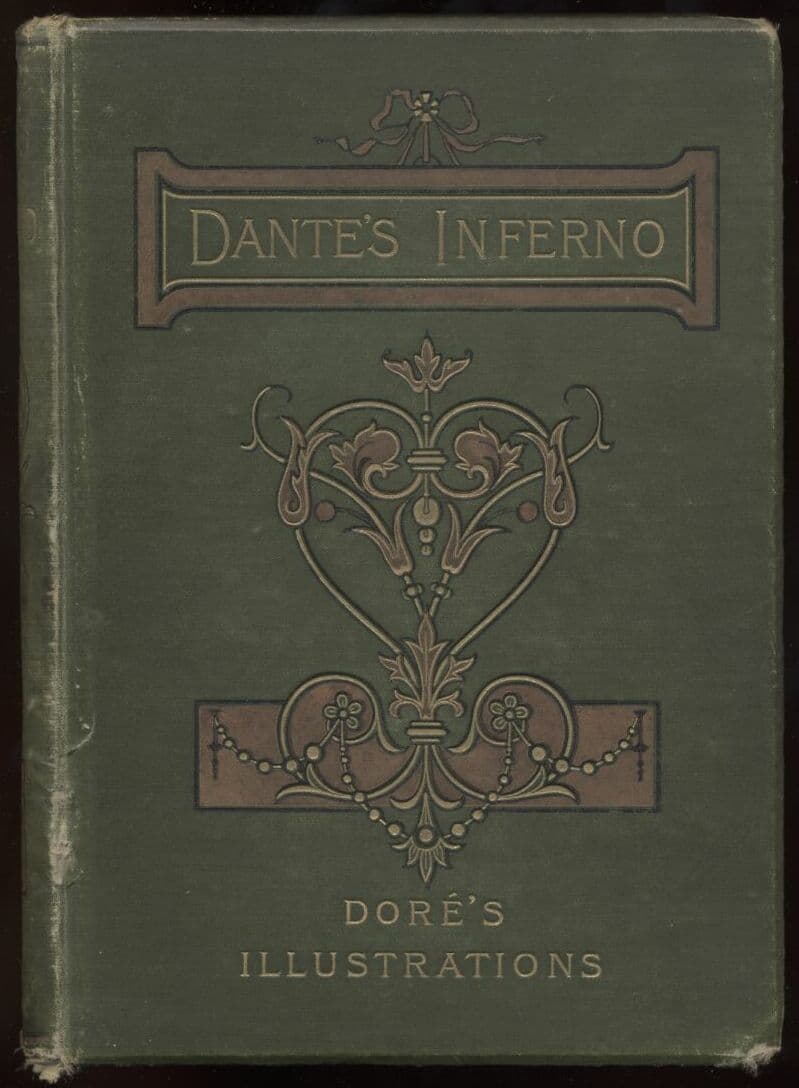
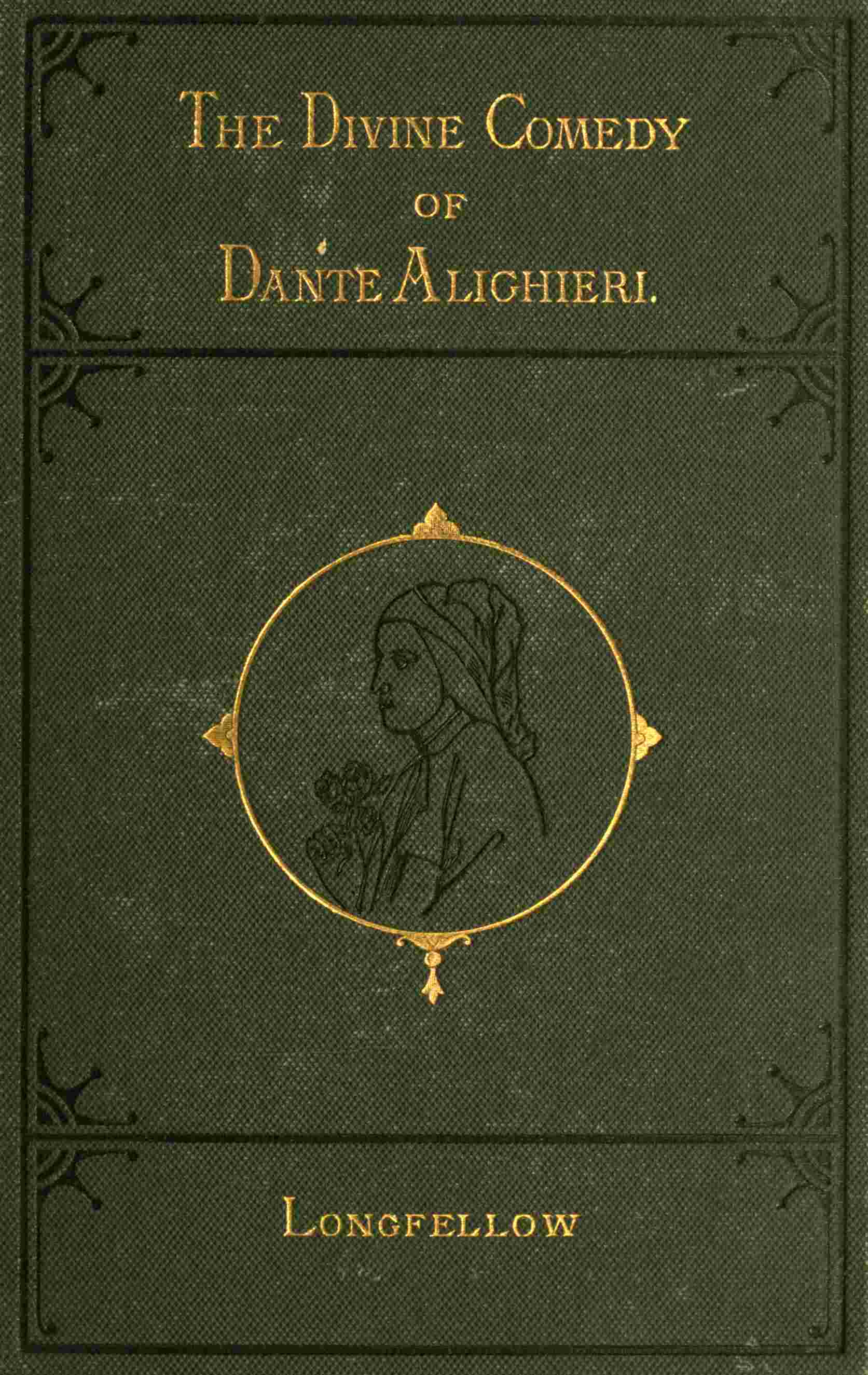
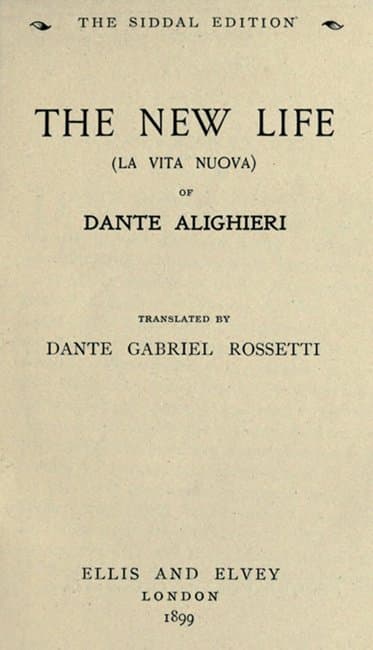
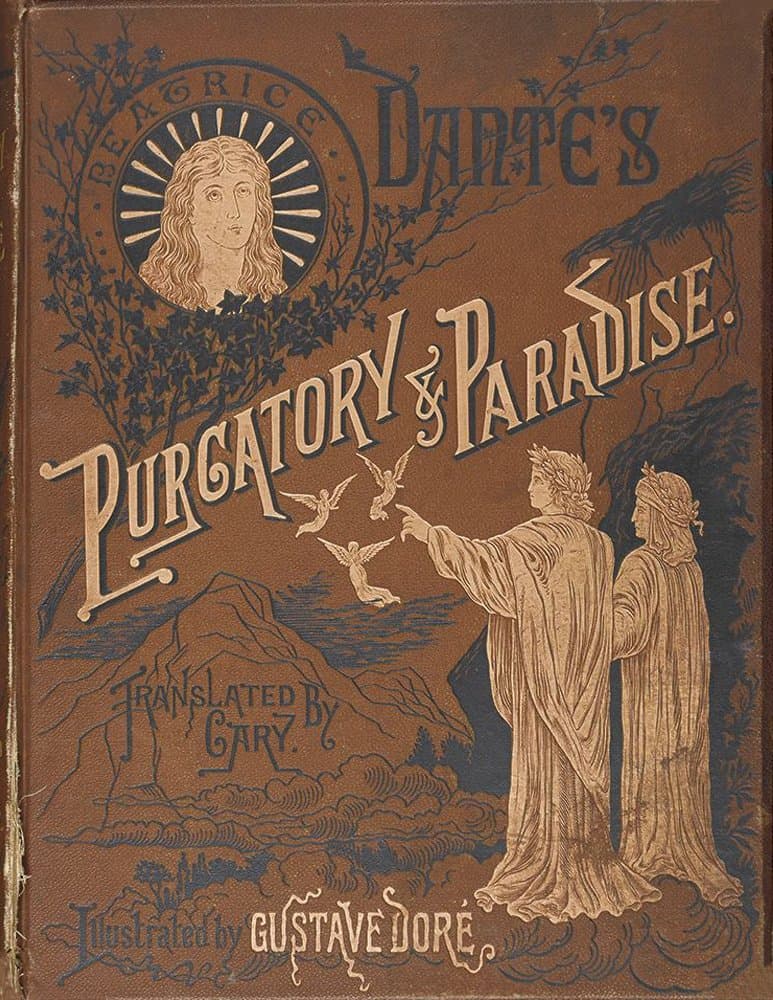
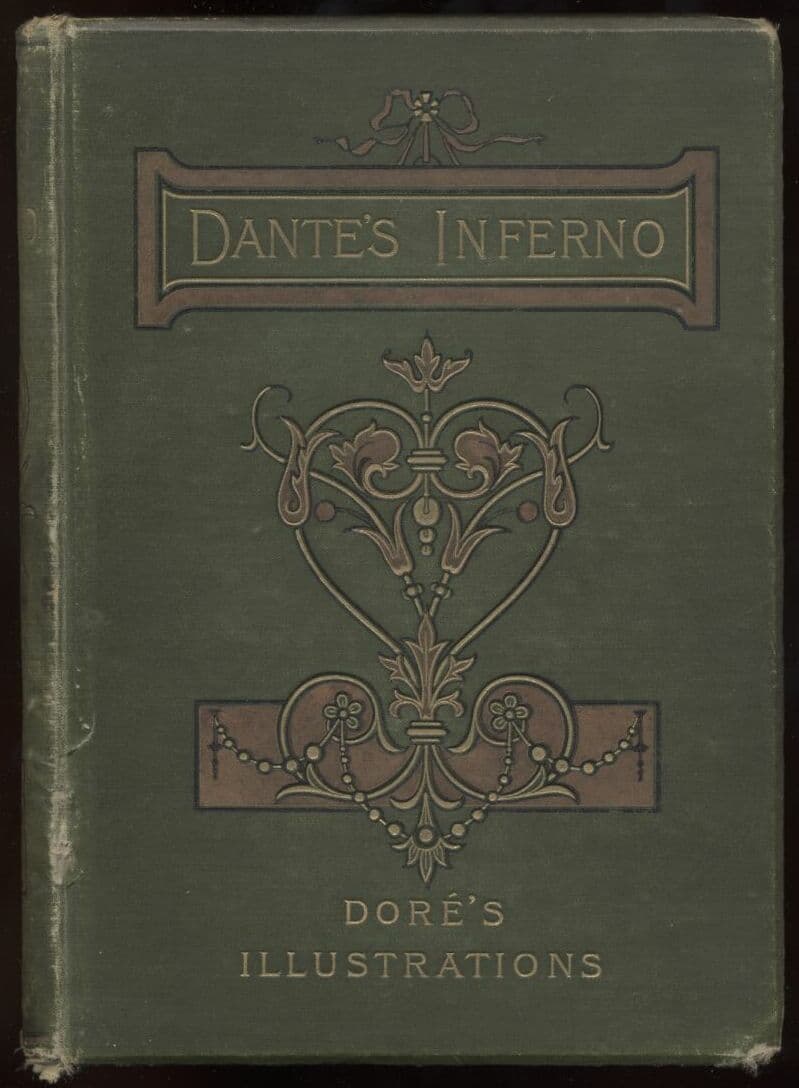
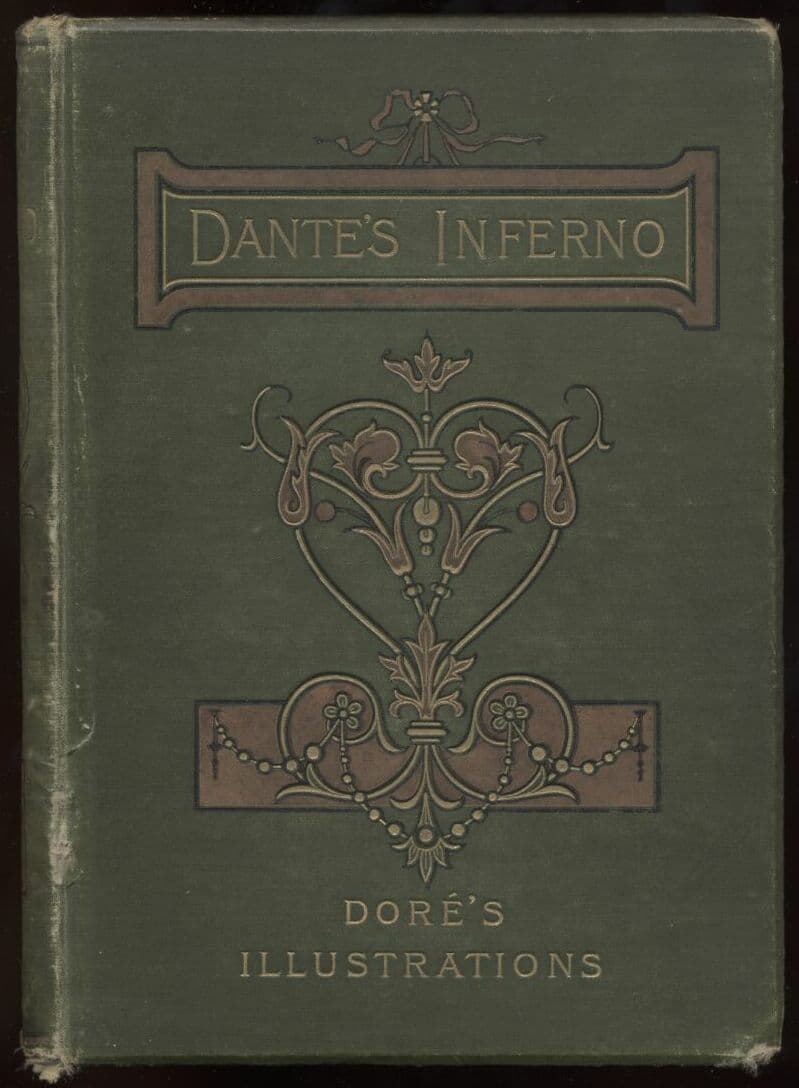
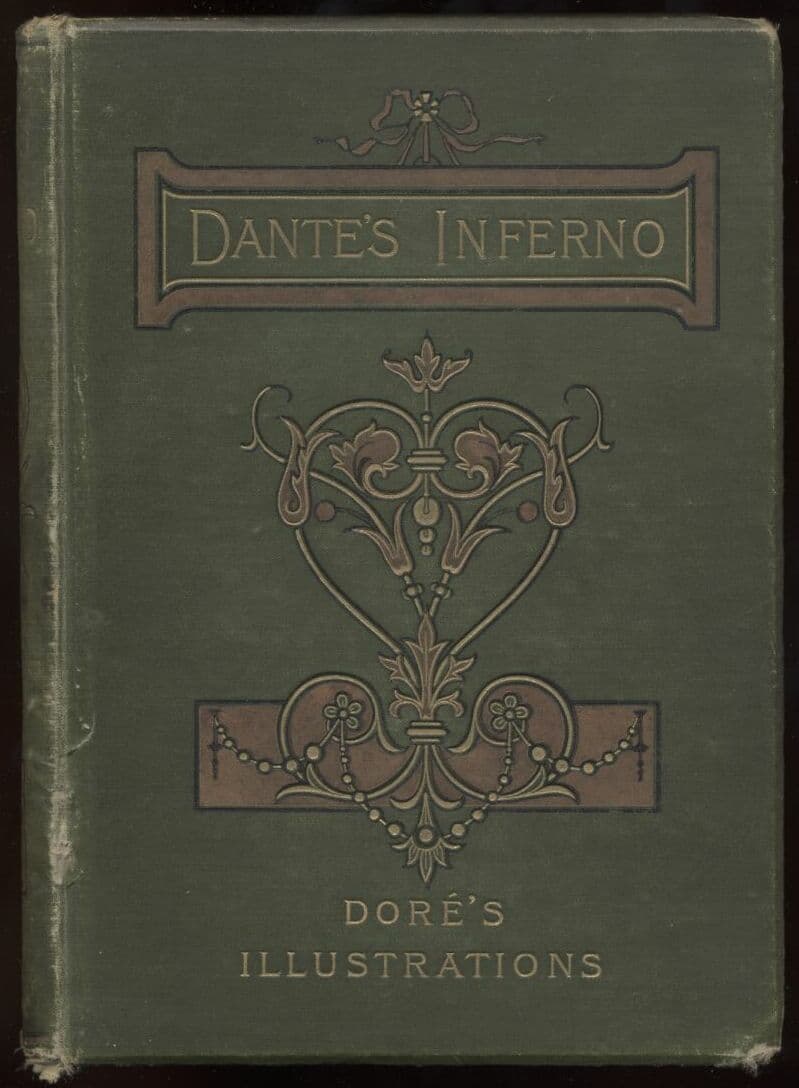
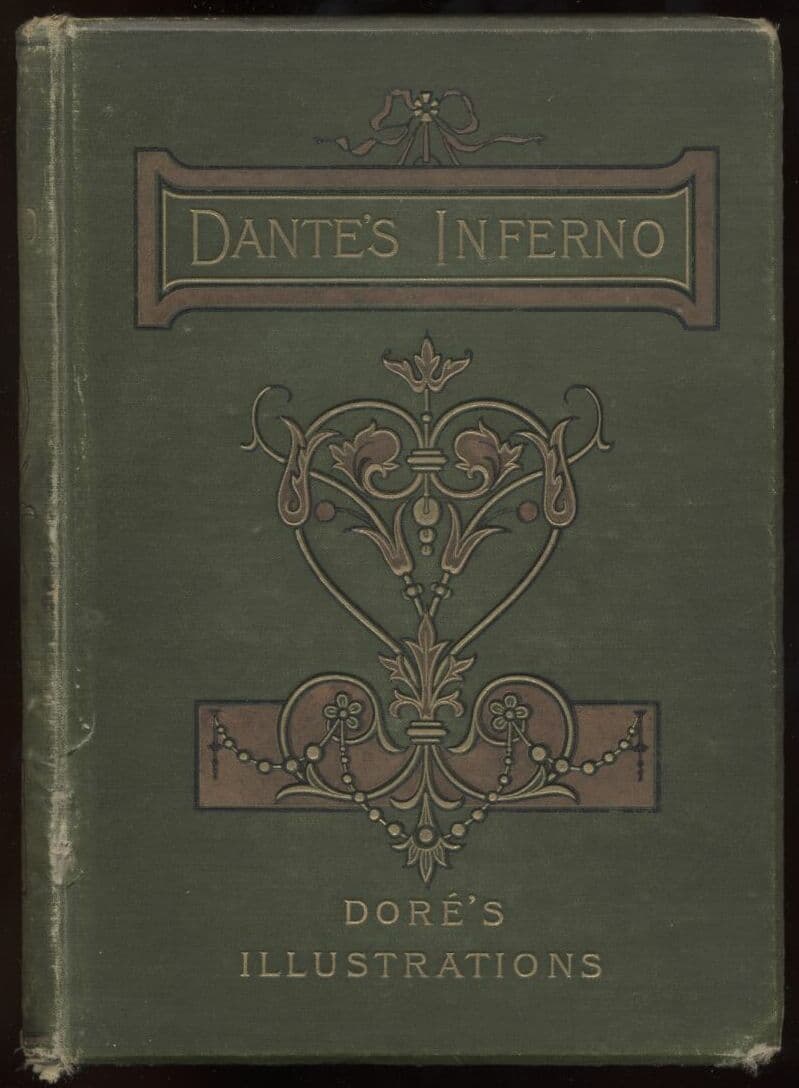
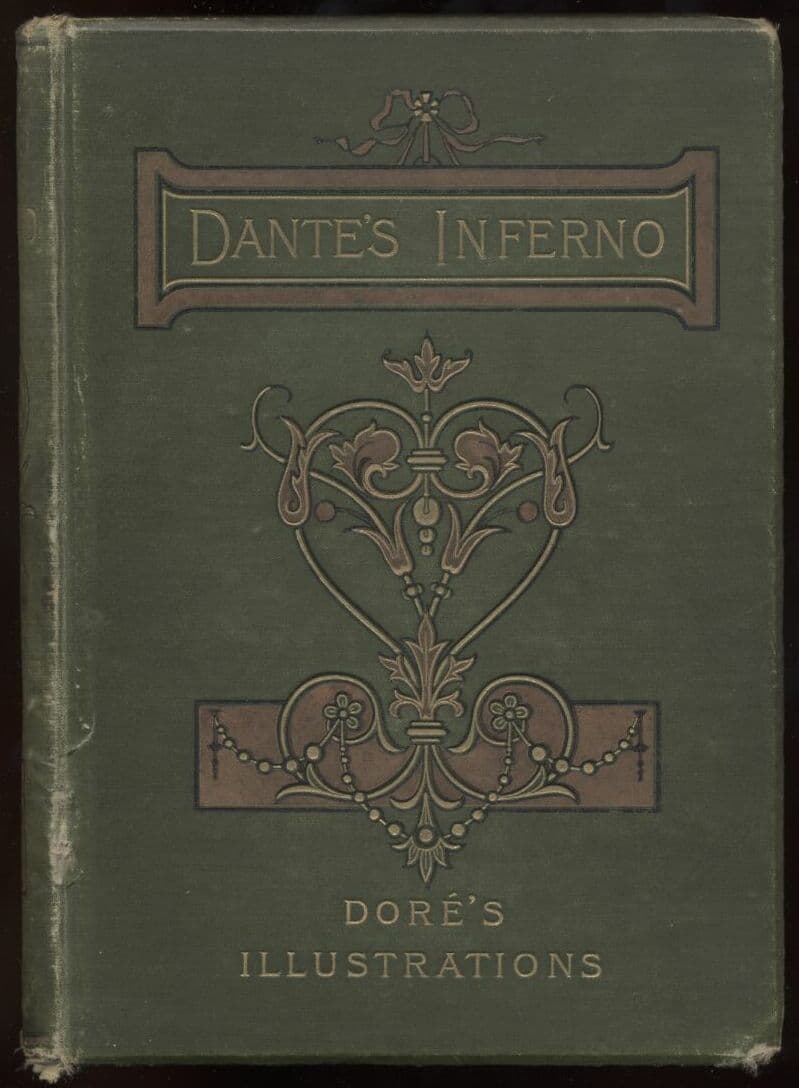
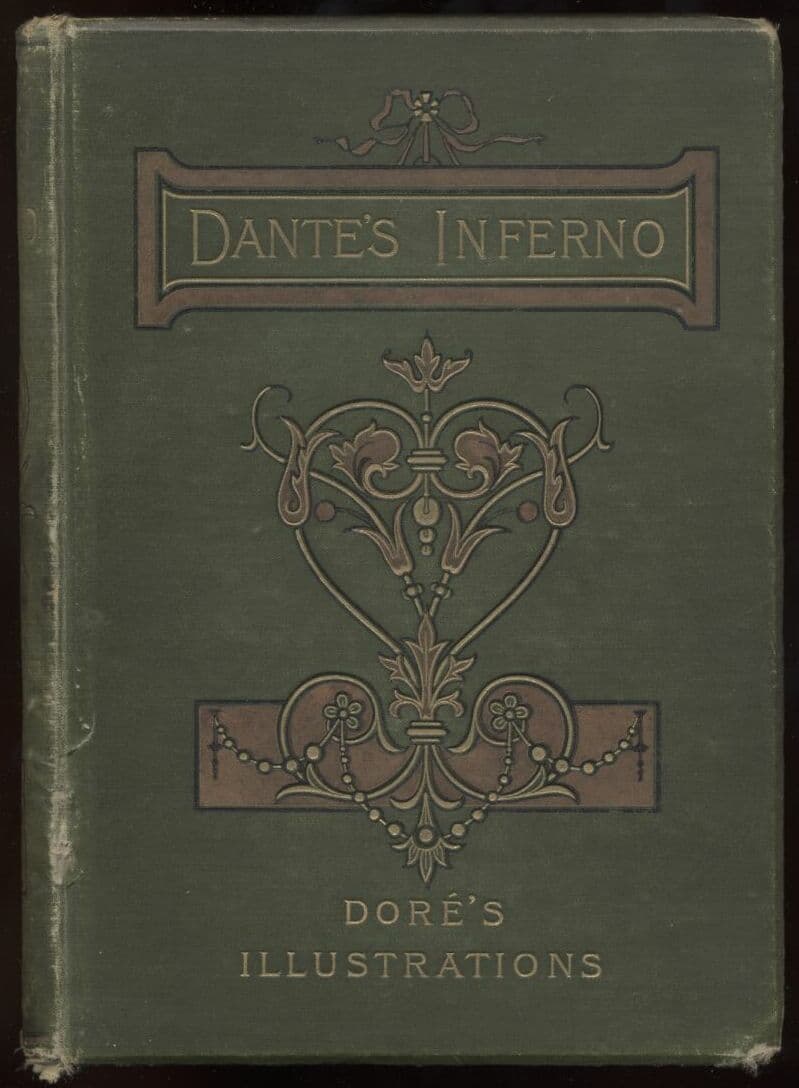
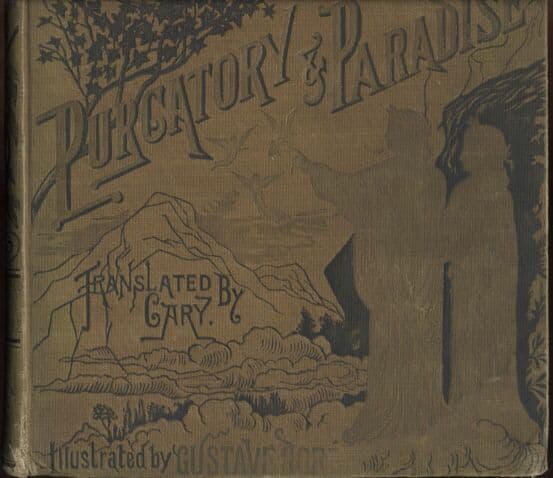
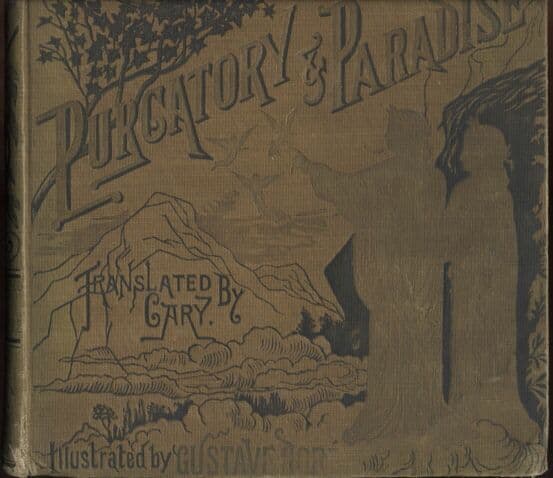
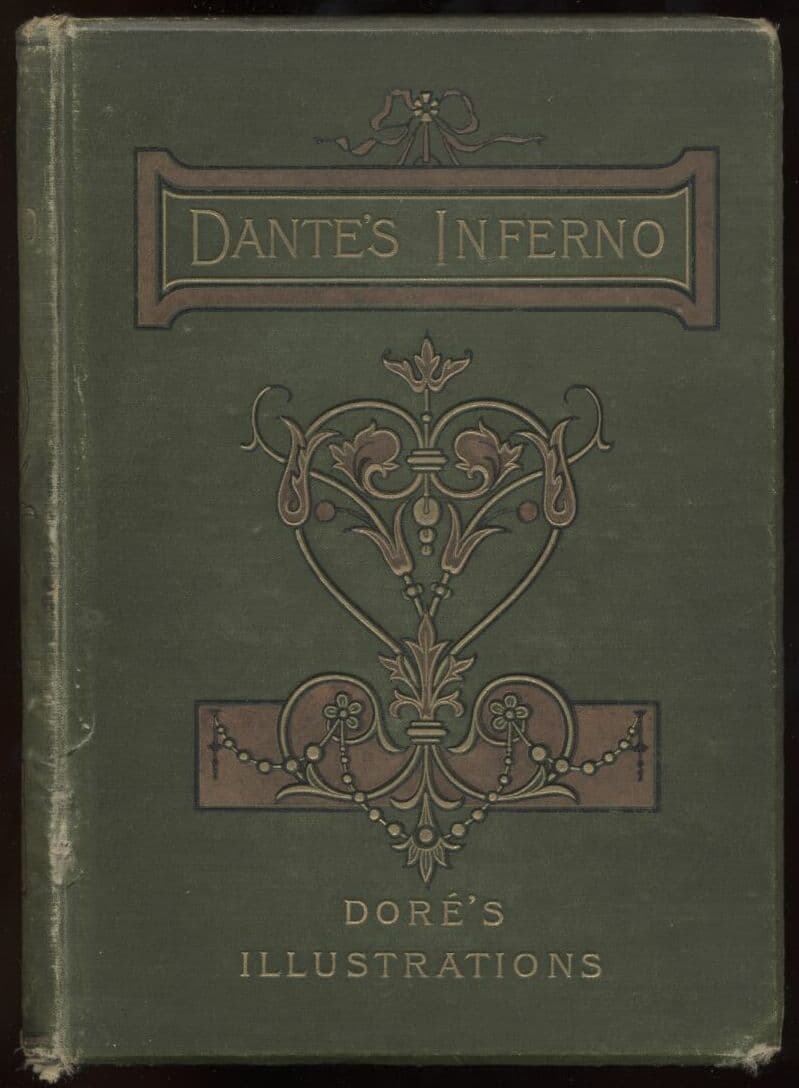
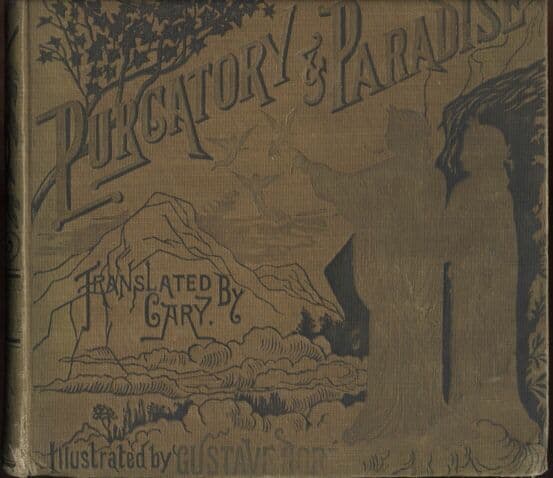
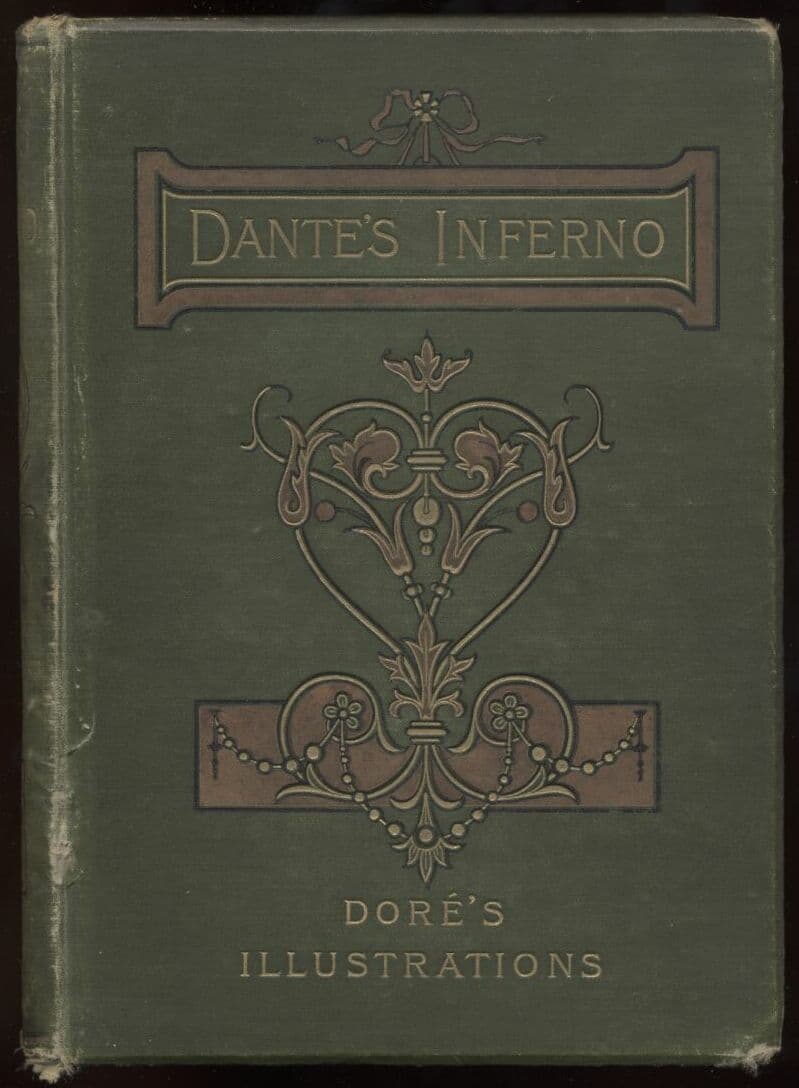
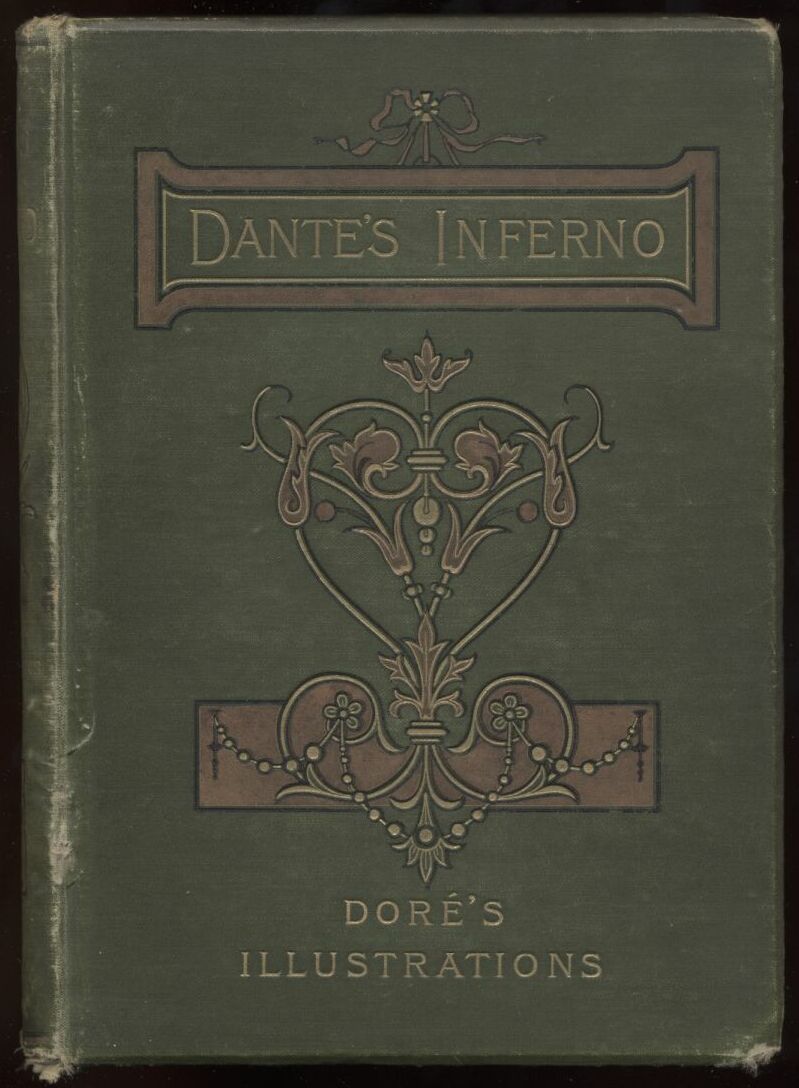
The Divine Comedy of Dante Alighieri: The Inferno
1955
The Divine Comedy of Dante Alighieri: The Inferno
1955
Translated by James Romanes Sibbald
Dante's Inferno is a descent into the abyss of human sin, narrated by the poet himself as he stumbles through a dark wood symbolizing moral confusion. There, three beasts a lion, a leopard, and a she-wolf block his path to salvation until the ghost of Virgil appears, sent by Beatrice, to guide him through the nine circles of Hell. What follows is a terrifying tour of divine retribution: gluttonous souls buried in freezing sludge, lustful sinners whirled in endless storms, hoarders and wasters hurled against massive stones, heretics burning in flaming tombs, and worse horrors awaiting in the abyss's depths. Each circle's punishment precisely mirrors its sin, creating a universe where justice is mathematical and inescapable. More than theology or allegory, this is visceral art: Dante watches traitors frozen in Cocytus, sees the Devil himself chewing on Judas, and confronts the question of whether mercy can exist alongside perfect justice. The poem crackles with specific, unforgettable images that have haunted readers for seven centuries. It is essential reading for anyone drawn to medieval thought, to questions of moral philosophy, or to poetry that refuses to look away from the darkest corners of human nature.
Editions
X-Ray
“Do not be afraid; our fateCannot be taken from us; it is a gift.””
— Dante Alighieri
“In the middle of the journey of our life I found myself within a dark woods where the straight way was lost.””
— Dante Alighieri
“Amor, ch'al cor gentile ratto s'apprendeprese costui de la bella personache mi fu tolta; e 'l modo ancor m'offende.Amor, che a nullo amato amar perdona,Mi prese del costui piacer sì forte,Che, come vedi, ancor non m'abbandona...""Love, which quickly arrests the gentle heart,Seized him with my beautiful formThat was taken from me, in a manner which still grieves me.Love, which pardons no beloved from loving,took me so strongly with delight in himThat, as you see, it still abandons me not...””
— Dante Alighieri
“There is no greater sorrow then to recall our times of joy in wretchedness.””
— Dante Alighieri
“They yearn for what they fear for.””
— Dante Alighieri
“Through me you go into a city of weeping; through me you go into eternal pain; through me you go amongst the lost people””
— Dante Alighieri
“From there we came outside and saw the stars””
— Dante Alighieri
“Because your question searches for deep meaning,I shall explain in simple words””
— Dante Alighieri
“But the stars that marked our starting fall away.We must go deeper into greater pain,for it is not permitted that we stay.””
— Dante Alighieri
Link to this book
Add a free, dofollow link to Lex on your blog, forum, syllabus, or reading list.

<a href="https://lex-books.com/book/the-divine-comedy-of-dante-alighieri-the-inferno-08fcce2e-3e62-4335-8a9a-6082c3c5f7af"><img src="https://lex-books.com/badges/read-on-lex.svg" alt="Read The Divine Comedy of Dante Alighieri: The Inferno by Dante Alighieri free on Lex" width="160" height="40"></a>[](https://lex-books.com/book/the-divine-comedy-of-dante-alighieri-the-inferno-08fcce2e-3e62-4335-8a9a-6082c3c5f7af)[url=https://lex-books.com/book/the-divine-comedy-of-dante-alighieri-the-inferno-08fcce2e-3e62-4335-8a9a-6082c3c5f7af][img]https://lex-books.com/badges/read-on-lex.svg[/img][/url]Read The Divine Comedy of Dante Alighieri: The Inferno by Dante Alighieri free on Lex: https://lex-books.com/book/the-divine-comedy-of-dante-alighieri-the-inferno-08fcce2e-3e62-4335-8a9a-6082c3c5f7afCite this book
Reading this edition for a paper or guide? Copy a citation.
Alighieri, Dante. The Divine Comedy of Dante Alighieri: The Inferno. Lex, lex-books.com/book/the-divine-comedy-of-dante-alighieri-the-inferno-08fcce2e-3e62-4335-8a9a-6082c3c5f7af.Alighieri, D. (1955). The Divine Comedy of Dante Alighieri: The Inferno. Lex. https://lex-books.com/book/the-divine-comedy-of-dante-alighieri-the-inferno-08fcce2e-3e62-4335-8a9a-6082c3c5f7afAlighieri, Dante. The Divine Comedy of Dante Alighieri: The Inferno. Lex. https://lex-books.com/book/the-divine-comedy-of-dante-alighieri-the-inferno-08fcce2e-3e62-4335-8a9a-6082c3c5f7af.