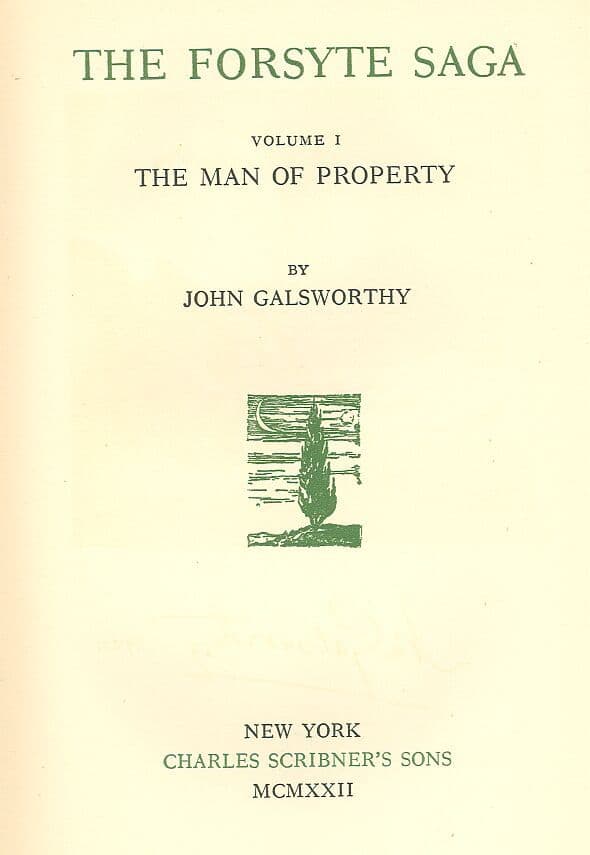
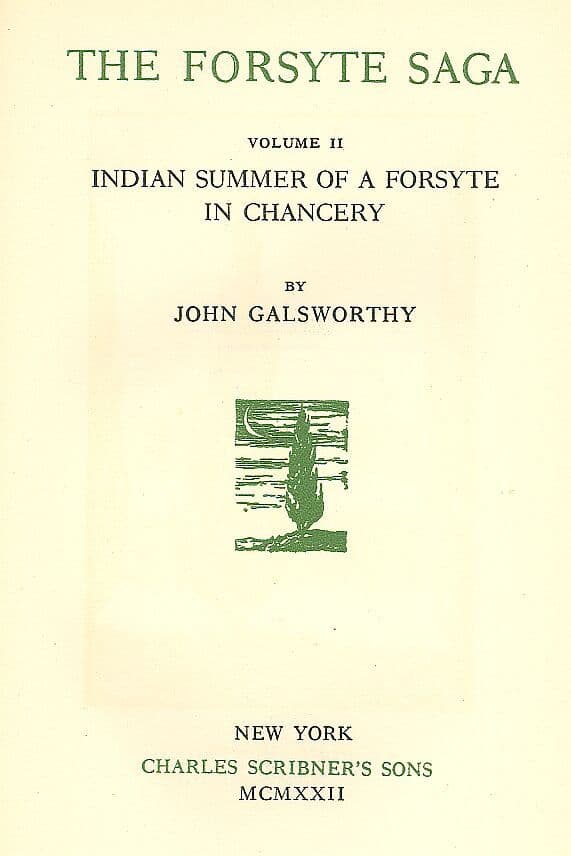
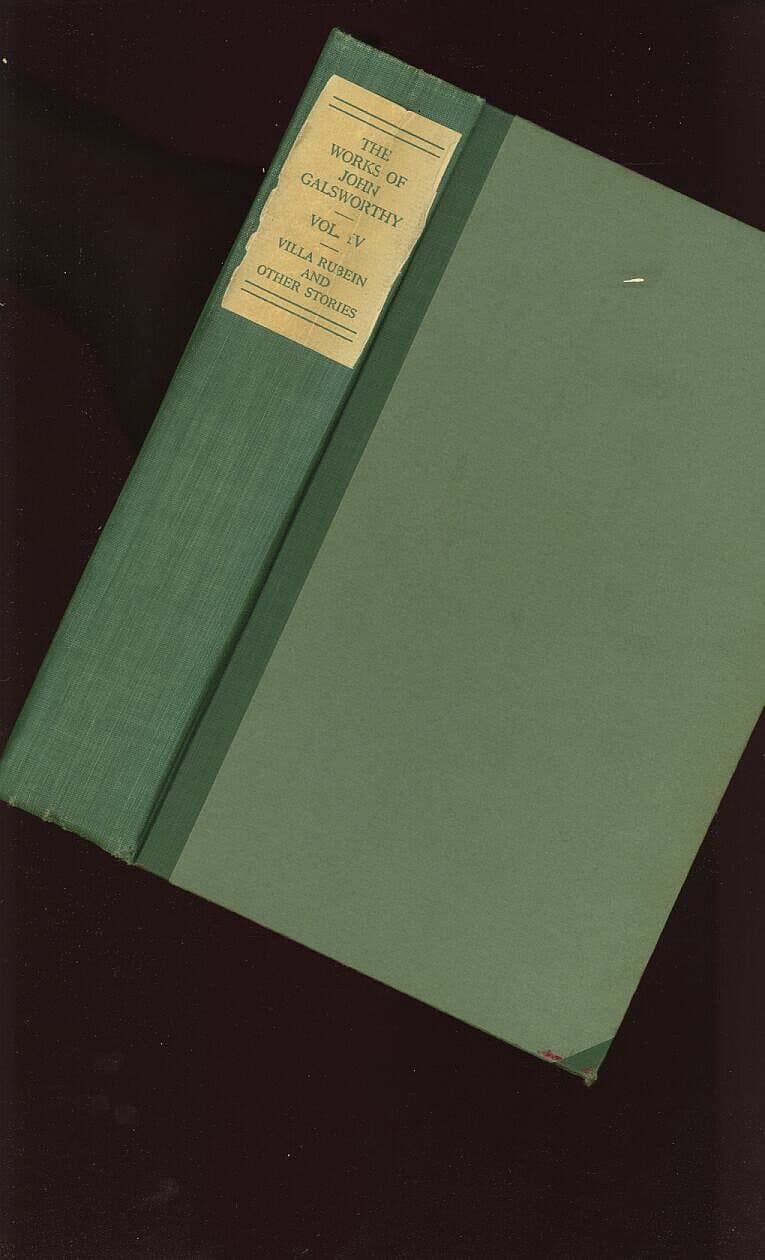
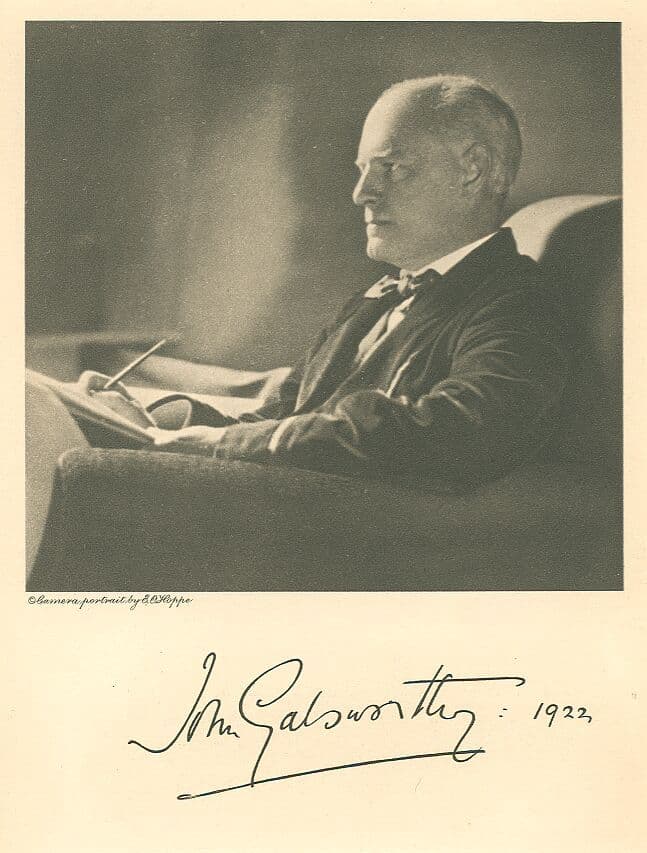
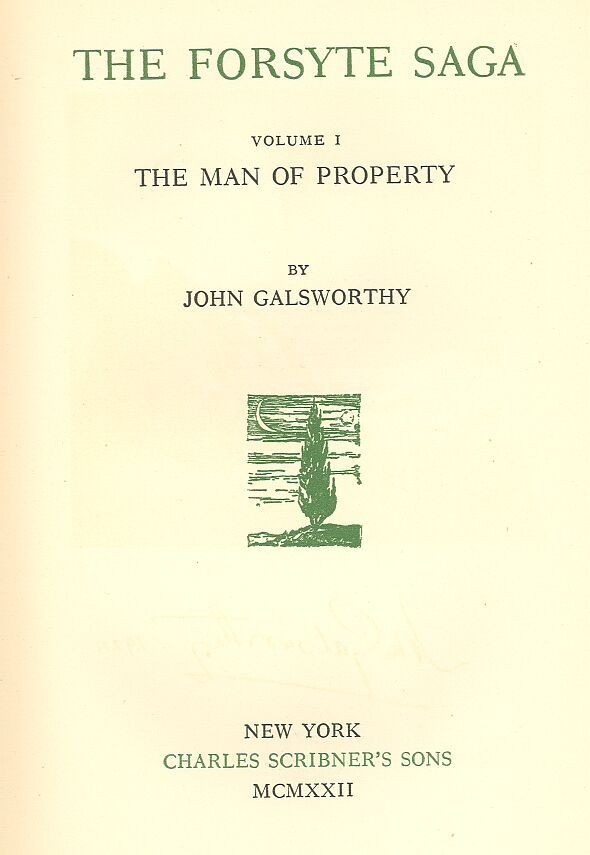
The Forsyte Saga - Complete
1906
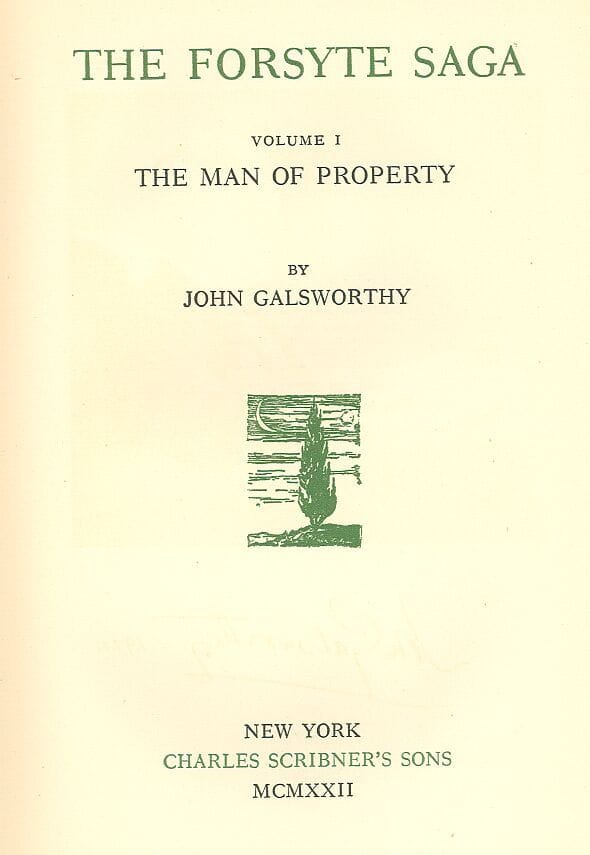
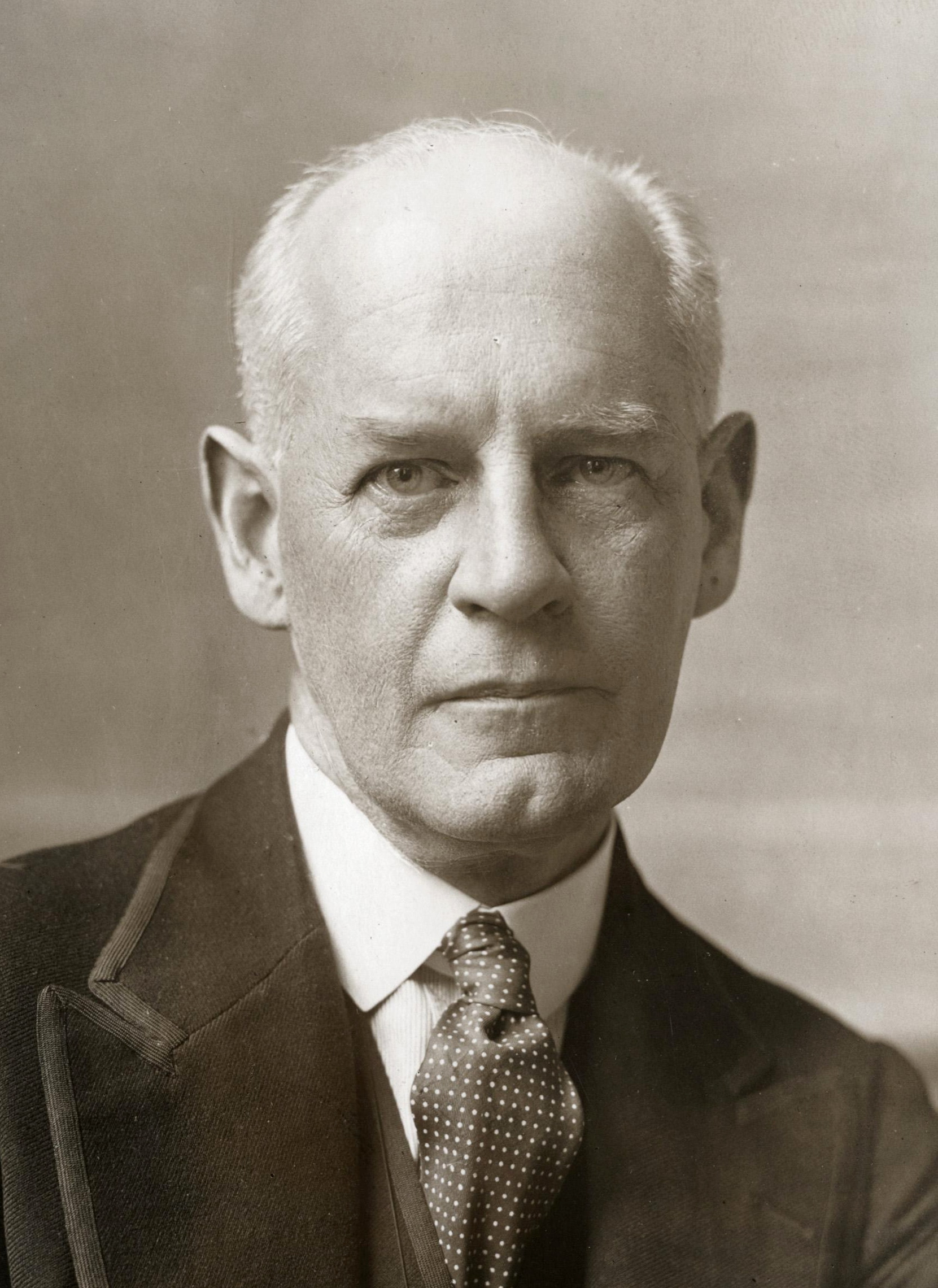
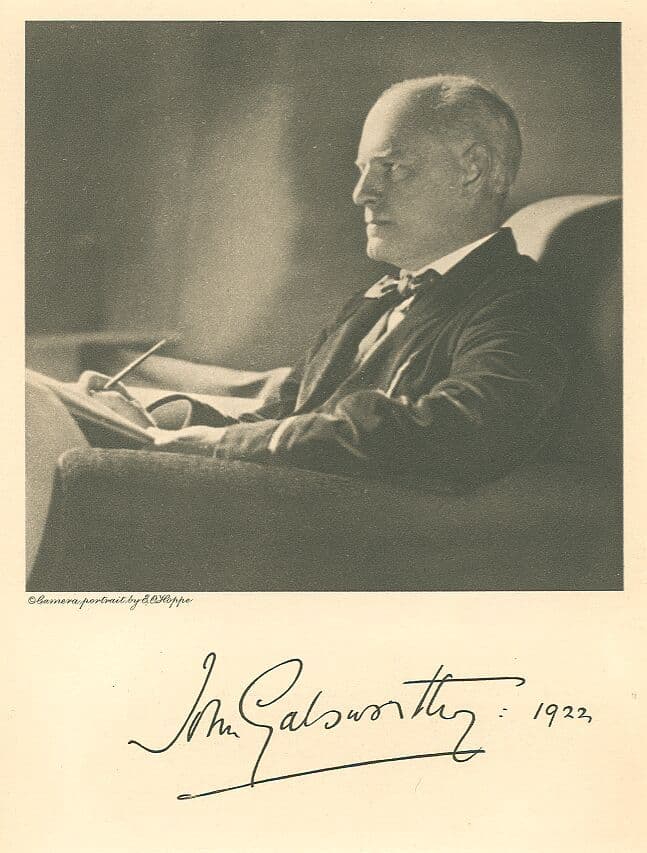
The Forsyte family owns everything they touch. That's their tragedy. John Galsworthy charts the rise and slow crumble of a dynasty through three generations of wealthy Victorians who measure love in property deeds and happiness in quarterly dividends. At the center stands Soames Forsyte, a solicitor of formidable talents and zero emotional imagination, who treats his beautiful wife Irene as another asset to be secured. When she falls in love with his own nephew, the family machinery of respectable destruction grinds into motion. What follows is a saga of stunning psychological precision: the family gatherings weighted with unspoken resentments, the inheritance battles fought in lawyers' offices, the slow erosion of fortune and reputation through the seismic shifts of English society from the 1880s to the 1920s. Galsworthy won the Nobel Prize for this, and the reason is clear: he wrote the great English novel about money. Not just having it, but what it does to the people who worship it. The Forsytes are never cruel in obvious ways. They are worse. They are loving in a possessive, stranglehold way that suffocates everyone in their orbit. If you've ever sat at a family dinner where everyone is being polite and everyone hates each other, you already know this world.
Editions
X-Ray
“It was such a spring day as breathes into a man an ineffable yearning, a painful sweetness, a longing that makes him stand motionless, looking at the leaves or grass, and fling out his arms to embrace he knows not what.””
— John Galsworthy
“Love is not a hot-house flower, but a wild plant, born of a wet night, born of an hour of sunshine; sprung from wild seed, blown along the road by a wild wind. A wild plant that, when it blooms by chance within the hedge of our gardens, we call a flower; and when it blooms outside we call a weed; but, flower or weed, whose scent and colour are always, wild!””
— John Galsworthy
“One's eyes are what one is, one's mouth is what one becomes.””
— John Galsworthy
“He might wish and wish and never get it - the beauty and the loving in the world!””
— John Galsworthy
“When a Forsyte was engaged, married, or born, the Forsytes were present; when a Forsyte died”
— John Galsworthy
“Youth to youth, like the dragon-flies chasing each other, and love like the sun warming them through and through.””
— John Galsworthy
“Men are in fact, quite unable to control their own inventions; they at best develop adaptability to the new conditions those inventions create.””
— John Galsworthy
“An epoch which had gilded individual liberty so that if a man had money he was free in law and fact, and if he had not money he was free in law and not in fact. An era which had canonized hypocrisy, so that to seem to be respectable was to be.””
— John Galsworthy
“In choosing, moreover, for his father an amiable man of fifty-two, who had already lost an only son, and for his mother a woman of thirty-eight, whose first and only child he was, little Jon had done well and wisely. What had saved him from becoming a cross between a lap dog and a little prig, had been his father's adoration of his mother, for even little Jon could see that she was not merely just his mother, and that he played second fiddle to her in his father's heart: What he played in his mother's heart he knew not yet.””
— John Galsworthy
Link to this book
Add a free, dofollow link to Lex on your blog, forum, syllabus, or reading list.

<a href="https://lex-books.com/book/the-forsyte-saga-complete-060aba82-0eb9-4777-a9b2-9a6d47b03644"><img src="https://lex-books.com/badges/read-on-lex.svg" alt="Read The Forsyte Saga - Complete by John Galsworthy free on Lex" width="160" height="40"></a>[](https://lex-books.com/book/the-forsyte-saga-complete-060aba82-0eb9-4777-a9b2-9a6d47b03644)[url=https://lex-books.com/book/the-forsyte-saga-complete-060aba82-0eb9-4777-a9b2-9a6d47b03644][img]https://lex-books.com/badges/read-on-lex.svg[/img][/url]Read The Forsyte Saga - Complete by John Galsworthy free on Lex: https://lex-books.com/book/the-forsyte-saga-complete-060aba82-0eb9-4777-a9b2-9a6d47b03644Cite this book
Reading this edition for a paper or guide? Copy a citation.
Galsworthy, John. The Forsyte Saga - Complete. Lex, lex-books.com/book/the-forsyte-saga-complete-060aba82-0eb9-4777-a9b2-9a6d47b03644.Galsworthy, J. (1906). The Forsyte Saga - Complete. Lex. https://lex-books.com/book/the-forsyte-saga-complete-060aba82-0eb9-4777-a9b2-9a6d47b03644Galsworthy, John. The Forsyte Saga - Complete. Lex. https://lex-books.com/book/the-forsyte-saga-complete-060aba82-0eb9-4777-a9b2-9a6d47b03644.