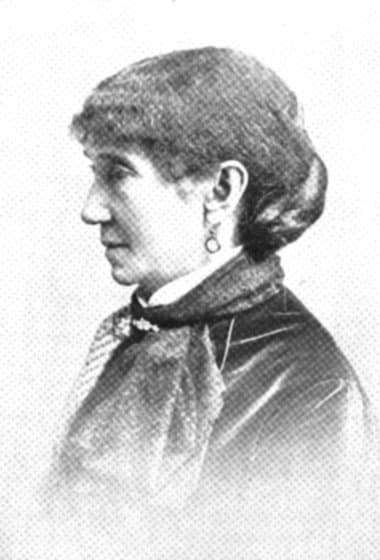
Mary Jane Holmes
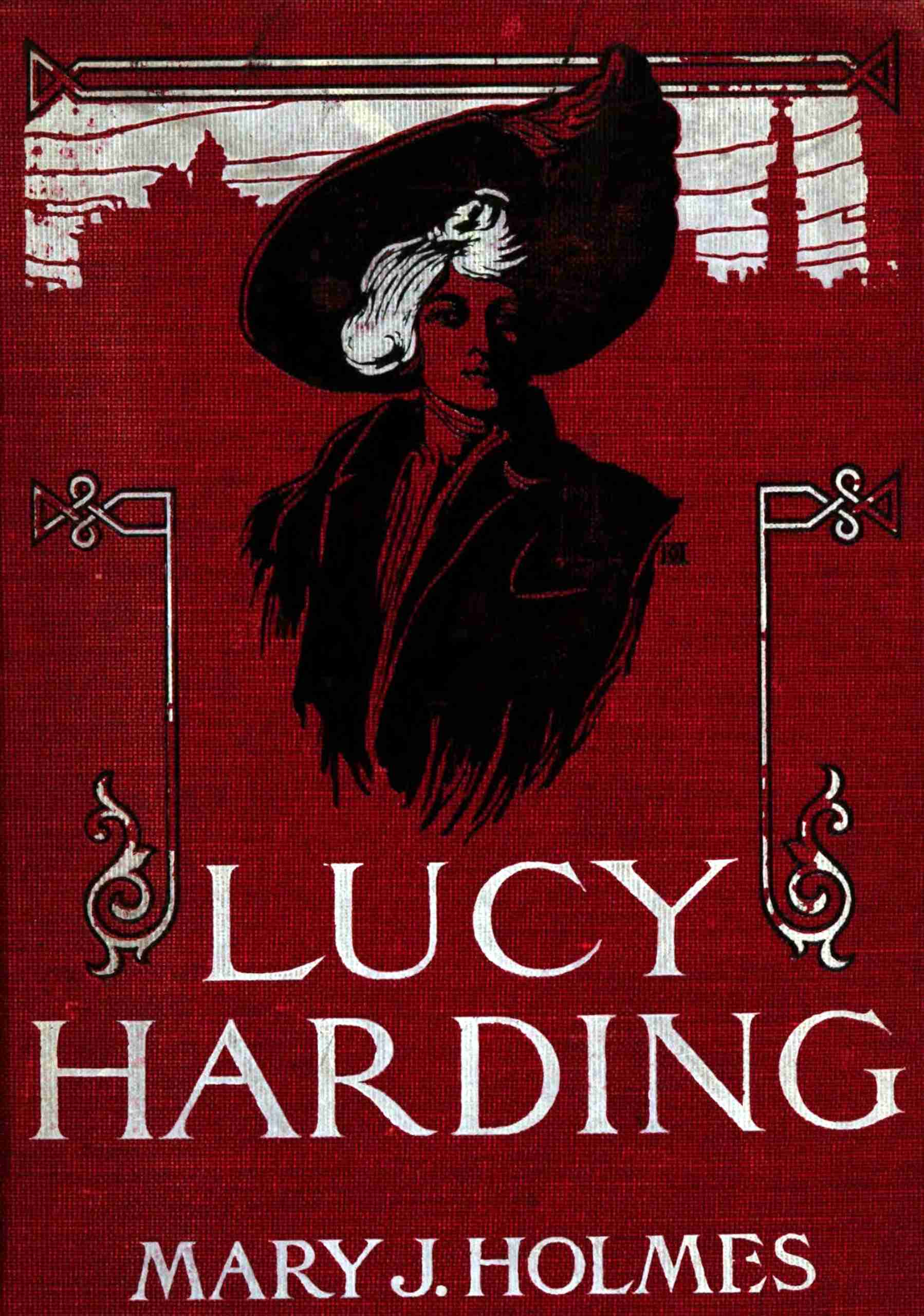
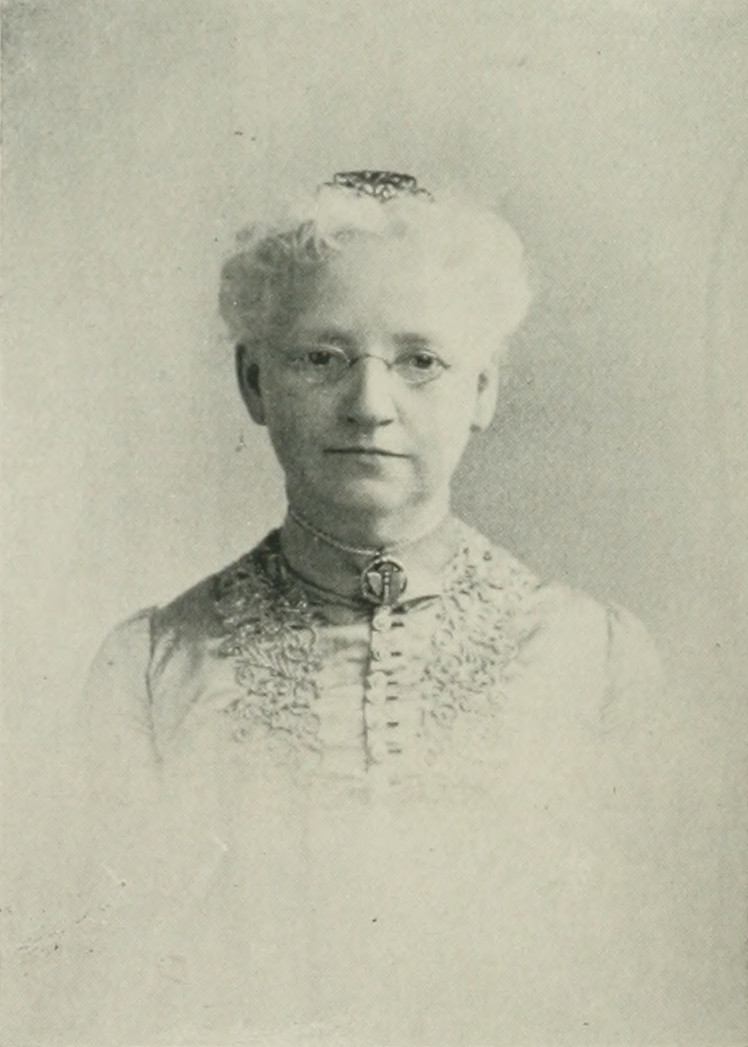
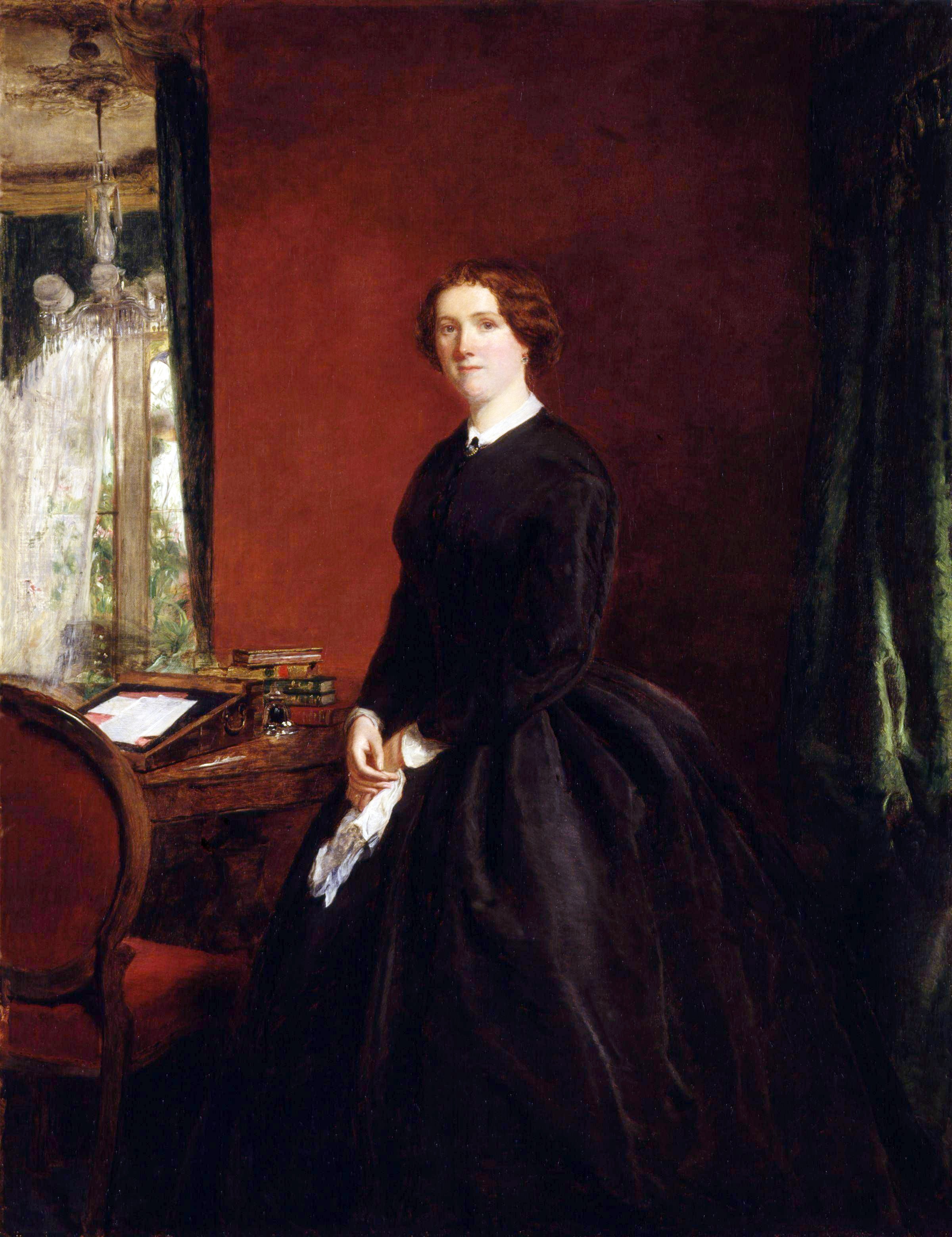
Mary Jane Holmes was an influential American novelist known for her prolific output and keen insights into domestic life and social issues. Over her career, she published 39 novels and numerous short stories, achieving remarkable sales that placed her second only to Harriet Beecher Stowe, with total sales reaching 2 million copies. Her debut novel, 'Tempest and Sunshine' (1854), was a significant success, selling 250,000 copies, and she continued to capture readers' attention with works such as 'English Orphans' (1855), 'Lena Rivers' (1856), and 'Ethelyn’s Mistake' (1869). Holmes's narratives often explored the complexities of gender relationships, class dynamics, and race, reflecting the societal challenges of her time, including slavery and the American Civil War, with a strong moral compass. Despite her popularity during her lifetime, Holmes's work was largely overlooked in 19th-century literary histories. However, since the late 20th century, there has been a resurgence of interest in her contributions to American literature. Her ability to weave moral dilemmas into the fabric of everyday life in small-town and rural settings has earned her a place in the canon of American literature, as scholars and readers alike continue to reassess her legacy and the significance of her storytelling in the context of her era.
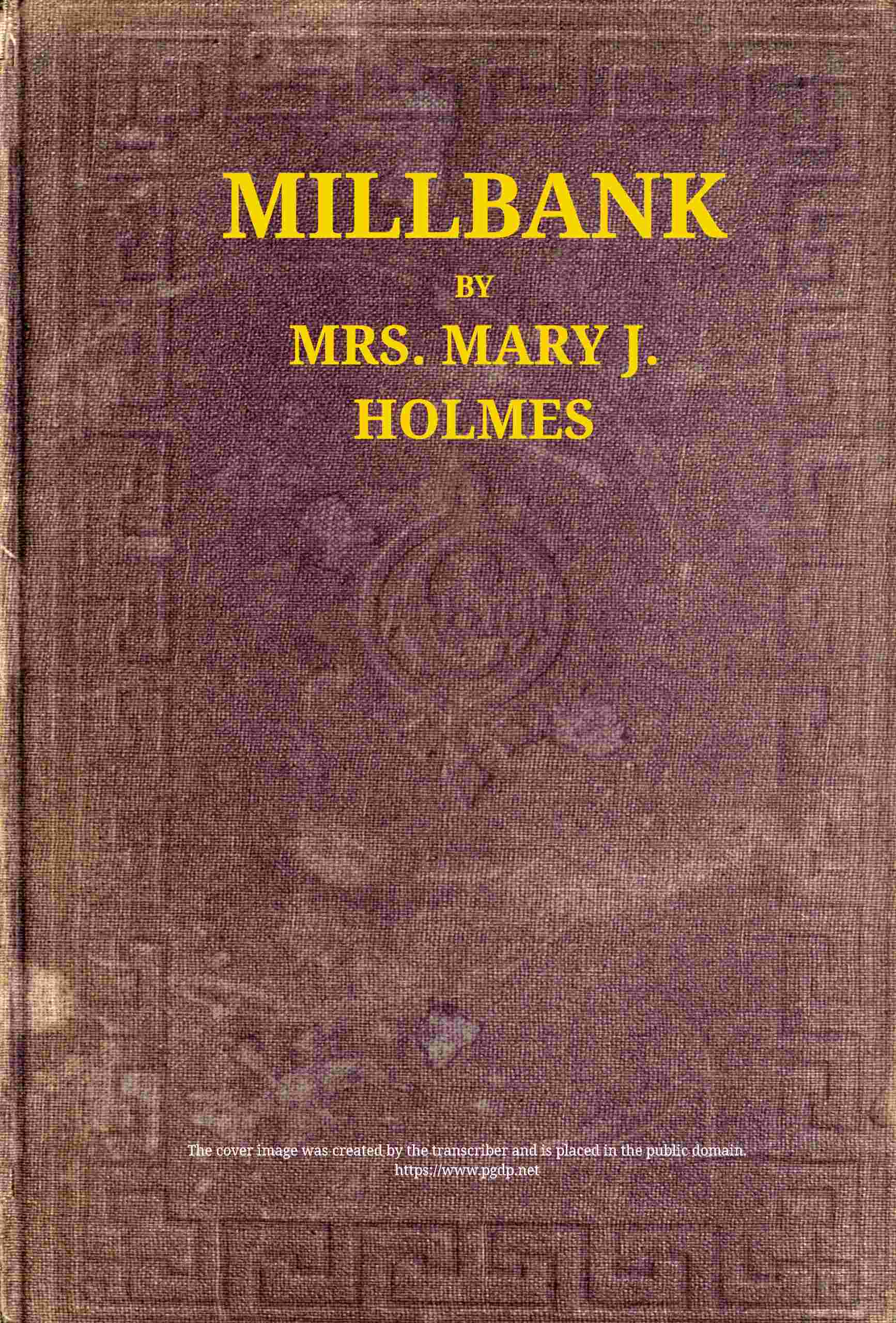
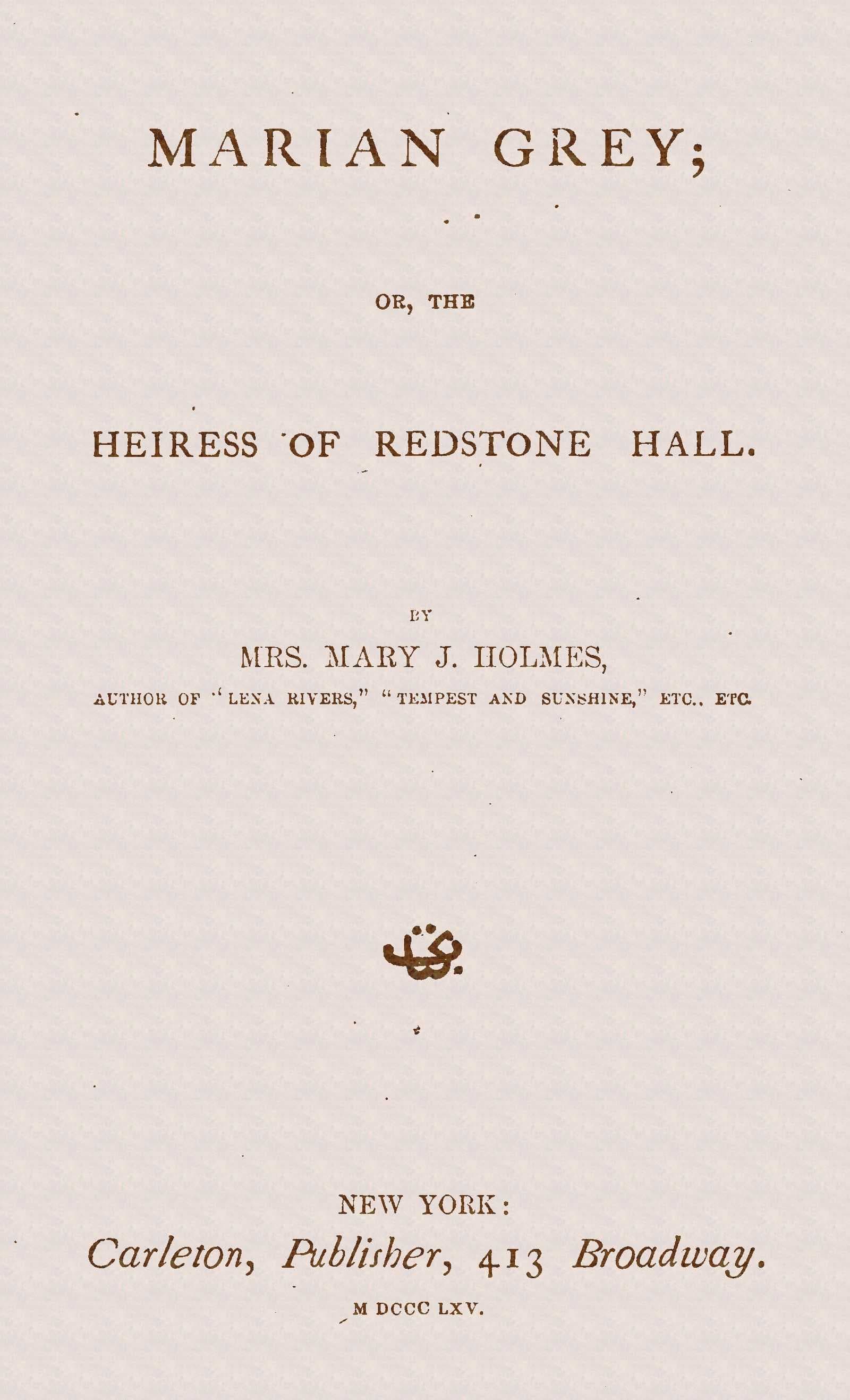
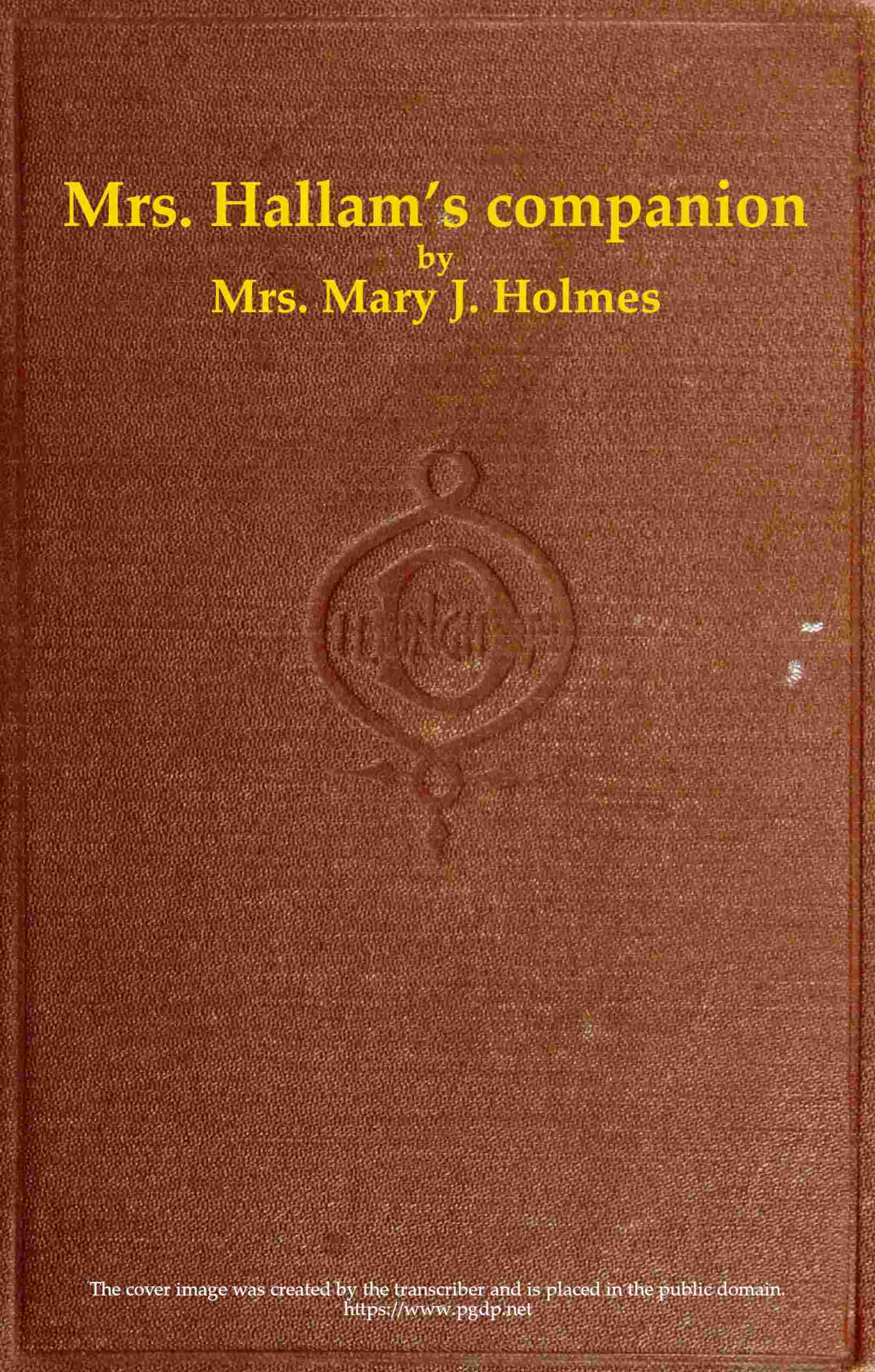
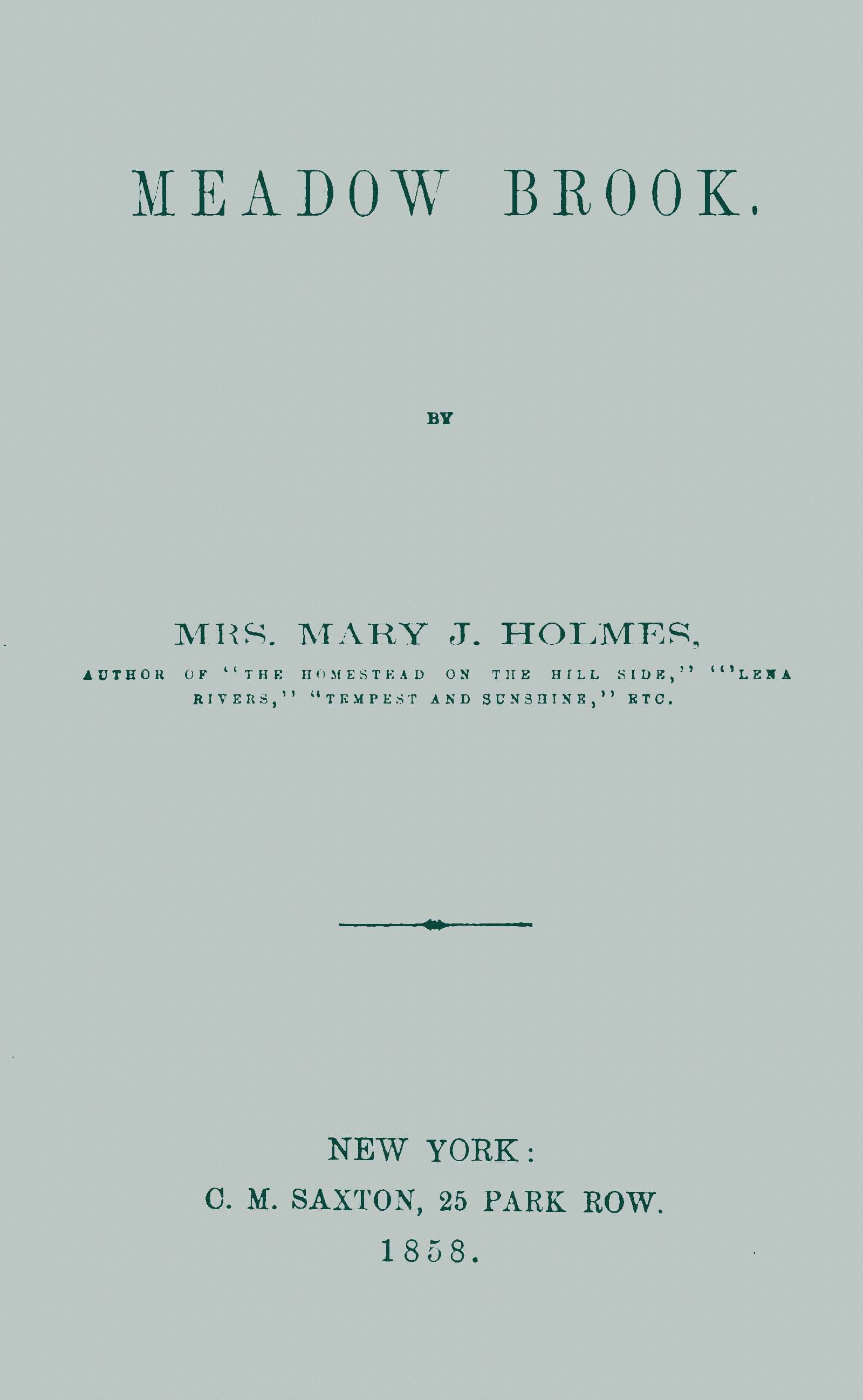
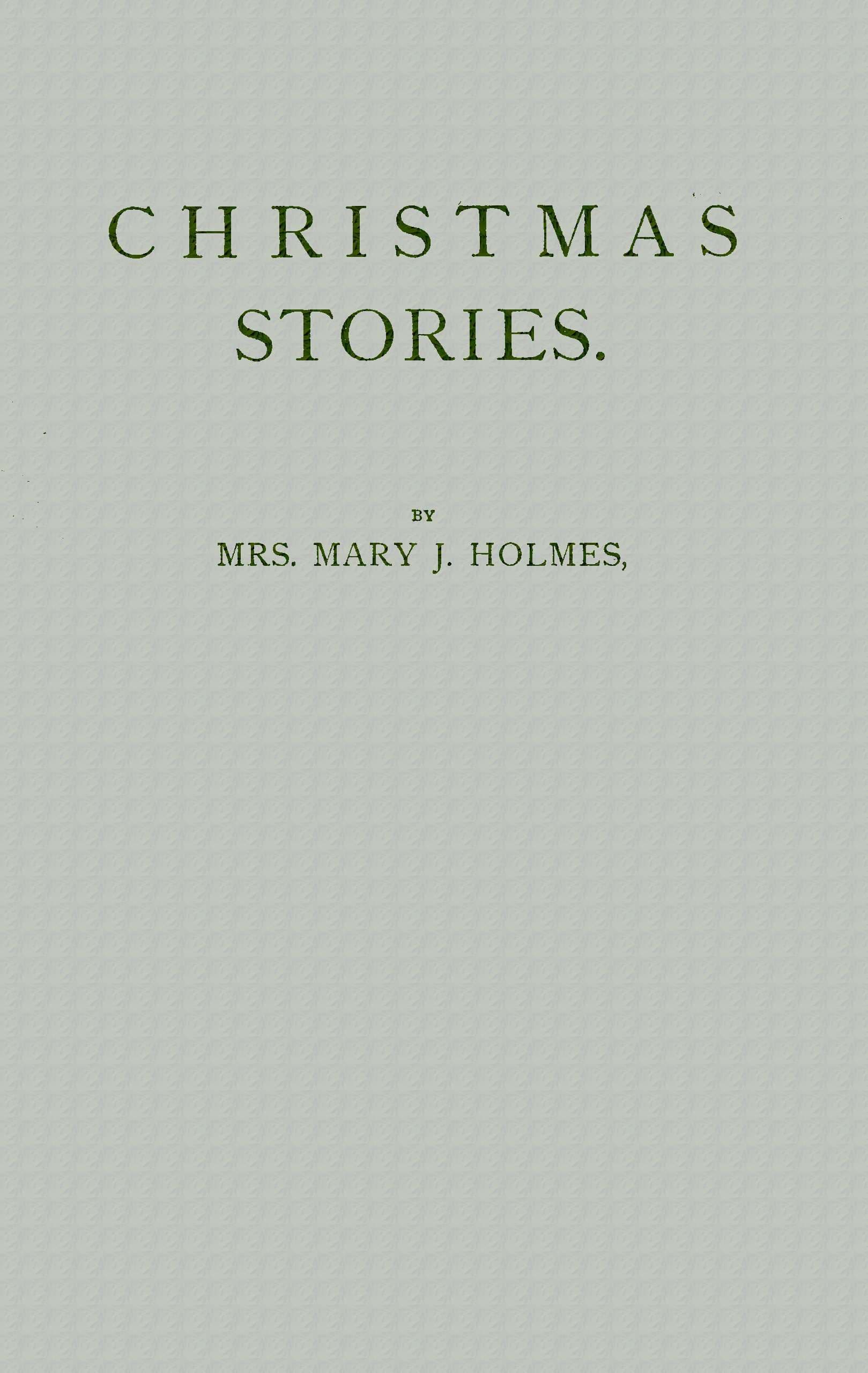
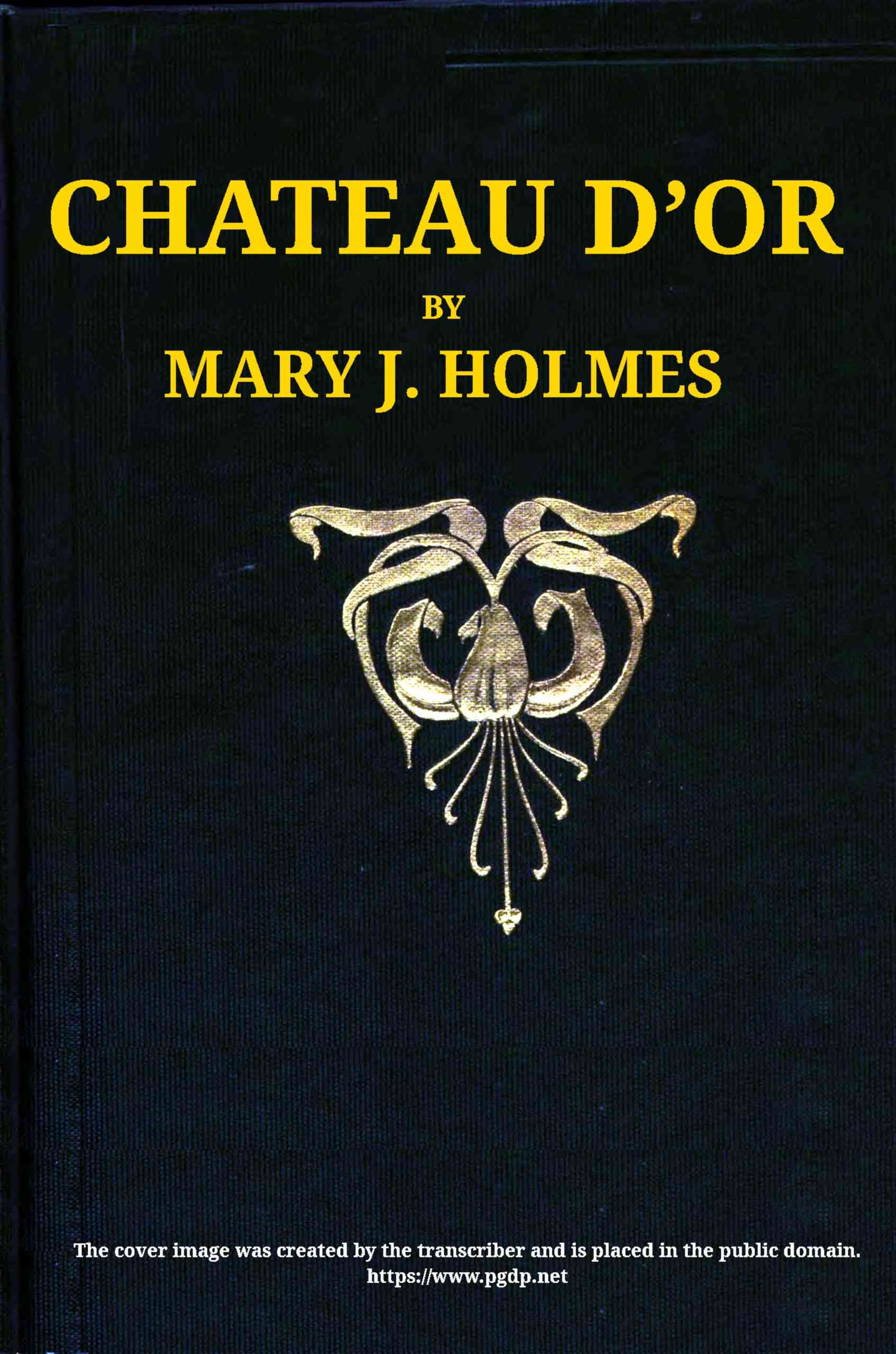
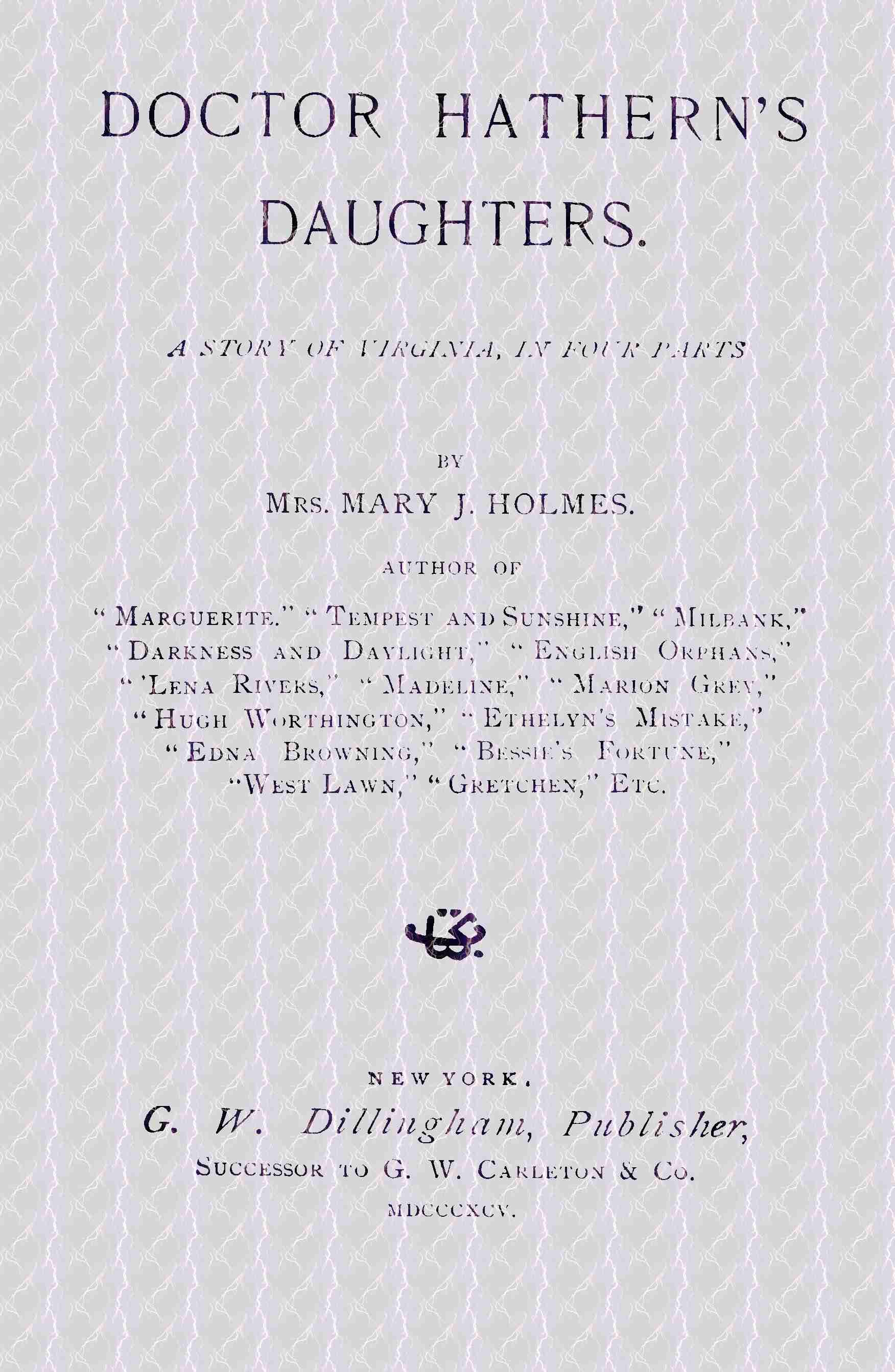
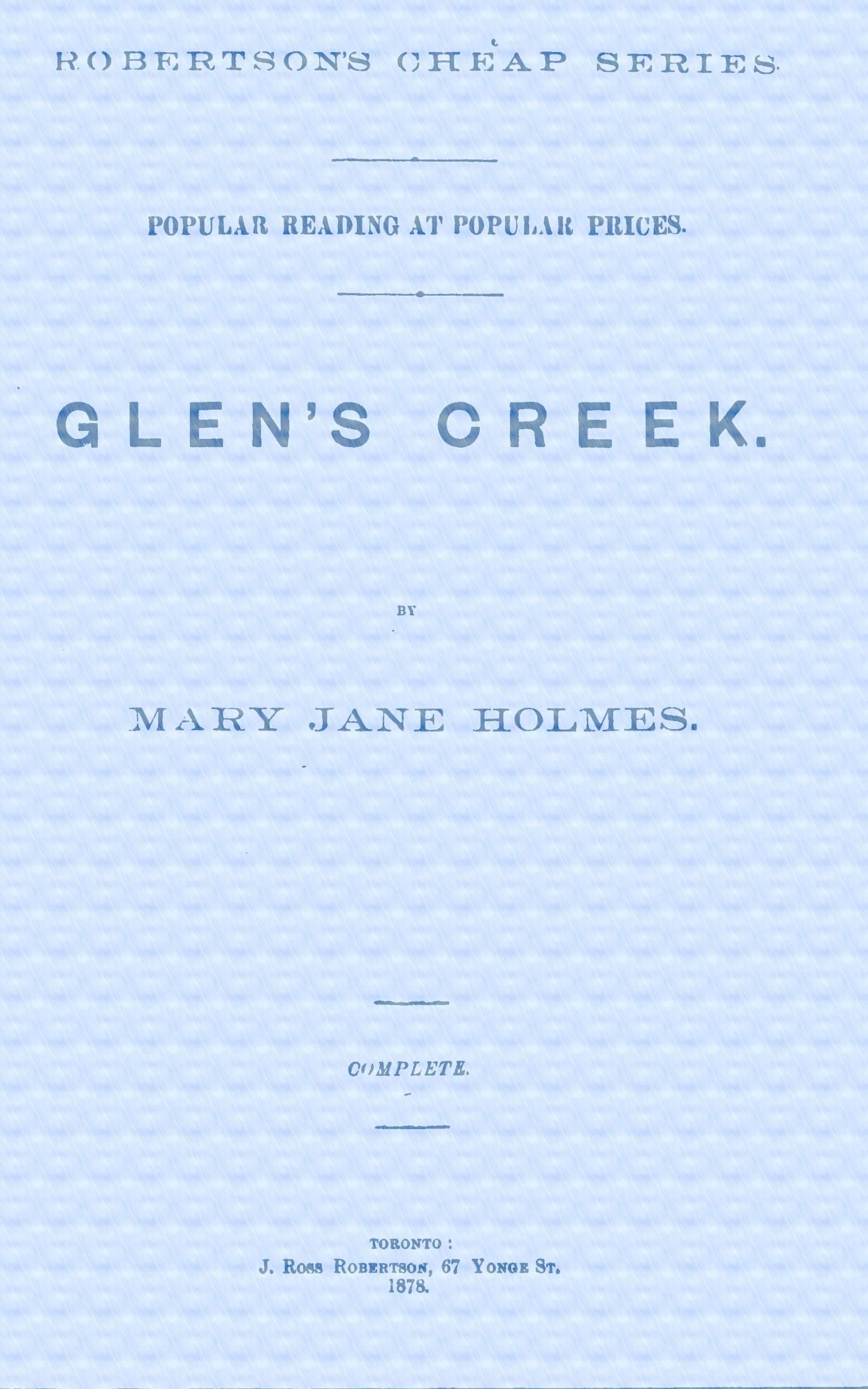
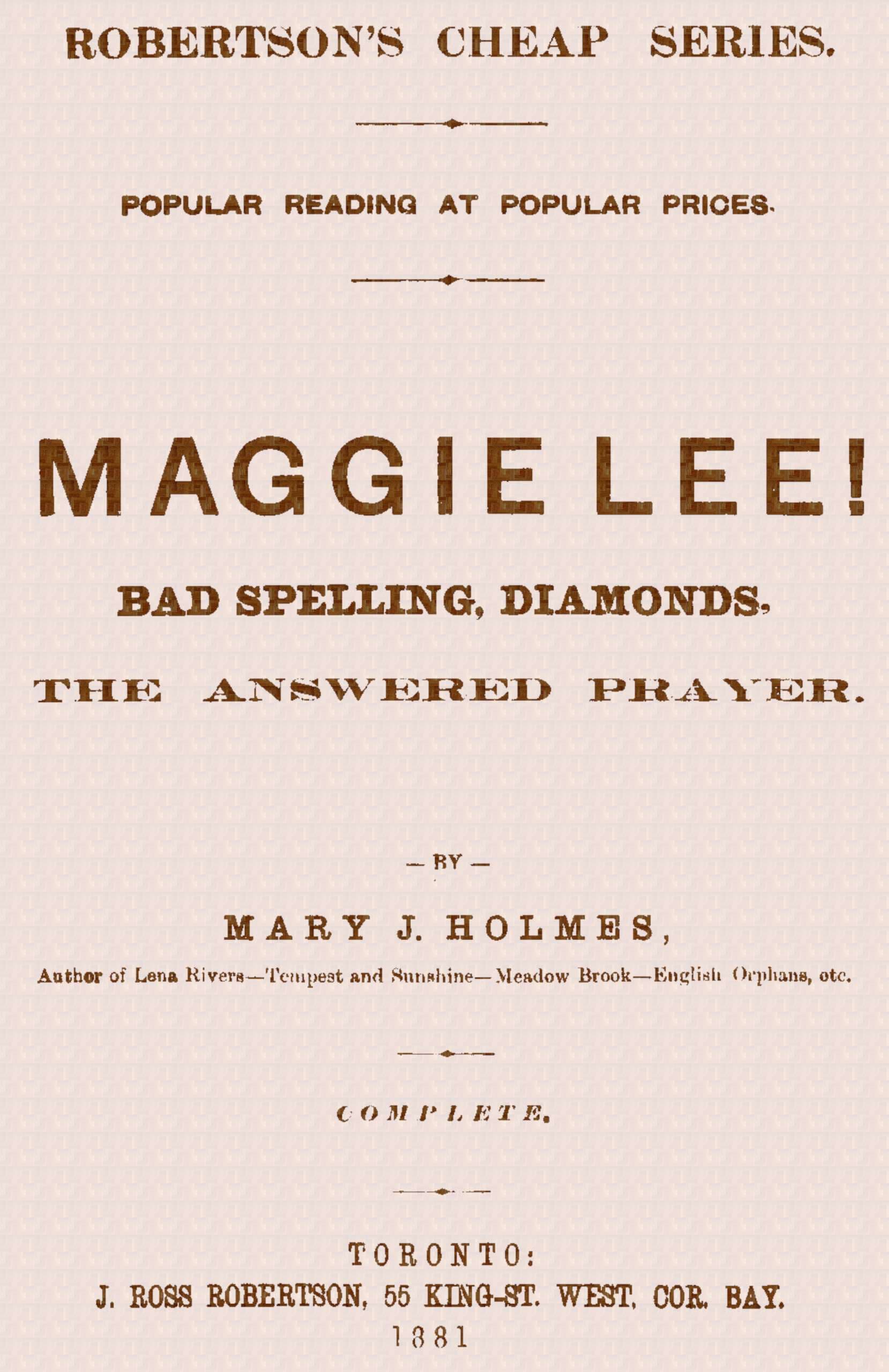
Books from the author

Link to this page
Add a free, dofollow link to Lex on your blog, forum, syllabus, or reading list.

<a href="https://lex-books.com/author/mary-jane-holmes"><img src="https://lex-books.com/badges/read-on-lex.svg" alt="Mary Jane Holmes on Lex" width="160" height="40"></a>[](https://lex-books.com/author/mary-jane-holmes)[url=https://lex-books.com/author/mary-jane-holmes][img]https://lex-books.com/badges/read-on-lex.svg[/img][/url]Mary Jane Holmes on Lex: https://lex-books.com/author/mary-jane-holmes