
Harriet Beecher Stowe
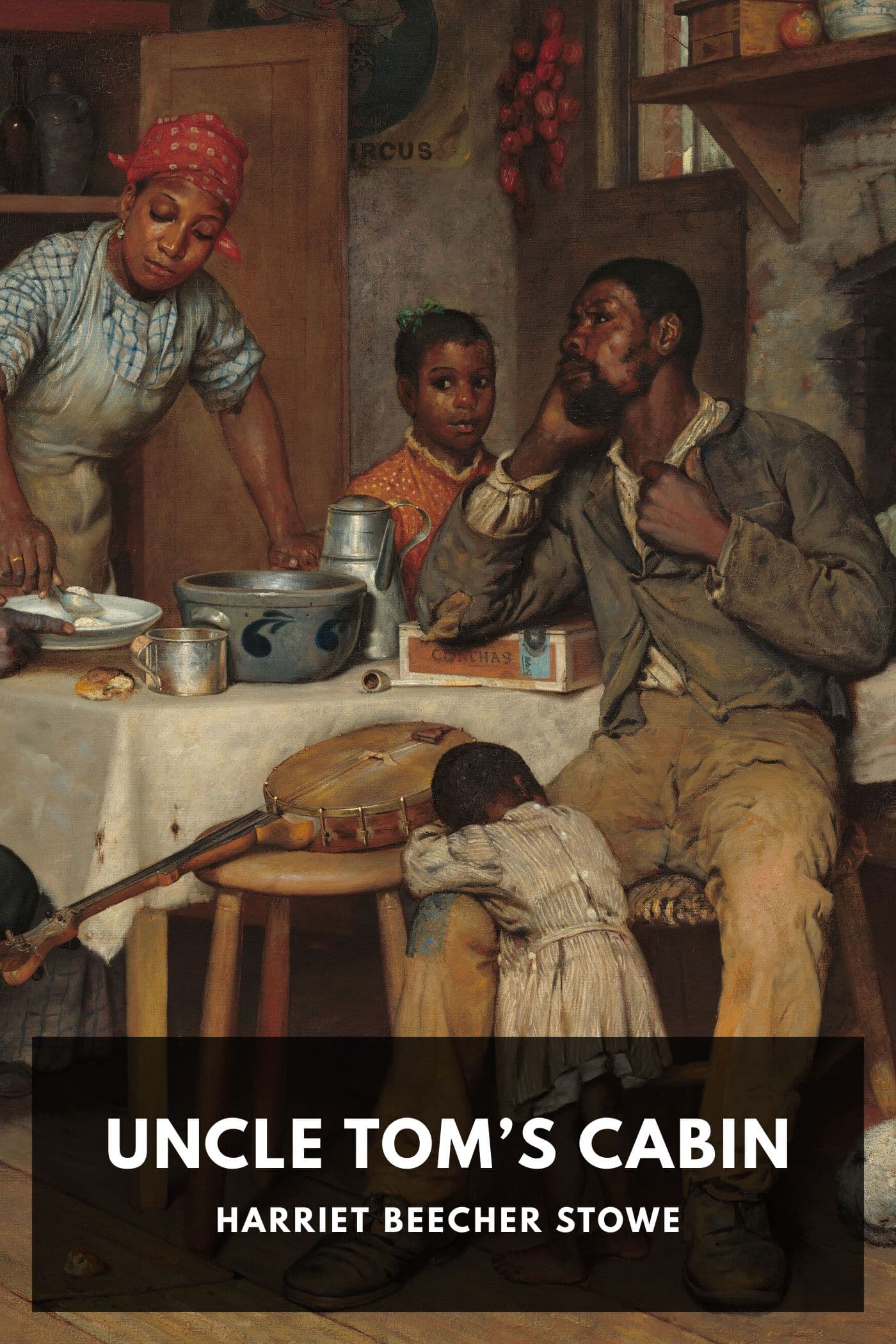
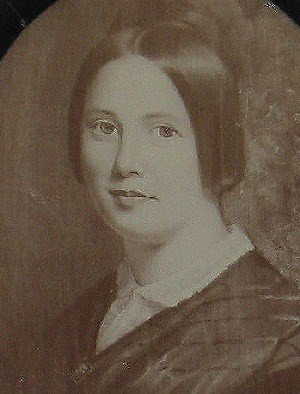
Harriet Beecher Stowe was an American author and abolitionist, best known for her groundbreaking novel Uncle Tom's Cabin, published in 1852. Born into the prominent Beecher family, Stowe's literary career was deeply intertwined with her commitment to social reform, particularly the abolition of slavery. Uncle Tom's Cabin vividly portrayed the brutal realities faced by enslaved African Americans, reaching millions and igniting passionate debates across the United States and beyond. The novel not only galvanized anti-slavery sentiments in the North but also incited significant backlash from Southern states, marking it as a pivotal work in American literature and social history. Throughout her career, Stowe authored over 30 books, including novels, travel memoirs, and collections of articles and letters. Her writings extended beyond fiction, as she engaged actively in public discourse on various social issues of her time, including women's rights and education. Stowe's legacy endures not only through her literary contributions but also through her role as a catalyst for social change, making her a significant figure in the fight against slavery and a champion for human rights.
Famous Quotes
View all 19 quotes“The longest way must have its close - the gloomiest night will wear on to a morning.””
“Soon after the completion of his college course, his whole nature was kindled into one intense and passionate effervescence of romantic passion. His hour came,”
“The bitterest tears shed over graves are for words left unsaid and deeds left undone.””
Books from the author
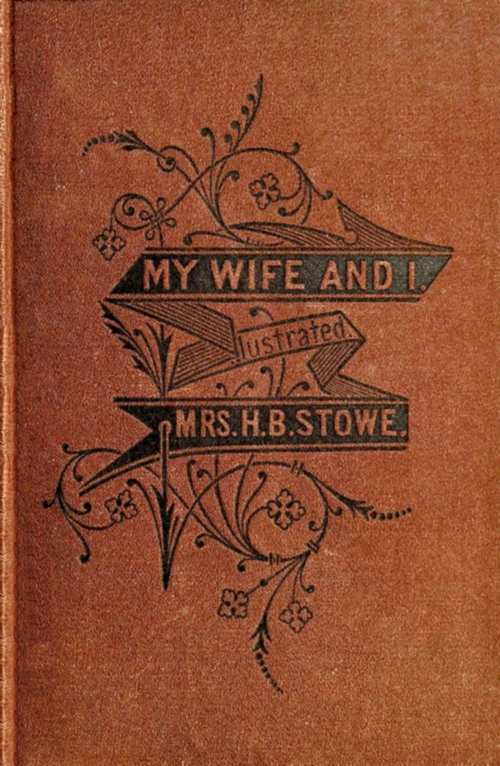
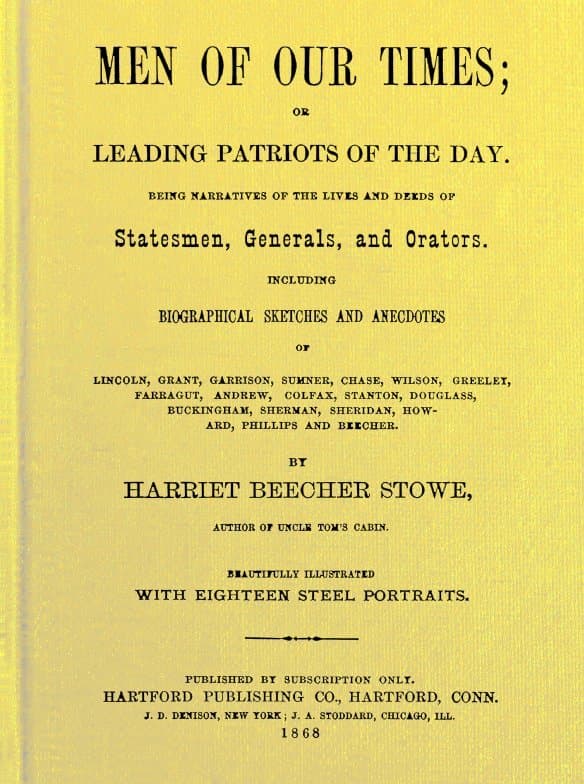
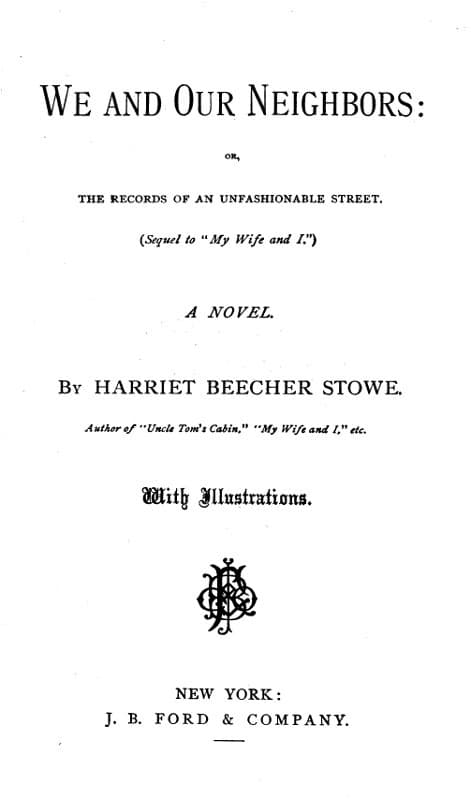
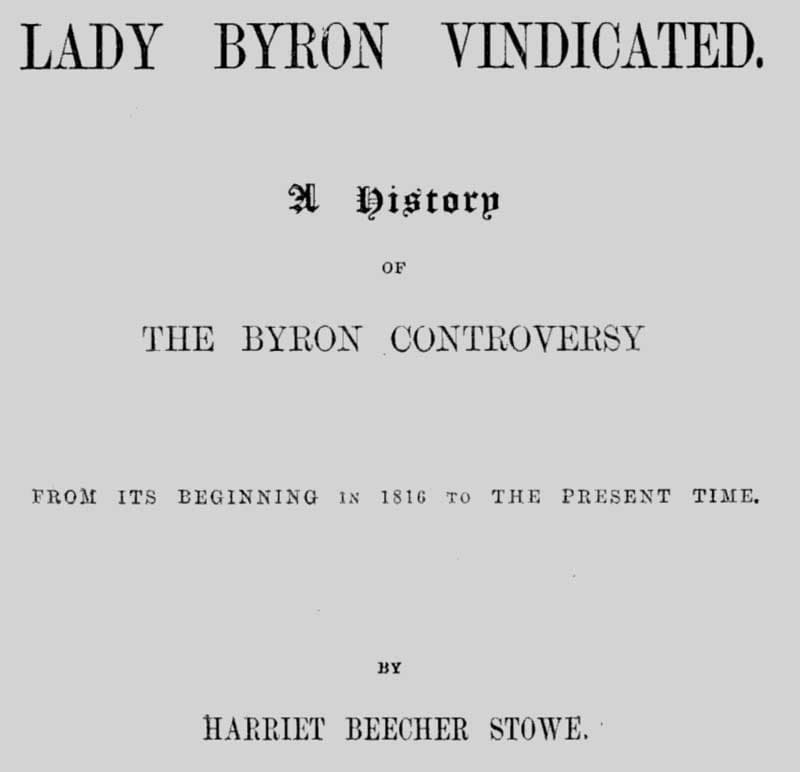
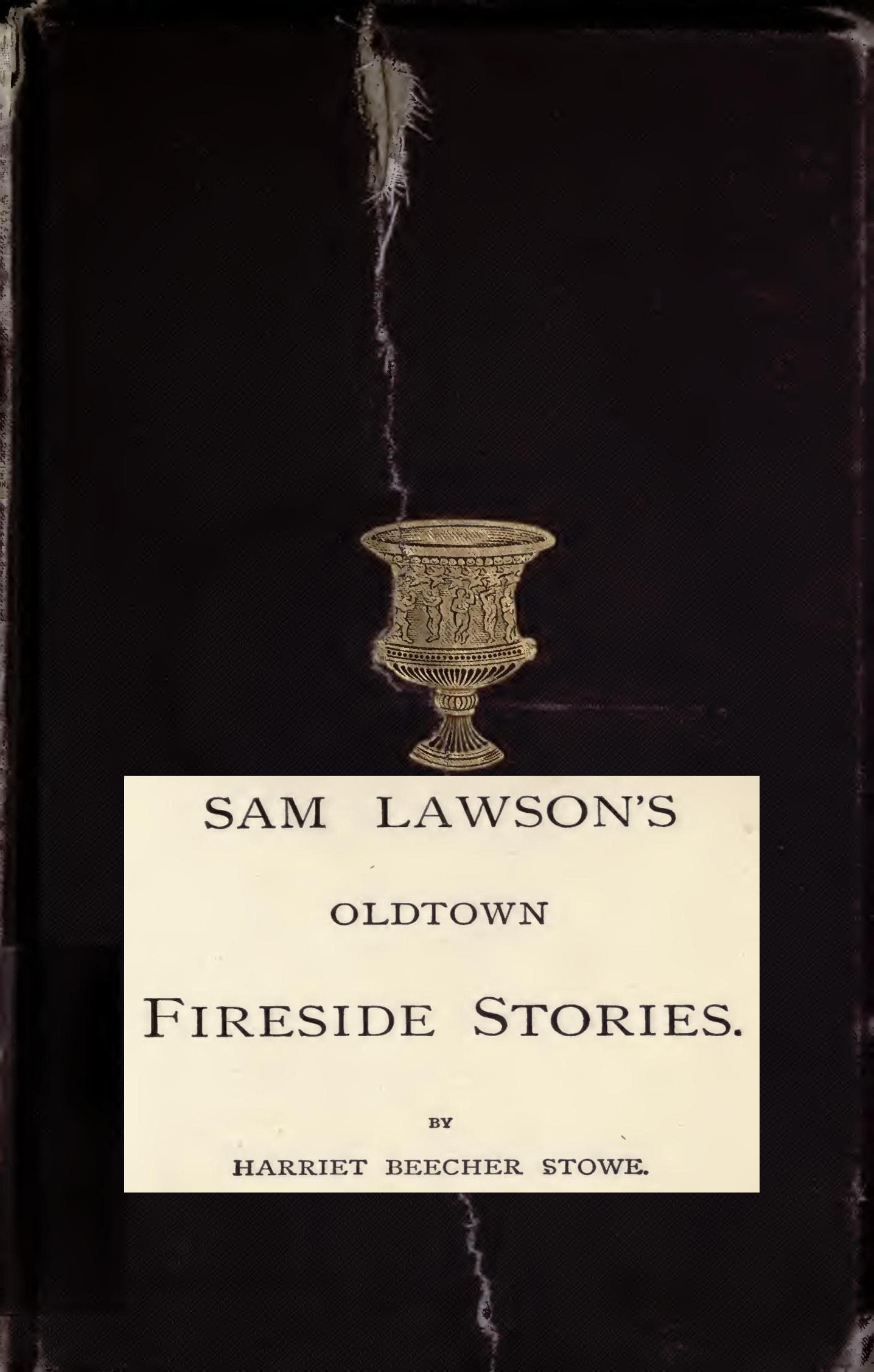
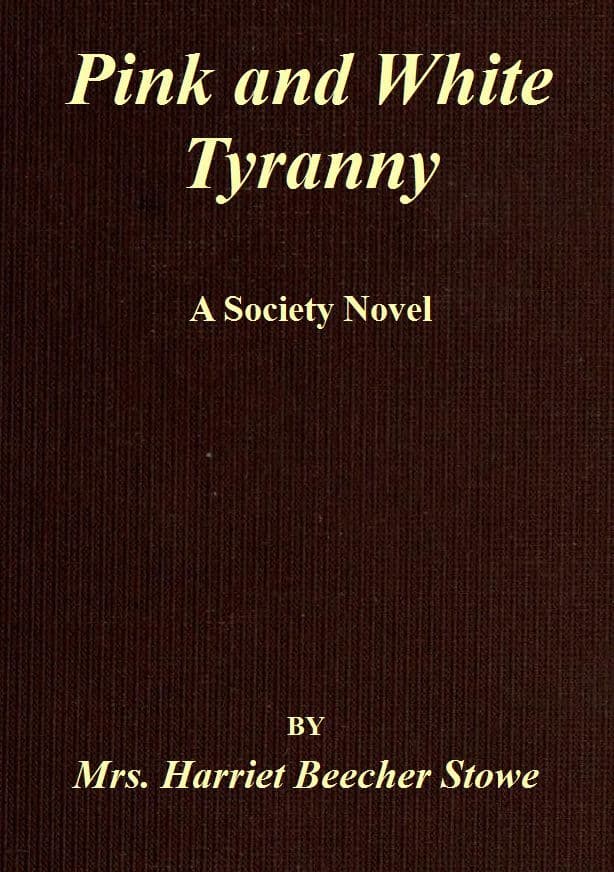

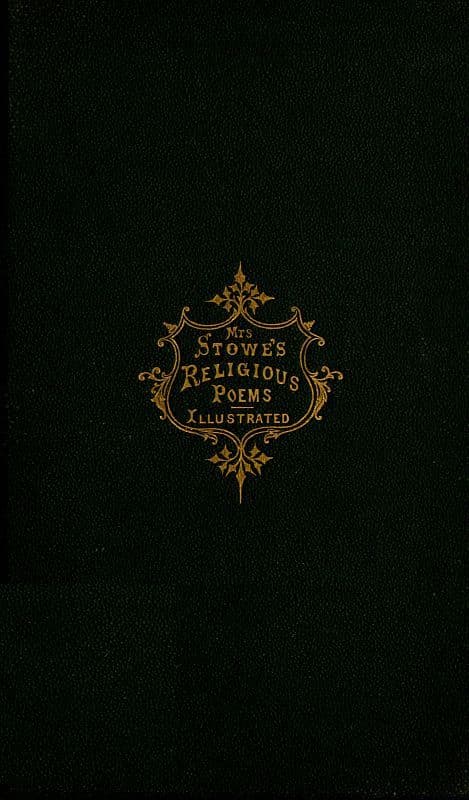
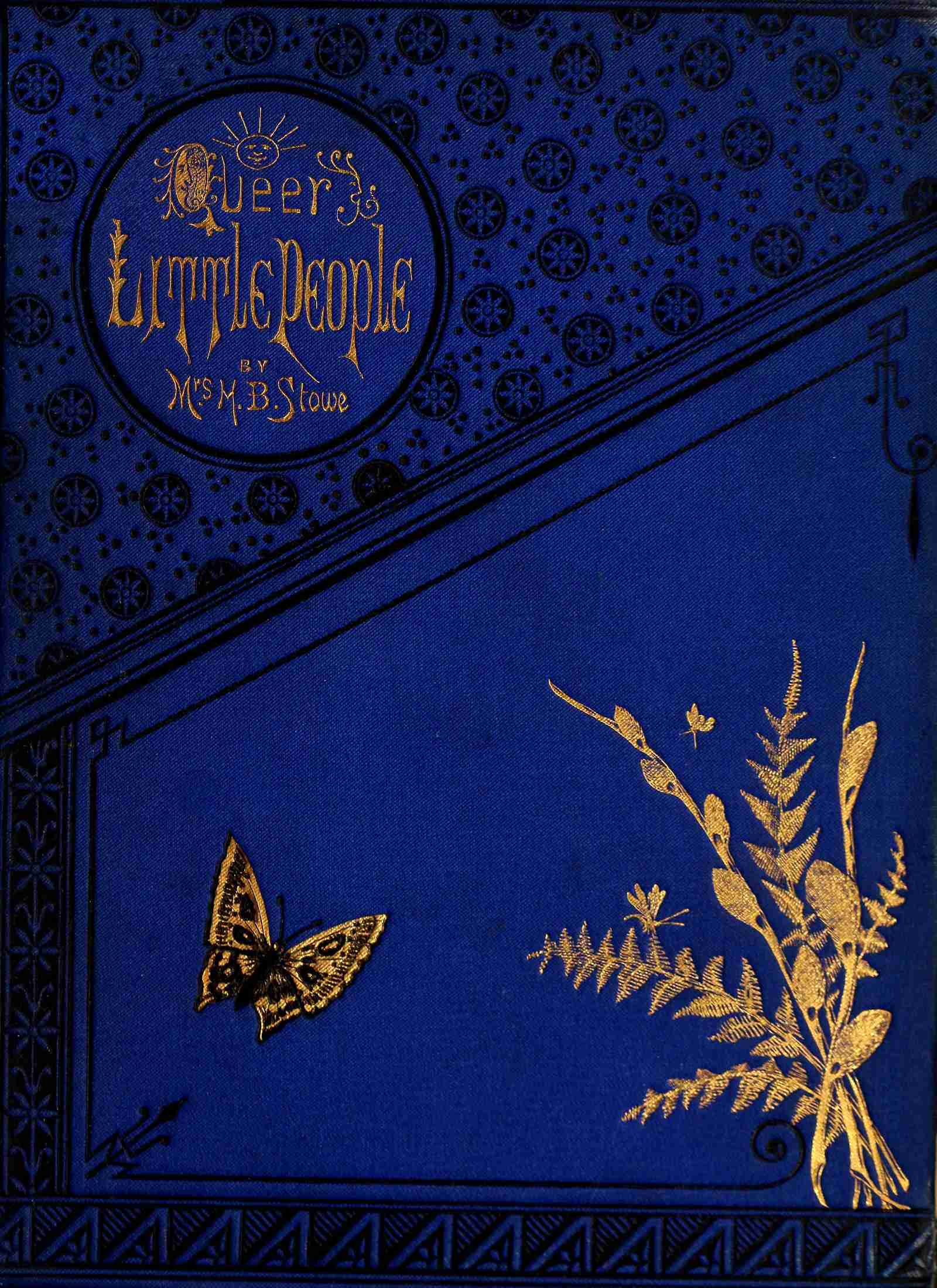
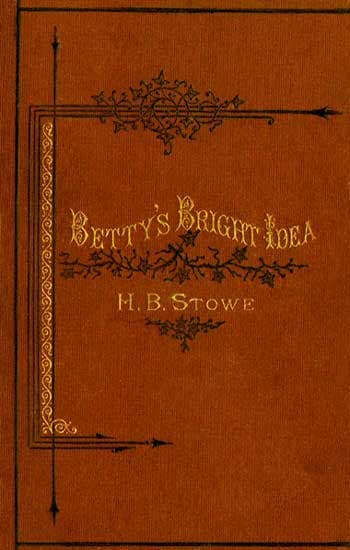
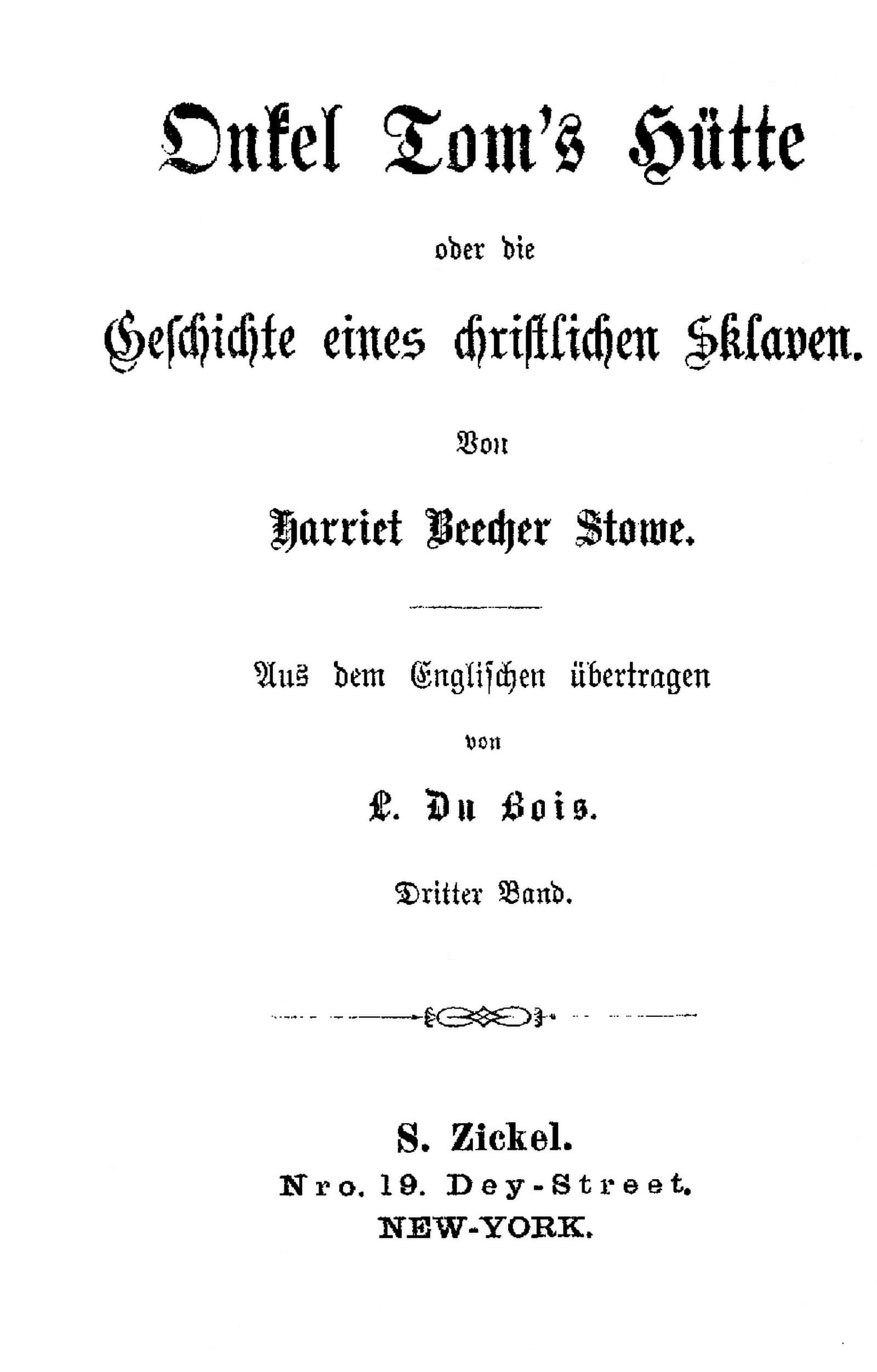
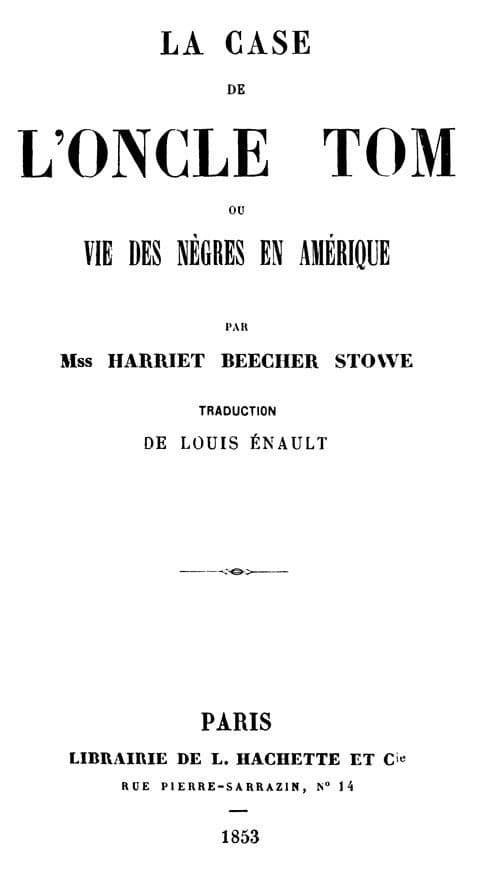
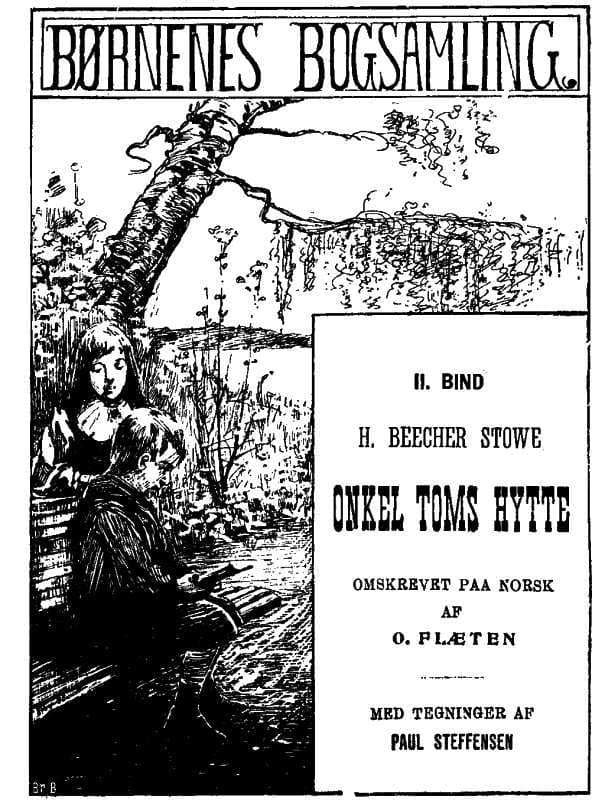
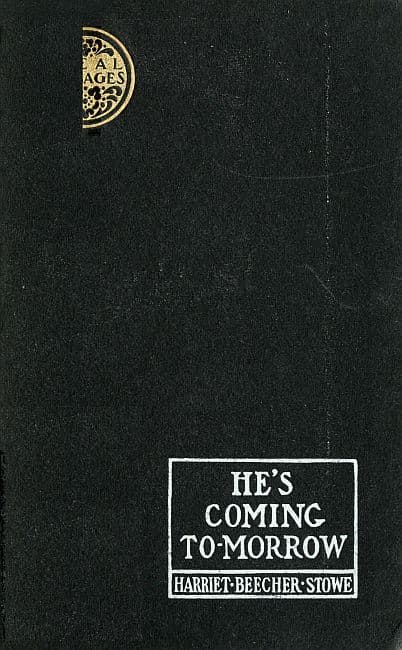
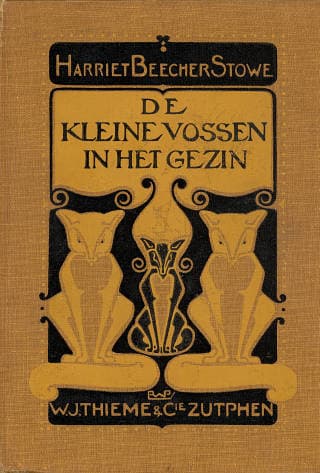
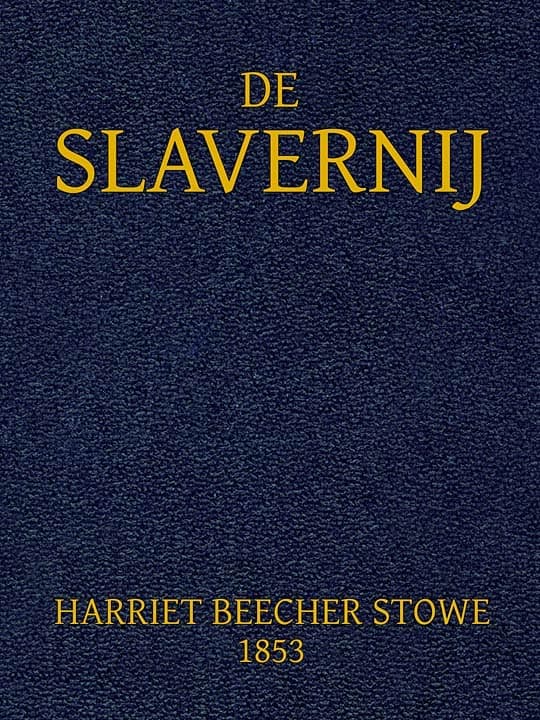

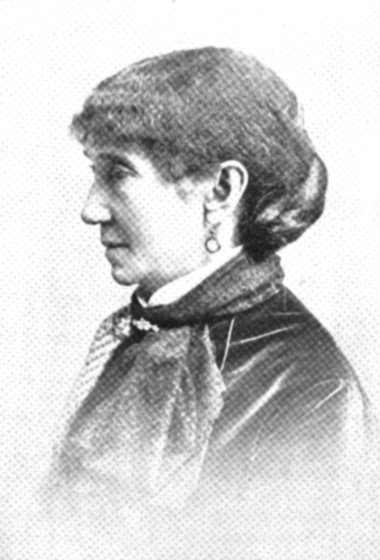
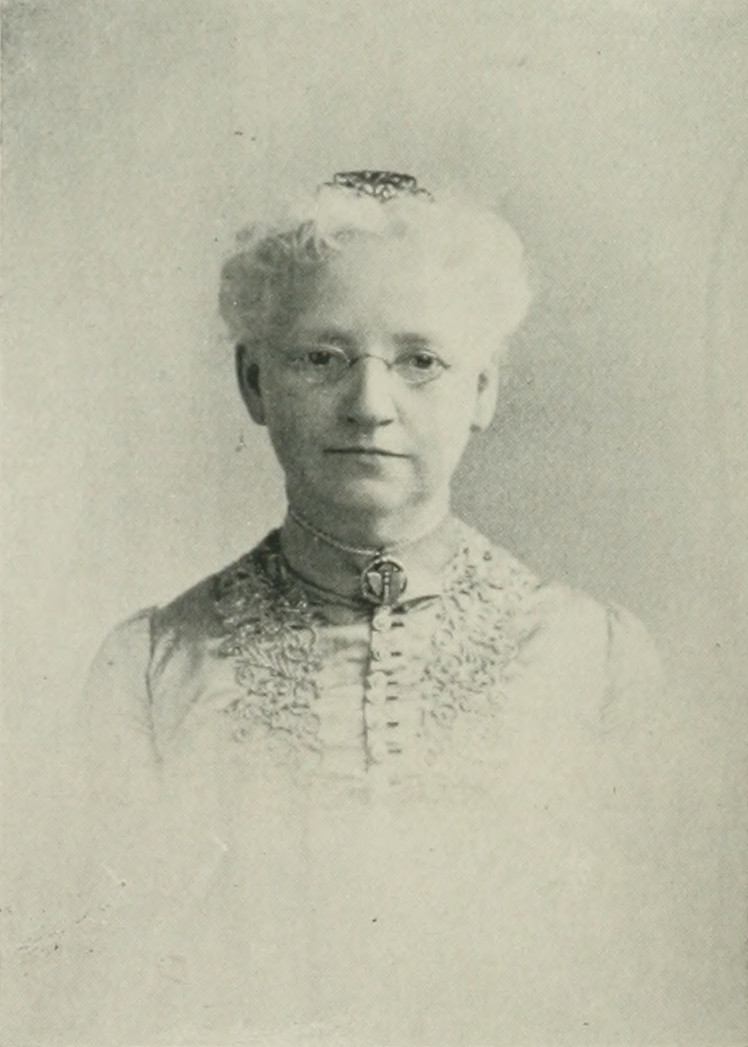
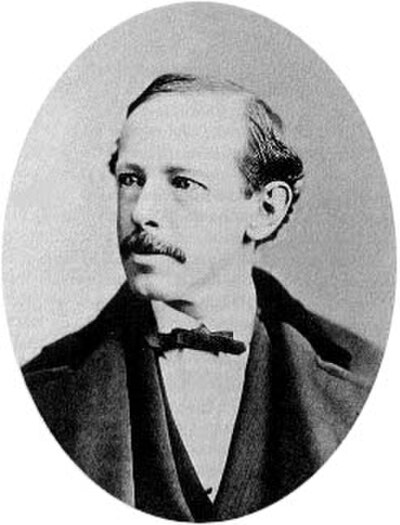
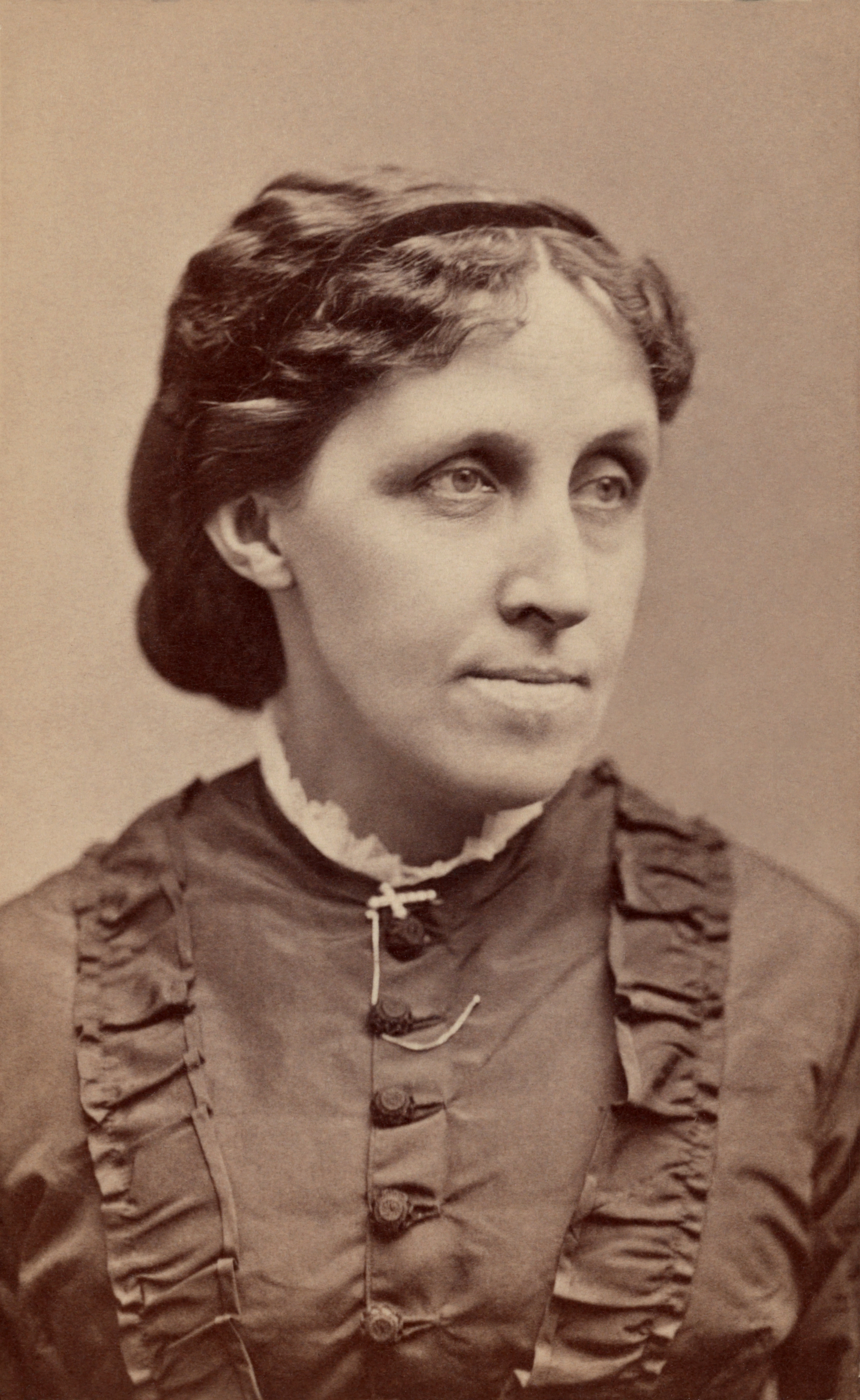
Link to this page
Add a free, dofollow link to Lex on your blog, forum, syllabus, or reading list.

<a href="https://lex-books.com/author/harriet-beecher-stowe"><img src="https://lex-books.com/badges/read-on-lex.svg" alt="Harriet Beecher Stowe on Lex" width="160" height="40"></a>[](https://lex-books.com/author/harriet-beecher-stowe)[url=https://lex-books.com/author/harriet-beecher-stowe][img]https://lex-books.com/badges/read-on-lex.svg[/img][/url]Harriet Beecher Stowe on Lex: https://lex-books.com/author/harriet-beecher-stowe