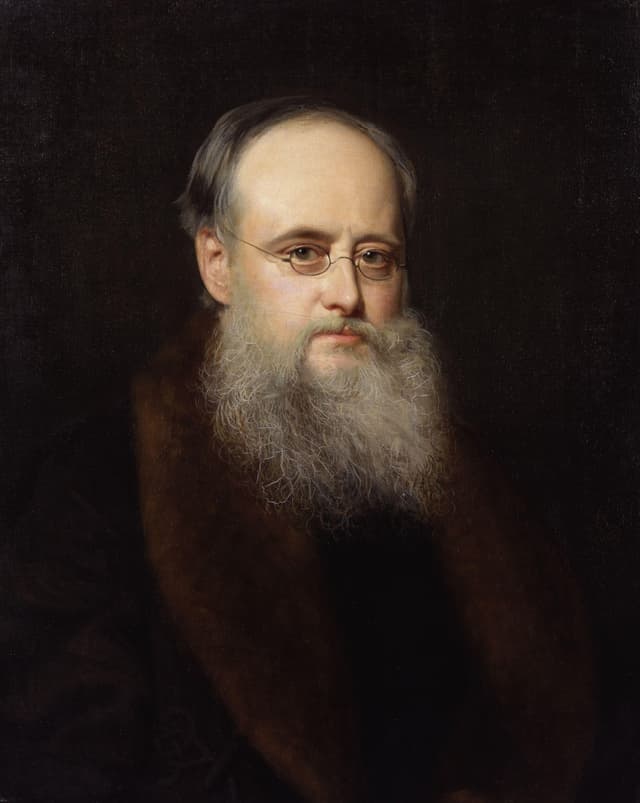
Wilkie Collins
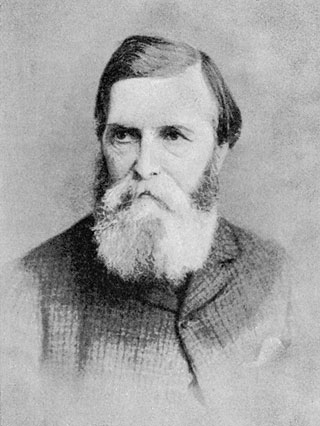
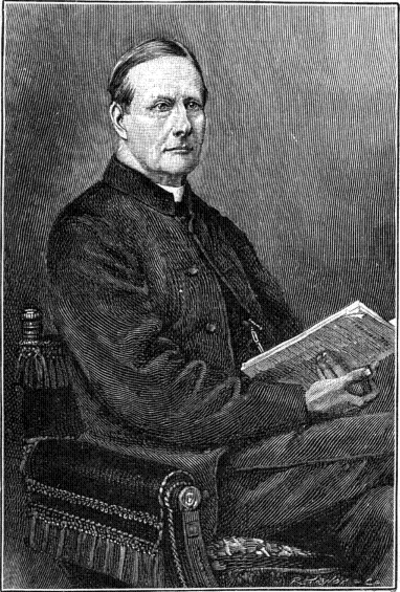
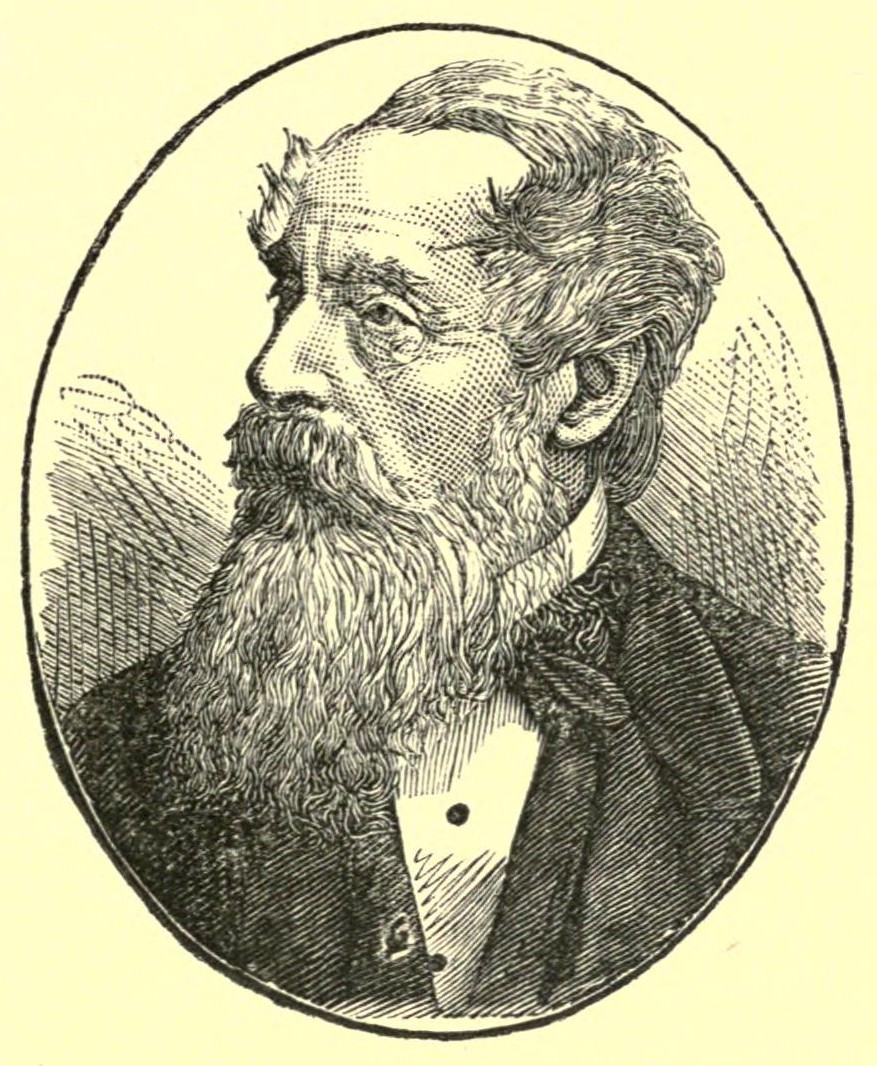
William Wilkie Collins was an influential English novelist and playwright, best known for his groundbreaking works in the mystery and detective genres. His novel, The Woman in White (1860), is celebrated as an early sensation novel that captivated readers with its intricate plot and strong female characters. Collins further solidified his literary legacy with The Moonstone (1868), which is often regarded as the first modern detective novel and laid the groundwork for the police procedural genre. His innovative storytelling and complex narratives marked a significant departure from the conventions of his time, earning him a prominent place in Victorian literature. Born to a painter in London, Collins spent part of his youth in Italy and France, where he developed a love for languages and culture. Initially working as a tea merchant, he transitioned to writing after the publication of his first novel, Antonina, in 1850. His friendship with Charles Dickens, who became both a mentor and collaborator, helped elevate Collins' profile in literary circles. Despite his success, Collins faced personal struggles, including a battle with opium addiction, which affected his health and the reception of his later works. His unconventional views on marriage and relationships, particularly his long-term partnerships with Caroline Graves and Martha Rudd, also reflected his progressive attitudes for the time, contributing to his complex legacy as a writer who challenged societal norms.
Famous Quotes
View all 18 quotes“The books - the generous friends who met me without suspicion - the merciful masters who never used me ill!””
“Any woman who is sure of her own wits, is a match, at any time, for a man who is not sure of his own temper.””
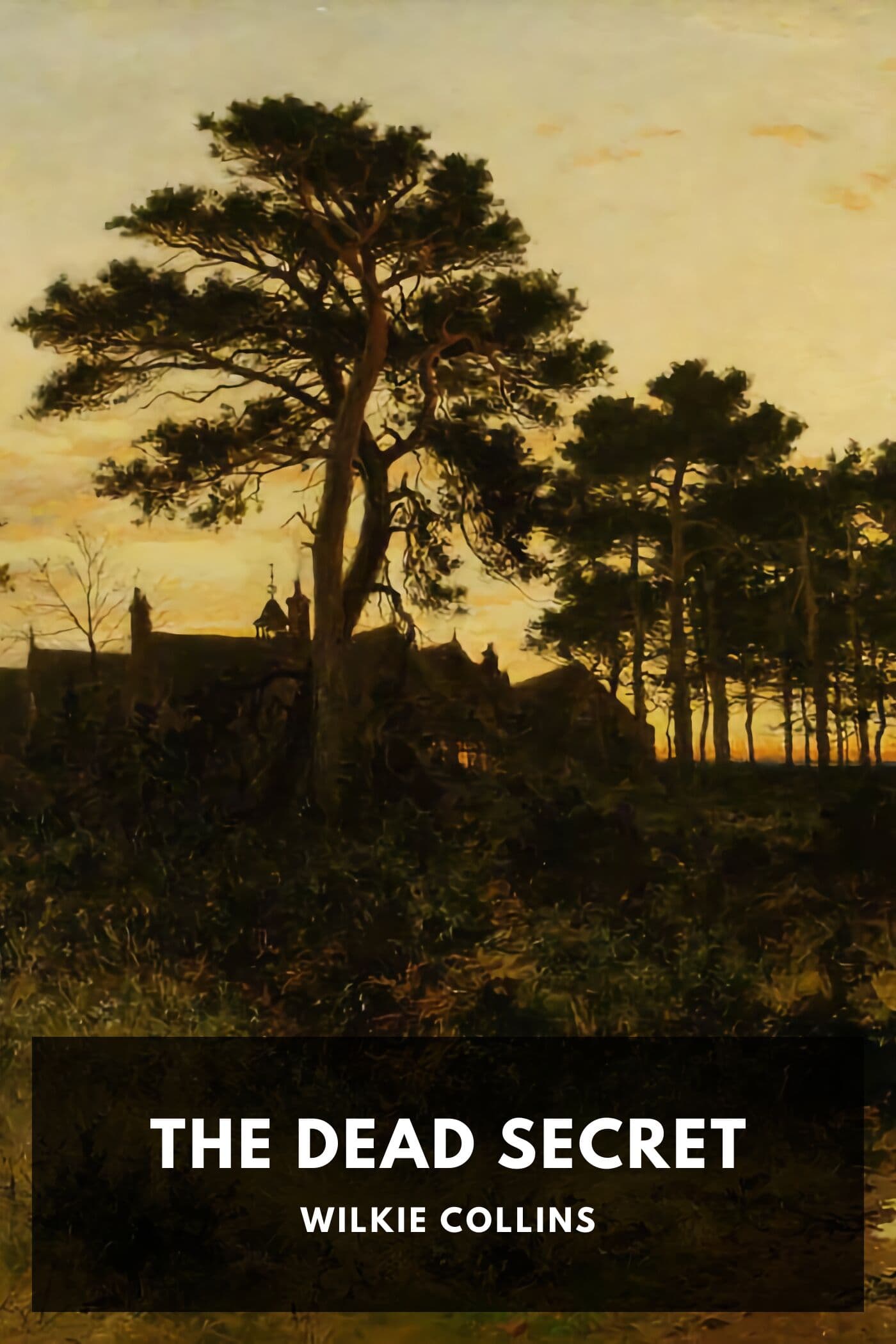
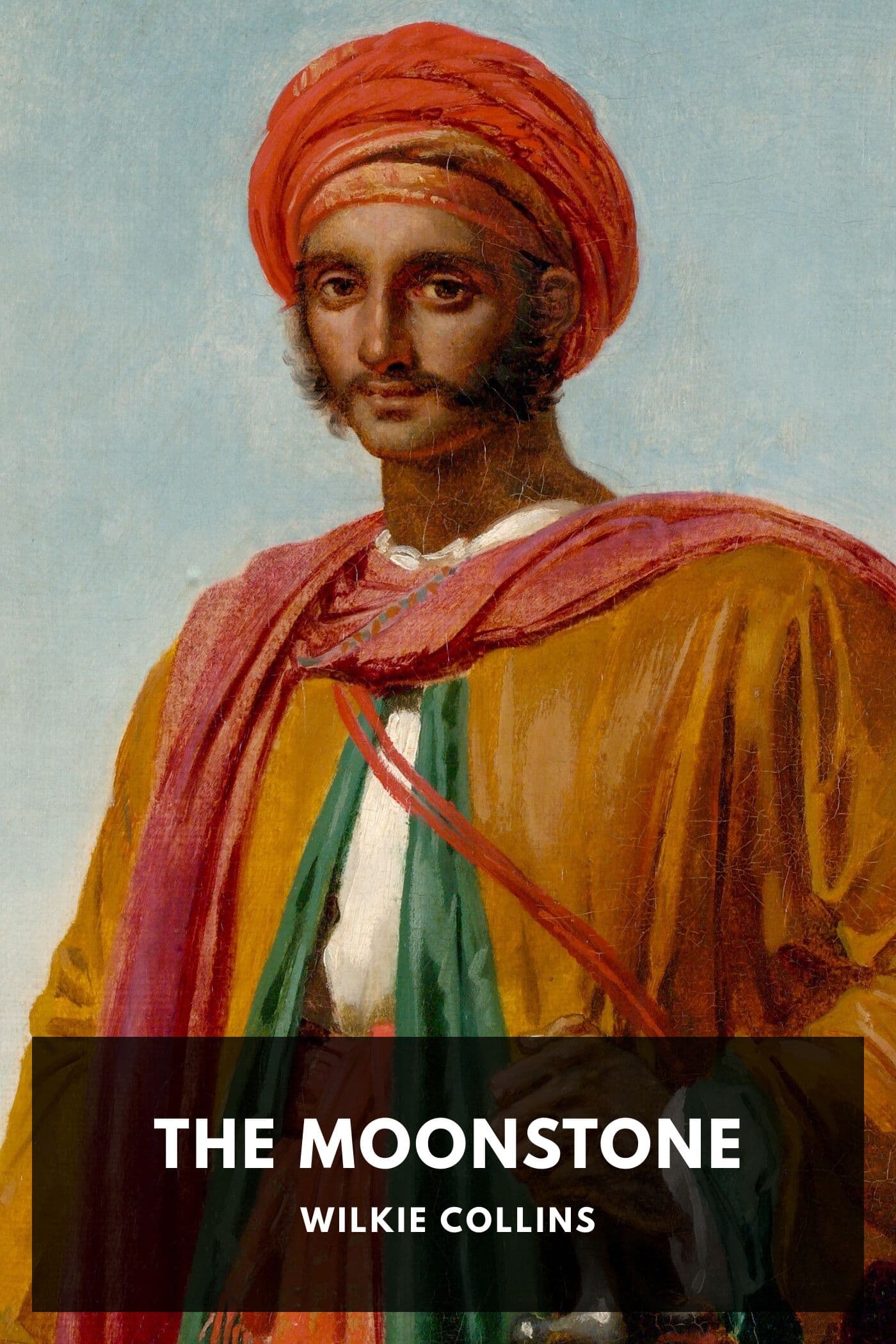
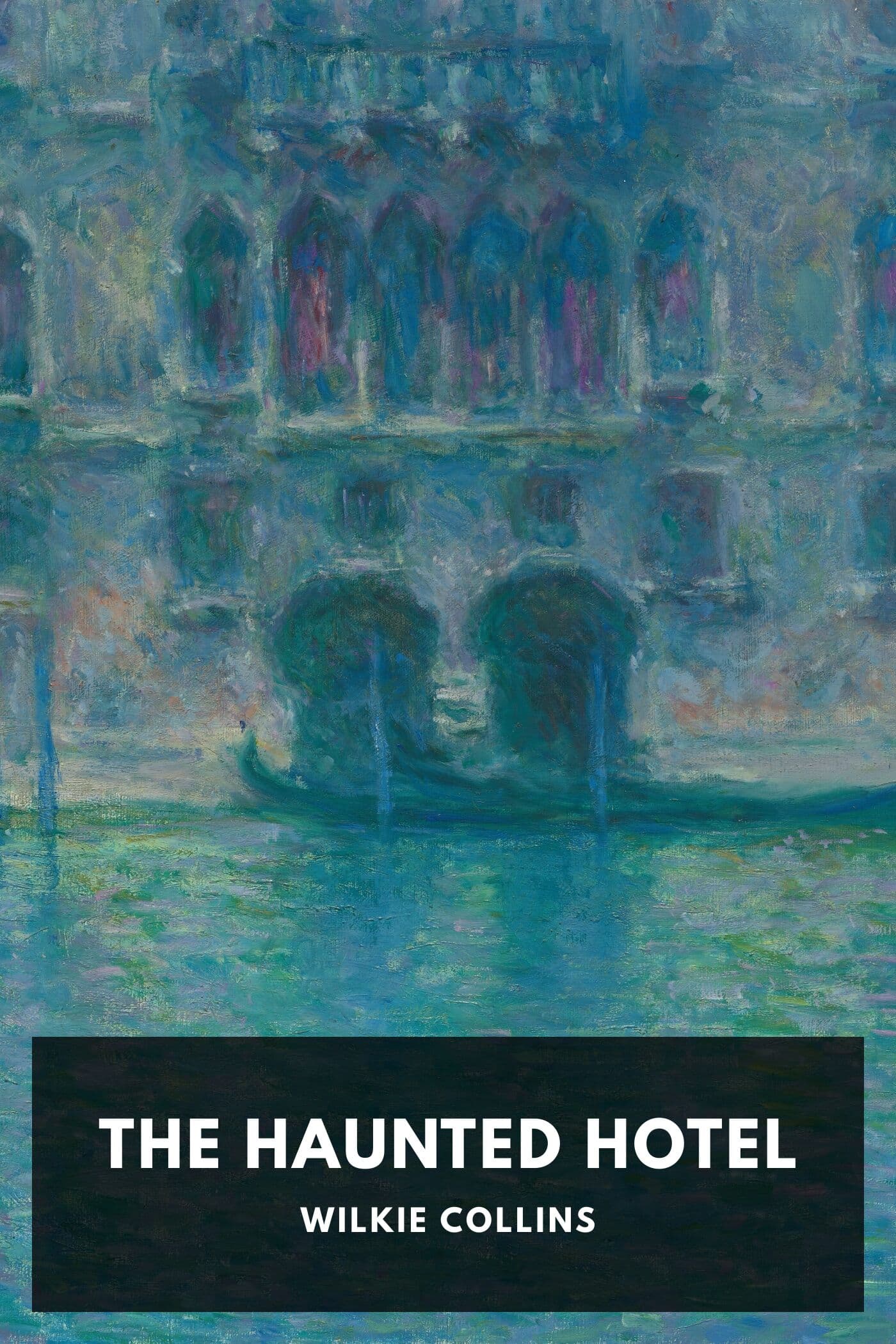
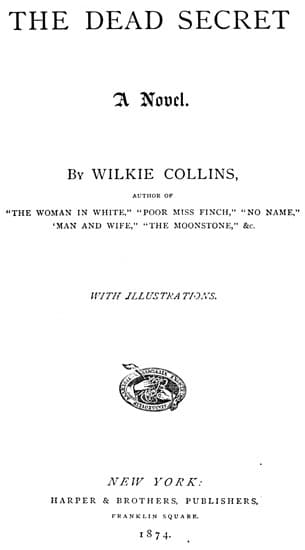
Books from the author



Link to this page
Add a free, dofollow link to Lex on your blog, forum, syllabus, or reading list.

<a href="https://lex-books.com/author/wilkie-collins"><img src="https://lex-books.com/badges/read-on-lex.svg" alt="Wilkie Collins on Lex" width="160" height="40"></a>[](https://lex-books.com/author/wilkie-collins)[url=https://lex-books.com/author/wilkie-collins][img]https://lex-books.com/badges/read-on-lex.svg[/img][/url]Wilkie Collins on Lex: https://lex-books.com/author/wilkie-collins