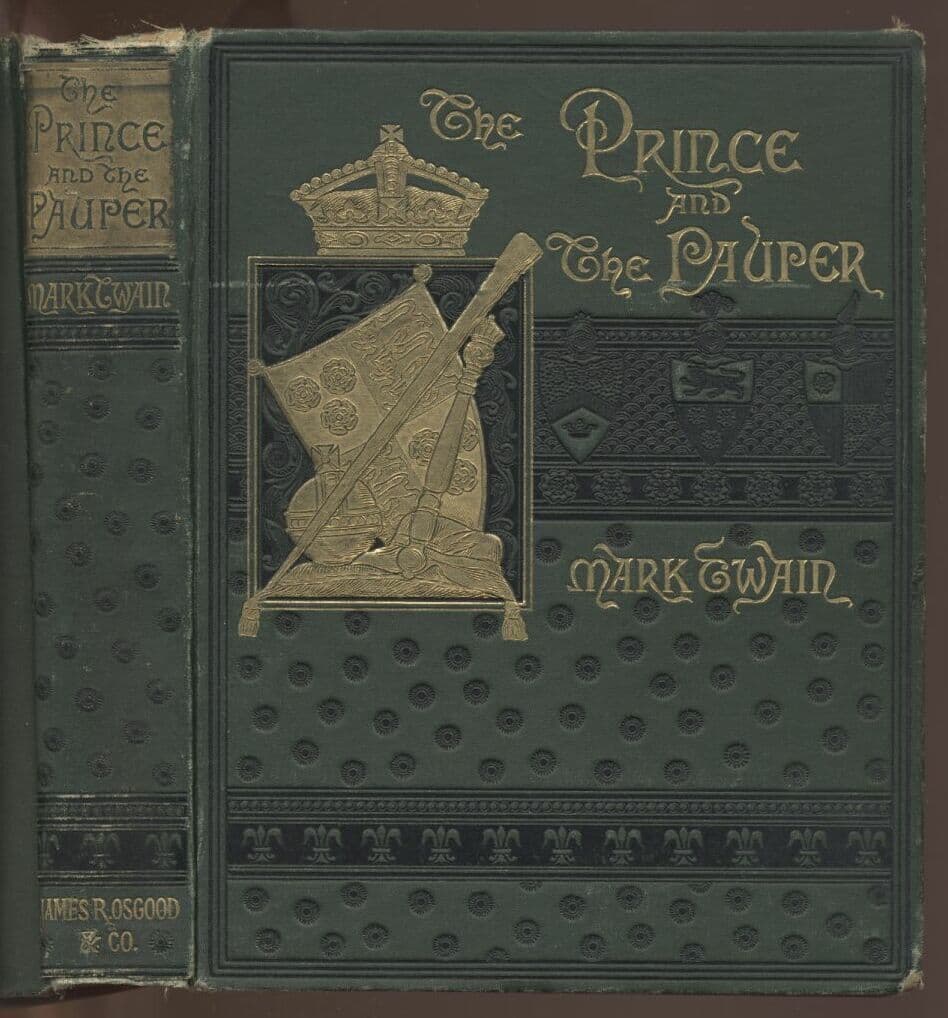
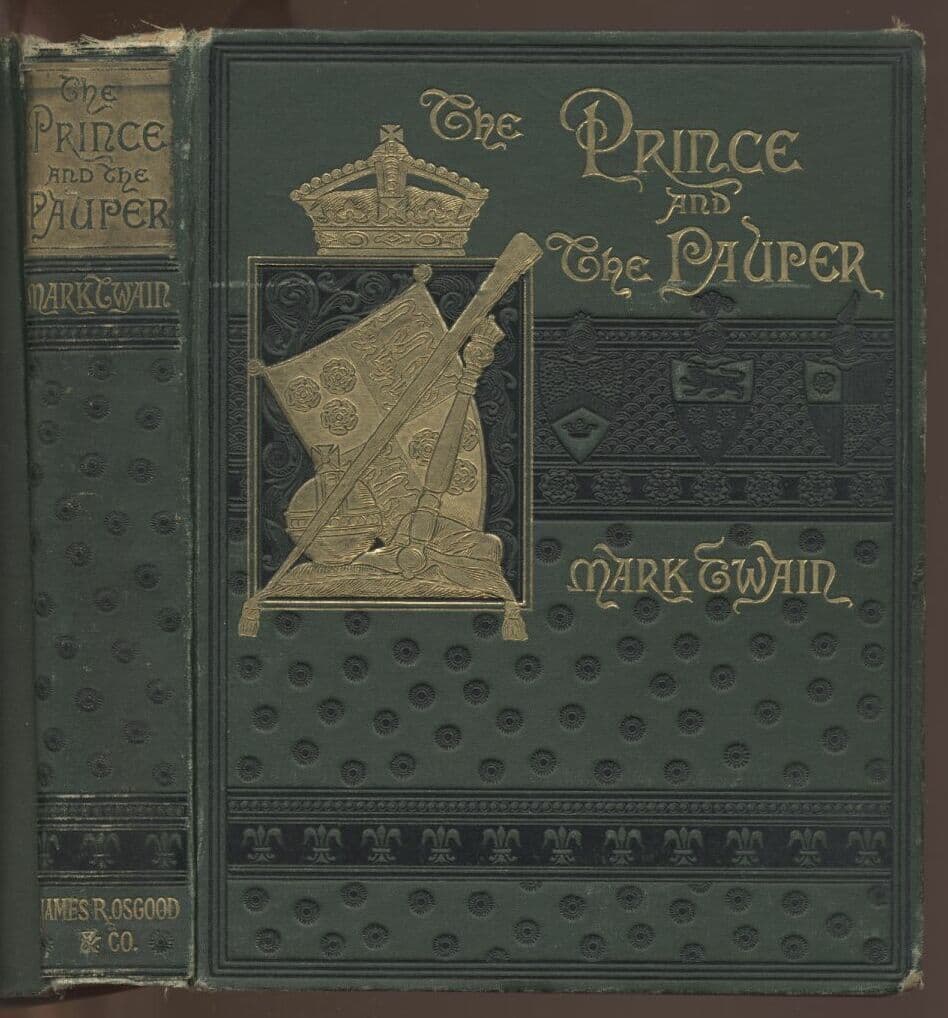
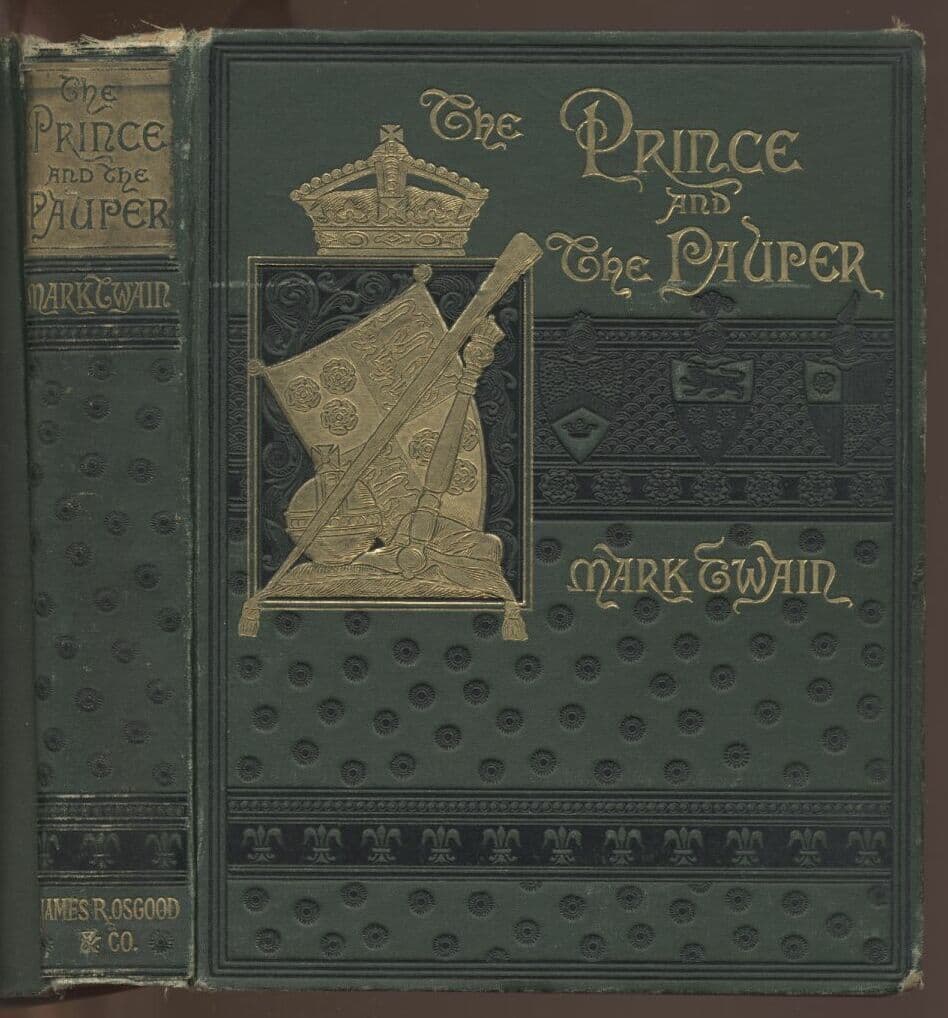
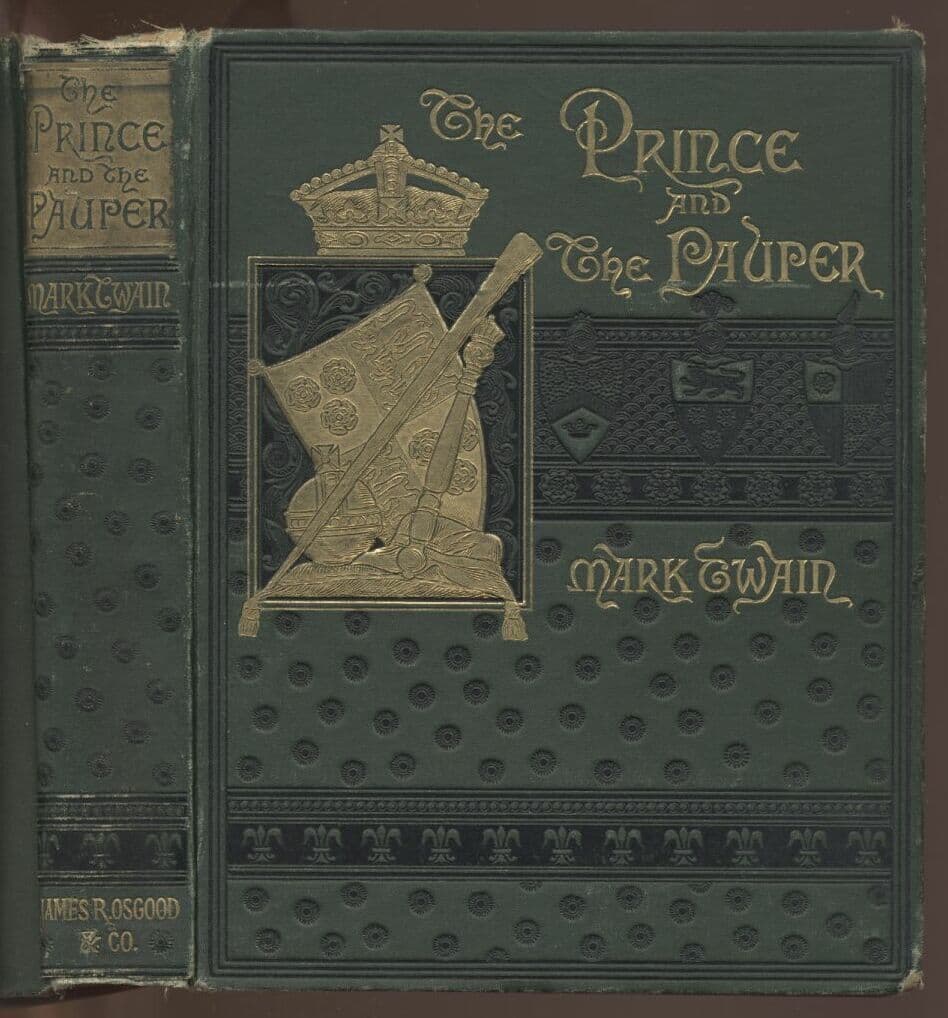
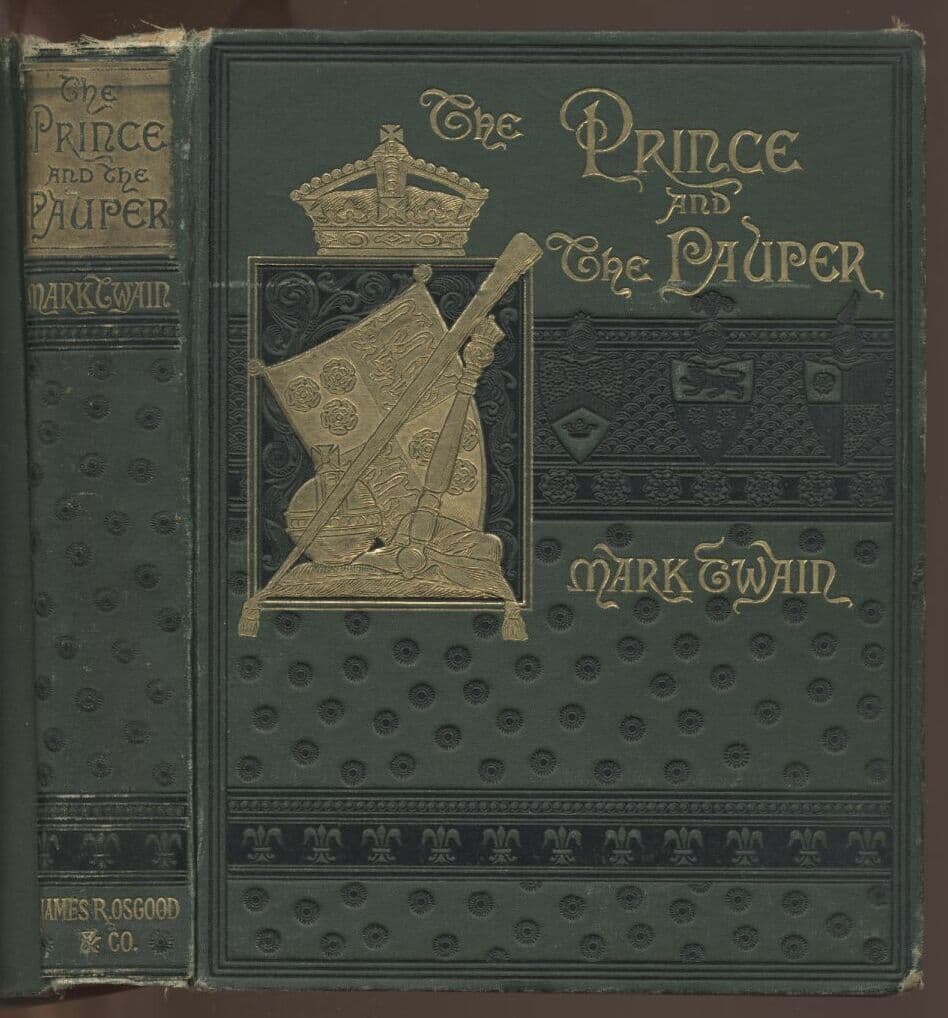
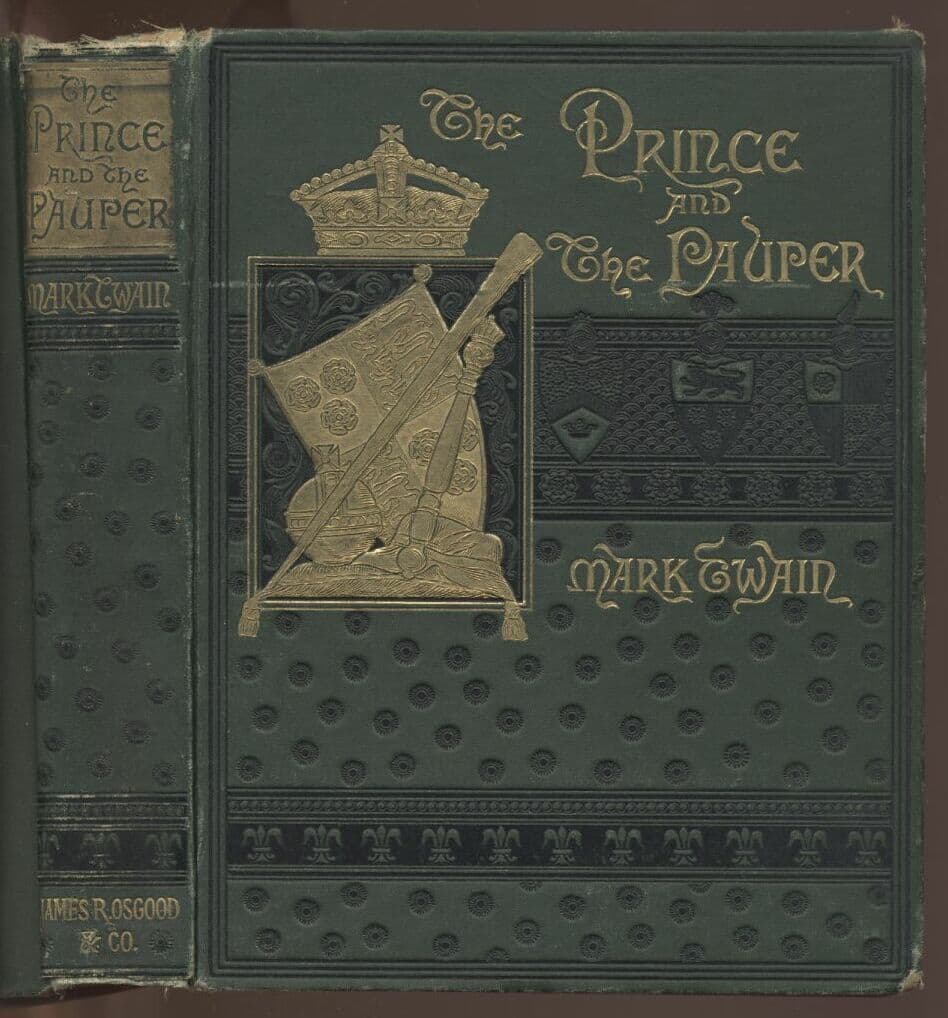
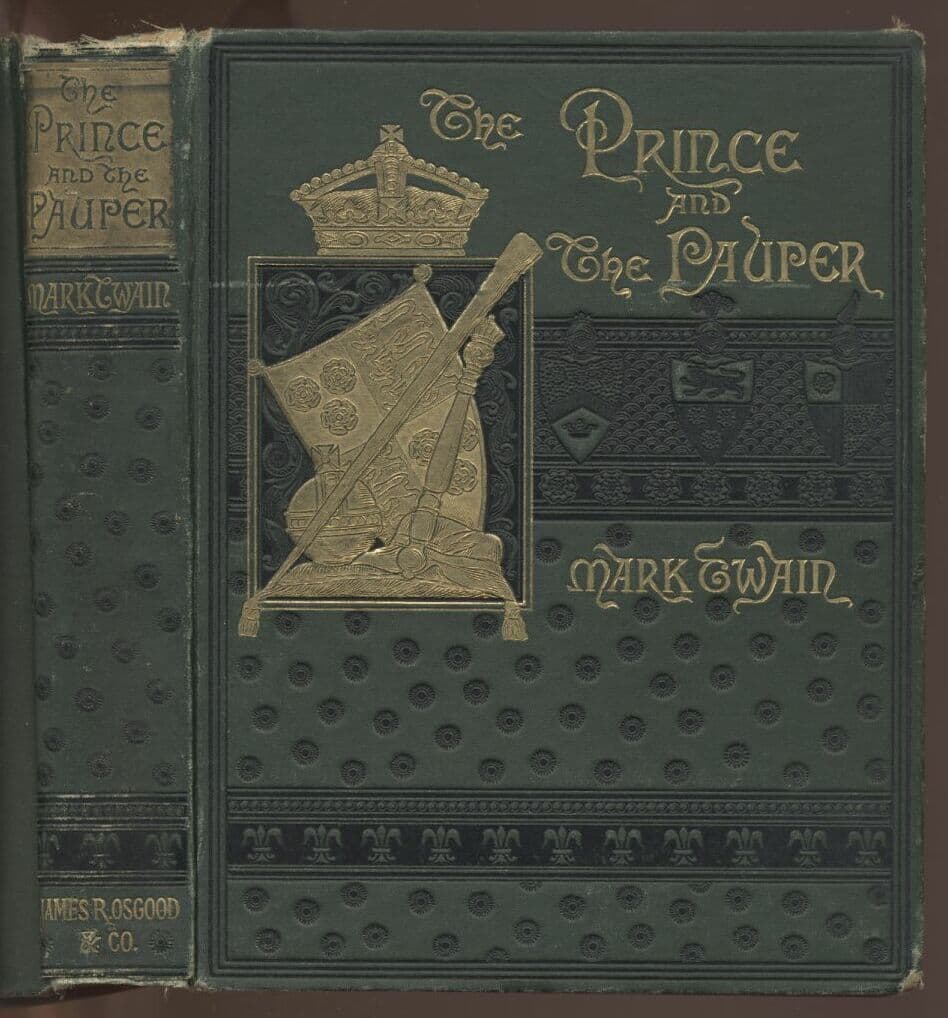
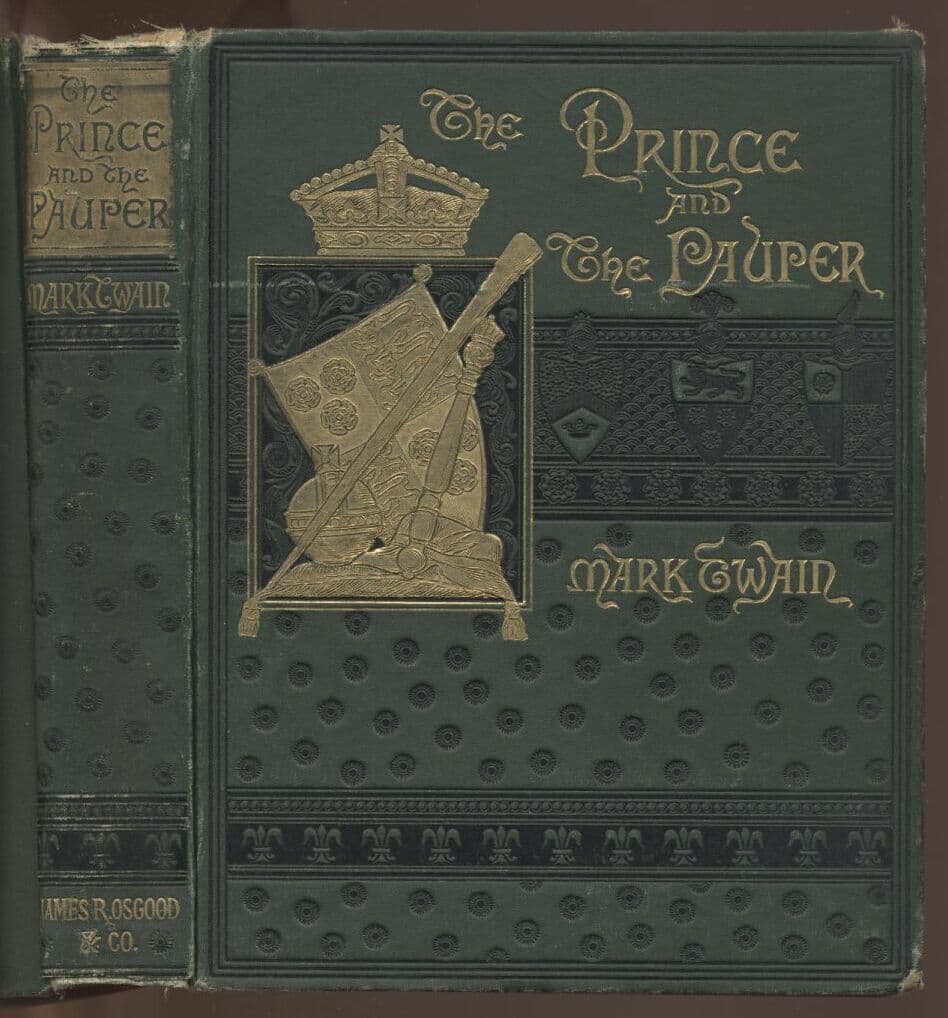
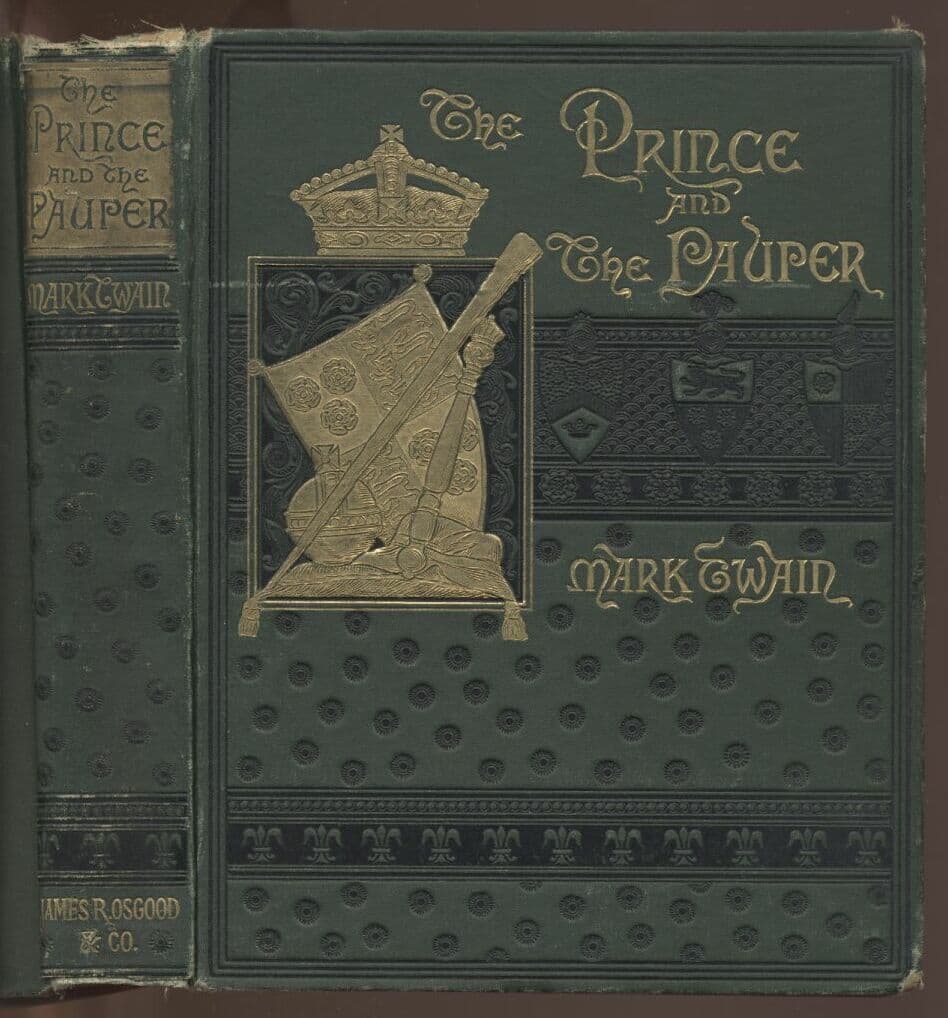
The Prince and the Pauper

The Prince and the Pauper
Two boys. One face. A kingdom turned upside down. In Tudor England, a prince and a beggar, identical in appearance but separated by an abyss of privilege and poverty, meet by chance and make a wager that will test the very fabric of their souls. When they swap clothes and identities, Edward wanders London's treacherous streets in rags while TomCanty must navigate the poisonous politics of the royal court, terrified of exposure. What begins as a boy's game becomes a thunderous exploration of how thin the wall between fortune and misery truly is, and whether character is shaped by the crown or by the soul. Twain's wit cuts like a blade through the pomp and prejudice of the age, yet his heart beats fiercely for both boys trapped in their impossible roles. This is a story about the stealing of childhood, the cruelty of systems, and the question that haunts every generation: what makes a king?
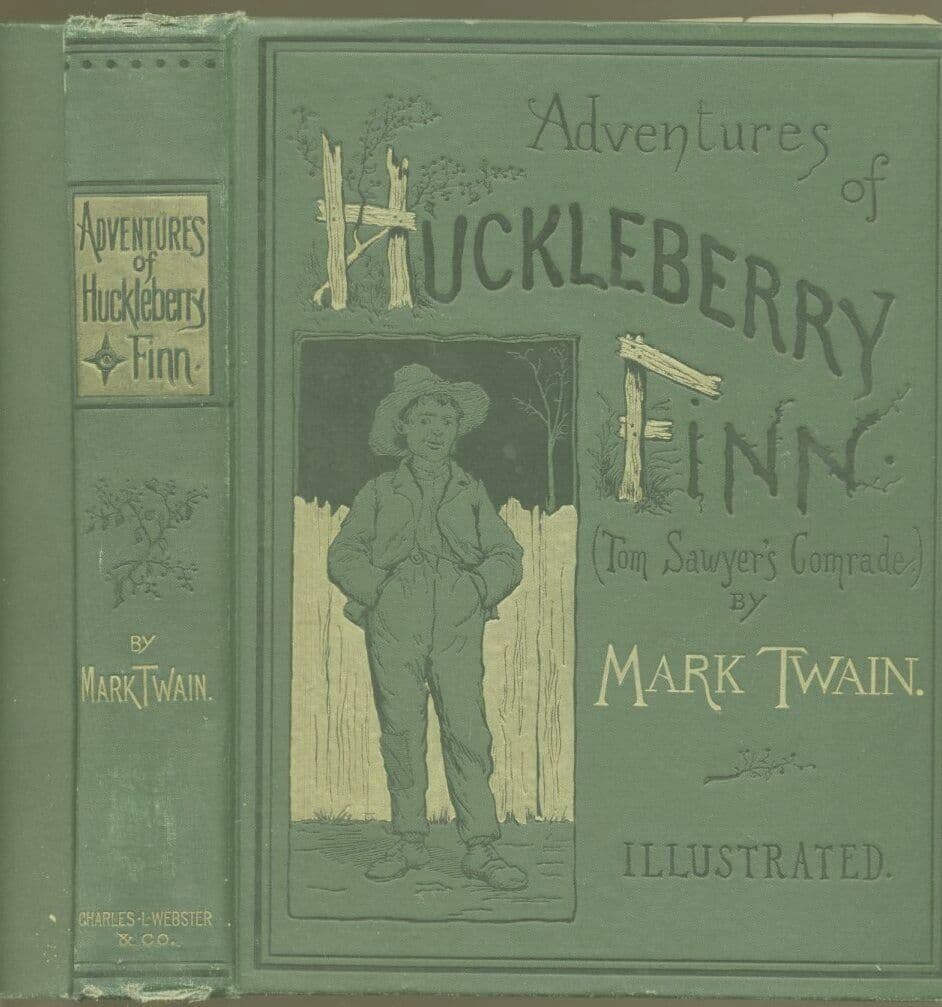
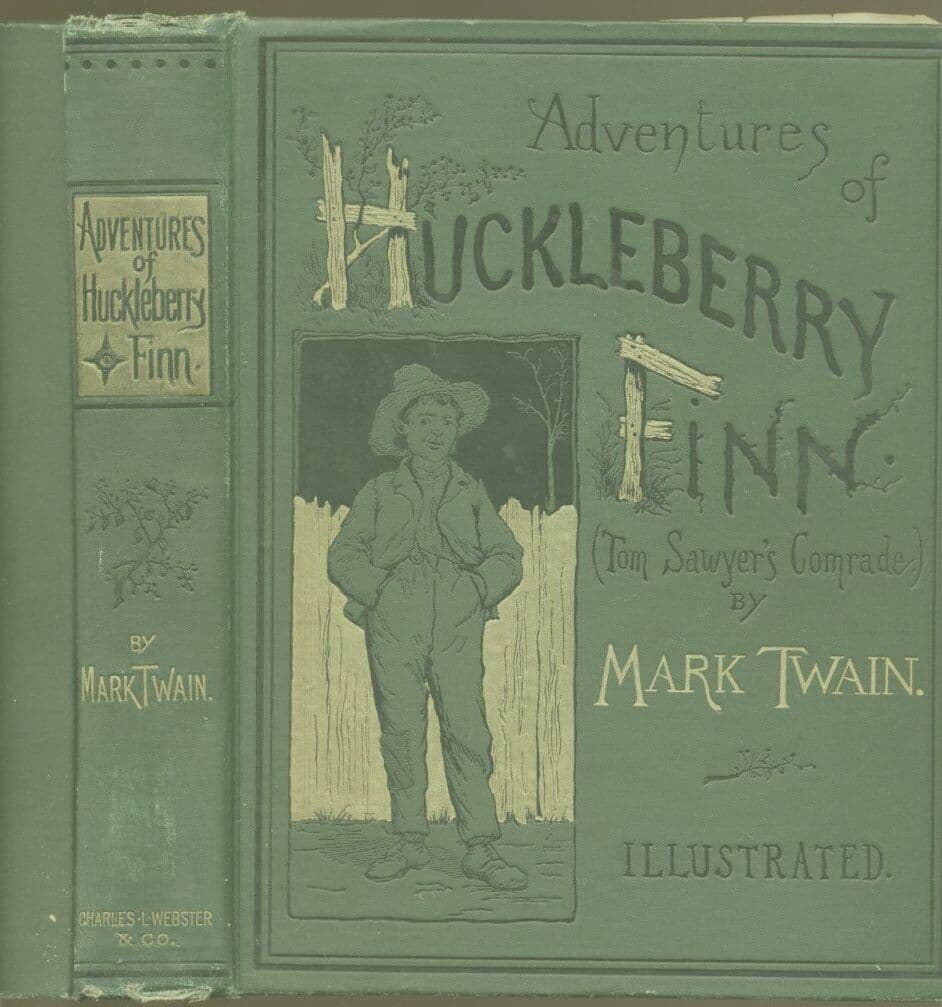
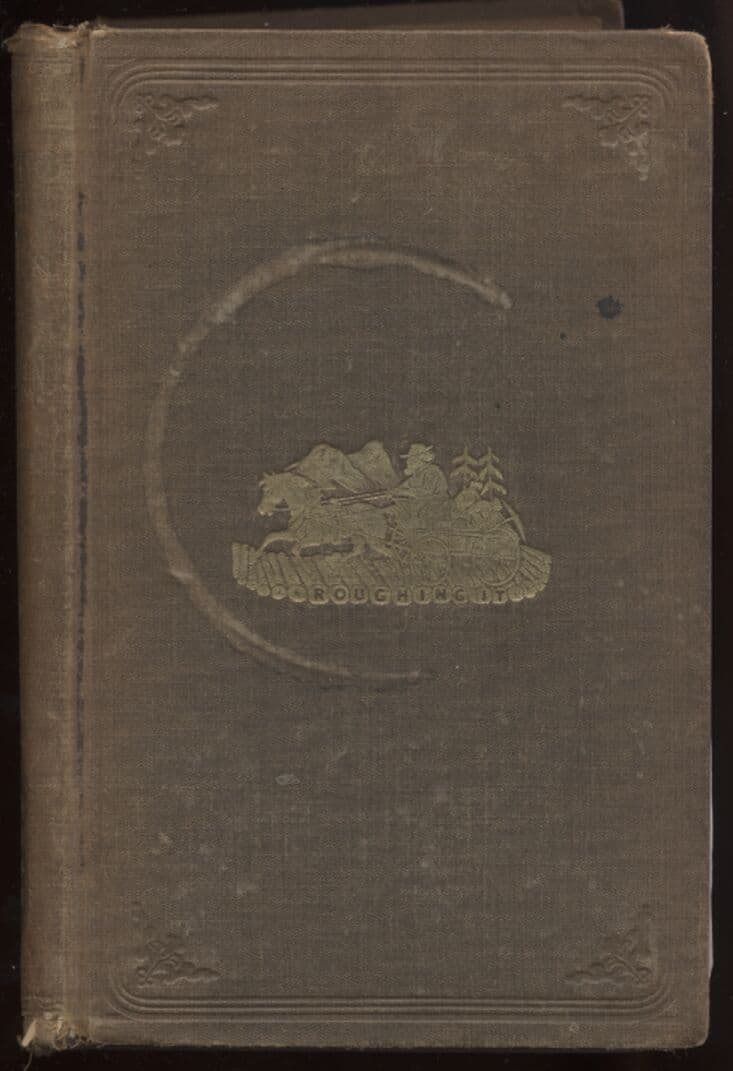
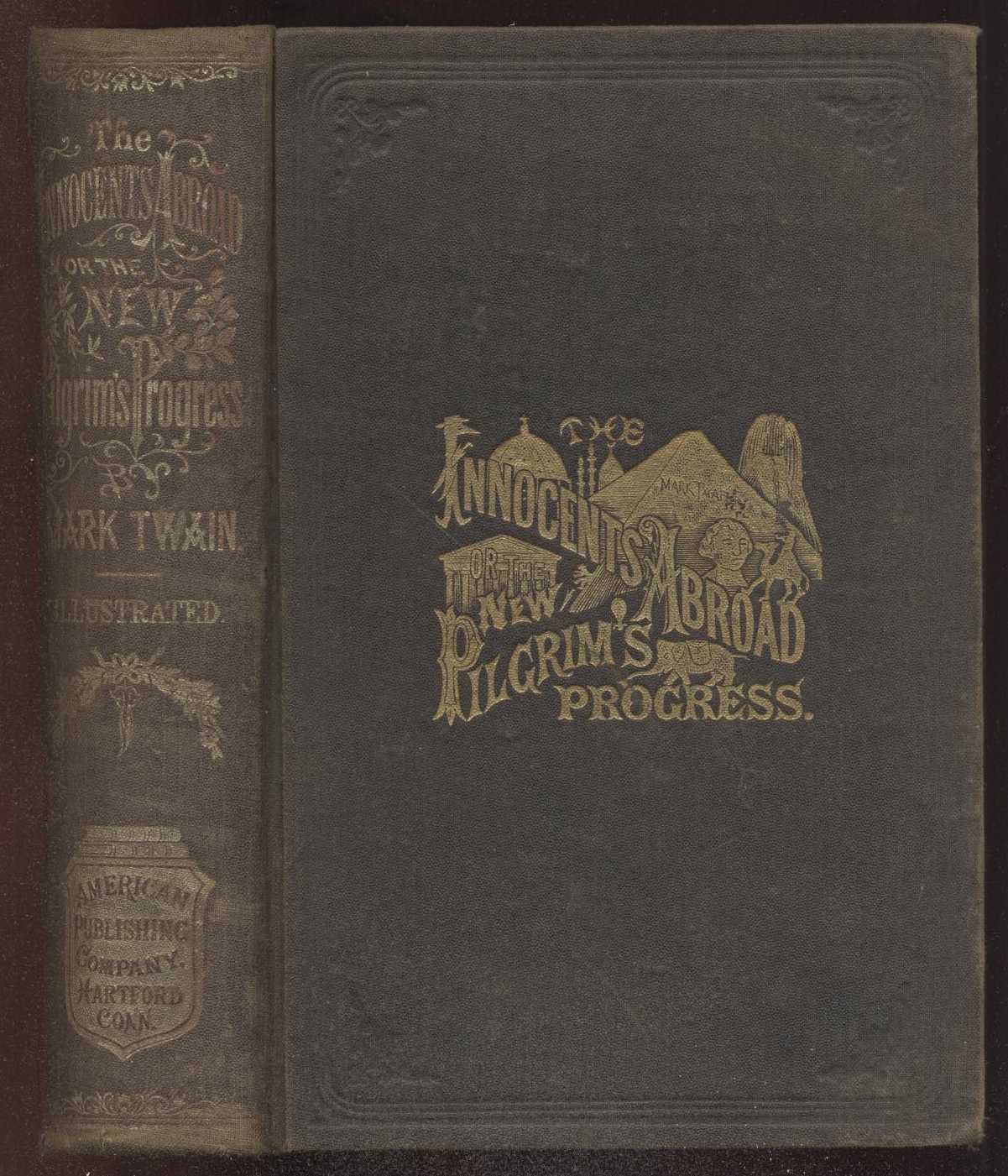
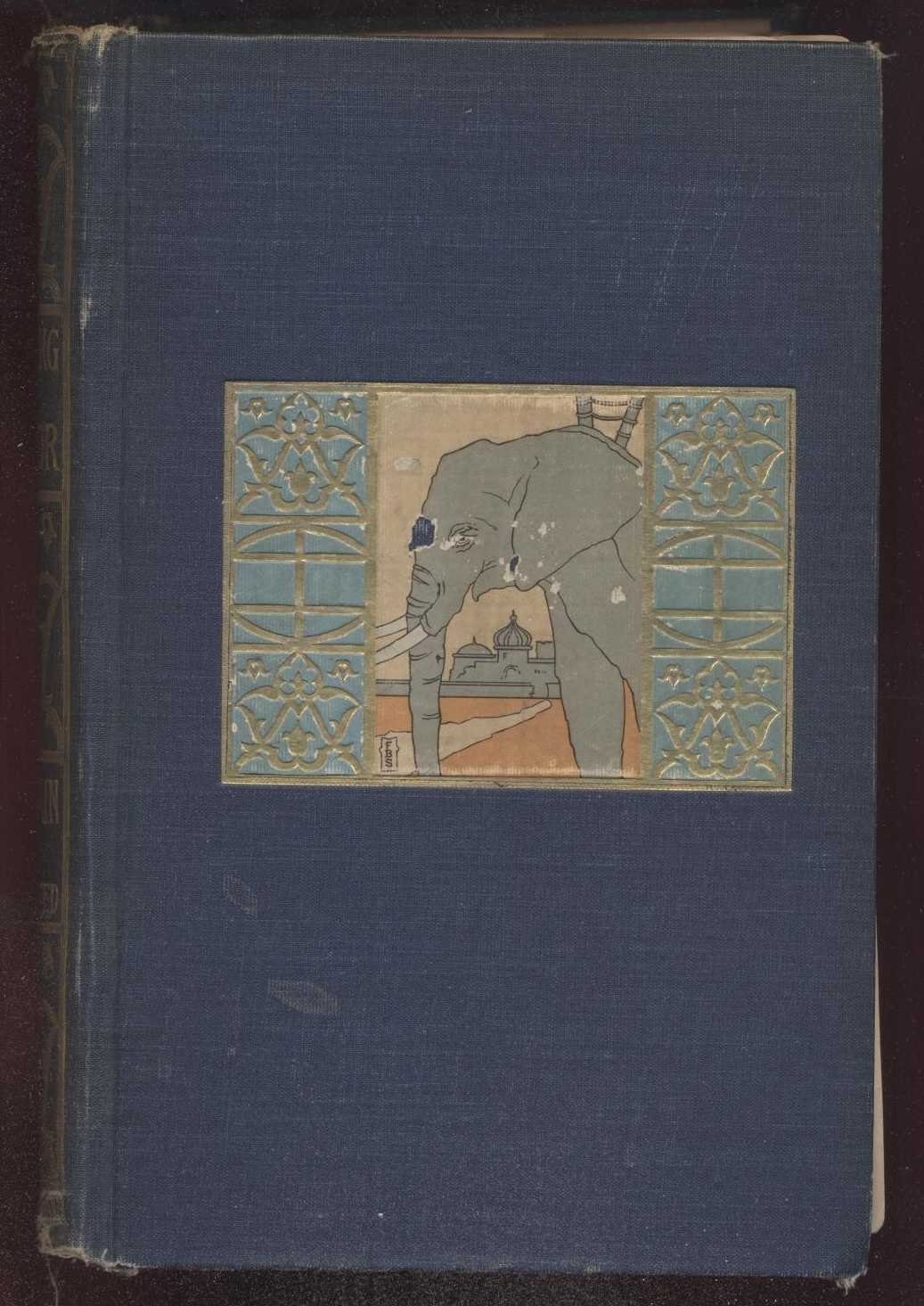
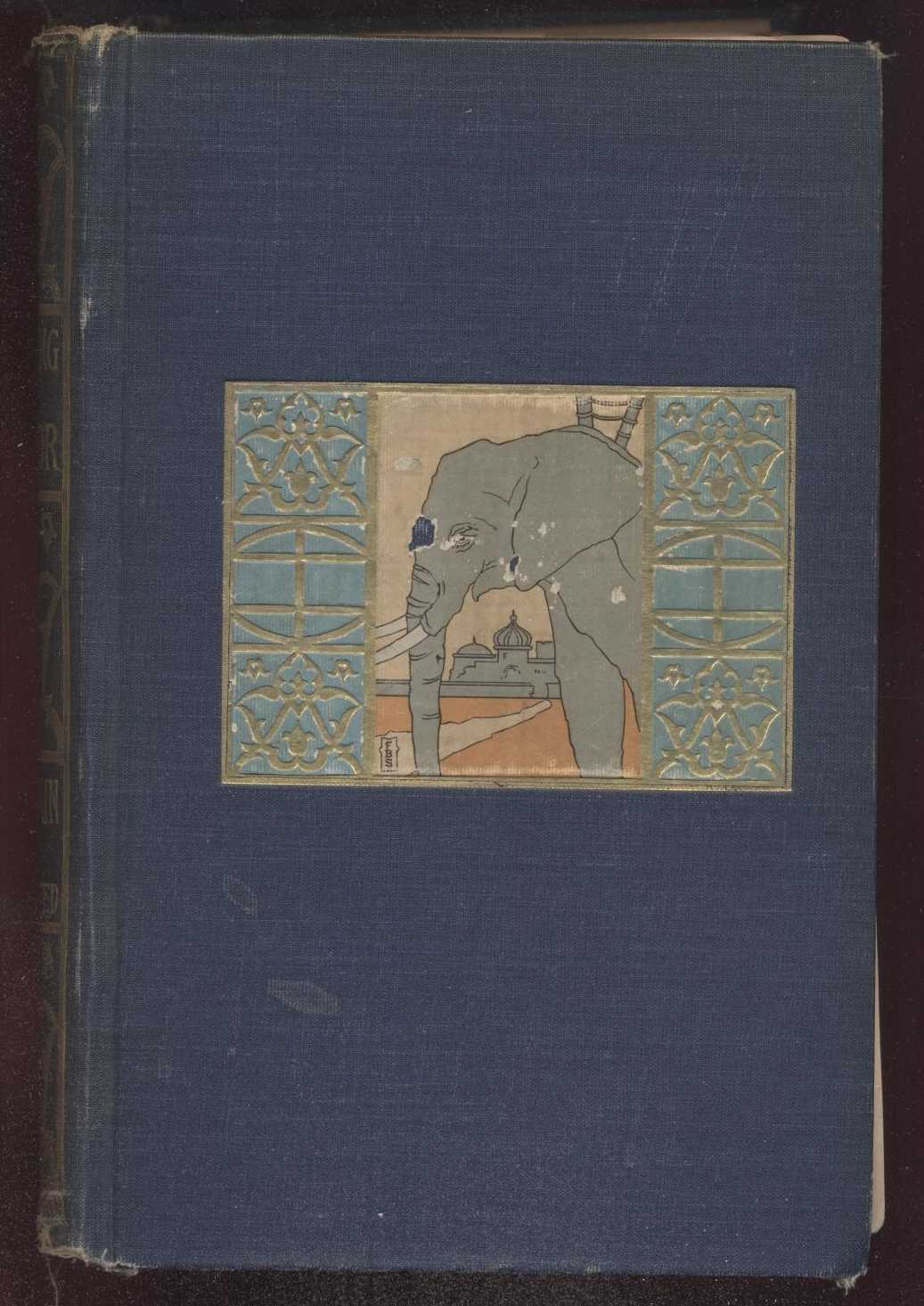
Editions


X-Ray
“When I am king they shall not have bread and shelter only, but also teachings out of books, for a full belly is little worth where the mind is starved.””
— Mark Twain
“A fully belly is little worth where the mind is starved.””
— Mark Twain
“Learning softeneth the heart and breedeth gentleness and charity.””
— Mark Twain
“When I am come to mine own again, I will always honor little children, remembering how that these trusted me and believed me in my time of trouble; whilst they that were older, and thought themselves wiser, mocked at me and held me for a liar.””
— Mark Twain
“Kings cannot ennoble thee, thou good, great soul, for One who is higher than kings hath done that for thee; but a king can confirm thy nobility to men.””
— Mark Twain
“The world is made wrong; kings should go to school to their own laws, at times, and so learn mercy.””
— Mark Twain
“It does us all good to unbend sometimes.””
— Mark Twain
“Yes, King Edward VI lived only a few years, poor boy, but he lived them worthily.””
— Mark Twain
“And when he awoke in the morning and looked upon the wretchedness about him, his dream had had its usual effect: it had intensified the sordidness of his surroundings a thousandfold.””
— Mark Twain
Link to this book
Add a free, dofollow link to Lex on your blog, forum, syllabus, or reading list.

<a href="https://lex-books.com/book/the-prince-and-the-pauper-62146faf-8772-4477-b1eb-0aabb5c71366"><img src="https://lex-books.com/badges/read-on-lex.svg" alt="Read The Prince and the Pauper by Mark Twain free on Lex" width="160" height="40"></a>[](https://lex-books.com/book/the-prince-and-the-pauper-62146faf-8772-4477-b1eb-0aabb5c71366)[url=https://lex-books.com/book/the-prince-and-the-pauper-62146faf-8772-4477-b1eb-0aabb5c71366][img]https://lex-books.com/badges/read-on-lex.svg[/img][/url]Read The Prince and the Pauper by Mark Twain free on Lex: https://lex-books.com/book/the-prince-and-the-pauper-62146faf-8772-4477-b1eb-0aabb5c71366Cite this book
Reading this edition for a paper or guide? Copy a citation.
Twain, Mark. The Prince and the Pauper. Lex, lex-books.com/book/the-prince-and-the-pauper-62146faf-8772-4477-b1eb-0aabb5c71366.Twain, M. (n.d.). The Prince and the Pauper. Lex. https://lex-books.com/book/the-prince-and-the-pauper-62146faf-8772-4477-b1eb-0aabb5c71366Twain, Mark. The Prince and the Pauper. Lex. https://lex-books.com/book/the-prince-and-the-pauper-62146faf-8772-4477-b1eb-0aabb5c71366.