Russia in the Shadows
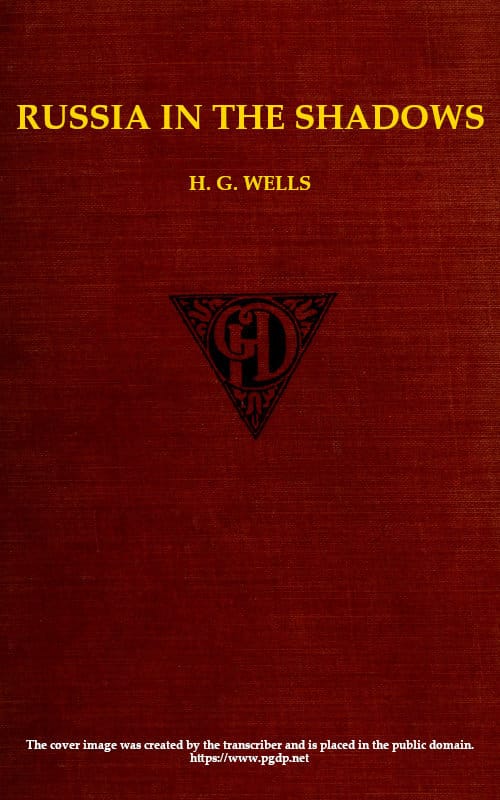
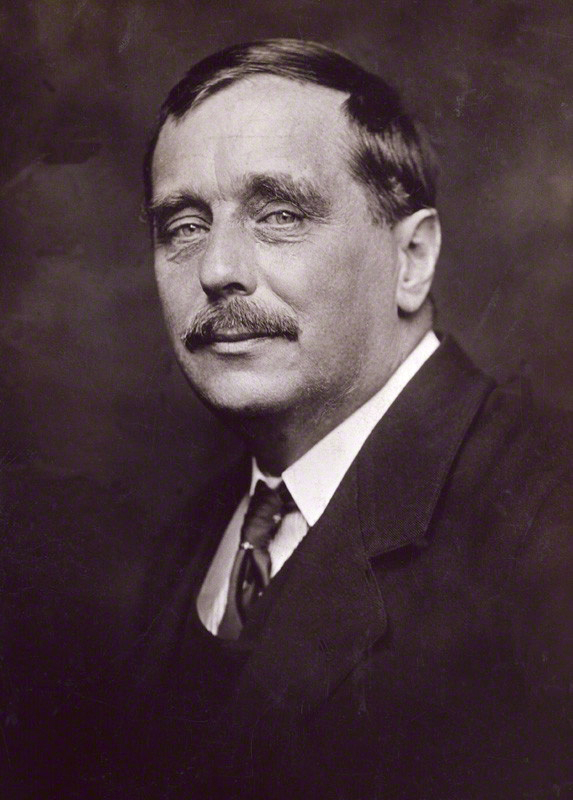
In September 1920, H.G. Wells traveled to revolutionary Russia at the height of his fame, freshly minted from completing The Outline of History. What he found there haunted him: a nation in "the completest social collapse that has ever happened to any modern social organisation." The old Russia had vanished entirely. In its place, only the Bolsheviks possessed the will to act while the rest of the country lapsed into apathy, chaos, or violence. Wells secured an unprecedented interview with Lenin in the Kremlin, finding not the monster of Western propaganda but a relentless pragmatist who had "stripped off the last pretence that the Russian experiment is anything more than an age of limitless experiment." Though Wells rejected Marxism entirely, dismissing Das Kapital as "a monument of pretentious pedantry," he recognized something the West refused to see: the Bolsheviks were the only force preventing total disintegration. His warning is stark - if the West does not understand and respectfully engage with this experiment, Russia's collapse could drag down Western civilization itself. This is history written in real-time by one of the twentieth century's most perceptive observers.
Editions
Link to this book
Add a free, dofollow link to Lex on your blog, forum, syllabus, or reading list.

<a href="https://lex-books.com/book/russia-in-the-shadows-0c3e8668-63fd-4961-9b1a-2934ae0b419b"><img src="https://lex-books.com/badges/read-on-lex.svg" alt="Read Russia in the Shadows by H. G. Wells free on Lex" width="160" height="40"></a>[](https://lex-books.com/book/russia-in-the-shadows-0c3e8668-63fd-4961-9b1a-2934ae0b419b)[url=https://lex-books.com/book/russia-in-the-shadows-0c3e8668-63fd-4961-9b1a-2934ae0b419b][img]https://lex-books.com/badges/read-on-lex.svg[/img][/url]Read Russia in the Shadows by H. G. Wells free on Lex: https://lex-books.com/book/russia-in-the-shadows-0c3e8668-63fd-4961-9b1a-2934ae0b419bCite this book
Reading this edition for a paper or guide? Copy a citation.
Wells, H. G.. Russia in the Shadows. Lex, lex-books.com/book/russia-in-the-shadows-0c3e8668-63fd-4961-9b1a-2934ae0b419b.Wells, H. G. (n.d.). Russia in the Shadows. Lex. https://lex-books.com/book/russia-in-the-shadows-0c3e8668-63fd-4961-9b1a-2934ae0b419bWells, H. G.. Russia in the Shadows. Lex. https://lex-books.com/book/russia-in-the-shadows-0c3e8668-63fd-4961-9b1a-2934ae0b419b.