Little Women; Or, Meg, Jo, Beth, and Amy
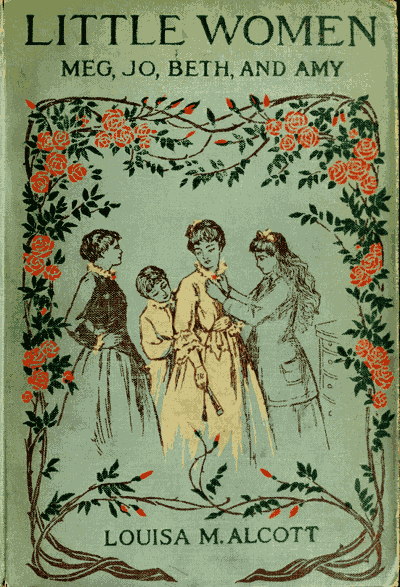
Little Women; Or, Meg, Jo, Beth, and Amy
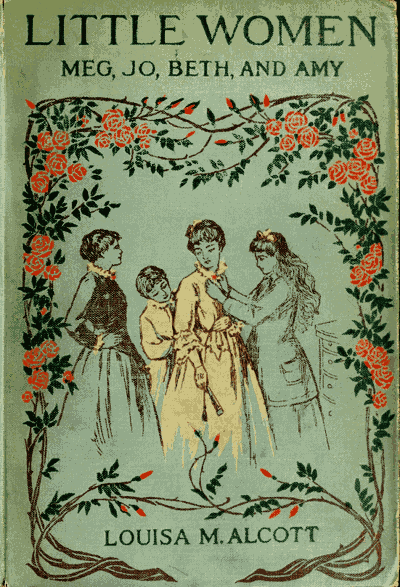
Four sisters come of age in a Massachusetts household rocked by the American Civil War. Meg, Jo, Beth, and Amy March are poor, their father absent, their futures uncertain. Yet within this modest home, four very different girls forge an unbreakable bond while chasing wildly different dreams. Jo burns with restless energy, rejecting the narrow path laid out for women to become a writer at any cost. Meg yearns for security. Amy craves beauty and belonging. Gentle Beth simply wants to keep her family whole. Alcott's genius lies in capturing the friction and tenderness of sisterhood: the fights, the forgiveness, the way people we know best can wound us most deeply. First published in 1868, Little Women became an instant sensation and has never left the cultural imagination. It remains vital not because it's a quaint period piece but because Jo March still fights for our attention, still refuses to shrink herself small enough to fit the world's expectations. This is a novel about what it costs to become yourself.
Editions

X-Ray
“I am not afraid of storms, for I am learning how to sail my ship.””
— Louisa May Alcott
“I like good strong words that mean something…””
— Louisa May Alcott
“There are many Beths in the world, shy and quiet, sitting in corners till needed, and living for others so cheerfully that no one sees the sacrifices till the little cricket on the hearth stops chirping, and the sweet, sunshiny presence vanishes, leaving silence and shadow behind.””
— Louisa May Alcott
“I'd rather take coffee than compliments just now.””
— Louisa May Alcott
“I've got the key to my castle in the air, but whether I can unlock the door remains to be seen.””
— Louisa May Alcott
“Women, they have minds, and they have souls, as well as just hearts. And they’ve got ambition, and they’ve got talent, as well as just beauty. I’m so sick of people saying that love is all a woman is fit for.””
— Louisa May Alcott
“Love Jo all your days, if you choose, but don't let it spoil you, for it's wicked to throw away so many good gifts because you can't have the one you want.””
— Louisa May Alcott
“I want to do something splendid...something heroic or wonderful that won't be forgotten after I'm dead. I don't know what, but I'm on the watch for it and mean to astonish you all someday.””
— Louisa May Alcott
“Your father, Jo. He never loses patience, never doubts or complains, but always hopes, and works and waits so cheerfully that one is ashamed to do otherwise before him.””
— Louisa May Alcott
About Little Women; Or, Meg, Jo, Beth, and Amy
Chapter Summaries
- I
- The March sisters lament their poverty during Christmas, especially the lack of presents due to their father being away at war. Their mother encourages them to make sacrifices and play 'Pilgrim's Progress' in earnest, focusing on overcoming their personal 'burdens.'
- II
- The girls wake to find small books under their pillows, a gift from their mother. They decide to give their Christmas breakfast to a poor family, the Hummels, and later perform their play, 'The Witch's Curse,' for their friends. They are surprised by a lavish supper sent by Mr. Laurence.
- III
- Jo is invited to a New Year's Eve dance at the Gardiners'. At the party, she meets Laurie, Mr. Laurence's grandson, and they quickly form a friendship, discussing their lives and dancing in the hall. Meg sprains her ankle, and Laurie offers his carriage to take them home.
Key Themes
- Family Love and Unity
- The unwavering love and support among the March sisters and their parents form the core of the narrative, demonstrating how familial bonds provide strength and comfort through life's challenges. This theme is evident in their shared sacrifices, mutual encouragement, and the way they consistently prioritize each other's well-being, creating a strong, enduring home.
- Self-Improvement and Moral Growth
- Each sister embarks on a journey to conquer her 'bosom enemy' (a personal flaw), guided by their mother's wisdom and the allegory of 'Pilgrim's Progress.' This theme highlights the importance of introspection, perseverance, and the development of virtues like patience, humility, and selflessness as essential components of becoming 'little women'.
- Poverty and Contentment
- The March family's struggles with limited financial means are a constant backdrop, forcing the girls to make sacrifices and appreciate simple joys. The narrative explores the tension between desiring material wealth and finding true happiness and dignity in their circumstances, ultimately concluding that love, virtue, and a happy home are more valuable than riches.
Characters
- Meg (Margaret March)(protagonist)
- The eldest March sister, traditional and domestic, who desires a comfortable home and family life, eventually marrying John Brooke.
- Jo (Josephine March)(protagonist)
- The second eldest March sister, a spirited tomboy with literary ambitions, who values independence and challenges societal norms, eventually marrying Professor Bhaer.
- Beth (Elizabeth March)(protagonist)
- The third March sister, shy, gentle, and musical, who is the peace-maker of the family and deeply loved by all, but suffers from delicate health.
- Amy (Amy Curtis March)(protagonist)
- The youngest March sister, artistic and refined, initially vain but matures into a graceful woman, eventually marrying Laurie Laurence.
- Marmee (Mrs. March)(supporting)
- The wise, patient, and charitable mother of the four girls, who guides them through their moral and personal development.
- Father (Mr. March)(supporting)
- The girls' scholarly and kind father, a minister who is away at war for a significant portion of the story, returning home after an illness.
Link to this book
Add a free, dofollow link to Lex on your blog, forum, syllabus, or reading list.

<a href="https://lex-books.com/book/little-women-or-meg-jo-beth-and-amy-4ac8136c-5885-4b4c-9071-dea56565d124"><img src="https://lex-books.com/badges/read-on-lex.svg" alt="Read Little Women; Or, Meg, Jo, Beth, and Amy by Louisa May Alcott free on Lex" width="160" height="40"></a>[](https://lex-books.com/book/little-women-or-meg-jo-beth-and-amy-4ac8136c-5885-4b4c-9071-dea56565d124)[url=https://lex-books.com/book/little-women-or-meg-jo-beth-and-amy-4ac8136c-5885-4b4c-9071-dea56565d124][img]https://lex-books.com/badges/read-on-lex.svg[/img][/url]Read Little Women; Or, Meg, Jo, Beth, and Amy by Louisa May Alcott free on Lex: https://lex-books.com/book/little-women-or-meg-jo-beth-and-amy-4ac8136c-5885-4b4c-9071-dea56565d124Cite this book
Reading this edition for a paper or guide? Copy a citation.
Alcott, Louisa May. Little Women; Or, Meg, Jo, Beth, and Amy. Lex, lex-books.com/book/little-women-or-meg-jo-beth-and-amy-4ac8136c-5885-4b4c-9071-dea56565d124.Alcott, L. M. (n.d.). Little Women; Or, Meg, Jo, Beth, and Amy. Lex. https://lex-books.com/book/little-women-or-meg-jo-beth-and-amy-4ac8136c-5885-4b4c-9071-dea56565d124Alcott, Louisa May. Little Women; Or, Meg, Jo, Beth, and Amy. Lex. https://lex-books.com/book/little-women-or-meg-jo-beth-and-amy-4ac8136c-5885-4b4c-9071-dea56565d124.