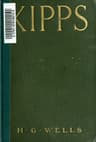
Kipps: The Story of a Simple Soul
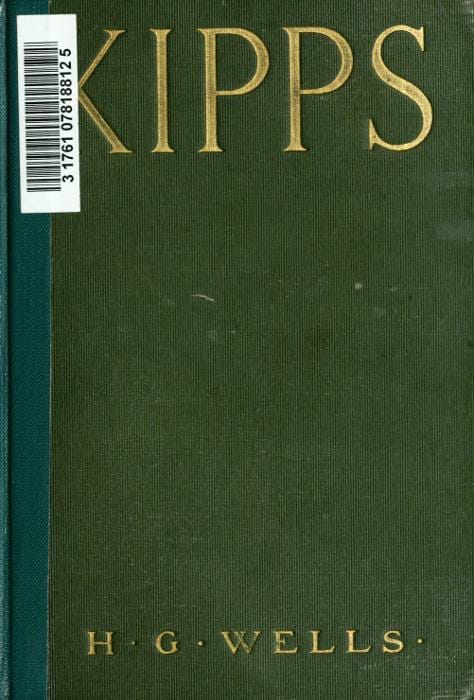
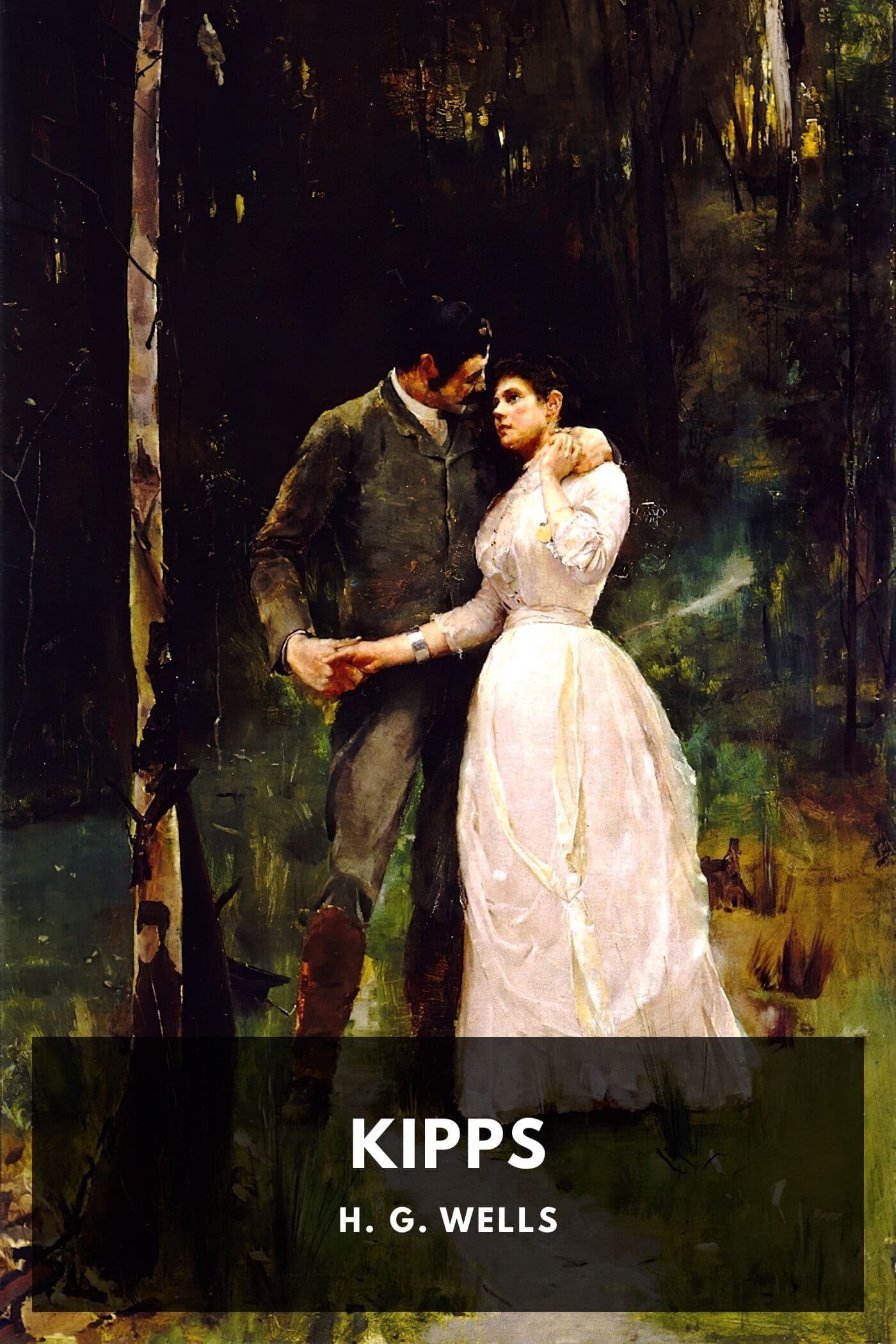
Artie Kipps has spent his life in the margins: orphaned, raised by a draper and his wife in a small town, destined for a life measuring cloth and making change. Then a newspaper ad upends everything. He's the grandson of a wealthy man and heir to a fortune. Suddenly the boy who couldn't afford school is drowning in drawing rooms, desperately trying to learn which fork to use and how to speak without his native accent. Wells, drawing on his own difficult climb from shopkeeper's son to celebrated writer, watches with sharp, sad humor as Kipps loses himself trying to become someone else. The old life, the simple pleasures, the girl who loved him before he was worth loving, begins to feel like a dream. By the novel's end, when Kipps finally understands what he's traded, the path back may be closed forever. This is comedy of manners with a quiet tragedy underneath, a social satire that is also a tender portrait of one man's attempt to escape the station he was born into, and the self he was born with.
Editions

X-Ray
“Room to swing a cat, it seemed was absolutely essential. It was an infrequent but indispensable operation.””
— H. G. Wells
“I don't know things. I'm not good enough. I'm not refined. The more you see of me, the more you'll find me out.' 'But I'm going to help you.''You'll 'ave to 'elp me a fearful lot.””
— H. G. Wells
“The bookshop of Kipps is on the left-hand side of the Hythe High Street coming from Folkestone, between the yard of the livery stable and the shop-window full of old silver and such like things”
— H. G. Wells
“Out of the darkness beneath the shallow, weedy stream of his being rose a question, a question that looked up dimly and never reached the surface. It was the question of the wonder of the beauty, the purposeless, inconsecutive beauty, that falls so strangely among the happenings and memories of life. It never reached the surface of his mind, it never took to itself substance or from; it looked up merely as the phantom of a face might look, out of deep waters, and sank again into nothingness.””
— H. G. Wells
Link to this book
Add a free, dofollow link to Lex on your blog, forum, syllabus, or reading list.

<a href="https://lex-books.com/book/kipps-the-story-of-a-simple-soul-e28dda9f-0ba0-4b0c-ad79-3067011b6017"><img src="https://lex-books.com/badges/read-on-lex.svg" alt="Read Kipps: The Story of a Simple Soul by H. G. Wells free on Lex" width="160" height="40"></a>[](https://lex-books.com/book/kipps-the-story-of-a-simple-soul-e28dda9f-0ba0-4b0c-ad79-3067011b6017)[url=https://lex-books.com/book/kipps-the-story-of-a-simple-soul-e28dda9f-0ba0-4b0c-ad79-3067011b6017][img]https://lex-books.com/badges/read-on-lex.svg[/img][/url]Read Kipps: The Story of a Simple Soul by H. G. Wells free on Lex: https://lex-books.com/book/kipps-the-story-of-a-simple-soul-e28dda9f-0ba0-4b0c-ad79-3067011b6017Cite this book
Reading this edition for a paper or guide? Copy a citation.
Wells, H. G.. Kipps: The Story of a Simple Soul. Lex, lex-books.com/book/kipps-the-story-of-a-simple-soul-e28dda9f-0ba0-4b0c-ad79-3067011b6017.Wells, H. G. (n.d.). Kipps: The Story of a Simple Soul. Lex. https://lex-books.com/book/kipps-the-story-of-a-simple-soul-e28dda9f-0ba0-4b0c-ad79-3067011b6017Wells, H. G.. Kipps: The Story of a Simple Soul. Lex. https://lex-books.com/book/kipps-the-story-of-a-simple-soul-e28dda9f-0ba0-4b0c-ad79-3067011b6017.