The Passionate Friends
H.G. Wells wrote The Time Machine and The War of the Worlds, but The Passionate Friends reveals a different kind of ambition: the desire to understand what drives a human life across generations. Told through the eyes of a middle-aged man writing to his son, the novel unfolds as a confession and a legacy. We follow his complicated relationship with his father, marked by estrangement and eventual reconciliation in the shadow of death. But it is his remembered love for Lady Mary Christian that burns at the novel's center, a passion that shaped him, that he lost, and that he still cannot quite release. Yet this is not merely a story of romantic regret. The novel introduced Wells's vision of an "open conspiracy," the radical idea that individuals of goodwill might collaborate across borders to forge a better world. Here, personal desire clashes with larger purpose, and the question of what we owe to family, to lovers, and to humanity itself remains urgently unresolved. A century later, the novel still resonates because we still struggle with these same tensions: between love and ambition, between the small circle of family and the vast claims of the world.
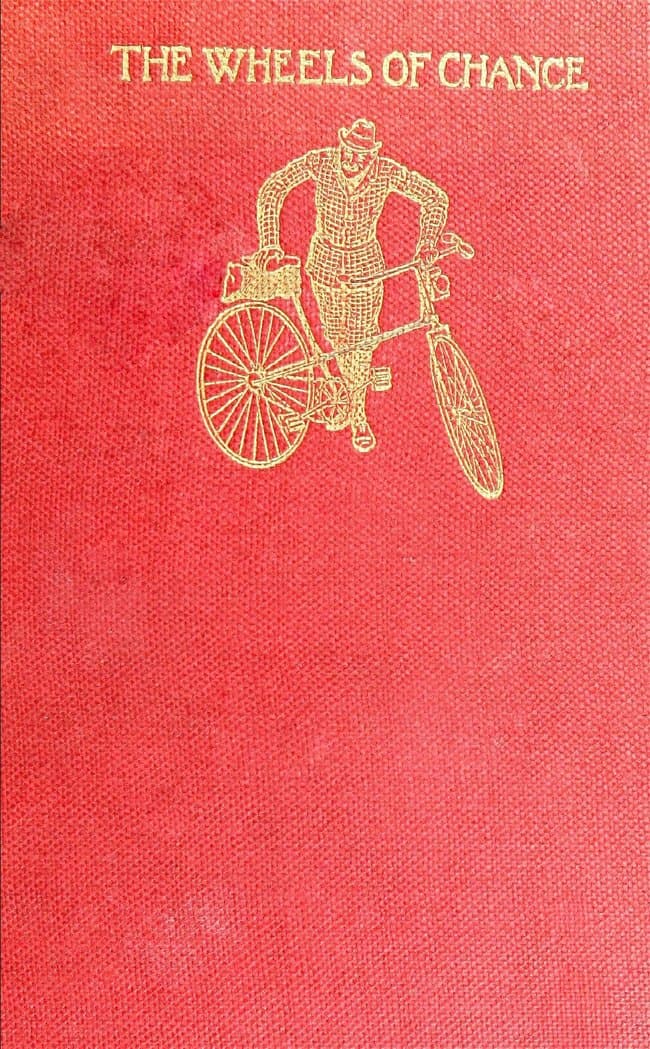
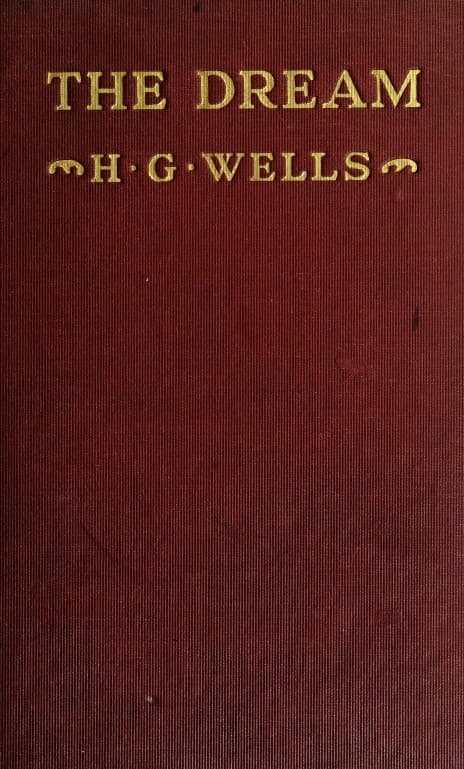
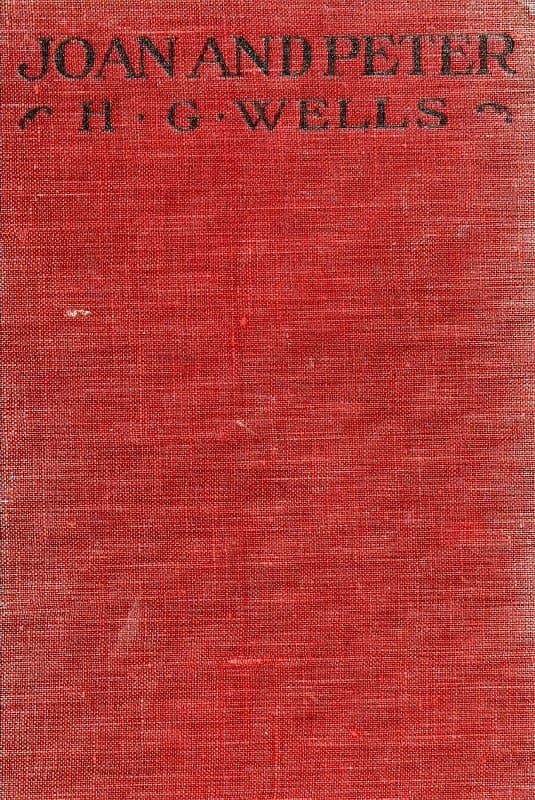
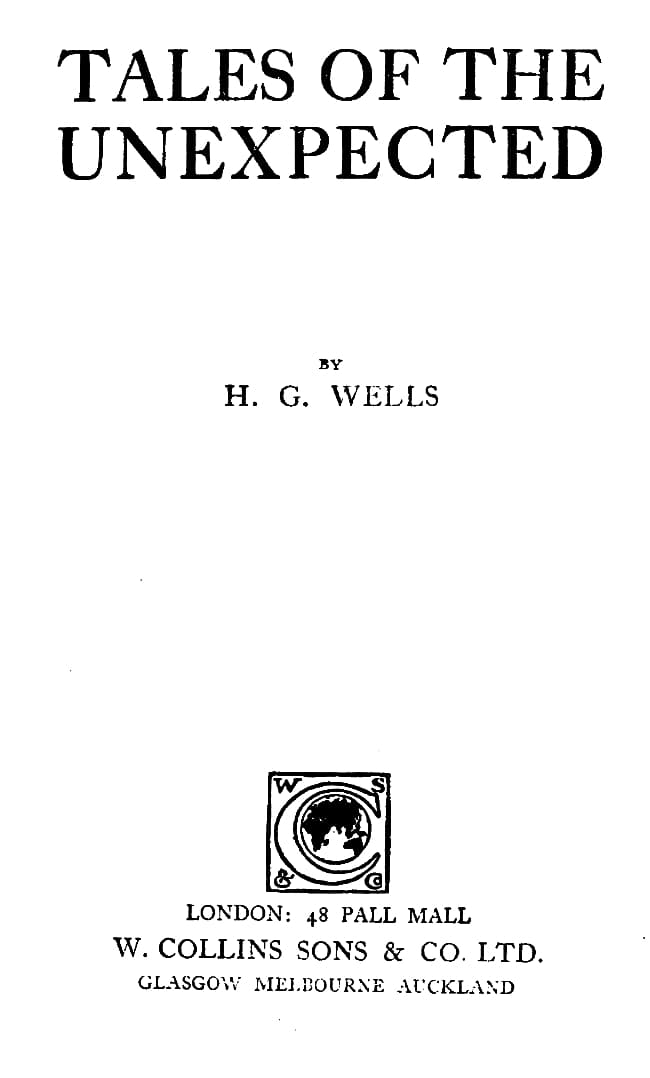
Editions
X-Ray
“What a huge inaccessible lumber-room of thought and experience we amounted to, I thought; how much we are, how little we transmit.””
— H. G. Wells
“Upon the forehead of humanityall its more ponderous andbulky worth is friendship …But at the tip top, there hangsby unseen film an orbed drop of light.”
— H. G. Wells
“And in friendship and still more here, in this central business of love, accident rules it seems to me almost altogether. What personalities you will encounter in life, and have for a chief interest in life, is nearly as much a matter of chance as the drift of a grain of pollen in the pine forest. And once the light hazard has blown it has blown, never to drive again.””
— H. G. Wells
Link to this book
Add a free, dofollow link to Lex on your blog, forum, syllabus, or reading list.

<a href="https://lex-books.com/book/the-passionate-friends-36d97a78-9159-4153-b09f-2bd1de7e96de"><img src="https://lex-books.com/badges/read-on-lex.svg" alt="Read The Passionate Friends by H. G. Wells free on Lex" width="160" height="40"></a>[](https://lex-books.com/book/the-passionate-friends-36d97a78-9159-4153-b09f-2bd1de7e96de)[url=https://lex-books.com/book/the-passionate-friends-36d97a78-9159-4153-b09f-2bd1de7e96de][img]https://lex-books.com/badges/read-on-lex.svg[/img][/url]Read The Passionate Friends by H. G. Wells free on Lex: https://lex-books.com/book/the-passionate-friends-36d97a78-9159-4153-b09f-2bd1de7e96deCite this book
Reading this edition for a paper or guide? Copy a citation.
Wells, H. G.. The Passionate Friends. Lex, lex-books.com/book/the-passionate-friends-36d97a78-9159-4153-b09f-2bd1de7e96de.Wells, H. G. (n.d.). The Passionate Friends. Lex. https://lex-books.com/book/the-passionate-friends-36d97a78-9159-4153-b09f-2bd1de7e96deWells, H. G.. The Passionate Friends. Lex. https://lex-books.com/book/the-passionate-friends-36d97a78-9159-4153-b09f-2bd1de7e96de.