Romeo and Juliet
1597
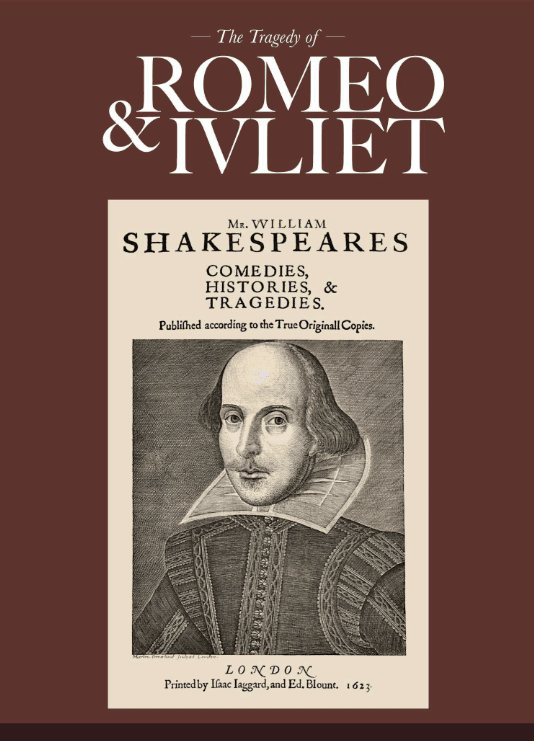
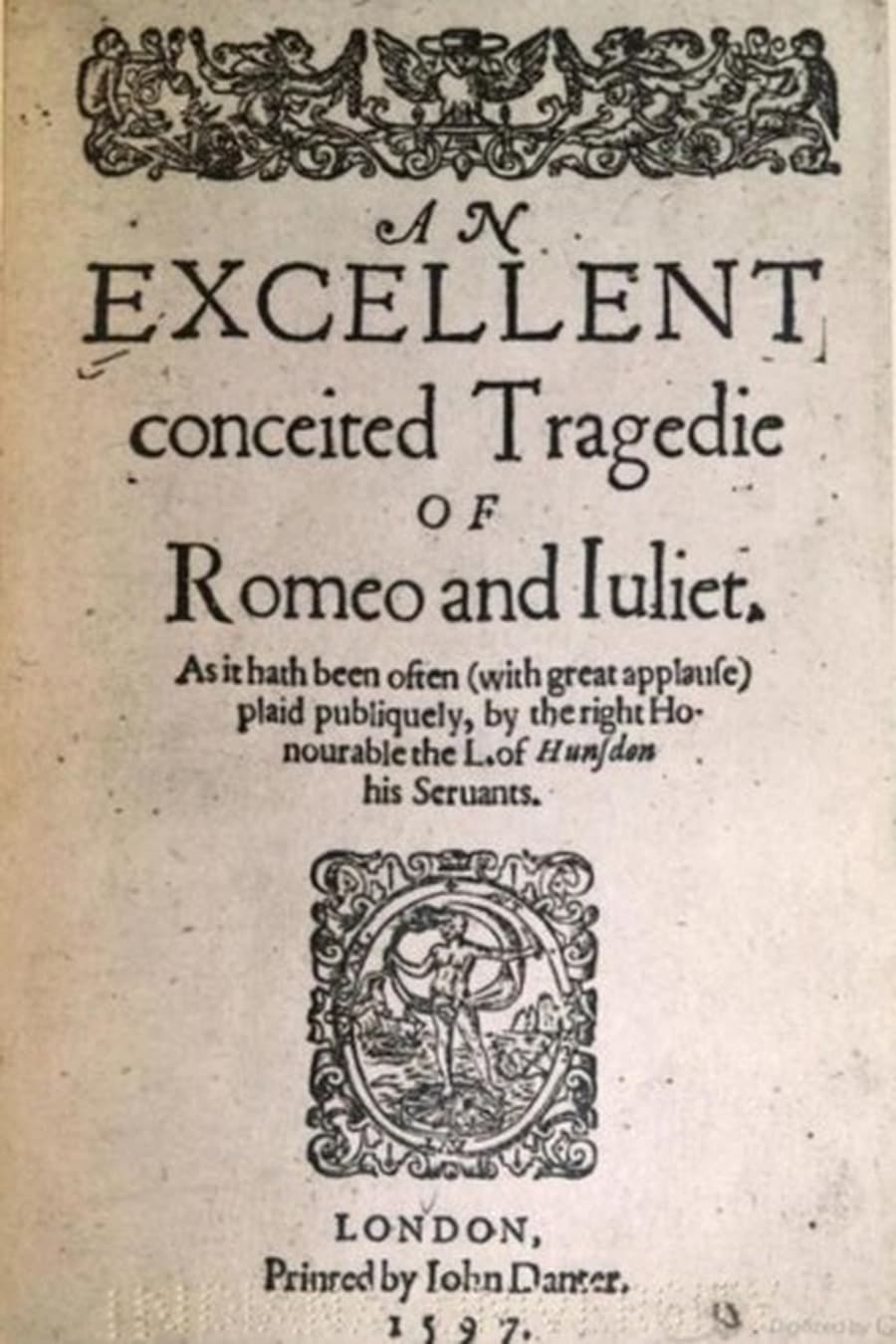
Romeo and Juliet
1597
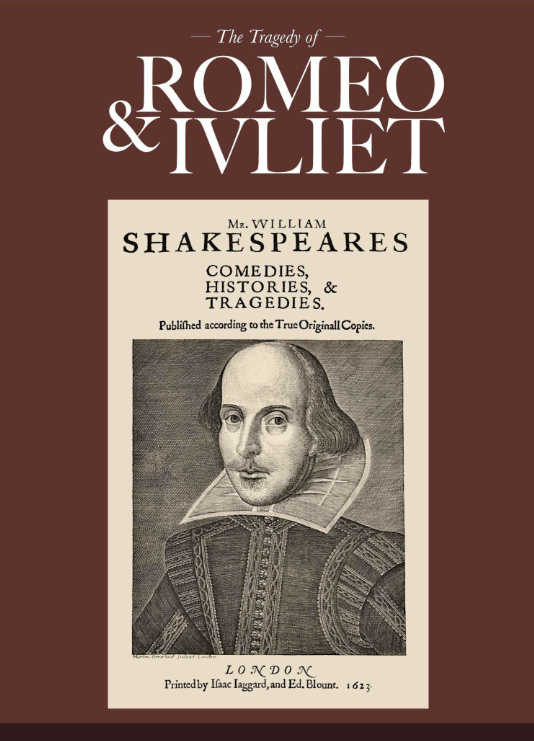
Two teenagers. One night. A love so absolute it collapses into catastrophe. Romeo Montague and Juliet Capulet meet at a masquerade ball in Verona, and within hours they are married in secret, bound together by a passion that feels like fate. But their families have been locked in a vicious feud for generations, and the city burns with their hate. What follows is a breathless cascade of mistaken messages, desperate schemes, and violent coincidences that destroy everything tender in its path. Shakespeare weaves humor and heartbreak with terrifying skill, creating characters so vivid that four centuries have failed to dim them. Mercutio dies mocking death. The Nurse betrays trust for safety. Friar Lawrence's well-intentioned plan crumbles into ruin. The tragedy is not merely that young lovers die. It is that their deaths could have been prevented at every turn, if only the adults had stopped fighting long enough to see what mattered. Romeo and Juliet endures because it captures something universal: the way hate inherited across generations annihilates the innocent, and the way love, even doomed, still flares bright enough to light up the whole dark world.
Editions


X-Ray
The passionate and impulsive son of Lord Montague, who falls deeply in love with Juliet, a member of his family's rival house.
The beautiful and determined daughter of Lord Capulet, who defies her family's feud to pursue her forbidden love for Romeo.
A wise and well-intentioned Franciscan friar who secretly marries Romeo and Juliet, hoping to end the family feud, but whose plans ultimately lead to tragedy.
A kinsman to the Prince and Romeo's witty, cynical, and often bawdy best friend, whose death is a turning point in the play.
About Romeo and Juliet
Chapter Summaries
- The Prologue
- The Chorus introduces the setting in Verona and the ancient feud between two noble families, the Montagues and Capulets. It foreshadows the tragic love story of their children, Romeo and Juliet, whose deaths will ultimately end their parents' strife.
- Act I, Scene I
- Capulet servants Sampson and Gregory provoke a fight with Montague servants Abram and Balthasar. Benvolio tries to stop it, but Tybalt escalates the brawl. Prince Escalus arrives, stops the fighting, and declares that any future public disturbances will result in death for the heads of the families. Romeo is then discovered to be lovesick over Rosaline.
- Act I, Scene II
- Paris asks Capulet for Juliet's hand in marriage. Capulet, deeming her too young, suggests Paris woo her at a feast he is hosting that night. Capulet gives a servant a guest list to invite, but the servant, unable to read, asks Romeo for help, inadvertently inviting Romeo to the Capulet feast where Rosaline will be present.
Key Themes
- Love vs. Hate
- The play vividly contrasts the intense, passionate love between Romeo and Juliet with the deep-seated, irrational hatred between their families. This theme highlights how extreme emotions, whether love or hate, can lead to destructive outcomes, and how love attempts to transcend but is ultimately consumed by the pervasive animosity.
- Fate vs. Free Will
- From the 'star-cross'd lovers' mentioned in the prologue, the play constantly hints at an inescapable destiny. However, the characters' impulsive decisions, miscommunications, and rash actions also directly contribute to the tragic chain of events, leaving the audience to ponder the extent of their agency versus predetermined fate.
- Youth and Impetuosity
- Romeo and Juliet's youth is central to their rapid, all-consuming love and their lack of foresight. Their quick decisions, such as marrying after knowing each other for a day or resorting to suicide, underscore the dangers of youthful passion unchecked by experience or wise counsel, accelerating the tragic plot.
Characters
- Romeo(protagonist)
- The passionate and impulsive son of Lord Montague, who falls deeply in love with Juliet, a member of his family's rival house.
- Juliet(protagonist)
- The beautiful and determined daughter of Lord Capulet, who defies her family's feud to pursue her forbidden love for Romeo.
- Friar Lawrence(supporting)
- A wise and well-intentioned Franciscan friar who secretly marries Romeo and Juliet, hoping to end the family feud, but whose plans ultimately lead to tragedy.
- Mercutio(supporting)
- A kinsman to the Prince and Romeo's witty, cynical, and often bawdy best friend, whose death is a turning point in the play.
- Tybalt(antagonist)
- Lady Capulet's nephew, a hot-headed and aggressive swordsman who embodies the Capulet family's hatred for the Montagues.
- Nurse(supporting)
- Juliet's loyal and bawdy nursemaid, who acts as a messenger and confidante, but later advises Juliet to marry Paris.
Link to this book
Add a free, dofollow link to Lex on your blog, forum, syllabus, or reading list.

<a href="https://lex-books.com/book/romeo-and-juliet-fe72fc9f-154e-447f-89cc-5fdecd1b3989"><img src="https://lex-books.com/badges/read-on-lex.svg" alt="Read Romeo and Juliet by William Shakespeare free on Lex" width="160" height="40"></a>[](https://lex-books.com/book/romeo-and-juliet-fe72fc9f-154e-447f-89cc-5fdecd1b3989)[url=https://lex-books.com/book/romeo-and-juliet-fe72fc9f-154e-447f-89cc-5fdecd1b3989][img]https://lex-books.com/badges/read-on-lex.svg[/img][/url]Read Romeo and Juliet by William Shakespeare free on Lex: https://lex-books.com/book/romeo-and-juliet-fe72fc9f-154e-447f-89cc-5fdecd1b3989Cite this book
Reading this edition for a paper or guide? Copy a citation.
Shakespeare, William. Romeo and Juliet. Lex, lex-books.com/book/romeo-and-juliet-fe72fc9f-154e-447f-89cc-5fdecd1b3989.Shakespeare, W. (1597). Romeo and Juliet. Lex. https://lex-books.com/book/romeo-and-juliet-fe72fc9f-154e-447f-89cc-5fdecd1b3989Shakespeare, William. Romeo and Juliet. Lex. https://lex-books.com/book/romeo-and-juliet-fe72fc9f-154e-447f-89cc-5fdecd1b3989.