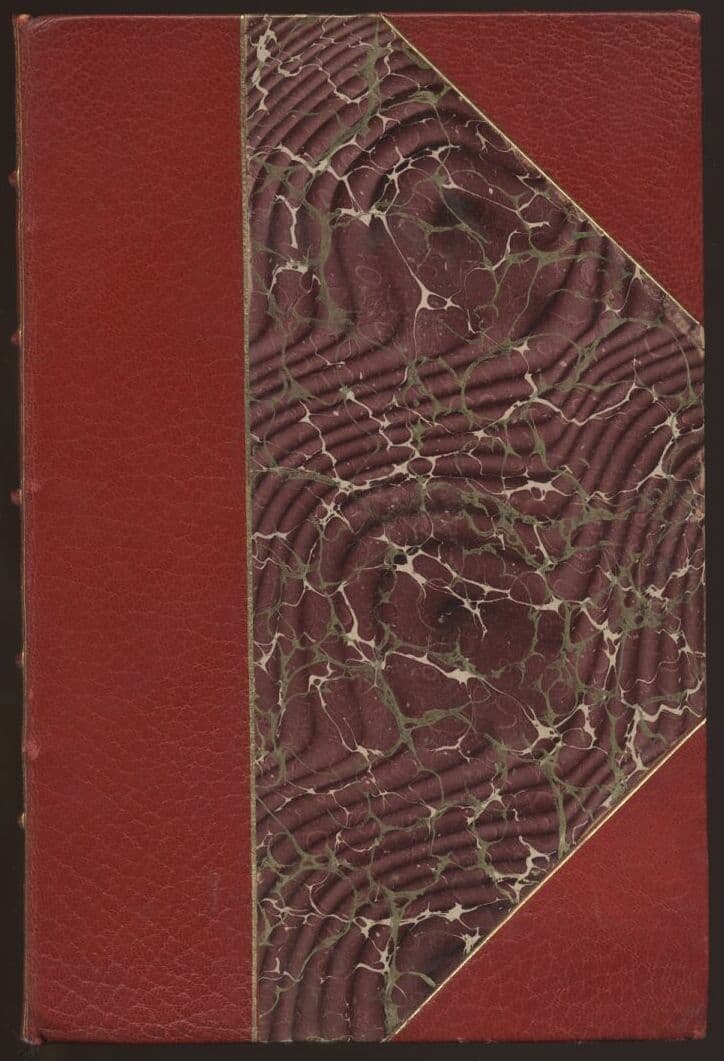
The Strange Case of Dr. Jekyll and Mr. Hyde
1886
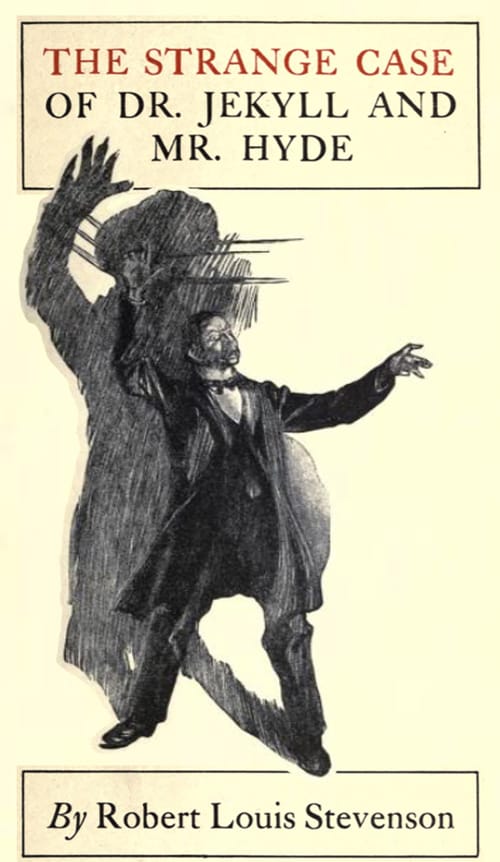
The Strange Case of Dr. Jekyll and Mr. Hyde
1886
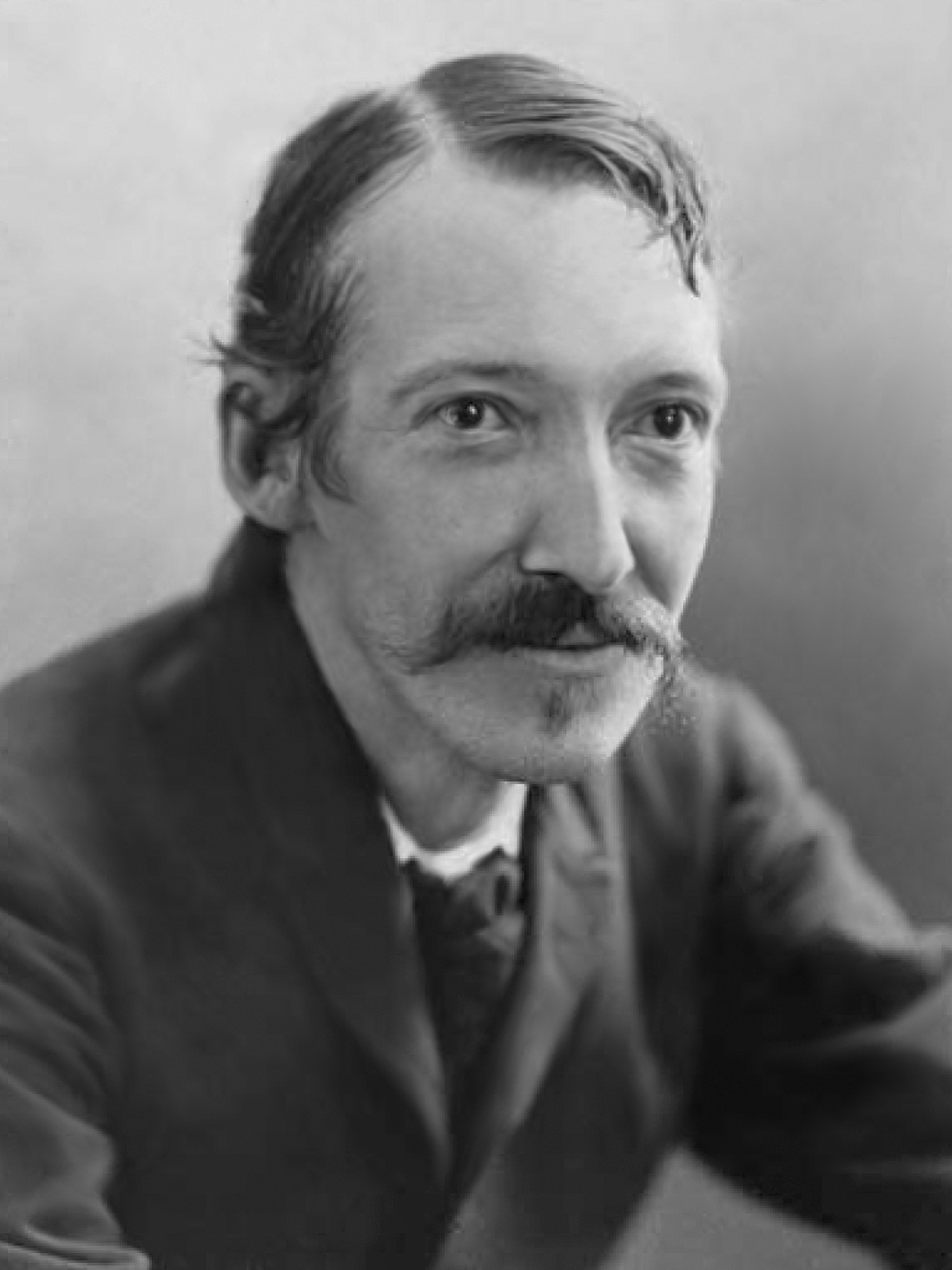
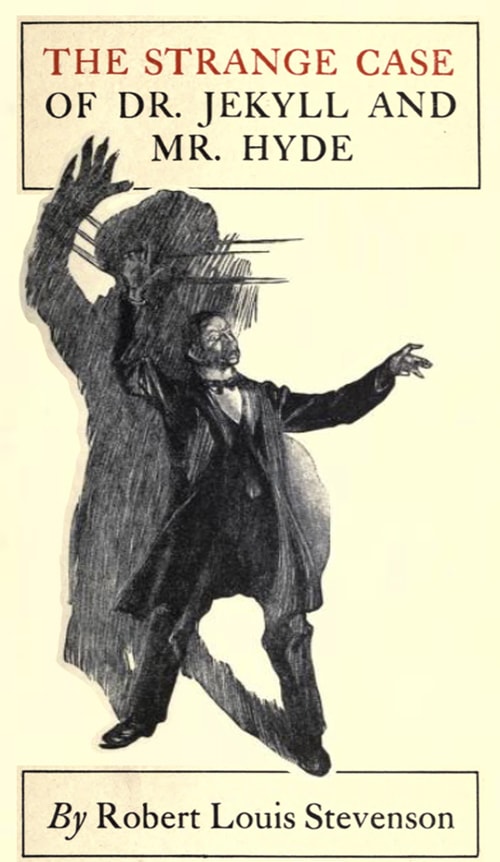
London, 1880s. The fog-choked streets hide something worse than crime. Gabriel Utterson, a respectable lawyer, has spent years investigating the bond between his old friend Dr. Henry Jekyll and the brutish Edward Hyde, a man who inspires inexplicable dread in everyone who sees him. When Hyde commits a brutal murder, Utterson races to understand the connection before more blood is spilled. The deeper he digs, the more he realizes that Jekyll's relationship with Hyde is not what it appears to be, and that something far more horrifying than murder lies at the heart of their association. Stevenson wrote this novella in a fever dream, literally woken from a nightmare by his wife. That origin story feels right, because the book operates like a fever itself, a fever of Victorian repression and the terror of what respectability conceals. Jekyll and Hyde is not merely a horror story about a transformation potion. It is an unflinching portrait of the self we bury, the desires we deem unpresentable, the violence that lives in every polished gentleman. The horror is not the monster. The horror is that the monster is you. More than a century later, the story still shocks because it has not aged. We still maintain our public faces. We still have our private appetites. The phrase 'Jekyll and Hyde' has entered the language because it names something eternal: the war within every human soul between what we are and what we pretend to be.
Editions


X-Ray
“Quiet minds cannot be perplexed or frightened but go on in fortune or misfortune at their own private pace, like a clock during a thunderstorm.””
— Robert Louis Stevenson
“If he be Mr. Hyde" he had thought, "I shall be Mr. Seek.””
— Robert Louis Stevenson
“If I am the chief of sinners, I am the chief of sufferers also.””
— Robert Louis Stevenson
“It is one thing to mortify curiosity, another to conquer it.””
— Robert Louis Stevenson
“I learned to recognise the thorough and primitive duality of man; I saw that, of the two natures that contended in the field of my consciousness, even if I could rightly be said to be either, it was only because I was radically both.””
— Robert Louis Stevenson
“With every day, and from both sides of my intelligence, the moral and the intellectual, I thus drew steadily nearer to the truth, by whose partial discovery I have been doomed to such a dreadful shipwreck: that man is not truly one, but truly two.””
— Robert Louis Stevenson
“You must suffer me to go my own dark way.””
— Robert Louis Stevenson
“All human beings, as we meet them, are commingled out of good and evil: and Edward Hyde, alone, in the ranks of mankind, was pure evil.””
— Robert Louis Stevenson
“I sat in the sun on a bench; the animal within me licking the chops of memory; the spiritual side a little drowsed, promising subsequent penitence, but not yet moved to begin.””
— Robert Louis Stevenson
About The Strange Case of Dr. Jekyll and Mr. Hyde
Chapter Summaries
- 1
- Mr. Utterson and Mr. Enfield, during their Sunday walk, discuss a mysterious door in a by-street. Enfield recounts witnessing a detestable man named Hyde trample a young girl and then pay compensation with a cheque signed by a reputable gentleman. Utterson is disturbed to learn the man's name is Hyde.
- 2
- Utterson reviews Dr. Jekyll's will, which leaves everything to Mr. Hyde in case of Jekyll's death or disappearance, deepening his unease. He visits Dr. Lanyon, who is estranged from Jekyll due to scientific differences and has never heard of Hyde. Driven by curiosity, Utterson begins to stake out the mysterious door and eventually confronts Hyde, confirming his repulsive nature and his connection to Jekyll.
- 3
- Utterson confronts Dr. Jekyll about his will and his association with Mr. Hyde. Jekyll assures Utterson that he can be rid of Hyde at any moment he chooses, but also extracts a promise from Utterson to ensure Hyde's rights are protected if Jekyll is 'taken away,' hinting at a deeper, troubling secret.
Key Themes
- Duality of Human Nature
- This is the core theme, explored through Dr. Jekyll's experiment to separate his good and evil impulses. The novel suggests that these elements are inextricably linked and that suppressing one only strengthens the other, leading to a destructive imbalance.
- Good vs. Evil
- The stark contrast between the benevolent Dr. Jekyll and the malevolent Mr. Hyde physically and morally embodies the eternal conflict between good and evil. The story delves into the idea that evil, when given free rein, can completely consume an individual.
- Reputation and Secrecy
- Victorian society's obsession with outward appearance and social standing is a driving force in Jekyll's actions. He creates Hyde to indulge in 'undignified' pleasures while maintaining his respectable reputation, highlighting the dangers of hypocrisy and hidden vices.
Characters
- Mr. Gabriel John Utterson(protagonist)
- A reserved and rational London lawyer who investigates the strange connection between his friend Dr. Jekyll and the sinister Mr. Hyde.
- Dr. Henry Jekyll(protagonist)
- A respected and intelligent physician who, through scientific experimentation, creates a separate, evil persona named Mr. Hyde.
- Mr. Edward Hyde(antagonist)
- Dr. Jekyll's evil alter ego, a physically repulsive and morally depraved man who commits heinous acts, including murder.
- Mr. Richard Enfield(supporting)
- Mr. Utterson's distant kinsman and walking companion, who recounts the initial story of Mr. Hyde's cruelty.
- Dr. Hastie Lanyon(supporting)
- A respected physician and old friend of Jekyll and Utterson, whose traditional scientific views are challenged by Jekyll's experiments, leading to his demise.
- Poole(supporting)
- Dr. Jekyll's loyal and long-serving butler, who grows increasingly distressed by his master's reclusive behavior and the strange occurrences in the house.
Narrated by
Nathaniel
AI-generated · Word-synced · 10 chapters
Link to this book
Add a free, dofollow link to Lex on your blog, forum, syllabus, or reading list.

<a href="https://lex-books.com/book/the-strange-case-of-dr-jekyll-and-mr-hyde-5e05c476-0b84-412b-a679-148728a8839a"><img src="https://lex-books.com/badges/read-on-lex.svg" alt="Read The Strange Case of Dr. Jekyll and Mr. Hyde by Robert Louis Stevenson free on Lex" width="160" height="40"></a>[](https://lex-books.com/book/the-strange-case-of-dr-jekyll-and-mr-hyde-5e05c476-0b84-412b-a679-148728a8839a)[url=https://lex-books.com/book/the-strange-case-of-dr-jekyll-and-mr-hyde-5e05c476-0b84-412b-a679-148728a8839a][img]https://lex-books.com/badges/read-on-lex.svg[/img][/url]Read The Strange Case of Dr. Jekyll and Mr. Hyde by Robert Louis Stevenson free on Lex: https://lex-books.com/book/the-strange-case-of-dr-jekyll-and-mr-hyde-5e05c476-0b84-412b-a679-148728a8839aCite this book
Reading this edition for a paper or guide? Copy a citation.
Stevenson, Robert Louis. The Strange Case of Dr. Jekyll and Mr. Hyde. Lex, lex-books.com/book/the-strange-case-of-dr-jekyll-and-mr-hyde-5e05c476-0b84-412b-a679-148728a8839a.Stevenson, R. L. (1886). The Strange Case of Dr. Jekyll and Mr. Hyde. Lex. https://lex-books.com/book/the-strange-case-of-dr-jekyll-and-mr-hyde-5e05c476-0b84-412b-a679-148728a8839aStevenson, Robert Louis. The Strange Case of Dr. Jekyll and Mr. Hyde. Lex. https://lex-books.com/book/the-strange-case-of-dr-jekyll-and-mr-hyde-5e05c476-0b84-412b-a679-148728a8839a.