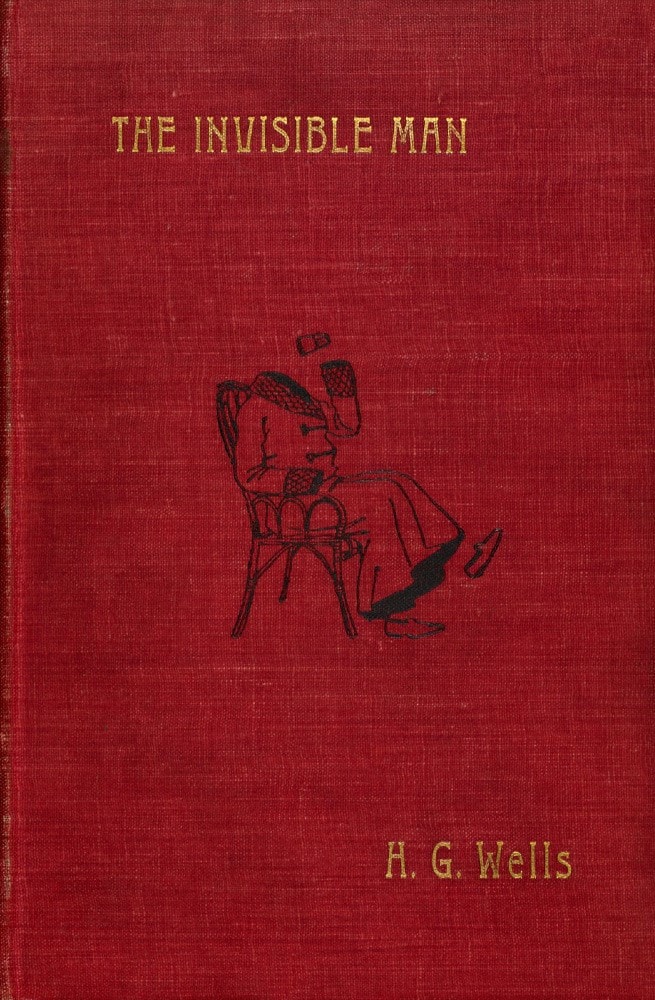
The Invisible Man: A Grotesque Romance
1897
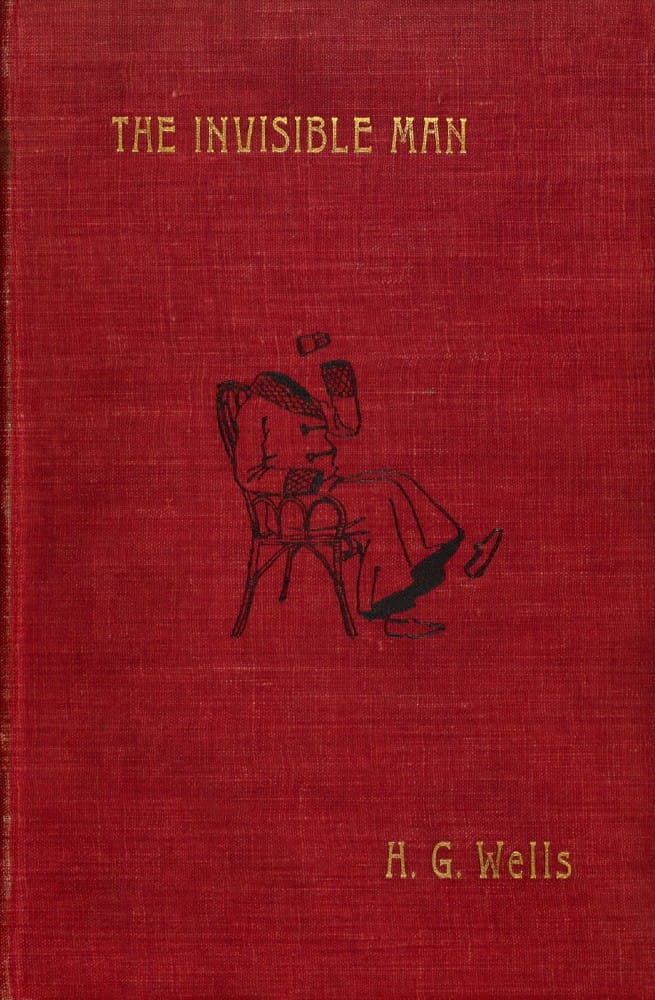
The Invisible Man: A Grotesque Romance
1897
A brilliant scientist named Griffin has made himself invisible. It should be the ultimate triumph, a discovery that bends the laws of nature to his will. Instead, it becomes his undoing. Arriving at the village of Iping wrapped in bandages and secrets, Griffin initially appears merely strange, a bandaged traveler with peculiar habits and too much money. But as his presence becomes impossible to ignore, as theft gives way to violence and the villagers find themselves terrorized by an adversary they cannot see, the novel transforms into something far darker: a cat-and-mouse thriller where the hunters become the hunted. Wells understood something essential about power without accountability, about what happens when a man realizes he can do absolutely anything with no consequences. The Invisible Man is not merely a science fiction pioneer or a horror classic. It is a grotesque romance in the truest sense: a love story between a man and his own impossibility, destroyed by the very freedom he has achieved. It endures because it asks questions we still cannot answer: Who are we when no one sees us? What monsters do we become when society's gaze is lifted?
Editions

X-Ray
“All men, however highly educated, retain some superstitious inklings.””
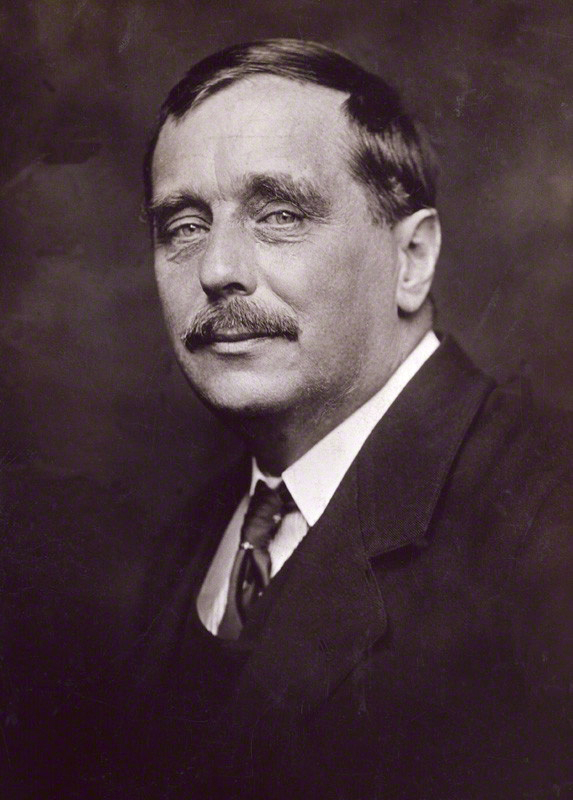
— H. G. Wells
“Alone-- it is wonderful how little a man can do alone! To rob a little, to hurt a little, and there is the end.””
— H. G. Wells
“I went over the heads of the things a man reckons desirable. No doubt invisibility made it possible to get them, but it made it impossible to enjoy them when they are got.””
— H. G. Wells
“The Anglo-Saxon genius for parliamentary government asserted itself; there was a great deal of talk and no decisive action.””
— H. G. Wells
“I never blame anyone," said Kemp. "It's quite out of fashion.””
— H. G. Wells
“But giving drugs to a cat is no joke, Kemp!””
— H. G. Wells
“But-! I say! The common conventions of humanity-''Are all very well for common people.””
— H. G. Wells
“To do such a thing would be to transcend magic. And I beheld, unclouded by doubt, a magnificent vision of all that invisibility might mean to a man”
— H. G. Wells
“...the voice was indisputable. It continued to swear with that breadth and variety that distinguishes the swearing of a cultivated man.””
— H. G. Wells
Link to this book
Add a free, dofollow link to Lex on your blog, forum, syllabus, or reading list.

<a href="https://lex-books.com/book/the-invisible-man-a-grotesque-romance-9d1f8be2-2ea6-4cee-8571-e367698a0ed3"><img src="https://lex-books.com/badges/read-on-lex.svg" alt="Read The Invisible Man: A Grotesque Romance by H. G. Wells free on Lex" width="160" height="40"></a>[](https://lex-books.com/book/the-invisible-man-a-grotesque-romance-9d1f8be2-2ea6-4cee-8571-e367698a0ed3)[url=https://lex-books.com/book/the-invisible-man-a-grotesque-romance-9d1f8be2-2ea6-4cee-8571-e367698a0ed3][img]https://lex-books.com/badges/read-on-lex.svg[/img][/url]Read The Invisible Man: A Grotesque Romance by H. G. Wells free on Lex: https://lex-books.com/book/the-invisible-man-a-grotesque-romance-9d1f8be2-2ea6-4cee-8571-e367698a0ed3Cite this book
Reading this edition for a paper or guide? Copy a citation.
Wells, H. G.. The Invisible Man: A Grotesque Romance. Lex, lex-books.com/book/the-invisible-man-a-grotesque-romance-9d1f8be2-2ea6-4cee-8571-e367698a0ed3.Wells, H. G. (1897). The Invisible Man: A Grotesque Romance. Lex. https://lex-books.com/book/the-invisible-man-a-grotesque-romance-9d1f8be2-2ea6-4cee-8571-e367698a0ed3Wells, H. G.. The Invisible Man: A Grotesque Romance. Lex. https://lex-books.com/book/the-invisible-man-a-grotesque-romance-9d1f8be2-2ea6-4cee-8571-e367698a0ed3.