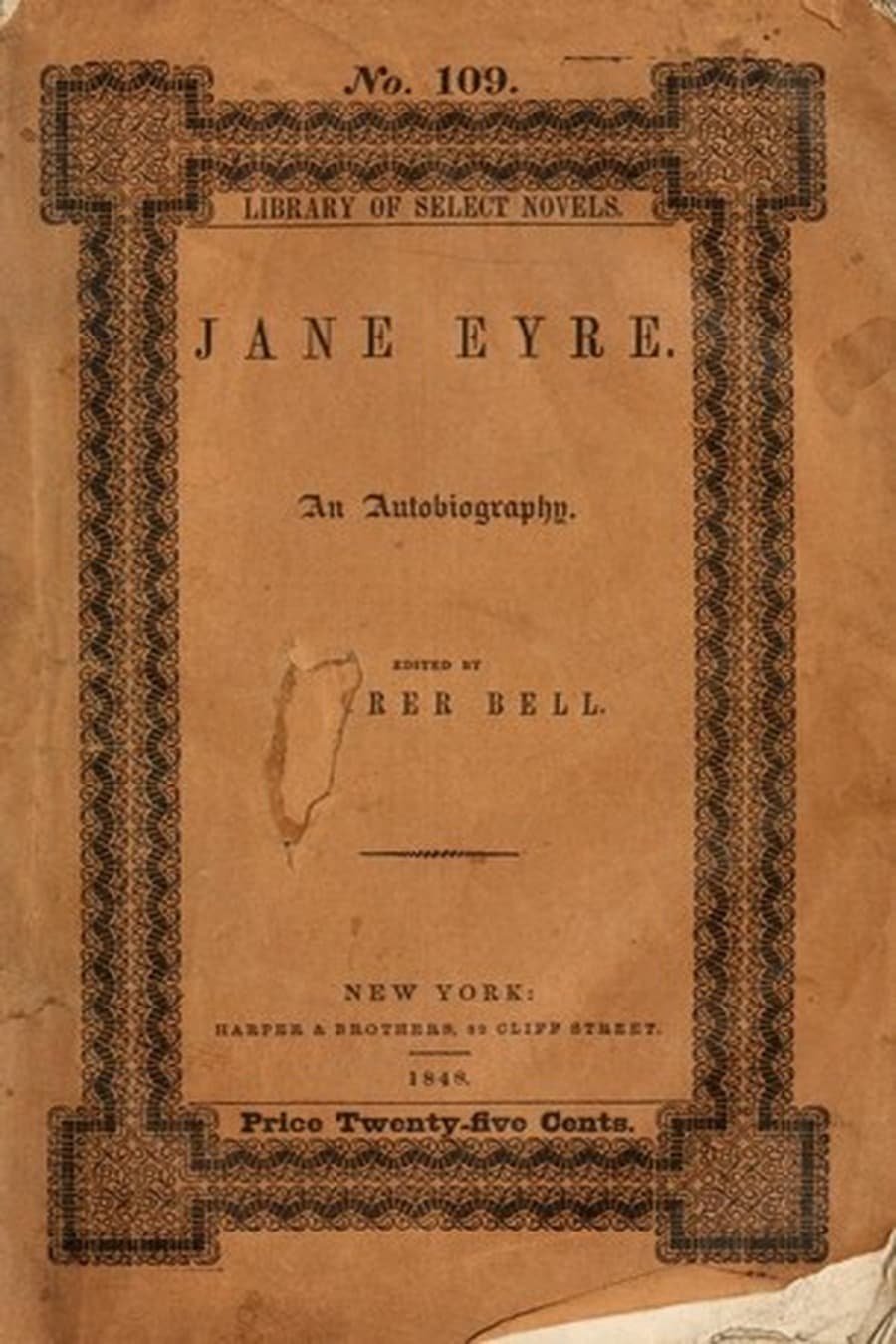
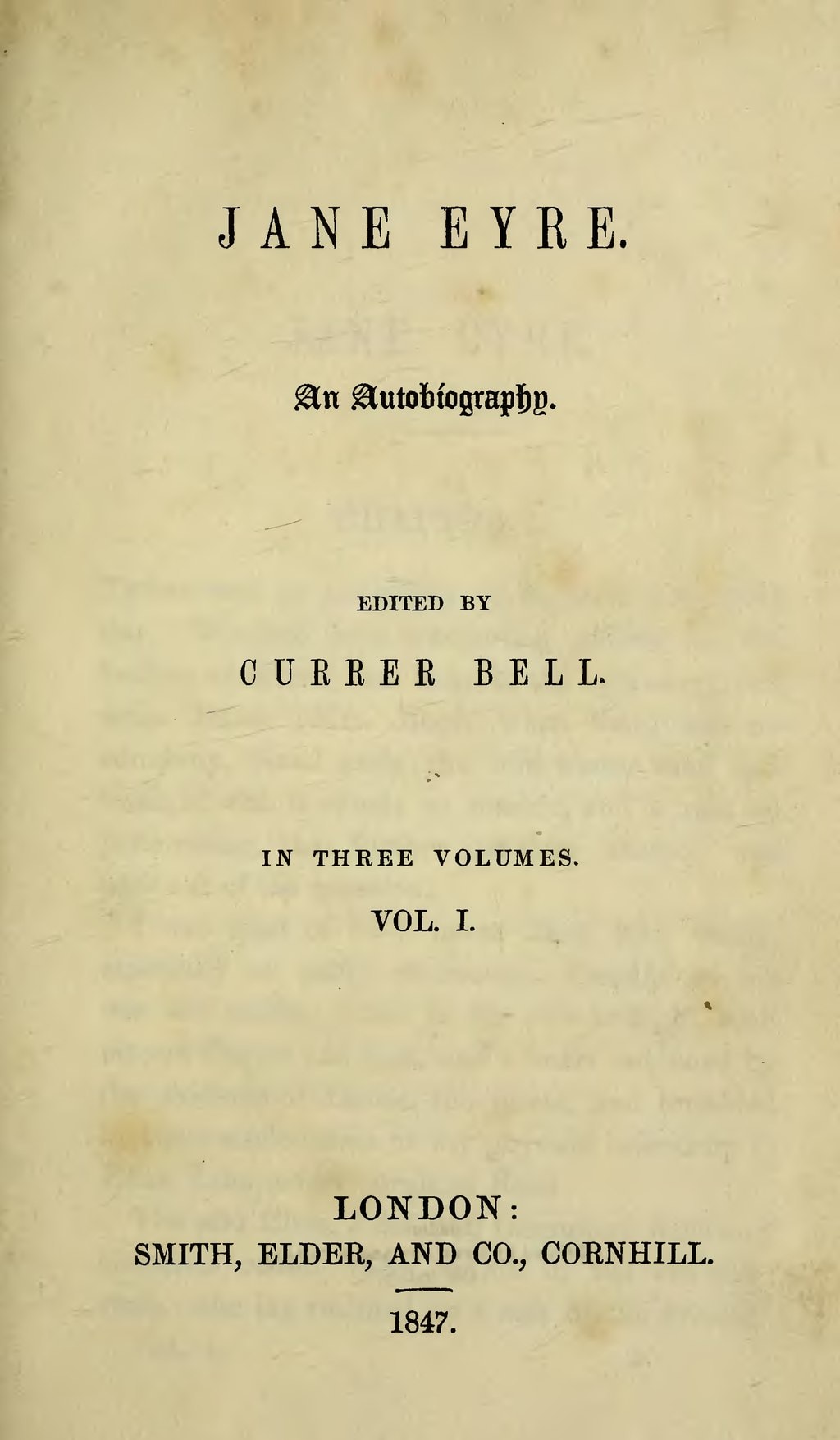
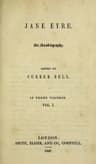
Jane Eyre: An Autobiography
1847
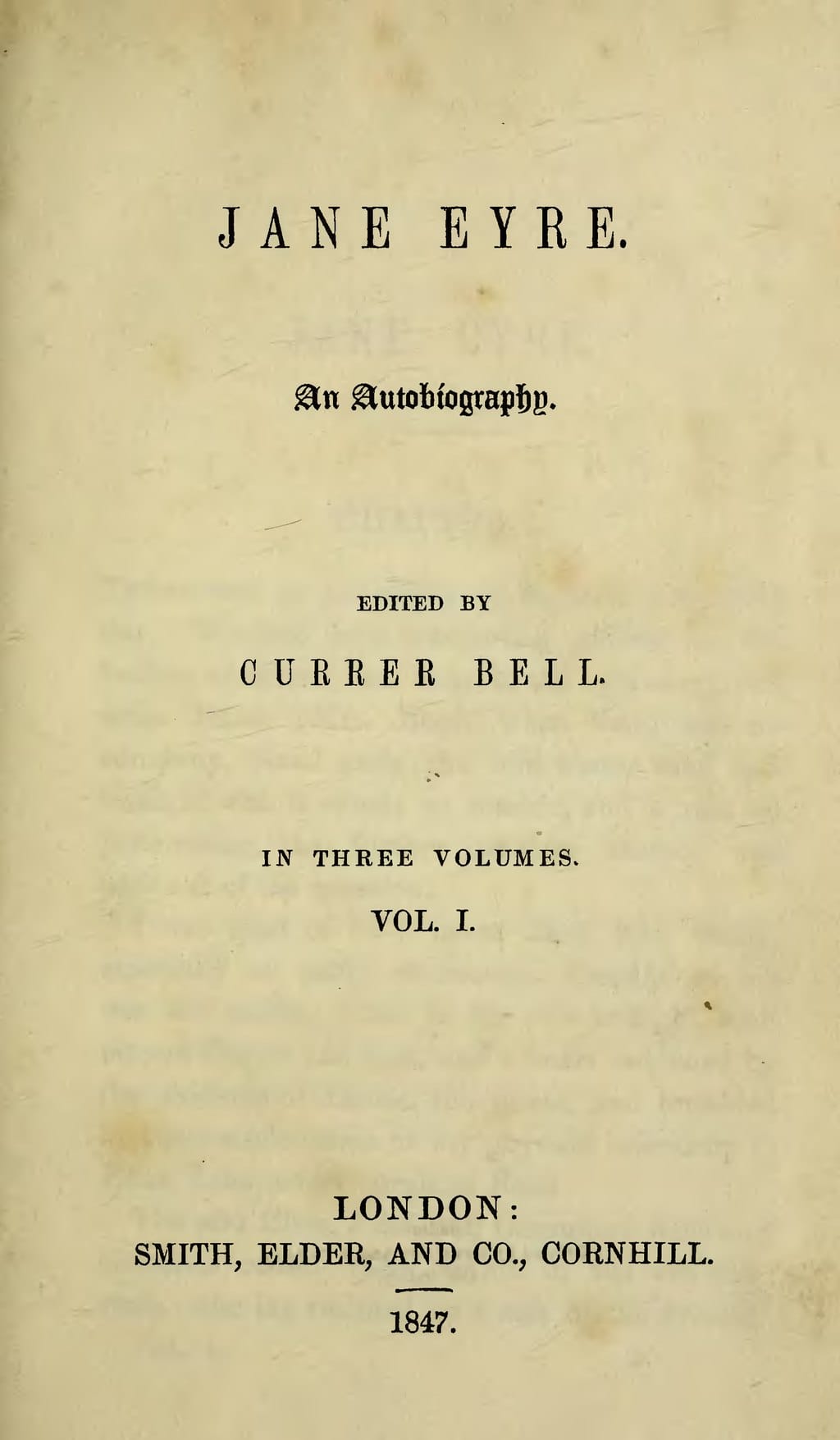
Jane Eyre: An Autobiography
1847
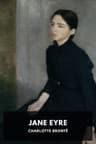
An orphan child locked in a terrifying room, a governess who refuses to be owned. Charlotte Brontë's radical novel follows Jane Eyre from the brutal gates of Lowood school to the gothic mystery of Thornfield Hall, where she encounters the magnetic Mr. Rochester and discovers that love without dignity is not love at all. This is the story of one woman's fierce insistence on selfhood in a world that demands she make herself small. It scandalized Victorian readers with its passion and its insistence that a woman could choose solitude over compromise. It endures because Jane's hunger for freedom and fairness feels as urgent now as it did in 1847. For anyone who has ever been told they are too much, too angry, too proud.
Editions


X-Ray
“I am no bird; and no net ensnares me: I am a free human being with an independent will.””
— Charlotte Brontë
“I would always rather be happy than dignified.””
— Charlotte Brontë
“Do you think I am an automaton?”
— Charlotte Brontë
“care for myself. The more solitary, the more friendless, the more unsustained I am, the more I will respect myself.””
— Charlotte Brontë
“Life appears to me too short to be spent in nursing animosity or registering wrongs.””
— Charlotte Brontë
“I do not think, sir, you have any right to command me, merely because you are older than I, or because you have seen more of the world than I have; your claim to superiority depends on the use you have made of your time and experience.””
— Charlotte Brontë
“I have for the first time found what I can truly love–I have found you. You are my sympathy–my better self–my good angel–I am bound to you with a strong attachment. I think you good, gifted, lovely: a fervent, a solemn passion is conceived in my heart; it leans to you, draws you to my centre and spring of life, wrap my existence about you–and, kindling in pure, powerful flame, fuses you and me in one.””
— Charlotte Brontë
“No sight so sad as that of a naughty child," he began, "especially a naughty little girl. Do you know where the wicked go after death?""They go to hell," was my ready and orthodox answer."And what is hell? Can you tell me that?""A pit full of fire.""And should you like to fall into that pit, and to be burning there for ever?""No, sir.""What must you do to avoid it?"I deliberated a moment: my answer, when it did come was objectionable: "I must keep in good health and not die.””
— Charlotte Brontë
“If all the world hated you and believed you wicked, while your own conscience approved of you and absolved you from guilt, you would not be without friends.””
— Charlotte Brontë
About Jane Eyre: An Autobiography
Chapter Summaries
- 1
- Jane Eyre, a ten-year-old orphan, is confined to the window-seat by her aunt, Mrs. Reed, for being 'unsociable.' She reads Bewick's History of British Birds until her cruel cousin, John Reed, attacks her. When Jane retaliates, Mrs. Reed punishes her by locking her in the terrifying red-room.
- 2
- Jane is locked in the red-room, a chamber associated with her deceased Uncle Reed. Overwhelmed by fear and a sense of injustice, she sees a mysterious light and screams, causing Bessie and Miss Abbot to return. Mrs. Reed, believing Jane is feigning illness, punishes her further by leaving her in the room, where Jane eventually faints.
- 3
- Jane wakes in her own bed, attended by Bessie and Mr. Lloyd, an apothecary. She recounts her mistreatment and expresses her unhappiness. Mr. Lloyd suggests she go to school, and Jane overhears Bessie and Miss Abbot discussing her parents' deaths from typhus and their low opinion of Jane.
Key Themes
- Social Class and Inequality
- The novel consistently highlights the stark divisions of social class, particularly through Jane's experiences as an orphan and governess. She is constantly reminded of her 'inferior' status, from Mrs. Reed's disdain to the snobbery of the Ingram family, yet she maintains her dignity and asserts her inherent worth, challenging the superficiality of wealth and birth.
- Independence vs. Dependence
- Jane's journey is marked by a persistent quest for independence, both financial and emotional. From her early dependence at Gateshead and Lowood to her role as a governess, she yearns for autonomy. Her refusal to accept Mr. Rochester's initial proposal without true equality, and her later inheritance, underscore this theme, showing that true love and self-respect require a foundation of independence.
- Religion and Morality
- The book explores different forms of Christianity and morality. Mr. Brocklehurst represents a harsh, hypocritical, and punitive religiosity, while Helen Burns embodies a gentle, forgiving, and enduring faith. Jane grapples with these contrasting views, ultimately forging her own moral compass based on integrity, self-respect, and a deep sense of justice, rather than rigid dogma or social convention.
Characters
- Jane Eyre(protagonist)
- An orphaned, intelligent, and resilient young woman who seeks independence and genuine affection, navigating a world often hostile to her spirit.
Link to this book
Add a free, dofollow link to Lex on your blog, forum, syllabus, or reading list.

<a href="https://lex-books.com/book/jane-eyre-an-autobiography-4d6248aa-4eef-448a-a51e-ec84f6aad72b"><img src="https://lex-books.com/badges/read-on-lex.svg" alt="Read Jane Eyre: An Autobiography by Charlotte Brontë free on Lex" width="160" height="40"></a>[](https://lex-books.com/book/jane-eyre-an-autobiography-4d6248aa-4eef-448a-a51e-ec84f6aad72b)[url=https://lex-books.com/book/jane-eyre-an-autobiography-4d6248aa-4eef-448a-a51e-ec84f6aad72b][img]https://lex-books.com/badges/read-on-lex.svg[/img][/url]Read Jane Eyre: An Autobiography by Charlotte Brontë free on Lex: https://lex-books.com/book/jane-eyre-an-autobiography-4d6248aa-4eef-448a-a51e-ec84f6aad72bCite this book
Reading this edition for a paper or guide? Copy a citation.
Brontë, Charlotte. Jane Eyre: An Autobiography. Lex, lex-books.com/book/jane-eyre-an-autobiography-4d6248aa-4eef-448a-a51e-ec84f6aad72b.Brontë, C. (1847). Jane Eyre: An Autobiography. Lex. https://lex-books.com/book/jane-eyre-an-autobiography-4d6248aa-4eef-448a-a51e-ec84f6aad72bBrontë, Charlotte. Jane Eyre: An Autobiography. Lex. https://lex-books.com/book/jane-eyre-an-autobiography-4d6248aa-4eef-448a-a51e-ec84f6aad72b.