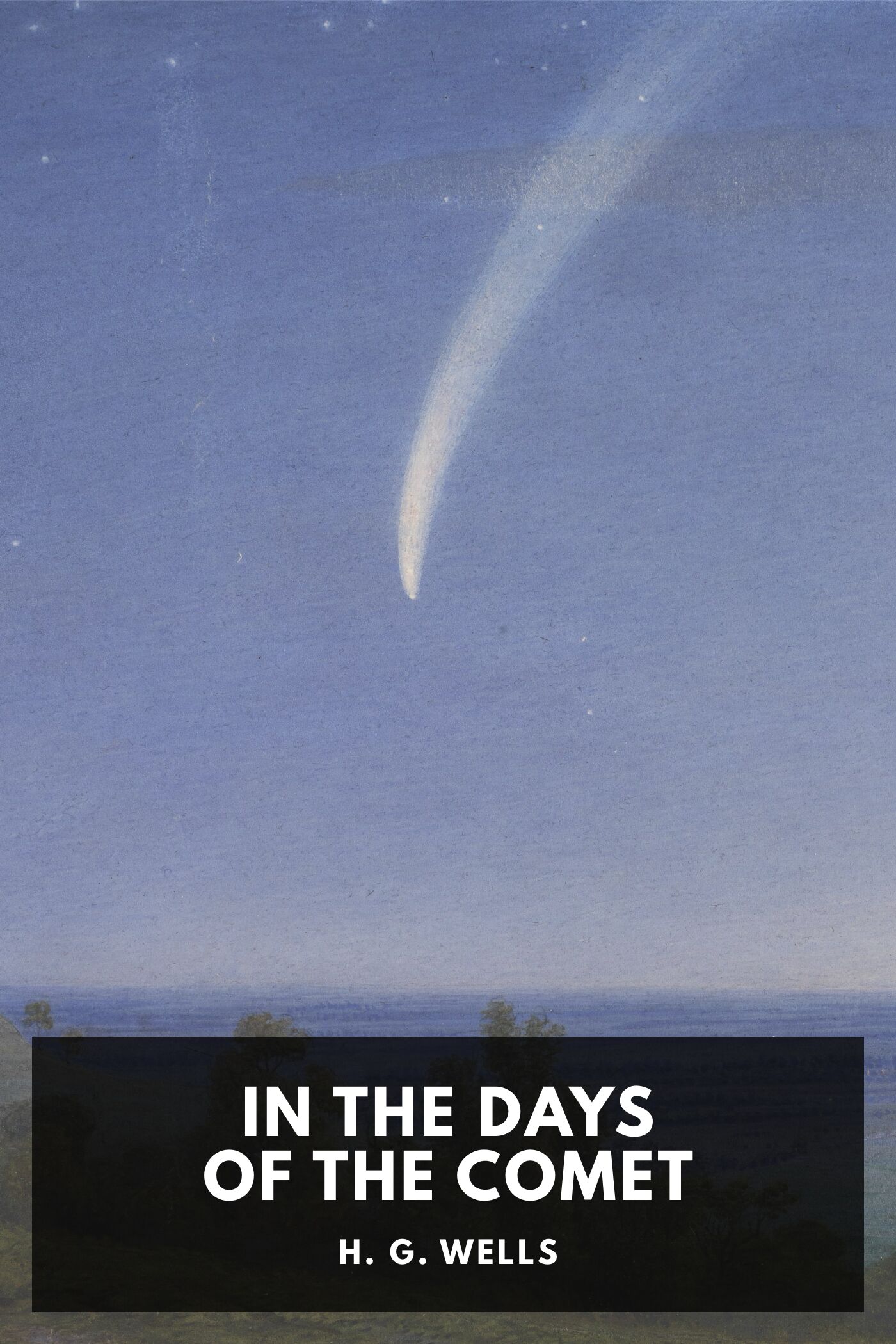
In the Days of the Comet
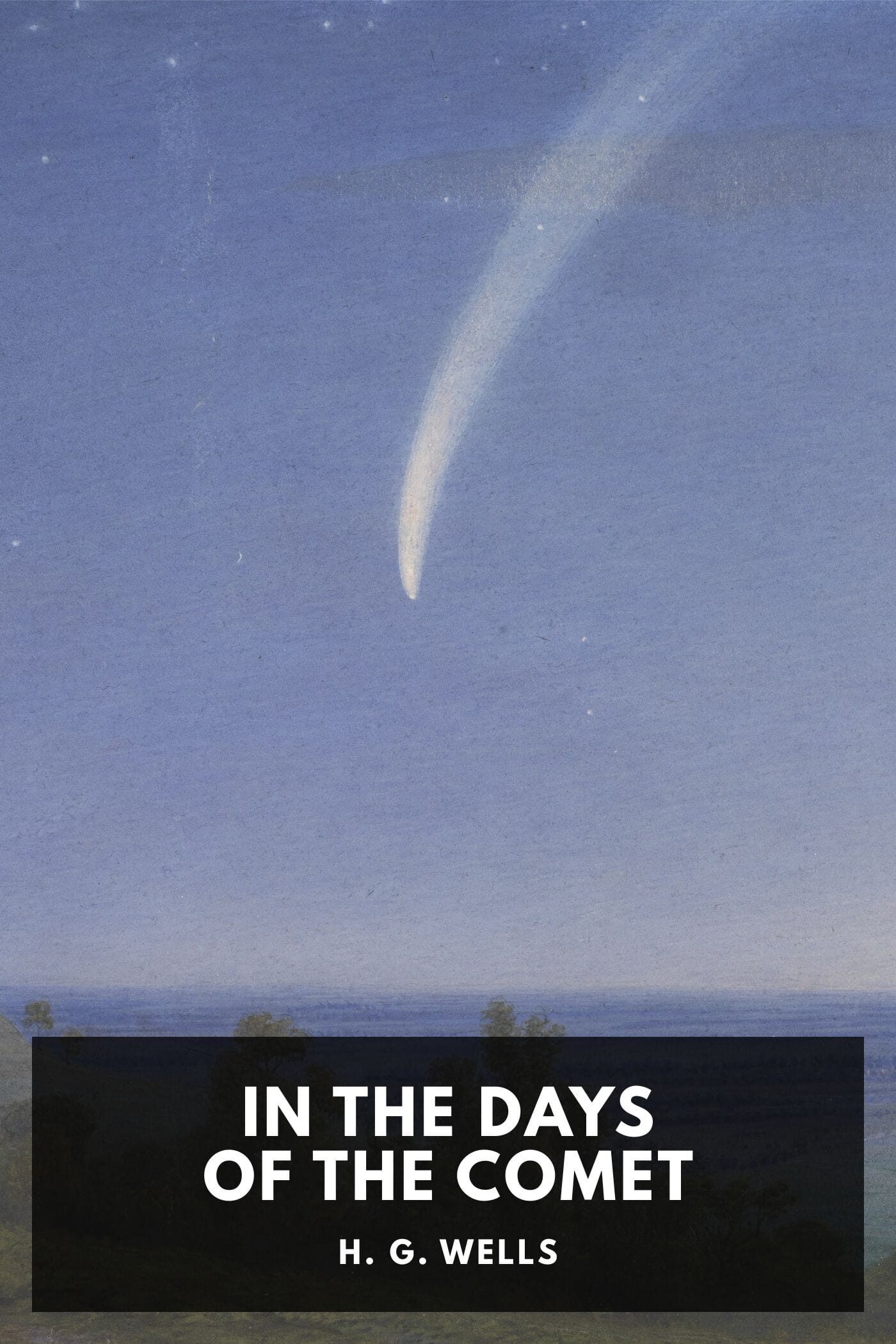
H.G. Wells's 1906 "scientific romance" chronicles a world on the brink, seen through the eyes of a lovelorn young man trapped in the squalor and social injustices of late Victorian England. His personal despair mirrors a society teetering on the precipice of revolution, fueled by class struggle and moral decay. All this changes with the arrival of a colossal comet, which, upon impact, releases mysterious green vapors that fundamentally alter human consciousness. Suddenly, the scales fall from humanity's eyes, revealing both individual follies and systemic societal inequities with crystalline clarity, prompting a radical, collective reimagining of the world. More than a mere disaster narrative, *In the Days of the Comet* is a searing indictment of early 20th-century society and a bold blueprint for utopian transformation. Wells masterfully blends cosmic catastrophe with sharp social commentary, exploring the potential for a sudden, radical shift in human nature. The novel's enduring power lies in its provocative vision of a post-scarcity, post-conflict world — a vision so audacious that its embrace of polyamory scandalized even Wells's progressive contemporaries. It remains a fascinating thought experiment on collective enlightenment and the price of progress, asking whether true utopia requires a literal change of heart, or merely a change in the air.
Editions
Link to this book
Add a free, dofollow link to Lex on your blog, forum, syllabus, or reading list.

<a href="https://lex-books.com/book/in-the-days-of-the-comet-5595cb70-2503-40d8-8119-86c83682fc5d"><img src="https://lex-books.com/badges/read-on-lex.svg" alt="Read In the Days of the Comet by H. G. Wells free on Lex" width="160" height="40"></a>[](https://lex-books.com/book/in-the-days-of-the-comet-5595cb70-2503-40d8-8119-86c83682fc5d)[url=https://lex-books.com/book/in-the-days-of-the-comet-5595cb70-2503-40d8-8119-86c83682fc5d][img]https://lex-books.com/badges/read-on-lex.svg[/img][/url]Read In the Days of the Comet by H. G. Wells free on Lex: https://lex-books.com/book/in-the-days-of-the-comet-5595cb70-2503-40d8-8119-86c83682fc5dCite this book
Reading this edition for a paper or guide? Copy a citation.
Wells, H. G.. In the Days of the Comet. Lex, lex-books.com/book/in-the-days-of-the-comet-5595cb70-2503-40d8-8119-86c83682fc5d.Wells, H. G. (n.d.). In the Days of the Comet. Lex. https://lex-books.com/book/in-the-days-of-the-comet-5595cb70-2503-40d8-8119-86c83682fc5dWells, H. G.. In the Days of the Comet. Lex. https://lex-books.com/book/in-the-days-of-the-comet-5595cb70-2503-40d8-8119-86c83682fc5d.